Menu

Lancement du portail appelsprojetsrecherche.fr

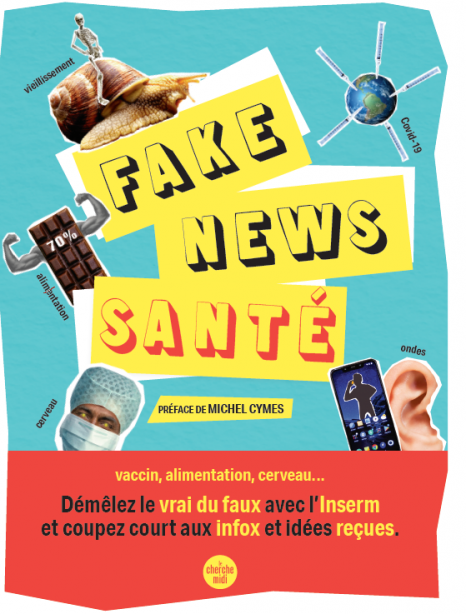
Inserm Publishes Book on Fake News Making Rigorous and Credible Health Information Accessible to All

chocolat et santé

Is dark chocolate better for you than milk chocolate? Inserm tackles fake news and preconceived ideas in its new book. © JP Courbatze


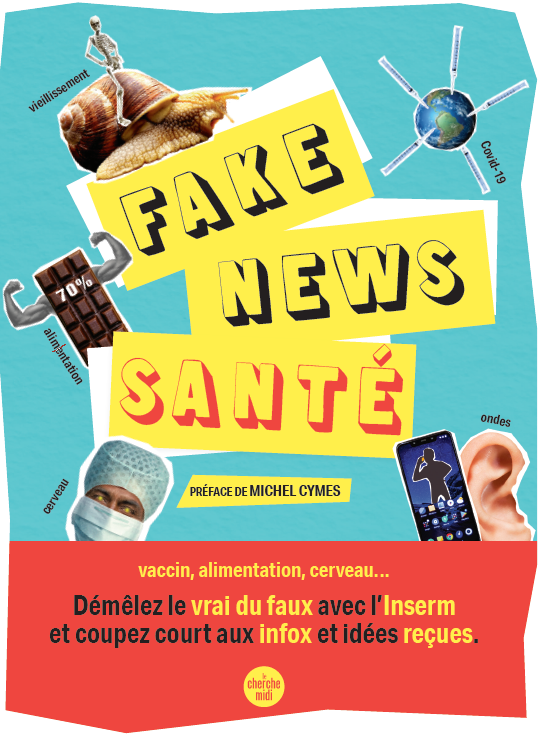
As the effects of the COVID-19 crisis continue to make themselves felt, how do we answer the many health questions raised by citizens and make space for scientific information that is useful in everyday life? More motivated than ever to provide robust scientific information to all, Inserm has joined forces with publisher Le Cherche-Midi to deconstruct fake news and preconceived ideas regarding our health.

They say that fasting is effective against cancer, that IUDs make you sterile, that HIV is transmitted by mosquito bites… While health misinformation is nothing new, the growing number of communication channels and the rise of social media have given it space to flourish.

We have all seen that the health crisis has been the focus of violent controversy, showcasing individual voices sometimes to the detriment of collective scientific discourse.

This is an issue that Inserm has been fighting since 2018, when it began to publish its series of Canal Détox videos. The aim of these educational scientific videos is to establish reliable scientific information on health topics that are of concern to citizens. With COVID-19, the initiative now includes the publication of informative texts in rapid response to misinformation that has gone viral, continuing to draw on the rigorous and measured scientific discourse of Inserm directors and researchers.

In order to intensify efforts to open up science to as many people as possible, Inserm has joined forces with publisher Le Cherche-Midi to roll out its Canal Détox label in book form. Taking an educational and thematic approach, the collection dissects nearly 80 pieces of health misinformation. COVID (of course!), as well as diet, cancer, mental health, HIV… It uses the latest scientific data and the expertise of Inserm researchers to shatter many preconceived ideas.

“At a time when the health crisis has revealed the need for every citizen to be informed and be able to make informed decisions to protect their health, Inserm’s ‘Science for Health’ motto has never been more relevant. This book illustrates our desire to continue to make Inserm a reference for dialogue with society and make biomedical science accessible to as many people as possible,” emphasizes Dr. Gilles Bloch, CEO of Inserm.

Available in French bookstores from September 30 and written for a general readership, this book maintains the modern, everyday angle and tone of the Canal Détox videos and addresses the most serious and complex scientific issues. In addition to providing responses to the readers’ health questions, its intention is also to share with them the methods of the rigorous, ethical and transparent scientific approach at work in Inserm’s 300 laboratories.

Suspension provisoire des travaux sur les prions dans les laboratoires de recherche publics français

Creation of a patient-centered biocluster in oncology

Visuel_BioCluster_ParisSaclay

BioCluster©ParisSaclay

Sanofi, Gustave Roussy, Inserm, Institut Polytechnique de Paris and the University of Paris-Saclay are committed to developing personalized medicine in France through a patient-centered oncology cluster – the Paris Saclay Cancer Cluster.

Following the announcements made by French President Emmanuel Macron at the Strategic Council for Health Industries, Sanofi, Gustave Roussy, Inserm, Institut Polytechnique de Paris and the University of Paris-Saclay have announced plans to create the Paris Saclay Cancer Cluster, a center bringing together key players in oncology innovation. This project, which is unique in Europe, will bring together the best scientific, human and technological expertise to shape the future of personalized medicine and accelerate the discovery of new customized cancer treatments. Within ten years, the objective is to be able to offer rapid diagnosis at the patient’s bedside, including disease modeling and the construction of an individualized and personalized therapy.

Oncology is a field where the medical needs of patients remain largely unmet and where innovations must lead to improved diagnosis, treatment and survival.  Ensuring that France and Europe are leaders in oncology innovation in 2030 is a key challenge. France has world-renowned strengths in oncology (quality of academic research with a number of publications that ranks France 2nd in the world, hospitals, industrial companies, venture capital funds, incubators); these assets must lead to the emergence of therapeutic and diagnostic solutions that will transform the lives of patients and enable the emergence of a truly global innovation ecosystem.

The Paris Saclay Cancer Cluster project aims to build on this high-potential ecosystem by bringing together the key players in oncology innovation (patients, hospitals, universities, pharma companies, investors, national research organizations, patient associations and public authorities) to develop the most effective synergies. With strong political support, the project will lead to the creation of a Prospective Oncology Center in the Paris region.

The Paris Saclay Cancer Cluster would stand out with:

  • The co-location and multi-disciplinary nature of the five founding players, which will promote the conversion of fundamental research into concrete and transforming applications for the benefit of patients,
  • Its ability to generate massive economic impact (creation of several thousand direct jobs, patents, several billion euros in fundraising, etc.),
  • The choice to support the most ambitious projects, and the proposal of a “unique, facilitating place” with secure access to the anonymized data of over 100,000 patients,
  • The mobilization of skills, services and infrastructures to develop the future of personalized medicine and the emergence of leading companies in oncology in the region. These research projects would be conducted by new joint public-private teams, in addition to existing units, for example those of Inserm/UP-Saclay at Gustave Roussy,
  • A solid foundation for the re-emergence of European therapeutic sovereignty by locating R&D and production capacities for new cancer therapies and diagnostics in Europe (with the ambition of five French unicorns in oncology),
  • The will to open up and attract many players in the world of oncology, beyond the founding members, very quickly.


The Paris Saclay Cancer Cluster intends to be both unique and complementary to existing facilities through its research strategy, which integrates all dimensions – clinical, fundamental, academic, industrial, transdisciplinary, etc. – on a single theme, located in a single location, as close as possible to patients. The ambition of this major project is to enable France and Europe to become world leaders in cancer research,” said Professor Jean-Charles Soria, CEO of Gustave Roussy.

“Improving the care of cancer patients is fundamental for Sanofi. Facing an opponent as challenging as cancer, I am delighted that public and private players bringing together the best medical, academic, and scientific expertise, join forces to advance research and create a European dynamic. The convergence of biology and medicine with data science and artificial intelligence offer major opportunities to accelerate therapeutic innovation and create future leading companies in oncology, positioning France at the forefront of innovation in Europe and the world,” said Paul Hudson, Chief Executive Officer of Sanofi.

I am delighted with this strong impetus that will combine the best of academic research with ambitious industrial development and will fully contribute to scientific advances in the fight against cancer,” said Dr. Gilles Bloch, President and CEO of Inserm.

The University of Paris-Saclay is very pleased to be a founding member of the Paris Saclay Cancer Cluster, which is part of a will to respond with our industrial partners to one of the major challenges of our time. This common trajectory with our faculties of medicine and pharmacy irrigates training, research and innovation in cancerology. The University’s high disciplinary level in this field is enriched by interfaces in AI, data sciences, applied mathematics and engineering, also at the highest world level,” said Sylvie Retailleau, President of Université Paris-Saclay.

By participating in the creation of the Paris Saclay Cancer Cluster, Institut Polytechnique de Paris affirms its strong commitment to a major challenge facing our society, cancer research, by contributing its skills in AI, data science and engineering. This union of all the public and private players around a great ambition, allowing us to bring innovations in this field to scale, will help our country achieve its therapeutic sovereignty,” said Eric Labaye, President of Institut Polytechnique de Paris.

Next steps

After a preparation and scoping phase, the first projects of the cluster should start by the end of 2021. They will focus on identifying new therapeutic targets based on a large collection of patient samples. Beforehand, a legal structure that will host the Paris Saclay Cancer Cluster will be created and its first employees, including its Managing Director, will be recruited, while the technological platforms, data and first training courses will be accessible (via the Cluster) from 2021/2022. The founders are already meeting with various players in the fields of oncology, data and AI, who could join the cluster in the near future.

From 2023/2024, the opening of the Prospective Oncology Center on a site close to Gustave Roussy will mark a real acceleration for the cluster: the objective will be to select at least ten new projects per year.

After 2025, the cluster will enter a phase of sustainability and expansion, notably through the emergence of projects focused on the creation and optimization of new treatments and drugs and their development (accelerated and facilitated by artificial intelligence), on the invention of new administration systems to provide patients with personalized treatment, and on the deployment of innovative treatment methods directly at their bedside, while disseminating these models so that they benefit all patients regardless of where they are treated in the territories.

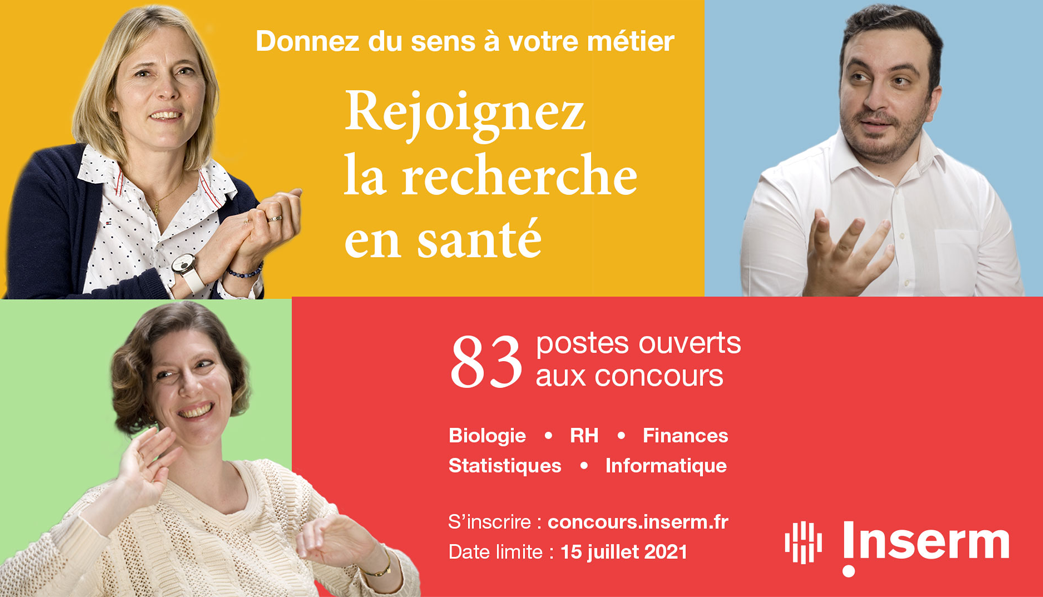
“Give Meaning to Your Work: Join Health Research! ” Inserm launches its recruitment campaign for 2021

RH Campagne 2021 Inserm

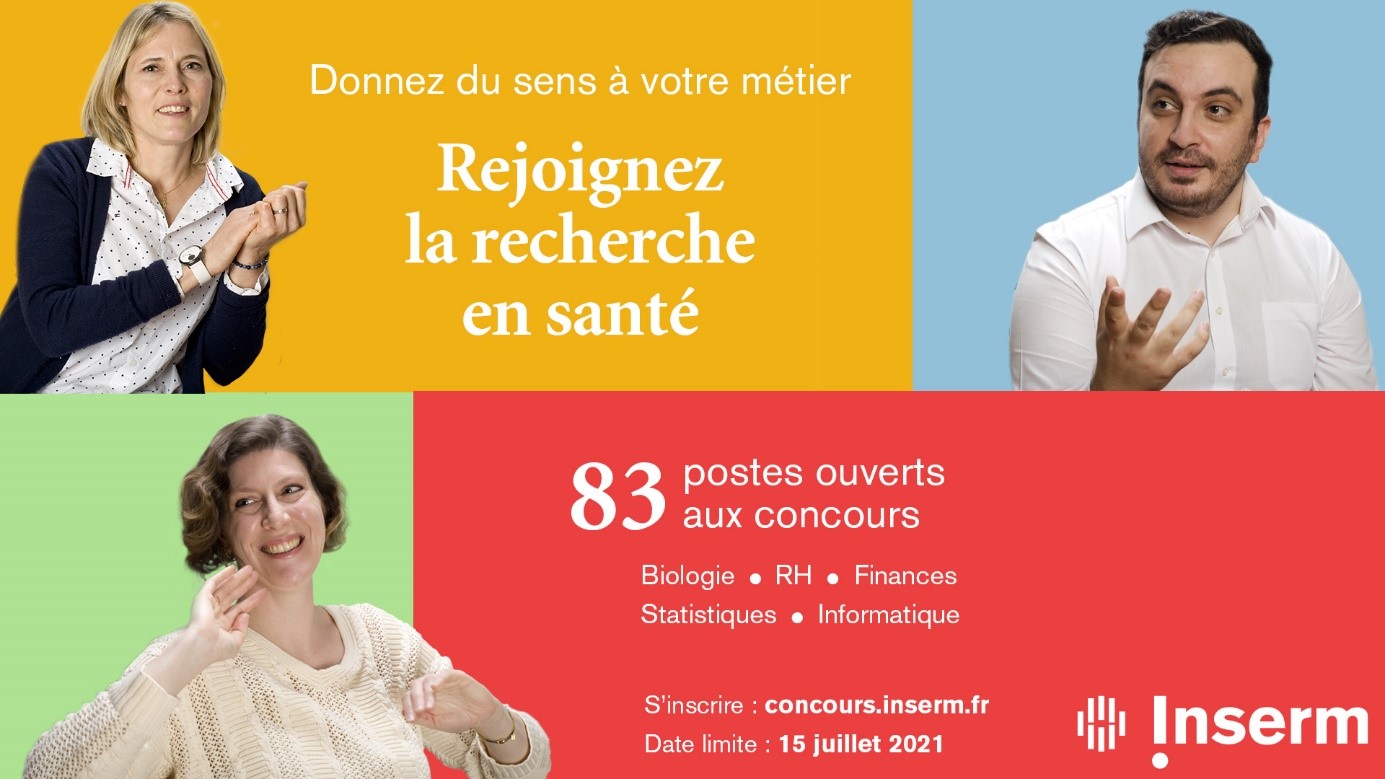
For 2021, Inserm has chosen to honor its staff through a colorful and dynamic digital communication campaign. Credits: © Inserm; photos: © François Guénet


Lawyers, biologists, computer scientists, statisticians and administrators: join Inserm and give meaning to your work! The first public organization dedicated entirely to human health research is launching its national recruitment campaign to encourage registration for external civil service competitive examinations. An opportunity for Inserm to present several of its staff and their sometimes little-known roles. A total of 83 positions are available across France. Registration is now open and accessible online until July 15.

Give meaning to your work by joining Inserm! Registration for the 2021 external competitive examinations is open, offering candidates a range of opportunities with over 83 positions in a wide variety of professions. The profiles sought concern many fields: biological techniques, virology, value creation, financial and administrative management, human resources, information technology, communication… All the positions open to the Inserm competitive examinations allow entry into the French State civil service.

Joining Inserm’s teams means joining a structure grouping over 15,000 researchers, engineers, technicians and administrative staff, all united by a shared objective: to promote health by furthering knowledge on living organisms and diseases, to develop innovative treatments, and to conduct public health research.

Full information on the competitive examinations and their terms and conditions is available at: https://concours.inserm.fr/rejoindre-inserm


A colorful and dynamic digital campaign that gives Inserm employees a voice

For 2021, Inserm has chosen to honor its staff through a colorful and dynamic digital communication campaign. Rolled out on LinkedIn, Twitter, Instagram and Facebook, as well as on several online press websites, the “Give meaning to your work: join health research!” campaign presents the profiles of several Inserm staff members who have agreed to share their stories. In the form of interviews, the participants talk about their career paths, professions, and the meaning of what they do at Inserm.

One of these is Marie Metzger, a biostatistician who has been with Inserm for twelve years: “By helping researchers and doctors analyze and interpret data, biostatisticians help to improve the health of everyone,” she explains. Oguz Kulaksiz, meanwhile, has been with Inserm as external resources administrator since April 2019. “I enjoy being in the thick of project management and interacting with numerous networks. I am at the center of interactions between researchers and funding parties and work in total synergy with Inserm’s internal teams,” he emphasizes.

This quest for meaning and service to citizens, embodied in the slogan “Give meaning to your work,” resonates even more after a year and a half of a health crisis that has seen Inserm rise to the forefront of the fight against COVID-19. This campaign, orchestrated by Inserm’s Communication Department, is one of the main thrusts of its communication strategy aimed at improving the public’s perception of its missions and actions.


The interviews can be found at: https://concours.inserm.fr/rejoindre-inserm.

L’Inserm vous donne rendez-vous tout au long du mois de juin pour la toute première édition de l’événement de culture scientifique « InScience »

À l’Inserm, la lutte contre la pandémie de Covid-19 se poursuit

Fibromyalgia, Knowledge Overview and Recommendations: An Inserm Collective Expert Review

© Inserm/Frédérique Koulikoff

Fibromyalgia, otherwise known as fibromyalgia syndrome, is a form of chronic widespread pain associated with other incapacitating symptoms such as fatigue, cognitive impairment, sleep disturbances and mood disorders. This condition is thought to affect between 1.4 and 2.2% of people in France, but the lack of a specific biological marker makes diagnosing them difficult. Caring for these patients is also complex and often requires a multidisciplinary approach tailored to each individual.

Inserm was tasked by France’s Health Directorate with conducting a Collective Expert Review in order to take stock of the scientific knowledge on fibromyalgia in adults, and also to explore the potential existence of a similar syndrome in children and adolescents. The objective was also to recommend measures and establish research priorities in order to better understand fibromyalgia and improve patient care.

This Inserm Collective Expert Review is based on a critical analysis of the international scientific literature carried out by a multidisciplinary group of fifteen experts from fields including neurology, pharmacology, pediatrics, sociology and health economics.

All in all, nearly 1,600 scientific documents published over the last ten years were analyzed. The resulting review contributes a number of elements that enable the complex reality of fibromyalgia to be better understood, but also promote the appropriate care and strengthen research. The purpose was not to give an opinion on how the health authorities should manage the condition.

A complex clinical reality

While fibromyalgia is primarily associated with fluctuating chronic widespread pain, a large majority of patients also suffer from persistent fatigue, attention and concentration difficulties, and physical deconditioning (a psychophysiological process that leads to physical inactivity and withdrawal). Up to 85% present symptoms of anxiety or depression and 95% complain of sleep disturbances. However, what the review shows is that fibromyalgia is highly diverse in its clinical expression, with major variations in its severity. It also notes the impact of fibromyalgia on all aspects of quality of life and the significant economic and social costs associated with it.

As far as diagnosis is concerned, it is based on constantly evolving clinical criteria, which make it difficult, especially since no biomarker has yet been identified. The findings of the brain imaging studies performed so far vary greatly and do not make it possible to aid diagnosis.

What is more, the review recommends not distinguishing at present a juvenile fibromyalgia syndrome in children and adolescents suffering from chronic widespread pain.

Finally, the scientific research conducted over the previous decade rarely took into account the diversity of symptoms, the differences in severity and the various treatments taken by patients, which limits its scope. It also makes little distinction from other forms of chronic widespread pain, with sex-based differences and patient outcomes having not been explored in great depth.

Faced with this diversity of findings from the scientific literature, and in order to deal with the complex clinical reality of fibromyalgia, several recommendations are presented.

Offer the most appropriate patient care and encourage physical activity

The review emphasizes the need to promote support that adapts and evolves according to the symptoms. In all cases, the patient’s adherence to the proposed care program is essential. Appropriate interdisciplinary management in order to better recognize and accompany the various symptoms presented by patients is recommended for those whose quality of life is severely impaired.

Getting patients moving again at an early stage through appropriate physical activity is one of the central aspects of care in order to, among other things, prevent or minimize physical deconditioning. This is why the review suggests that the recommendations made in the Inserm Collective Expert Review on the practice of physical activity in chronic diseases be extended to include fibromyalgia. Such a physical activity program should be supervised regularly by a health professional.

For patients who have difficulty managing their fibromyalgia or who present symptoms of anxiety or depression, their management can include psychotherapy in order to help them improve their psychological wellbeing and quality of life.

While medications may be occasionally effective against certain symptoms (pain, but also sleep disorders, anxiety and depression…), it is important to prevent their misuse, particularly by avoiding the prescription of opioids for widespread pain, especially in children and adolescents.

Promote quality research

Another major recommendation is to develop and pursue quality research into widespread chronic pain, including fibromyalgia. Several lines of research must therefore be prioritized.

To begin with, the aim is to improve knowledge of fibromyalgia by exploring chronic widespread pain in large existing or future French cohorts. The studies will also be able to assess the particularities of fibromyalgia subgroups, strengthening research into patient representations and experiences and evaluating the socioeconomic impact.

In addition, the review stresses the importance of intensifying investigations in young people suffering from chronic widespread pain and research into the origin and consequences of such pain developing in childhood and adolescence.

Finally, the identification of factors that favor interdisciplinary care, particularly by promoting research into the organization of care, is also considered a priority.

Inserm’s Collective Expertise Review on Fibromyalgia is a further step towards promoting research of excellence on the subject, serving the health of people affected by chronic pain.

COVID-19 Vaccines: 25,000 Volunteers Needed for Large-Scale Clinical Trials in France – Registration Now Open


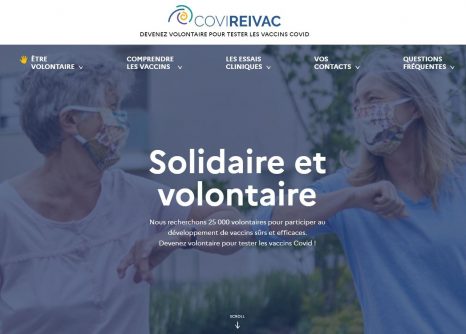
International research is being mobilized in order to develop safe and effective vaccines for COVID-19. Around thirty vaccine candidates are at the clinical evaluation stage, with some undergoing Phase 3 trials to demonstrate their efficacy. At the request of the Ministry of Solidarity and Health and the Ministry of Higher Education and Research, France – drawing on the excellence of its clinical research in vaccination – has taken steps to help evaluate the most promising vaccine candidates with the deployment of the COVIREIVAC platform. Driven by Inserm, COVIREIVAC federates 24 Clinical Investigation Centers (CICs) located in university hospitals across France, in close collaboration with the College of Teachers in General Practice. The clinical operational aspects of the various university hospitals are coordinated by the Paris Hospital Group AP-HP. Today, COVIREIVAC opens the registration process for volunteers to participate in the first large-scale clinical trials in France.

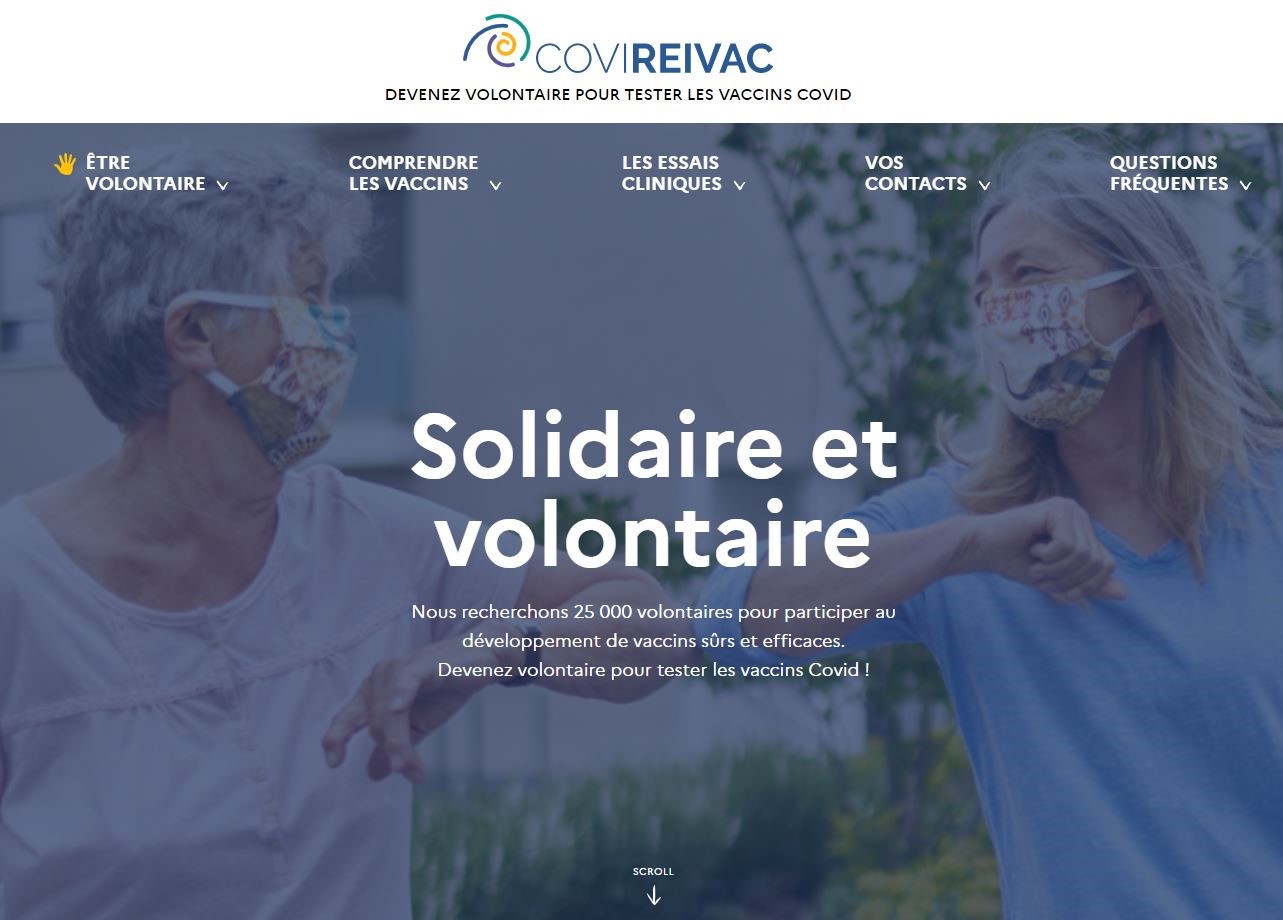
To make these trials possible, COVIREIVAC is looking for 25,000 volunteers aged 18 or over and has launched the registration and information website www.covireivac.fr. Developed with the support of Public Health France and the Medicines Agency (ANSM), it aims to provide the most accurate information possible on vaccine development so that potential volunteers can make an informed decision.

Join the fight

Volunteers in COVID-19 vaccine trials have a role to play in fighting the pandemic, moving research forward and thus contributing in the medium term to their own protection and that of their fellow citizens – particularly the most vulnerable. Becoming a volunteer also means participating in a scientific challenge alongside the scientific and medical community.

If you are interested in volunteering, simply pre-register at www.covireivac.fr and complete a preliminary health questionnaire. Volunteers will then be contacted according to the needs of the various trial protocols (age, pre-existing conditions, geographical location), following which they can either confirm or withdraw their agreement to participate in the specific trial for which they have been called. It is also possible that they may never be called.

French research, a key player in developing safe and effective vaccines

Two vaccine clinical trials are currently ongoing in France: a Phase 1 trial in healthy subjects for a vaccine developed by Institut Pasteur in collaboration with CEPI, Themis and MSD which has begun at Cochin Hospital (Paris Hospital Group AP-HP), and a trial in healthcare workers on the contribution of the BCG vaccine to boosting systemic immunity and protection against COVID-19, which is coordinated by AP-HP.

Two types of large-scale clinical trial are envisaged in France. The first is Phase 2 trials to closely study the ability of vaccines to produce an immune response (immunogenicity) in elderly people, whose immune system is generally weakened despite being most at risk of developing severe forms of the disease. The second is Phase 3 trials for the large-scale study of the efficacy and safety of promising vaccine candidates, depending on the intensity of the virus’ circulation in France in the months to come.

These clinical trials could start between October and the end of the year, depending on the evolution of the epidemic and the ongoing discussions with industry.

“Good clinical trials are crucial for the development of safe and effective vaccines. As researchers and doctors, we are all committed to rigorous evaluation that will provide the health authorities with the essential data to guarantee the quality of the vaccines developed. What wenow need is volunteers to mobilize alongside us,” emphasizes Odile Launay, Professor of Infectious and Tropical Diseases at Université de Paris, coordinator of Cochin-Pasteur CIC at Cochin Hospital (AP-HP), and coordinator of COVIREIVAC.

In addition to the follow-up and monitoring of the volunteers during the trials, a specific system for monitoring participants will be set up by the platform at the end of the trials, in conjunction with primary care doctors and ANSM. This monitoring will therefore make it possible to track the safety of the vaccines over the long term.

COVIREIVAC, a “one-stop shop” for France

The COVIREIVAC platform is working in close collaboration with the Scientific Committee for COVID-19 Vaccines, chaired by Inserm Research Director and CARE Committee member Marie-Paule Kieny. The clinical trials conducted will focus on the most promising vaccines, selected by the Scientific Committee.

Inserm Launches a Platform Evaluating COVID-19 Vaccine Candidates for the Conduct of Large-Scale Quality Trials

To evaluate the safety and efficacy of potential COVID-19 vaccines, rigorous clinical trials are more necessary than ever. © Adobe Stock


The search is on for a COVID-19 vaccine, with many candidates having already reached the clinical trial stage. The participation of France in such trials is scientifically and strategically imperative in order to guarantee access to a safe and effective vaccine for its population. This is why Inserm, with the support of the REACTing network, Public Health France, the country’s university hospitals, and the French College of Teachers in General Practice, is launching COVIREIVAC. This platform for the clinical evaluation of COVID-19 vaccine candidates will make it possible to test them rigorously and obtain robust data on their safety and ability to induce an immune response (immunogenicity).

Unprecedented in scale, the COVID-19 pandemic has already caused more than 500,000 deaths worldwide. While the number of new cases is slowing in some regions, the virus continues to spread, particularly in the USA and Latin America. In order to stop this, the scientific community is pinning its hopes, first and foremost, on the development of a vaccine. Several months after the identification and genetic sequencing of SARS-CoV-2, the World Health Organization (WHO) has listed over 140 vaccine candidates, seventeen of which are already in clinical development.

In order to assess the safety and efficacy of these potential vaccines, rigorous clinical trials are more necessary than ever.

Founded by Inserm in 2007 and labeled a network of excellence in 2013 by its national infrastructure F-CRIN[1] , the Innovative Clinical Research Network in Vaccinology (I-REIVAC) enjoys extensive clinical vaccine research experience and industry visibility, making it an essential stakeholder in the organization of such trials.

With 24 hospital clinical centers distributed throughout France, it also enables extensive participation of the population in the vaccine trials. On the strength of this legitimacy, this network will serve as the support structure for the COVIREIVAC project, which should enable high-quality clinical evaluation of the various COVID-19 vaccine candidates.

A “one-stop shop” for France

This project is based on the observation that France’s access to the most promising candidates will only be possible by setting up a “one-stop shop” serving industry and academia, in order to evaluate these products, guarantee the feasibility of the clinical trials to the industry stakeholders concerned, and negotiate production and market conditions. This approach involves both the establishment of a “scientific committee” tasked with carrying out scientific and strategic evaluation of the various COVID-19 vaccine candidates, and the development of a national platform for their clinical evaluation.

Chaired by Inserm Research Director and CARE committee member Marie-Paule Kieny, the scientific committee is particularly interested in the characteristics of the vaccine candidates that could provide indications regarding their efficacy, safety and production capacity in order to identify the most relevant products. It is working closely with the new vaccine platform, under the leadership of I-REIVAC coordinator Odile Launay, professor of infectious and tropical diseases at Université de Paris and coordinator of the Cochin Pasteur Clinical Investigation Center (CIC) at Cochin Hospital (AP-HP), to test vaccines in rigorous clinical trials that can include several hundred participants.

With the support of the REACTing network, Public Health France, the university hospitals and the French College of Teachers in General Practice, and in order to increase the capacity of the network to participate in COVID-19 vaccine trials, the aim of the platform will be to build a pool of potential participants and increase the number of centers that can accommodate them.

The monitoring of potential side effects, through close collaboration with networks of primary care doctors and the French medicines agency (ANSM), will also be proposed.

“Confronting the severity of the COVID-19 pandemic means ensuring the widest possible access to future vaccines for the French and European populations. Thanks to an existing vaccine network, the COVIREIVAC project can give France the attractiveness it needs to guarantee active participation in the major vaccine trials and early access to the best vaccine candidates,” says Gilles Bloch, Inserm Chairman and CEO.

In the longer term, the initiative will also provide essential information on the safety of these vaccines and their continued efficacy. Collaboration with other European countries, to extend the initiative and enable larger-scale clinical trials, is also something that is being envisaged.

This project receives financial support from the Ministry of Solidarity and Health and the Ministry of Research and Innovation.


[1] French Clinical Research Infrastructure Network

Discovery: Stopping inclusions in two treatment groups

After the inclusions in the hydroxychloroquine arm stopped, both arms testing the lopinavir/ritonavir combination with or without interferon beta were stopped in the Solidarity and Discovery clinical trials. Given the adaptive nature of the Solidarity trial and its European Discovery “daughter” trial, a reflection is underway on the evolution of the protocol. Publications in international peer-reviewed journals are in preparation concerning both the evaluation of hydroxychloroquine and lopinavir/ritonavir.

 The Solidarity and Discovery clinical trials, whose objective is to test the efficacy and safety of medicines repurposed for the indication of SARS-CoV-2 infection requiring hospitalization, announced today the definitive cessation of inclusions in the groups of patients receiving the lopinavir/ritonavir antivirals with or without interferon beta.

This decision is based on the recommendations for termination made by the independent data monitoring panels of the two trials. These were based on the lack of efficacy on mortality of hospitalised patients for the lopinavir/ritonavir compared to standard therapy. On the other hand, in the Discovery trial, which thoroughly analyzed adverse events in treated patients, the independent committee highlighted the significantly higher frequency of serious adverse events based on clinical laboratory data related to renal function in the two groups of patients receiving the lopinavir/ritonavir combination, particularly in intensive care patients. It should be added that the UK Recovery trial also stopped the lopinavir/ritonavir treatment arm for lack of efficacy.

A communication in the form of publications in international peer-reviewed journals will detail the results. In addition, given the adaptive nature of the Solidarity trial and its European “daughter” trial Discovery, a reflection is underway on the evolution of the protocol. In addition to the ongoing evaluation of Remdesivir and interferon, this includes the possibility of testing new treatments.

The pandemic linked to the SARS-CoV-2 virus responsible for Covid-19 disease continues to progress. The Solidarity global therapeutic clinical trial organized by WHO continues to include approximately 500 patients per week, particularly in South America, in the Middle East and in Asia where the epidemic remains active. The current total number of patients included in Solidarity is more than 5,500 worldwide, of which 760 patients are part of the Discovery trial. France is the 2nd largest contributor in terms of number of patients.

fermer