Depression is a real public health issue with 8% of adolescents affected by it, according to the French National Authority for Health (HAS). Adolescence is a time of transition during which young people are prone to episodes of depression. This often complicates the diagnosis of this disease. According to some studies, adolescents with severe depression […]
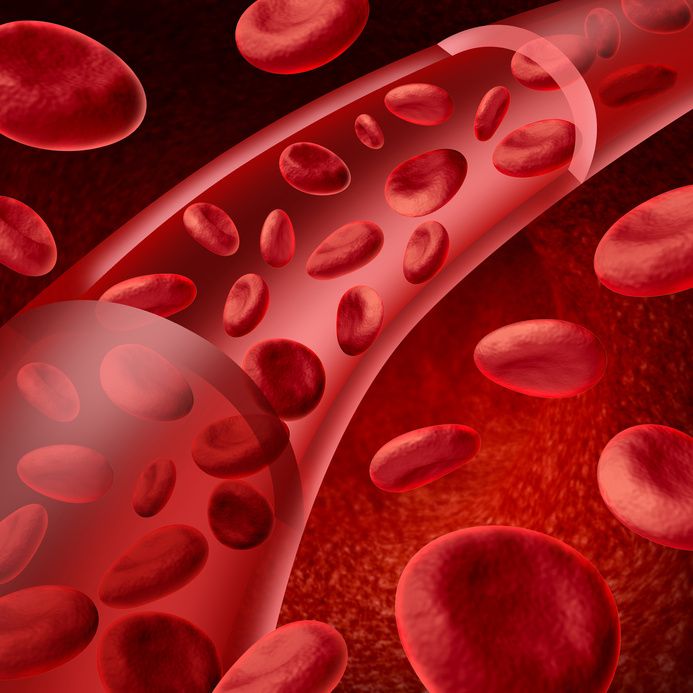
A new study published in the journal Blood shows that red blood cells can turn against blood vessels by releasing aggressive fragments that contribute to the development of cardiovascular diseases. There are approximately 5 million red blood cells in every microlitre of blood. Their stock is constantly renewed, and each one is discreetly removed every […]
Following a programme of physical exercise based on balance and building muscle strength reduces the risk of injury from falls by nearly 20% in women aged over 75 years. This study, conducted by Patricia Dargent, has just been published in the British Medical Journal (BMJ). Falls are very common in older people, with approximately one […]
In a new study published in the journal Plos One, researchers from Inserm have analysed the causes of 79,107 deaths of Paris inhabitants aged over 35 years between 2004 and 2009. Their objective was to explore whether or not a combination of neighbourhood characteristics (socioeconomic profile and daily exposure to pollution) modified the risk of […]
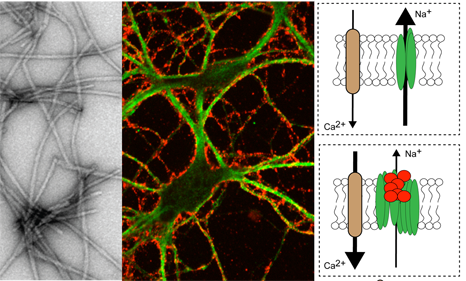
A team coordinated by Antoine Triller, Inserm Research Director, Director of the Institute of Biology at the École Normale Supérieure, and Ronald Melki, CNRS Research Director (Paris-Saclay Institute of Neuroscience), has just identified the target of an alpha-synuclein protein, which is pathogenic in Parkinson’s disease. This target is an ATP-dependent sodium/potassium pump. It may potentially […]
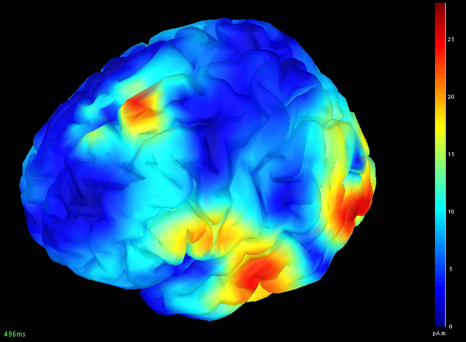
Such is the brain’s complexity that it is a particularly difficult organ to examine despite technological progress in this area. While electroencephalograms (EEG) and optical techniques can be used to record neurone activity in mobile animals, it is only possible to examine certain areas of the brain due to the size of the electrodes and […]
Birthmarks, café au lait spots—although usually harmless (over 10% of the population has one or two), the presence of more than 5 of them in a child can conceal a hereditary disease, neurofibromatosis type 1 (NF1). This is one of the most common genetic diseases (affecting 1 in 3,000 individuals). Until now, the molecular mechanisms associated […]
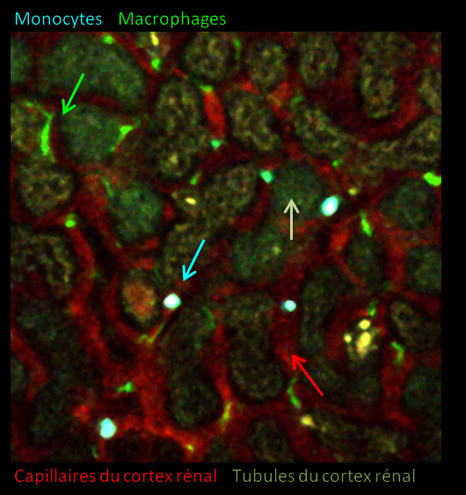
Septicaemia is a general inflammatory reaction secondary to an infection. Bacteria discharge into the blood, leading to fever, an increased heart rate, a drop in blood pressure, an increased breathing rate, and a pronounced fatigue of the body. Septicaemia is associated with significant mortality as it effects all of the organs. In France, it is […]
“Google” is currently the most widely used search engine in the world. Google Trends is a tool that performs a statistical analysis of words entered in the search engine. During the influenza H1N1 epidemic in 2009, a strong spike in searches for the word “influenza” was observed in regions where the epidemic had begun. Thus […]
The loss of cones, those photoreceptors located in the retina, is the major cause of disability for people with inherited retinal degeneration. Preventing their loss would prevent more than a million people worldwide from becoming blind. Retinitis pigmentosa, a type of inherited retinal degeneration, is generally diagnosed in young adults. This condition results from progressive […]
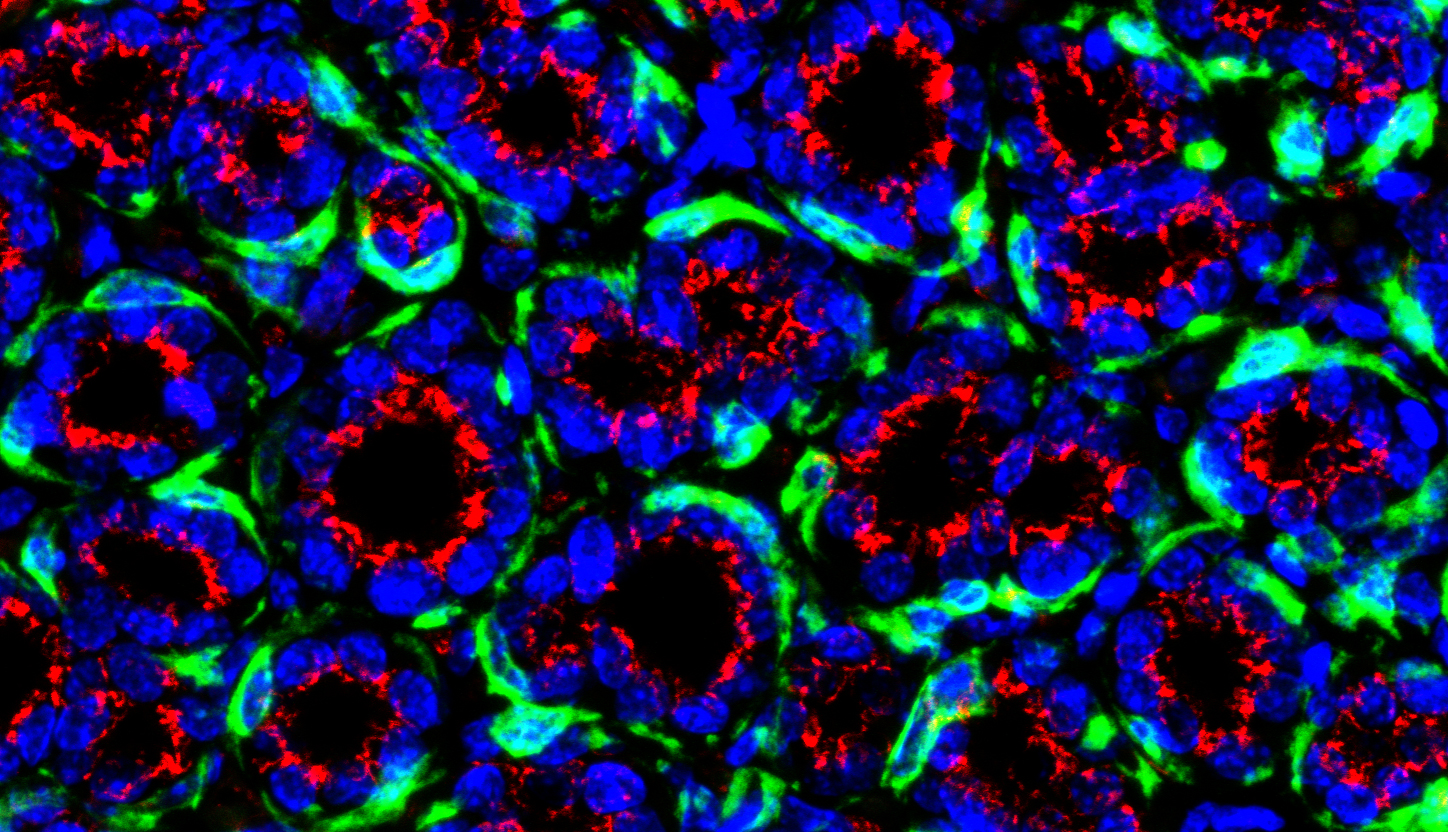
In the mammary gland, the lactiferous ducts are indispensable as they are the conduits through which milk is conveyed to the nipple. Within the cells lining them, the luminal cells, organelles and proteins are asymmetrically distributed. This “polarity” of the cells is the key element in their proper functioning. Among the many factors involved in […]