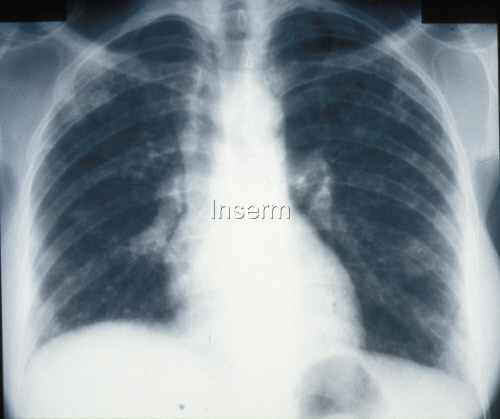
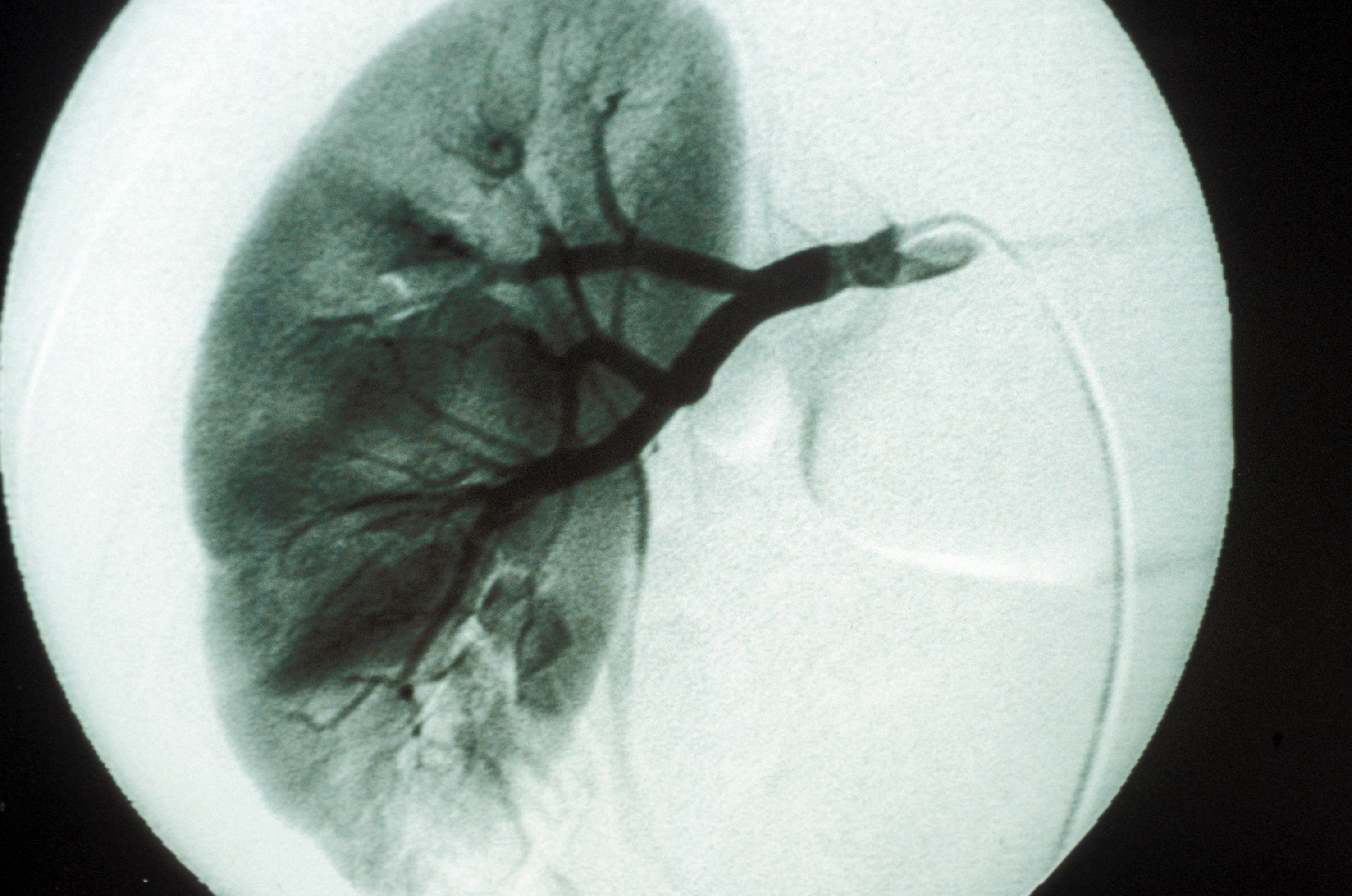
A genetic marker localised on chromosome 18 is associated with a doubling of the risk of pulmonary arterial hypertension (PAH). A gene close to this marker is suspected of being responsible for an increased risk of the disease, according to an academic study (letter) published in Nature Genetics* on 17 March 2013. PAH is a […]
The team headed by Claude Férec, director of INSERM 1078 “Genetics, functional genomics and biotechnologies” (INSERM/Université de Bretagne/EFS) in Brest, published results in the Journal of the American Society of Nephrology from a cohort of 700 patients suffering from Autosomal Dominant Polycystic Kidney Disease (ADPKD). This condition, the most frequent monogenetic hereditary kidney disease, manifests through […]
Sixteen partners from 10 European countries got together to create the “Nanomedicine for Atherosclerosis” consortium. Its aim is to study and develop the clinical feasibility of nanomedicine for targeted diagnosis and treatment of atherosclerosis. Coordinated by Inserm, the project has just obtaining funding amounting to 10 million euros over five years from the European Commission. […]
Friedreich’s ataxia is a rare, serious and developing neurodegenerative condition that emerges at adolescence. Those affected suffer from difficulties in coordinating voluntary movements (ataxia). This is the commonest of the hereditary ataxias of genetic origin and occurs due to a mutation of the fraxatin gene which causes a protein deficiency. The team headed by Alexandra […]
© AdobeStock An international study coordinated by Professor Tracey Woodruff of the University of San Francisco reveals that mothers exposed to atmospheric pollution due to particles in suspension in the air (vehicle emissions, city central heating systems and coal-burning power stations) presented with a higher risk of bearing babies with a low birth weight. This […]
Depression is a common multifactorial condition in which the appearance of symptoms is often linked to patients’ lifestyle. Of these factors, nutrition appears to play a significant role. Studies performed in a collaborative project between INSERM researchers in Montpellier and at University College London suggest than an improvement in the quality of nutrition is associated […]
To test this hypothesis, the researchers developed a test in which 39 participants were invited to squeeze their fists tightly in exchange for a payment proportional to the length of time during which they were able to perform this feat. The researchers used two brain imaging techniques to record the participants’ brain activity during the […]
It is currently impossible, using the resources available to researchers, to make this distinction. Yet the INSERM researchers of Unit 1028 “Centre de recherche en neuroscience de Lyon) have succeeded in developing a test that makes it possible to analyse brain activity in small and big dreamers and to draw a few conclusions. Their work […]
As part of the European AlcoBinge Project, coordinated by Mickaël Naassila’s team (INSERM Unit ERi 24), researchers used rats to explore the long-term effect of repeated intoxication during adolescence (the rat is considered to be an adolescent at 30 to 40 days from birth) and whether a predisposition and motivation to consume alcohol could lead […]
Although they did not answer this question directly, the INSERM researchers under Mathias Pessiglione at the Neuroscience Research Centre of the Pitié Salpêtrière Hospital recently showed that very specific regions are activated in the brain when faced with either situation. Certain regions of the brain (the anterior insula and the dorsal striatum) constitute a system […]
A collaborative effort between the INSERM researchers at the Lyon Centre de Recherche en Neurosciences and the Grenoble C.H.U. has just shown that our brains can react as if we were hearing someone talking to us even though no one else is in the room. The research has been published in The Journal of Neuroscience. […]