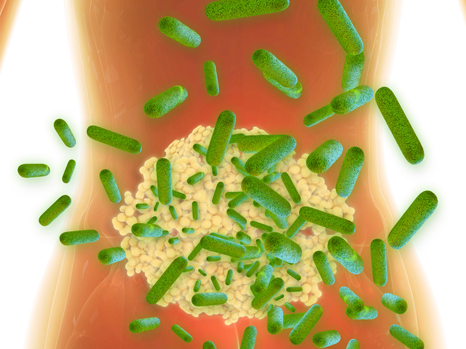
Despite excessive alcohol consumption, some individuals remain in good health while others develop liver disease. This inequality regarding the toxicity of alcohol for the liver depends on the intestinal microbiota. This has just been demonstrated by scientists and physicians from Paris-Sud University, Inserm, AP-HP (Antoine-Béclère Hospital), INRA (French National Institute for Agricultural Research), AgroParitech and Aix-Marseille University. These results are published online in the journal Gut.
Don’t have room for dessert? The bacteria in your gut may be telling you something. Twenty minutes after a meal, gut microbes produce proteins that can suppress food intake in animals, reports a study published November 24 in Cell Metabolism. The researchers also show how these proteins injected into mice and rats act on the brain reducing appetite, suggesting that gut bacteria may help control when and how much...
Two Inserm research teams have just shown that failure of the intestine to produce a lipid “messenger” is associated with Crohn’s disease, a common and highly disabling inflammatory bowel disease (IBD).
Researchers from Inserm and physicians from the Department of Paediatric Endocrinology, Gynaecology and Diabetology at Necker Hospital for Sick Children (AP-HP, Inserm U1016, Paris Descartes University, Imagine Institute) have developed an improved treatment for a rare form of early childhood diabetes associated with cognitive disorders. Their work, conducted in collaboration with the Neurophysiology Department of Pitié-Salpêtrière Hospital, AP-HP, shows that a drug used for decades to treat type 2...
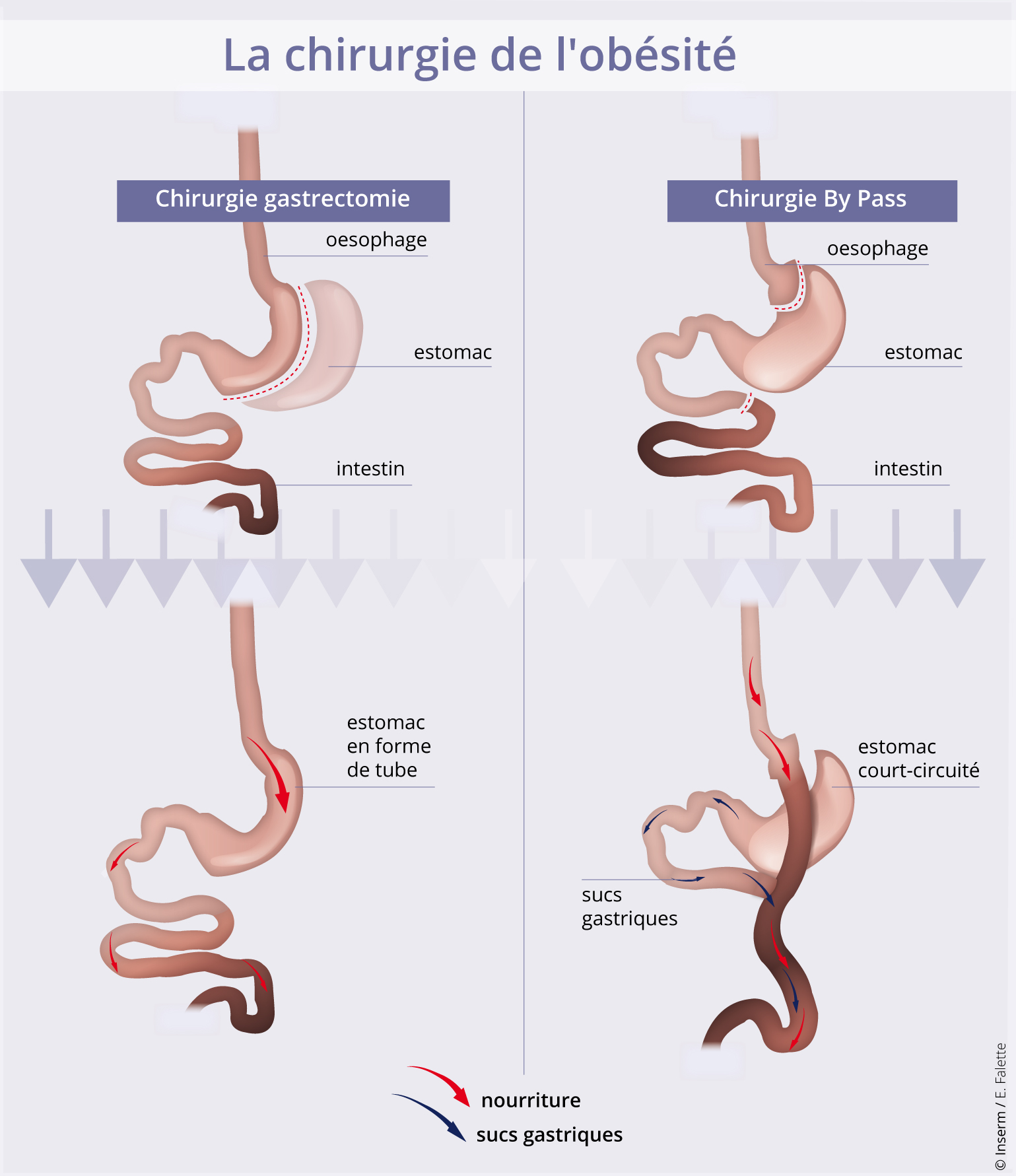
Each year, obesity kills 2.8 million people worldwide. When confronting morbid overweight—and its direct consequence, type 2 diabetes—surgery is used as a last resort. Strangely, in patients who have had such an operation, the diabetes disappears before and independently of weight loss. Inserm researchers, with the help of physicians from Bichat Hospital, AP-HP, have shown that the surgically reconfigured intestine might be at the root of this improved glycaemic...
Thanks to work done at Institute Curie by a team led by Fatima Mechta-Grigoriou, Inserm Research Director, it is now possible to identify, among women with aggressive ovarian cancer, those who could benefit from a promising targeted therapy.
Des scientifiques provenant de 6 pays, réunis au sein du projet ENS@T-HT mettent en commun leur expertise afin d’améliorer le diagnostic et la prise en charge thérapeutique de l’hypertension artérielle primaire et secondaire par une approche axée sur les « omiques ». Le projet ENS@T-HT, coordonné par Maria-Christina Zennaro, Directrice de recherche à l’Inserm (Centre de recherche Cardiovasculaire de Paris), a été officiellement lancé ce mois-ci à Paris et...
For the first time, teams from Inra and Inserm have demonstrated how bacteria can alter the distribution and storage capabilities of iron in the intestinal cells.
Although it is accepted that the diet of the most disadvantaged populations does not comply closely with nutritional recommendations, the relationship between budget and a dietary balance is not so simple.
Researchers from the French National Centre for Scientific Research (CNRS), Inserm, Pierre and Marie Curie University (UPMC) and Paris Descartes University, in collaboration with clinician researchers from the Paris Public Hospitals (AP-HP), have just shown that severe obesity is accompanied by inflammation of the small intestine and a strengthening of the immune defences in that area.
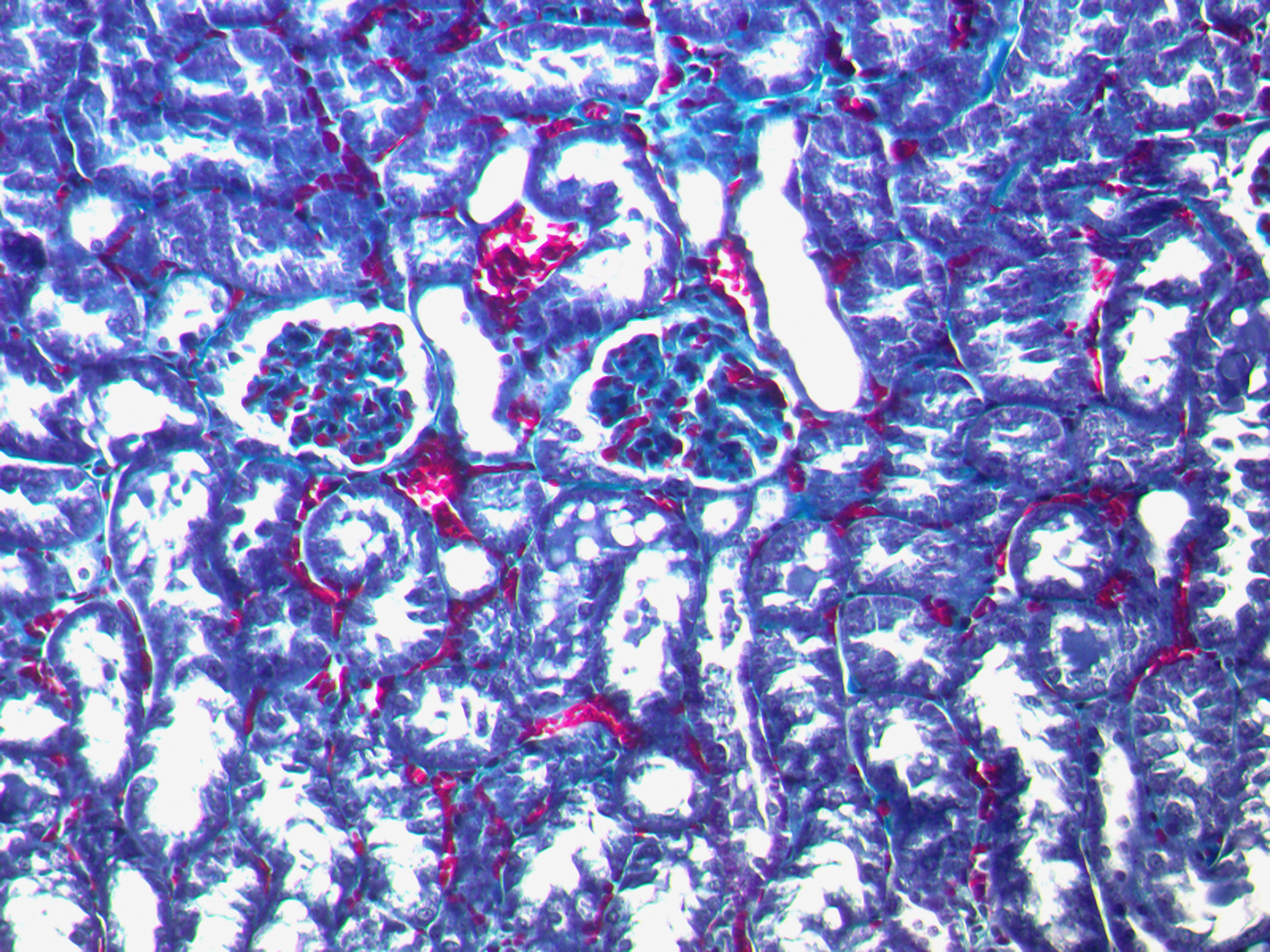
A team at the Paris Cardiovascular Research Centre (PARCC) (Paris Descartes University / Inserm / AP-HP) proposes a new approach for the treatment of serious kidney diseases.