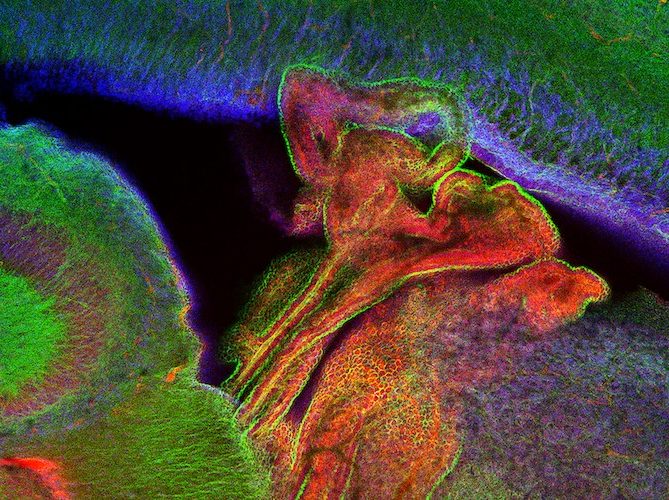
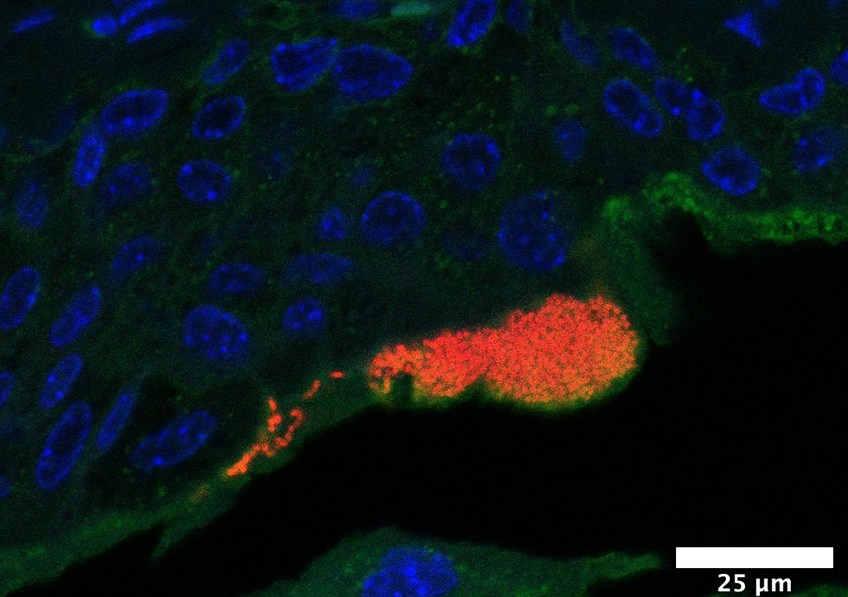
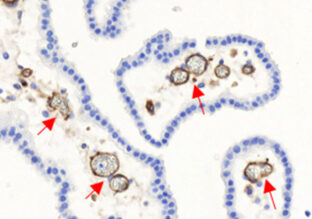
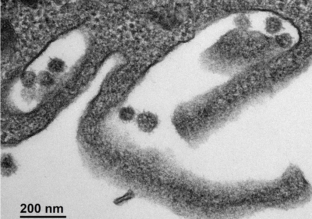
Meningitis is associated with high mortality and frequently causes severe sequelae. Newborn infants are particularly susceptible to this type of infection; they develop meningitis 30 times more often than the general population.
Good gut microbiota function has an impact on our general physical and psychological health. Understanding how the architecture of the microbiota and the function of the bacteria that inhabit it affect the body has become a key research focus in recent years.
The severe form of Covid-19 is known to be associated with the excessive elevation of many cytokines, a condition termed “cytokine storm”. Therapy with biological agents intended to block these cytokines, for example anti-interleukin-6 or anti-interleukin-1 antibodies, was already tried, albeit with a limited success. A recent study shows that there are at least two distinct types of cytokine storms induced by SARS-CoV-2 infection that are differentially associated with...
Drawing on epidemiological field studies and the FrenchCOVID hospital cohort coordinated by Inserm, teams from the Institut Pasteur, the CNRS and the Vaccine Research Institute (VRI, Inserm/University Paris-Est Créteil) studied the antibodies induced in individuals with asymptomatic or symptomatic SARS-CoV-2 infection. The scientists demonstrated that infection induces polyfunctional antibodies.
Les cellules cibles du SARS-CoV-2 dans les voies respiratoires produisent des molécules antivirales suite à l’infection, mais trop tardivement pour empêcher la réplication du virus.
Urinary tract infections affect over 50% of women, in some cases recurrently. E. coli bacteria are very often implicated in their development.
Every year throughout the world, Group B Streptococcal (GBS) meningitis affects thousands of newborns. Often fatal, the disease can also lead to severe after-effects in survivors.
What are the factors predicting progression to severe forms of COVID-19? One year into the pandemic, this question remains a key research subject, and one that scientists from Inserm and Université de Paris decided to explore further by studying the link between viral kinetics and disease progression.
As the COVID-19 pandemic continues, scientists are making significant headway in understanding the transmission of the SARS-CoV-2 coronavirus and the immune response it triggers at the time of infection. Researchers have provided new data on the very early stages of immune response.
The Discovery trial was originally launched in March 2020 by Inserm to evaluate possible treatments for Covid-19. On January 13th, 2021, the Discovery Europe trial Data Safety Monitoring Boards (DSMB) evaluated an interim report based on 776 patients of whom 389 received remdesivir and 387 received standard of care. The efficacy of the treatment was evaluated after 15 days and measured on the WHO-7-point ordinal scale. As a result...
So-called "persistent" bacterial infections constitute a major public health problem and are linked to significant failures of antibiotic treatments. Researchers from Inserm and Université de Rennes 1, in collaboration with a team based in Switzerland, have identified a new mechanism to explain the persistence of Staphylococcus aureus.