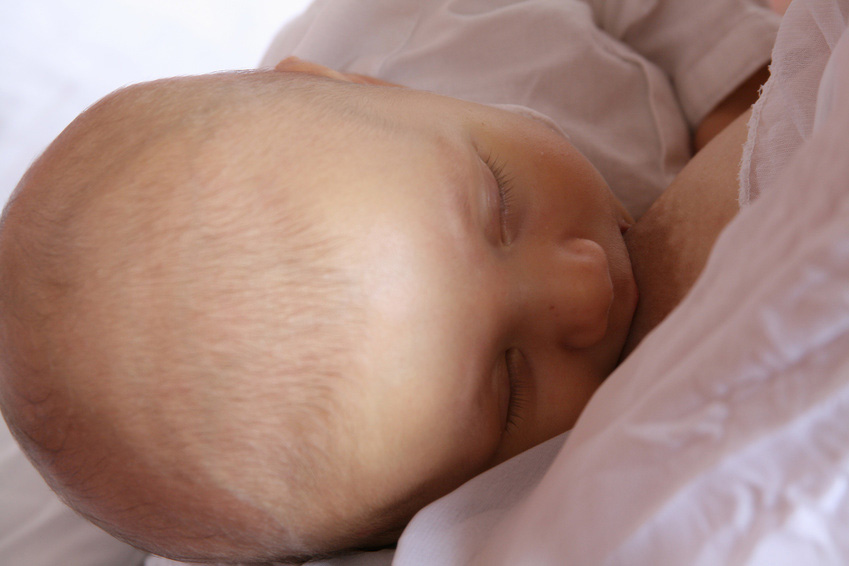
A study shows that French women breastfeed for an average of 17 weeks, or just over 4 and a half months in total, and only exclusively for two months.
Researchers at Unit 1121 "Biomaterials and Bio-engineering" (Inserm/Strasbourg university) have succeeded in creating a film with antimicrobial, antifungal and anti-inflammatory properties.
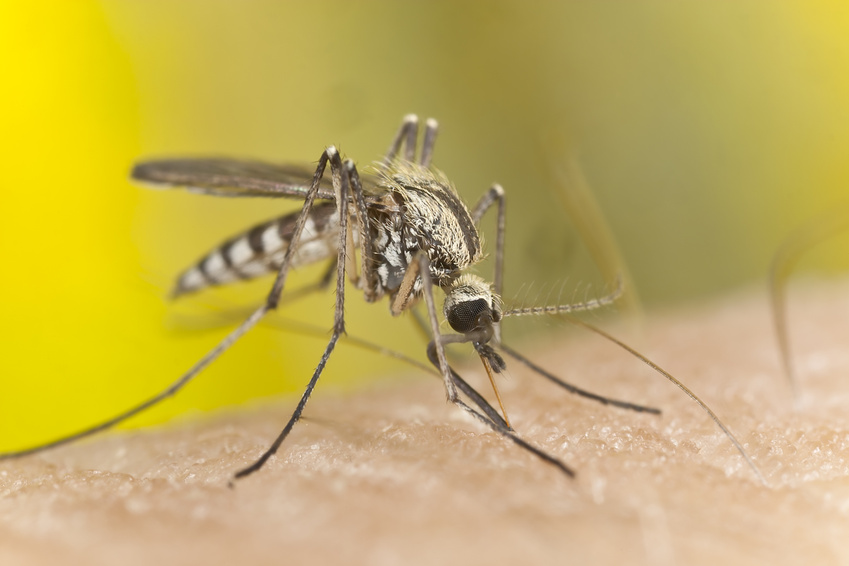
The efforts of the international community for the past ten years in the fight against malaria have reduced the number of disease-related deaths. The emerging resistance to standard therapies threatening South-East Asia, and new research carried out by the team led by Françoise Benoit-Vical, are not reassuring factors.
Spearheaded by the France Alzheimer's association, the 22nd edition of the World Day to combat Alzheimer's Disease will take place on Monday 21 September. The focus this year will be on Alzheimer's sufferers' speech.
Results of the GEOPCAP programme 2002-2007
For the first time, teams from Inra and Inserm have demonstrated how bacteria can alter the distribution and storage capabilities of iron in the intestinal cells.
Two French research teams (Inserm/CEA/University of Lille/University of Paris-Sud[1]) have just shown, in a rodent model, that overexpressing an enzyme that can eliminate excess cholesterol from the brain may have a beneficial action on the tau component of the disease, and completely correct it.
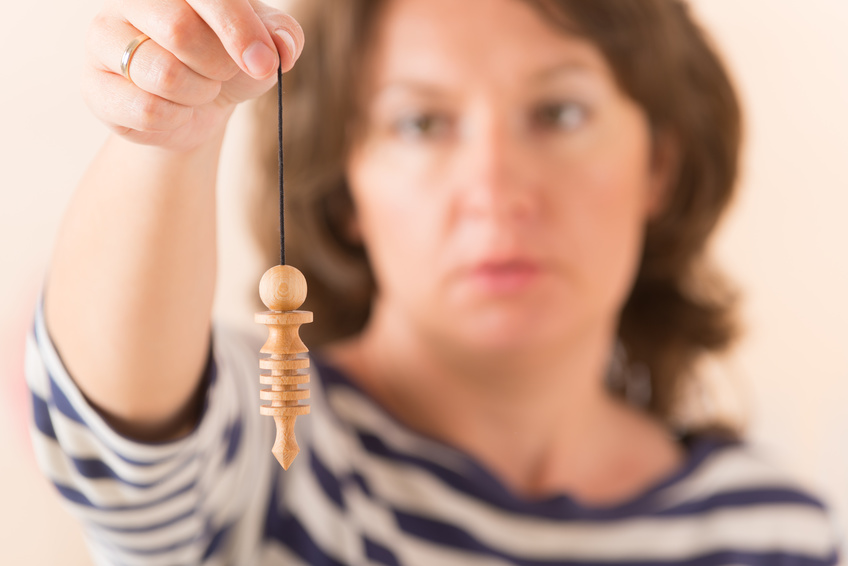
In a report submitted to the French Directorate General for Health, researchers from Inserm led by Bruno Falissard assessed the effectiveness of this complementary medical practice for some of its indications (women’s health, digestive ailments, surgery, psychiatry, etc.).
Inserm teams led by Prof. Jean-Yves Blay and Christophe Caux in Lyon , and by Franck Tirode and Olivier Delattre in Paris have just demonstrated a new genetic variant in tumours that had not been identified until now
A l'occasion de la 9ème Journée mondiale du lymphome en France, l'association France Lymphome Espoir organise des cafés éphémères dans 15 grandes villes françaises en présence de professionnels et bénévoles.
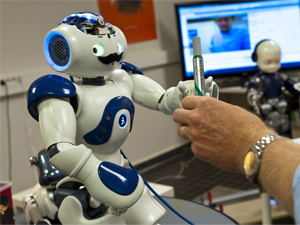
A team of French researchers has developed “an autobiographical memory”[1] for the robot Nao, which enables it to pass on knowledge learnt from humans to other, less knowledgable humans.