Scientists have succeeded in creating larger intestinal organoids with a functional nervous system
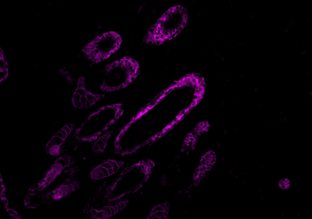
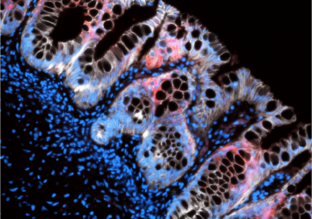
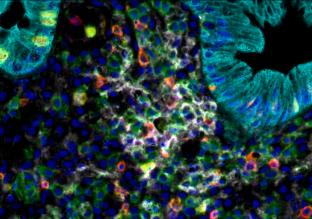
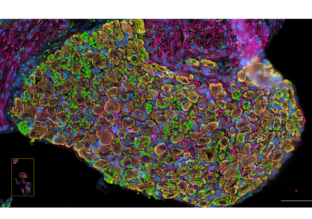
More and more people are suffering from gastrointestinal diseases. To better understand these conditions and provide solutions for patients, scientists are working on organoids, small three-dimensional biological structures capable of replicating certain functions of an organ. These models are valuable tools for studying cell development and disease mechanisms. A team from Inserm and the University of Nantes, in collaboration with American teams, has developed a new culture method that, for the first time, enables the production of large, functional human intestinal organoids and does so twice as fast as existing methods.