From analysis of data from the ELANCE cohort, Marie Françoise Rolland-Cachera, former researcher at Inserm and her co-workers in the Nutritional Epidemiology Research Team (EREN)[1] have shown that breast-feeding has a protective effect on the risk of obesity at 20 years of age.
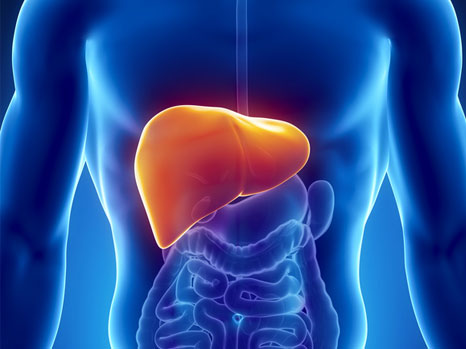
Vincent Mallet, Stanislas Pol and their team at the Institut Cochin (Paris Descartes University, Assistance Publique – Hôpitaux de Paris, CNRS, Inserm) and French hospital-based teams* have proved the efficacy of a treatment for patients suffering from chronic hepatitis E virus infection.
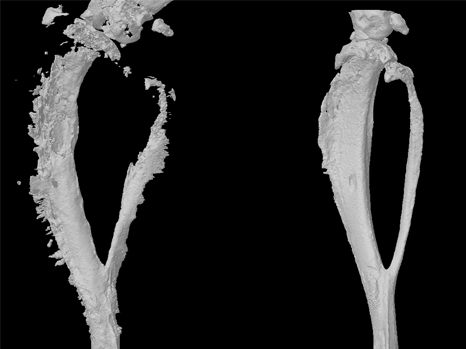
Researchers in Inserm Unit 957 "Bone Resorption Physiopathology and Primary Bone Tumour Therapy" in Nantes have recently developed an innovative treatment which stops the vicious circle that allows bone cancer to progress.
From birth, babies already have a representation of space, time and number. This has been proven by Dr Maria Dolores de Hevia, Dr Véronique Izard, Aurélie Coubart, Professor Elizabeth Spelke and Professor Arlette Streri from the Psychology and Perception Laboratory (Paris Descartes University/CNRS/Inserm) in a study published in PNAS.
To mark its 50th anniversary, Inserm has decided to deliver its key messages at around a hundred events which will take place all over France and involve all its staff, partners and supervisory bodies throughout the year.
Des régions non codantes du génome semblent diminuer la sévérité de deux maladies des globules rouges : la bêta thalassémie et la drépanocytose
Who would have thought that our brains are better equipped to process cognitive tasks if we are exposed to light several hours beforehand
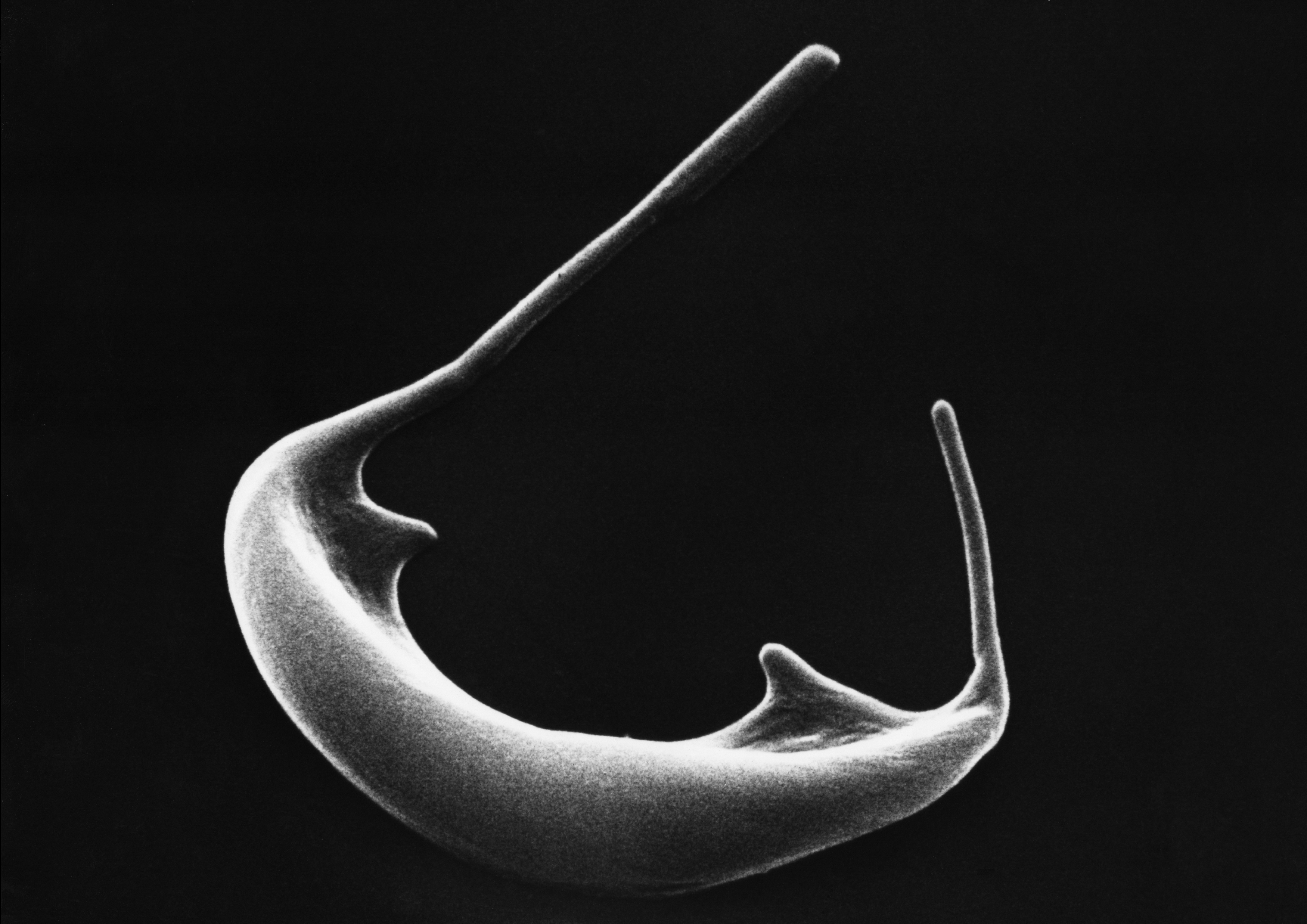
The international consortium A-PARADDISE (Anti-Parasitic Drug Discovery in Epigenetics), coordinated by Inserm, has just obtained funds of €6 million from the European Commission to conduct large-scale testing of innovative therapies against four neglected parasitic diseases: schistosomiasis, leishmaniasis, Chagas disease and malaria.
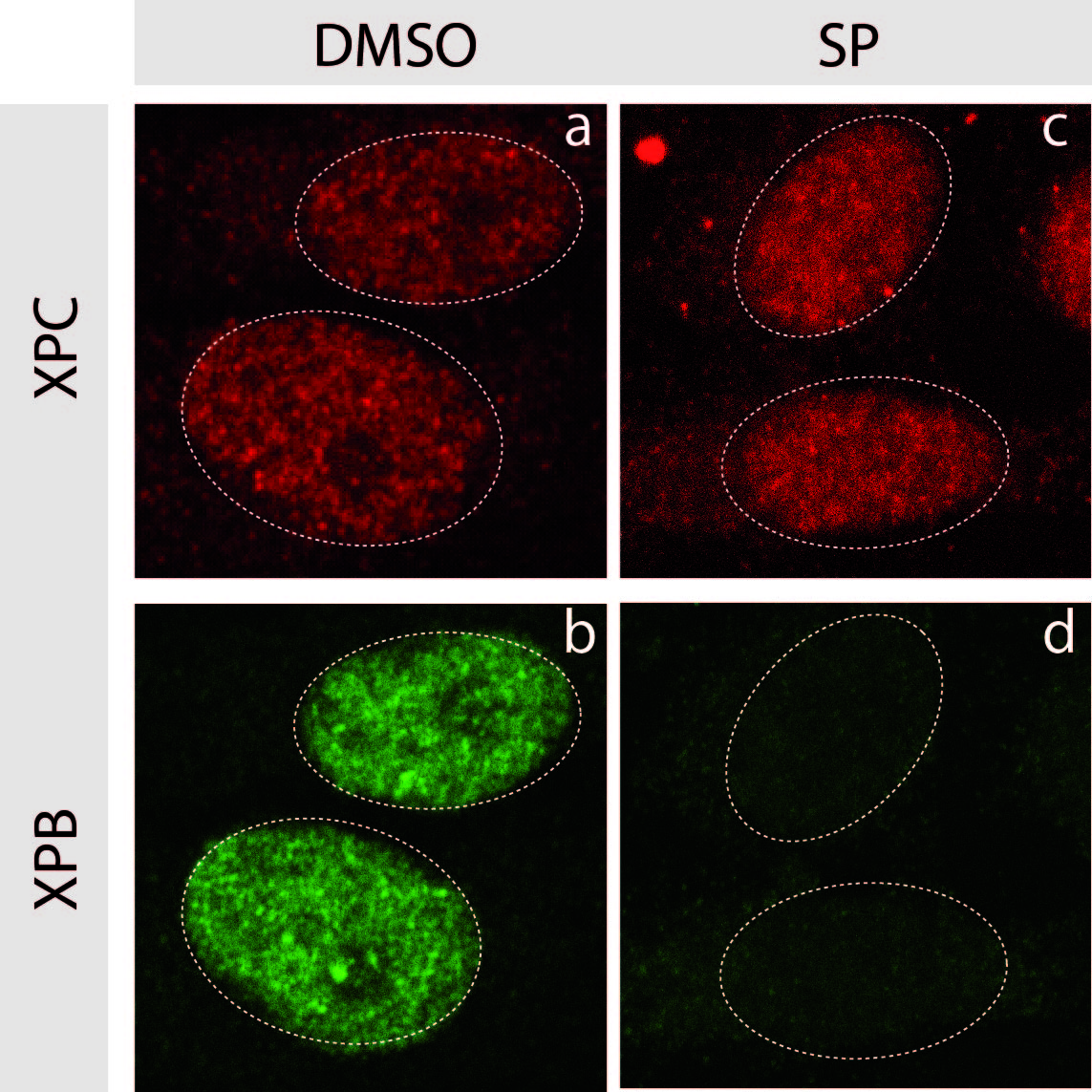
A team of researchers directed by Frédéric Coin, Inserm Research Director at the Institute of Genetics and Molecular and Cellular Biology (IGBMC) in Strasbourg (a Joint Inserm/CNRS/University of Strasbourg Research Unit), has discovered a new drug that inhibits repair: spironolactone, which seems likely to be used in the very short term as an adjuvant to chemotherapy.
A team of researchers has succeeded in culturing the dormant hepatic stage of the malaria parasite, previously inaccessible to researchers. The initial results from this technical breakthrough have enabled the development of a new concept for the elimination of malaria relapse due to the activation of these dormant forms.
Some people remember their dreams every morning, whereas others rarely remember them. A team led by Perrine Ruby, an Inserm Researcher has studied the brain activity of these types of dreamers in order to understand the differences between them.