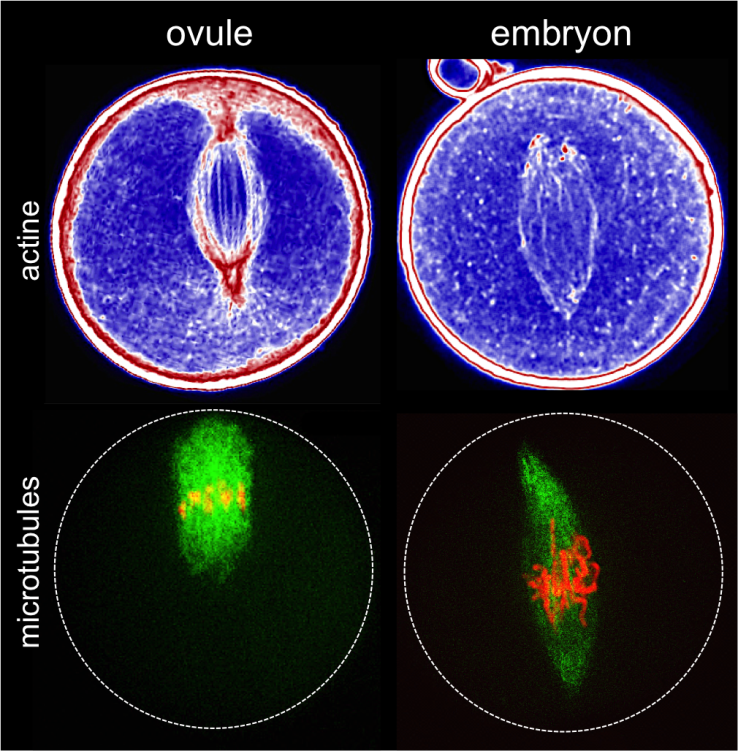
The first embryonic division, which follows gamete fusion (oocyte and spermatozoon), starts the development of a new individual, the genesis of a functional adult body. This division is symmetric in the one-cell embryo stage (also known as the zygote); it leads to the formation of two daughter cells of identical size. Conversely, it is asymmetric in the oocyte, which has the same size and shape as the zygote. Why?...
researchers from Maria-Elena Torres-Padilla’s team have pushed the limits of science even further. They managed to obtain totipotent cells with the same characteristics as those of the earliest embryonic stages and with even more interesting properties.
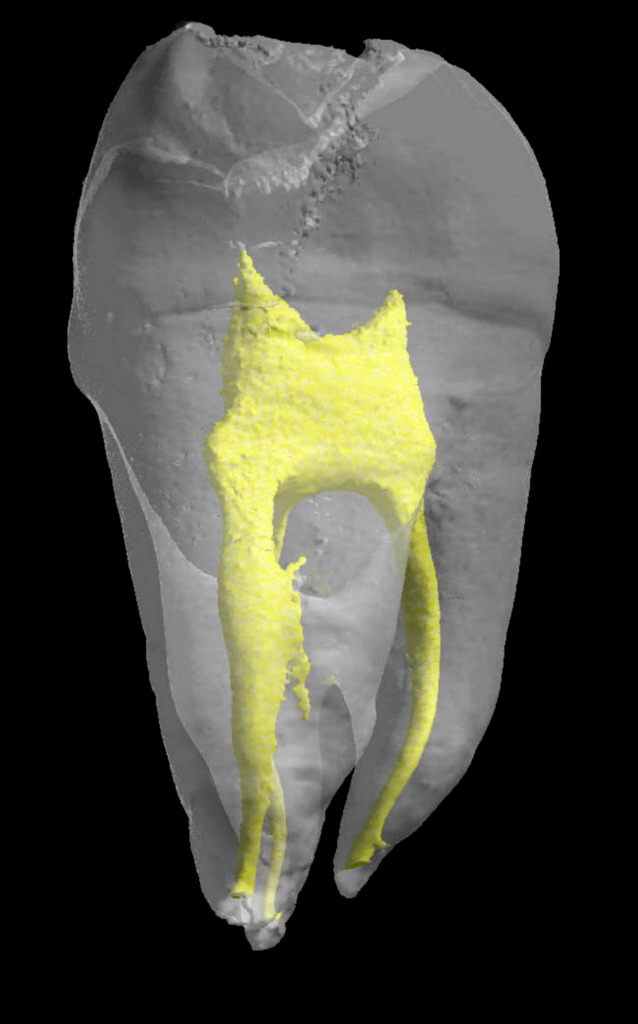
Researchers at Inserm and Paris Descartes University have just taken an important step in research on stem cells and dental repair. They have managed to isolate dental stem cell lines and to describe the natural mechanism by which they repair lesions in the teeth.
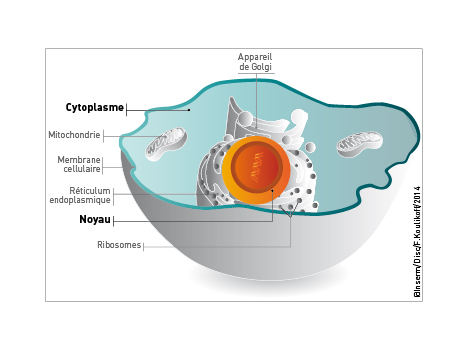
An international collaboration coordinated by the German Cancer Research Center (DKFZ) (University of Heidelberg), including French researchers from the Institute of Genetics and Development of Rennes (IGDR) (CNRS/University of Rennes 1) under the leadership of Gwenaël Rabut, Inserm Researcher, and teams from Sweden and Canada, has just demonstrated a new molecular mechanism that may allow cells to destroy proteins accidentally localised to the nucleus.
How can a specialized cell change its identity? A team from the Institut de Génétique et de Biologie Moléculaire et Cellulaire (CNRS/INSERM/Université de Strasbourg) investigated a 100% effective natural example of this phenomenon, which is called transdifferentiation. This process, by which some cells lose their characteristics and acquire a new identity, could be more generally […]
Consuming oils rich in polyunsaturated fatty acids, especially 'omega 3', is good for our health. But the mechanisms explaining these effects are poorly understood. Researchers from the Institute of Molecular and Cellular Pharmacology (CNRS/Nice Sophia Antipolis University), the Compartmentation and Cellular Dynamics Unit (CNRS/Curie Institute/UPMC) of Inserm and Poitiers University1 were interested in the effect of lipids carrying polyunsaturated chains when they are taken into cell membranes.
In the fruit fly Drosophila and zebrafish, mechanical strain may activate the genetic cascade that initiates the formation of the future organs during embryogenesis. A discovery made by Emmanuel Farge (Inserm Research Director at Institut Curie) and his staff might explain the emergence of the first complex organisms more than 570 million years ago.
Inserm researcher Elvire Gouze, and her associates from the Mediterranean Centre for Molecular Medicine in Nice (Inserm Unit 106), have succeeded in restoring bone growth in mice suffering from this developmental pathology.
A work performed by the teams headed by Benoit Schneider and Odile Kellermann (INSERM Unit 747, team “Stem cells, Signalling and Prions”, Université Paris Descartes) as well as Jean-Marie Launay’s team (INSERM Unit 942 Hôpital Lariboisière and the FondaMental Foundation) was published this week in the magazine Nature Medicine. The article revealed that in neurons, an enzyme, the kinase PDK1, is involved in the accumulation of the pathological proteins...
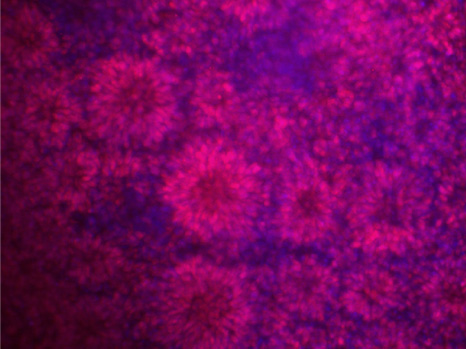
Teams from CNRS, the Université de Strasbourg and Inserm, led by Daniel Riveline1, Jean-Marie Lehn2 and Marie-France Carlier3, have synthesized molecules capable of causing rapid growth of actin networks, one of the components of the cytoskeleton.
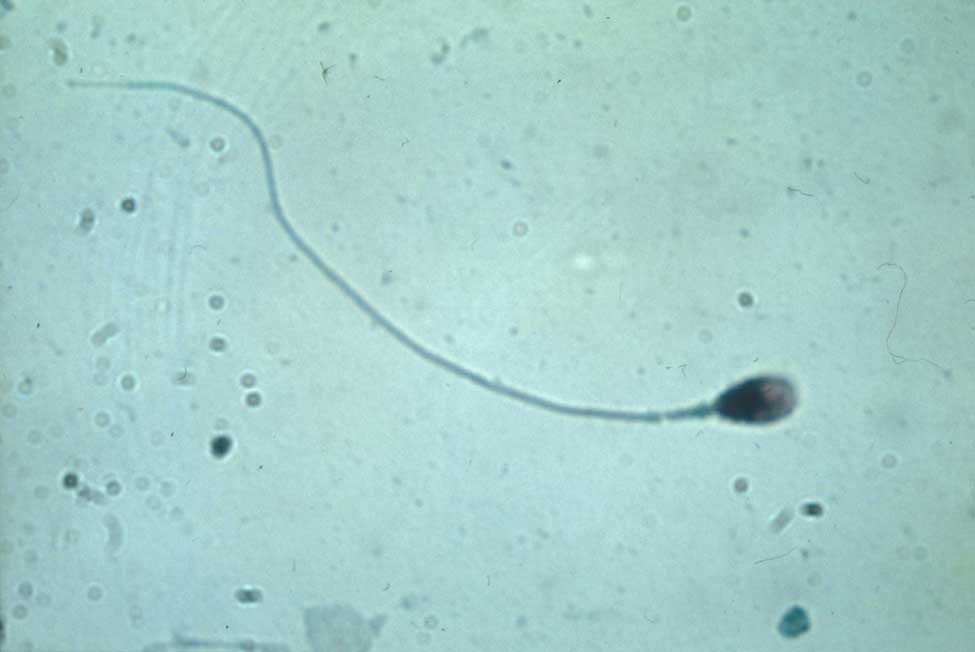
When the male genome carried in the spermatozoid leaves the male body to reach the egg, it undergoes numerous transformations. A team led by Saadi Khochbin in Mixed Research Unit 823 at the Institut Albert Bonniot Research Centre (Inserm/Joseph Fourier University) in Grenoble has described the molecular mechanisms that enable the transmission of the male genome to the egg.