Inserm is launching its first accelerator of technological research according to the objective that is part of the Institute's strategic plan 2016-2020. This first “Biomedical Ultrasound” ART will be dedicated to research and the use of ultrasound in medicine, particularly in the field of cancer diagnosis and treatment, as well as cardiovascular and neurological diseases.
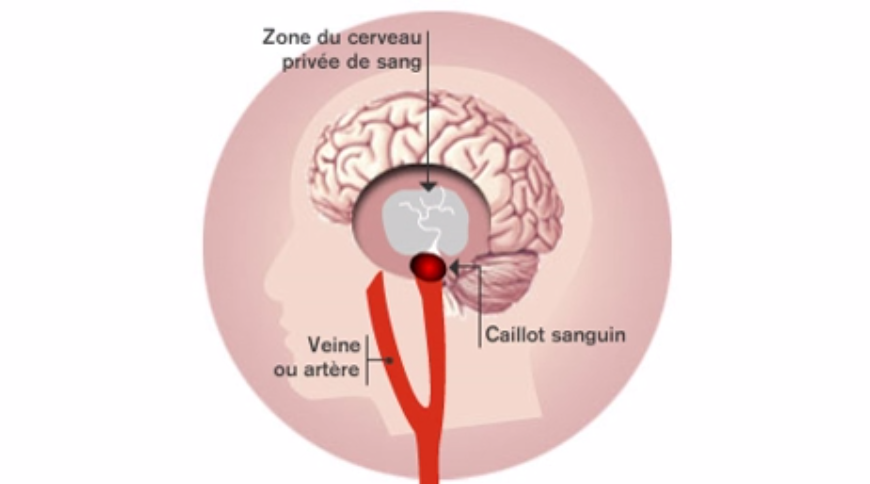
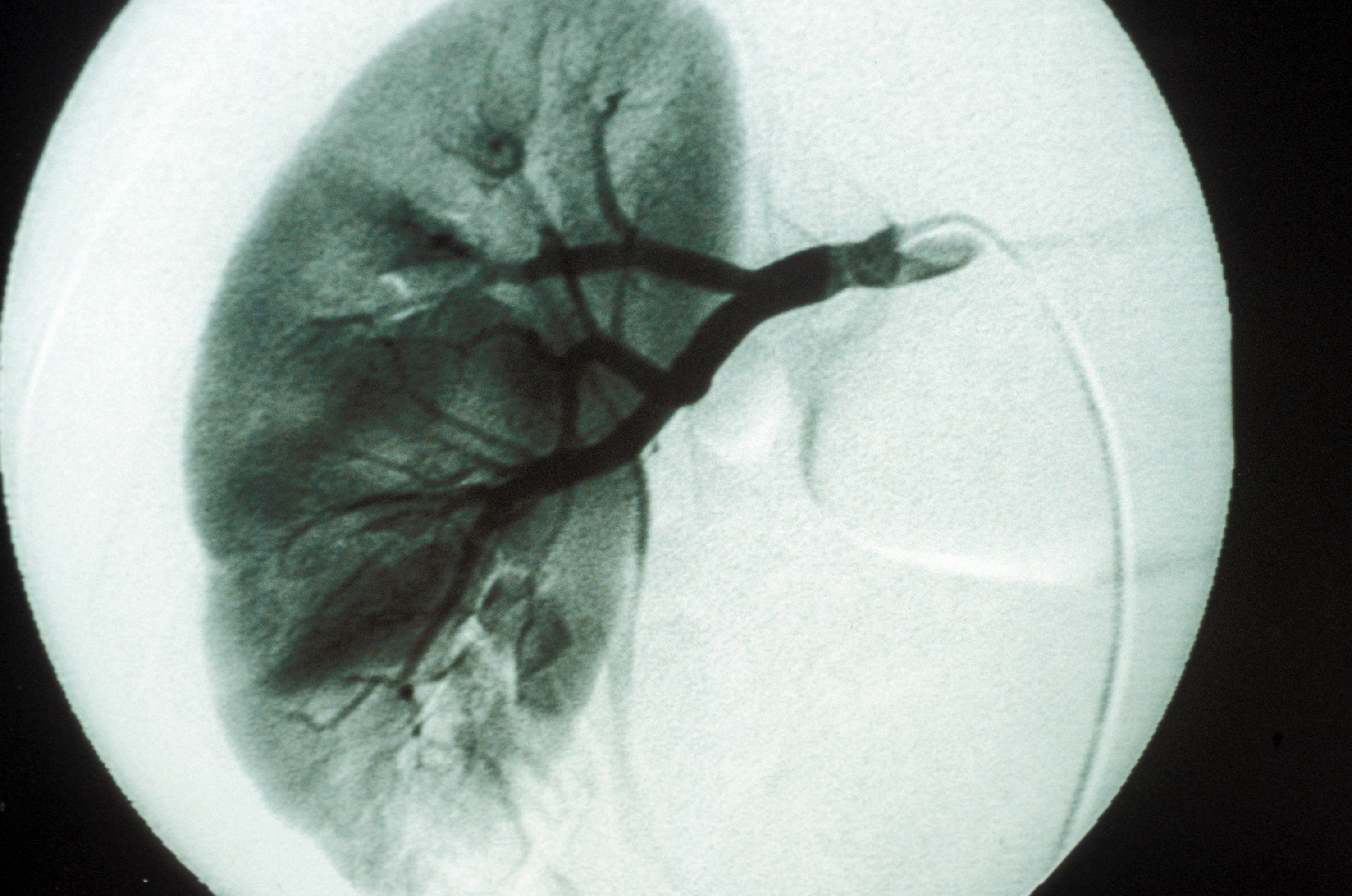
A stroke, or cerebrovascular accident (CVA), occurs when the blood circulation to the brain is interrupted by the formation of a blood clot that blocks an artery in the brain, known as a cerebral infarction, or by the rupture of an artery in the brain, a situation known as a cerebral or meningeal haemorrhage.[1] As a result, nerve cells are deprived of the oxygen and nutrients they need and...
Nearly one in two French people over 30 years of age are overweight. This is what the first results from the Constances cohort has revealed. Now supported by Inserm and the French national social security organisation for salaries workers (Cnamts), Constances collates health data on more than 110,000 French people. With ultimately 200,000 people monitored, Constances will provide varied indicators of health in the population, such as the influence...
Explore the outer limits of the brain and matter, create unlimited energy, overcome pain, simulate the unattainable, etc. subjects dear to science fiction that are a now a reality for research laboratories!
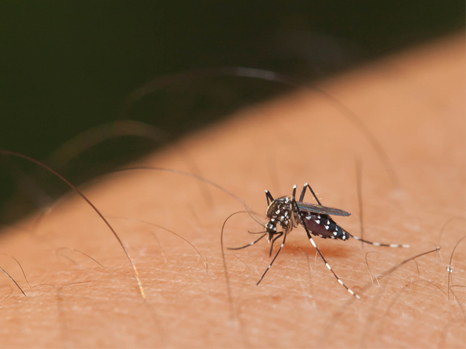
ZIKAlliance, a multidisciplinary and multinational research consortium coordinated by Inserm, has received €12 million from the European Union’s Horizon 2020 research and innovation programme to conduct a large-scale 3-year research project on Zika virus (ZIKV) infection in Latin America and the Caribbean.
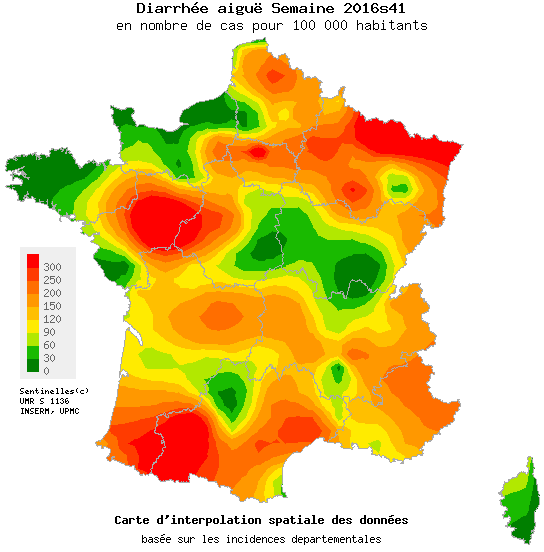
According to the Sentinelles network’s weekly bulletin of 19 October 2016, the incidence rate of acute diarrhoea reached epidemic levels in metropolitan France last week, with 155 cases observed in general medicine clinics per 100 000 inhabitants.
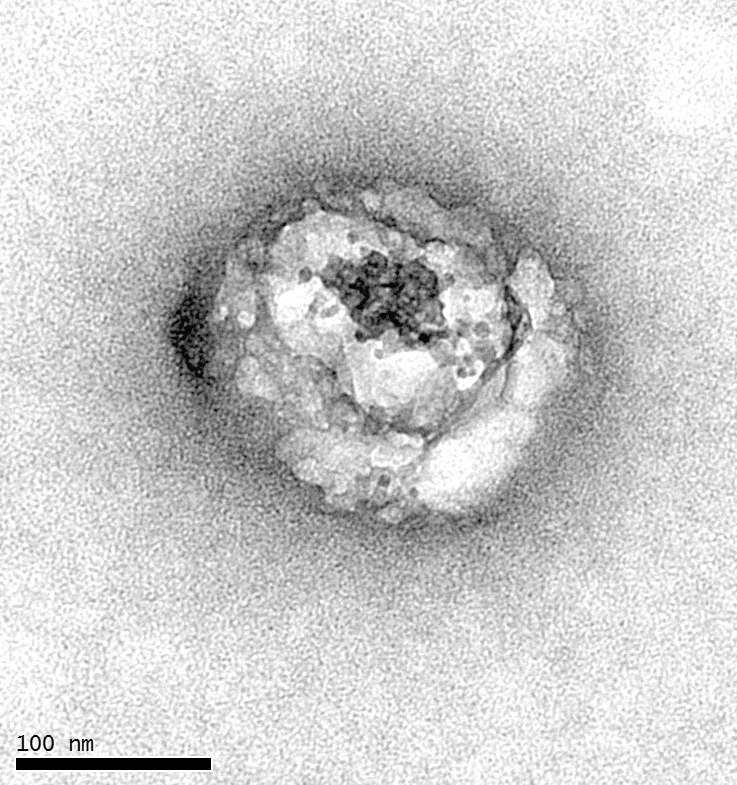
Scientists have finally observed the hepatitis C virus (or HCV) using an electron microscope. This is the first time since the virus became known in 1990. Inserm researchers at Tours (Inserm unit 966, “HIV and Hepatitis Viruses: Morphogenesis and Antigenicity”) have taken other scientists by surprise, including an American team believed to have accomplished this feat in 2013. The latter had in fact misunderstood the nature of the particles...
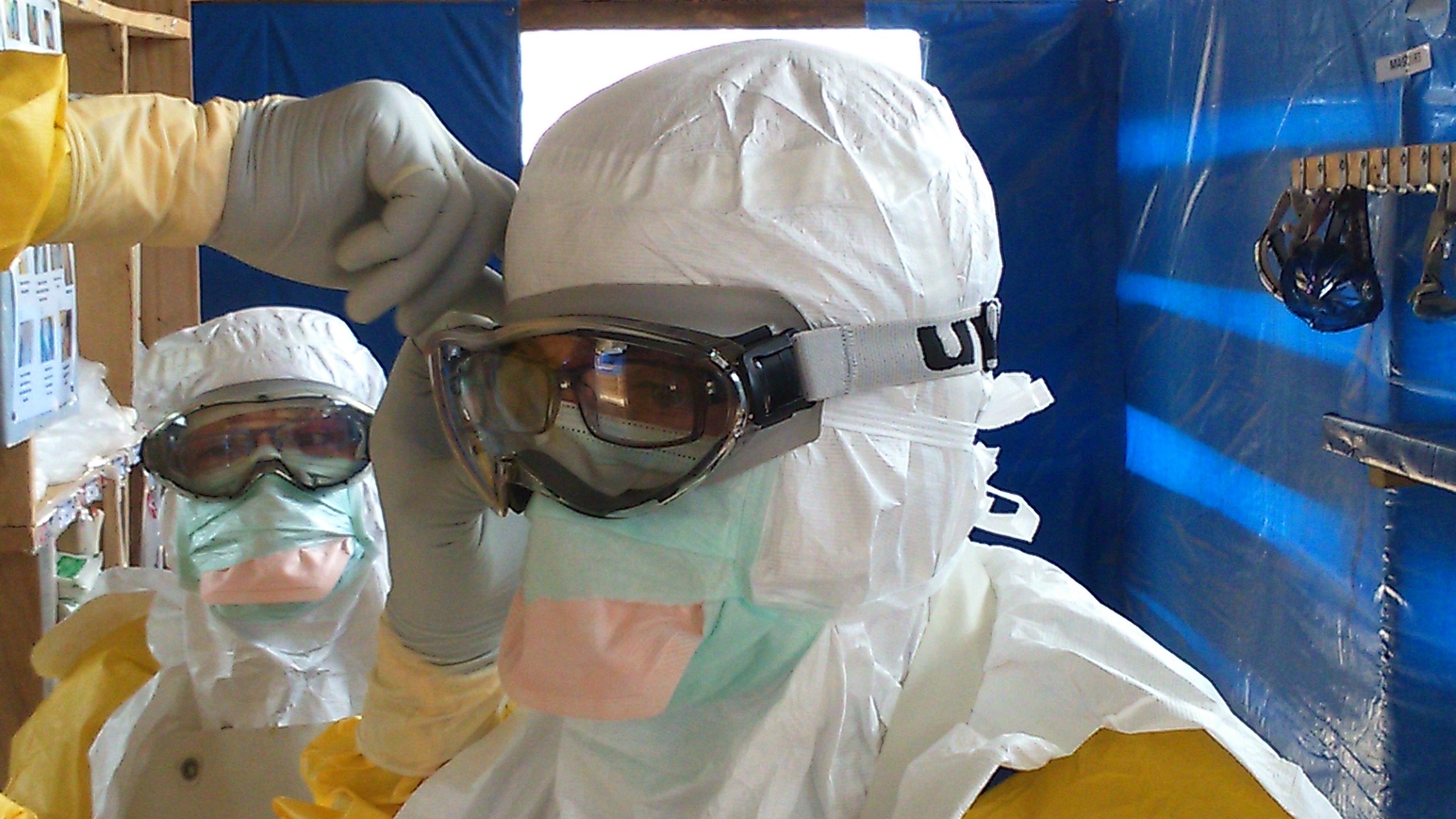
An international research team involving Inserm and the National Institutes of Health (NIH) has just published the results of the PREVAIL study on treatment for the Ebola virus. While not definitive, the results show that ZMapp may benefit patients with the Ebola virus disease.These results are published in The New England Journal of Medicine.
A national trial on membranous glomerulonephritis in 80 patients was coordinated by Prof. Pierre Ronco, of the Department of Nephrology and Dialysis at Tenon Hospital AP-HP, of the Inserm Unit “Rare and common kidney diseases, matrix remodelling and tissue repair” [1] and Pierre and Marie Curie University, and by Dr Karine Dahan, of the Nephrology Day Hospital at Tenon Hospital AP-HP. This serious autoimmune disease is the most common...
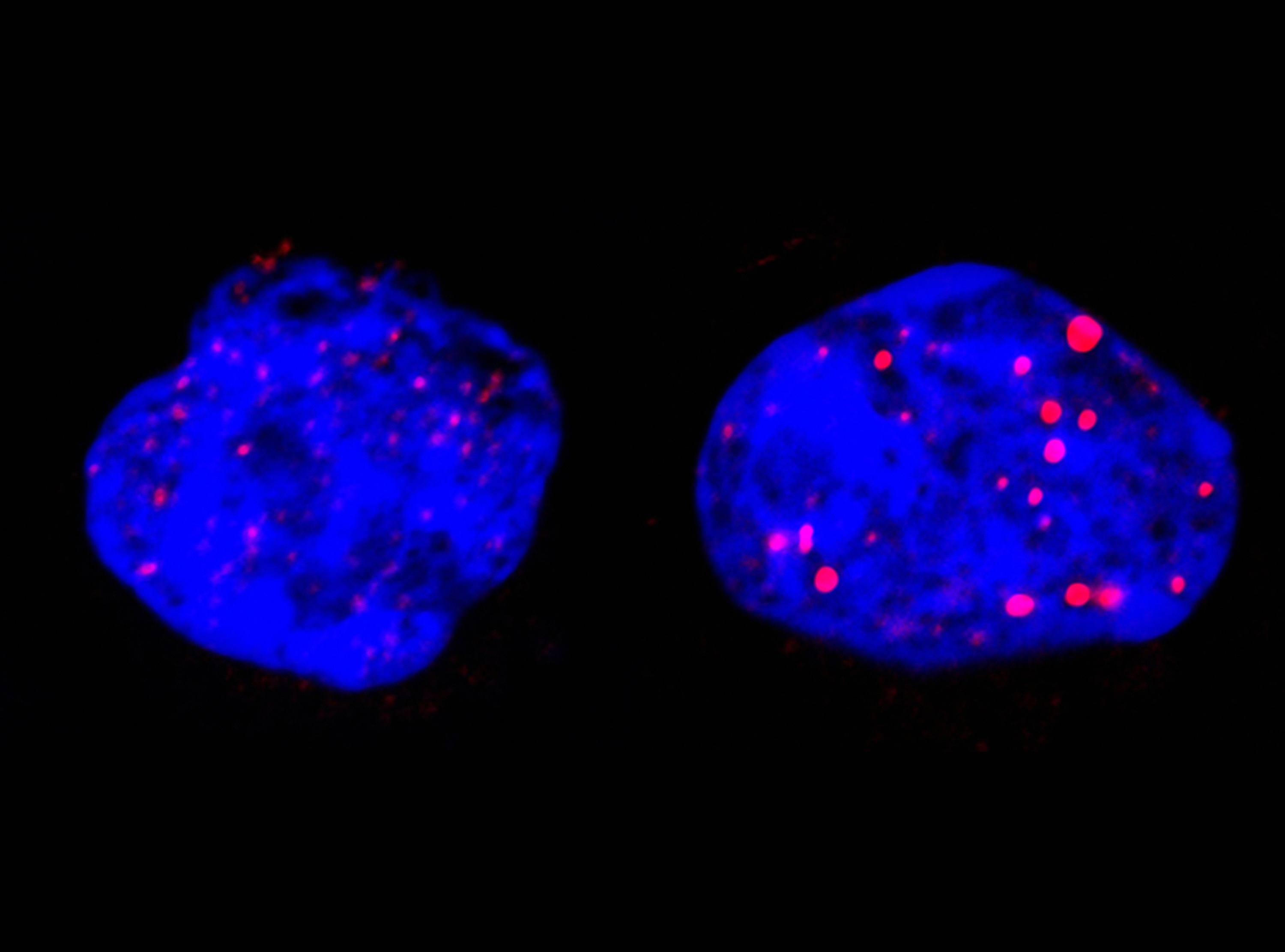
An Inserm team from the Mondor Institute for Biomedical Research (IMRB) has just identified a key switch in the immune response, and proposes a new immunotherapy-based approach for combating leukaemia. And maybe other cancers in time. This work is published in the journal Blood.
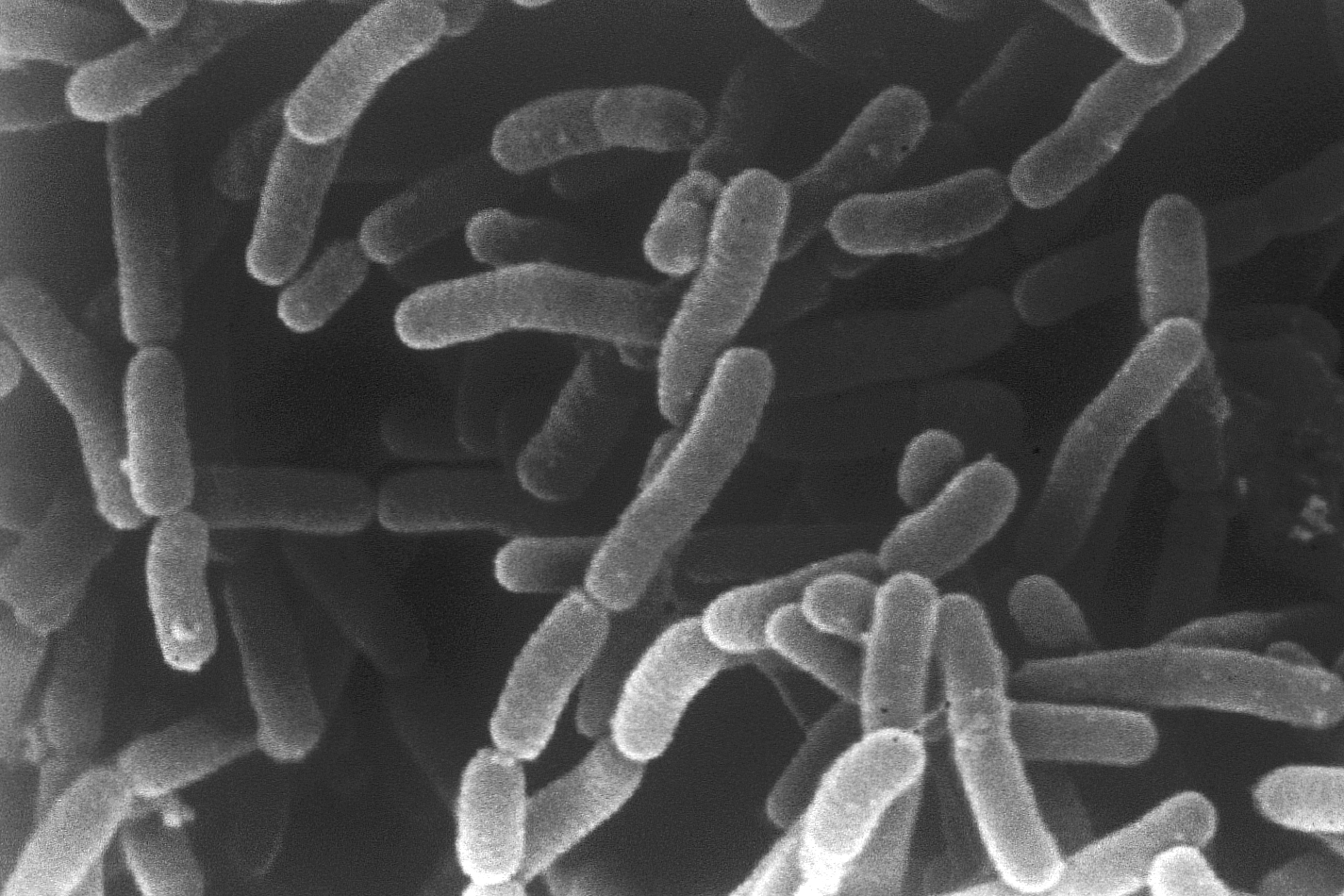
Two species of bacteria present in the gut boost the efficacy of cyclophosphamide-based chemotherapies by optimising the antitumour immunity induced by this drug. This is reported by researchers from Inserm, Gustave Roussy, CNRS, Institut Pasteur Lille, and the Universities of Paris Sud and of Lille in an article published on 4 October in the journal Immunity.