For the first time, teams from Inra and Inserm have demonstrated how bacteria can alter the distribution and storage capabilities of iron in the intestinal cells.
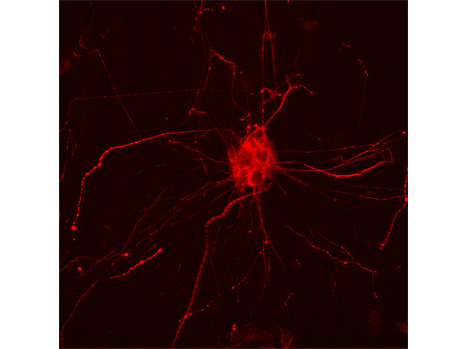
Two French research teams (Inserm/CEA/University of Lille/University of Paris-Sud[1]) have just shown, in a rodent model, that overexpressing an enzyme that can eliminate excess cholesterol from the brain may have a beneficial action on the tau component of the disease, and completely correct it.
In a report submitted to the French Directorate General for Health, researchers from Inserm led by Bruno Falissard assessed the effectiveness of this complementary medical practice for some of its indications (women’s health, digestive ailments, surgery, psychiatry, etc.).
Inserm teams led by Prof. Jean-Yves Blay and Christophe Caux in Lyon , and by Franck Tirode and Olivier Delattre in Paris have just demonstrated a new genetic variant in tumours that had not been identified until now
A l'occasion de la 9ème Journée mondiale du lymphome en France, l'association France Lymphome Espoir organise des cafés éphémères dans 15 grandes villes françaises en présence de professionnels et bénévoles.
A team of French researchers has developed “an autobiographical memory”[1] for the robot Nao, which enables it to pass on knowledge learnt from humans to other, less knowledgable humans.
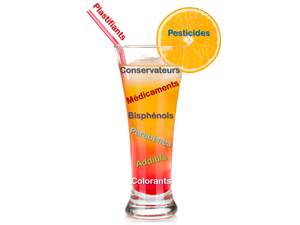
Chemical substances that are safe for humans when taken in isolation can become harmful when they are combined. Three research teams bringing together researchers from Inserm and CNRS in Montpellier have elucidated in vitro a molecular mechanism that could contribute to the phenomenon known as the “cocktail effect.”
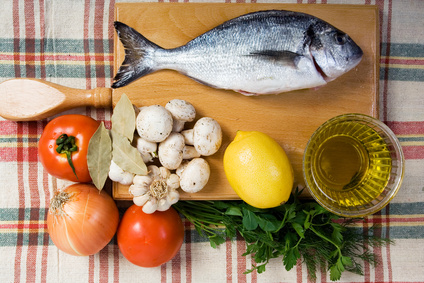
Although it is accepted that the diet of the most disadvantaged populations does not comply closely with nutritional recommendations, the relationship between budget and a dietary balance is not so simple.
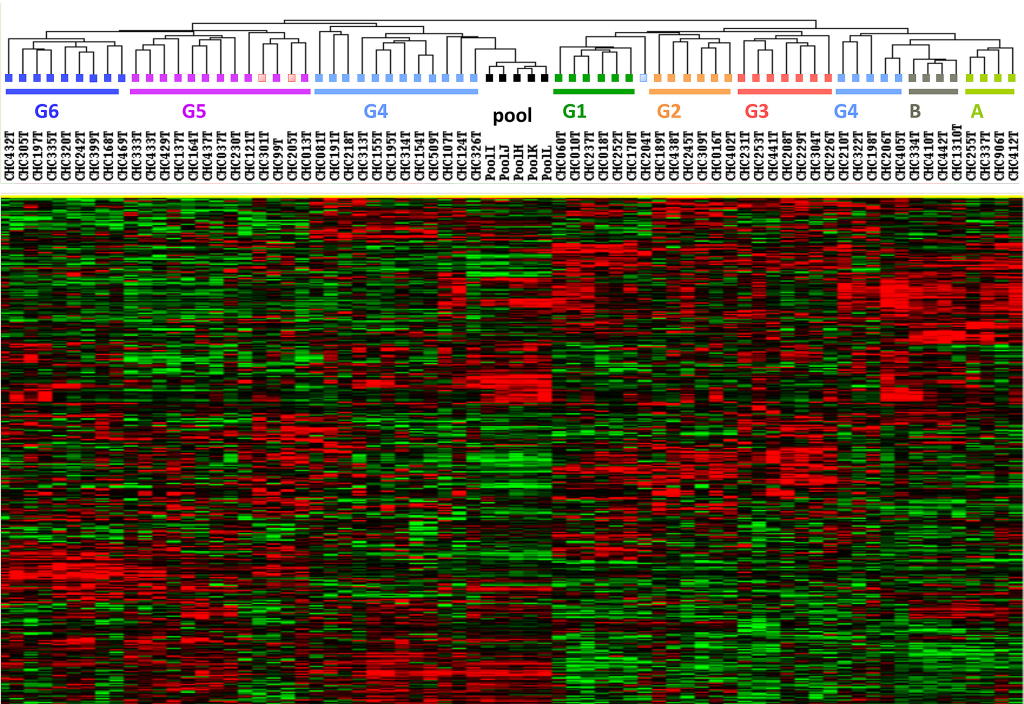
More than a cause of a simple infection, viruses are often involved in the development of serious diseases. Such is the case with liver cancer, which often develops in an organ that has been weakened by hepatitis B or C virus. Researchers at Inserm have just identified the role of a new virus, hitherto unsuspected, in the occurrence of a rare type of liver cancer.
While the French High Council for Public Health (HCSP) made public on Monday, 24 August 2015, a positive opinion regarding the relevance of the 5-colour code for the public, a team of researchers directed by Serge Hercberg, demonstrated that the 5-colour nutrition label (5-CNL) is the most effective nutritional information system for allowing consumers to recognise and compare the nutritional quality of foods
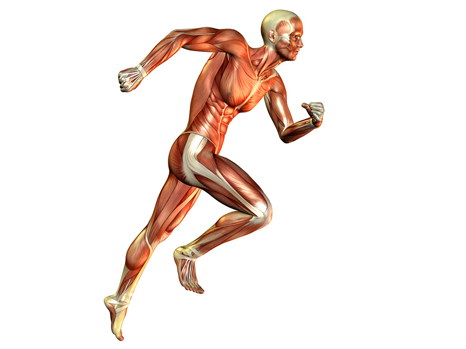
On Saturday 22 August 2015, the 15th World Championships in Athletics will be launched in Beijing.