In France, the levels of use of some psychoactive substances, especially alcohol, tobacco and cannabis, remain high among adolescents, despite progress in regulatory efforts to limit access to these products by minors, and regular prevention campaigns.
The European Research Council (ERC) has just awarded Consolidator Grants to 19 French projects in life sciences, thereby placing France at the head of European countries submitting proposals in this area.
A team of French researchers, led by Dr. Anna Buj-Bello (Genethon/Inserm) and teams at the University of Washington and Harvard Medical School in the United States, have demonstrated the efficacy of gene therapy in models of myotubular myopathy, an extremely severe neuromuscular disease in children.
The French national institute of health and medical research is celebrating its 50th anniversary in 2014. Below you will see a list of the first key events this year.
According to the results of an epidemiological study conducted jointly by French and English researchers at Inserm and University College London, men who drink more than 36 grams of alcohol (3.5 drinks) per day may have a faster decline in memory, which is reflected by a reduction in their attention and reasoning skills.
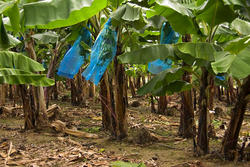
Scientists at the Research Institute for Environmental and Occupational Health (Inserm unit 1085) in Rennes and Pointe-à-Pitre – in collaboration with the gynaecology and obstetrics department at the university hospital of Pointe à Pitre/Abymes and the Center for Analytical Research and Technology at the University of Liège – are publishing an article this week on the impact of chlordecone exposure on pregnancy duration and the risk of preterm birth...
Do you want to share your passion for science? FameLab France needs you! FameLab, the international science communication competition, is launching in France for the first time in 2014 in partnership with AMSCTI, Inserm, CNES, CERN and Paris Diderot – Sorbonne Paris Cité University.
The mechanism of senescence - or premature cell ageing - can have an anticancer effect. This new work, conducted by Hugues de Thé and his team (Paris Diderot University/ Inserm/ CNRS/ AP-HP), was published in Nature Medicine on 12 January 2014.
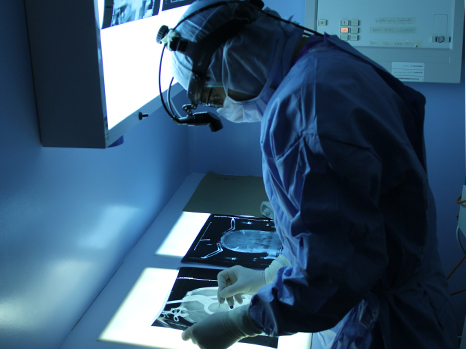
A French and English team (AP-HP, Inserm, UPEC, CEA/Mircen, Oxford Biomedica, Cambridge University) has conducted a clinical phase 1/2 gene therapy study among patients suffering from an evolved form of Parkinson’s disease. Fifteen patients were able to benefit from this new treatment, which involves injecting a vector expressing the genes of three enzymes that are essential for the biosynthesis of dopamine, which is lacking in Parkinson’s disease. Thanks to...
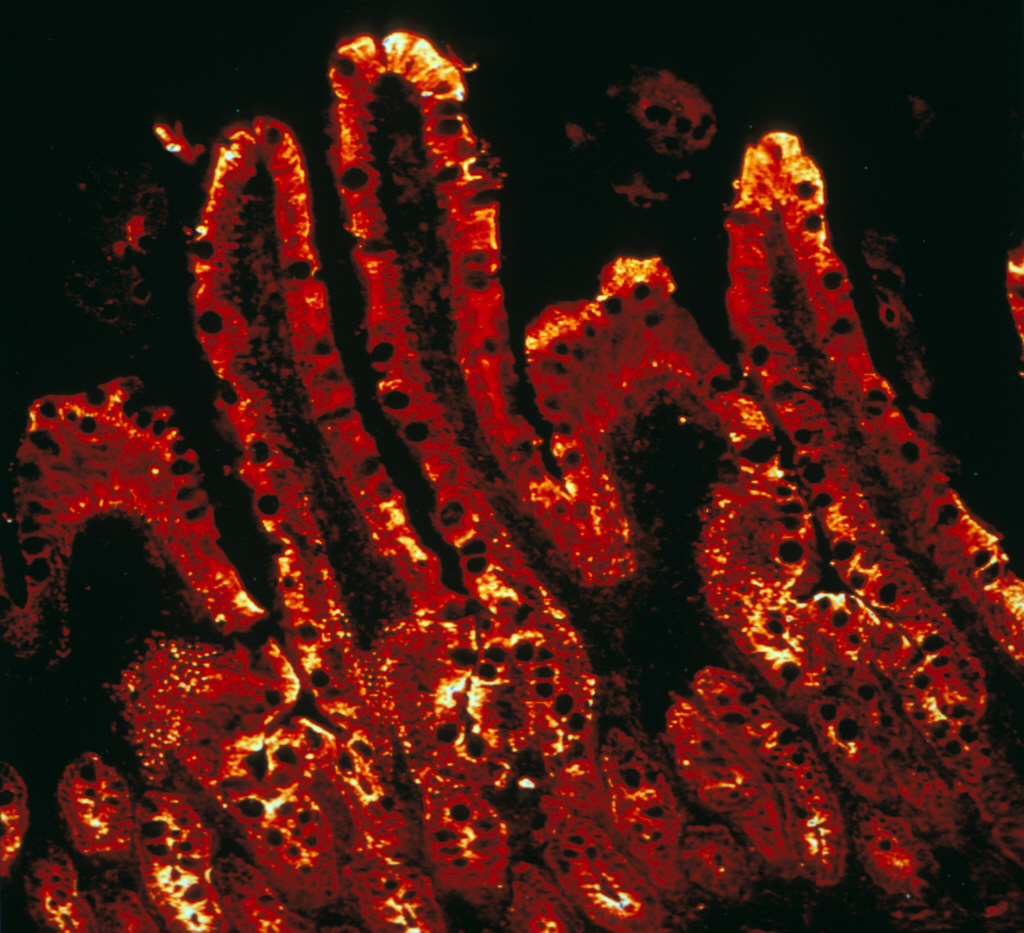
French-Swedish team including researchers from CNRS, Inserm and the Université Claude Bernard Lyon 1 (Unité Inserm 855 “Nutrition et Cerveau”) has succeeded in elucidating this mechanism, which involves the intestinal flora and the ability of the intestine to produce glucose between meals.
The CHILD-INNOVAC European research programme, coordinated by Inserm, has enabled the development of an innovative vaccine that can be administered intranasally, to combat pertussis, which has shown a resurgence in developed countries in recent years. The research consortium, headed by Camille Locht, Director of the Centre for Infection and Immunity of Lille (a joint Unit involving Inserm, CNRS, Institut Pasteur de Lille and University of Lille Nord de France),...