Ten days after astronaut Thomas Pesquet take-off into space on the Proxima mission, many questions remain about human adaptation to gravity.
Numerous studies have shown that using cannabis can lead to short- and long-term memory loss. These effects on memory may be related to the presence of specific receptors on several types of brain cells (glial cells as well as neurons). Inserm researchers led by Giovanni Marsicano (Neurocentre Magendie, U1215) have shown that these effects on memory are related to the presence of these same receptors on the mitochondria, the...
A study published in the journal Scientific Reports from Nature publishing group, describes the mechanism by which caffeine counteracts age-related cognitive deficits in animals. The study coordinated by Portuguese researchers from Instituto de Medicina Molecular (iMM Lisboa) and collaborators from Inserm in Lille, France, along with teams from Germany and United States, showed that the abnormalexpression of a particular receptor – the adenosine A2A, target for caffeine - in...
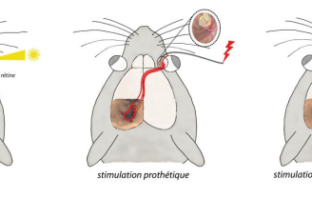
A major therapeutic challenge, the retinal prostheses that have been under development during the past ten years can enable some blind subjects to perceive light signals, but the image thus restored is still far from being clear. By comparing in rodents the activity of the visual cortex generated artificially by implants against that produced by “natural sight”, scientists from CNRS, CEA, Inserm, AP-HM and Aix-Marseille Université identified two factors...
In a study published in the new international scientific journal Neuroscience of Consciousness, Benjamin Rohaut, Inserm researcher, and Lionel Naccache, leader of the team “Picnic lab: Physiological Investigation of Clinically Normal and Impaired Cognition,” both of whom are also clinicians attached to the Neurology Department at Pitié-Salpêtrière Hospital, AP-HP, provide proof that unconscious semantic processing of a word exists, but that it is subject to very strong conscious influences....
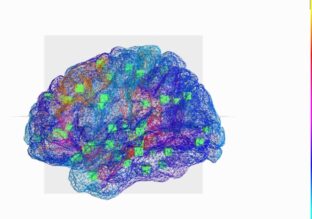
Researchers at CNRS, INSERM, Aix-Marseille University and AP-HM have just created a virtual brain that can reconstitute the brain of a person affected by epilepsy for the first time. From this work we understand better how the disease works and can also better prepare for surgery. These results are published in Neuroimage, on July 28, 2016.
The relationship between omega-3 fatty acid intake and adaptation to stress or anxiety is becoming clearer. Back in 2011, a team of researchers from INRA and Inserm showed that reducing the intake of omega-3 fatty acids in mice increased their stress. This phenomenon may be linked to impairment of the brain’s ability to produce endogenous cannabinoids, the “endocannabinoids,” brain lipids that control synaptic memory. To better understand the endocannabinoid-dependent...
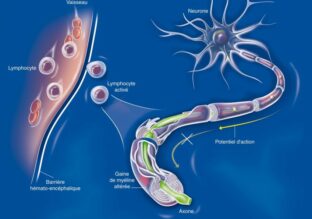
Inserm Unit U919, directed by Prof. Denis Vivien (“Serine Proteases and Physiopathology of the Neurovascular Unit”) has developed an antibody with potential therapeutic effects against multiple sclerosis. The study, directed by Fabian Docagne and published in Brain, paves the way for a new strategy to control the disease.
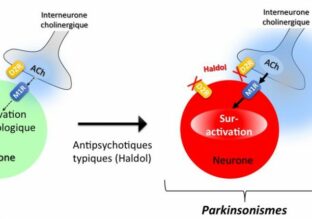
Since their development in the 1950s, antipsychotic drugs have been widely used to treat psychoses and neuropsychiatric disorders like schizophrenia. A debilitating side-effect of these drugs called parkinsonism limits their efficacy.Irvine scientists led by Emiliana Borrelli, Inserm research director at University of California and colleagues have discovered the key cellular mechanism that underlies the antipsychotic-induced parkinsonism - which includes involuntary movements, tremors and other severe physical conditions. These studies...
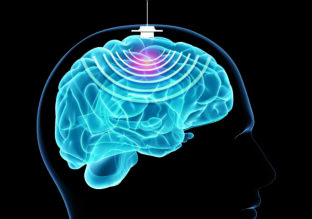
Teams from the Paris Public Hospitals (AP-HP), Pierre and Marie Curie University, Inserm and the CarThera company, coordinated by Prof. Alexandre Carpentier, have successfully used ultrasound to temporarily permeabilise blood vessels in the brains of patients affected by recurrent malignant brain tumours.