N-acetylcysteine (Mucomyst®, Exomuc®, Fluimucyl®) is commonly used as a treatment for clearing mucus from the airways, but researchers from Inserm Unit 1237, “Physiopathology and Imaging of Neurological Disorders” (Inserm/ UNICAEN), led by Denis Vivien, have shown that it is also capable of unblocking arteries obstructed by a blood clot. This study, coordinated by Maxime Gauberti and Sara Martinez de Lizarrondo, opens the way to a new treatment strategy in...
The existence of new “social” neurons has just been demonstrated by scientists from the Institut de neurosciences des systèmes (Aix-Marseille University / INSERM), the Laboratoire de psychologie sociale et cognitive (Université Clermont Auvergne / CNRS), and the Institut de neurosciences de la Timone (Aix-Marseille University / CNRS). Their research on monkeys has shown that when these animals are made to perform a task, the presence or absence of a...
Do our childhood experiences shape our political attitudes? A team of Inserm researchers from Unit 960 "Cognitive Neuroscience Laboratory" (Inserm/ENS) have discovered the answer to this question, the results of which have recently been published in the journal Evolution and Human Behavior. Childhood poverty is associated with stronger adherence to authoritarian political attitudes in adulthood, not only in the French population, but also in a sample of 46 European...
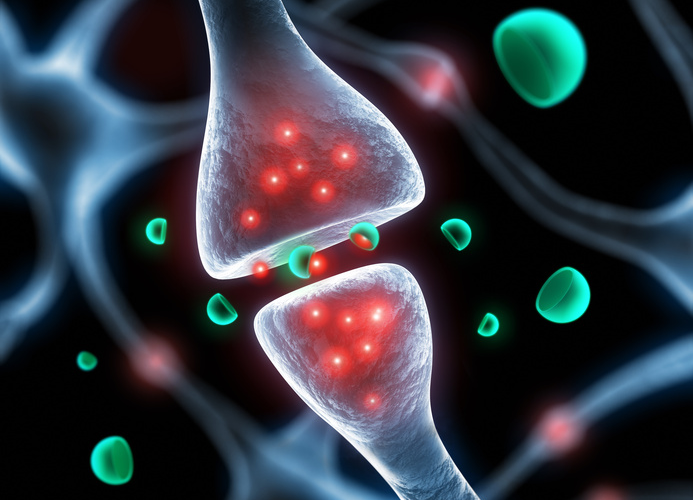
An international collaborative study coordinated by Frédéric Laumonnier (Unit 930 “Imaging and Brain” Inserm/University of Tours) and Yann Hérault of the Institute of Genetics and Molecular and Cellular Biology (Inserm/ CNRS/ University of Strasbourg) provides new and original findings on the pathophysiological role of the contact areas between neurons in certain brain disorders. The study reveals that mutation of one of the genes involved in intellectual disability and autism...
A research team from Université Paris Descartes, Inserm and Centre Hospitalier Sainte‐Anne, led by Prof. Marie‐Odile Krebs, has shown that patients suffering from psychotic disorders, and exposed in utero to diethylstilbestrol, presented specific epigenetic changes. These changes correspond to genomic regions notably comprising gene ZFP57, known to play a role in neurodevelopment. Owing to this new project, the researchers examine the broader issue regarding the impact of in utero...
Les individus apprennent à évaluer le niveau de prudence, de patience ou de fainéantise dont font preuve les autres après avoir observé leur comportement, mais surtout, cela influe sur leurs propres décisions, sans même qu’ils s’en rendent compte. Une découverte qui pourrait avoir des retombées en neurosciences. Les décisions de nos voisins inspirent-elles les nôtres ? C’est ce que laissent entendre les travaux de Jean Daunizeau et Marie Devaine,...
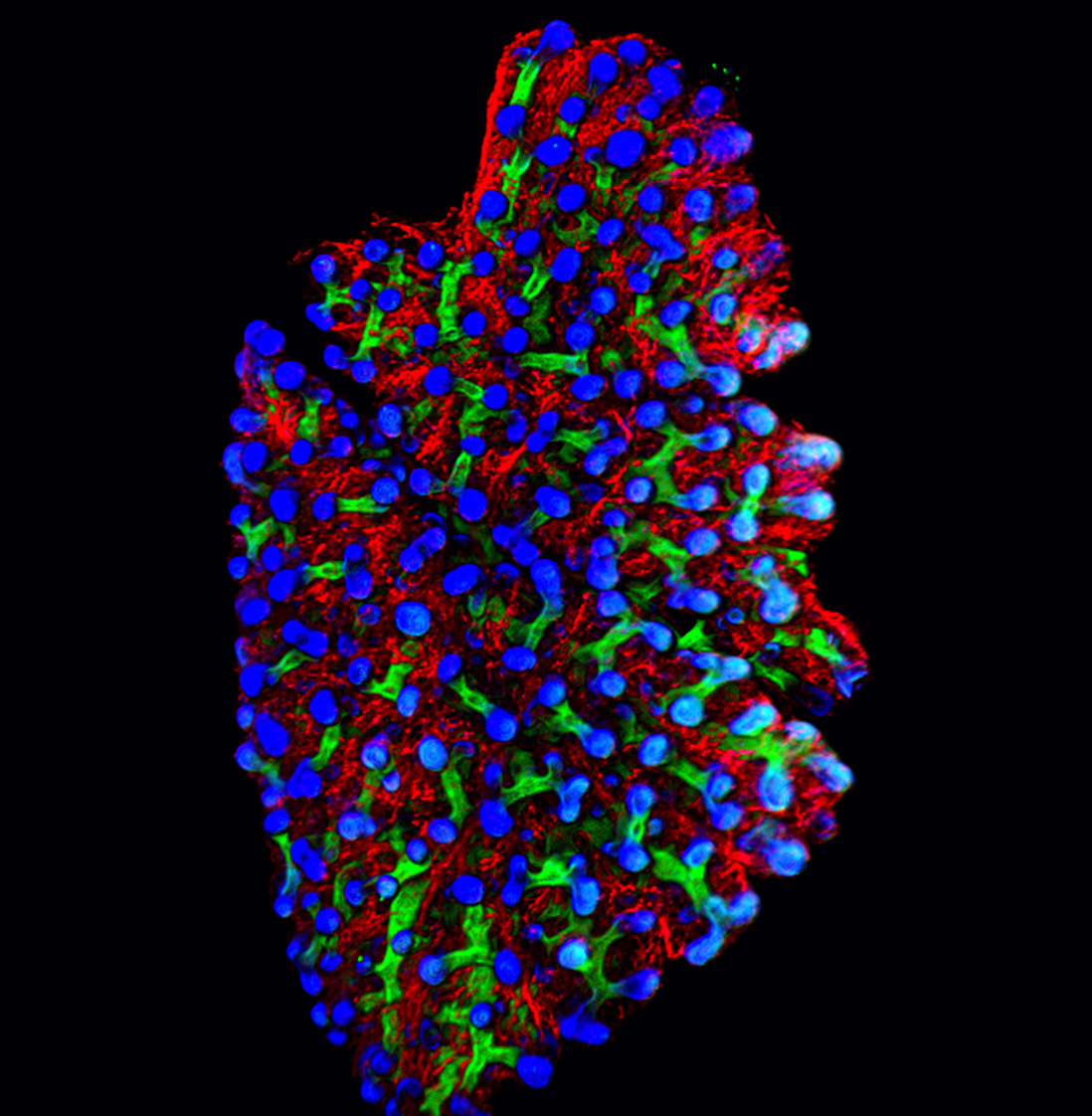
A team coordinated by Alain Chédotal, Inserm research director at the Institut de la Vision (Inserm/UPMC/CNRS) and Paolo Giacobini at the Jean Pierre Aubert research centre (Inserm/Lille University) have just made a series of new observations of the anatomy of human embryos from 6 to 14 weeks old. A feat made possible by combining two recent techniques in immunomarking and 3D microscopy and a technique making the tissues transparent....
Gender discrimination can be found in quite unexpected places. An international team that includes Demian Battaglia, a CNRS Researcher at the Neurosciences Systems Institute (INS) (Inserm/Aix-Marseille University), and researchers from Yale and the Max Planck Institute (Germany) has just demonstrated that women are under-represented in the review process for scientific publications. This research is published in the 21 March 2017 issue of the journal eLife.
How does our brain learn from our mistakes? Does it prefer good news to bad news? These are the questions answered by a team of researchers led by Stefano Palminteri (Inserm-ENS), laureate of the ATIP-Avenir programme, from the Laboratoire de Neurosciences Cognitives. The results will be published in Nature Human Behaviour.
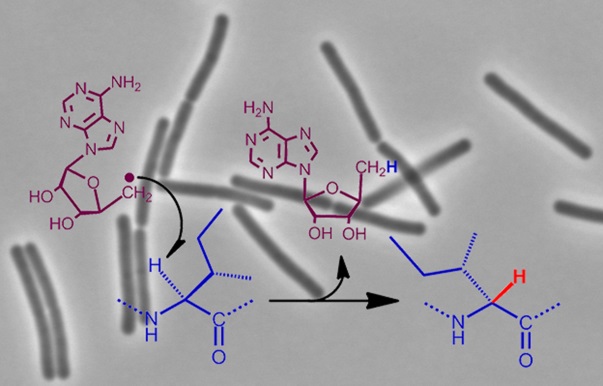
Researchers at the French National Institute for Agricultural Research (Inra) and Inserm have discovered a new family of bacterial enzymes that can produce hitherto unidentified peptides with antibiotic activity. Published in Nature Chemistry, this work holds promise for the synthesis of molecules of pharmaceutical interest and the design of new antibiotics.
Postural instability is the main factor associated with falls in patients with Parkinson disease, but there are other symptoms, such eye disorders. Teams from Pitié-Salpêtrière Hospital, AP-HP, and the Brain and Spine Institute (Inserm, CNRS, UPMC) have examined the link between these eye disorders observed in some patients and postural instability. Their results demonstrate a potential new marker of posture control in Parkinson disease. These results are published in...