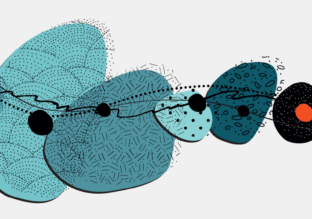
Using cerebral imaging, connections between the various brain regions can be visualized. These connections form a veritable "map" of its structure, specific to each individual. Knowledge of these "maps" is enough to predict not just brain function but also the potential development and treatment of neurological diseases.
In animals, a vaccine modifying the composition and function of the gut microbiota provides protection against the onset of chronic inflammatory bowel diseases and certain metabolic disorders, such as diabetes and obesity.
Inserm has published a new Collective Expert Review, this time looking at developmental coordination disorder (DCD) – otherwise known as dyspraxia.
Teams from Dijon-Bourgogne University Hospital, Inserm and CEA have recently established the results of the whole-genome analysis of severely ill neonates, hospitalized in neonatal ICUs – the time of which was slashed from the current 18-month average to just 38 days.
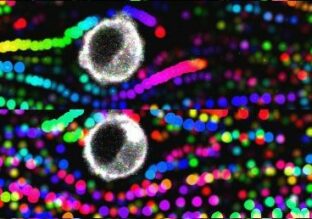
Circulating tumor cells use the blood and lymphatic networks to disseminate within the body, forming metastases distant from the primary tumor. Inserm researcher Jacky Goetz and his Tumor Biomechanics team at the Molecular ImmunoRheumatology laboratory (Inserm/Université de Strasbourg) have helped to show that the flow properties of these biological fluids have a huge influence on the risk of developing metastases.
Restoring sight to patients with age-related macular degeneration (AMD) or retinitis pigmentosa has become an increasingly likely prospect over recent years, with many researchers working to develop an artificial retina.
A study reveals that seasonal influenza vaccine coverage remains particularly low among pregnant women in France. Despite risks of severe complications, expectant mothers are often not offered the vaccine during their prenatal monitoring or, if they are, a large majority declines it.
This year marks the 20th annual Inserm Prize ceremony, to take place on Tuesday December 10 at Collège de France in celebration of six researchers and engineers whose achievements have helped raise the level of scientific excellence at the Institute, in the service of health for all.
Comment surveille-t-on la diffusion des symptômes grippaux en France métropolitaine?
Researchers have recently discovered a new candidate drug to control cryptosporidiosis, a severe intestinal disease in children, immunocompromised patients, and young ruminants. Beyond this disease, their research represents an opportunity to discover new therapeutic avenues for related infections, such as toxoplasmosis and malaria.
Inserm’s first ever escape game, Operation Cortex, an immersive experience to raise awareness of health research, opens its doors to the general public on November 15. This new public interaction format fulfils the institute’s desire to promote scientific culture and enable visitors to discover its laboratories.