Bisphenol F and bisphenol S, which are used as substitutes for bisphenol A in certain applications, have the same negative effect on human foetal testes as bisphenol A. This has recently been shown by René Habert and his colleagues at the Joint Research Unit 967 "Stem Cells, Radiation and Genetic Instability"
A team from the Institut de biologie at the Ecole normale supérieure (CNRS/ENS/INSERM)(2) has described how in Paramecia, mating types are transmitted from generation to generation through an unexpected mechanism.
Des régions non codantes du génome semblent diminuer la sévérité de deux maladies des globules rouges : la bêta thalassémie et la drépanocytose
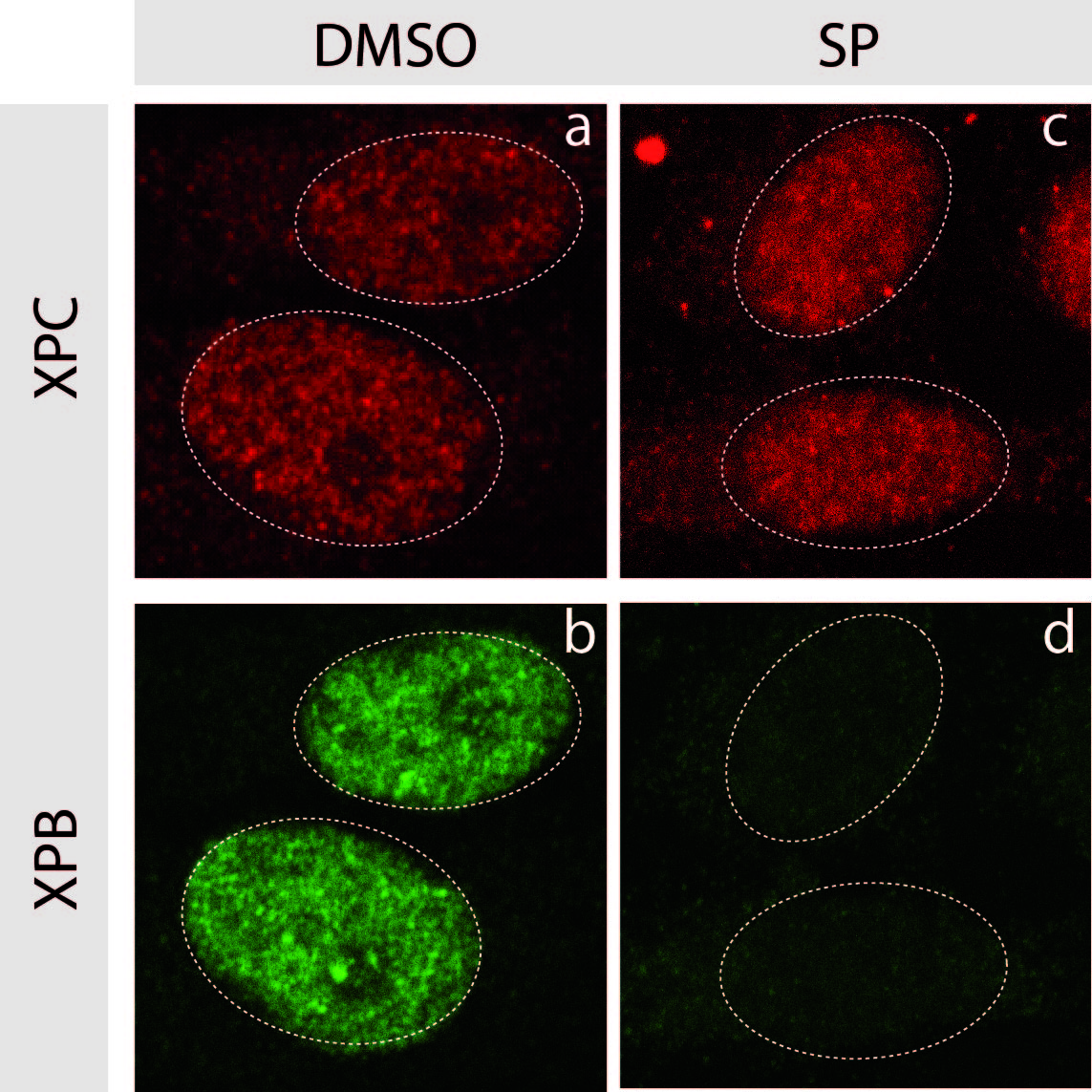
A team of researchers directed by Frédéric Coin, Inserm Research Director at the Institute of Genetics and Molecular and Cellular Biology (IGBMC) in Strasbourg (a Joint Inserm/CNRS/University of Strasbourg Research Unit), has discovered a new drug that inhibits repair: spironolactone, which seems likely to be used in the very short term as an adjuvant to chemotherapy.
A team of French researchers, led by Dr. Anna Buj-Bello (Genethon/Inserm) and teams at the University of Washington and Harvard Medical School in the United States, have demonstrated the efficacy of gene therapy in models of myotubular myopathy, an extremely severe neuromuscular disease in children.
A French and English team (AP-HP, Inserm, UPEC, CEA/Mircen, Oxford Biomedica, Cambridge University) has conducted a clinical phase 1/2 gene therapy study among patients suffering from an evolved form of Parkinson’s disease. Fifteen patients were able to benefit from this new treatment, which involves injecting a vector expressing the genes of three enzymes that are essential for the biosynthesis of dopamine, which is lacking in Parkinson’s disease. Thanks to...
A phase I/II gene therapy clinical trial for children suffering from Sanfilippo B syndrome, a rare genetic disease, enrolled a first patient in October of this year.
Certain parts of DNA are highly mobile and their dynamic motion participates in controlling gene expression. The research team working under Maria‐Elena Torres‐Padilla, an Inserm research director at the Institute of Genetics and Molecular and Cellular Biology, has just developed a method of observing the organisation and movements of the genome in time and space.
Teams from CNRS, the Université de Strasbourg and Inserm, led by Daniel Riveline1, Jean-Marie Lehn2 and Marie-France Carlier3, have synthesized molecules capable of causing rapid growth of actin networks, one of the components of the cytoskeleton.
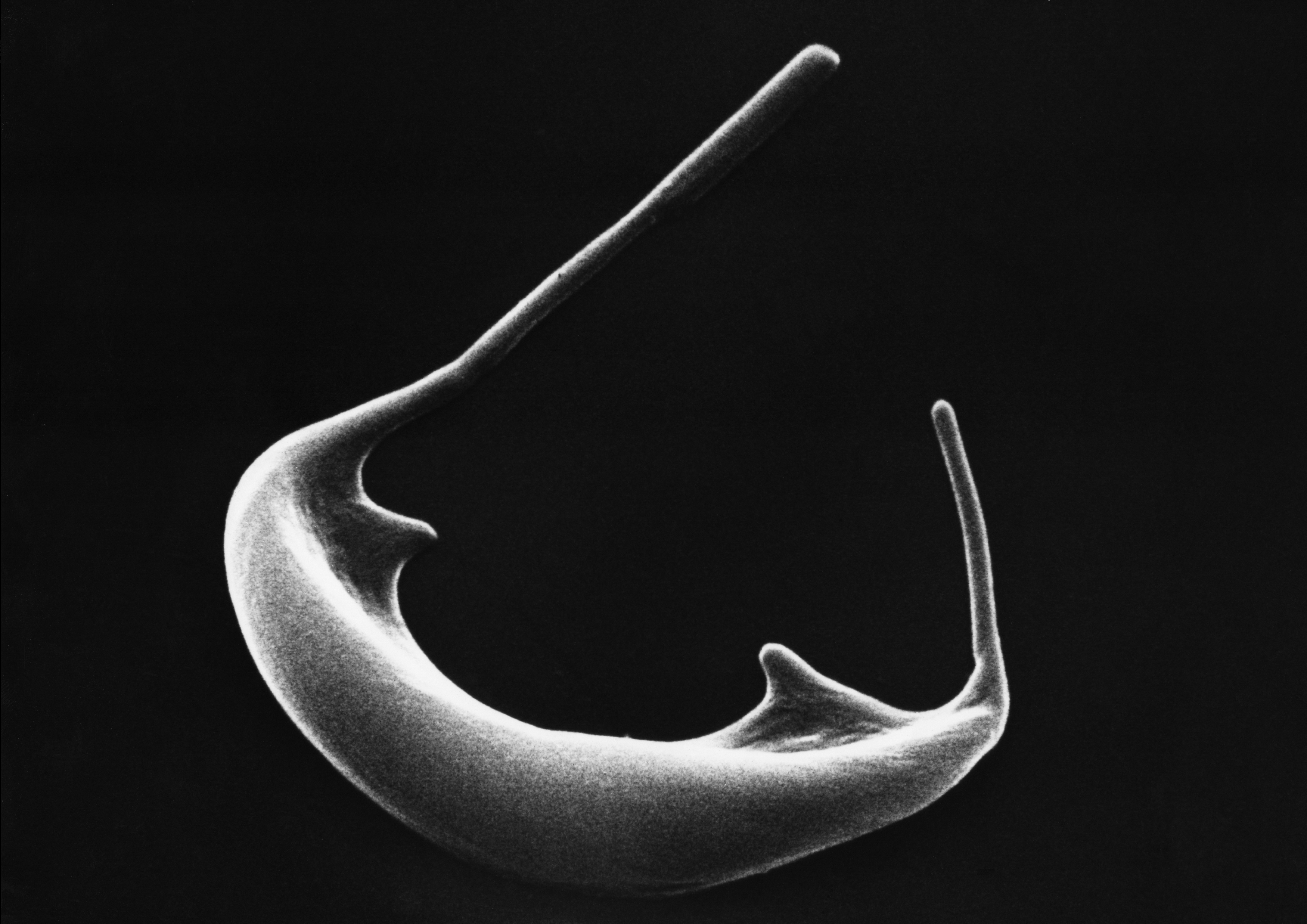
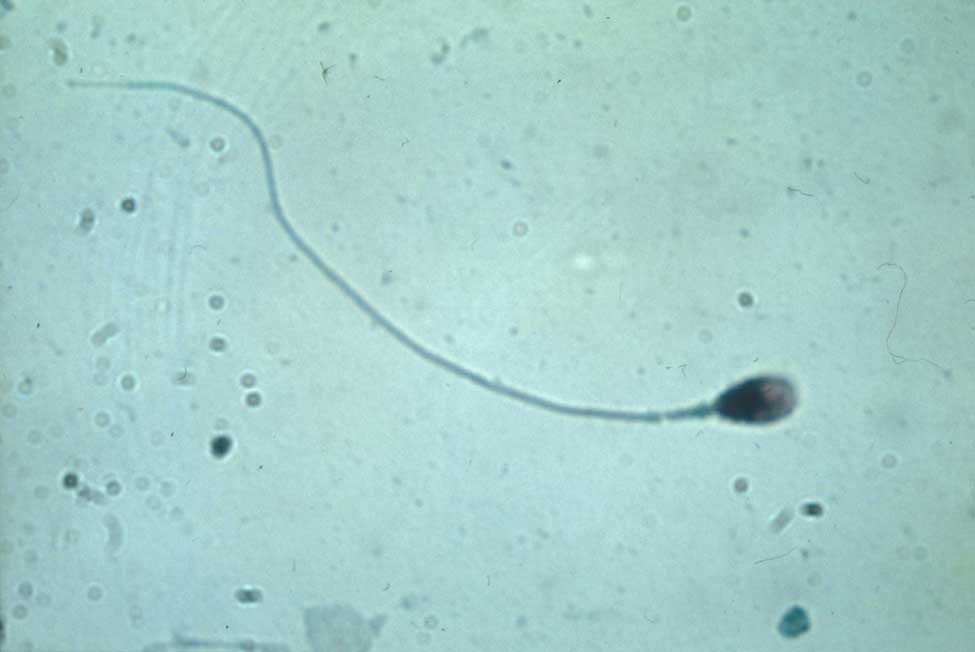
When the male genome carried in the spermatozoid leaves the male body to reach the egg, it undergoes numerous transformations. A team led by Saadi Khochbin in Mixed Research Unit 823 at the Institut Albert Bonniot Research Centre (Inserm/Joseph Fourier University) in Grenoble has described the molecular mechanisms that enable the transmission of the male genome to the egg.
Une famille avec de nombreux cancers inexpliqués révèle que certaines prédispositions aux cancers du rein sont liées à des mutations du gène BAP1. Porté sur le chromosome 3, ce gène était déjà connu pour prédisposer à des cancers oculaires (mélanome uvéal) et de la plèvre (mésothéliome). Ces travaux réalisés par Marc-Henri Stern du laboratoire Génétique et Biologie des Cancers (Institut Curie/Inserm U830) en coordination avec le Pr Dominique Stoppa-Lyonnet...