Using innovative technology, scientists from the Institut Pasteur and Inserm have filmed in vivo the process by which an AIDS vaccine candidate, developed by the French Vaccine Research Institute and the ANRS, triggers the immune response. This previously unseen footage clearly shows how the vaccine recruits the immune cells needed to destroy infected cells. These results, published in the journal Nature Medicine on December 21, 2015, shed new light...
Throughout life, extremely heavy demands are made on the spinal column. Spinal wear very soon affects the quality of life, and back pain is often described as the illness of the century. 40% of back pain may be due to irreversible deterioration of the intervertebral discs (which act as “cushions” between the vertebrae), which can no longer play their role as shock absorbers. Researchers from Inserm led by Jérôme...
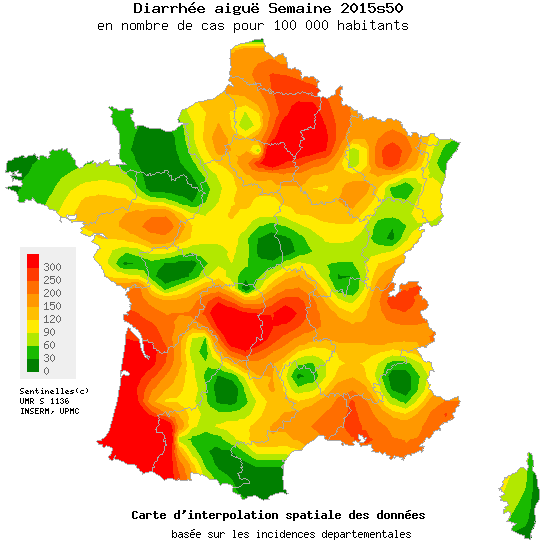
The Sentinelles network, developed by Inserm and Pierre and Marie Curie University (UPMC), is a national surveillance system made up of 1,300 general practitioners and about a hundred private paediatricians, which allows the creation of large databases for several diseases, for purposes of health monitoring and research. The Sentinelles physicians collect information from their patients […]
Although the acute stage of the Ebola epidemic in West Africa is behind us, the need for research to find preventative measures remains urgent. The global community shares the same goal: to prevent future epidemics as catastrophic as the one we have witnessed over the past two years.To this end, Inserm is coordinating the Ebovac2 project, a collaborative effort, funded under a grant from the Innovative Medicines Initiative Ebola+...
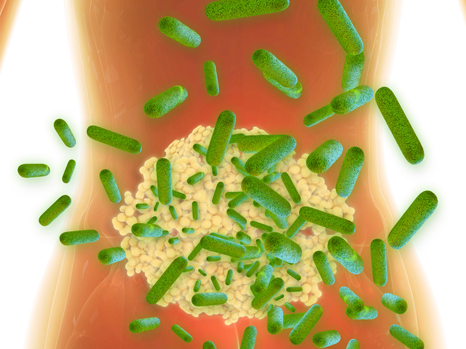
Despite excessive alcohol consumption, some individuals remain in good health while others develop liver disease. This inequality regarding the toxicity of alcohol for the liver depends on the intestinal microbiota. This has just been demonstrated by scientists and physicians from Paris-Sud University, Inserm, AP-HP (Antoine-Béclère Hospital), INRA (French National Institute for Agricultural Research), AgroParitech and Aix-Marseille University. These results are published online in the journal Gut.
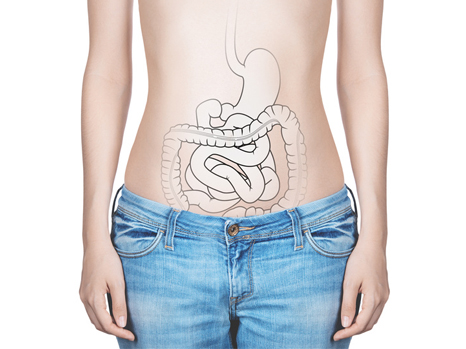
Éric Vivier’s team at Marseille-Luminy Immunology Center (CIML), a CNRS, Inserm and Aix-Marseille University research centre, in collaboration with Gabrielle Belz’s team at Walter and Elisa Hall Institute (WEHI), Melbourne, sheds new light on the dynamics of the immune networks that protect our intestine. During episodes of bacterial diarrhoea, innate lymphoid cells (ILCs) “share the work” with memory T lymphocytes, but can also compensate for them in the event...
A link between benzodiazepine use and the occurrence of dementia has been observed in a study, the results of which are published in the journal Alzheimer’s and Dementia, conducted by a team of Inserm researchers directed by Christophe Tzourio (Inserm Unit 897, “Epidemiology and Biostatistics Center,” Univ ersity of Bordeaux). More precisely, it is mainly the long half-life benzodiazepines (which disappear from the body in over 20 hours) that...
La 21ème Conférence Internationale des parties de la Convention-cadre des Nations unies sur les changements climatiques (COP21/CMP11), s’est ouverte lundi 30 novembre, soulignant la volonté des gouvernements participants à lutter contre le changement climatique et ses conséquences. Dans ce contexte, l’Inserm souhaite sensibiliser professionnels et grand public aux impacts du changement climatique sur la santé et propose jusqu’au 11 décembre, des symposiums scientifiques, des conférences grand public et une...
Spread of influenza remains low in metropolitan France according to the weekly bulletin of 25/11/15 from the Sentinelles network, an information system based on a network of 1,300 general practitioners, with the incidence of influenza-illness estimated at 24 cases per 100,000 inhabitants, i.e. below the epidemic threshold (149 cases per 100,000 inhabitants).
Every year, nearly 5,000 pregnancies in Europe are affected by neural tube defects such as spina bifida and anencephaly (malformations of the brain and skull), with serious consequences for the newborn infants. Taking nutritional supplements containing folic acid (or vitamin B9) before and during early pregnancy may considerably reduce the risk, but studies show that only a minority of women do so. A study published today in The British...
Don’t have room for dessert? The bacteria in your gut may be telling you something. Twenty minutes after a meal, gut microbes produce proteins that can suppress food intake in animals, reports a study published November 24 in Cell Metabolism. The researchers also show how these proteins injected into mice and rats act on the brain reducing appetite, suggesting that gut bacteria may help control when and how much...