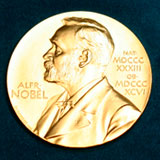
The 2014 Nobel Prize in Chemistry was awarded to two Americans, Eric Betzig and William Moerner, and a German, Stefan Hell, on Wednesday 8 October “for the development of super-resolved fluorescence microscopy,” nanoscopy, as the jury said in its press release. The laureates developed two methods enabling microscopy on a nanometric scale, and hence the […]
The Nobel Prize of physiology or medicine 2014 is awarded to John O’Keefe, May-Britt and Edvard I. Moser for their work about for their discoveries of cells that constitute a positioning system in the brain. May-Britt’s work, conducted with Edvard Moser as a long-term collaborator, includes the discovery of grid cells in the entorhinal cortex, as […]
This year marks the 10th edition of Pink October, a month of national mobilisation against breast cancer. An opportunity to recall that this disease remains a major public health challenge, despite the advances in treatment. Breast cancer is indeed the leading female cancer, and the leading cause of cancer deaths in women. In 2012, nearly […]
World Heart Day, held on 29 September each year, is aimed at increasing the general public’s awareness of the risk factors for cardiovascular diseases (poor diet, lack of physical activity, smoking and harmful use of alcohol), and thus helping to prevent them. These diseases, which are associated with malfunctioning of the heart or of the […]
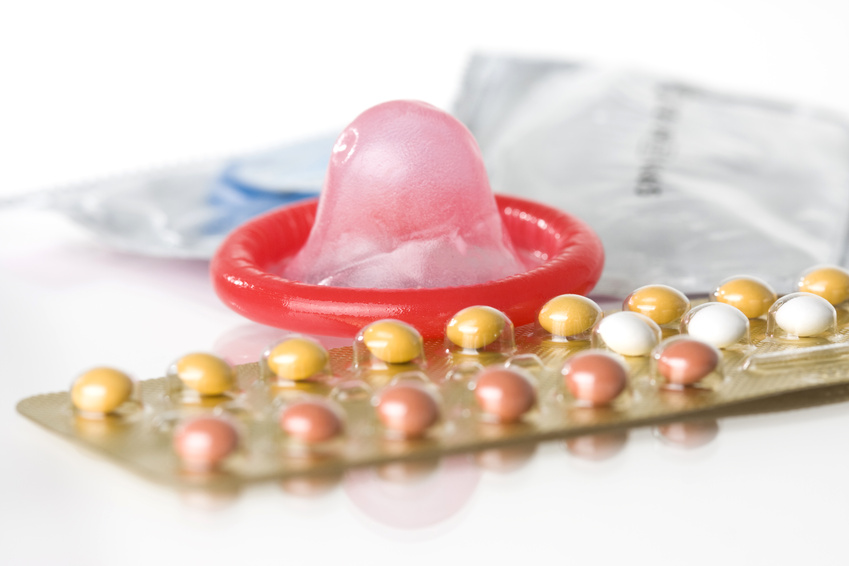
World Contraception Day will take place this Friday, 26 September. Now in its 8th consecutive year, this international information and discussion campaign is an opportunity to promote the variety of contraception options available, and to recall the importance of using contraception appropriate for one’s lifestyle and medical and emotional situation.Our last communications on this topic […]
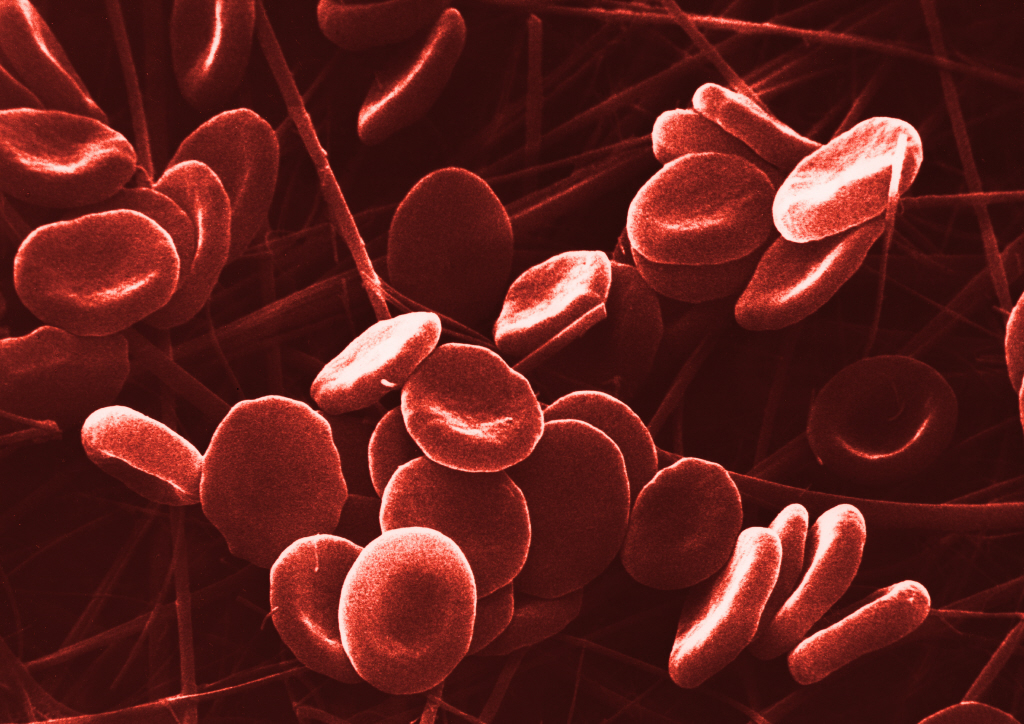
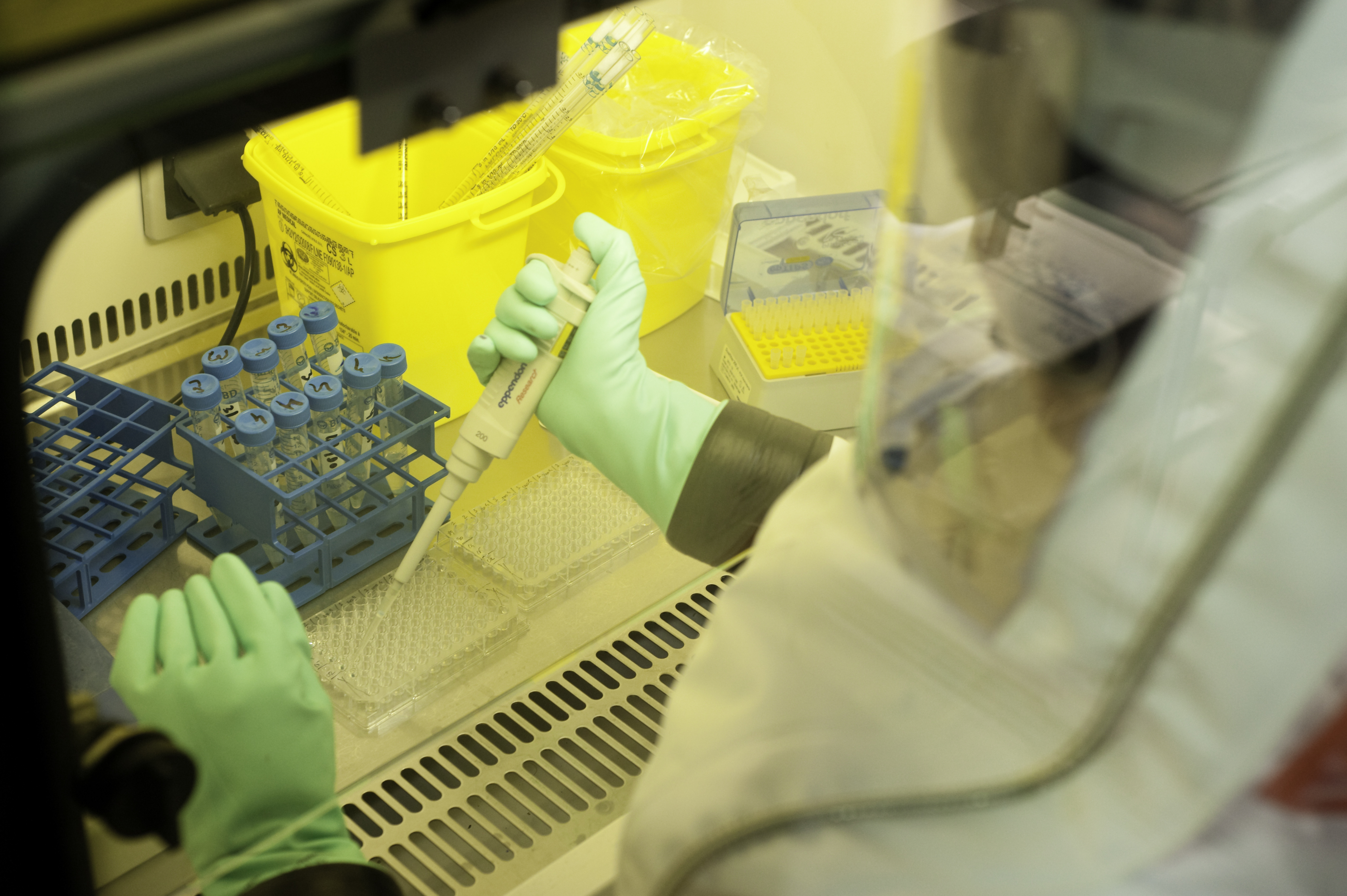
What is Ebola virus? Ebola virus is a highly contagious, fatal virus. After 2 to 21 days incubation, the disease appears as non-specific symptoms (fever, tiredness, muscle and joint pain) before developing into a phase characterised by gastro-intestinal signs such as bloody diarrhoea, vomiting, respiratory and sometimes neurological symptoms. In 40% to 80% of cases, […]
Inserm has made Alzheimer’s disease one of its priorities. Each year, this neurodegenerative disorder, which results in progressive and permanent deterioration of the nerve cells, engages many teams in the development of new treatments. One scientific approach states that this disease must be attacked at its earliest possible stage, even before the first symptoms appear, […]
To mark the 8th World Lymphoma Day in France, the France Lymphome Espoir (France Lymphoma Hope) association is conducting a tour of eight large cities in France from 15 to 25 September. Patients, those close to them, and caregivers are thus invited to share their experience on themes such as care and living with the […]
In partnership with Inserm, the Institut Pasteur is organising the first french edition of World Sepsis Day this Friday 12 September. Conferences held at this event will be aimed at informing the general public and increasing awareness about these infections. Sepsis (or septicaemia) represents the impact of serious infections on the body’s vital functions. This […]
The 2014 Lasker Award has just been won by Alim Louis Benabid, Director of Inserm Unit 318 “Preclinical Neurosciences” from 1988 to 2006, and winner of the 2008 Inserm Prix d’Honneur for his work on deep brain stimulation for the treatment of Parkinson’s disease.Since 1945, the Lasker Award has distinguished the most brilliant researchers who […]
1) Access to experimental treatment, on a compassionate basis, given the severe spontaneous development of the disease (60% mortality). Who is given priority when administering treatment available in small quantities and under what conditions in the absence of human data? In addition, the ZMapp serum is developed by private pharmaceutical companies, which raises the issue […]