For 40 years, the practice of caesarean section has become increasingly common all over the world. It is also associated with a higher risk of infectious complications for both the mother and child. In an article published in the specialist journal ACTA, Benedicte Coulme and Beatrice Blondel, who are researchers at Inserm in Unit 1153: […]
The Ebola epidemic is continuing to spread in West Africa. In March 2014, Guinea was reporting its first cases of the Ebola virus disease to the World Health Organization (WHO). The disease has since spread beyond Guinea’s borders to Liberia, Sierra Leone and Nigeria. Within the past several days, a first case has been reported […]
28 July 2014 is World Hepatitis Day. Millions of people across the world are infected by one of the five known viruses (A, B, C, D, E). Nearly 1.4 million people die from it every year. Hepatitis is an inflammation of the liver. It can have a viral or toxic origin (when alcohol abuse or […]
The chikungunya virus is an infectious arboviral disease from the family Togaviridae. It comes from tropical regions and is transmitted by Aedes mosquitos. The virus is contracted by the mosquito when it bites an infected individual. It then becomes a carrier and can transmit the disease by biting a healthy person. There is no curative […]
According to WHO, between 29 May and 1 June 2014, 37 new cases of Ebola fever and 21 deaths were recorded in Guinea, and 13 new cases (no deaths) were recorded in Liberia. The Jean Mérieux BSL-4 Laboratory is a high-level containment laboratory dedicated to the study of class 4 pathogens. The biological safety level applied is 4, […]
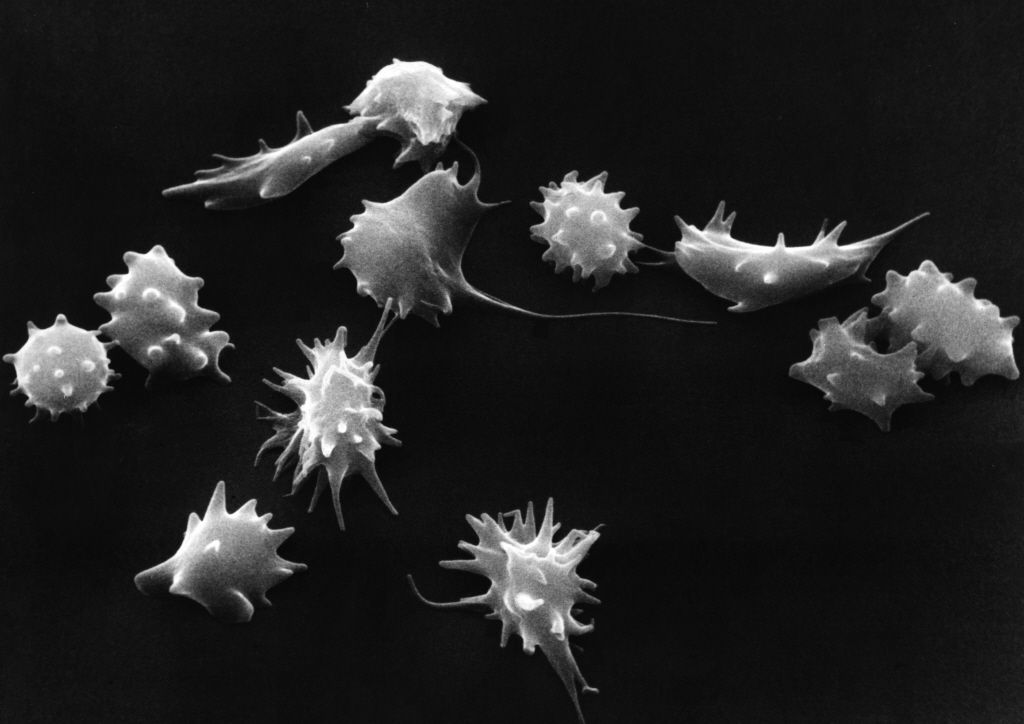
Thursday 19 June 2014 is World Sickle Cell Disease Day. This is the most widespread genetic disorder in the world: It affects over five million people(1). It can have serious consequences—anaemia, episodes of pain—and may involve different organs or reduced resistance to certain infections. From the physiological point of view, this disease of the blood […]
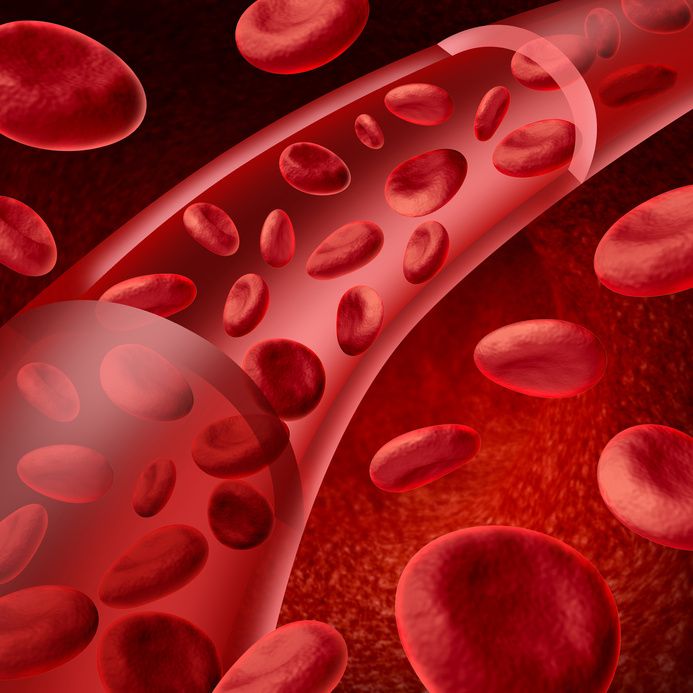
Introduced for the first time in 2004, at the initiative of the World Health Organisation (WHO), World Blood Donor Day (WBDD) takes place on 14 June each year. Organised in France by the French National Blood Service, WBBD pays tribute to the millions of anonymous volunteer blood donors throughout the world. This also helps to […]
Since 2012, the French Association for Research on Hidradenitis (AFRH) has organised the World Day for Hidradenitis Suppurativa, which will take place on Friday 6 June this year. The aim is to increase awareness of this disease, which is little known among the general public, and often misdiagnosed. Hidradenitis supporativa, also known as Verneuil’s disease […]
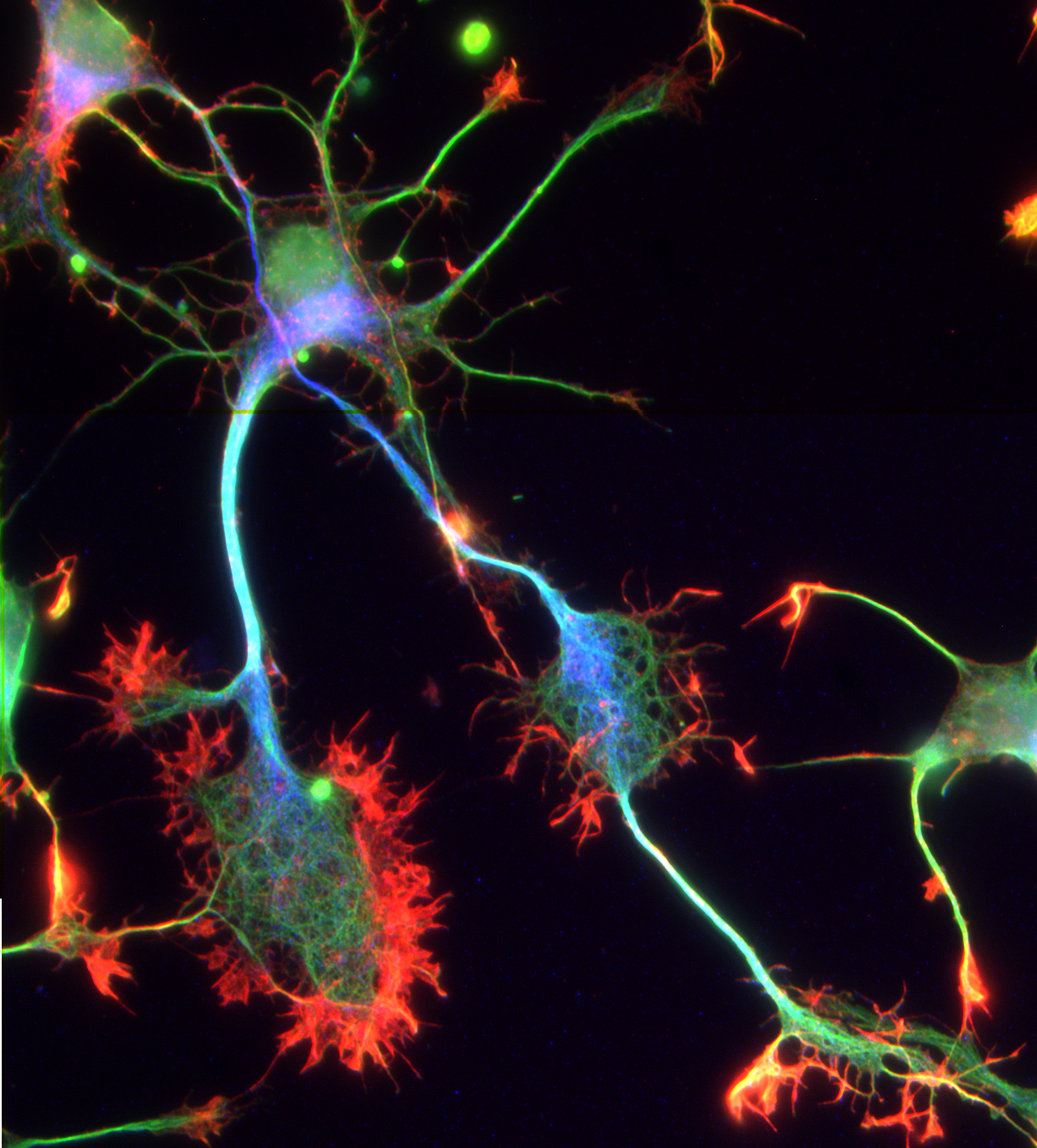
World Multiple Sclerosis Day takes place on 28 May. This year, the theme of the day is equality of access for patients with this disease:1 access to treatment, public transport, buildings, information, employment, etc. Multiple sclerosis (MS) is a chronic disease that affects the central nervous system. This autoimmune disease affects approximately 1 person in […]
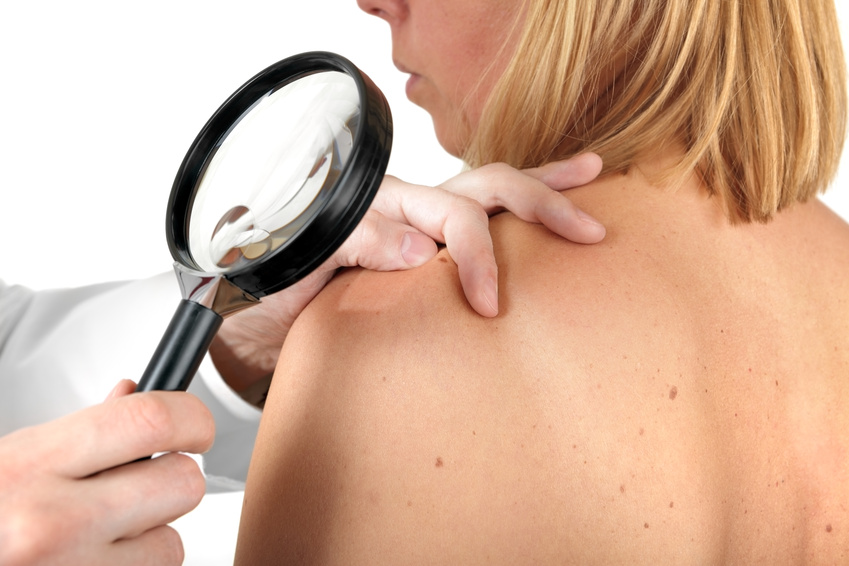
The 16th edition of the National Day of Screening for Skin Cancer will be held on Thursday, 22 May. It is organised by the French National Union of Dermatologists, with the support of the French National Cancer Institute (INCa). This day is an opportunity to recall the importance of prevention and monitoring in dermatology. The earlier cancer is […]
“An injustice to one is a threat to all,” to quote Montesquieu. Today, on behalf of the scientific community, we can only express our complete support for the French National Institute for Agricultural Research, the INRA, and our strong concern over the consequences of a court ruling made against it on 14 May last. The […]