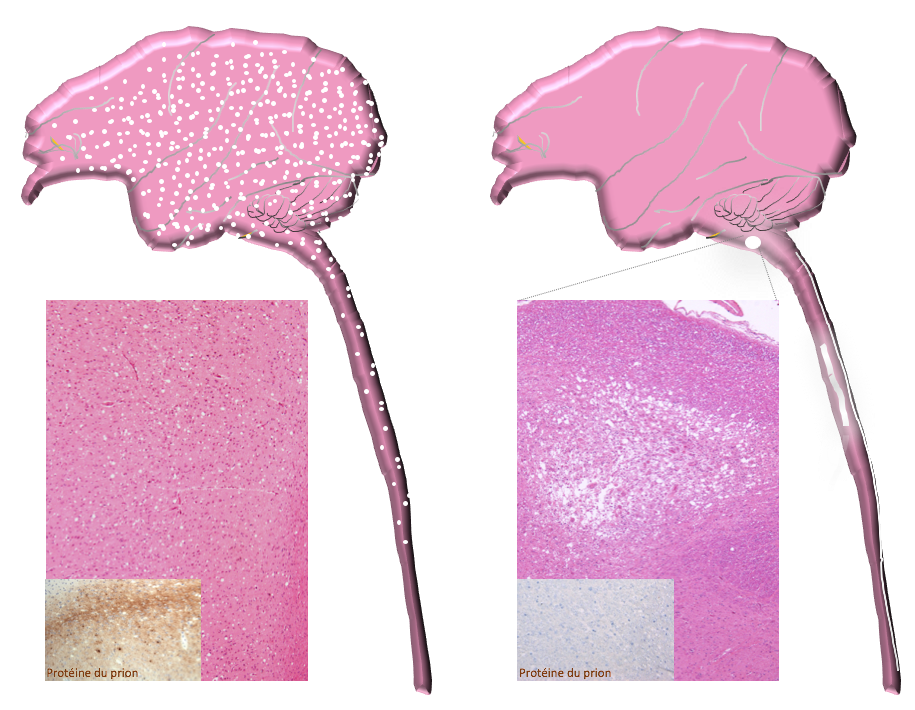
Une équipe de chercheurs français a montré que de multiples variants de prions peuvent coexister et se manifester sous différentes formes cliniques selon les conditions de transmission. Les résultats de cette étude sont publiés dans Nature Communications, le 2 novembre 2017.
How do we know whether a patient is conscious when he or she is unable to communicate? According to an Inserm study conducted in 127 patients aged 17 to 80, changes in heartbeat in response to sound stimulation is a good indicator of state of consciousness. This is what Inserm researcher Jacobo Sitt and his team, based at the Brain & Spine Institute (ICM) at Pitié-Salpêtrière Hospital, AP-HP, demonstrate...
A study, conducted by Coralie Chevallier, Inserm researcher at Unit 960 "Cognitive Neuroscience Laboratory" (Inserm/ENS), suggests that an unfavorable childhood environment leads to earlier reproduction and a decreased effort in looking after health during the course of life. These findings have been published in Evolution and Human Behavior.
For the first time, an animal model can express the two biological characteristics of Alzheimer’s disease. Researchers from CEA, Inserm, Paris-Sud and Paris-Descartes Universities, and CNRS have developed an animal model that reproduces the progression of the human disease. These results offer new possibilities for testing drugs and developing a diagnostic method involving a simple blood test. Their findings were published in Cerebral Cortex on October 18, 2017.
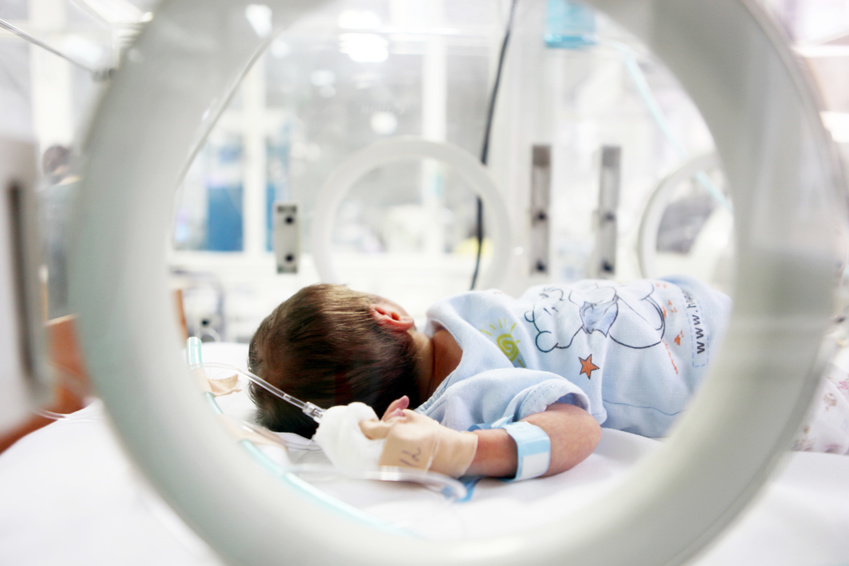
Physicians from Inserm Unit 979 “Wave Physics for Medicine” at the ESPCI Paris together with clinician researchers from the neonatal intensive care unit of Robert-Debré AP-HP pediatric hospital and Inserm Unit 1141 have just made a scientific and medical breakthrough: the non-invasive imaging of brain activity in newborns using ultrasound. This will open up new avenues for bedside neurological diagnosis in full-term and premature babies. The details of their...
A research team in psychiatry at CEA-Neurospin, together with the Mondor Institute of Biomedical Research (INSERM) and the Henri-Mondor (AP-HP) university hospitals, has shown that a genetic variant associated with several psychiatric conditions alters a prefrontal-limbic network, which may increase the risk of developing schizophrenia or bipolar disorder. The results of this study were published online on October 2, 2017 in Journal of Neuroscience.
Researchers from Inserm, the Université Paris Diderot, King’s College London, and the Duke-NUS Medical School in Singapore have identified a gene that may be associated with brain lesions that can be caused by preterm birth. This study is published today in Nature Communications.
A recent study conducted by Anne Giersch and her team of researchers (Inserm Unit 1114 /University of Strasbourg) showed that some people with schizophrenia are unable to perceive and anticipate the passage of time. These results, published in the Scientific Reports journal, also reveal a link between fragile temporal prediction and minimal self disorders (self-perception, "I am here, now").
An international study with the participation of physicians from the AP-HP Paris public hospitals network and researchers from Inserm, UPMC and CNRS within the Brain & Spine Institute (ICM) has identified a clinical-genetic score to predict cognitive impairment in Parkinson’s disease sufferers. Cognitive impairment is one of the most debilitating characteristics to manifest in certain patients with the disease. The ability to predict its emergence within ten years of...
Omega-3 fatty acids are crucial for the brain. Deficiency in these acids can lead to depressive mood. A new study led by Inserm and Inra researchers from Unit 901, "Mediterranean Institute of Neurobiology" (Inserm/Université d’Aix-Marseille) and UMR 1256, "Nutrition and Integrated Neurobiology" (Inra/Université de Bordeaux) reveals the mechanisms of disease that develop in adult mice on a low omega-3 diet since adolescence. It also demonstrates therapeutic approaches. The results...
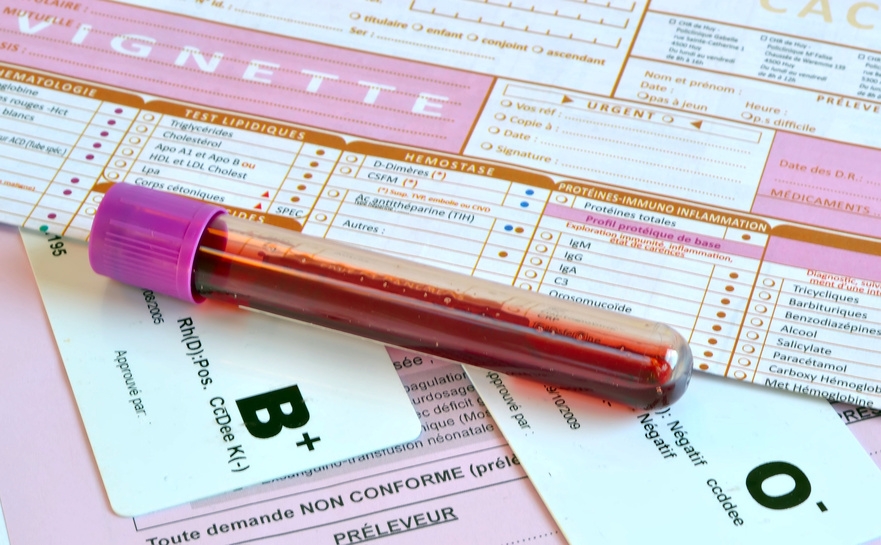
Teams from the AP-HP Paris public hospitals network, in collaboration with researchers from the Brain & Spine Institute (ICM) (Inserm/CNRS/UPMC), and Metafora biosystems, a start-up with links to the CNRS, have recently developed a diagnostic blood test for a rare but treatable condition called De Vivo disease.It was tested on 30 patients with the disease, which causes neurological deficits such as epilepsy and movement disorders.Compared with current diagnostic tests...