A new home-based therapeutic approach targeting dementia patients, “occupational therapy,” can slow their loss of autonomy and reduce behaviour problems. These results come from a new study published by Inserm researchers (Unit 1219 “Institute of Public Health, Epidemiology and Development” [ISPED]) in the Journal of Alzheimer’s Disease.
Nearly one in two French people over 30 years of age are overweight. This is what the first results from the Constances cohort has revealed. Now supported by Inserm and the French national social security organisation for salaries workers (Cnamts), Constances collates health data on more than 110,000 French people. With ultimately 200,000 people monitored, Constances will provide varied indicators of health in the population, such as the influence...
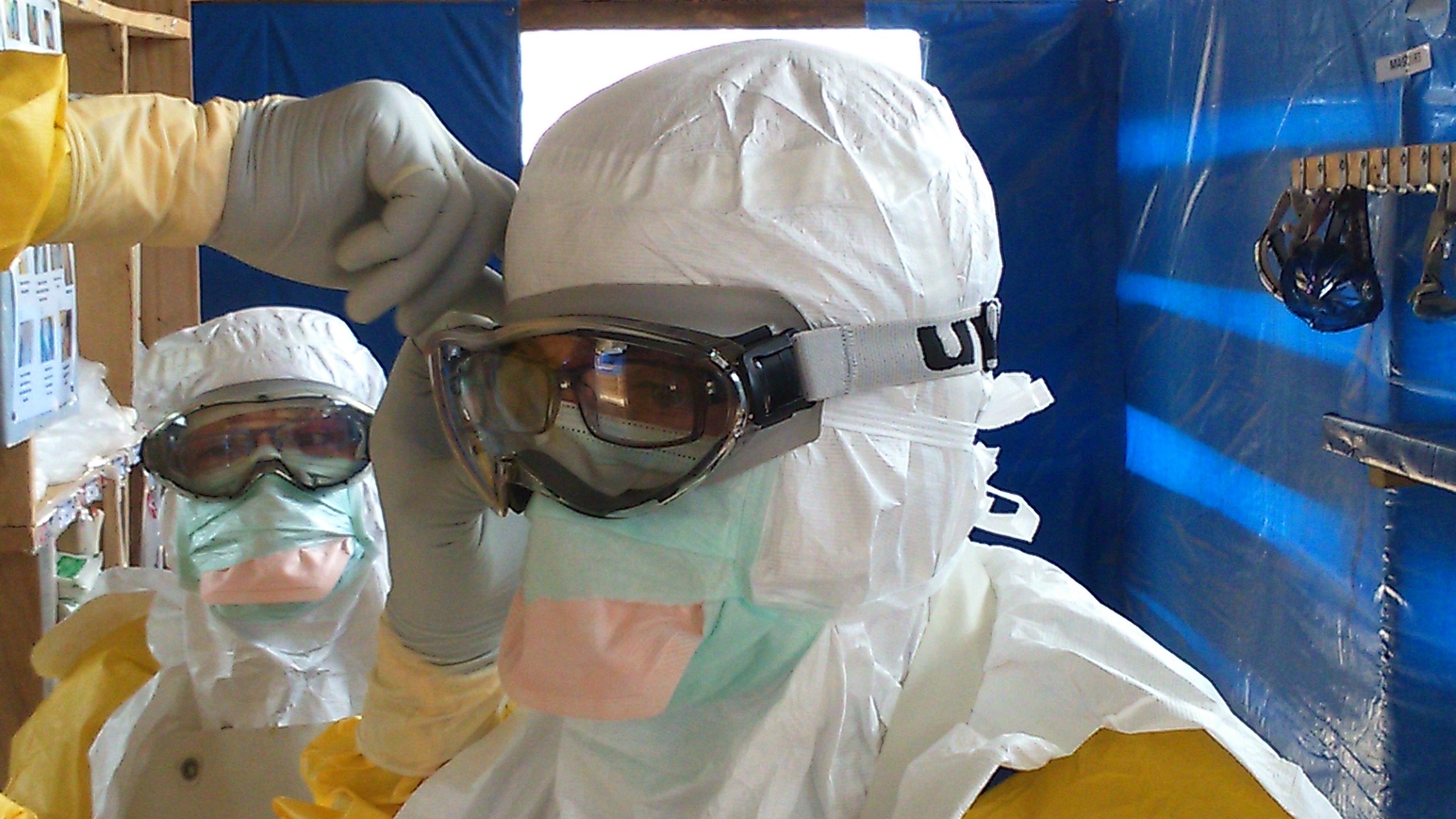
An international research team involving Inserm and the National Institutes of Health (NIH) has just published the results of the PREVAIL study on treatment for the Ebola virus. While not definitive, the results show that ZMapp may benefit patients with the Ebola virus disease.These results are published in The New England Journal of Medicine.
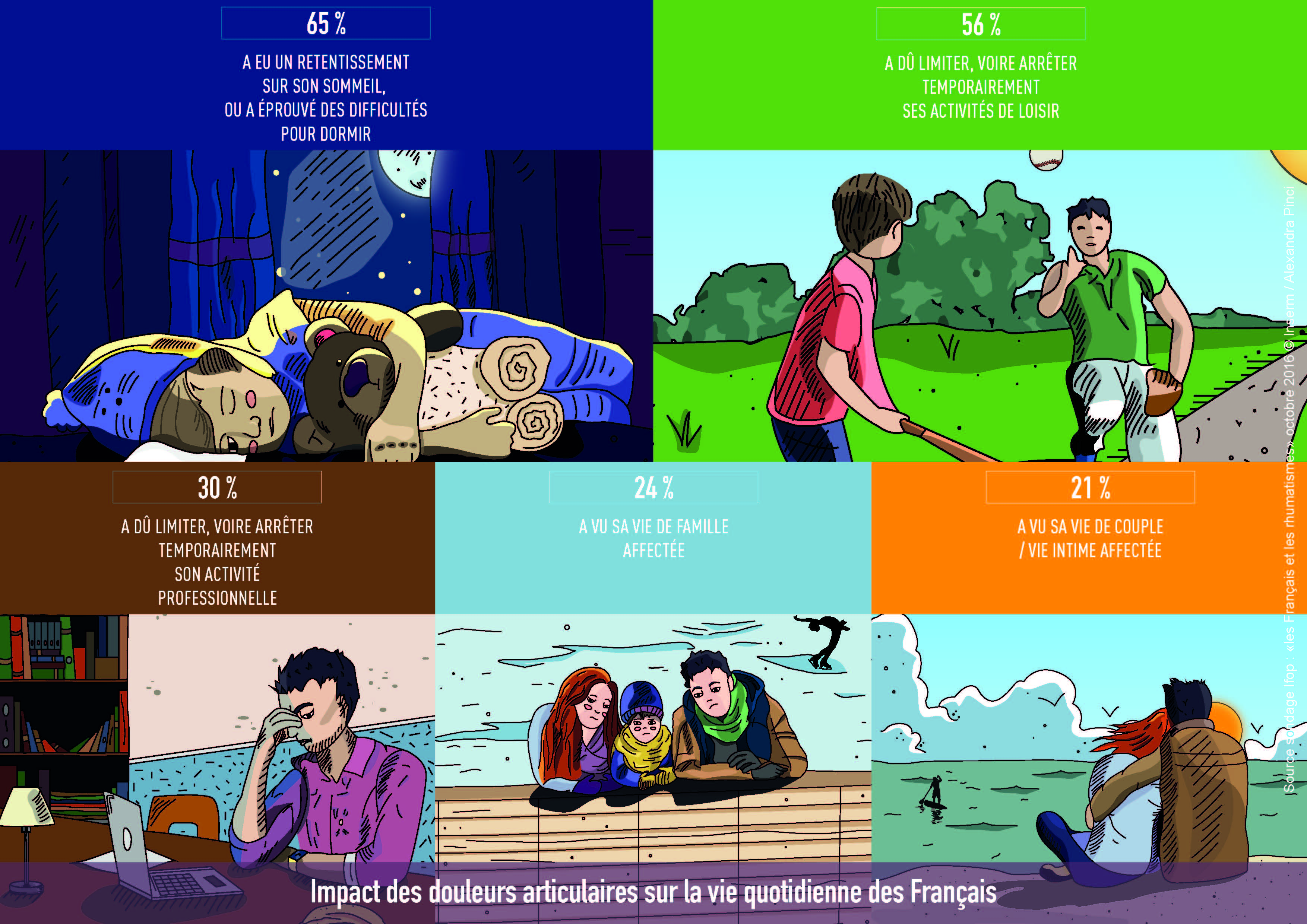
According to the results of an IFOP survey, “Les Français et les Rhumatismes” (Rheumatic Diseases and the French), conducted by Inserm and “Ensemble Contre les Rhumatismes” (Together Against Rheumatic Diseases), 93% of French people report having already suffered from joint pain[1] and one in two were suffering from it at the time of responding to the survey. This joint pain strongly affects their daily life. Quality of sleep and...
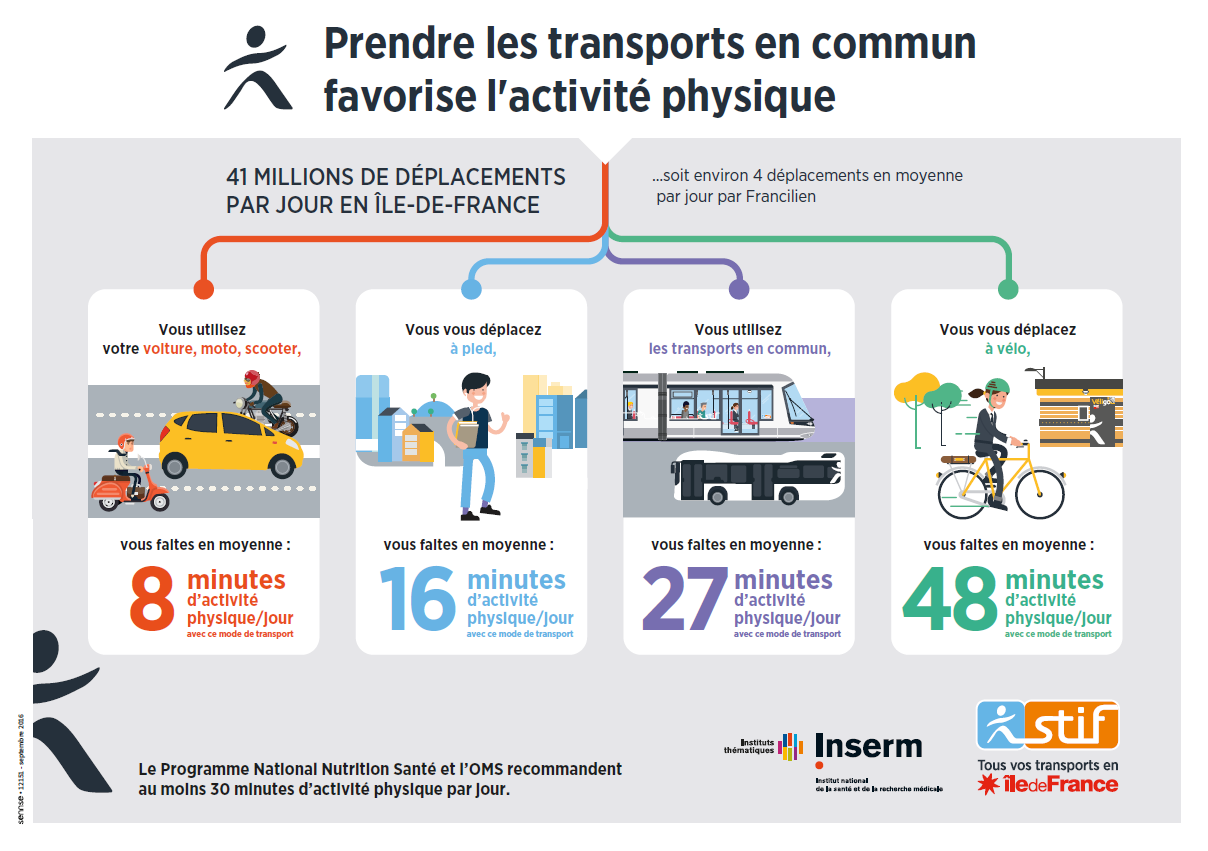
Ile-de-France Transport Union (STIF), the public transport authority for the Ile-de-France (Greater Paris) region, and Inserm, the French National Institute of Health and Medical Research, have revealed the results of a study* measuring the physical activity associated with the daily journeys of Ile-de-France residents. This study shows that the use of public transport contributes significantly to the physical activity of Ile-de-France residents, an important behaviour for staying healthy.
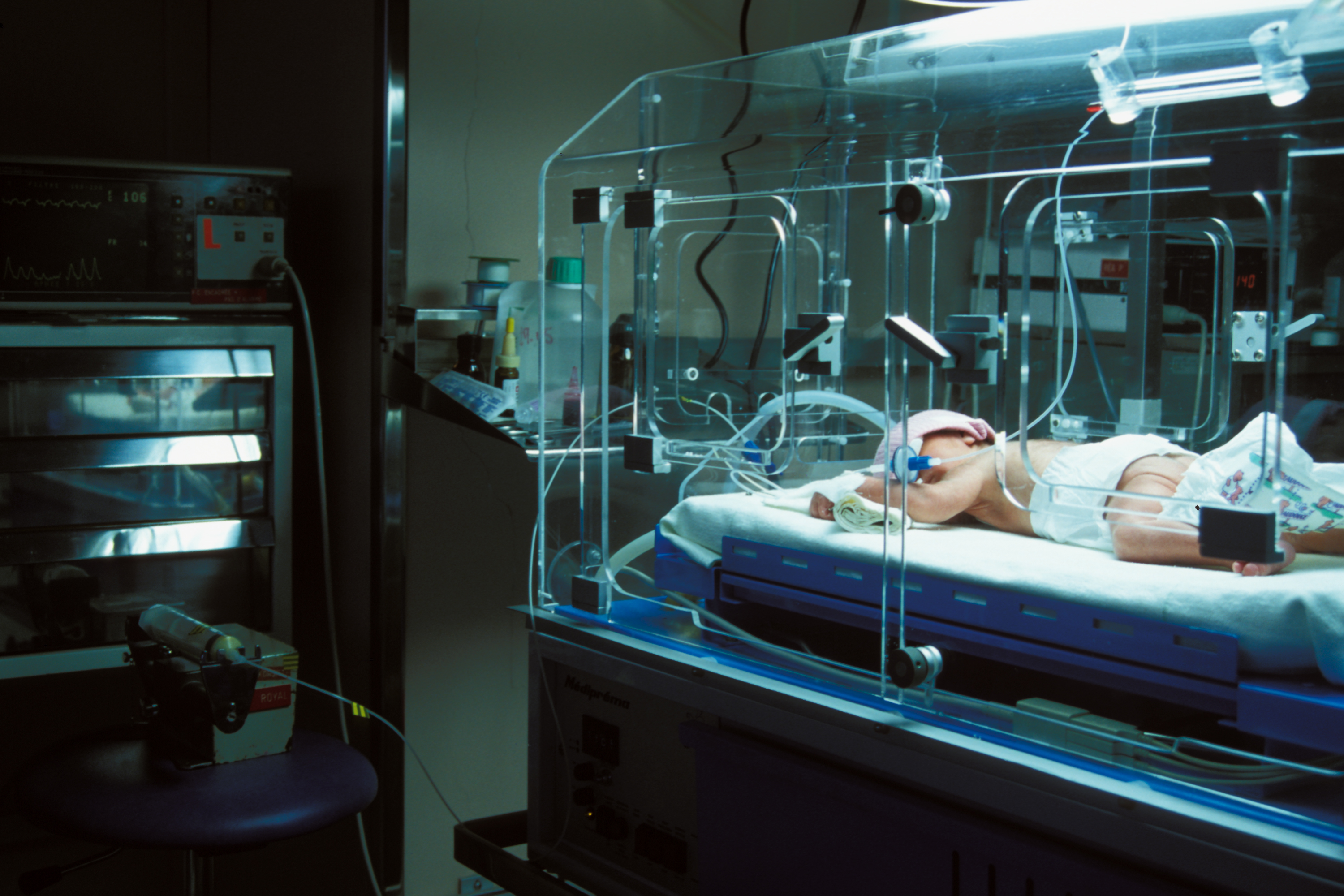
Born too soon, very premature infants are particularly vulnerable and need appropriate care. The European project EPICE (Effective Perinatal Intensive Care in Europe) examines how medical practices based on scientific evidence are incorporated into the care of these neonates[1]. The study, coordinated by Inserm and published in The British Medical Journal, highlights the underuse of four effective practices for improving their survival and long-term health, and estimates its impact...
The European Commission is legally required to provide criteria identifying Endocrine Disrupting Chemicals (EDCs), a process that has been blocked for almost three years, allegedly because of a lack of scientific consensus and because an impact assessment study was deemed necessary. Now, a group of 7 independent researchers from universities and research institutions from Europe and the United States* show how little controversy there is around the definition of...
In the last two years, nearly 2 million people have been infected with the Zika virus in Latin America and the Caribbean. At the end of 2015, REACTing and members of the Aviesan alliance immediately became involved, particularly Inserm, Institut Pasteur, the Institute for Development Research (IRD), the French Blood Transfusion Service and the associated university hospitals. Initial contact was made with Brazilian researchers from Fiocruz in November 2015....
According to the World Health Organisation and other recognised authorities, intellectual disability (ID) refers to an intelligence deficit (significantly reduced ability to understand new or complex information and learning and applying new skills) as well as limitations in adaptive functioning[1]. These limitations appear during the developmental period. Intellectual disability is common and affects about 1 to 2% of the population. The recent knowledge explosion regarding the causes of ID,...
Despite the concern of an explosion of dementia cases in an aging population over the next few decades, a new study, based on data from the Framingham Heart Study (FHS), suggests that the rate of new cases of dementia actually may be decreasing.
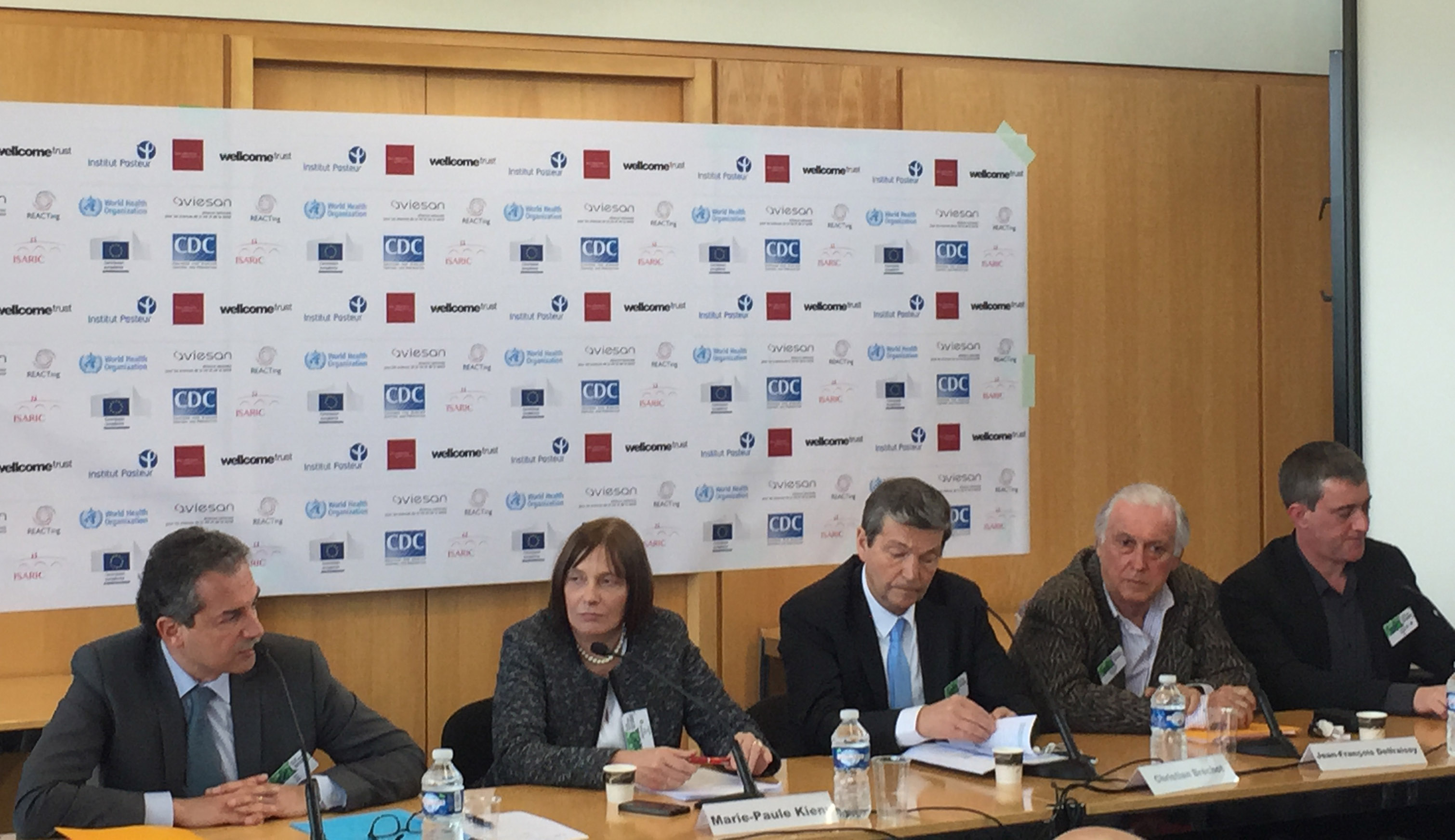
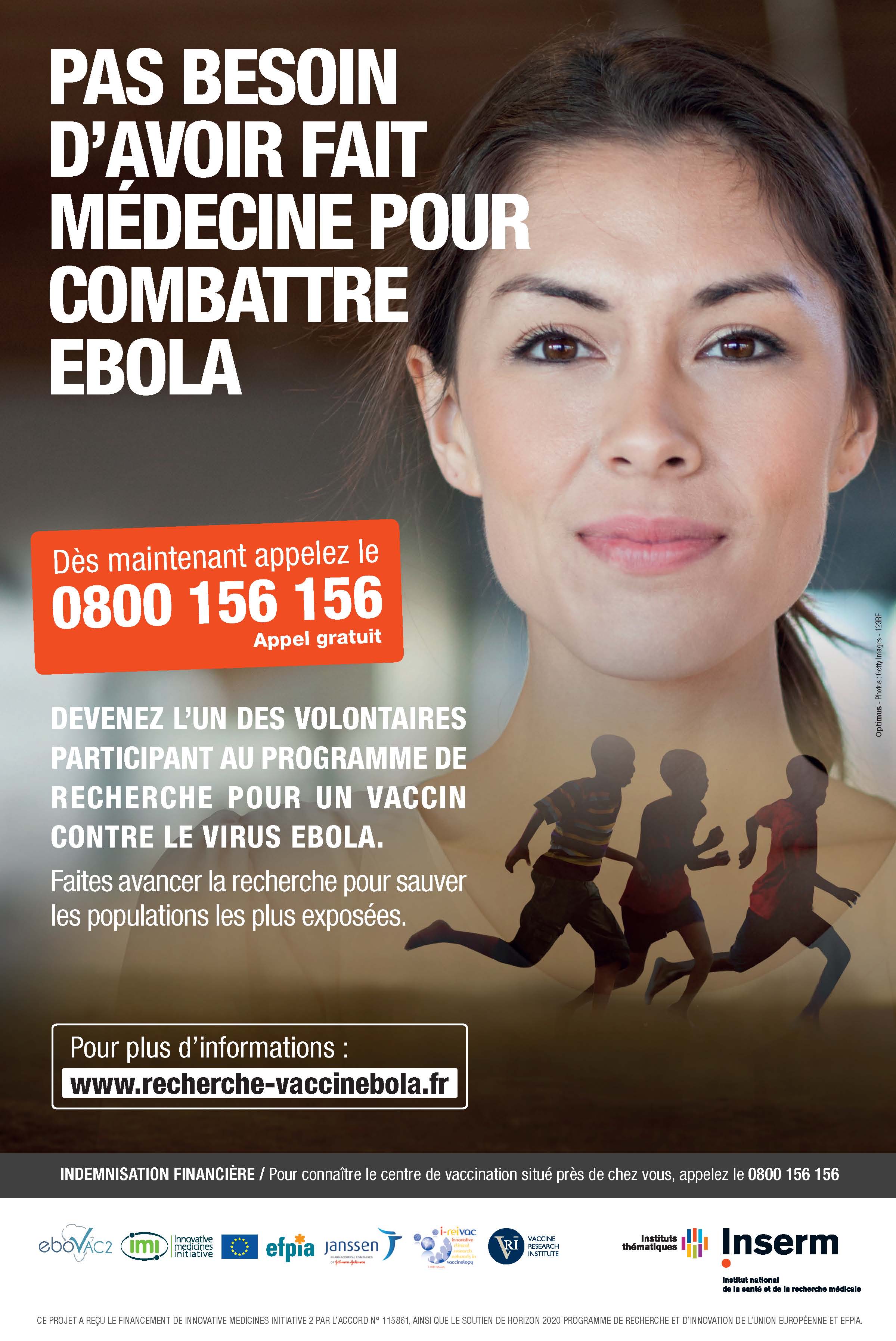
Although the acute stage of the Ebola epidemic in West Africa is behind us, the need for research to find preventative measures remains urgent. The global community shares the same goal: to prevent future epidemics as catastrophic as the one we have witnessed over the past two years.To this end, Inserm is coordinating the Ebovac2 project, a collaborative effort, funded under a grant from the Innovative Medicines Initiative Ebola+...