Researchers have identified 75 regions of the genome that are associated with Alzheimer's disease. Forty-two of these regions are novel, meaning that they have never before been implicated in the disease. The findings bring new knowledge of the biological mechanisms at play and open up new avenues for treatment and diagnosis.
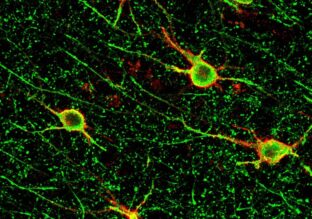
In collaboration with a Canadian team, scientists from Inserm and Université de Tours, at Unit 1253 Imaging & Brain1, have shown in post-mortem brain samples that victims of child abuse present specific brain characteristics. This research suggests that abuse could cause lasting changes to the developmental trajectories of certain brain regions with potential effects on psychological health.
What if a few minutes of sleep could trigger creativity? This is what suggests a study by researchers from Inserm and Sorbonne Université at the Brain Institute and the department of sleep medicine at Pitié-Salpêtrière Hospital AP-HP.
Researchers from Inserm, Lille University Hospital and Université de Lille, at the Lille Neuroscience and Cognition laboratory, have discovered one of the mechanisms by which endocrine disruptors can alter reproductive function development from birth.
Our ability to understand the syntax of complex sentences is one of the most difficult language skills to acquire. In 2019, research had revealed a correlation between being particularly proficient in tool use and having good syntactic ability. A new study has now shown that both skills rely on the same neurological resources, which are located in the same brain region. Furthermore, motor training using a tool improves our...
A large number of researchers are currently mobilized to increase knowledge of SARS-CoV-2 in order to improve the treatment of infected patients and try to predict the future health impacts of infection with the virus. Researchers have been the first to identify a direct effect of SARS-CoV-2 on the brain’s blood vessels.
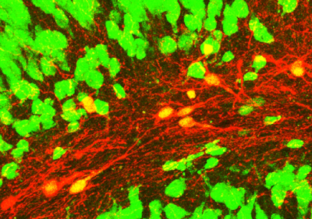
How can lost neurons be regenerated? Using an animal model of epilepsy, the researchers have succeeded in transforming non-neuronal cells in the brain into new inhibitory neurons that reduce chronic epileptic activity by half. This research will in time make it possible to envisage a therapeutic application of this strategy.
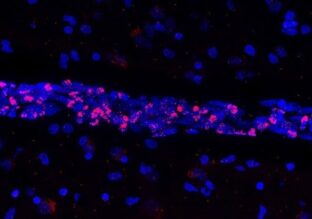
Teams from Inserm, CNRS, AP-HP and Sorbonne University, grouped together within the Brain Institute at Pitié-Salpêtrière AP-HP hospital and coordinated by Dr Matthieu Peyre and Prof. Michel Kalamarides, studied the presence of mutations in the PIK3CA genes in cavernomas.
To increase their understanding of the disease, a team of researchers has for several years studied the role of leptin, a hormone involved in appetite control that sends satiety signals to the brain.
Les directions générales de l’ANSES, du CEA, du CNRS, d’INRAE et de l’Inserm, ont décidé conjointement et en accord avec le ministère de l’enseignement supérieur, de la recherche et de l’innovation de suspendre à titre conservatoire l’ensemble de leurs travaux de recherche et d’expérimentation relatifs aux maladies à prions, pour une durée de trois mois.
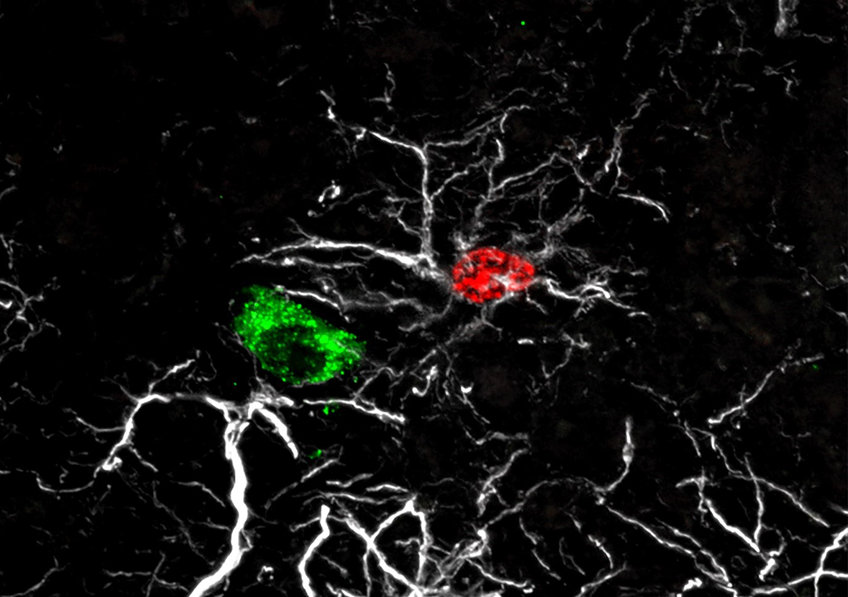
Des chercheurs révèlent le rôle crucial des astrocytes dans la fermeture de la période de plasticité cérébrale qui suit la naissance. Ces travaux permettent d’envisager de nouvelles stratégies pour ré-introduire la plasticité cérébrale chez l’adulte, et ainsi favoriser la rééducation après des lésions cérébrales ou des troubles neuro-développementaux.