Menu

Discovery of two types of adrenal cancer

Adrenocortical carcinoma (also known as adrenal cortex cancer or ACC), is a generally aggressive tumour, with a mean survival rate of less than five years for those affected. Apart from metastasis, it exposes the patients to manifestations such as high blood pressure, diabetes, decreased potassium level, infections, etc. There is, however, some patient-dependent variation in tumour development. The team led by Prof. Bertherat at the Cochin Institute (Inserm – CNRS – Paris Descartes University) and the Expert Centre for Rare Adrenal Cancers at Cochin Hospital (AP-HP) has just published a molecular classification for this cancer in the journal Nature Genetics. The researchers identify many molecular abnormalities in these cancers that have not been well known until now, and thus reveal a new classification for these tumours.

This work involved 130 adrenocortical carcinomas, bringing together an initial cohort of some fifty tumour samples collected in the national research network COMETE (COrtico et MEdullosurrénale, Tumeurs Endocrines; COrtical and MEdullary adrenal Endocrine Tumours) and a second cohort of approximately 80 samples, collected within the European research network ENSAT (European Network for the Study of Adrenal Tumors). The complete genomes of these tumours were analysed by a combination of several high throughput genomic techniques, i.e. complete sequencing; study of the expression levels of all genes (transcriptomics) and of micro-RNAs (miRNAs); study of genetic variants (SNPs) and of gene methylation levels (epigenetics).

This study revealed the existence of two molecular types of adrenocortical carcinomas, one showing a relatively favourable prognosis for patients following complete surgery, and another for which the prognosis is unfavourable.

These two molecular types correspond to two different diseases. The type associated with a poor prognosis is characterised by a higher level of mutations, including recurrent alterations in a small group of genes already known to be involved in adrenocortical carcinoma (CTNNB1,TP53, CDKN2A, RB1, MEN1), or new genes (ZNRF3, DAXX, TERT, and MED12). In this study, ZNFR3 is specifically identified as a new tumour suppressor gene.

Moreover, specific profiles that distinguish these two cancer groups are shown by each of the following molecular analyses: gene and miRNA expression profiles, and pattern of methylation abnormalities.


This work opens up new clinical opportunities in the short term, especially in terms of predicting tumour prognosis following surgery on the lesion, and the possibility of conducting clinical studies according to tumour type. In the longer term, the research team suggests that results will allow identification of therapeutic targets specific for each of the subgroups. It is a further step in the development of a specific personalised medicine for rare cancers.


The researchers also anticipate new applications for these discoveries, especially applications based on the newly identified tumour suppressor gene ZNFR3.

Finally, the authors of the study emphasise the power of genomic methods and the importance of national and international multidisciplinary and multi-centre research networks, especially in the area of rare tumours.

This project has been developed in partnership with the French National Cancer League for several years, under the Cartes d’Identité des Tumeurs (Tumour Identity Card) programme.
A natural protein, Elafin against gluten intolerance?

Scientists from INRA and INSERM (France) in collaboration with scientists from McMaster University (Canada) and the Ecole polytechnique fédérale of Zurich (Switzerland) have shown that Elafin, a human protein, plays a key role against the inflammatory reaction typical of celiac disease (gluten intolerance). They have also developed a probiotic bacterium able to deliver Elafin in the gut of mice. This innovation, published online in the American Journal of Gastroenterology on 8 April 2014, paves the way to new strategies to treat gluten intolerance.

Celiac disease is an auto-immune pathology that occurs in individuals genetically predisposed to gluten intolerance. Affected people do not harbor the enzymes required to degrade gluten during digestion. Inflammatory reactions are induced by this abnormal digestion which can lead to the destruction of the gut barrier that is essential for nutrients absorption. Celiac disease causes chronic abdominal pain (diarrhea, cramps…) and predisposes to certain cancers (small intestine, lymphoma). Its prevalence is estimated between 1/500 and 1/300; no curative treatment currently exist and the only solution is a lifelong gluten-free diet.

Scientists from the French National Institute for Agricultural Research (INRA) and the French National Institute of Health and Medical Research (INSERM), along with Canadian and Swiss colleagues, have shown that Elafin, a protein with anti-inflammatory properties, is less abundant in patients with celiac disease than in healthy people. They identified that Elafin is capable of preventing the destruction of the gut barrier during inflammation, and that Elafin is able to interact with enzymes responsible for the abnormal breakdown of gluten: transglutaminase-2. Consequently, Elafin reduces gluten toxicity.

These observations led the scientists to propose a way to deliver the missing Elafin in celiac patients with help of a harmless bacterium that is often present in food: a lactic bacterium strain (Lactococcus lactis), that scientists transformed in order to express Elafin. The use of this strain, developed by the same teams from INRA and INSERM, enables a targeted and local production of Elafin, and represents a recent and innovative strategy. The first pre-clinical results pave the way to new therapies for Inflammatory Bowel Disease or IBD (no curative treatment exist).

In the present study, the scientists have administered this bacterium to gluten intolerant mice. They showed that the Elafin delivered by the probiotic decreases significantly the inflammatory reaction.

This strategy, patented by INRA in May 2013, opens promising prospects to treat celiac disease and gluten intolerance in general. The next step will consist in defining the mechanisms underlying the positive effects of elafin in celiac disease, and in the identification of bacteria that naturally produce proteins with anti-inflammatory properties similar to elafin.

A French researcher attended at the 2014 AAAS meeting in Chicago

European cutting-edge research will be attended at the annual meeting of the American Association for the Advancement of Science (AAAS) in Chicago. Inserm will be represented by Karine Clément, scientific coordinator of the European project METACARDIS (Metagenomics in Cardiometabolic Diseases) at the session entitled “Inside out: the impact of gut flora on diabetes and obesity”.

Three leading European researchers on the gut microbiome will be present at the 2014 AAAS meeting, on Saturday 15 February, to share their recent findings on the relations between gut flora and obesity, diabetes, and cardio-metabolic diseases in general. Their findings are at the cutting-edge of one of the most innovative and challenging areas of biomedical research and could make a vital contribution to the fight against obesity and diabetes.

In recent years, the 1.5 kilos of bacteria that live inside our bodies, mainly in the gut, have proven their crucial importance for our healthy functioning. Beyond their more obvious role in digestion, they are also involved, for example, in the development of the immune system and the neuronal system, and in the onset of certain diseases.

The speakers:

Karine Clément – Professor, Institute of Cardiometabolism and Nutrition, and National Institute of Health and Medical Research (Inserm), France
Functional Genomics of Human Obesity Related to Cardiometabolic Diseases
Coordinator of the European project METACARDIS.

Sven Pettersson – Professor, Karolinska Institutet, Sweden
How Early Life Gut Flora May Contribute to Obesity and Diabetes Later in Life

Oluf B. Pedersen – Professor, University of Copenhagen, Denmark
Links Between Human Gut Microbiota and Metabolic Pathologies

Discussant: Jenny Leonard – Editor, Futurity.org, USA
https://www.futurity.org/


About this session:
https://aaas.confex.com/aaas/2014/webprogram/Session6938.html
When? Saturday, 15 February 2014 – 1:00 PM to 2:30 PM
Where? Grand Ballroom C North (Hyatt Regency Chicago)


About the 2014 AAAS annual meeting in Chicago – Feb 13-17
The AAAS Annual Meeting is a widely recognized general science event. Thousands of leading scientists, engineers, educators, policymakers, and journalists gather from around the world to discuss recent developments in science and technology. The 2014 theme, Meeting Global Challenges: Discovery and Innovation, focuses on finding sustainable solutions through inclusive, international, and interdisciplinary efforts that are most useful to society and enhance economic growth.

About CommHERE
CommHERE – www.commhere.eu – aims to increase awareness of the activities and outcomes of the various health research projects funded by the European Union. The CommHERE consortium comprises nine research institutions in six European countries, ensuring close connection with active health researchers. Stay in touch with European research with www.horizonhealth.eu

How fiber prevents diabetes and obesity

Scientists have known for the past twenty years that a fiber-rich diet protects the organism against obesity and diabetes but the mechanisms involved have so far eluded them. A French-Swedish team including researchers from CNRS, Inserm and the Université Claude Bernard Lyon 1 (Unité Inserm 855 “Nutrition et Cerveau”) has succeeded in elucidating this mechanism, which involves the intestinal flora and the ability of the intestine to produce glucose between meals. These results, published in the journal Cell on 9 January 2014, also clarify the role of the intestine and its associated microorganisms in maintaining glycaemia. They will give rise to new dietary recommendations to prevent diabetes and obesity.   

inserm_17416

© Inserm / MITHIEUX G. & BESNARD P
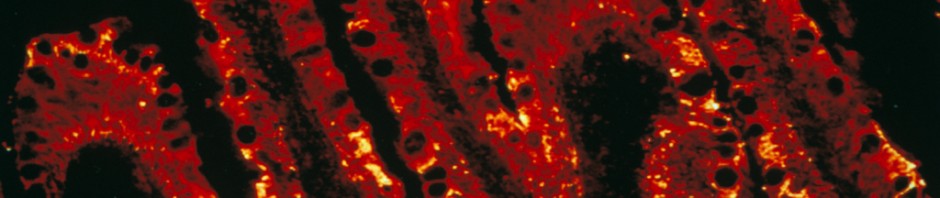
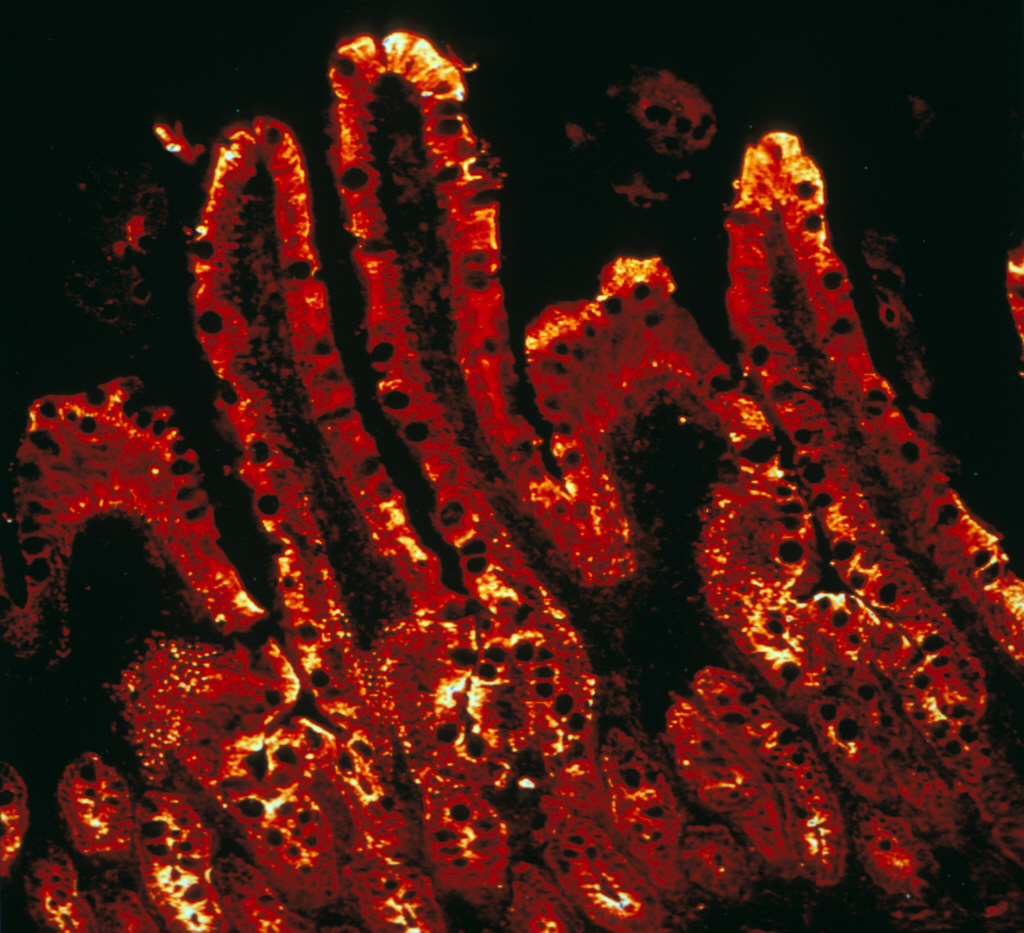
The enzyme responsible for the final reaction in intestinal glucose production is highlighted by immunofluorescence (red) using confocal microscopy. 

Most sweet fruit and many vegetables such as salsify, cabbage or beans are rich in so-called fermentable fibers. Such fibers cannot be digested directly by the intestine but are instead fermented by intestinal bacteria into short-chain fatty acids such as propionate and butyrate, which can in fact be assimilated by our bodies. The protective effect of these fibers is well known to researchers: animals fed a fiber-rich diet become less fat and are less likely to develop diabetes than animals fed a fiber-free diet. Nevertheless, the mechanism behind this effect has until now remained a mystery.

The team headed by Gilles Mithieux, CNRS researcher in the “Nutrition et Cerveau” unit (Inserm / Université Claude Bernard Lyon 1), wondered whether this mechanism could be linked to the capacity of the intestine to produce glucose. The intestine is in fact capable of synthesizing this sugar and releasing it into the blood stream between meals and at night. However, glucose has particular properties: it is detected by the nerves in the walls of the portal vein (which collects the blood coming from the intestine), which in turn sends a nerve signal to the brain. In response, the brain triggers a range of protective effects against diabetes and obesity: the sensation of hunger fades, energy expenditure at rest is enhanced and, last but not least, the liver produces less glucose.

In order to make the connection between fermentable fibers and the production of glucose by the intestine, the researchers subjected rats and mice to diets enriched with fermentable fibers, or with propionate or butyrate. They then observed a strong induction of the expression of genes and enzymes responsible for the synthesis of glucose in the intestine. They showed that the intestine of these animals used propionate as precursor to increase the production of glucose. Mice fed a fat- and sugar-rich diet, but supplemented with fibers, became less fat than control mice and were also protected against the development of diabetes thanks to significantly increased sensitivity to insulin.

The researchers repeated the experiment with mice whose intestine’s ability to produce glucose had been suppressed by genetic engineering. No protective effect was then observed: these mice became fat and developed diabetes like those fed a fiber-free diet. It is therefore the production of glucose by the intestine from propionate and butyrate that is behind the positive effects of fermentable fibers on the organism.

Apart from this previously unknown mechanism, this work sheds light on the role of the intestinal flora which, by fermenting dietary fiber, provides the intestine with precursors to produce glucose. It also demonstrates the importance of the intestine in the regulation of glucose in the body. Finally, these findings should make it possible to propose nutritional guidelines and to highlight new therapeutic targets for preventing or treating diabetes and obesity.

A new Associated International Laboratory on the trail of an ‘electronic nose’ to sniff out Pulmonary Hypertension

crédit : ©Fotolia

Professor André Syrota, Inserm Chief Executive, and Professor Peretz Lavie, President of Technion, will sign the agreement to create a new Associated International Laboratory (AIL) on 17 December 2013. This artificial ‘electronic nose’ project brings together Inserm Unit 999 ‘Pulmonary Hypertension’ and the Russell Berrie Nanotechnology Institute Chemical Engineering department, directed by Professor Hossam Haick. This device should be able to differentiate the specific olfactory signatures of certain diseases by analysing the breath. This Franco-Israeli collaboration will focus its research on patients presenting risks of developing Pulmonary Hypertension (PH).

This Associated International Laboratory is added to the current list of 17 AILs and so strengthens the position of Inserm on the international stage. These associations between laboratories enable a team of French researchers and team of foreign researchers to work together on the same project.

André Syrota is pleased with this new collaboration: “This new AIL is a great example of scientific cooperation based on excellence and the complementary nature of the two research teams”. Professor Peretz Lavie, President of Technion, is delighted by the establishment of this new laboratory, which lays a new brick in the collaboration between Technion and one of the most prestigious institutions in France.

By combining the skills of the French team specialised in pulmonary hypertension with those of the Israeli team in nanotechnology, the aim of the researchers is to finalise the artificial nose.

Pulmonary hypertension is defined by a significant increase in pulmonary blood pressure, developing towards heart failure. It affects 15 people per million inhabitants (1 out of 67,000 in Europe). Symptoms initially occur on exertion (breathlessness, chest plain, dizziness).

This ‘electronic nose’ (project named NA-NOSE for PH) will be able to tell the difference between a ill person and a healthy person by analysing their breath.


This new process will offer the possibility of developing a device that can be used in a clinical setting, capable of detecting markers of the disease in a sample of breath, particularly in asymptomatic patients with risks of developing PH.

“Using this new technology, we will save time compared to current screening techniques that occupy highly qualified staff for a long time, particularly to perform cardiac ultrasound examinations and strength tests”. Furthermore, nothing would be possible without the contribution of the Israeli team, which is one of the best in the world for the development of nano-materials, remarks Marc Humbert, director of the Inserm/ Paris-South University joint research unit 999 ‘Pulmonary Hypertension: physiopathology and Therapeutic Innovation’.

The results of treating patients will then be listed to reduce diagnosis times. The researchers are mobilised to allow doctors to act early and improve the efficacy of the care given.

The researchers hope to define new biomarkers and therapeutic targets in pulmonary hypertension through this Franco-Israeli Associated International Laboratory.

Find out more about the ‘NA-NOSE for PH’

This scientific project is focused on several research directions:

– Separate the volatile compounds present in the olfactory signature using the ‘electronic’ nose and qualify them based on their respective masses (use of gas chromatography coupled with mass spectrometry).

– Search for the presence of proteins needed for olfactory signalling among the components of the pulmonary vascular wall.

– Identify the volatile compounds involved in the PH and analyse their functional role in vascular cells.

– Produce transgenic mice with high expression of functional olfactory receptors on their vascular cells with the goal of analysing the effect of this overexpression on inducing disease

A new treatment for heart attack will soon be available for emergency teams and the emergency ambulance service (SAMU)

A new strategy for emergency anticoagulant treatment for patients with acute myocardial infarction has been put in place by a team led by Philippe-Gabriel Steg at Inserm Unit 698 (Haemostasis, Bioengineering, Immunopathology and Cardiovascular Remodelling), at Hôpital Bichat, AP-HP, Université Paris Diderot). These results from the EUROMAX clinical trial are published in The New England Journal of Medicine.

Myocardial infarction, commonly called “heart attack,” remains the leading cause of death worldwide, and affects nearly 100,000 individuals a year in France. The reference treatment is urgent dilation of the arteries to enable the blood to circulate to the heart (This medical procedure is known as primary angioplasty). Angioplasty requires injectable anticoagulant treatment for which several options are available.

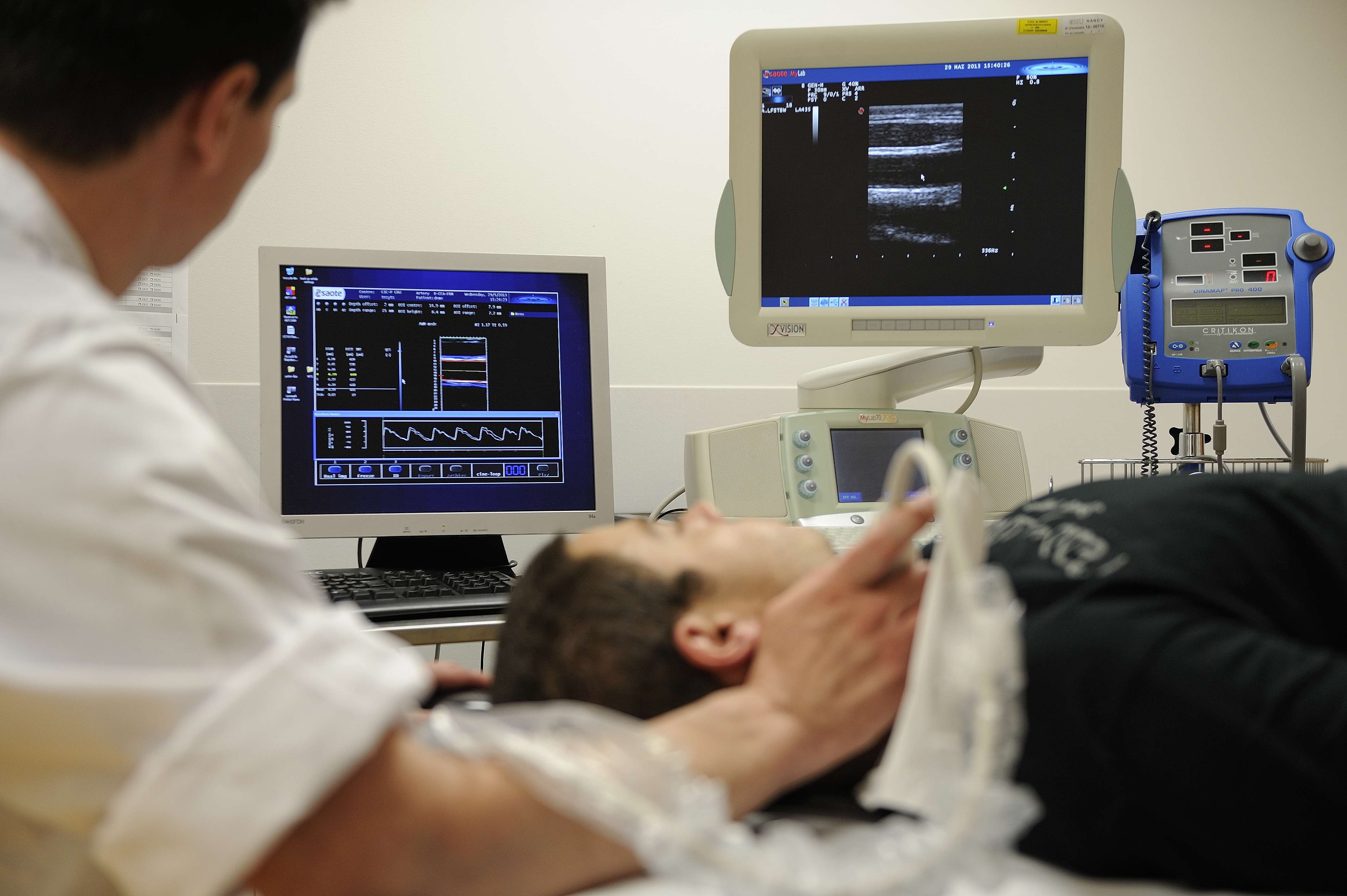
echotracking

An international team led by Philippe-Gabriel Steg at Inserm Unit 698 (Haemostasis, Bioengineering, Immunopathology and Cardiovascular Remodelling), at Hôpital Bichat, AP-HP, Université Paris Diderot) has just reported the results of a large international clinical trial carried out in 9 European countries, on nearly 2,200 patients, testing the administration of anticoagulant treatment prior to arrival in hospital by emergency teams and the emergency ambulance service, and comparing the two strategies, in The New England Journal of Medicine . The first is based on heparin (traditional treatment), the other on a more specific anticoagulant, bivalirudin. One of the main drawbacks of these anticoagulant treatments is the risk of associated haemorrhage. “By dilating the arteries, we also thin the blood, with the risk of uncontrolled bleeding if haemorrhage occurs,” explains Philippe-Gabriel Steg.

After 30 days of monitoring, bivalirudin reduced the risk of death or serious bleeding by 8.5 to 5.1% and the risk of death, myocardial infarction or major bleed by 9.2 to 6.6%, compared with the strategy using heparin.


This benefit was mainly linked to the reduction in serious bleeding, at the cost of an increased risk of stent thrombosis . “The benefits are robust and consistent for all sub-groups tested, and in particular, consistent regardless of the type of oral anti-clotting treatment or route of arterial access used for angioplasty (via the radial or femoral artery),” explains Philippe-Gabriel Steg.
These results open up the way to using bivalirudin as an anticoagulant at the pre-hospital phase of myocardial infarction in patients being urgently transferred. They represent progress in the treatment of myocardial infarction that can be immediately used.
The EUROMAX trial was conducted with the support of The Medicines Company. It is registered in Clinical Trials.gov, under the reference NCT01087723.

Obesity: a new appetite-increasing mechanism discovered

Despite their efforts, many morbidly obese people continue to consume too much food (hyperphagia) compared to their reserves and their needs. And yet, the hunger hormone, called ghrelin, is most frequently found at a normal or even lower level in these patients. The Inserm Unit 1073 team “Nutrition, inflammation and dysfunction of the gut-brain axis” (Inserm/University of Rouen) has just explained this mechanism causing this paradoxical hyperphagia. Certain antibodies have a greater affinity for ghrelin in obese patients, leading to extended appetite stimulation.

These results are published in the journal Nature Communications, on 25 October 2013.

Obesity affects more than 15% of adults in France, and its constitutive mechanisms are still not completely explained. Normally, fine control of weight and food intake is coordinated by a specialised part of the brain (the hypothalamus). It adjusts food intake depending on reserves and needs. In this way, after a period of excessive food intake and weight gain, a healthy subject will tend spontaneously to reduce their food intake for a while to return to their previous weight.

In many of the morbidly obese, this mechanism is faulty: despite their efforts, they continue to consume too much food (hyperphagia), contributing to maintaining a higher weight or even increasing it further. Even so, their brain should take in the information about over-eating and reduce food intake to encourage weight loss. This observation is all the more surprising given that the hunger hormone ghrelin, produced by the stomach and acting on the hypothalamus, is most frequently found at a normal, or even a reduced level in obese patients.

The study conducted by Sergueï Fetissov and the team from joint research unit 1073 “Nutrition, inflammation and dysfunction of the gut-brain axis” (Inserm/University of Rouen), directed by Pierre Déchelotte, collaborating with Prof Akio Inui’s team at the University of Kagoshima (Japan), reveals the molecular mechanism of this paradoxical hyperphagia.

The researchers have highlighted the presence of specific antibodies, or immunoglobulins, in the blood of obese patients, antibodies that recognise ghrelin and regulate appetite.

By binding to ghrelin, the immunoglobulins protect the hunger hormone from being broken down rapidly in the bloodstream. The ghrelin can then act on the brain for longer and stimulate appetite.

ghrelin

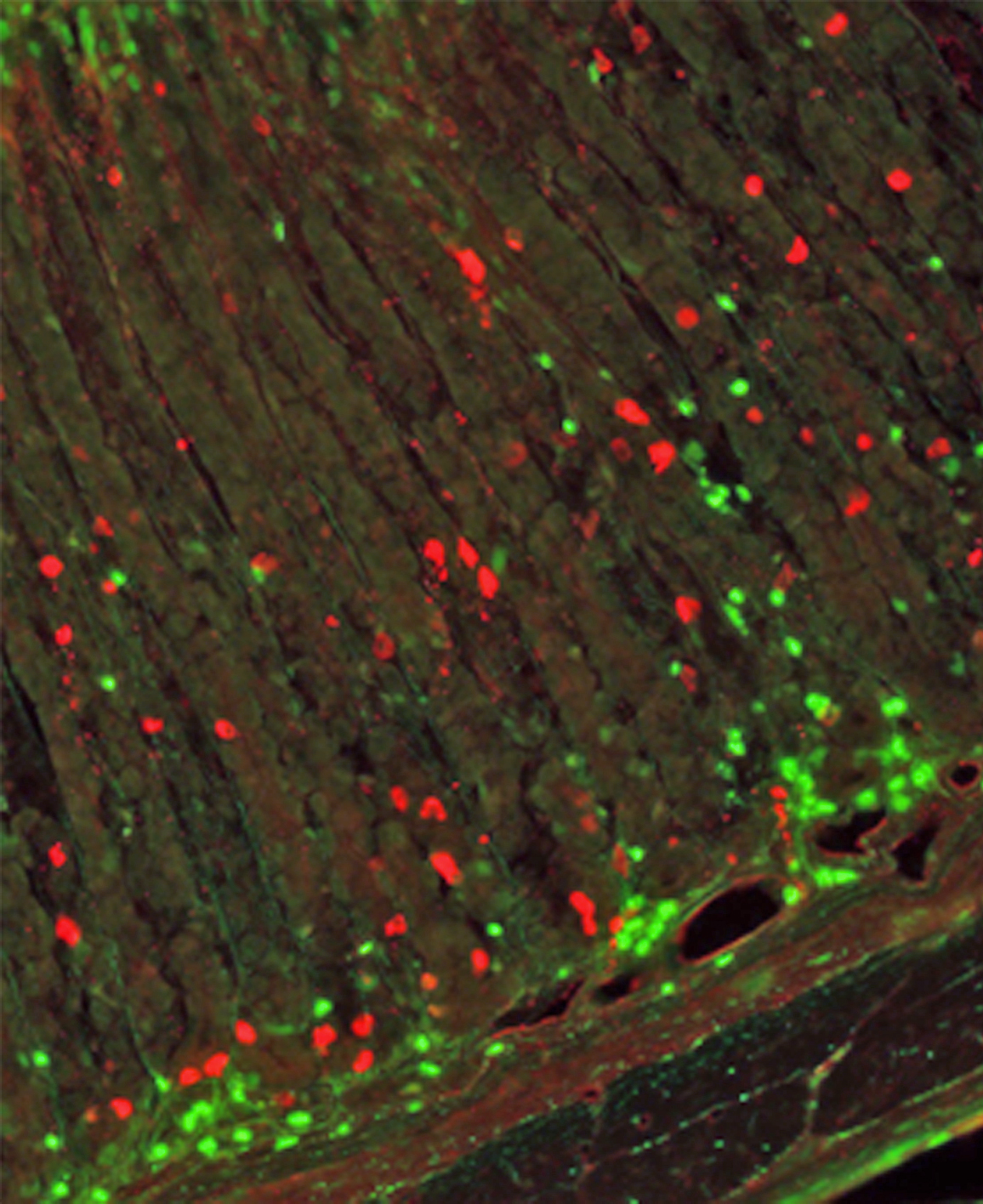
Section of rat stomach showing ghrelin-producing cells (in red) and immune cells (in green). © Inserm / S. Fetissov

“The immunoglobulins have different properties in obese patients“, explains Sergueï Fetissov, researcher in the Inserm unit in Rouen and main author of the study. “They are more strongly ‘attracted’ to ghrelin than in subjects of normal weight or in anorexic patients. It is this difference in ‘affinity’ that enables the immunoglobulins to transport more ghrelin to the brain and boost its stimulating action on food intake“, he continues.

The research team has confirmed this mechanism by experiments in rodents. When ghrelin was administered in combination with immunoglobulins extracted from the blood of obese patients, or with immunoglobulins derived from genetically-obese mice, they stimulated food intake more strongly. Conversely, when ghrelin only was given, or combined with immunoglobulins from non-obese people or mice, the rodents were better able to regulate their appetite by restricting food intake.

“Our discover open a new opportunity to design treatments acting on the basis of this mechanism to reduce hyperphagia observed in cases of obesity“, emphasises Pierre Déchelotte, Director of the joint Inserm/University of Rouen unit.

This study extends other work by the research team, published in 2011, on the role of immunoglobulins interfering with different hormones acting on appetite, satiety or anxiety in cases of anorexia, bulimia or depression, and on the probable involvement of intestinal flora (microbiotic) in these interactions.

“Our results could also be used to study the opposite phenomenon, loss of appetite, such as observed in cases of anorexia“, concludes Pierre Déchelotte.

Dwarfism: a new development to restore bone growth

Achondroplasia is the most common form of dwarfism, affecting roughly one child in every 15,000 births[1]. Inserm researcher Elvire Gouze, and her associates from the Mediterranean Centre for Molecular Medicine in Nice (Inserm Unit 106), have succeeded in restoring bone growth in mice suffering from this developmental pathology. The proof-of-concept created by the researchers is for a therapy based on injecting a particularly promising human growth factor, which restores the growth process in long bones. Its results include a reduced mortality rate in the treated mice, with no complications associated with the disease. No apparent toxicity was observed over the short term.

The results of this research were published in the  Science Translational Medicine review on 18 September.

Elvire Gouze

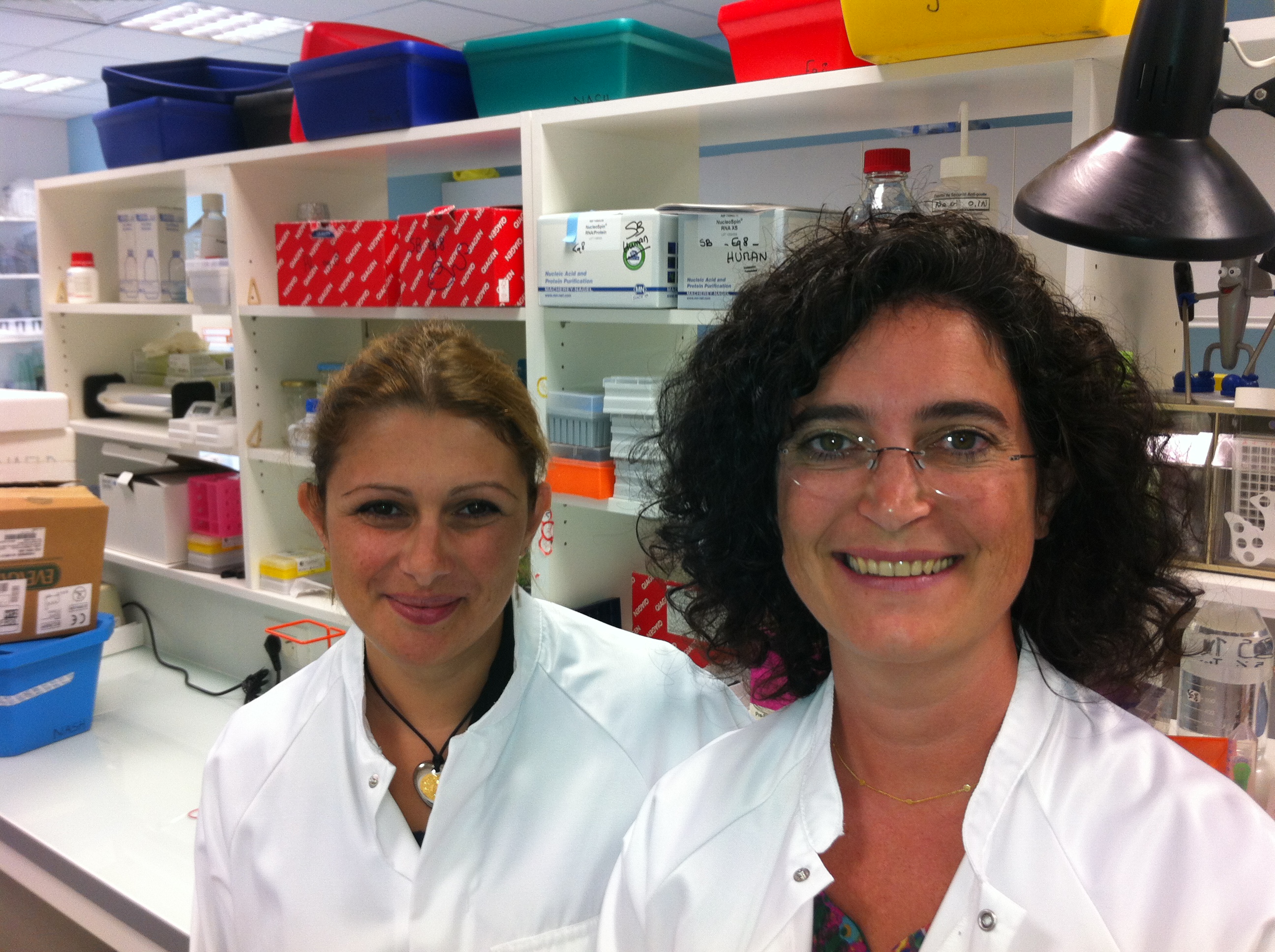
Sophie Garcia and Elvire Gouze in Inserm Unit 1065 “Centre méditerranéen de médecine moléculaire” in Nice

Achondroplasia is a rare genetic disease characterized by abnormal bone development. The related growth failure affects bones in the upper and lower limbs, and some bones in the skull; people suffering from it are short, reaching no more than an average of 135 cm in adulthood. In the most severe cases, deformation of the skull and vertebrae may result in neurological and/or orthopaedic complications. This pathology is caused by mutations in the FGFR3 (Fibroblast growth factor 3) gene.  The protein produced by this gene is a receptor known for its role in bone growth regulation. Normally, growth can only occur through a subtle mechanism during which the FGF growth factor bonds with the FGFR3 receptor and then separates from it. In the case of achondroplasia, the receptor/growth factor pair is disturbed and prevents the bone from growing in a constant manner.

A new strategy to restore bone growth

In this study, researchers from Inserm and the Université de Nice Sophia Antipolis have found a way to prevent constant protein activation. They implemented a new strategy, which consists of using a decoy – functional soluble human FGFR3 receptors – that is injected in mice afflicted with the disease, thus restoring the equilibrium required between bone growth activation and inhibition.

The solution containing soluble FGFR3 receptors was injected into growing mice suffering from dwarfism twice a week over a three-week period.  The additional normal receptors made it possible for the growth factor to bond and separate normally, thus restoring bone growth. Mutated mice then grew normally and reached the average adult size. Once the therapy had stopped, the researchers then monitored the mice over an eight month period to check there were no signs of therapy toxicity. During this monitoring, the researchers observed that an increased pelvis size enables reproduction with litters identical to disease-free mice.

“Rather surprisingly, our strategy prevents the most severe complications observed in mice (reduced mortality rate, respiratory problems, etc.). This could lead us to believe that injection-based therapy could replace surgery for children suffering from this disease” explains Elvire Gouze, Inserm researcher.

Preventing the development of achondroplasia

Today, there are no proven therapies to prevent the development of the disease, even if some (such as growth hormone injections or surgical limb-lengthening) have undergone trials without any convincing results.

“The product that we tested has major advantages compared with those tested in other ongoing trials: its lifetime in the body is sufficiently long, meaning daily injections are not necessary. We think that our approach could be effective when treating children with achondroplasia and possibly other forms of dwarfism” underlines the researcher, who is the main author of the study.

The researchers will now endeavour to verify that there are no long-term toxic effects. Before undertaking clinical studies in human patients, they must also identify the minimum dose at which the therapy is effective and when it becomes toxic. Another area to be explored is to determine whether it is possible to begin the therapy later, thereby increasing the number of patients who could benefit from this treatment.


[1] Source: Orphanet Achondroplasie

Cystic fibrosis : new compounds display strong therapeutic potential

Cystic fibrosis is a lethal genetic disorder that in France affects one child per 4,500 births. An international team led by scientists at the Institut Fédératif de Recherche Necker-Enfants Malades (CNRS/Inserm/Université Paris Descartes), led by Aleksander Edelman, has recently discovered two new compounds that could be used to treat patients carrying the most common mutation. By means of virtual screening and experiments on mice and human cells in culture, the scientists were able to screen 200,000 compounds and selected two that allowed the causal mutated protein to express itself and fulfill its function. These findings were recently published online inEMBO Molecular Medicine.

Cystic fibrosis is a genetic disorder that affects the epithelia[2] of numerous organs, and particularly those in the lungs, pancreas and intestine. In the lungs, this takes the form of insufficient epithelial hydration, resulting in excess mucus in the bronchi. This mucus retains pathogenic agents and favors the onset of chronic infections and inflammatory conditions that are ultimately fatal to the sufferer.

The disease is caused by mutations in the gene coding for a protein called CFTR (cystic fibrosis transmembrane conductance regulator). This protein, which is essential to ensure the passage of water through an epithelium, is an ion channel that allows chloride ions to pass through cell membranes. To date, about 2,000 gene mutations that cause the disease have been determined, but 70% of cases of cystic fibrosis are due to a single mutation called ΔF508. And it is this mutation that is targeted by the recently-discovered compounds.

The scientists used computer techniques to screen 200,000 compounds, looking for those that might interact with a specific zone in the abnormal protein, and found about a dozen potentially active molecules. Using these 12 compounds, they then performed in-vitro tests on human cell cultures and in-vivo experiments on mice showing this mutation. They were thus able to observe that two of these compounds allowed the mutated ΔF508-CFTR protein to be trafficked to the membrane and fulfill its role.

One of the highlights of this work was that the scientists were able to describe the mechanism of action of these two compounds. In itself, and despite its mutation, the ΔF508-CFTR protein may satisfactorily fulfill its function. The problem is that once it is synthesized, it is recognized as being abnormal by keratin 8, another protein which favors its degradation, thus preventing ΔF508-CFTR from reaching the cell membrane. The compounds discovered by the scientists inhibit the interaction between keratin 8 and ΔF508-CFTR so that the protein can be deployed appropriately and fulfill its role as an ion channel. The scientists think that for potential therapeutic purposes, the two molecules they have discovered could be associated with “potentiating” compounds that would enhance the activity of ΔF508-CFTR.

The scientists now want to determine whether these two compounds do indeed cause a reduction in the susceptibility to infection of cystic fibrosis mice models. They also hope to start clinical trials in cystic fibrosis patients in the coming years.

FIBRO-TARGETS – Europe banks on cardiac fibrosis as a therapeutic target in heart failure

The European Union commits funds to the FIBRO-TARGETS (Targeting cardiac fibrosis for heart failure treatment) research consortium, to be coordinated by Inserm over a four-year period. The objective of the project is to determine the underliying mechanisms in myocardial interstitial fibrosis contributing to the development of heart failure. Unravelling the mechanisms of cardiac fibrosis will lead to the discovery of therapeutic target candidates for various cardiac diseases. FIBRO-TARGETS brings together eleven European expert teams from six different countries both from public research institutes and European biotechs. This is the second EU funding in heart failure for Inserm; the first one was launched last February: HOMAGE (for Heart OMics in AGEing – which aims to validate specific biomarkers of heart failure).
All 11 partners convened in Amsterdam on September 3rd,  for the kickoff of the FIBRO-TARGETS project.

Centre d'Investigation Clinique Plurithématique (CIC-P) Pierre D

© Inserm / P. Delapierre

Beyond and in addition to a diseased heart muscle, myocardial interstitial fibrosis (MIF) is one of the key mechanisms of cardiac remodelling. Cardiac fibrosis contributes to cardiac tissue stiffness. It results from the excessive accumulation of proteins that make up the extracellular matrix. As a consequence, diastolic and systolic cardiac functions are altered which, over time, results in symptomatic heart failure (HF), with breathlessness, fluid congestion, oedema and fatigue.

Heart failure is a serious disease since it is often irreversible. It is estimated that more than 6.5 million people suffer from heart failure in Europe.

 It is the leading cause of hospitalization for patients over the age of 65. The incidence is increasing at an alarming rate because of an aging population and the burden of cardiovascular risk factors (diabetes, obesity and high blood pressure). Early interventions targeting key mechanisms, including myocardial interstitial fibrosis, could slow down progression to heart failure.

Using the large amount of data amassed by the FIBRO-TARGETS consortium, myocardial interstitial fibrosis was identified as a major therapeutic target for the prevention and treatment of heart failure. The FIBRO-TARGETS project therefore aims to accurately identify the main mechanisms involved in MIF and to define therapeutic approaches that target these mechanisms. Cardiac fibroblasts (specific cells in cardiac muscle) make up between 60 – 70 % of all cardiac cells and are the main source of the extracellular matrix proteins responsible for fibrosis. Since these mechanisms have been identified, direct intervention can be performed on fibroblast proliferation and on the composition of extracellular matrix using molecules with potential therapeutic benefits: preventing, repairing or slowing down cardiac remodelling.

“In addition, until now, the only means of quantifying fibrosis was a biopsy, an invasive and inaccurate method used to estimate the total degree of cardiac fibrosis. Over the last ten years, cardiac imaging has allowed to perform accurate anatomic and functional assessments of the myocardium (the muscular tissue of the heart).

Relevant to this project, it is also possible to describe mechanistic phenotypes, including myocardial interstitial fibrosis, using circulating biomarkers”

explains Professor Faiez Zannad, researcher at Inserm unit U1116, Centre d’Investigation Clinique P. Drouin Inserm 9501 in Nancy, and coordinator of the FIBRO-TARGETS and HOMAGE projects.

The FIBRO-TARGETS project objectives are first to confirm the main biological mechanisms involved in myocardial interstitial fibrosis. The next step will be to experimentally validate new molecules and targeted therapeutic strategies that aim to improve the quality of the cellular matrix and limit myocardial interstitial fibrosis. This will allow to propose potential clinical scénarios with the objective to treat heart failure. Finally, the targets could be used as biomarkers to predict, monitor and describe the response to myocardial interstitial fibrosis treatments.

To meet these objectives, the European researchers will undertake experimental physiological and pharmacological studies, as well as molecular biology and pharmaceutical chemistry studies, in an attempt to clarify the mechanisms involved in cardiac interstitial fibrosis using existing in-vitro and in vivo models, and/or models developed during the project. They will also validate the relevance of new therapeutic approaches developed during the project. The second step is a translational research aiming at stratifying patients that are most likely to respond to an anti-fibrotic targeted therapy, eventually leading to a personalized pharmacotherapy. Patients will be classified into groups according to profiles determined using imaging and circulating markers describing the new proposed targets.

The FIBRO-TARGETS project results will help resolve one of the 21st century’s major health problems that affects elderly people in particular.

(French) : Les bienfaits d’une nouvelle molécule dans l’angioplastie coronaire

fermer