Menu

ComPaRe Covid long: development of the first scientific measure of the severity of the disease and its impact on the lives of patients

SARS COV 2

@ NIAID

Researchers from the ComPaRe cohort (Community of Patients for Research, compare.aphp.fr ), led by Prof. Philippe Ravaud, AP-HP / University of Paris / Inserm, used an original method to develop and validate the first measurement science of the severity of the disease and its impact on the lives of patients. This study involving 1,022 patients suffering from long Covid was published in the journal Clinical Infectious Diseases on April 29, 2021.

“Long covid” is the term used by patients to describe the set of late manifestations occurring after infection with the SARS-CoV-2 virus. According to the National Statistics Office in the UK, around one in 10 infected people continue to have symptoms 12 weeks after the onset of infection. There are many causes for the persistence of symptoms. For example, there are organ sequelae following the acute phase of the disease (pulmonary scars, complications of resuscitation, etc.), post-traumatic stress linked to the disease or its management, viral persistence or post-viral fatigue syndrome. In a given individual, several causes are often intertwined and responsible for complex clinical pictures.

Until now, scientific studies estimating the number of patients with persistent symptoms of Covid have each used a different definition of the disease. The heterogeneity of the measures used may therefore have contributed to the discrepancies between the results of the studies.

To respond to this problem, the clinical epidemiology center of the Hôtel-Dieu AP-HP hospital, headed by Prof. Philippe Ravaud, AP-HP / University of Paris / Inserm, launched a study at the end of 2020 on the long Covid within the ComPaRe cohort, the Community of Patients for Research supported by Public Assistance – Hospitals of Paris and University of Paris. This study aimed to develop a scientific measure of the severity of the disease and its impact on the lives of patients using a two-phase method.

During the first phase (October – November 2020), the researchers interviewed 492 patients [median age 45 years, 84% female, 43% with infection confirmed by PCR] with a long covid (defined as the presence of persistent symptoms at least 3 weeks after infection with SARS CoV2). Patients were able to report, in free text, all of their symptoms and the triggers and calming factors thereof. Patients were also asked about the impact of the disease on their lives. The participants’ responses were analyzed by researchers and expert patients. They allowed the definition of a list of 53 manifestations of the disease (fatigue, chest pain, headaches, balance disorders, etc.) and six areas of patients’ lives that could be impacted by it. ci (family life,

In the second phase (November 2020 – February 2021), the researchers used these results to develop a questionnaire, completed directly by the patients, in order to measure the severity of the disease and its impact on the patients’ lives. They assessed the validity, reliability and relevance of this questionnaire in a second sample of 1022 patients with a long Covid [median age 45 years, 79% of women, 55% of patients with an infection confirmed by PCR, 12% with been hospitalized]. This second phase showed the major impact of long covid on the quality of life of patients, estimated to be around 40% lower than that of the general population. So,

In conclusion, this research has enabled the development of a quality scientific basis for measuring long covid. Standardization of measurements in scientific studies will make it possible to compare and combine the results thereof.

The measure developed is currently used to assess the evolution over time of the symptoms of patients in the ComPaRe Covid long study. This will make it possible to understand the variations in the manifestations of the disease over time and to answer the question “how long does the disease last?” “.

In order to answer these research questions, ComPaRe renews its call for participation in long-term Covid research projects carried out within the cohort. To participate, simply register on https://compare.aphp.fr .

Created in 2017 by the AP-HP, ComPaRe, the Community of Patients for Research today brings together more than 45,000 patient volunteers across France. They help advance research on their chronic disease (s) by regularly responding to researchers’ online questionnaires, on the secure platform https://compare.aphp.fr .

Today, 36 specific projects have been launched in ComPaRe. In addition to the long covid, several specific studies have been launched to follow patients suffering from diabetes, Verneuil’s disease, vitiligo, chronic low back pain, kidney disease, vasculitis, high blood pressure, endometriosis, neurofibromatosis and of Marfan syndrome. New studies and specific cohorts are being set up.
Inserm and AstraZeneca join forces to test the efficacy of monoclonal antibody combination AZD7442 on Covid-19 in the European DisCoVeRy trial

SARS-CoV-2

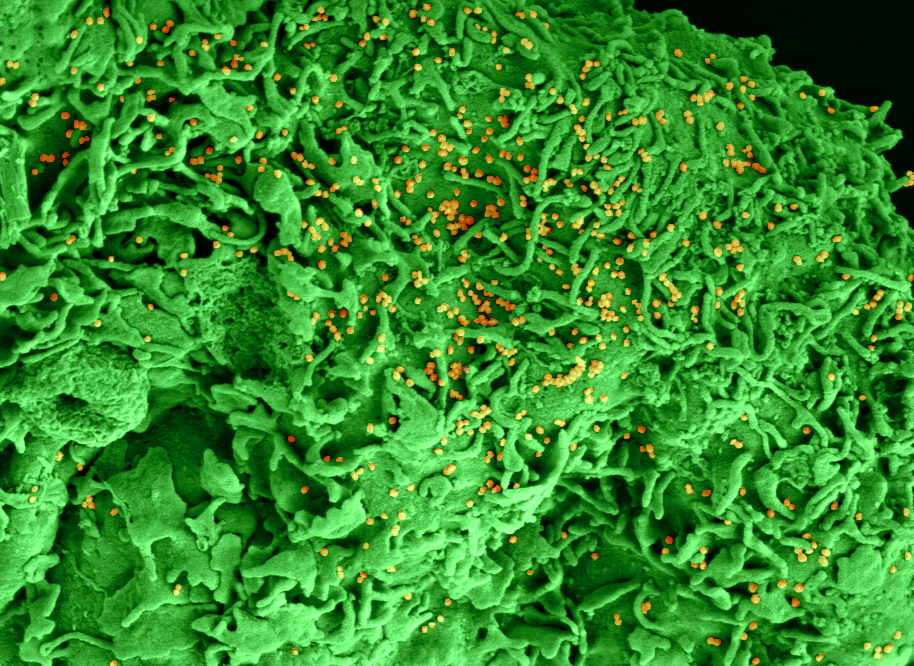
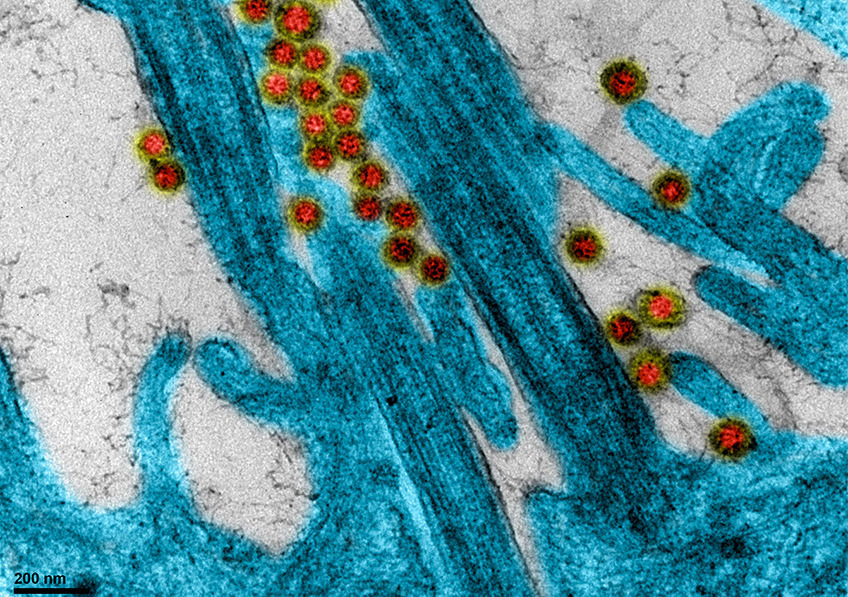
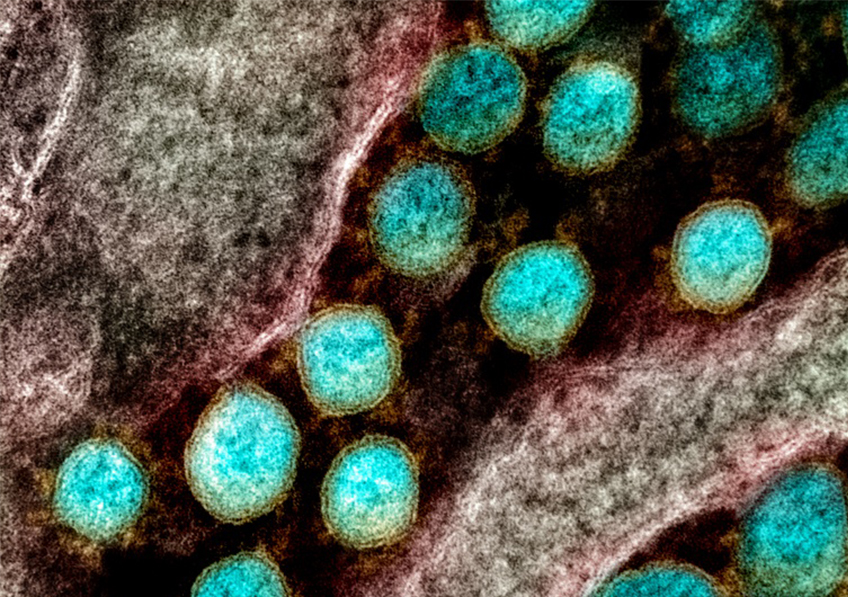
AZD7442 is a combination of two long-acting monoclonal antibodies (LAAB) derived from the plasma of two convalescent patients who have recovered from Sars-CoV-2 infection. © Electron microscopy of a cell infected with SARS-CoV-2 (Philippe Roingeard, Anne Bull-Maurer, Sonia Georgeault, unité Inserm U1259 MAVIVH & Université de Tours, France)

A long-acting antibody (LAAB) combination developed by AstraZeneca is to be evaluated in DisCoVeRy, the Inserm-coordinated European trial aimed at finding a treatment for COVID-19. It is planned to enroll 1240 patients across Europe in this Phase III clinical trial.

With its wealth of experience in the domain of targeted therapies (oncology, respiratory diseases), AstraZeneca has developed a combination of two monoclonal antibodies targeting the spike protein of SARS-CoV-2: AZD7442. This combination is now being clinically tested in various settings, both as a preventive and curative treatment for COVID-19.

International scientific commitments against Covid-19 

DisCoVeRy, the clinical trial coordinated by Inserm, was set up in the very first months of the COVID-19 pandemic as a “daughter” trial of Solidarity – the international WHO trial with which it shares its data.

Jointly coordinated by Prof. Florence Ader, infectious disease specialist at Croix-Rousse Hospital of the Hospices Civils de Lyon (France) and Prof. Maya Hites, infectious disease specialist at Erasmus University Hospital in Brussels (Belgium), DisCoVeRy evaluates the clinical and virological efficacy and safety of a candidate treatment versus standard of care in adult patients hospitalized for Covid-19. The primary endpoint is patient clinical status at day 15[1]. An initial series of four treatments was tested. These were successively deemed ineffective on the basis of interim analyses, leading to the suspension of enrolments. The results of these analyses are currently being published in international peer-reviewed journals and those concerning the first three treatments are also available on the medRXive website.

Funded by Europe (European Union Horizon 2020 program for research and innovation), Discovery is now Work Package 1 of the European Research and Preparedness Network for Pandemics and Emerging Infectious Diseases (EU-RESPONSE) funded by the EU Horizon 2020 research and innovation program, bringing together 21 partners (clinics, hospitals, universities…) from 13 European Union countries, plus Norway, Switzerland, and Turkey). Created in response to the COVID-19 epidemic emergency, EU-RESPONSE, coordinated by Prof. Yazdan Yazdanpanah, also makes it possible to expand DisCoVeRy to involve other European countries and build a sustainable clinical trial platform to fight COVID-19 followed by any other emerging epidemics.

It was within this academic framework that the partnership between Inserm, through its private subsidiary Inserm Transfert, and AstraZeneca to evaluate a promising new treatment for SARS-CoV-2 was born. 


AZD7442

Developed by AstraZeneca for Covid-19 patients, AZD7442 is a combination of two monoclonal long-acting antibodies (LAABs) derived from the plasma of two convalescent patients following SARS-CoV-2 infection. These antibodies directed against the S protein of the virus were selected for their ability to neutralize it in a synergistic manner. In addition, these antibodies that recognize two distinct parts of the S protein are less likely to be affected by mutations concerning that protein.

This combination of antibodies is administered as a single dose by parenteral route with the objective of limiting severity of infection in patients at risk of developing a severe form.

AstraZeneca is already evaluating AZD7442 in other clinical trials: as a preventive treatment in PROVENT and STORM CHASER and as a curative treatment in TACKLE, ACTIV-2, and ACTIV-3.

The randomized, multicenter, double-blind, placebo-controlled DisCoVeRy trial will therefore make it possible to test the efficacy of AZD7442 in hospitalized patients with Covid-19.

The first inclusion is taking place in France at the beginning of this week, followed by those in the partner countries.

The efficacy of the treatment will be assessed on the basis of the following criteria:

  • Primary endpoint: patient clinical status at day 15 after treatment administration
  • Secondary endpoint: lasting recovery between 14 and 90 days without re-hospitalization following discharge

The 1240 patients enrolled in the study in Europe will be followed up over a 15-month period until November 2022. An initial analysis of the results is expected to take place at the end of 2021.

“We hope that this treatment will help reduce disease severity and will improve the clinical condition of hospitalized patients” conclude Prof. Florence Ader and Prof. Maya Hites, co-lead investigators of the study.

“This collaboration is a very good example of a public/private partnership in which the relevance of a therapeutic developed by an industrial player can be validated by academic teams with internationally recognized expertise in the field. AstraZeneca is very proud to participate in this trial, that will bring a curative treatment of Covid-19 to hospitalized patients, if positive,” concludes Professor Gabriel Thabut, Medical Director Respiratory and Immunology at AstraZeneca.


[1]Measured on the WHO 7-point ordinal scale

COVIDOM – Study on the clinical characteristics and factors associated with hospitalization or death of ambulatory patients monitored remotely

SARS-CoV-2

Microscopie électronique d’une cellule infectée par le SARS-CoV-2 © Philippe Roingeard, Anne Bull-Maurer, Sonia Georgeault, unité Inserm U1259 MAVIVH & Université de Tours, France


Teams from AP-HP, Sorbonne University and Inserm at the Pierre Louis Institute of Epidemiology and Public Health, coordinated by Dr Youri Yordanov and Prof. Agnès Dechartres, assessed the clinical characteristics, fate and factors associated with hospitalization or death of ambulatory patients followed using the COVIDOM device

This study, promoted by the AP-HP, and funded by the Fondation de France, the AP-HP Foundation, EIT-Health and a national PHRC (COVID 2020) was the subject of a publication on April 26, 2021 , in the journal Clinical Microbiology and Infection (CMI) .

COVIDOM is a home medical telemonitoring solution for patients with or suspected of Covid-19, co-built by AP-HP, Nouveal e-santé and URPS Ile-de-France, under the direction of Pr Patrick Jourdain (AP-HP, Université Paris-Saclay) medical director of COVIDOM.

Studies of COVID-19 infections have mainly focused on hospital patients or those with a severe form of the infection. To carry out the work that is currently the subject of a publication, researchers set up in March 2020 a prospective cohort of outpatients with mild or moderate COVID-19, monitored remotely using the solution of COVIDOM remote monitoring.

COVIDOM represents to date the largest telemonitoring program deployed in the world within the framework of COVID-19 (109,000 patients remotely monitored since the start of the epidemic) and a unique source of epidemiological data concerning outpatients with COVID -19.

From March to August 2020, more than 43,000 patients were included in the cohort. The average age was 43; 93% of the patients were under 65 years of age and almost 62% were women. For almost 70% of patients, data on comorbidities and symptoms were available. The main comorbidities reported by the patients were asthma (13%), hypertension (12%) and diabetes (5%).

A small proportion (4%) of patients included in the COVIDOM cohort presented clinical worsening (hospitalization or death). The hospitalization rate was 4% and the death rate 0.1%. Factors associated with clinical worsening were: male gender, age, obesity and co-morbidities such as chronic renal failure or cancer under treatment. The likelihood of worsening was reduced with anosmia / ageusia.

The work carried out shows that clinical worsening was rare in ambulatory patients with a mild or moderate form of COVID-19, monitored remotely using the COVIDOM monitoring solution. Gender, age, and comorbidities such as chronic renal failure, active cancer, or obesity were independently associated with clinical worsening. However, more research is needed to confirm this assessment as it can be considered that this cohort included younger and healthier patients than in the general population.

A personalized precision medicine approach is needed to treat Covid-19 as more than one type of “Cytokine storm” is induced by SARS-CoV-2

SARS-CoV-2

Electron microscopy of a cell infected with SARS-CoV-2 © Philippe Roingeard, Anne Bull-Maurer, Sonia Georgeault, unité Inserm U1259 MAVIVH & Université de Tours, France.


The severe form of Covid-19 is known to be associated with the excessive elevation of many cytokines, a condition termed “cytokine storm”. Therapy with biological agents intended to block these cytokines, for example anti-interleukin-6 or anti-interleukin-1 antibodies, was already tried, albeit with a limited success. However, a study recently published in the Journal of Allergy and Clinical Immunology  shows that there are at least two distinct types of cytokine storms induced by SARS-CoV-2 infection that are differentially associated with Covid-19 severity and mortality. As these distinct elevated cytokine profiles show up differently in different patients, this would imply the need for a personalized precision medicine approach to treat Covid-19. 

Apart from corticoid therapy, various treatments that were tested to reduce the COVID-19 associated cytokine storm seem to show disappointing results. The effectiveness of reducing mortality by blocking interleukins (for example, IL-6 and IL-1) has so far not been demonstrated. It has also been proposed that early-stage administration of type-I interferon therapy would slow SARS-CoV-2 replication, yet again with only limited reduction in mortality. It is possible that this apparent low effectiveness could be explained by the lack of stratification of patients to receive different treatments adapted to their individual cytokine profile.

Orages Cytokiniques

© Guy Gorochov

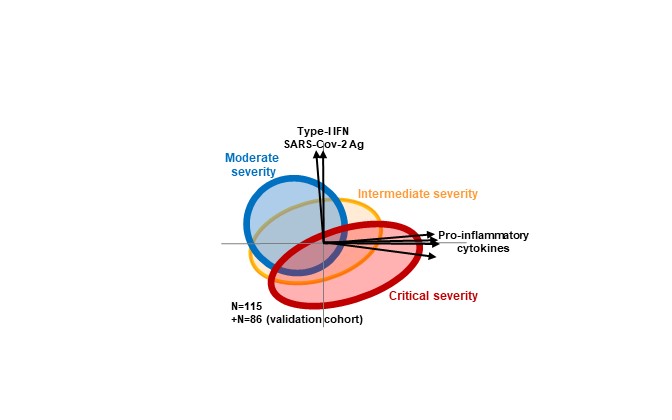
To answer this question, Prof. Guy Gorochov’s team (CIMI Research Center, Sorbonne University / INSERM, Paris, France), in collaboration with Prof. Avidan Neumann’s bioinformatics group (Department of Environmental Medicine, University of Augsburg, Germany), studied the levels of a large number of cytokines in the blood of 115 COVID-19 patients at the day of hospitalization during the first wave of the pandemic. The results of this study were then confirmed by a second validation cohort comprising of 86 patients from the second wave of the SARS-CoV-2 pandemic in Paris1.

Analysis of the results demonstrated that when looking at each cytokine separately, their blood levels showed great heterogeneity for each individual patient. “By looking at all cytokines together, using a non-supervised bioinformatics method called principle component analysis (PCA), we were able to reduce the large multi-dimensional variation into a two-dimensional perspective of cytokine combinations”, says Prof. Avidan Neumann. “Thus, we identified two distinct cytokine profiles that appear in different levels according to disease severity”.

Moderately severe patients, who initially do not have a severe respiratory illness, develop a response dominated by type-I interferons, in a context of high viral load, and relatively lower levels of pro-inflammatory cytokines. Conversely, patients with critical respiratory severity show elevated levels of pro-inflammatory cytokines (various levels of IL-6, IL-8, IL-10 and TNF-). Unexpectedly, SARS-CoV-2 antigen levels were lower in the critically severe patients, while the interferon anti-viral response is also less prominent in these patients. “These results go against the notion that high COVID-19 severity is always associated with excessive viral replication”, says Prof. Gorochov.

Nevertheless, having a strong type-I interferon response is not always good. An important observation was that the risk of death one month after hospital admission was related in each group to the intensity of the particular cytokine signature typical for that group. In particular, in the moderate severity group mortality was predicted by higher type-I interferon levels, while in the critical severity group mortality was associated with higher pro-inflammatory cytokine levels. Of note, mortality in the critical severity group was best predicted by higher levels of interlukin-10, rather than interlukin-6 or interlukin-1, thus possibly explaining the low effectiveness of therapy blocking the latter cytokines. Moreover, “our results suggest new therapeutic avenues”, says Prof. Gorochov, “as a higher risk of death in the most severe patients requiring ECMO is associated with lower levels of interleukin-17 and interleukin-18, cytokines that are associated with antibacterial response, treatment to increase their levels may improve patients’ survival”.

Overall these results suggest that COVID-19 severity and mortality are associated not with one cytokine storm, but rather with at least two distinct cytokine profiles.

Particularly not only an elevated pro-inflammatory response is dangerous but also, in some patients, an exacerbated anti-viral interferon response is associated with higher risk for mortality.

On the one hand, these results indicate that it would not be necessarily beneficial to administer type-I interferons in patients with already highly elevated levels of these cytokines2. On the other hand, therapy with biological agents should be targeted to block specific pro-inflammatory cytokines that are shown to be elevated in individual patients, rather than a one-for-all therapy. Thus, Prof. Claudia Traidl-Hoffmann, head of the Department of Environmental Medicine at the University of Augsburg, suggests that “this implies a paradigm change in COVID-19 therapy, personalized precision medicine, based on cytokine profiling, should be used to optimize COVID-19 treatment”.

Furthermore, Prof. Neumann adds “generalization of these results to earlier timepoints, currently tested in our on-going Early-Opt project at the Uniklinikum Augsburg, will allow optimization of both public-health and clinical management of COVID-19”.

SARS-CoV-2: infection induces antibodies capable of killing infected cells regardless of disease severity


SARS-COV-2

©AdobeStock


Drawing on epidemiological field studies and the FrenchCOVID hospital cohort coordinated by Inserm, teams from the Institut Pasteur, the CNRS and the Vaccine Research Institute (VRI, Inserm/University Paris-Est Créteil) studied the antibodies induced in individuals with asymptomatic or symptomatic SARS-CoV-2 infection. The scientists demonstrated that infection induces polyfunctional antibodies. Beyond neutralization, these antibodies can activate NK (natural killer) cells or the complement system, leading to the destruction of infected cells. Antibody levels are slightly lower in asymptomatic as opposed to symptomatic individuals, but polyfunctional antibodies were found in all individuals. These findings show that infection induces antibodies capable of killing infected cells regardless of the severity of the disease. The research was published in the journal Cell Reports Medicine on April 21st, 2021.

Nearly half of those infected with SARS-CoV-2 do not develop symptoms. Yet, the immune response induced by asymptomatic forms of COVID-19 remains poorly characterized. The extent of the antiviral functions of SARS-CoV-2 antibodies is also poorly characterized. Antibodies are capable of both neutralizing the virus and activating “non-neutralizing” functions. The latter include antibody-dependent cellular cytotoxicity (ADCC) and complement activation, which are major components of the immune response and play a key role in the efficacy of some vaccines. ADCC is a two-stage process in which infected cells are first recognized by antibodies, then destroyed by NK cells. The complement system consists of a series of plasma proteins that also enable the elimination of cells targeted by antibodies. The ability of antibodies to activate these non-neutralizing functions has been little described for SARS-CoV-2 infection so far.

The teams from the Institut Pasteur, the CNRS and the VRI (Inserm/University Paris-Est Créteil) initially developed new assays to measure the various antibody functions. They produced assays to study cell death induced by NK cells or by complement in the presence of antibodies. By analyzing cultures in real time using video microscopy, the scientists showed that NK cells kill infected cells in the presence of antibodies, demonstrating new antiviral activity employed by SARS-CoV-2 antibodies.

The scientists then examined the serum of patients with symptomatic or asymptomatic forms of COVID-19 with their new assays. They also used methods previously developed at the Institut Pasteur, such as the S-Flow assay, to detect SARS-CoV-2 anti-spike antibodies, and the S-Fuse assay, to measure the neutralization capacity of these antibodies

This study demonstrated that individuals infected with SARS-CoV-2 have antibodies that are capable of attacking the virus in different ways, by preventing it from entering cells (neutralization) or by activating NK cells to kill infected cells (via ADCC). We therefore use the term polyfunctional antibodies,” explains Timothée Bruel, co-last author of the study and a scientist in the Institut Pasteur’s Virus & Immunity Unit[1] and at the VRI.

By comparing different groups of patients, the scientists then showed that asymptomatic individuals also have polyfunctional antibodies and that their response is slightly weaker than those of patients with moderate forms of COVID-19.

The study reveals new mechanisms of action of SARS-CoV-2 antibodies and suggests that the protection induced by an asymptomatic infection is very close to that observed after a symptomatic infection,” concludes Olivier Schwartz, co-last author of the study, head of the Virus & Immunity Unit and at the VRI.


[1] Department of Virology (CNRS/Institut Pasteur)

Mise à jour des estimations de la proportion de la population ayant été infectée par le SARS-CoV-2


Discovery of a new variant of SARS-CoV-2 at Henri-Mondor AP-HP hospital

SARS-CoV-2

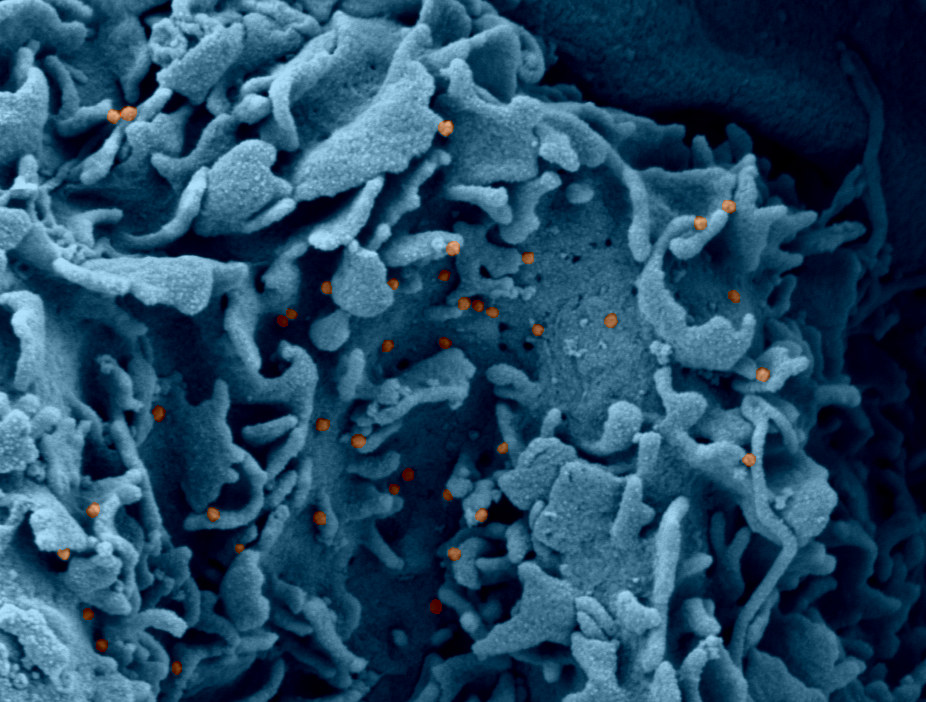
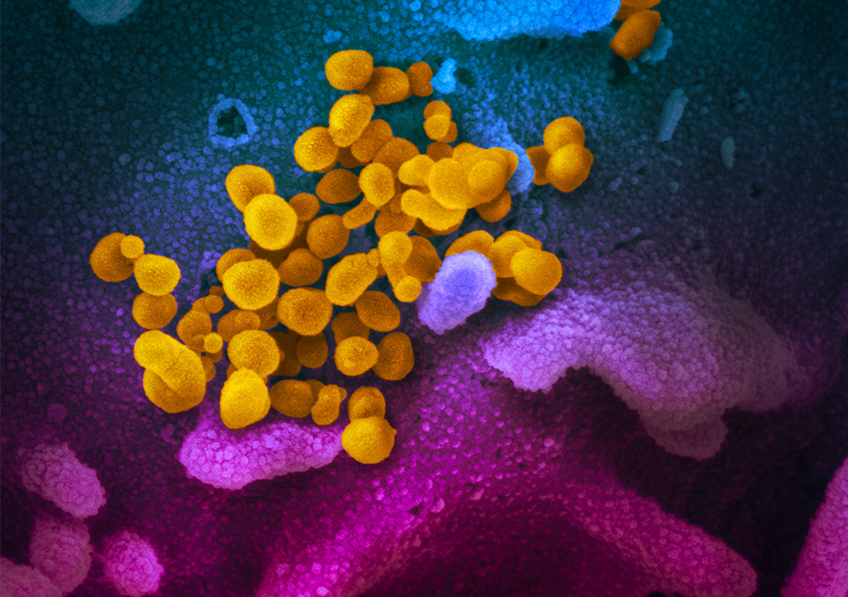
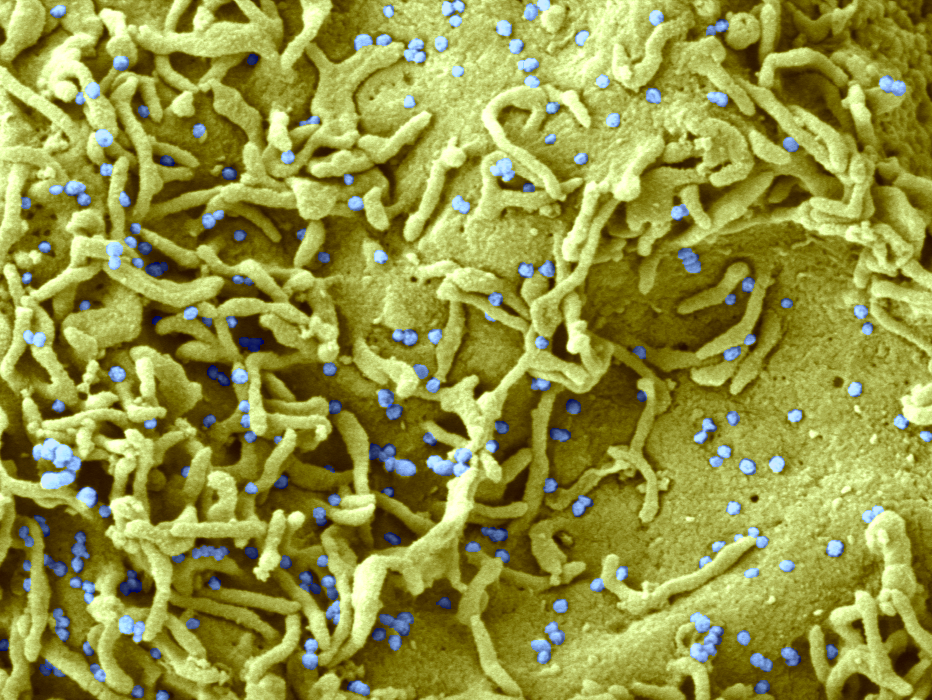
SARS-CoV-2 (yellow) emerging from the surface of cells (blue/pink) grown in the laboratory. Captured and colorized image, Rocky Mountain Laboratories (RML) Hamilton, Montana. © NIAID

Teams from the virology laboratory (Dr Slim FOURATI) and from the “Genomics” platform (Dr Christophe RODRIGUEZ) of the Henri-Mondor AP-HP hospital, Inserm and the University of Paris-Est Créteil (Institut Mondor of Biomedical Research, U955 Inserm-Université Paris-Est Créteil), under the supervision of Professor Jean-Michel PAWLOTSKY, have discovered a new variant of SARS-CoV-2, the virus responsible for COVID-19. The “Henri-Mondor” variant, never described to date, was identified within a cluster made up of three hospital professionals and the spouse of one of them. It is now actively circulating in France.

This discovery was published on March 30, 2021 in the journal Emerging Infectious Diseases , edited by the Centers for Disease Control and Prevention in Atlanta.

The new “Henri-Mondor” variant of SARS-CoV-2 is derived from a viral strain that appeared at the start of the pandemic (clade 19B), which had been replaced by more recent strains during the year 2020.

It is characterized by the presence of 2 deletions and 18 amino acid mutations, of which 7 to 8 are located at key positions of the “spike” protein, involved in the entry of the virus into cells and targets the neutralizing antibodies induced. through natural infection or vaccination. The N501Y and L452R mutations, already observed on other viral variants, seem to improve the interaction of the “spike” protein with its receptor and reduce the action of neutralizing antibodies.

In the four weeks which followed its discovery, the new variant “Henri-Mondor” was found in 29 patients of various geographical origins (Île-de-France, South-East and South-West of France).

Its detection frequency has continued to increase since then with the identification of several clusters and it is more and more frequently found in samples tested by the Henri-Mondor AP-HP hospital platform.

In the Flash 4 survey of March 2, 2021, the “Henri Mondor” variant represented 1.8% of the strains sequenced in France.

New studies will be necessary to know if the “Henri-Mondor” variant is more, as much or less contagious than the other known variants, if it is also detected by the various virological tests, if it is associated with clinical forms. of different severity and / or if its sensitivity to the action of antiviral treatments and to vaccine protection is impaired by the presence of its numerous mutations.

The discovery of a new variant of SARS-CoV-2, which is actively circulating in several French regions, underlines the need for systematic monitoring of the evolution of viral variants, associated with a reactive alert system.

The Henri-Mondor AP-HP hospital platform is one of the 4 platforms labeled by the Ministry of Health and Solidarity for molecular surveillance of the SARS-CoV-2 virus, as part of the EMERGEN national surveillance project coordinated by Public Health France and the ANRS Emerging Infectious Diseases. This platform offers a production capacity of more than 1,000 sequences per week, dedicated to epidemiological surveillance, and will soon be able to double this activity for the performance of specific studies. 

COVID-19: A New Serological Test to Improve Monitoring of the Pandemic

Cellules infectées par le SARS-CoV-2

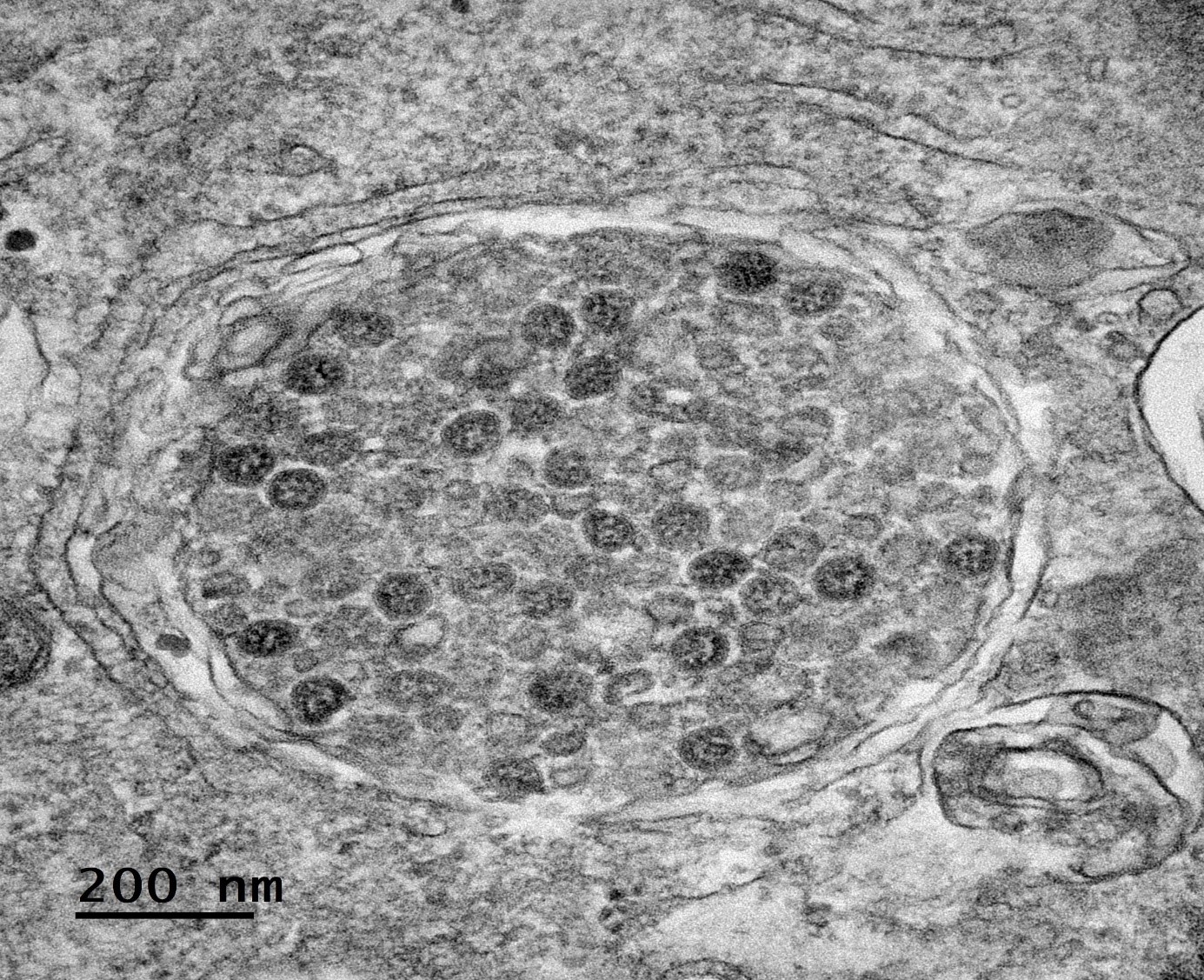
SARS-CoV-2 infected cells. © Sébastien Eymieux and Philippe Roingeard, Inserm – Université de Tours

A new test to detect antibodies to SARS-CoV-2 that is reliable, inexpensive and needs no special equipment? This is the proposal of an international scientific team, of which one of the members is an Inserm researcher at the Institute of Pharmacology and Structural Biology (CNRS/Université Toulouse III – Paul Sabatier). Developed in collaboration with the University of Oxford, this serological test is based on a single reagent that causes red blood cells to agglutinate in the presence of antibodies specific to SARS-CoV-2. Potential initial applications for this test include clinical and epidemiological research. The original article describing the research was published in Nature Communications on March 29, 2021.

Detecting antibodies to SARS-CoV-2 is epidemiologically essential when it comes to monitoring the progression of the epidemic. It is also necessary for scientists studying the links between past contact with the virus and protection against renewed infection. 

Several tests are already available and while effective, they require sophisticated and costly equipment that limits their widespread use, particularly in countries with more limited resources.

That is why Etienne Joly, an Inserm researcher at the Institute of Pharmacology and Structural Biology (CNRS/Université Toulouse III – Paul Sabatier) has devised a new test that is easy to perform and inexpensive. Developed in collaboration with Alain Townsend at the University of Oxford in the UK, the test is based on hemagglutination – a method that has been known for over 50 years and is commonly used to determine blood groups.

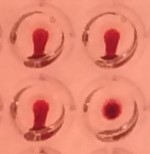
The process is based on the agglomeration, visible to the naked eye, of red blood cells in the presence of specific antibodies – in this case directed against SARS-CoV-2. The secret of its simplicity lies in the use of a single reagent consisting of a recombinant protein that associates an antibody recognizing a red-blood-cell surface molecule (glycophorin) with the RBD peptide of the SARS-CoV-2 Spike protein (the domain recognized by the neutralizing antibodies against the virus). When brought into contact with blood, this reagent binds to the red blood cells.

test sérologique Covid-19

The test requires two V-bottomed wells, in which 2 microliters of the blood to be tested are diluted. The left-hand wells – the negative controls – contain the dilution medium, whereas those on the right contain the dilution medium plus the IH4-RBD reagent. After one hour of incubation, the red blood cells have settled, forming a red “button” at the bottom of each well. The plate is then tilted at an 80° angle for 30 seconds and the non-hemagglutinated red blood cells form a teardrop – as can be seen in the left-hand wells. The presence of antibodies in the sample tested on the second line is revealed by the red blood cells agglutinated by the reagent that remain as a “button” at the bottom of the well. © Etienne Joly


If, in this same blood sample, antibodies to SARS-CoV-2 are present, they recognize the RBD fragment of the reagent present on the surface of the red blood cells. These antibodies can bind simultaneously to RBD fragments that may be on two different red blood cells, thereby linking the latter together and creating a cluster. Such agglomeration reveals recent or past infection. 

No sophisticated techniques are required for these procedures. The blood can be collected by means of a simple finger-prick, like people with diabetes do when testing their blood sugar levels every day.

Furthermore, the reagent is supplied in lyophilized form that requires no refrigeration and the result can be read with the naked eye. An additional advantage is that this reagent is easy and inexpensive to produce. Its estimated cost of 3 euros per 1000 tests makes it affordable for countries with fewer resources. 

90% sensitivity

The test was evaluated on over 400 serum samples from patients treated in various UK hospitals and presented 90% sensitivity. This means that the test will only detect antibodies in 90 out of every 100 people who possess them. A percentage that Joly is currently working on increasing because it is slightly lower than that of the ELISA tests commonly used in diagnostic laboratories (although it is already better than that of the COVID rapid diagnostic orientation tests available in pharmacies for around ten euros). In terms of specificity, the test achieves 99% – meaning that out of every 100 people who do not possess antibodies, the test will return a false positive for just one of them.

The scientists are now making this test available to interested research laboratories in order to help them elucidate the dynamics of the COVID-19 epidemic. Another advantage is that this test should be easily adaptable to other diseases.

“By modifying the protein of the reagent, it will be possible to tackle the screening of antibodies directed against the variant forms of the virus, or other pathogens such as HIV or the tuberculosis bacterium. We just have to choose the viral or bacterial protein predominantly targeted by antibodies,” concludes Joly.

Mental Health Deterioration in Lockdown: Results of a Mavie Cohort Study

Dépression Confinement

Levels of anxiety, depression and perceived mental health deteriorated significantly during the lockdown. © Erik Mclean on Unsplash

Calyxis in Niort and the Inserm-Université de Bordeaux Population Health Research Center have published the findings of their study on the mental health impacts of lockdown in the journal Globalization and Health. Anxiety, depression, and self-rated mental health saw marked deteriorations in the MAVIE cohort, particularly in women, young people, elderly people, and those with less than 30 m2 of living space.

In 2014, Inserm and Université de Bordeaux had joined forces with the Calyxis risk prevention expertise center to set up the MAVIE Observatory intended to study everyday-life accidents among 10,000 volunteers in France. During their recruitment, they were asked to complete various online questionnaires intended to find out about their health and lifestyles. Over the 6 years that followed, any everyday-life accidents that occurred were recorded. At the time of the first COVID-19 lockdown, given that the mental health status of the MAVIE volunteers had been measured at the recruitment stage, a second estimate of this status was carried out in order to compare it to the first.

Two validated scales were used: the Patient Health Questionnaire-9 (PHQ-9) to measure depression symptoms and the Generalized Anxiety Disorder 7-item Scale (GAD-7) to measure anxiety symptoms. A third indicator was introduced, in which the participants were asked to rate their mental health on a scale from 1 to 10.

A total of 1237 volunteers agreed to participate in this study by completing this second questionnaire. Based on their responses, the researchers found that the proportion of volunteers with anxiety symptoms had increased from 17% to 20%. However, the proportion of those with depression symptoms had changed only slightly – from 27% to 28%. The self-rated mental health score had decreased from 7.77 to 7.58 – albeit to a lesser extent for those used to spending more than an hour a day on a screen, perhaps because it is an activity compatible with lockdown.

Those having presented more depression symptoms during lockdown were women, young people, elderly people, and those with less than 30 m2 of living space.

Those with poor physical health had a threefold greater risk of presenting more symptoms of anxiety during confinement.

The same study was repeated during the second French lockdown and the data are currently being analyzed. Initial results show a marked deterioration in these same three mental health indicators.

COVIREIVAC Platform: COVID-19 Vaccine Research Continues with the Launch of New Projects

COVIREIVAC

New projects being launched within the framework of COVIREIVAC. © Adobe Stock


Launched in October last year, the purpose of the COVIREIVAC platform coordinated by Inserm and F-CRIN in conjunction with 32 university hospitals and a network of 11 immunology laboratories is to conduct and promote first-class clinical vaccination research in France. Since then, some 50,000 volunteers have signed up to participate in that research and improve knowledge of these new vaccines, making this is an unprecedented initiative in our country. COVIREIVAC is steered by Inserm and the clinical operational aspects of the various university hospitals are coordinated by the Paris Hospital Group AP-HP. In addition to France’s participation in the clinical trial evaluating the efficacy of two doses of Janssen’s vaccine candidate (already licensed for use with one dose), which began in February, other ambitious projects are being launched within the framework of COVIREIVAC.

Although several COVID-19 vaccines are now available, it is imperative to continue research in order to deepen scientific knowledge, particularly in terms of the duration of protection afforded by the vaccines and the quality of immune response – including in those whose health conditions affect their immunity.

The objective of the clinical trials coordinated by COVIREIVAC is to provide answers to these research questions. The CoviCompare trials and the COV-POPART cohort are expected to contribute data that will be important to the vaccine strategy.

The objective of the CoviCompare trials is to study the immunogenicity of different COVID-19 vaccines, i.e. the immune responses they induce, particularly in those aged 65 and over compared with younger adult populations.

This research is expected to provide a better understanding of how the available COVID-19 vaccines work and will guide their use to achieve optimal efficacy in the different population types. The participants, all of whom are vaccinated (there is no control arm), will be followed up for a period of two years. The results will be analyzed and compared between age groups in order to test immune response intensity and duration and provide information for use in deciding, if applicable, whether or not boosters will be needed according to age and/or immune status.


AP-HP-CoviCompare-m: refining knowledge of the immune responses of people aged 65 and over vaccinated with Moderna

Moderna’s COVID-19 vaccine is based on messenger RNA technology. Already tested on more than 30,000 people in the USA, this vaccine has proven to be 94.1% effective in the general population and 86.4% effective in people over 65. It is now being used in France.

Sponsored by the Paris Hospital Group AP-HP, this trial began on February 12 of this year and is ongoing in six French centers: Créteil (Henri-Mondor Hospital AP-HP), Lille, Lyon, Marseille, Paris (Cochin Hospital AP-HP), and Saint-Étienne.

In concrete terms, the trial envisages the creation of three groups of 60 participants:

  • The first whose participants are between 18 and 45 years of age
  • The second whose participants are between 65 and 74 years of age
  • And the third whose participants are aged 75 and over

The volunteers will each receive two injections of the vaccine, 28 days apart.


ANRS0002S CoviCompare-P: refining knowledge of the immune responses of people aged 65 and over and COVID-19-experienced individuals vaccinated with Pfizer/BioNTech

The messenger RNA vaccine developed by Pfizer/BioNTech – the first to be validated in Europe – has shown 95% efficacy after two doses, following testing in over 44,000 people. The French National Authority for Health (HAS) has recently published an opinion (only available in French) recommending a single vaccine dose for people having previously contracted COVID-19.

Sponsored by ANRS | Emerging Infectious Diseases, the autonomous agency within Inserm tasked with coordinating COVID-19 research, this trial began on March 8 of this year. It is taking place in 11 centers: Créteil, Nantes, Caen, Clermont-Ferrand, Lyon, Nîmes, Brest, Tours, Strasbourg, and Paris (Saint Louis and Cochin).

The objective is to evaluate in detail the immune responses induced by the Pfizer/BioNTech vaccine in people aged 65 and over, and to compare those of people having already contracted COVID-19 with those of people who have never had it.

The participants will be assigned to the same age groups as for CoviCompare-m in addition to three other categories (150 people who have never contracted COVID will receive two vaccine doses and 150 participants having already had COVID will receive one).


ANRS0001S COV-POPART: a vaccine cohort to evaluate immune responses to COVID-19 vaccines in specific populations

COV-POPART (the COVID-19 special populations vaccine cohort), sponsored by ANRS | Emerging Infectious Diseases, is a national cohort that will include a total of 10,500 participants across 35 centers, and has been labelled a national priority by France’s interministerial research working group.

The project has been constructed with over 10 national and international learned societies and seven patient associations (France Rein – Transhépate – ARSEP – CNAO – FFD – EGMOS – TRT5 CHV*), which will also play an active role in recruiting and following up participants.

The objective of the cohort is to evaluate the production of antibodies against COVID-19 in 8,650 vaccine recipients with diseases that might affect their immunity: HIV-1, diabetes (types 1 and 2), obesity, autoimmune and systemic autoinflammatory diseases (vasculitis, lupus, etc.), chronic inflammatory rheumatism, multiple sclerosis (or inflammation of the optic nerve), cancer (even without treatment for the previous 2 years), allotransplant recipients, solid organ transplant recipients (lung, liver, kidney, heart, pancreas), chronic renal failure (stages 4 and 5), and hypogammaglobulinemia (low immunoglobulin levels in the blood).

In order to compare their immune responses, a control group of 1,850 vaccinated individuals without these diseases was also recruited.

The cohort should also make it possible to identify potential vaccine failures and study the role of the variants in those failures. Participants will be followed for a period of two years after the last injection of the vaccine, with the help of the COVIREIVAC centers and 4 additional centers mobilized for this project. This cohort will provide essential data for vaccine policy in these vulnerable populations that are at particular risk of developing severe forms of COVID-19.


*France Rein – Transhépate – ARSEP French foundation to aid multiple sclerosis research – CNAO French collective of associations for people with obesity – FFD French federation of diabetics – EGMOS French association for bone marrow transplant recipients – TRT5 CHV French collective of associations against HIV, hepatitis and STIs.

COVID-19: Timing Issues Prevent SARS-CoV-2 Host Cells From Stopping Replication

Cellules infectées par le SARS-CoV-2

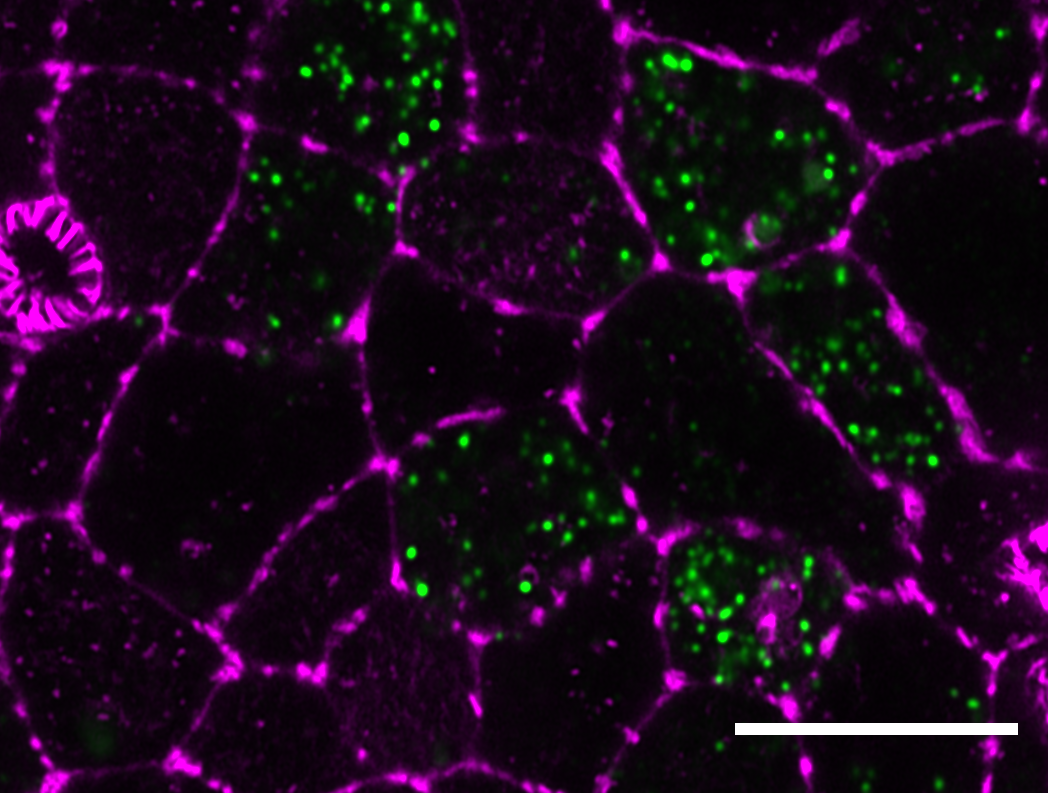
SARS-CoV-2 infected cells (in green). The size scale corresponds to 10 µm. © Joe McKellar

Although the SARS-CoV-2 target cells in the respiratory tract produce antiviral molecules following infection, it is too late to prevent the virus from replicating. This is the conclusion drawn by researchers from Inserm, CNRS and Université de Montpellier at the Infectious Disease Research Institute of Montpellier. Their findings have been published in the Journal of Virology

Inserm researcher Caroline Goujon and her team have spent a long time studying viruses at the Infectious Disease Research Institute of Montpellier (CNRS/Université de Montpellier). When the COVID-19 epidemic emerged, Goujon and her colleague Olivier Moncorgé decided to focus on the novel coronavirus, initiating several projects – one of which fundamental, in an aim to understand how the target cells respond when infection strikes.

At a time when the scientific community still had questions about SARS-CoV-2, building knowledge on the early stages of infection to understand how the virus enters the body and how it can be blocked was essential.


In search of interferons

In their recent study, the scientists describe this response by the target cells in the respiratory epithelium. They began by exposing respiratory epithelial cells to the virus, analyzing its multiplication in the hours that followed. In parallel, they looked for the presence of interferons, which are antiviral molecules naturally produced by the cells in the event of infection.

What they found was a rapid increase in viral load after 48 hours and the high production of two types of interferons (type I and type III) 48 to 72 hours after infection. The production of these molecules is generally triggered by certain host cell proteins – known as sentinel proteins because their task is to detect the presence of viruses.

The researchers then used the CRISPR-Cas9 technique to delete the genes coding for the main sentinel proteins and found that the absence of one of the genes, MDA- 5, prevented the production of the interferons. However, this phenomenon had no impact on the replication of the virus. “With or without the production of these interferons, which are supposed to counteract the virus, replication took place in the same way in our epithelial cell model,” clarifies Goujon.

However, research by the team and many other groups shows that placing the target cells in contact with these same interferons in the hours preceding infection considerably reduces the ability of the virus to replicate, dividing the replication rate by at least ten.

“Therefore the antiviral activity of interferons is not to be called into question when it comes to SARS-CoV-2. Their inefficacy in our model is due to a problem of timing. Their release occurs too late to block viral replication,” she explains. In order to have a protective role and avoid viral replication, it appears important for their production to take place earlier.


Open up avenues of therapeutic research

This research also opens up new prospects when it comes to the severe forms of COVID. “We know from previous studies that natural interferon levels are low in patients with severe forms of COVID-19 compared to those with less severe forms. Stimulating the body’s production of interferons early on by activating the MDA-5 pathway could limit the risk of developing severe forms in some patients,” she adds.

Some research teams have already begun to study the early administration of interferons in a number of clinical trials. As for Goujon and her colleagues, they have already made a start on the next phase of the project: identify the genes in the target cells whose expression is stimulated by infection and which help to slow viral replication – thereby possibly opening up new therapeutic avenues.

fermer