Menu

Current policies have failed to reduce the number of neural tube defects in Europe

Every year, nearly 5,000 pregnancies in Europe are affected by neural tube defects such as spina bifida and anencephaly (malformations of the brain and skull), with serious consequences for the newborn infants. Taking nutritional supplements containing folic acid (or vitamin B9) before and during early pregnancy may considerably reduce the risk, but studies show that only a minority of women do so. A study published today in The British Medical Journal, and coordinated by Babak Khoshnood, Inserm Research Director (Inserm Unit 1153 “Sorbonne Paris Cité Research Center in Epidemiology and Biostatistics”) concludes that there has been no decrease in neural tube defects over a 20-year period. The researchers urge the decision-makers to consider establishing a policy of mandatory folic acid fortification of some staple foods, such as flour or cereals.

new born baby

(c) Fotolia

The prevalence of neural tube defects in Europe has not decreased in the last 20 years, despite recommendations to women intending to have a child to supplement their folic acid intake, according to a study published in The BMJ today. 

The team led by Babak Khoshnood, Inserm Research Director, set itself the goal of evaluating the long-term trends in the number of cases of defective neural tube closure in Europe.

They analysed data on over 11,000 cases of defects from 28 EUROCAT (European Surveillance of Congenital Anomalies) registries, which cover approximately 12.5 million births in 19 countries between 1991 and 2011. Mathematical models were used in order to compare the differences between the registries. They found that the total prevalence of neural tube defects in 2011 was generally comparable to that observed in 1991 (9 per 10,000 births). This was also true for the two main types of defect, anencephaly and spina bifida. Estimates from the models show a 4% annual increase from 1995 to 1999, and a 3% decrease between 1999 and 2003, followed by a stabilisation in the subsequent years.

Trends for spina bifida and anencephaly were comparable, and no substantial decrease was observed for these two defects.

The authors emphasise that this is an observational study, and that no definite explanation as to cause and effect can therefore be drawn from these results. However, they claim that their data make it possible to conclude that “Recommendations, voluntary fortification, or both have not been effective in decreasing the prevalence of neural tube defects.”

There is no plan in Europe to make it mandatory to add folic acid to some staple foods such as flour or cereals, which happens in many countries such as the United States and Canada. Moreover, studies suggest that this approach increases folic acid intake enough to halve the prevalence of neural tube defects, while no serious side effects have been observed to date.

According to the researchers, the conclusions of this new study “should encourage the relevant European authorities to take a closer look at mandatory fortification.”

Early exposure to tobacco as a cause of behavioural problems in children

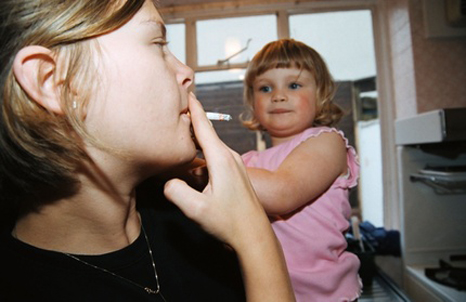
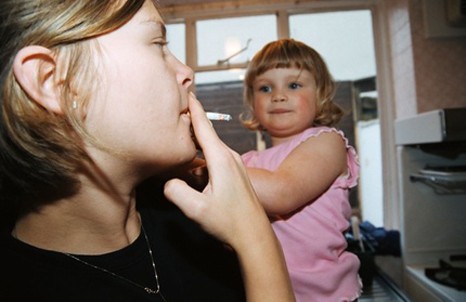
Researchers from Inserm and Pierre and Marie Curie University (UPMC), in collaboration with the university hospitals of 6 French cities, have analysed data on pre- and postnatal exposure to tobacco in the homes of 5,200 primary school children. They show that this exposure is associated with a risk of behavioural disorders in children, particularly emotional and conduct disorders. The association is stronger when exposure takes place both during pregnancy and after birth. These data show the risk associated with smoking in early life and its behavioural repercussions when the child is of school-going age. These results are published in the journal Plos One.Fotolia_6636690_XS

©Fotolia

The consequences of tobacco exposure are widely documented. It leads to many illnesses, including asthma. However, the potential role of environmental tobacco smoke (ETS) is much less well known in terms of its link to behavioural problems in children. In this context, the team led by Isabella Annesi-Maesano, Inserm Research Director at Unit 1136, “Pierre Louis Public Health Institute” (Inserm/UPMC) examined the association between pre- and postnatal ETS exposure and behavioural problems in children.

“Exposure to ETS in the postnatal period, alone or in association with exposure during pregnancy, increases the risk of behavioural disorders in primary school children,” explains Isabella Annesi-Maesano, Inserm Research Director

These data come from the 6 Cities Study (see box), which targeted 5,221 primary school children. Prenatal (in utero smoking) and postnatal exposure to tobacco smoke in the home was assessed using a standardised questionnaire completed by the parents. Behavioural disorders were assessed via the Strengths and Difficulties Questionnaire (SDQ) used to assess the behavioural and psychosocial functioning of the children, which was also completed by the parents.

In greater detail, emotional disorders are associated with exposure to ETS during both the prenatal and postnatal periods, which concerns 21% of the children in the study. Conduct disorders are also associated with ETS exposure in these children. The association also exists in cases of prenatal or postnatal exposure alone, but is less pronounced.

These observations seem to confirm those carried out in animals, i.e. that the nicotine contained in tobacco smoke may have a neurotoxic effect on the brain. During pregnancy, nicotine in tobacco smoke stimulates acetylcholine receptors, and causes structural changes in the brain. In the first months of life, exposure to tobacco smoke generates a protein imbalance that leads to altered neuronal growth.

 “Our data indicate that passive smoking, in addition to the well-known effects on health, should also be avoided because of the behavioural disorders it may cause in children,” concludes the researcher.

Specific objectives of the study

The International Study of Asthma and Allergies in Childhood (ISAAC) is aimed at measuring the frequency and severity of asthma and allergic disease (phase I), determining the risk factors for these diseases (phase II), and studying their progression (phase III).

The French component was carried out in 6 large cities, chosen for their varying air quality (Reims, Créteil, Strasbourg, Clermont Ferrand, Bordeaux and Marseille).

The 6 Cities Study initially enrolled 9,615 children with a mean age of 10 years, distributed among 401 classes in 108 schools.

To analyse exposure to environmental tobacco smoke, 5,221 children were enrolled in this component of the study.

Study of leukaemias in children living close to heavily used roads

Results of the GEOPCAP programme 2002-2007

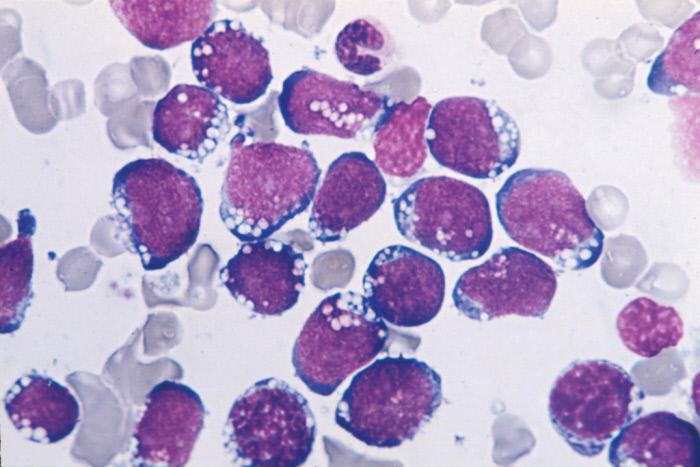
Inserm researchers from CRESS (Epidemiology and Biostatistics Sorbonne Paris Cité Research Centre, Inserm – Paris Descartes University – University of Paris 13 – Paris Diderot University – INRA) studied the risk of acute leukaemia in children living close to heavily used roads. To address this question, the research team considered all 2,760 cases of leukaemia diagnosed in children under 15 years of age in metropolitan France over the 2002-2007 period. The results show that the incidence of new cases of myeloblastic leukaemia (418 of 2,760 cases of leukaemia) was 30% higher in children in the population whose residence was located within 150 m of heavily used roads, and had a combined length of over 260 m within this radius. In contrast, this association was not observed for the more common, lymphoblastic type of leukaemia (2,275 cases). The researchers particularly studied the case of the Île-de-France region of Paris with the help of data modelled by Airparif, which is responsible for the monitoring of air quality in Île-de-France.

These results are published in the American Journal of Epidemiology.

Cancer affects over 1,700 children under 15 years of age every year in France, which has a population of a little over 11 million children. Surveillance of these cancers has been provided by the French National Registry of Childhood Haematopoietic Malignancies since 1990, and by the French National Registry of Childhood Solid Tumours since 2000. With 470 new cases each year, leukaemias (blood cancers) are the most common childhood cancers, and are mainly acute lymphoblastic leukaemias. “Myeloblastic” or “myeloid” leukaemia is another type of leukaemia, and affects myeloid stem cells, which give rise to the red blood cells. Today, 5-year survival following childhood leukaemia is over 80%.

The general objective of the GEOCAP programme (GEOlocation Study of Paediatric CAncers) is to study the role of environmental exposures in the occurrence of cancer in children under 15 years.

One of the hypotheses of the research community is that there is an increased risk of leukaemia in children living close to heavily used roads. The increased risk of myeloblastic leukaemia for adults with a history of occupational exposure to benzene has long been known.

The EPICEA (Epidemiology of Childhood and Adolescent Cancers) team, directed by Jacqueline Clavel, Inserm Research Director, at CRESS, has reported the results of a study on the incidence of leukaemias in children living close to heavily used roads. It is a case-control study that allowed the assessment of exposure level to one or more risk factors. All 2,760 cases of childhood leukaemia diagnosed in metropolitan France between 2002 and 2007 were included in the study, and compared to a contemporary sample of 30,000 control children representative of the metropolitan population, and constituted in collaboration with the French National Institute of Statistics and Economic Studies (INSEE).

“The frequency of myeloblastic type leukaemias was 30% higher in children living within a 150 m radius of heavily used roads, and where the combined length of road sections within this radius exceeded 260 m,” explains Jacqueline Clavel, Inserm Research Director.

In contrast, there was no association between acute lymphoblastic leukaemias – the most common – and the atmospheric concentration of nitrogen dioxide, distance or combined length of heavily used roads in the vicinity of dwellings.

The researchers particularly studied the case of the Île-de-France region of Paris, the most urbanised region, for which the mean annual concentration of benzene, mainly from road traffic, was estimated in the vicinity of each residence in the study in a particularly precise manner with the help of data modelled by Airparif, which is responsible for the monitoring of air quality in Île-de-France. They observed that the risk of childhood acute myeloblastic leukaemia was double in Île-de-France children whose residences were the most exposed to traffic, i.e. when, simultaneously, the combined length of road sections within a 150 m radius of the residence exceeded 300 m, and the estimated mean annual concentration of benzene in the vicinity of the residence was above the median value observed in Île-de-France (1.3 µg/m3).

In keeping with the hypotheses on which the study is based, exposure to benzene related to car traffic might be one of the explanations for this association.

The GEOCAP programme (GEOlocation Study of Paediatric CAncers)

The general objective of the GEOCAP programme is to study the role in the occurrence of cancers in children under 15 of environmental exposures estimated by geocoding, especially:

– high voltage power lines, causing exposure to extremely low-frequency magnetic fields

– road traffic and atmospheric pollution from benzene and polycyclic aromatic hydrocarbons,

– service stations, a source of exposure to benzene

–  nuclear sites

– and some industrial plants.

It also relates to other factors, particularly demographic trends and socioeconomic disparities between residential areas.

More about GEOCAP: https://rnce.inserm.fr/geocap.php

The addresses of the children included in the study were geolocated with the help of a geographic information system based on French National Geographic Institute (IGN) data, exploited in collaboration with the Géocible company.

This work was supported by InVS, ANSES, ARC, Pfizer foundation, INCa and ANR


How can one assess the effectiveness of hypnosis?

Although hypnosis has existed for hundreds of years, today it is still difficult to clearly judge its usefulness in the medical domain. In a report submitted to the French Directorate General for Health, researchers from Inserm led by Bruno Falissard assessed the effectiveness of this complementary medical practice for some of its indications (women’s health, digestive ailments, surgery, psychiatry, etc.). The latter illustrates its therapeutic value during anaesthesia, and in the management of irritable bowel syndrome. It also confirms that risks associated with hypnosis are particularly limited.Woman using pendulum

©Fotolia


Hypnosis is neither a state of alertness nor a state of sleep, but rather a state of altered consciousness. At biological level, the effects of hypnosis have been confirmed by modern imaging techniques. The latter have demonstrated changes in the activity of certain regions of the brain when suggestions are made to a subject under hypnosis.

Several types of hypnosis can be distinguished, according to their medical application: hypnoanalgesia, used as a method of analgesia, hypnosedation, which combines hypnosis with anaesthetic agents, and finally hypnotherapy, for psychotherapeutic purposes. In addition to these practices, the report also focuses on a technique known as EMDR (Eye Movement Desensitisation and Reprocessing). This integrative approach, employing certain practices originating from hypnosis, was developed for the treatment of post-traumatic stress syndrome.

In France, the practice of hypnosis is highly variable. The term “hypnotherapist” is not protected, and hypnosis training is provided by both universities (qualifications not recognised by the French Order of Physicians) and private associations or organisations. Some of these training programmes are limited to health professionals, whereas others are open to a wider public.

Given this varied landscape, the study conducted by Bruno Falissard and Juliette Gueguen, Caroline Barry and Christine Hassler (Inserm Unit 1018, “Centre for Research in Epidemiology and Population Health [CESP]”) attempted to assess the effectiveness of this complementary therapy in the treatment of several conditions. With this objective, the researchers analysed the results of 52 clinical trials, and results of 17 trials involving the use of EMDR.

Hypnosis is of therapeutic value in irritable bowel syndrome

Irritable bowel syndrome is characterised by abdominal pain, feelings of bloating, and episodes of diarrhoea or constipation, and alters the quality of life of those affected. Studies testing hypnosis to treat this condition confirm its potential: regular hypnotherapy sessions alleviate the gastrointestinal symptoms.

Hypnosis reduces use of analgesics and sedatives

The scientists focused on the practice of hypnosedation during surgical examinations and interventional radiology: wisdom tooth extractions, breast biopsies, transcatheter procedures, pregnancy terminations, etc. The criteria chosen were highly variable, and concerned the patient (pain intensity, anxiety, drug use, adverse side-effects) and the procedure itself (duration, cost) in equal measures. Although the studies do not allow a definite ruling on the majority of these criteria, the results are in agreement with respect to the use of analgesic or sedative drugs. During an operation carried out under local or general anaesthetic, the action of sedatives is complemented by the administration of analgesics to control the pain. The studies show that, with the help of hypnosis, the use of these drugs is reduced during these interventions.

EMDR, an effective therapy in the management of post-traumatic stress syndrome

Current data do not guarantee the advantage of hypnosis over traditional treatments for post-traumatic stress syndrome, but EMDR, for its part, has been proven effective. Trauma-centred cognitive behavioural therapies and EMDR may even be the most effective psychotherapies in this instance. These conclusions apply only to adults, however, since too few trials have assessed the effects on children or adolescents.

Current data are insufficient for the majority of other applications of hypnosis.

In some medical practices, the studies analysed by the Inserm scientists did not allow conclusions to be drawn as to the value of hypnosis, especially in:

  • Pain management during childbirth
  • Prevention of post-partum depression
  • Schizophrenia
  • Smoking cessation
  • Dental care in adults and children

Safety data regarding hypnosis are reassuring

Bruno Falissard’s team also examined the safety of hypnosis as reported in the literature. Reassuringly, no serious adverse effects seem to be attributable to hypnosis. According to the researchers, one cannot, however, exclude the existence of such adverse events, but if they exist, their incidence is relatively low.

Although this analysis demonstrates the genuine interest of practitioners in hypnosis and related techniques, it also emphasises the need to reconsider the traditional methodological standards. It also highlights the need to question the choice of control groups and judgement criteria, as well as the actual design of studies.


For the authors, it is also especially important that qualitative studies analysing patient well-being be taken into account in order to determine the subjective experience of patients during their care.

Given these conclusions, the challenge of hypnosis is also an ethical/legal one. Notwithstanding the ethics charters currently in place, French legislation remains vague: hypnosis may be offered by non-health professionals as well as by medical staff. Thus the creation of a surveillance system seems relevant for collecting field data, and especially for avoiding the risk inherent to using any non-conventional treatment: the risk of delaying or impeding access to conventional care that may otherwise be necessary.

See the whole report

The 5-colour nutritional labelling system is the most effective for consumers

While the French High Council for Public Health (HCSP) made public on Monday, 24 August 2015, a positive opinion regarding the relevance of the 5-colour code for the public, a team of researchers (Inserm/INRA/Paris 13 University) directed by Serge Hercberg, on publication of their article in the journal Nutrients, demonstrated that the 5-colour nutrition label (5-CNL) is the most effective nutritional information system for allowing consumers to recognise and compare the nutritional quality of foods, including “at-risk” populations (older subjects, those with a lower educational level, lower income, lower nutritional knowledge, and overweight or obese individuals)

Article 5 of the Health Act, introduced by Marisol Touraine, Minister of Health, and passed by the French Parliament, states, “…to make it easier to inform consumers and to help the consumer make informed choices, that the mandatory nutrition declaration may be accompanied by a presentation or complementary expression using graphics or symbols on the front of packaging.”

Several systems have been proposed at national and international level. In France, many learned societies support the establishment of the 5-CNL 5-colour nutritional labelling system (green/yellow/orange/fuchsia pink/red). The latter is based on the calculation of a nutritional quality score (nutrient profiling system, Food Standards Agency, FSA), which takes several elements present on the nutrition label into account (calories, simple sugars, saturated fatty acids, sodium, fibre, protein and percentage of fruits and vegetables per 100 g of product), to arrive at a unique indicator of the nutritional quality of the food.

Several studies have already contributed to the validation of the FSA score, by showing that the nutritional quality of foods consumed evaluated by the FSA score is linked to the overall quality of the diet and nutritional status of individuals, and in a prospective manner to the risk of disease. These scientific studies underscore the interest of putting the 5-colour nutrition label (5-CNL), based on FSA score, on the front of food packaging in order to better guide consumers in their food choices. This system is the subject of considerable controversy, fuelled among others by the various industrial stakeholders, who cast doubt on its value.

The study published today by EREN under the direction of Pauline Ducrot (PhD student in Nutrition) and Sandrine Péneau (Lecturer in Nutrition, Paris 13 University) in the journal Nutrients compares the effect of different nutrition labels on the front of packs of various foods on the ability of consumers to rank foods appropriately. The study was carried out on a sample of 14,230 adults participating in the NutriNet-Santé study. The impact of 4 simplified nutritional labelling systems was tested: the colour-based 5-CNL system; the Green Tick, similar to that used in some Scandinavian countries and the Netherlands; the Multiple Traffic Light system used in Great Britain, and the Guideline Daily Amounts (or Reference Intakes) system already used in France by some industrial companies. A logo-free situation was also used as a reference.

With the help of a Web-based questionnaire specifically developed for this study, participants in the study were asked to rank, on a relative basis (“less good,” “moderate,” “the best” or “I don’t know”) the nutritional quality of different series of 3 foods belonging to the same category.

Five categories of foods were tested: frozen fish products, pizzas, dairy products, breakfast mueslis and appetisers.

herberg

Example (5-CNL on fish-based frozen products):

Each participant had to randomly test a combination of food products and nutrition labels from the 5 categories. For this, 25 different versions of the questionnaire were used. A statistical design (Latin Square) made it possible to ensure an equal number of participants for each labelling/product category combination.

The results of this specific study on the comprehension of nutritional logos show that:

  • Generally speaking, individuals “at risk” of having a nutritionally poorer quality diet (older subjects, participants with a lower educational level, lower income, lower nutritional knowledge, and overweight or obese individuals) had greater difficulty in ranking food products according to their nutritional quality.
  • The various nutrition labels significantly increased the ability of individuals, including those at risk, to rank 3 foods in order of their nutritional quality, compared with a logo-free setting.
  • The nutrition labels had more impact than individual characteristics (education level, income, etc.) on increasing the ability of the individuals to correctly rank the foods by nutritional quality. The chance of correctly ranking the products was multiplied up to 12-fold with a logo, whereas individual characteristics enabled an increase in the chance by a factor of only 1.17.
  • Of the nutrition labels tested, the 5-colour nutritional labelling system (5-CNL) was the most effective in terms of comprehension. It performed better than the Traffic Light, Reference Intakes, or Green Tick labelling systems.
  • The 5-CNL system performed better, including among individuals with a relatively “unfavourable” diet in terms of nutrition and health. In particular, the presence of 5-CNL strongly increased (over twenty-fold compared to the logo-free situation) the ability of individuals with no knowledge of nutrition to correctly rank the products compared with a logo-free situation.

The results of this study emphasise the interest of nutrition labels for helping consumers, particularly those at risk of making food choices that are relatively “unfavourable” to their health, to identify the products most conducive to a balanced diet. 

The 5-colour logo (5-CNL) system turns out to be the best understood among individuals as a whole, and may therefore make it possible to inform consumers effectively and equitably on the nutritional quality of products, and thereby incorporate this information into determinants of their food choices.

Diabetes is associated with neurocognitive disorders in people living with HIV

Does diabetes play a role in the decline of cognitive function in people living with HIV? Researchers at Inserm Unit 897, “Epidemiology and Biostatistics Inserm Research Centre” (Inserm/University of Bordeaux) and the CIC-1401 Clinical Investigation Centre, in collaboration with Bordeaux University Hospital, have shown for the first time that there is a relationship between diabetes and neurocognitive disorders in people living with HIV, regardless of age. These disorders mainly affect functions involving memory and reactivity, and appear as early as the prediabetic stage (hyperglycaemia). This work, funded by ANRS (French National Agency for Research on AIDS and Viral Hepatitis) and carried out within the ANRS Aquitaine cohort, is published in the journal Neurology.
Virus du SIDA

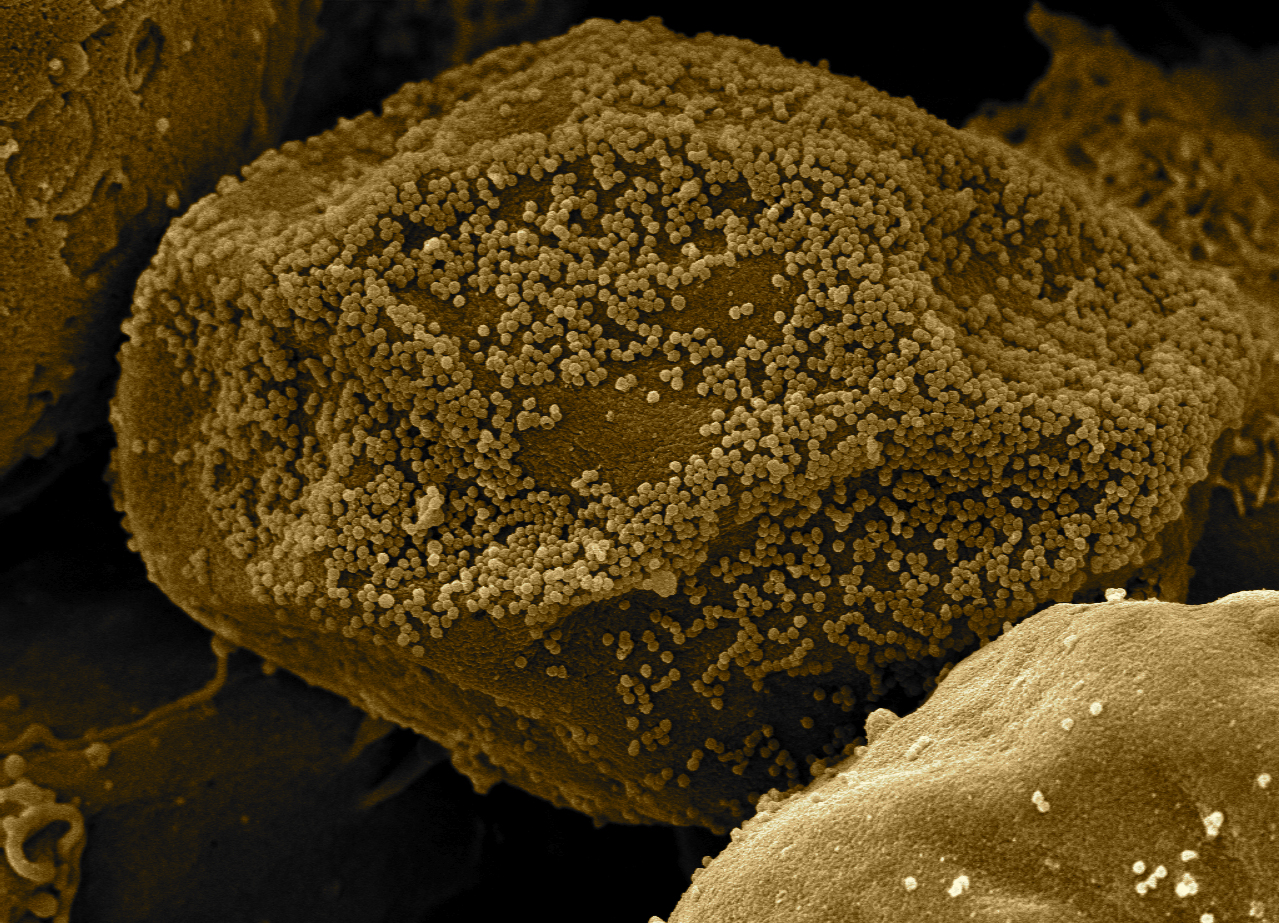
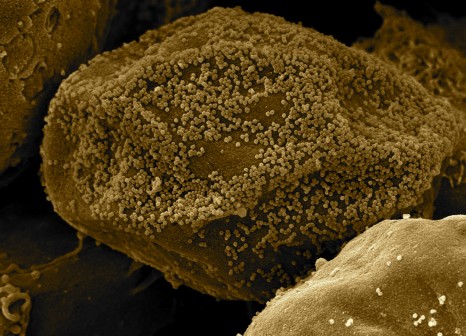
Cell massively infected by HIV, showing the budding of viral particules at the cell surface. © Inserm/Roingeard, Philippe

In 20-50% of cases, people living with HIV show mild neurocognitive disorders, even when their viral load is well controlled by antiretroviral treatment. The causes of these disorders are still incompletely known: age or “traditional” risk factors (education level, vascular risk factors such as diabetes), HIV infection or antiretroviral treatment.

In the general population, several studies have shown that there is a link between diabetes and cognitive decline in older people. Since the prevalence of diabetes in people living with HIV is 5-10%, could diabetes be an explanation for cognitive disorders? A study conducted by Prof. Geneviève Chêne’s team at Inserm Unit 897, “Epidemiology and Biostatistics Inserm Research Centre” (Inserm/University of Bordeaux) and the CIC-1401 Clinical Investigation Centre, together with Bordeaux University Hospital, drew upon the ANRS Aquitaine cohort to answer this question. It reveals for the first time that diabetes is associated with neurocognitive disorders in people living with HIV, regardless of age. This study, funded by ANRS (French National Agency for Research on AIDS and Viral Hepatitis), has just been published in the journal Neurology.

The Aquitaine cohort comprises nearly 9,000 patients distributed among 13 public hospital services, all located in the Aquitaine region of France. The objective of this cohort is to study the course of HIV-1 infection, both naturally and during treatment. For this study, which was carried out at 5 clinical centres of Bordeaux University Hospital between June 2007 and November 2009, 400 people living with HIV were enrolled. They were monitored for two years. Clinical tests (detection and validation of cerebrovascular and cardiac disease, treatments employed, and activities), blood samples, and 10 tests to evaluate cognitive and motor performance were carried out.

Of these 400 people, 39 were diabetic and 33 had hyperglycaemia indicating a “prediabetic” state.

Results show that diabetic patients performed less well than nondiabetic patients in tests involving memory, executive functions, attention, psychomotor speed, language and manual dexterity. Over these two years of monitoring, the researchers observed a slight decline in executive function and memory among these patients.

For people living with HIV who had hyperglycaemia (prediabetic state), overall performance was poorer than in nondiabetic people.

Taking other parameters such as cardiovascular risk factors (hypertension, overweight, hypercholesterolaemia, hypertriglyceridaemia) into consideration does not change these results.

This study demonstrates for the first time the impact of diabetes and the prediabetic state on cognitive performance in people living with HIV. “Basic research should step in to explore the physiopathological mechanisms at play. In particular, to examine objectively whether the lesions created in the small blood vessels by chronic hyperglycaemia are exacerbated by the HIV virus itself. The consequences of HIV on immune activation, as well as certain genetic predispositions, must also be examined,” explains Prof. Geneviève Chêne.

These results already show that active management is needed. 

Geneviève Chêne adds: “In the same way as for the general population, it is vital to strengthen diabetes screening and prevention in people living with HIV. Maintaining a healthy diet, controlling one’s weight and taking regular exercise are universal recommendations.”

Vaccines: practices and hesitancy among general physicians in France

At population level, vaccines contribute to reducing mortality associated with infectious diseases such as measles, diphtheria, tetanus, hepatitis B or bacterial meningitis. The community general physician, at the centre of this preventive strategy, remains the main source of information for families. In an article published in the journal Ebiomedecine, Pierre Verger (Inserm Unit 912, “Economics and Social Sciences Applied to Health and Analysis of Medical Information – SESSTIM”) and his collaborators present and analyse the attitudes and practices of over 1,500 general physicians in France, in a context of distrust toward vaccines.Brave little girl receiving injection

©fotolia

Vaccination is the most effective means of preventing, or even eliminating, many infectious diseases. However, in recent years, a growing number of unfavourable opinions regarding the latter has been observed among the general population in France.

Given the widespread scepticism, which is contributing to inadequate coverage for some vaccines, the general physician plays a major role in matters of prevention and information. The survey, conducted by Pierre Verger (Inserm Unit 912, “Economics and Social Sciences Applied to Health and Analysis of Medical Information – SESSTIM”) between April and July 2014, has attempted to capture the practices of general physicians in different vaccination scenarios. The results obtained provide a better understanding of the factors in the reticence—or confidence—of physicians with respect to some vaccines.

Physicians’ recommendations vary with the situation.

1st reassuring finding: Almost all physicians questioned (96%) are confident in their ability to explain the usefulness of vaccines to their patients. Nonetheless, this figure falls to 43% when it comes to speaking about the role of adjuvants, and justifying their use.

2nd finding: The recommendations of general physicians vary with the vaccination scenario: 83% often, or even automatically, recommend the measles, mumps and rubella (MMR) vaccine to adolescents and young adults, but only 57% advise vaccination against type C meningococcal infections for children and young people aged 2-24 years, although the latter is part of the vaccination schedule. “Their hesitation to vaccinate might also reinforce that of patients, and contribute to inadequate vaccine coverage, particularly for controversial vaccines,” according to the authors of this article.

The majority of physicians, however, rather or quite trust the French Ministry of Health (8 in 10 physicians) or the health agencies (9 in 10 physicians) to provide them with reliable information as to the benefits and risks of vaccines.

Some uncertainties persist regarding the risks and usefulness of some vaccines

Some physicians express doubt concerning the risk of serious side-effects from certain vaccines, even when these doubts are refuted by the results of pharmacovigilance and epidemiological studies (e.g. regarding hepatitis B vaccine and the presence of adjuvants in some vaccines). Thus 6% of physicians questioned consider it likely, or even probable, that there is an association between papillomavirus vaccine and the occurrence of neurodegenerative diseases such as multiple sclerosis. Over a quarter of them (26%) also believe that some vaccines recommended by the public authorities are unnecessary, and 20% even believe that children are vaccinated against too many diseases.

The existence of such hesitation on the part of general physicians is directly associated with less regular recommendations for vaccination to their patients. Most of these doubts, like those of the general population, relate to vaccines that have been controversial in France (hepatitis B vaccine, human papillomavirus vaccine).

 However, more surprisingly, a proportion of general physicians hesitate to recommend vaccines of proven safety and efficacy (meningococcal C and measles vaccines). For the moment, these hesitations affect only a minority of general physicians (again depending on the vaccine), but constitute an additional impediment to the maintenance of enough vaccine coverage in the population to protect it against infectious diseases that are still dangerous.

Although this study shows that general physicians trust the authorities, it also underscores their need for training and resources to help them respond to patients who are hesitant about undergoing vaccination.

Climate change and health: what are the implications?

In December 2015, France will host the 21st Session of the Conference of the Parties to the United Nations Framework Convention on Climate Change (COP21). This international conference highlights the willingness of the 200 participating governments to limit climate disruption and its consequences for the Earth’s natural system.

To ensure its success, numerous activities are being arranged prior to COP21. From 7 to 11 July, UNESCO is organising a scientific conference entitled “Our Common Future Under Climate Change.” The aim is to assess the risks from climate change from a scientific point of view, and to propose actions for reducing carbon emissions.

In this context, Inserm is committed to highlighting the crucial role that health and those working in the health sector can play in the coming months and years to make climate-related issues a central concern for our societies. Indeed, we often forget that if global warming is affecting the planet’s ecosystem, the fauna and flora, we are also in the front line of its effects. Conversely, we can also have an influence on climate. For example, by changing our diet to one based on vegetables and less meat, it would be possible to reduce greenhouse gas emissions by 40%[1].


To present the state of the art on the knowledge regarding the impact of climate change on health, and future research in this area, Aviesan (the French National Alliance for Life and Health Sciences) and Inserm (the French National Institute of Health and Medical Research) are organising a mini-symposium in conjunction with the UNESCO conference.

This meeting, “Current and Future Research trends on Climate Change and Health,” will be held in Paris:

Monday 6 July 2015, 2:00–6:00 pm in the auditorium at Paris Biopark, 11 rue Watt, Paris 13th Arrondissement.

Registration: rf.mresni@esserp

In the company of:

Yves Lévy – Chairman and CEO of Inserm, and President of Aviesan

Robert Barouki – Director of Inserm Unit 1124 (Inserm/Paris Descartes University)

And many researchers from Inserm, who will be coming to share the results of their work on the effects of climate change on health.

For more information: the conference program

[1] Green, R, Milner, J, Dangour, AD et al. The potential to reduce greenhouse gas emissions in the UK through healthy and realistic dietary change. Clim Change. 2015; 129: 253–265

Impact of environmental exposure to insecticides on the cognitive development of 6 year old children

In an article published in the journal Environment International, researchers from Inserm (Inserm Unit 1085 – IRSET, the Institute of Research in Environmental and Occupational Health, Rennes), in association with the Laboratory for Developmental and Educational Psychology, LPDE (Rennes 2 University), provide new evidence of neurotoxicity in humans from pyrethroid insecticides, which are found in a wide variety of products and uses. An increase in the urinary levels of two pyrethroid metabolites (3-PBA and cis-DBCA) in children is associated with a significant decrease in their cognitive performances[1], particularly verbal comprehension and working memory. This study was carried out on nearly 300 mother and child pairs from the PELAGIE cohort (Brittany).   

Pyrethroid exposure

Pyrethroids constitute a family of insecticides widely used in a variety of sectors: agriculture (various crops), veterinary (antiparasitics) and domestic (lice shampoo, mosquito products). Their mode of action involves blocking neurotransmission in insects, leading to paralysis. Because of their efficacy and relative safety for humans and mammals, they have replaced older compounds (organochorides, organophosphates, carbamate) considered more toxic.

Exposure of children to pyrethroids is common. It is different to adult exposure, due to the closer proximity of children to ground-level dust (which stores pollutants), more frequent hand-to-mouth contact, lice shampoos, etc. In children, pyrethroids are mainly absorbed via the digestive system, but are also absorbed through the skin. They are rapidly metabolised in the liver, and mainly eliminated in the urine as metabolites within 48 hours.

Given these elements and the mode of action (neurotoxicity) of pyrethroid insecticides, the researchers proposed the hypothesis of a possible effect of these contaminants on the nervous system and its development in children.

Contribution of the PELAGIE mother-child cohort

Pregnancy is also an important period of life for the future health of the child. For this reason, the researchers studied the PELAGIE mother-child cohort established between 2002 and 2006, which monitors 3,500 mother-child pairs. This cohort simultaneously considers exposure to pyrethroid insecticides during foetal life and childhood.

A total of 287 women, randomly selected from the PELAGIE cohort and contacted successfully on their child’s sixth birthday, agreed to participate in this study.

Two psychologists visited them at home. One assessed the child’s neurocognitive performances using the WISC scale (verbal comprehension index, VCI, and working memory index, WMI). The other psychologist characterised the family environment and stimuli that might have had a role on the child’s intellectual development, collected a urine sample from the child, and collected dust samples.

Exposure to pyrethroid insecticides was estimated by measuring levels of five metabolites (3-PBA, 4-F-3-PBA, cis-DCCA, trans-DCCA and cis-DBCA) in urine from the mother (collected between the 6th and 19th weeks of pregnancy) and from the child (collected on his/her 6th birthday).

A decrease observed in child cognitive performances

Results show that an increase in children’s urinary levels of two metabolites (3 PBA and cis-DBCA) was associated with a significant decrease in cognitive performances, whereas no association was observed for the other three metabolites (4-F-3-PBA, cis-DCCA and trans-DCCA). With respect to metabolite concentrations during pregnancy, there was no demonstrable association with neurocognitive scores.

“Although these observations must be reproduced in further studies in order to draw definite conclusions, they indicate the potential responsibility of low doses of deltamethrine in particular (since the metabolite cis-DBCA is its main metabolite, and selective for it), and pyrethroid insecticides in general (since the metabolite 3-BPA is a degradation product of some twenty of these insecticides),” explains Cécile Chevrier, Inserm Research Fellow, the main author of this work.

“The consequences of a cognitive deficit in children for their learning ability and social development constitute a handicap for the individual and for society. The research effort needs to be pursued in order to identify causes that could be targeted by preventive measures,” emphasises Jean-François Viel, a co-author of this work.

To find out more

The PELAGIE cohort

The PELAGIE study (Perturbateurs Endocriniens: Étude Longitudinale sur les Anomalies de la Grossesse, l’Infertilité et l’Enfance [Endocrine Disruptors: Longitudinal Study on Disorders of Pregnancy, Infertility and Children]) was established in response to concerns about health, particularly child health, due to the presence of toxic compounds in our daily environment. It has involved monitoring approximately 3,500 mother-child pairs in Brittany since 2002. An impact of antenatal exposure to contaminants (solvents and pesticides) on intrauterine development has been suggested; assessment of the consequences for child development is underway. The PELAGIE study is part of the European network of mother-child cohorts that constitute an epidemiological resource that is vast and complex, but indispensable for responding to these Public Health concerns.

[1] Cognitive functions are the brain’s abilities to communicate, observe the environment, concentrate, remember an event or accumulate knowledge. https://aqnp.ca/la-neuropsychologie/les-fonctions-cognitives/

HIV: new indicators for improving access to treatments for HIV

Despite the recommendations of the World Health Organization (WHO), which advocate early initiation of antiretroviral treatment for people infected with the HIV virus, it has been found that treatment is always initiated too late, particularly in medium- and low-income countries. Thus there is a gap between recommendations and what happens in the field. In a study published in the Bulletin of the WHO, the team led by Dr Dominique Costagliola (Director of the Pierre Louis Institute of Epidemiology and Public Health – Joint Research Unit S 1136 – Inserm/UPMC), in collaboration with the French National Agency for Research on AIDS and Viral Hepatitis (ANRS) sites in Cameroon and Côte d’Ivoire, proposes two new indicators enabling the evaluation of interventions implemented in the field to hasten access to treatments. Particules_VIH

© Inserm/Roingeard, Philippe

Since 2006, the World Health Organization (WHO) has been recommending increasingly earlier treatment for people infected with HIV. In 2006, the threshold for initiation of antiretroviral (ARV) treatment was 200 CD4 cells/mm3, and was then changed to 350/mm3 in 2010, and finally 500/mm3 from 2013. These changes in recommendations have been accompanied by a considerable increase in the numbers of people receiving ARV treatment: this number reached 12.9 million in 2013, including 5.6 million from 2010, leading to hope that the objective set by the United Nations, of 15 million people on ARV treatment by 2015, may be achieved.

However, in Sub-Saharan Africa, initiation of ARV treatment remains late. In 2011, one in two people infected with HIV was started on ARV drugs at a CD4 count below 185/mm3.

Moreover, the delay in treatment represents as much risk for the person infected as for the community. Many studies have in fact shown that on the one hand, rapid initiation of treatment reduces the risk of mortality and morbidity associated with HIV/AIDS for those affected, and on the other hand, reduces the viral load, thereby reducing the risk of transmitting the virus to others. A study conducted in South Africa and published in The Lancet[1] in 2009 went even further by pointing out that elimination of the HIV epidemic might be envisaged if, and only if, those infected with the virus were started on ARV treatment in the year following seroconversion[2].

The crucial question therefore arises regarding the evaluation of policies put in place to improve waiting times for the initiation of treatment. This is what is proposed by the team led by Dr Dominique Costagliola (Director of the Pierre Louis Institute of Epidemiology and Public Health – Joint Research Unit S 1136 – Inserm/UPMC ), which has developed two measurement indicators. The first measures the time elapsed between seroconversion and access to antiretroviral drugs, and the second evaluates the gap between WHO recommendations and what actually happens in the field. Their results are published in the latest issue of the Bulletin of the WHO.

The estimation of these two indicators is based on statistical modelling of data from a survey conducted on the ANRS site in Cameroon in 2011 of people who had started ARV treatment, and on the Côte d’Ivoire ANRS 1220 Primo CI cohort of people for whom the date of seroconversion could be estimated.

The first indicator enables the observation of a reduction, albeit modest, in the mean time from seroconversion to access to ARV drugs: this went from 10.4 years in 2007-2009 to 9.8 years in 2010.

The second indicator, estimating the gap between the WHO recommendations for initiating treatment and the actual time of treatment initiation, has, for its part, increased. It went from 3.4 years for the 2007-2009 period to 5.8 years in 2010.

For Virginie Supervie, an Inserm research fellow in Dominique Costagliola’s team, “These indicators reflect the gap between what needs to be done in theory to end the HIV epidemic, and what is happening in reality.”

They show that substantial efforts are needed.

The United Nations’ eight Millennium Development Goals include action on HIV/AIDS, with the objective of halting its spread and starting to reverse the current trend. However, in the example of the countries chosen for the study, with treatment waiting times of 10 years from seroconversion, and of 6 years from the time of eligibility for treatment, the reality is quite different. The indicators proposed here could contribute to these goals by helping in the evaluation of health policies established in all countries facing the epidemic.

[1] Universal voluntary HIV testing with immediate antiretroviral therapy as a strategy for elimination of HIV transmission: a mathematical model. Granich RM1, Gilks CF, Dye C, De Cock KM, Williams BG. Lancet. 2009 Jan 3;373(9657):48-57

[2] Period during which specific antibodies appear in the bloodstream in response to the virus.

The ‘Constances’ cohort, a research network unique in France

Already, more than 65,000 volunteers have been included from the 200,000 expected and 41 research projects have begun.

Two years after its launch, the ‘Constances’ cohort is gathering health related data on more than 65,000 volunteers aged from 18 to 69 years who are affiliated to the general social security system and have been selected at random. Each volunteer gets a health check at a (National) Health Insurance Health Centre (CES) and fills in annual questionnaires. They accept that data relating to them, such as health care consumption, hospitalisation or their socio-professional status may be monitored by researchers from the Constances cohort. Eighteen CESs are involved in 17 French departments. Constances is jointly run by Inserm, the University of Versailles-Saint-Quentin-en-Yvelines, the (National) Health Insurance Scheme and the Pension Insurance Scheme, with the support of the General Directorate of Health.

The Constances cohort will enable the gathering of data which can be used for research purposes and public health policy. Additionally, the very large number of people monitored will enable the study, on an unprecedented scale, of the long-term impact of different factors (pollution, eating habits, medicinal treatments, place of residence…) on the health of France’s living population. 

“The true originality of Constances is to have been conceived from the outset as an epidemiology laboratory open to all research teams in a spirit of sharing. Substantial work has been carried out in order to respect the confidentiality of data, in accordance with the laws on data protection and freedom of information” points out Marie Zins, scientific leader of this cohort.


Constances

Distribution of volunteers of the Constances cohort as at 25 March 2015 (© Inserm/M. Nachtigal)


The Constances cohort International Scientific Council has just approved 41 research projects, supported by around thirty teams.

Two projects are particularly advanced:

–            COSMOS (Cohort of mobile phone users and health in France), International Centre for Cancer Research (CIRC, Lyon): as part of a European Study (Denmark, Finland, Sweden, Netherlands and Great Britain), COSMOS evaluates the long-term effects of mobile phones on health. Manager: Joachim Schüz (head of section on environment and radiation) – rf.crai@somsoc

–            ConstancesRespi: monitoring, determinants, history and the impact of chronic respiratory illnesses and the accelerated decline of lung function. A consortium of seven projects, comprised of seven teams led by Nicolas Roche (Professor at Paris Descartes University) – rf.phpa.hcc@ehcor.salocin

Constances in brief

This French national cohort of adults is strongly supported by CNAMTS (French National Health Insurance Fund for Employees) and has the benefit of funding from the ‘Investing in the Future Programme’.

The size and function of the cohort are equivalent to other large cohorts being developed in Europe, particularly in Germany. In the long term, such European collaborations lead to research on a grand scale and unprecedented international comparisons.

The aim is to include 200,000 volunteers.

The next selection of research projects by the Scientific Council will take place in July 2015.

Are you a volunteer? Do you wish to participate? Details and conditions can be obtained by writing to rf.secnatsnoc@tcatnoc and on the website www.constances.fr

fermer