Menu

Predicting the end of fertility for women after paediatric cancer

Researchers from the Paris Public Hospitals (AP-HP), Inserm, the Gustave Roussy and Curie Institutes, and Oscar Lambret Cancer Centre, coordinated by Dr Cécile Thomas-Teinturier of the Paediatric Endocrinology Service at Bicêtre Hospital, have studied the impact of certain therapeutic agents on the fertility of women who have been cured of a paediatric cancer. This research, carried out with support from the French National Cancer League, is published in the journal Human Reproduction on 23 March 2015.

Now that survival is increasing, the impact of therapeutic agents on the future fertility of girls cured of cancer in childhood can affect their quality of life. In all women, the length of reproductive life is related to the number of follicles present in their ovaries, a reserve that cannot be renewed, and that declines over time. Menopause occurs when this number declines below a certain threshold, 5-10 years after the end of fertility.

In this study, the researchers proposed the hypothesis that women who have undergone chemotherapy with a class of drugs known as alkylating agents—cyclophosphamide, ifosfamide, procarbazine—to treat a childhood cancer can have reduced follicular reserve, even though their apparent ovarian function may still be intact (regular cycles).

They evaluated the ovarian reserve in 105 women cured of cancer during childhood, who had received alkylating agents during their childhood, but no radiation therapy in the pelvic area. Investigations included measurement of hormone levels, particularly anti-Müllerian hormone (a reliable marker of ovarian reserve), ultrasound measurement of ovarian size, and follicle count. Results were compared to those for 20 women of the same age who had not received chemotherapy.

The team observed that the 105 women cured of paediatric cancer had smaller ovaries than the untreated women, and a significantly lower level of anti-Müllerian hormone. This reduction was more marked in patients who had received procarbazine for Hodgkin’s lymphoma, or chemotherapy with high doses of alkylating agents prior to a bone marrow transplant. Neither the cyclophosphamide nor ifosfamide dose seemed to be associated with reduced ovarian reserve.

“These results seem to confirm our hypothesis,” explains Dr Thomas-Teinturier. “From a theoretical point of view, the end of fertility is likely to occur earlier in these women who have been cured of a paediatric cancer. This fact, when combined with increasing age at first pregnancy, is likely to increase problems with reproduction.”

However, although assessment of ovarian reserve seems to be a good predictor of the pregnancy rate in infertile women undergoing medically assisted reproduction techniques, there are few data regarding its real use when advising young women cured of paediatric cancer about the potential effects on their fertility, and their risk of early menopause.

“It therefore seems necessary to monitor these markers in this patient cohort in order to define the thresholds that may make it possible to predict the window of fertility and onset of menopause in the following years,” continues Dr Thomas-Teinturier. “The ultimate objective of our study is to be able, in future, to advise these young women individually on their potential for reproduction in the following five years, based on the results of their review at a given moment.

The new face of our adolescents

A large survey, coordinated by Inserm Unit 1178, “Mental Health and Public Health,” and the University Division of Fondation Vallée, describes the current situation regarding issues and challenges in adolescence. These data, collected by means of self-administered questionnaires, reflect the perceptions of 15,235 young people attending school, aged 13-18 years, regarding their own adolescence. The study addresses subjects as varied as their physical and mental health, consumption patterns, recreational activities and even sexuality. The results reaffirm the complex nature of these future adults, with marked differences between boys and girls, and an age-related gradient. They should help to improve our knowledge of adolescent behaviours, and help identify new indicators of problems that can be used in the introduction of preventive measures.

Key figures:

  • Nearly 50% of adolescents are confident about the future;
  • For 56% of young people surveyed, adolescence is not always an easy time;
  • A very large majority (5% of girls and 57.6% of boys), favour isolation when they are unhappy;

75% of adolescents recognise the need for boundaries.

Adolescence, the transition between childhood and adulthood, is a period of complex psychological and physiological upheaval that may cause certain problems and lead to risky behaviours. The “Portraits of Adolescents” survey, coordinated by Inserm Unit 1178, “Mental Health and Public Health,” and the University Division of Fondation Vallée, makes it possible to analyse the “profiles” of these 15,235 young school-goers from their third year of secondary school to the end of the senior cycle, using data collected via anonymous self-administered questionnaires.

Adolescents are far from stereotypical
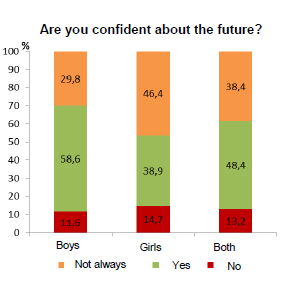
The current generation of adolescents is often portrayed as heedless, disenchanted, lazy and more reliant on things than on relationships. This study shows, however, that nearly half of adolescents (48.4%) are confident about the future (especially boys, 58.6%, compared with 38.9% of girls).
areyouconfident
A large majority feel good about their relationships with their parents, and believe that their parents see them in a positive light. Furthermore, most of them judge that adults generally worry too much about adolescents (72.8%).

88% of these young people (90.3% of girls versus 85.5% of boys) believe that their intrinsic value does not depend on the number of things they own. They value themselves in relation to the image they convey to others, their academic results, and their creativity.

With respect to boundaries, today’s adolescents are far from stereotypical: although more than half of them think that adults set too many boundaries, even more recognise that they need them (74.9%). However, over three-quarters of them believe that too many boundaries, on the other hand, encourage risk-taking (77%).

Risk taking is, moreover, generally described as an essential part of adolescence. For over a third of these young people (34.1%), to live a good life, “you have to take risks without counting the cost”. These data reflect the well-known ambivalence of adolescents.

New forms of unhappiness

Adolescents are aware that the period they are going through is not an easy one: they often question themselves (49.3%), especially girls (61.7% vs 35.7% of boys). Half of them question themselves about the people in their entourage, girls (57.8%) more than boys (49.6%). This period of profound evolution of identity, conducive to risky behaviours, accentuates the psychopathological vulnerability of these young people.

Attempted suicide seems to be more frequent than before: 7.8% of young people have already attempted suicide once, and 3.7%, more than once. Depression affects 16.8% of girls and 7% of boys. Furthermore, 38.9% of young people have already thought that “life wasn’t worth living.” Alarming figures, especially since a very large majority of adolescents (74.5% of girls and 57.6% of boys) prefer isolation as a “way of coping” when they are not feeling good. This makes it less likely that others will become aware of their unhappiness, since friends represent only the third resource, after listening to music (mostly girls) or playing video games (mostly boys). We can also be concerned about figures for young “subdepressives” or mild depressives: 33.6% of girls and 21.6% of boys, strongly increased compared with the last available data.

Although the goal of this study was to better understand adolescents’ self-perception, this report contains many results, particularly with regard to:

-Their relationship with social networks:

88% of adolescents are on social networks. For 76.9% of them, this choice is justified by the presence of friends on the same network.

-Their use of psychoactive substances:

Generally, girls use mainly tobacco (9.2% of them claim to be “hooked,” compared with 7.8% of boys), while boys use mainly alcohol, with worrying figures for binge drinking in the month prior to the survey (37.6%). 7.1% of young people are regular users of cannabis.

-Their sexuality:

10.7% of boys versus 4.2% of girls state that they had sexual relations before the age of 13 years, which remains a worrying figure.

-Their education:

The vast majority find school tiring, stressful and irritating, or even painful. Only a third of young people find it enjoyable, although they believe it to be essential.

-Their recreational activities:

Sport, music, friends, the Internet and computer games (especially boys) are the most popular pastimes among adolescents.

Air quality in nursing homes affecting lung health of residents

The indoor air quality in nursing homes has a serious effect on the lung health of elderly residents, according to the findings of a new study. The study, which is published online today (12 March 2015) in the European Respiratory Journal, is the first to detail the negative effects of poor air quality in nursing homes across several countries.

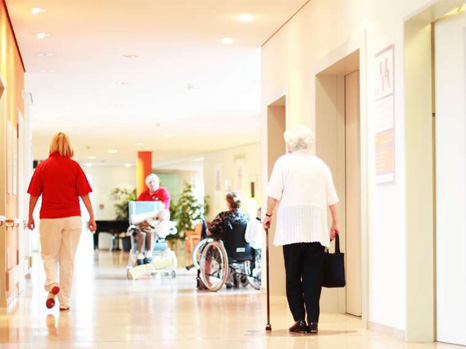
vieillesse

©Fotolia

Researchers from the EU-funded GERIE research project collected data on five indoor air pollutants: PM10, PM0.1, formaldehyde, NO2 and O3. These pollutants come from a range of sources including heaters, building materials, furniture, cleaning products, disinfectants and cooling systems. They objectively assessed levels of the pollutants in 50 different nursing homes in seven countries (Belgium, Denmark, France, Greece, Italy, Poland and Sweden).

A total of 600 residents aged over 65 years (82 years in mean) were used in the study. Each participant underwent a number of clinical tests including lung function testing and a health questionnaire.

The results showed that exposure to high levels of PM10 and NO2 was significantly associated with breathlessness and cough. High levels of PM0.1 were associated with wheeze during the last year and high concentrations of formaldehyde were linked with chronic obstructive pulmonary disease (COPD). The associations were even seen with moderate concentrations of indoor air pollutants that did not exceed the existing international guidelines. The findings were also enhanced in homes with poor ventilation and in residents over the age of 80.

With life expectancy increasing, more people are living in nursing homes. As a person ages their body becomes more susceptible to the risks of air pollution and they are also exposed to higher levels of indoor air pollution due to their reduced activity.

Dr Isabella Annesi-Maesano, lead author of the study, commented: “Our findings have shown an independent effect of several indoor air pollutants on the lung health of the elderly living in nursing homes. This is a worrying problem since the body’s ability to cope with harmful air pollutants decreases as we age. Nursing homes should do more to prevent indoor air pollution by limiting its sources and by improving ventilation in their buildings. The respiratory health of residents should also be checked on a regular basis.

Dan Smyth, Chair of the European Lung Foundation, said: “The majority of lung diseases are preventable therefore we must focus on strategies that target the risk factors linked to these diseases. These findings add to a body of evidence confirming that indoor air pollution is one of these risk factors. We must raise awareness of this, through campaigns such as Healthy Lungs for Life, to ensure that the public, patients, healthcare professionals and policymakers understand the importance of breathing clean air to help prevent disease.

The authors believe that further investigations are now needed to assess more nursing homes in different countries and to conduct intervention studies to assess which prevention methods are most successful.

Preliminary results of the JIKI clinical trial to test the efficacy of favipiravir in reducing mortality in individuals infected by Ebola virus in Guinea.

Preliminary data from the JIKI clinical trial, which is testing the efficacy of favipiravir[1] in reducing mortality associated with Ebola, provide two important pieces of information:

• absence of efficacy in individuals who arrive at treatment centres with a very high level of viral replication and who already have serious visceral involvement,

• and encouraging signs of efficacy in individuals arriving at treatment centres with a high or moderate level of viral replication, who have not yet developed overly severe visceral lesions.

With this classification into two groups, we have a much better understanding of Ebola virus disease, and can redefine the role of antiviral monotherapies in the therapeutic arsenal used against the disease.

The trial, sponsored by Inserm and funded by the European Commission from the Horizon 2020 Initiative under the project title REACTION, is supported by two NGOs, Médecins Sans Frontières/Doctors Without Borders (MSF) and Alliance for International Medical Action (ALIMA); two laboratory networks, Belgian First Aid and Support Team (B-FAST) and European Mobile Laboratory (EMLab); the French Red Cross, and the French Military Health Service.

These preliminary data are being presented on Wednesday 25 February as a late-breaking abstract at the CROI international conference (Conference on Retroviruses and Opportunistic Infections) in Seattle.

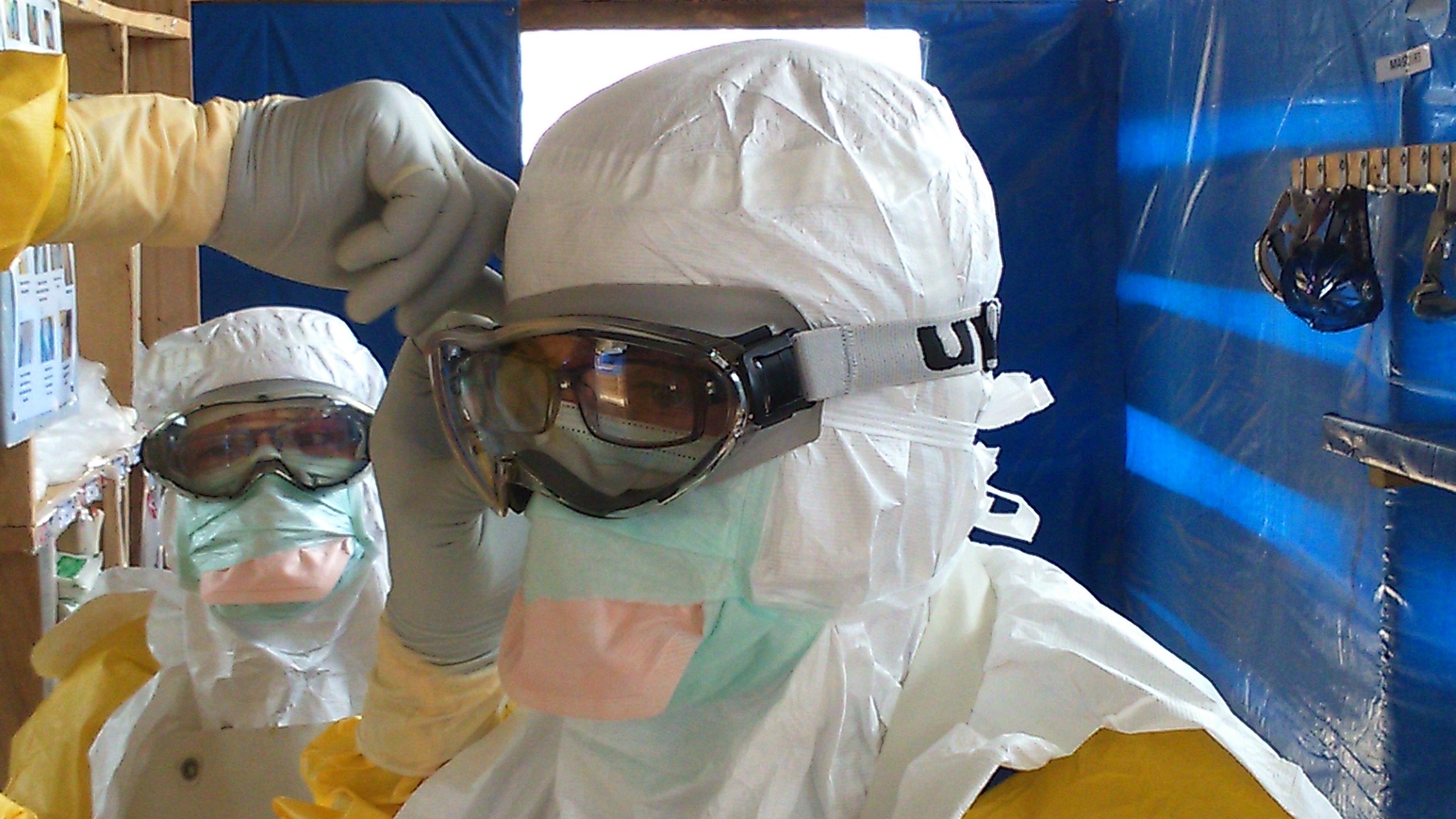
Essai clinique JIKI Inserm – Ebola treatment centre in Guékédou Guinea © X Anglaret & D Sissoko /Inserm

Given the high mortality associated with Ebola virus despite high-quality symptomatic treatment, study of specific innovative therapeutic agents is essential. Potentially useful drugs against the virus include favipiravir (T-705), an antiviral drug already tested against influenza virus in adult humans (and well tolerated). The latter (no more than other potential treatments) has never been tested in humans for treating Ebola, but its efficacy has been demonstrated in vitro and in mice.

As part of the mission given to Aviesan to organise the research as a matter of urgency, the JIKI clinical trial, a phase II multicentre noncomparative trial, began in Guinea on 17 December 2014, to test the ability of favipiravir to reduce mortality in individuals infected by Ebola virus.

Sponsored by Inserm, and jointly funded by the European Commission, the JIKI trial is being conducted in partnership with MSF, ALIMA, the French Red Cross, EMLab, B-Fast and the French Military Health Service, and is taking place in four Ebola treatment centres in Guékédou (MSF), Nzérékoré (ALIMA), Macenta (French Red Cross) and Conakry (carers’ treatment centre).

In these centres, adults and children over one year of age with a positive Ebola PCR test who agree to take part (parental consent in the case of minors) receive treatment with favipiravir for 10 days along with basic care. Favipiravir is provided by FUJIFILM Corporation/Toyama Chemical Co., Ltd. Favipiravir comes in the form of 200 mg tablets (the tablets can be dissolved in a drink) and is administered according to the following dose regimen :

– Adults: Day 0: 2,400 mg at H0, 2,400 mg at H8 and 1,200 mg at H16, then 1,200 mg twice a day for 9 days;

– Children: doses adjusted to body weight.

The JIKI trial is being followed by an independent monitoring committee, which met on 11 December 2014, and on 5 January, 14 January and 26 January 2015. At this last meeting, the committee authorised the investigators to publish the interim data, which they judged to contain messages that should be quickly shared with the international community. These messages, obtained from the first 80 participants (69 adolescents or adults, and 11 children) are as follows:

– 42% of participants arrived at the treatment centres with a strongly positive PCR test (cycle threshold value, CT, < 20), reflecting a very high viral load . Of these patients, 81% had refractory renal failure and 93% died. In the three months preceding the trial, mortality among individuals presenting with the same features was 85%. Comparison of the trial and pretrial data shows that it is highly unlikely that favipiravir monotherapy will ultimately be proven to reduce mortality in this population with advanced disease.

– 58% of participants arrived in the treatment centres with a cycle threshold (CT) ≥ 20, reflecting a high or moderate viral load. Of these patients, 42% had renal failure, but only 15% died. In the three months preceding the trial, mortality among individuals presenting with a CT ≥ 20 was 30%. Comparison of the trial and pretrial data therefore leads us to hope that favipiravir monotherapy may reduce mortality in this population with less advanced disease.

For the researchers, these preliminary data encourage us:

– to continue the trial while trying to provide favipiravir treatment as soon as possible after the symptoms appear, so as to treat patients in whom viral multiplication can be controlled, and who have not yet developed visceral lesions (especially renal lesions);

– to explore other therapeutic options for patients who come to the treatment centres when their disease is too far advanced.

Yves Levy, the chairman and CEO of Inserm said: “The results of this non-comparative trial have to be confirmed using a larger number of patients. However, they open up other therapeutic opportunities in drug combinations, in particular for the treatment of patients suffering from more advanced stages of this disease. They also clearly show that research plays an essential role in tackling such epidemics. I would also like to stress that without the excellent Guinean-French cooperation, the pioneering role of the Médecins Sans Frontières (MSF) in this research, the fruitful partnerships with all NGOs involved, and the European Commission’s responsiveness, this progress could not have been accomplished.”

European Commissioner for Research, Science and Innovation Carlos Moedas said: “I am excited about the encouraging results of one of our EU-funded projects to tackle Ebola. We have preliminary evidence that the antiviral drug ‘favipiravir’ may be effective against early Ebola disease. If these results are confirmed by the ongoing clinical trial, it will be the first-ever treatment to be deployed against this deadly disease during the current outbreak. These results show the success of the European Commission’s quick reaction to the Ebola outbreak to support urgent research on several potential treatments and vaccines against Ebola with funding from our Horizon 2020 research programme. This is an astounding example of what the best brains can achieve with EU support when there is so much at stake. It shows how EU funding can lead to discoveries that save people’s lives and which are the result of rapid EU, international and industry cooperation.”

According to Agustin Augier, Secretary-General of Alima, “Those positive results will reinforce the confidence between affected populations and the treatment center. This therapeutic solution, even if partial, will significatively attract ebola patients to the treatment center. It is a significative step towards tackling the outbreak in the villages where it still goes on.”

“MSF is pleased to see that favipiravir seems to have a positive effect for certain patients suffering from EVD. But it also seems that the most vulnerable patients, the people that are most likely to die from the disease, don’t benefit at all from favipiravir. That fact, and the fact that these are only preliminary results, show that it is really too soon to start using favipiravir outside a trial environment. Research into favipiravir, and into other potential treatments for EVD, must be continued, and MSF is willing to play a role in these clinical trials,” says Dr. Bertrand Draguez, medical director of MSF.

[1] “Favipiravir is provided by FUJIFILM Corporation/Toyama Chemical Co., Ltd.”

This project has received funding from the European Union’s Horizon 2020 research and innovation programme

 

Foetal growth restriction (FGR): assessment and impact of screening

An observational study carried out in France by Jennifer Zeitlin and her team (Inserm Unit 1153, Obstetrical, Perinatal, and Pediatric Epidemiology Research Team, EPOPé), on over 14,000 women, shows that only 21% of infants with foetal growth restriction (FGR) had been suspected of having FGR during pregnancy, despite national recommendations that invite women to have an ultrasound scan during the third trimester of pregnancy. The study shows that nearly half of the infants with suspected FGR were of normal weight at birth (false positives). Moreover, suspected FGR during pregnancy was associated with an increased risk of planned pre-labour caesarean delivery or induced labour, independent of the existence or otherwise of low birthweight. The results of this study, published in BJOG: An International Journal of Obstetrics and Gynaecology, emphasise the need to reflect on the reasons for the poor performance of FGR screening, and also raise questions about the potential iatrogenic effects of screening on the false positives.
bébé

© Fotolia

Foetal growth restriction (FGR) is an obstetric pathology that causes considerable perinatal morbidity and death. It appears as a change in foetal growth that can be detected during pregnancy, mainly by estimating foetal weight from ultrasound measurements. In France, the third trimester ultrasound recommended for all pregnant women serves to monitor foetal growth and identify foetuses with FGR. Antenatal detection of FGR enables monitoring of the pregnancy to be adapted to prevent risks of foetal and neonatal death, as well as risks of neurological sequelae for the infant.

Few studies to date had assessed the performance and impact of FGR screening on the general population. The aim of the researchers was to estimate the percentage of infants for whom FGR had been suspected antenatally, and to measure the effect of this suspicion on medical decision-making, by analysing a representative sample of births in France in 2010. To do this, they estimated the number of low birthweight (below the 10th percentile for gestational age) infants born and, of these, the proportion of infants who had been suspected of having FGR antenatally.

The study showed that only 21% of low birthweight infants had been suspected of having FGR during pregnancy. Furthermore, half of the infants suspected of having FGR during pregnancy were of normal birthweight (≥ 10th percentile). Antenatal suspicion of FGR was associated with an increased probability of having a planned pre-labour caesarean delivery or an induced labour, independent of the existence or otherwise of low birthweight. Similar results were obtained for the subgroup of women who showed no complications during pregnancy.

For Jennifer Zeitlin and her team:

“The results of this study emphasise the need for a reflection on the reasons for the poor performance of FGR screening in France. They also raise questions about risks from carrying out unnecessary medical interventions, where suspected FGR during pregnancy has not been confirmed at birth.”

Tous Chercheurs: Experiencing science in order to better understand their disease

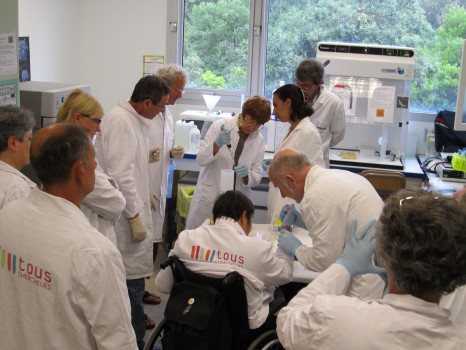
Since 2004, the ‘Tous Chercheurs’ association, presided over by neurobiologist Constance Hammond (Director of Research of Inserm Unit 901 “Mediterranean Institute of Neurobiology (INMED)”), is offering a novel experience to members of patient groups.

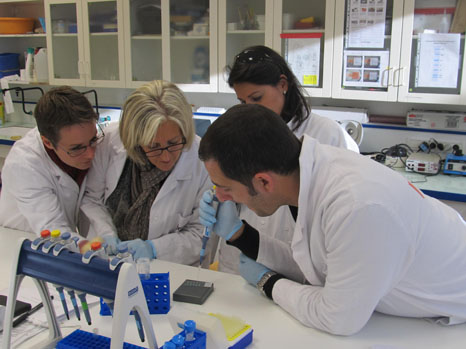
This organisation arranges an average of seven practical training courses in biology per year, each one lasting three days, for people affected by chronic diseases (rare genetic diseases, autoimmune diseases, inflammatory diseases, familial cancers, …).  The details of this programme have just been published in the journal PloS Biology dated 10 February.

IMG_2274

© Tous Chercheurs/M. Mathieu


These courses enable participants to learn, through practice, the fundamentals of biology necessary to understand their disease; to understand certain known (or supposed) mechanisms at the cause of the disease; and to gain awareness of the specifics and constraints of the research.

The groups are composed of 8 to 12 people, members of the same patient group or of groups affected by similar conditions.

Each session takes place at the Tous Chercheurs laboratory, based at the Mediterranean Institute of Neurobiology (INMED, Inserm), on the Luminy Science Campus (University of the Mediterranean).

Each session runs over three periods:

  • The first morning consists of an initial observation period, followed by questioning, which leads to the formulation of a theory of work. This first morning puts the trainee “in the shoes of a researcher” and into an active apprenticeship;
  • From the afternoon of the first day to the end of the third morning trainees carry out practical experiments linked to their disease;
  • The afternoon of the last day is dedicated to a meeting with a doctor or researcher working on their disease to discuss the latest advances in terms of research or treatment of the disease.

In 10 years, Tous Chercheurs has devised and presented 64 training sessions and as such has trained around 600 members of patient groups.

The prospect for the coming years is to extend this training to other Inserm laboratories. For now, Tous Chercheurs is coordinating training within the French Federation of DNA Schools including four other patient training centres (Angers, Evry-Généthon, Nîmes, Poitiers).

Among the associations welcomed (and associated diseases), we should note AFM (French Muscular Dystrophy Association – neuromuscular diseases), VLM (Cystic Fibrosis), APTEPF (familial polyposis), AFSR (Rett syndrome), AFAF (Friedreich ataxia), ASL (hereditary spastic paraplegia), Wegener (GPA) and other vasculitis updates, AFA (Crohn’s disease and ulcerative colitis), ANDAR (rheumatoid arthritis), AFPCA (relapsing polychondritis), AFDIAG (coeliac disease).

Some of the feedback from trainees who have participated in sessions:

“These three intense, interesting and engaging days have left us “truly wrecked”!  We have gone home very contented and only ask for one thing: to go back, revise, go into depth and still with the same aim: understand better to fight back more!  Thank you for what you do, thanks for the autoimmune patient groups and thanks for the patients.

Gilbert – French Association for Relapsing Polychondritis

“A very high level course which aimed at bringing it within reach of everyone and from which the full facts of knowledge, hope and desire to live can be retrieved in order to await achievements in research. “

Michel – Waldenstrom Association France

This was made possible thanks to the support of our funding partners, specifically: AFM-Téléthon, Courtin Arthritis Foundation , the PACA (Provence – Alpes – Côte d’Azur) Region , MENESR (French Ministry of National and Higher Education and Research, the town of Marseille, Inserm and Aix-Marseille University.

Choc Santé (Health Shock): Inserm is releasing a collection of books for the general public.

In partnership with Muscadier publishing house, Inserm (French National Health and Medical Research Institute) is creating a series of books to inform the public about health matters. These books shall provide an overview of the Institutes’s latest research results in 128 pages. They are intended for both patients and their families who act as caregivers.

The Collection

Everybody wants to be healthy. Diet, physical activity and general lifestyle have become important concerns for most of us. In terms of treatment and prevention, scientific advances in recent decades have opened up unprecedented opportunities. However, we do not always know where to find the most relevant information. As such, we often hear or read everything and anything regarding this specific area.

Who should we believe? How do we find out?

The Choc Santé collection aims give a much wider audience access to knowledge gathered by Inserm, who has carried out public research in the health sector for over 50 years. As well as the latest medical advances, the reader will find practical advice that will enable them to improve their health and the health of those close to them.

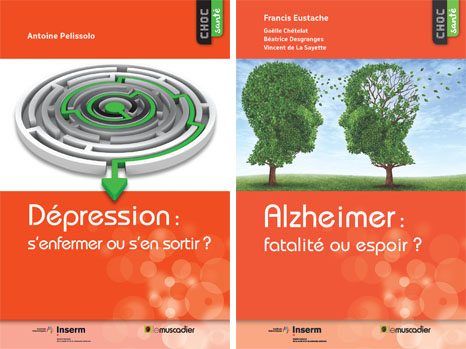
The first two Choc titles: Alzheimer’s Disease and Depression

Medical research is making great strides and substantial progress in many fields, which often gives cause for hope. An overview of the latest information concerning Alzheimer’s disease and depression, both works will allow everyone to better understand the disease and improve the lives of patients and relatives.PhotoCP web

Alzheimer : fatalité ou espoir ? (Alzheimer’s Disease: Inevitable or Hopeful?)

The Book

Almost everyone knows somebody who has been affected by Alzheimer’s disease. Yet, most of us know little about this condition, which often has a dramatic impact on both the patient and those around them. What are the causes? What are the symptoms? How to detect and monitor it? When is diagnosis possible and desirable? What treatments are available? How does it progress? Is it inevitable or can we influence its onset and progression in some way?

Authors

Francis Eustache is the Director of Studies at the École pratique des hautes études (EPHE) and Director of Inserm Research Unit 1077, “Cognitive Neuropsychology and Functional Neuroanatomy of Human Memory” (Inserm-EPHE-University of Caen Lower Normandy) He is one of the foremost international specialists on memory-related issues. Gaëlle Chételat, Béatrice Desgranges and Vincent de La Sayette are also members of Research Unit 1077.

Dépression : s’enfermer ou s’en sortir ? (Depression: Shackled or Surmountable?)

The Book

“To have depression”, “to be depressed”, etc., everyone has used these terms to describe a malaise or a passing mood. However, depression is a real illness that affects millions of people in France. This condition raises many questions as it affects different people in different ways. What are the symptoms? What are the causes? Can it be treated? Are current treatments effective? Are they dangerous? What support can we give to a person with depression?

Author

Antoine Pelissolo is a psychiatrist and Department Head at CHU Henri Mondor Créteil, Professor of Medicine at Paris-East University, and President of the French Association of Anxiety Disorders and Depression (AFTAD). He conducts clinical and therapeutic research on these diseases in the Inserm unit at the Mondor Institute of Biomedical Research and in the FondaMental foundation.

Survival of very premature infants is improving in France: First results of the EPIPAGE 2 study

Since 2011, nearly 7,000 premature infants have been enrolled in the EPIPAGE 2 study. This study is aimed at assessing the survival of infants born between 22 and 34 weeks’ gestation, and their subsequent outcomes. Compared with data from the EPIPAGE 1 cohort in 1997, the proportion of infants born in 2011 from the 25th week of gestation, who survived without severe neonatal disease, showed a definite increase. However, survival is still rare for infants born before 25 weeks. These results make it possible to establish the prognosis for very premature and extremely premature infants, and review the changes that have occurred in the last 15 years. They provide useful information to medical teams caring for infants and supporting families.

This study, carried out by researchers from the Inserm EPOPé team—“Obstetrical, Perinatal, and Pediatric Epidemiology Team,” at the Epidemiology and Biostatistics Sorbonne Paris Cité Research Centre (CRESS, Inserm/Paris Descartes University Unit 1153)—is published in the journal JAMA Pediatrics.

bébé

©Fotolia

The EPIPAGE 2 study (Epidemiological Study on Low Gestational Age) is a French national study aimed at improving knowledge on the outcomes of premature infants in light of the changes that have occurred in the last 15 years. It is being conducted in 25 regions of France. From 28 March 2011 through 31 December 2011, nearly 7,000 premature infants (stillborn and live births) were enrolled in EPIPAGE 2. Information was collected from maternity and neonatal units by medical and research teams from the 25 participating regions.

The average length of a normal pregnancy is 40 weeks. An infant born before 37 weeks’ gestation (before the beginning of the 9th month of pregnancy) is considered premature, and very premature if born between 22 weeks (5 months) and 31-32 weeks (7 months).

In this study, three groups of premature infants were constituted:

– extremely premature infants (born before the end of the 6th month of pregnancy, at 22 through 26 completed weeks’ gestation)

– very premature infants (born before the end of the 7th month of pregnancy, at 27 through 31 completed weeks’ gestation)

– moderately premature infants (born at the beginning of the 8th month of pregnancy, at 32 through 34 completed weeks’ gestation)

The EPIPAGE 2 results showed that 0.44% of births took place before 27 weeks in France, 0.84% between 27 and 31 weeks, and 1.8% at 32-34 weeks.

On analysis, the 2011 data show that the more premature the infant, the lower the survival rate. Thus survival is 99% at 32-34 weeks, 94% at 27-31 weeks, 60% at 25 weeks, and less than 1% before 24 weeks.

Since premature infants are at high risk of neonatal complications, particularly affecting the brain and respiratory and digestive systems, survival rates without serious neonatal disease are lower. These are 97% at 32-24 weeks, 31% at 27-31 weeks, 30% at 25 weeks, and 12% at 24 weeks.Epipage_tableau_UK

It is from the 25th week that the researchers observe a significant improvement in the survival of premature infants in the last 15 years.

“We see a substantial increase in survival rate for infants from the EPIPAGE 2 cohort born in 2011. Compared with 1997 (the first EPIPAGE study), the proportion of infants surviving without severe morbidity has increased by 14% for infants born between the 25th and 29th weeks and by 6% for infants born between 30 and 31 weeks’ gestation,” explains Pierre-Yves Ancel, leader of the Inserm Obstetrical, Perinatal, and Pediatric Epidemiology Team behind the study. These data therefore suggest that the care of premature infants has improved in 15 years.

Results in the most immature infants, however, show little progress. They reflect great uncertainty regarding the outcome for these infants and the care that should be proposed. The results from EPIPAGE 2 could be an opportunity to reflect on the care of the smallest infants. This reappraisal should take “morbidity” and long-term sequelae into account.

“Data collected in the EPIPAGE 2 study are invaluable in defining specific care needs during childhood, and better understanding the consequences of prematurity” the researchers conclude.

Further information

Inserm EPIPAGE 2 study website: https://epipage2.inserm.fr/index.php/en/

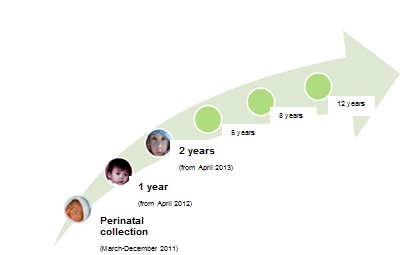
At this time, over 4,000 children are being monitored in the study. Families have completed questionnaires at 1 and 2 years. At 2 years of age, information was also collected from the physician responsible for the medical follow-up of each child.

The next important step is follow-up at 5 years of age. This step is aimed at conducting a full review of the health and development of the children in dedicated centres.


Epipage_UK

© Inserm / Pierre Yves Ancel

Blood group O associated with a lower risk of developing type 2 diabetes

Is there a relationship between blood group and the risk of developing type 2 diabetes? This is the question studied by Guy Fagherazzi and his collaborators from Joint Research Unit 1018, “Centre for Research in Epidemiology and Population Health” (Inserm/University Paris-Sud) at Gustave Roussy Institute. The analysis, carried out on 82,104 women from the E3N cohort who were monitored for 18 years, suggests for the first time that the risk of type 2 diabetes may be lower for individuals with blood group O than for those with blood groups A, B or AB.

These results are published in the journal Diabetologia.

Groupe sanguin 

©fotolia

Diabetes affects more than 382 million people worldwide, 90% of whom have type 2 diabetes. Approximately 4.6% of the French population is affected by this disease, and the figure continues to grow. Known risk factors are obesity, lack of physical inactivity, excessive caloric intake, smoking, hypertension and hypercholesterolaemia. The researchers believe that it is now crucial to identify new factors that will make it possible to understand this disease and thereby slow its development.

In this study, 82,104 French women from the E3N cohort were monitored for 18 years, between 1990 and 2008.

“We show, for the first time in such a large population, that women with blood group O—approximately 43% of French people presently have this group—have a lower risk of developing type 2 diabetes,” explains Guy Fagherazzi, an epidemiologist at Inserm.

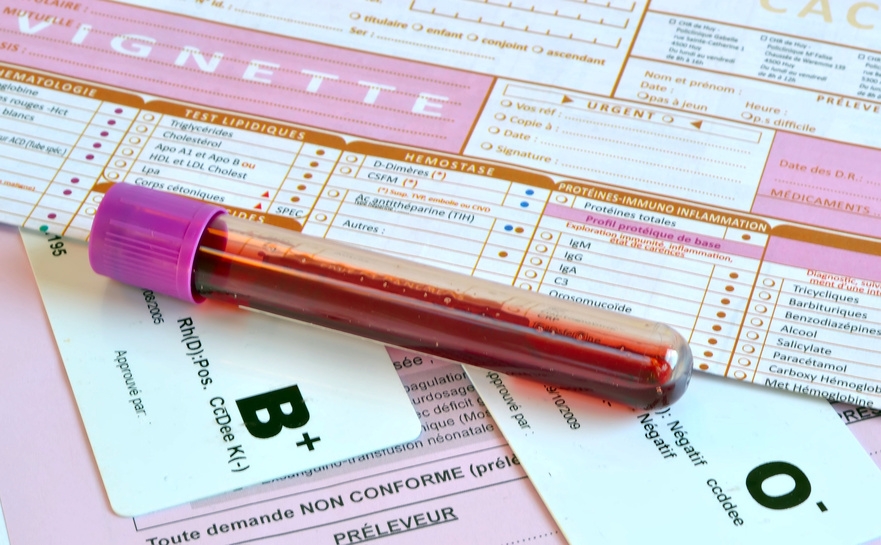
More specifically, women with other blood groups had an increased risk of developing diabetes, going from 10% for group A, to 17% for group AB, and 21% for group B, compared with group O.

When the individual’s Rhesus factor was taken into account, the researchers noted that women with blood group O- (only 6% of the French population) had a lower risk of diabetes than the others.

How can these results be explained?

At present there are few biological mechanisms that make it possible to link blood group to the risk of type 2 diabetes, but some hypotheses already identified might partly explain the observed association:

  • It would seem that some endothelial markers and inflammatory markers are present in greater quantity in people who are not blood group O. And these markers are associated with an increased risk of type 2 diabetes.
  • ABO blood group has also been identified as being one of the genetically determined factors modulating the composition of the intestinal microbiota, which in turn plays a role in glucose metabolism, energy balance and chronic inflammation.

“Despite the robustness of our data, it is necessary to replicate this study in other large populations, especially populations with other genetic backgrounds, and in men, even though the mechanisms proposed are not sex-dependent,” says Guy Fagherazzi, first author of the study.

If these observations are confirmed, it might be relevant to collect blood group information in routine practice, in future studies regarding type 2 diabetes, and when monitoring people at risk. The researchers will need to determine why individuals with blood group O are at lower risk of developing type 2 diabetes.

THE E3N (www.e3n.fr) AND E4N (www.e4n.fr) studies

The E3N study, or Epidemiological Study (Etude) of women in MGEN (Mutuelle Générale de l’Education Nationale, a health insurance plan covering mostly teachers), headed by Françoise Clavel-Chapelon, Inserm Research Director, is a prospective cohort study of approximately 100,000 French women volunteers born between 1925 and 1950, and monitored since 1990.

Since 1990, women have completed and returned a self-administered questionnaire every 2-3 years. They are asked both about their lifestyle (diet, use of hormone treatments, etc.) and about changes in their state of health.

Data on risk factors have been the subject of several validation studies. The rate of “loss to follow-up” is very low, because MGEN offers the possibility of following up nonrespondents. However, it is mainly thanks to the loyalty and reliability of the participants and the collaboration of treating physicians that the E3N study can provide all these results.

The E3N study is supported by four founding partners: Inserm, the French National Cancer League, Gustave Roussy Institute and MGEN.

The E4N study has just been launched, and is aimed at extending the E3N study by monitoring family members of E3N women. Ultimately, E4N will include three generations: E3N women and the fathers of their children constitute the first generation; their children, the second; and their grandchildren will form the third generation. Monitoring the three generations will make it possible to collect information on behavioural and environmental factors at different periods of life. The main objective of the E4N study is to study health in relation to environment and modern lifestyle in subjects from the same family with a shared genetic background and environment.


Physical activity and prevention of falls in older people – A collective expert review by Inserm

With advancing age, every individual can be affected by sensory, motor, and cognitive defects, as well as by chronic illnesses. Past the age of 85 years, over three out of four French people state that their activities are limited. Falls, which are frequent events for older people, are part of the risk of losing autonomy and being admitted to an institution, and prove very costly in terms of quality of life and care. In an ageing population, prevention of falls and maintaining independence in daily activities are therefore major challenges for public health.

Inserm was asked by the French Ministry of Community, Youth Affairs and Sports to prepare a collective expert report that would provide a review of the scientific knowledge regarding the contribution of physical activity to the prevention of falls in older people.PhotoCP web© Fotolia

The authors of the collective expert report thus emphasise the beneficial effect of regular physical activity, centred on balance training, for all older subjects at varying risk of falling. To be tailored to the state of health and lifestyle of older people, physical exercise programmes should be better supervised and involve closer cooperation between players from the medical, non-profit and sports sectors.

Extracts:

Accidental falls in older people: current situation and consequences

The elderly population is a very heterogeneous group from a medical and functional point of view. From the age of 65 years, 15-20% of people living at home would be fragile. Moreover, fragility is associated with an increased risk of mortality and insults such as falls.

In France, according to the permanent survey on everyday accidents, falls represented 90% of everyday accidents recorded among the over 75s by the emergency services in 2009. 20-33% of people aged 65 years or older report having fallen in the previous year. Of those who had fallen, half would have fallen at least twice that year. Moreover, falls are the main cause of physical trauma among the over 70s.

Physical exercise contributes to reducing the frequency and risk of falling

The most effective exercise programmes are those centred on balance training. Generally, those that include balance exercises lead to a significant reduction in risk of falling in the order of 25%. Nonetheless, muscle strength training and endurance improvement contribute to the maintenance of functional abilities, and have effects that complement balance training in preventing falls. For older people living at home, programmes based on several types of physical activity exercises are effective in both reducing the rate of falls, the risk of falling, and the risk of fractures.

Physical activity: a solution for maintaining autonomy in older people

Older people who devote time to a physical activity have a better perception of their general health, vitality, and mental and physical condition.

RECOMMENDATIONS

Recommended actions by the authors of this collective expert report include three main objectives:

– Develop physical exercise programmes suited to the state of health of the older subject;
– Encourage the implementation of physical activity programmes;
– Educate people about falls, and identify and care for older people at risk.

The authors of the present expert report have also formulated several recommendations for research:

– Carry out studies making it possible to specify optimum programmes in terms of efficacy and acceptability, especially for the oldest, least mobile and most fragile people;
– Perform cost-effectiveness analyses of prevention programmes; analyse the incidence and consequences of falls in France;
– Elucidate the basic mechanisms underlying risk factors for falls; 
– Assess the psychological and behavioural aspects of risk of falling associated with the fear of falling;
– Better define the facilitators and impediments to participation in physical activity by older people.

Launch of GrippeNet.fr 2014-2015 season

Public participation in online influenza surveillance


Launched 3 years ago by the Sentinelles Network (Inserm–Pierre and Marie Curie University Joint Research Unit 1136) and the French Institute for Public Health Surveillance (InVS), the GrippeNet.fr website returns for a fourth consecutive year.

GrippeNet.fr complements the traditional surveillance systems for influenza, which are fed information collected in private physician practices and hospitals. These data enable research initiatives (at European as well as national level) aimed at gaining a better understanding of influenza (research on risk factors, the role of age, demand for health care, impact of vaccination, spread of the disease at European level, etc.), and help to monitor changes in the epidemic over time within the population.

The principle of the GrippeNet.fr website is to enable anyone living in metropolitan France, and who wishes to participate in influenza surveillance, whether ill or not, to do so anonymously and voluntarily, regardless of age, nationality or state of health.

GrippeNet version EN

Review of the last season

During the 2013-2014 season, GrippeNet.fr enabled the collection of a large amount of data regarding influenza, over a 5-month period (from 13 November 2013 to 13 April 2014). Although the number of participants remained stable, with 6,000 Internet users, weekly participation increased, with an average of 4,000 questionnaires completed each week (compared with 3,700 during the 2012-2013 season). This season showed an increased retention of participants in the GrippeNet.fr study.

During the 2013-2014 season, 24% of participants reported symptoms consistent with an influenza-like illness (compared with 29% during the 2012-2013 season), which may reflect the short duration of the influenza epidemic. The latter only lasted 5 weeks, and is one of the shortest epidemics recorded by the Sentinelles network. Only 42% of participants with an influenza-like illness consulted a health professional. (More information available at review of 2013-2014 season).

The new season, 2014-2015

Spotlight on pregnant women, a population at risk of developing influenza-related complications

Influenza can have serious consequences for the mother and her infant during pregnancy. Since 2012, influenza vaccination has therefore been recommended in France for all pregnant women. In practice, however, it is difficult to assess whether this recommendation is being closely followed.

As well as the usual monitoring of the general population, specific surveillance of pregnant women has been put in place this year. Project G-GrippeNet is aimed at estimating the frequency of influenza in this particular population, and the number of women vaccinated for influenza during their pregnancy in France. This study is the very first use of the GrippeNet.fr tool to monitor one population in particular.

Once she has created her personal account on www.grippenet.fr, the mother-to-be will complete the first enrolment questionnaire, in which she will reply “yes” to the question “Are you pregnant?” Every week, she will then be invited to complete a questionnaire on symptoms (identical to that on GrippeNet.fr). Another will also be made available to her if she wishes to report the occurrence of a particular event during her pregnancy, or report that she has had her baby. Participants will also receive a monthly newsletter dealing with a pregnancy-related health topic.

In order for GrippeNet.fr estimates to be as reliable as possible, large-scale participation by the population is essential. This makes it possible to study changes in the influenza epidemic over time for different population categories, especially men and young participants, who have been under-represented in past seasons, and now pregnant women. Everyone is invited to participate, regardless of his/her state of health (not susceptible to winter infections, or often sick in winter), age, profession, etc.


Recap of the GrippeNet.fr project

This surveillance system was launched at the end of January 2012 by the Sentinelles network (an Inserm–Pierre and Marie Curie University joint research unit) and the French Institute for Public Health Surveillance (InVS).

The GrippeNet.fr system enables the collection of epidemiological data on influenza directly from members of the public in metropolitan France using the Internet. Data compiled by GrippeNet.fr are not intended to replace information validated by health professionals, but provide complementary information, especially on patients who do not consult health facilities.

Participation in GrippeNet.fr, takes only a few minutes. When registering on the website, only an email address is required. After completing a questionnaire, the participant is invited each week to complete a short questionnaire summarising the symptoms s/he has or has not experienced since last logging in (fever, cough, etc.). These anonymous data are immediately analysed, and contribute in real time to influenza surveillance in France. Participation in this programme is not, of course, a substitute for a visit to one’s GP.

GrippeNet.fr is a project funded by the French National Research Agency (ANR) under the HARMS-flu project (Harmonising Multiple Scales for Approaches to the Modelling of Influenza Spread in France). GrippeNet.fr is part of a European population-based approach for the surveillance of influenza-like illness, Influenzanet. For this new season, 8 other European countries have systems comparable to GrippeNet.fr, and over 40,000 Europeans participated in this surveillance during the 2013-2014 season.


fermer