Menu

The French are overweight – confirmed by the Constances cohort

100000 constances

Nearly one in two French people over 30 years of age are overweight. This is what the first results from the Constances cohort has revealed. Now supported by Inserm and the French national social security organisation for salaries workers (Cnamts), Constances collates health data on more than 110,000 French people. With ultimately 200,000 people monitored, Constances will provide varied indicators of health in the population, such as the influence of various factors on the occurrence of disease or the impact of preventive measures.

These results are published in the Bulletin Epidémiologique Hebdomadaire (BEH ) from Santé Publique France.


The Constances cohort is a unique research project in France, launched in 2012 following a pilot phase in 2009. Constances now collates health data from more than 110,000 volunteers aged 18 to 69. The volunteers, members of the French general social security system, were selected at random. Every 5 years, they are invited to undergo a health examination in one of 22 health examination centres run by the social security system spread over 20 regions, completing a questionnaire every year. Involving the health examination centres in implementing the Constances cohort is consistent with their historical role among people falling outside the French healthcare system.

“Data from the cohort are used to analyse the state of health of the French population and to give a better understanding of what happen throughout life. After several years spent recruiting, we have been able to analyse the data and provide the first estimates, particularly about the prevalence of excess weight and obesity” explains Marie Zins, Inserm coordinator of the Constances cohort.

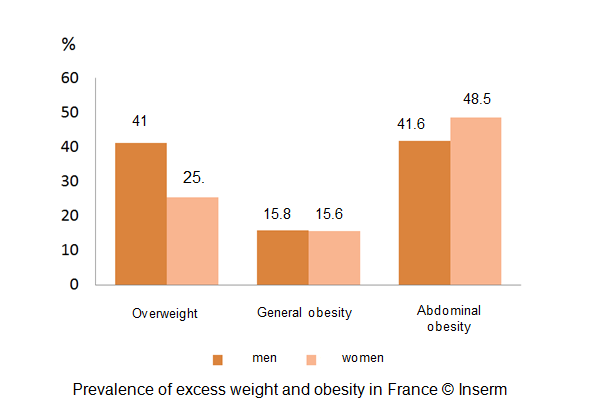
Regarding the prevalence of excess weight and obesity, data have been studied from nearly 29,000 participants aged 30 to 69 years old in 2013. Nearly one in two French people could be overweight and general obesity, defined as a BMI > 30 kg/m2, could be close to 16%, although abdominal obesity, defined as a waist measuring ≥ 94 cm for men and ≥ 80 cm for women, proves to be much more common (between 41.6% and 48.5%).

Graphique EN

These data confirm the trends observed in the ObÉpi survey (2012) that collects data every three years on the prevalence of excess weight and obesity. In this survey, participants are asked by telephone about their waist measurement and their weight. In Constances, unlike the ObÉpi survey, the protocol for measuring BMI and waist is standardised in the health examination centres, where healthcare professionals take the measurements.

Details about age and income are also included in study and data to identify places/regions, among the areas analysed, where obesity is most prevalent. These are the Nord, where the prevalence of obesity reaches 25.6%, and Meurthe and Moselle (22.9%). Paris is least affected by obesity, with prevalence of 10.7%.

Carte Obésité-Nom villes

Prevalence of general obesity in France © BEH no.35-36, 2016, Santé Publique France

Towards 200,000 volunteers

The French national adult cohort is funded by the ‘Investing in the Future’ Programme. Initially set up by Inserm, Cnamts and the University of Versailles-Saint-Quentin-en-Yvelines, the size and operation of the Constances cohort match other large cohorts being set up in Europe. European collaborations already enable very large scale research and unprecedented international comparisons.

The aim is to include 200,000 volunteers.

Are you a volunteer? Do you want to take part?

Details and conditions can be obtained by writing to rf.secnatsnoc@tcatnoc and on the website www.constances.fr

Combating Ebola: Encouraging Results for the PREVAIL Clinical Trial

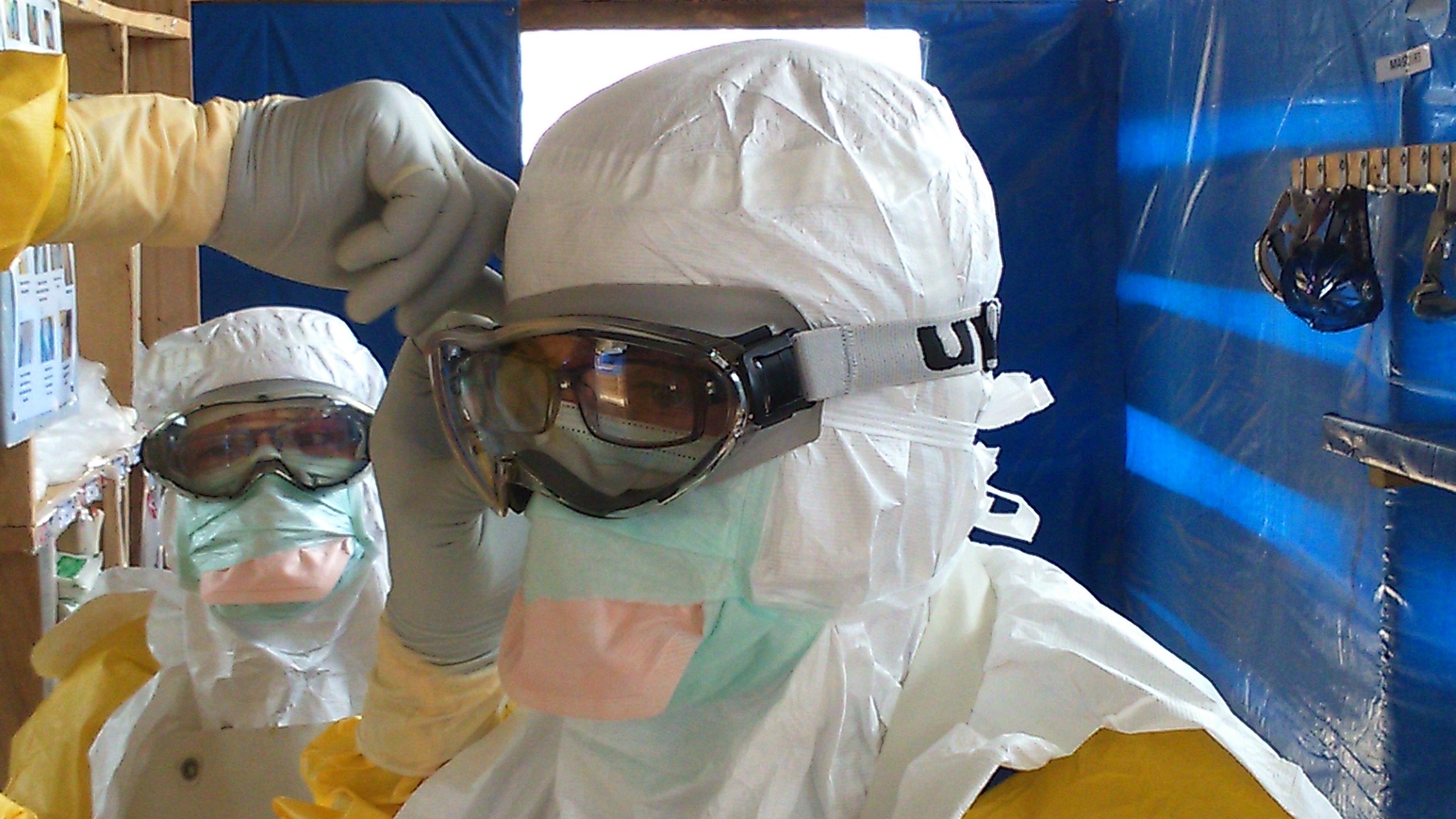
DSC_0094

(c) Inserm/Anglaret, Xavier/Sissoko, Dadoua

An international research team involving Inserm and the National Institutes of Health (NIH) has just published the results of the PREVAIL study on treatment for the Ebola virus. While not definitive, the results show that ZMapp may benefit patients with the Ebola virus disease.

These results are published in The New England Journal of Medicine.


In this trial conducted in the context of the Ebola epidemic in West Africa, the effectiveness of the experimental drug ZMapp[1] was compared with the best supportive[2] care given at treatment sites. Used in combination with current care, ZMapp was well-tolerated and is leading to a higher survival rate than supportive care alone. However, the decreasing epidemic trend in West Africa at the time of the trial prevented the enrolment of a sufficient number of participants to prove this point definitively.

ZMapp is a combination of three antibodies that target a protein on the surface of the Ebola virus. By binding to the virus in an infected individual, they block its ability to infect human cells. It is believed that this blockade provided by the drug and administered as early as possible reduces the growth of the infectious agent and allows the patient’s immune system to mount an effective response in sufficient time.

The study opened in March 2015. All patients (except the first patient) were enrolled in West Africa where the epidemic is ongoing: 5 in Liberia, 12 in Guinea, and 54 in Sierra Leone. Patients of all ages with Ebola infections were eligible. The average age of the participants was 24 years, and slightly more than half were women. Although the team planned to enrol up to 200 patients, the study closed in late January 2016 once it became clear that the epidemic was curtailed in this region.

This was a randomised, controlled trial. Each patient was assigned by lot into two study groups with different treatment strategies. One group only received the supportive care available at their treatment sites. In Guinea, this supportive care also included Favipiravir[3], an antiviral drug whose potential benefit against the Ebola disease was previously demonstrated by Inserm[4]. Meanwhile, the second group received supportive care plus three consecutive infusions of ZMapp over the course of one week including, where applicable, Favipiravir.

A total of 21 patients, nearly one-third, died during the study. To assess whether ZMapp was effective, the team compared the number of deaths in each group after 28 days.

8 patients out of 36 (22%) died in the group that received ZMapp, compared to 13 patients out of 35 (37%) in the other group. This translates as a 40% lower risk of death among those who received the drug.

Given the lack of scope due to enrolment difficulties and insufficient staffing, this difference did not reach the statistical significance required to offer a firm conclusion. However, based on these results, the administration of ZMapp is approved should new Ebola cases arise in these 3 countries. This authorisation is issued under an expanded access protocol[5] (EAP, expanded access protocol).

According to Denis Malvy, Inserm researcher and co-investigator in this trial in Guinea: “The results from this trial mark a prominent step in treating the Ebola virus disease. I am also pleased that these results were obtained thanks to the unique partnership between researchers, authorities in Guinea and ONGs. I have no doubt that these collaborations will continue to bear fruit in the months to come.”

Inserm’s involvement in this clinical trial was made possible through the REACTing network (REsearch and ACTion targeting emerging infectious diseases) designed to:
• improve research planning during periods between crises: governance, preparation of research tools, identification of research priorities, application for funding, and ethical and legal aspects;

• fund and establish research projects during periods of epidemic crisis: coordination, strategic priorities, methodological assistance, and informing the authorities and general public.

This network is organised around a steering committee of some fifteen human health specialists, and relies on an 8-member scientific committee and methodological centres located in the North (F. Mentré, Bichat University Hospital) and in the South (A. Fontanet, Institut Pasteur). REACTing does not target any particular disease, and can get involved in all emerging infectious diseases. Its scope of action is broad, from fundamental research to human and social sciences, promoting a cross-disciplinary approach.

Guinea’s involvement (also called JIKIMapp) in the PREVAIL trial was led by the JIKI team at the treatment site in Forécariah, Coastal Guinea, directed by the French Red Cross. This study is part of the ongoing pioneering trial to assess the antiviral drug Favipiravir in Guinée-Forestière between December 2014 and April 2015.

Financial or logistic support for the trial was provided by NIAID/NIH; the French Institute national de la santé et de la recherché médicale (INSERM); the Republic of Sierra Leone Armed Forces; the Ministries of Health and U.S. Embassy staff in Liberia, Sierra Leone, and Guinea; the U.S. Centers for Disease Control and Prevention (CDC) and the CDC Foundation; the U.S. Biomedical Advanced Research and Development Authority; and the U.S. Defense Threat Agency. The trial was conducted in partnership with other academic, governmental and non-governmental agencies, including Bordeaux University Hospital, in the Franco-Guinean area.

[1] Made by Mapp BioPharmaceutical Inc. of San Diego, CA, USA

[2] Among other things, this optimised supportive care includes administering fluids, balancing electrolytes, maintaining physiological functions, reinstituting nutrition and treating other infections if they occur.

[3] Made by laboratories in Toyama/Fujifilm, Japan

[4] https://presse.inserm.fr/resultats-definitif-de-lessai-jiki/22789/

[5] An EAP is a U.S. regulatory mechanism that enables an unlicensed drug to be made available to treat a serious or life-threatening disease for which no approved therapy is available. The U.S. Food and Drug Administration has approved the EAP for use in the United States.

1 in 2 French people suffers from joint pain

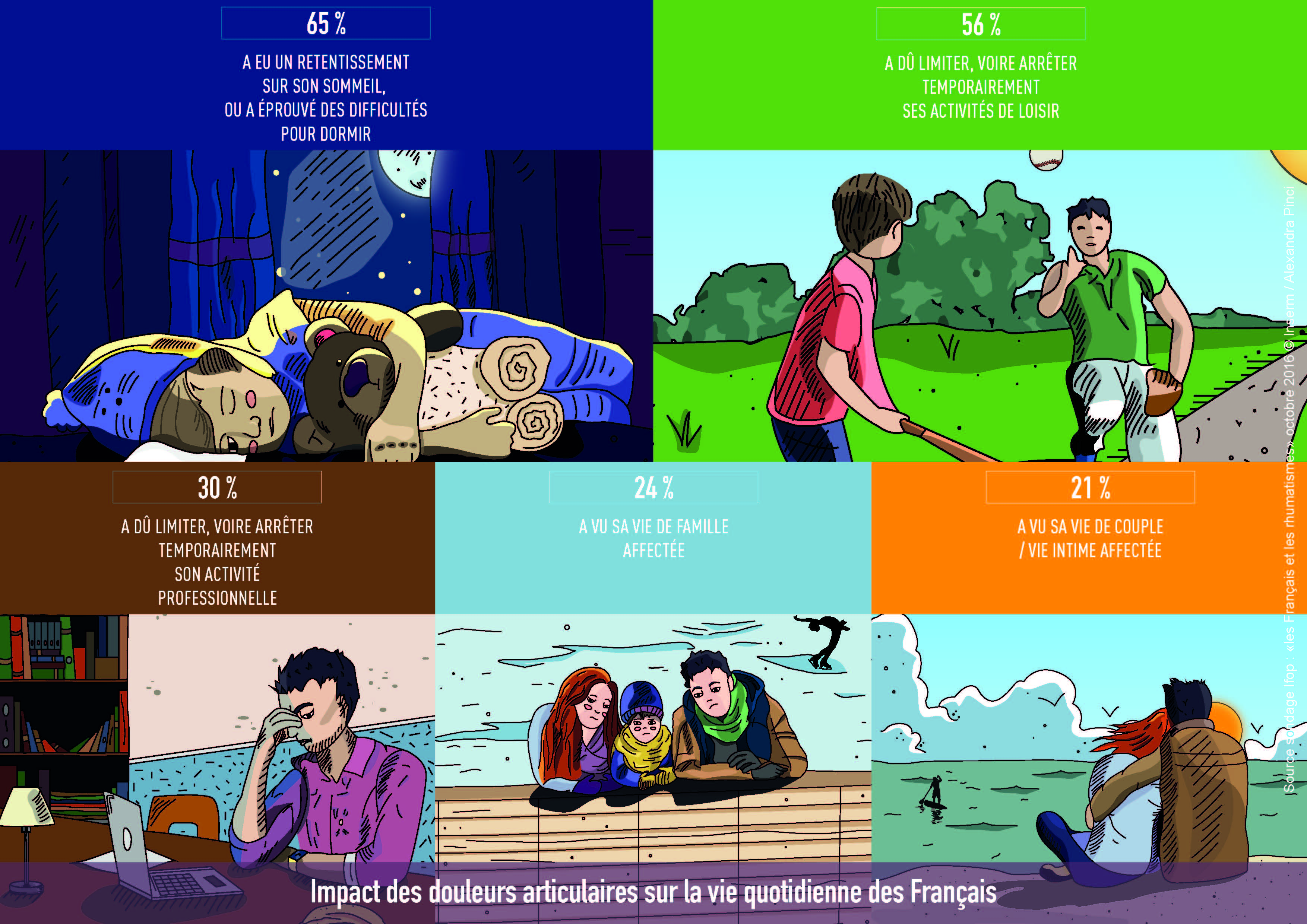
According to the results of an IFOP survey, “Les Français et les Rhumatismes” (Rheumatic Diseases and the French), conducted by Inserm and “Ensemble Contre les Rhumatismes” (Together Against Rheumatic Diseases), 93% of French people report having already suffered from joint pain[1] and one in two were suffering from it at the time of responding to the survey. This joint pain strongly affects their daily life. Quality of sleep and the ability to perform leisure activities are the two aspects of daily life that are most affected, ahead of working life and family life.

The results of this survey emphasise the need to continue to conduct ambitious research programmes to find new treatments, and encourage the French to act from the earliest age possible to retain their “joint capital.”


This press file has been prepared to mark World Arthritis Day and the French initiative “Ensemble Contre les Rhumatismes” (ECR, Together Against Rheumatic Diseases) which will take place on 12 October next.

ECR brings together the 3 most important contributors to research on joint diseases in France. Created at the initiative of the National Alliance for Life Sciences and Health (Inserm-AVIESAN), Fondation Arthritis and the French Society for Rheumatology (SFR), Ensemble Contre les Rhumatismes (ECR, Together Against Rheumatic Diseases) has the mission of promoting research in Rheumatology in order to prevent, relieve and cure diseases of the bones and joints, which affect one quarter of the European population.

Rheumatic diseases

Rheumatic diseases comprise all diseases of the musculoskeletal system (bones / cartilages / muscles tendons / ligaments).

Osteoarthritis and Arthritis are multigenerational diseases that affect the young and less young.

Rheumatoid Arthritis and Ankylosing Spondylitis are the most common inflammatory rheumatic diseases.

12-13 million French people suffer from rheumatic diseases including:

9-10 million from osteoarthritis

600,000 from chronic inflammatory rheumatic diseases (rheumatoid arthritis, spondylitis)

4,000 children suffer from idiopathic juvenile arthritis, a serious form of juvenile arthritis


True / False

Joint pain affects only a small part of the population / FALSE

More than 1 in 2 French people presently suffer from joint or bone pain
1/3 of 18-24 year olds presently suffer from joint pain*

WHO has declared lumbago to be the leading cause of disability worldwide? In France nearly 4,000 children suffer from inflammatory rheumatic diseases, nearly 600,000 adults suffer from the same diseases, and nearly 10 million French people suffer from osteoarthritis. These diseases are therefore clearly not only due to the ageing population.

Joint diseases are not serious / FALSE

65% of French people have had their sleep affected by joint pain.
Of those under 25 years of age, more than 1 in 2 young people consider rheumatism to have had an impact on their social and family life*

Joint diseases have a major impact on quality of life and sleep, but also on mortality. They are the main reason for sick leave. Rheumatic diseases are the leading cause of chronic pain. They have a direct impact on mobility and an indirect impact by increasing the risk of cardiovascular disease and cancer because of the inactivity they generate.

One should remain as still as possible / FALSE

On the contrary, physical activity, which is impeded by mobility problems in people affected by these diseases, is also a remedy for maintaining one’s bone and joint capital.


What should be remembered from the IFOP survey:

How common rheumatic diseases are

A large majority of respondents (93%) have already had joint pain at least once in their lifetime. 8 out of 10 French people have even experienced it several times.

1 in 2 French people and 1 in 3 young people (18-24 years) are presently suffering (at the time of responding to the survey) from joint pain.

These figures, when compared to those for the prevalence of rheumatic diseases in Europe (one in four people has rheumatic disease), may suggest that the French are “patients” without knowing it. Most of them do not associate their bone and joint pain with the possibility of being treated for rheumatic disease.

The researchers therefore recommend speaking more and more to French people about “osteoarticular/bone and joint diseases” rather than “rheumatism.” First, because the word “diseases” gets away from the concept of being destined to have this pain. Second, because the words “osteoarticular” or “bone and joint” specifically describe the location of the problems (bones and joints), in the same manner as “cardiovascular disease” or “lung disease.”

Received ideas

8 out of 10 French people wrongly believe that rheumatic diseases are never fatal. In reality, due to the resulting inactivity, mortality is increased by 50% when walking is limited by these diseases.

The majority of respondents believe that rheumatic diseases are age-related, and cannot affect children. In reality, 4,000 children in France suffer from idiopathic juvenile arthritis.

Impact on daily life

Joint pain strongly affects the daily life of people who suffer from it. Three quarters of them mention at least one impact on the following activities: sleep, leisure activities, working life, family life, and life with spouse/partner.

These diseases have a particular impact on quality of sleep and the inability to take part in a leisure activity.


What about research?

Medical research is a major asset in combating rheumatic diseases, the leading cause of disability worldwide, and which affect more than one quarter of the European population.

Some twenty years ago, for example, collaboration between basic and clinical research enabled the discovery of innovative drugs. These are biotherapies such as anti-TNF agents, which specifically target inflammatory molecules. These discoveries revolutionised the treatment of patients with rheumatoid arthritis or spondylitis.

Also through research, some years ago a blood test to diagnose rheumatoid arthritis, anti-CCP, enabled physicians to diagnose the condition early, thereby allowing them to initiate treatment before the joints become damaged.

Many other bone and joint diseases have not yet benefited from advances in research. Inserm researchers are working to try to find new treatments. In France, highly ambitious projects are supported by the 3 bodies involved in the ECR initiative.

MIRIAD PROJECT

“MIcrobiome Research Initiative on spondyloArthritis and Dysbiosis”

THE MIRIAD project, led by Prof. Maxime Bréban, a researcher at Inserm Unit 1173, “Infection and Inflammation,” and a physician at Ambroise-Paré Hospital, Paris (AP-HP), in collaboration with INRA and the Flanders Institute of Biotechnology, Ghent (Belgium), will study the influence of environment on inflammatory rheumatic diseases and has the following specific objectives: 1) To identify a diagnostic marker, 2) To test a new therapeutic strategy that involves restoring the equilibrium of the microbiota in patients with spondylitis by administering a healthy microbiota.

ROAD PROJECT

“Research on Osteoarthritis Diseases”

The ROAD project, led by Jérôme Guicheux, Inserm Research Director in Nantes (Inserm Unit 791, “Laboratory of Osteoarticular and Dental Tissue Engineering:” LIOAD), is the first networked research project on osteoarthritis in France, bringing together the 7 best academic and clinical laboratories. It has the following objectives: 1) To classify the different types of osteoarthritis in mice, 2) To classify the types of osteoarthritis of the knee in humans, and to create the first National Bank of human osteoarthritic tissues, 3) To identify new biomarkers and specific targets, in order to develop innovative therapeutic strategies.

These two projects constitute pioneering initiatives in Europe. Microbiota and ageing are, moreover, two of the three priority cross-disciplinary research programmes in Inserm’s 2016-2020 strategic plan.

ESPOIR AND DESIR (Hope and Desire) COHORTS

Two national multicentre cohorts for rheumatoid arthritis (ESPOIR cohort) and spondylitis (DESIR cohort), in which several Inserm teams are participating, have already given rise to many discoveries regarding the risk factors for these diseases, such as smoking or poor oral hygiene. Prof. Xavier Mariette (Inserm Unit 1084) is coordinating a clinical trial in the ESPOIR cohort aimed at improving the oral status of patients suffering from rheumatoid arthritis.


Can rheumatic diseases be prevented?

In the absence of treatment, it is possible to conduct preventive action on rheumatic diseases. Developing the notion of “Joint Capital,” the capital that must be maintained for life at any cost, and particularly from childhood, is vital. This capital is essential, since once it is affected by one or other of these diseases, loss of this capital ends in inactivity, with known harmful consequences for the heart and blood vessels, among other things.

This “Bone and Joint Capital” relies on:

  • Specific physical activity, that needs to be tailored for patients with a bone or joint disease.
  • A balanced diet, to avoid both overweight, a major risk factor for rheumatic disease, and deficiency in calcium and vitamin D, which increases the risk of osteoporosis and hence of fracture.
  • Smoking cessation and good oral hygiene, to eliminate 2 demonstrated risk factors for the initiation and aggravation of rheumatoid arthritis.
  • Trauma prevention programmes, from childhood/adolescence:
    • Writing textbooks (junior and senior secondary school level, in Life and Earth Sciences) explaining the physiological functioning of the musculoskeletal system, and the environmental risk factors for the main bone and joint diseases, to help incorporate the concept of “Bone and Joint Capital”
    • Training sports coaches in the consequences of trauma for the bones and joints (targeted warm-ups, strengthening the muscles to stabilise the joints, appropriate interruption of sports in the event of trauma, etc.)
  • In older people, prevention of falls, which cause fractures in patients with osteoporosis.


A day to talk about it

World Arthritis Day (WAD) takes place on 12 October every year. On this day Inserm, Aviesan (National Alliance for Life Sciences and Health), Fondation Arthritis and the French Society for Rheumatology (SFR), 3 major bodies that fund rheumatology research in France, have joined forces to organise the
ECR 2016 (Ensemble Contre les Rhumatismes) day. Its objective will be to speak with one voice to the public and relevant politicians about the importance of supporting research on rheumatic diseases.

It will be held at the Daunou building from 10 am to 4 pm, in the form of round table discussions broadcast live on the Web and in 2 French cities.

Each theme of the “ECR 2016” day will be successively presented by a researcher and by a representative of a patient association, and followed by a discussion to enable the exchange of points of view between researchers, physicians and patients.

The programme has been prepared in very close collaboration with the patient associations, which were invited to a first meeting at Inserm to propose and select themes and speakers to meet their needs.

Further information: www.ensemblecontrelesrhumatismes.org

Email: gro.semsitamuhrselertnocelbmesne@ofni

gro.semsitamuhrselertnocelbmesne@muabnerebsicnarf

[1] Rheumatic diseases comprise all diseases of the musculoskeletal system (bones / cartilages / muscles / tendons / ligaments)


Ile-de-France residents + public transport = Champions of daily exercise

tramway à strasbourg

(c) Fotolia

Ile-de-France Transport Union (STIF), the public transport authority for the Ile-de-France (Greater Paris) region, and Inserm, the French National Institute of Health and Medical Research, have revealed the results of a study* measuring the physical activity associated with the daily journeys of Ile-de-France residents. This study shows that the use of public transport contributes significantly to the physical activity of Ile-de-France residents, an important behaviour for staying healthy.


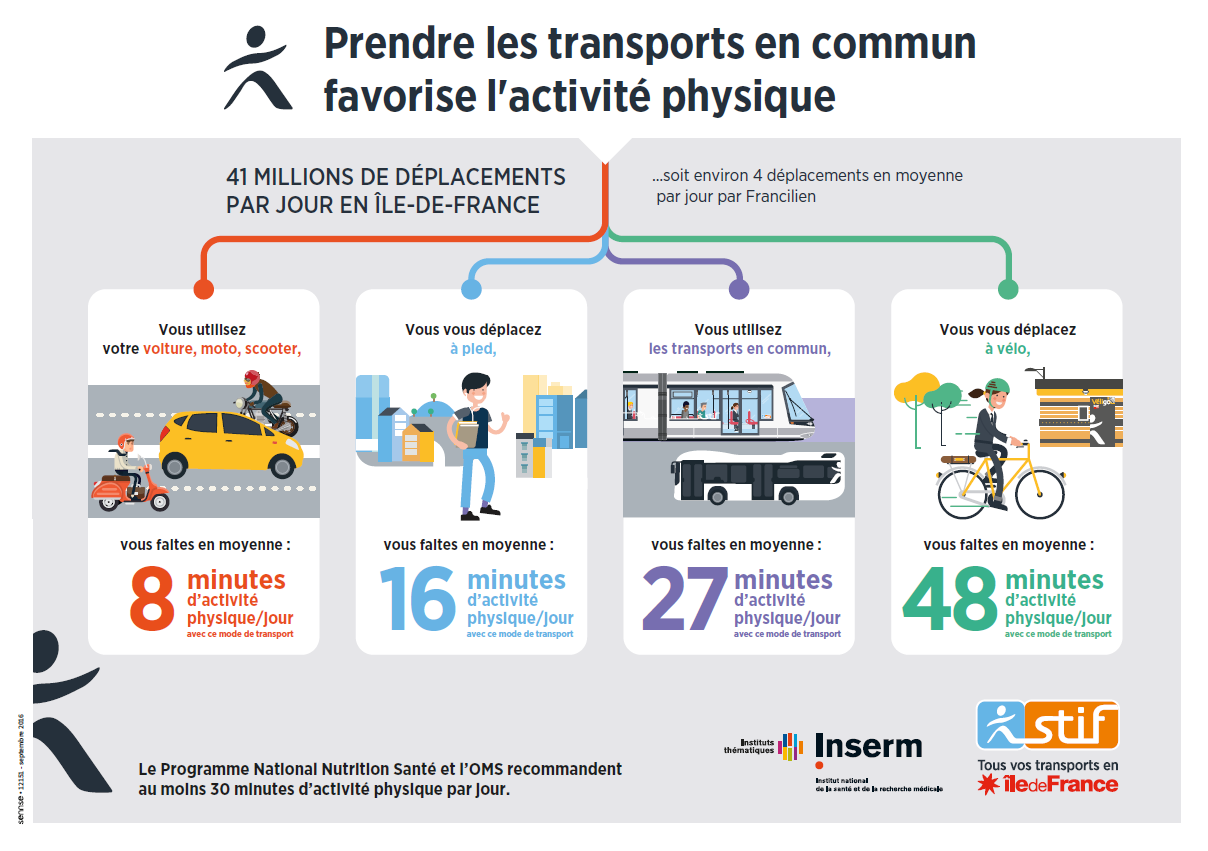
In Ile-de-France, taking public transport generates 27 minutes of physical activity for users!

The study reveals that although cycling represents the greatest source of moderate or vigorous activity involved in daily journeys, only 2% of the Ile-de-France population are bike users. In second place, public transport generates the most physical activity for users: the 29% of Ile-de-France residents who use public transport daily actually get an average of 27 minutes’ physical activity per day using this mode of transport, i.e. an expenditure of 180 kcal.

We tend to forget that travellers using bus, métro (underground), tramway, RER (suburban rail), or a combination of these modes during a single journey, generally make part of the trip on foot. Public transport offers travellers many opportunities to walk, either between the departure or arrival points and stations, or when making connections.

On average, journeys involving public transport generate even more daily physical activity for users than journeys made entirely on foot, since people who travel on foot get an average of 16 minutes of physical activity per day during these walks.


Parisians are the most active in their daily journeys

The average duration of physical activity performed by Ile-de-France residents during their daily commute depends on where they live. Because they have the longest journeys, and are the most likely to use modes of transport other than cars, Parisians are the most active, getting 29 minutes of physical activity per day while commuting. Indeed, 30% of their journeys are done on public transport, and over half on foot. Ile-de-France residents from the inner and outer suburbs respectively get 22 minutes and 18 minutes of physical activity during their daily commutes.


Encouraging use of public transport to combat inactivity

“Our study shows that Ile-de-France commuters who choose public transport get an average of nearly 30 minutes of exercise per day on weekdays, i.e. the average duration recommended by WHO and the national health authorities in order to stay healthy and fit. Apart from the strictly active modes of transport such as walking and cycling, promotion of public transport use seems to constitute a particularly effective lever for increasing the level of physical activity in the population,” adds Basile Chaix, scientific manager of the study and Inserm Research Director, and Ruben Brondeel, a PhD student working on the project.

Combating inactivity is currently a real challenge for society and for public health. WHO also considers inactivity to be the 4th leading risk factor for mortality worldwide. Insufficient physical activity is a cause of overweight and obesity, but is also the main cause of many cancers and cardiovascular diseases, which represent over 55% of the 550,000 annual deaths in France. Walking in all its forms is the simplest form of exercise, and is accessible to all.


STIF is working to improve the integration of transport systems in Ile-de-France

The study conducted with Inserm demonstrates that the use of public transport has advantages in combating inactivity among Ile-de-France residents. The encouragement of public transport use, and hence of daily physical activity, among Ile-de-France residents is undergoing further integration. To accomplish this, no type of mobility will be neglected in increasing and facilitating the links between the different types of public transport, the future Grand Paris Express network and the car, bike and motorised two-wheel vehicles. To enhance the provision of services that facilitate and promote active modes of transport and public transport, STIF is committed to:
• developing and encouraging cycling, with the development of parking spaces for Véligo bikes near stations, offering a secure collective storage facility accessible by Navigo card, and a self-service covered shelter,
• increasing park and ride options to facilitate access for travellers to the rail network by creating new car-parks close to stations,
• and establishing more balanced road-sharing, especially for buses, in order to provide a safer and more efficient service.


KEY FIGURES from the study:

• 41 million journeys per day in Ile-de-France, i.e. an average of 3.87 journeys per person per day

Duration of physical activity as a function of the transport modes used by Ile-de-France residents
• 22 minutes  mean duration of daily physical activity by Ile-de-France residents during journeys, for all types of transport combined
• 8 minutes  mean duration of daily physical activity by users of individual motorised modes of transport during journeys by these modes (car, motorised two-wheel vehicles, taxi, etc.), i.e. 58 kcal
• 16 minutes  mean duration of daily physical activity by Ile-de-France residents who travel entirely on foot during these journeys, i.e. 103 kcal
• 27 minutes  mean duration of daily physical activity by users of public transport during journeys by this mode, i.e. 180 kcal
• 48 minutes  mean duration of daily physical activity by bike users during journeys by this mode

Duration of physical activity of Ile-de-France residents as a function of place of residence
• Residents living in Paris do 29 min. of physical activity during their daily journeys
• Residents living in the inner suburbs do 22 min. of physical activity during their daily journeys
• Residents living in the outer suburbs do 18 min. of physical activity during their daily journeys


*Methodology of the study:
The study is based on the intersecting results of the Record GPS Study conducted by Inserm in 2012-2013, which is based on an objective and precise measurement of physical activity performed during movement using accelerometry, and the 2010 General Transport Survey (EGT) conducted by STIF and DRIEA (Regional and Interdepartmental Directorate of Equipment and Development) under Omnil (Ile-de France Observatory for Mobility). Results relate to Ile-de-France residents aged 35-83 years.

About STIF (Ile-de France Transport Union)
STIF designs, organises and funds public transport for all Ile-de-France residents. At the heart of the Ile-de-France transport network, STIF brings together all the stakeholders (travellers, elected representatives, builders, carriers, infrastructure managers etc.), and invests and innovates to improve the service provided to travellers. It selects and manages projects for the development of the networks and modernisation of all forms of transport that it entrusts to carriers.
Chaired by Valérie Pécresse, President of Ile-de-France Regional Council, STIF is made up of the Ile-de-France Region and eight other Ile-de-France departments, and is thus responsible for the overall vision of Ile-de-France’s transport systems (train, RER, métro, tramway, T Zen [high-quality bus service] and bus). www.stif.info and www.stif.org

About Inserm (French National Health and Medical Research Institute)
Created in 1964, Inserm is a public scientific and technical research institution, under the joint supervision of the French Ministry of Education, Higher Education and Research and the French Ministry of Social Affairs, Health and Women’s Rights. Inserm is the only French public body dedicated to biological and medical research and human health, and occupies a position along the entire pathway from the laboratory to the patient’s bedside. Its researchers study all diseases from the most common to the most rare.
Inserm supports nearly 300 laboratories distributed throughout the French territory. Together the teams comprise nearly 15,000 researchers, engineers, technicians, managers, clinician-researchers, post-doctoral fellows, etc.


The Nemesis team, led by Basile Chaix, Inserm Research Director, focuses on the relationships between environment, mobility and health, primarily studying the effects of living quarters on health, and secondly the impact of transport habits on health. The Nemesis team is part of the Pierre Louis Institute of Epidemiology and Public Health (IPLESP), which reports to both Inserm (French National Institute of Health and Medical Research, www.inserm.fr) and Pierre and Marie Curie University (UPMC, www.upmc.fr).


Other partners in the study: the Directorate-General for Infrastructure, Transport and the Sea (DGITM) of the Ministry of Ecology, the Centre for Studies and Expertise on Risks, Environment, Mobility, and Urban and Country Planning (CEREMA), RATP (Autonomous Operator of Parisian Transports), Ile-de-France Regional Council, and the Regional and Interdepartmental Directorate of Equipment and Development (DRIEA).

Very premature infants: towards better care

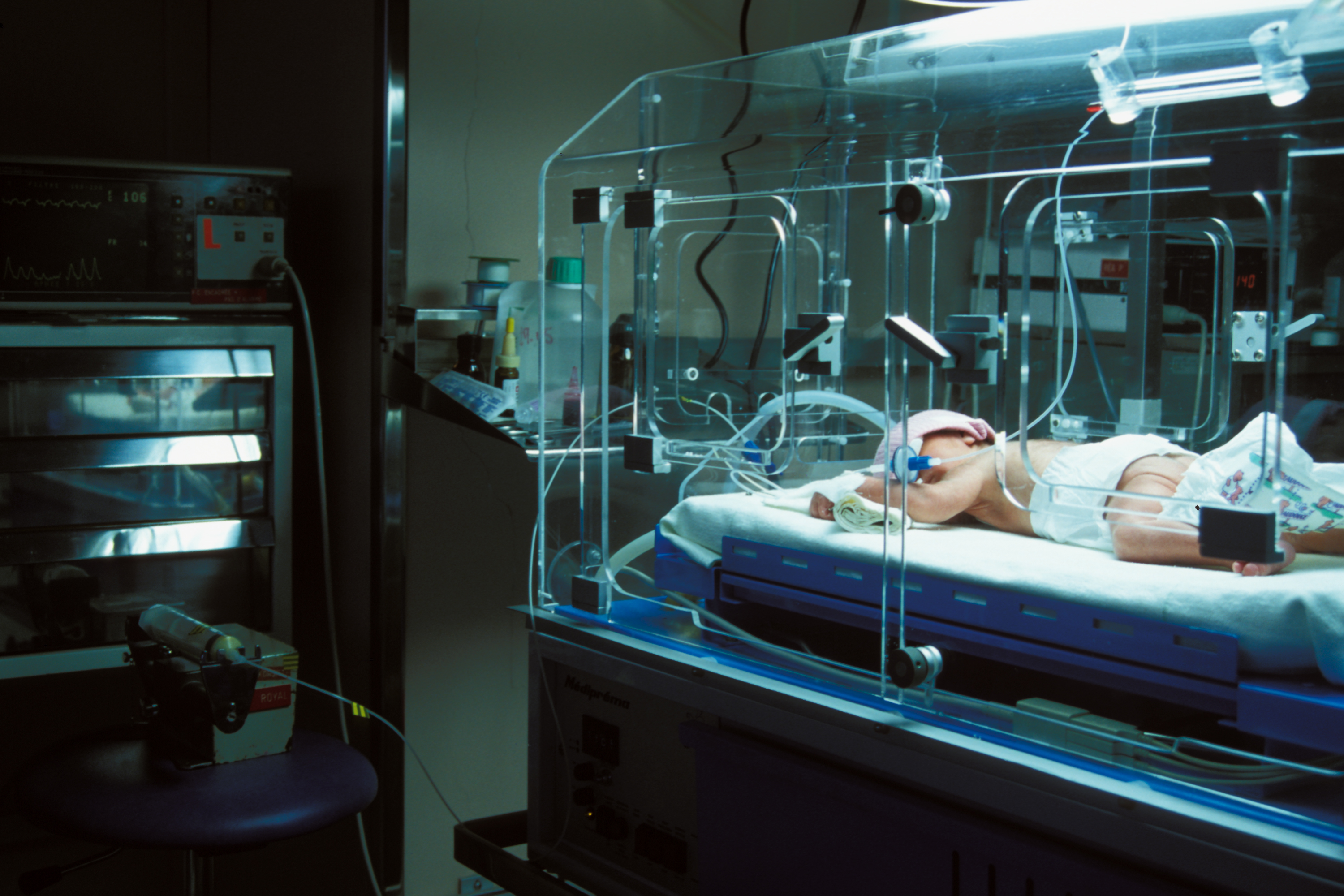
Born too soon, very premature infants are particularly vulnerable and need appropriate care. The European project EPICE (Effective Perinatal Intensive Care in Europe) examines how medical practices based on scientific evidence are incorporated into the care of these neonates[1]. The study, coordinated by Inserm and published in The British Medical Journal, highlights the underuse of four effective practices for improving their survival and long-term health, and estimates its impact on mortality and morbidity.

Soins du nourrisson

(c) Inserm/Depardieu, Michel

Very premature infants, born before 32 weeks of gestation, (8th month of pregnancy), represent 1–2% of all births. For these neonates, the risks of mortality and long-term neurological disorders are higher than for infants born at full term. It is essential to provide them with appropriate care in order to guarantee them better health.

The EPICE project created a population cohort in 2011, comprising all very premature infants from 19 regions in 11 countries of the European Union (Belgium, Denmark, Estonia, France, Germany, Italy, the Netherlands, Poland, Portugal, Sweden and the United Kingdom). The goal of the project is to evaluate the “evidence-based medical practices” applied to these infants.

Evidence-based medicine, which takes research data, clinical expertise, and patient needs into consideration, enables health professionals to make care choices based on proven clinical efficacy. In this study, Jennifer Zeitlin, Inserm Research Director, studied four of these medical practices in particular, in order to measure their impact on neonatal mortality:

– transfer of pregnant women to specialised centres designed to accommodate very premature infants,

– antenatal administration of corticosteroids (for maturation of the lungs),

– prevention of hypothermia,

– administration of surfactant (an essential substance for respiratory function that lines the pulmonary alveoli) within 2 hours after birth, or nasal positive pressure ventilation, for infants born before 28 weeks of gestation


While there was frequent use of each practice individually (75–89%), only 58% of very premature infants received all four recommended practices.

The study simulated two models to measure the impact of this inadequate care. If every infant had received all four recommended practices, mortality would have been reduced by 18%. These results demonstrate the importance of evidence-based medical care in improving the health of very premature infants.


EPICE www.epiceproject.eu

“Effective Perinatal Intensive Care in Europe: translating knowledge into evidence-based practice”

The EPICE project is dedicated to the medical care of very preterm infants born before 32 weeks of gestation, in eleven European countries. The aim of the project is to assess practices in order to improve health care for this population of high risk babies.

The EPICE project was launched in 2011 and has been supported by the European Union (FP7) for five years. It is coordinated by Inserm, just like 27 other European “health” projects. The project involves 12 partners and 6 associate partners, based in 11 European countries.

The 12 partners:

Inserm (coordinator), France

SPE, Belgium

Hvidore Hospital, Denmark

Universitas Tartuensis, Estonia

Philipps Universität Marburg, Germany

Bambino Gesu Ospedale Pediatrico, Italy

Laziosanita Agenzia Di Sanita Pubblica, Italy

Radboud University Nijmegen Medical Centre, the Netherlands

Poznan University of Medical Sciences, Poland

U.Porto, Portugal

University of Leicester, United Kingdom

Karolinska Institutet, Sweden


EPICE in France

The EPICE project in France is part of a national study entitled EPIPAGE 2 (an epidemiological study on very preterm babies). It is a cohort study of very preterm infants, launched in 2011 in the 22 regions of mainland France and the French overseas departments. The study will monitor over 6000 premature children up to the age of 11 to 12. Three regions in France: Ile-de-France, Nord-Pas-de-Calais and Bourgogne participate in EPICE project.

The EPIPAGE 2 project is managed by the Inserm unit 953 (“Epidemiological research into perinatal health and the health of women and infants”), in collaboration with team 2, from UMRS 1027, directed by Dr Catherine Arnaud (Perinatal epidemiology, handicap of child and health of adolescents.

For further information on this study: www.epipage2.inserm.fr (Head of studies: Pierre-Yves Ancel, Inserm U953)


[1] https://presse.inserm.fr/en/optimizing-the-care-of-very-preterm-infants-a-collective-european-initiative/4699/

Researchers provide guidance on criteria to identify Endocrine Disruptors in the context of European legislation

The European Commission is legally required to provide criteria identifying Endocrine Disrupting Chemicals (EDCs), a process that has been blocked for almost three years, allegedly because of a lack of scientific consensus and because an impact assessment study was deemed necessary. Now, a group of 7 independent researchers from universities and research institutions from Europe and the United States* show how little controversy there is around the definition of EDCs, and that the simple logic used for the identification and regulation of carcinogens can be used for EDCs. The study is published this Monday as a commentary in the scientific journal Environmental Health Perspectives.


First, the authors demonstrate that there is wide acceptance of the World Health Organization (WHO) definition of an EDC as an exogenous substance or mixture that alters function(s) of the endocrine system [i.e. the hormonal system] and consequently causes adverse health effects in an intact organism or its progeny, populations or subgroups of the population.

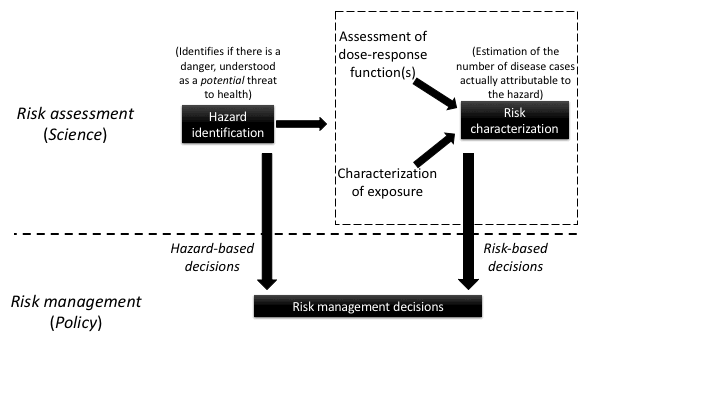
Second, the authors describe the approach used for the identification of other health hazards of equivalent concern, such as carcinogens or reproductive toxicants. This identification relies on a simple categorization with 3 levels not referring to the toxicological concept of potency[1]. A similar approach not relying on potency should be used for endocrine disruptors; the 3 categories proposed by the European Commission as one of the options considered correspond to “endocrine disruptors”, “suspected endocrine disruptors” and “endocrine active substances” (substances altering the endocrine system with no evidence of the induction of an adverse health effect); these categories are judged sufficient by the researchers. Inclusion of potency or dose-response considerations would modify the spirit of the pesticides and biocides laws, which call for a hazard-based (and not a risk-based) management of pesticides if exposure is not negligible.

Finally, they state that it is not defensible to conduct an impact assessment study to determine scientific criteria. This would be a dangerous precedent, since impact assessment studies are not meant to define hazards, but to quantify the health, social and economic impacts of regulation. This is in line with the decision of the European Court of Justice (2015), which stated that “the definition of scientific criteria to identify properties disrupting the endocrine system can only be done in an objective manner based on scientific data relative to the endocrine system, independently from any other consideration, and in particular from any economic consideration”.

Authors recognize that scientific uncertainty remains with regard to the finer detail of mechanisms, the exact extent of health and environmental effects of EDCs and their impact at the population level. There are also questions around the number of substances likely to be identified as EDCs. However, filling these knowledge gaps is not required to provide scientific criteria defining EDCs.


Several years have been spent trying to issue scientific criteria defining a hazard that was actually defined some time ago (in 2002) by a state-of-the-science report from WHO. For this reason, the scientists consider that the claim of a lack of consensus among scientists was forged to justify delays in the publication of the scientific criteria. Deferring the publication of the scientific criteria can be seen as a way to postpone full application of the 2009 pesticide and 2012 biocide laws. Authors insist that impact assessment studies should not be used as an argument for postponing the publication of a scientific definition. They express concern that scientific definitions might be distorted in order to modify the spirit of a law, thereby muddling science and policy, and postpone the application of existing laws. This postponement is all the more worrying since these scientific criteria are but one of the first steps towards identifying EDCs and providing more efficient protection of public health in the European Union.


Background information

Endocrine Disrupting Chemicals (EDCs) can be very diverse in terms of chemical nature, origin or occurrence. Suspected EDCs include metals (e.g., mercury), organochlorine pesticides such as DDT or triclosan (used e.g. in tooth paste or soaps), other pesticides, dietary contaminants such as bisphenol A, phenols such as parabens (used as preservatives in cosmetics) or phthalates, which can be found in perfumes, cosmetics, medical devices, polyvinyl chloride (PVC) plastics, rainwear… Effects on health outcomes such as congenital malformations, neurodevelopment, behaviour, breast cancer, have been reported for some of these substances in animal models or human studies. The resulting health-related costs in the European Union is estimated to be in the €100-200 billion range (Trasande L et al., JCEM, 2015).

Europe is the only large economy in the world with an ambitious legislation on EDCs. In addition to other health hazards such as carcinogens, mutagens or reproductive toxicants, the European Parliament has identified EDCs as a new type of hazard for health and the environment.

A strategy on endocrine disruptors exists in the European Union since 1999, and in 2009 and 2012, the European Parliament passed two laws on pesticides and biocides (the Plant Protection Products [pesticides] Regulation in 2009 and the Biocide Products Regulation in 2012). These laws stipulated that, for compounds for which population exposure is not negligible, pesticides and biocides containing endocrine disruptors should be regulated on a hazard-based logic (as opposed to a risk-based logic). This implies that there is no need to characterize in detail the dose-response function, identify all possible health effects induced, or possible thresholds in the effects of the compound on health. This approach allows faster management of health risks and more limited resort to test animals, and avoids the debate on the plausibility of the existence of thresholds in the action of these compounds. It is also the logic planned for the management of pesticides and biocides containing carcinogens, mutagens and reproductive toxicants.

The application of the part of these laws regarding endocrine disruptors required the European Commission to publish criteria for identifying endocrine disruptors not later than 2013. This has not been done. Instead, a Roadmap listing 4 options to identify criteria was published by the European Commission in 2014 and the start of an impact assessment study aiming at supporting the choice between the 4 options announced. In December 2015, the European Court of Justice ruled that an impact assessment study was irrelevant, and urged the Commission to publish criteria without delay. The assessment done by the researchers point to the “Option 3” of the European Commission roadmap as being scientifically relevant and operational.

Since 2013, the pesticide and biocide laws (for their part relative to endocrine disruptors) could not be applied because of the lack of publication of criteria for identifying endocrine disruptors. The European Commission indicated in February 2016 that two documents, including one providing criteria for the identification of EDCs, would be published by summer 2016.

Note that, after submission of this publication, a distinct consensus workshop was held by scientists on April 11-12, 2016 in Berlin on a similar topic. The workshop was focused on more fundamental scientific notions, and concluded on the relevance of the WHO definition of EDCs, and the lack of relevance of the concept of potency to identify EDCs. More information can be found on the BfR website.

APPENDIX

Distinction between hazard-based and risk-based regulation of chemicals (copyright RemySlama-Inserm)

distinction between hazard-based and risk-based regulation of chemicals (c) Remy Slama-Inserm

* Authors are affiliated with Inserm- Université Grenoble Alpes and CNRS-Museum national d’histoire naturelle (France); CHU Liège (Belgium) ;University of Nottingham and Brunel University London (UK), University of Torino (Italy); University of Massachusetts (USA)

[1] According to the International Union of 
Pharmacology, potency is « an expression of the activity of a drug [or toxic substance], in terms of the concentration or amount needed to produce a defined effect; an imprecise term that should always be further defined » (Neubig, Pharmacological Reviews, 2003).
Researchers point to the vagueness of this definition and recommend to use the more informative and related concept of dose-response function.

Involvement of Inserm and its Aviesan partners in research on the ZIKA virus

In the last two years, nearly 2 million people have been infected with the Zika virus in Latin America and the Caribbean. At the end of 2015, REACTing and members of the Aviesan alliance immediately became involved, particularly Inserm, Institut Pasteur, the Institute for Development Research (IRD), the French Blood Transfusion Service and the associated university hospitals. Initial contact was made with Brazilian researchers from Fiocruz in November 2015. The international Zika Summit conference, taking place at Institute Pasteur on the 25 and 26 April 2016, will review ongoing research projects:


Several observational and clinical research projects on the monitoring of symptomatic pregnant women, monitoring of children with malformation of the nervous systems or born of infected mothers, construction of biobanks of biological specimens and samples, assessment of the penetration of the virus in populations, and mathematical modelling of its dynamics, have already begun. Teams working in the neuroscience area have also been assembled to begin projects on this theme in a coordinated manner, given the neurotropic nature of the Zika virus.
More specifically, projects strongly involving the French Departments in the Americas are concerned with the following:

  • analysis of the consequences of infection during pregnancy for about 5,000 pregnant women in Guadeloupe, French Guiana and Martinique
  • expansion of the CARBO cohort, a cohort of patients with acute arbovirus infection
  • epidemiological analysis of cases of microcephaly and Guillain-Barré syndrome in French Polynesia (with strong involvement from Institut Pasteur)
  • research on sexually transmitted infection, and the persistence of the virus in semen.


In terms of diagnostics, the aim is to rapidly develop a reliable method at individual and population scale, particularly aimed at pregnant women and newborns, taking into account the variety of pathogens, particularly arboviruses, that co-circulate in countries where the Zika virus epidemic is rife.

Based on these initial elements, Inserm and its partners in the Aviesan alliance have responded to a European call for proposals. For the Aviesan partners, this means:

  • mobilising all French research forces working in the area, as well as involving all European and Latin American partners in a common approach
  • rapidly deploying innovative research, particularly on
    • Zika and the nervous system,
    • modelling the virus and its spatial configuration,
    • methods for controlling vectors,
    • the socio-economic dimension of the epidemic’s spread;
  • including partners that have already worked with European funding in similar situations, associated with dengue fever or emerging infections.

Intellectual Disabilities, a collective expert review by Inserm

According to the World Health Organisation and other recognised authorities, intellectual disability (ID) refers to an intelligence deficit (significantly reduced ability to understand new or complex information and learning and applying new skills) as well as limitations in adaptive functioning[1]. These limitations appear during the developmental period. Intellectual disability is common and affects about 1 to 2% of the population. The recent knowledge explosion regarding the causes of ID, as well as the underlying cognitive and adaptive processes, provides a better insight into the ability of people with intellectual disabilities to functional and develops appropriate strategies for learning, care and support.

PhotoCP web déficiences intellectuelles

(c) Fotolia

In this context, the National Solidarity Fund for Autonomy (CNSA) has commissioned Inserm to conduct a collective expert review to provide the latest scientific expertise from international and multidisciplinary research on intellectual disabilities. The collective expertise approach has enabled a review of scientific data in the following areas: definition and epidemiology; assessment of individual skills and deficiencies; as well as care and support during key stages in life.

A multidisciplinary group of 12 experts, researchers and clinicians was formed and accounts for the complementary nature of the represented scientific disciplines. Inserm has established a literary collection with 2,500 references that have been critically analysed by a group of experts.

Among the various expert findings, the assessment of skills and limitations of individuals with ID, as well as support requirements, often remain incomplete. Furthermore, among the recommendations from this study, authors advocate an in-depth review regarding the development of resource centres for intellectual disability. These structures would bring together needed expertise in the form of multidisciplinary teams (general physicians, paediatricians, geriatric specialists, pain specialists, neurologists, psychiatrists, psychologists, nurses, special needs teachers, speech therapists, social workers, etc.) to ensure a multidimensional assessment of the limitations and abilities of the individual’s activity, assess his/her needs in order to organise the required support, and provide coordinated and practical assistance that could contribute to the life course of an individual with intellectual disabilities and his/her family.

Download the full press release

Recommendations for actions:

  • All actions are carried out as part of the international definition of intellectual disability, whether through public policy, professional practice or research.
  • Better early identification of neurodevelopmental disorders by promoting early detection in “ordinary” children and improving systematic screening for neurodevelopmental disorders during mandatory examinations.
  • Develop a multidimensional and personalised assessment for better diagnosis and appropriate support by improving the assessment of intellectual abilities, supplementing it with adaptive behaviour assessment that assesses social and emotional capabilities as well as cognitive and language skills. Finally, enable access to genetic aetiology.
  • Develop the skills of the individual with ID throughout his/her life by promoting the development of communication and language, the acquisition of numeracy and literacy, and the development of self-determination.
  • Support the individual throughout his/her life, from infancy to adulthood, by promoting the right to early intervention and education, as well as access to common childcare services available to everyone. Support access to employment and social participation in adulthood and encourage transitions throughout life.
  • Improve access to care and the diagnosis of somatic diseases through screening and regular monitoring of diseases often associated with DI by developing close medical follow-up and improving admission and healthcare conditions in hospitals and clinics .
  • Create “intellectual disability resource centres”. These structures would bring multidisciplinary teams together to provide coordinated and practical assistance that could contribute to the life course an individual with intellectual disabilities and his/her family.
  • Provide appropriate and adjustable graduated support to families by developing their own skills through adequate support at the time of diagnosis and by considering the psychological detachment between the individual with DI and his/her family during the onset of adulthood.
  • Develop and promote training on intellectual disability for all professionals with an inclusive approach.


Research recommendations:

  • Validate and develop diagnostic tools and individual assessment.
  • Learn about intellectual disabilities and trajectories of individuals.
  • Better understand the development of skills in individuals with DI.
  • Better understand the different aspects of adapted support.

[1] The literature today recognises the definition of adaptive behaviour as a complex concept based on three concepts: conceptual adaptive skills (language, reading, mathematical concepts, time, etc.), social skills (interpersonal skills, social responsibility, etc.) and practical skills (daily activities, occupational skills, etc.).

New study reveals incidence of dementia may be declining

Despite the concern of an explosion of dementia cases in an aging population over the next few decades, a new study, based on data from the Framingham Heart Study (FHS), suggests that the rate of new cases of dementia actually may be decreasing.

PhotoCP démence

(c) Fotolia

These findings, which appear in the New England Journal of Medicine, provide hope that some cases of dementia might be preventable or delayed and encourages funding agencies and the scientific community to further explore demographic, lifestyle and environmental factors underlying this positive trend.

It is believed that the number of Americans with Alzheimer’s disease and other dementias will grow each year as the size and proportion of the U.S. population age 65 and older continues to increase. By 2025 the number of people age 65 and older with Alzheimer’s disease is estimated to reach 7.1 million — a 40 percent increase from the 5.1 million aged 65 and older affected in 2015. By 2050, the number of people in this age population with Alzheimer’s disease may nearly triple, from 5.1 million to a projected 13.8 million, barring the development of medical breakthroughs to prevent or cure the disease.

Worldwide, the World Health Organization (WHO) estimates that 47.5 million people have dementia in the world and the total number of people with dementia is projected to reach 75.6 million in 2030 and almost triple by 2050 to 135.5 million.

FHS participants have been continuously monitored for the occurrence of cognitive decline and dementia since 1975. Thanks to a rigorous collection of information, FHS researchers have been able to diagnose Alzheimer’s disease and other dementias using a consistent set of criteria over the last three decades. These sources of information include FHS exams, outside clinical records, interviews with family members, and the examination of participants suspected of having a neurological problem by neurologists and neuropsychologists.


Researchers looked at the rate of dementia at any given age and attempted to explain the reason for the decreasing risk of dementia over a period of almost 40 years by considering risk factors such as education, smoking, blood pressure and medical conditions including diabetes, high blood pressure or high cholesterol among many others.

Looking at four distinct periods in the late 1970s, late 1980s, 1990s and 2000s, the researchers found that there was a progressive decline in incidence of dementia at a given age, with an average reduction of 20 percent per decade since the 1970s, when data was first collected. The decline was more pronounced with a subtype of dementia caused by vascular diseases, such as stroke. There also was a decreasing impact of heart diseases, which suggests the importance of effective stroke treatment and prevention of heart disease. Interestingly, the decline in dementia incidence was observed only in persons with high school education and above.

“Currently, there are no effective treatments to prevent or cure dementia; however, our study offers hope that some of the dementia cases might be preventable — or at least delayed — through primary (keep the disease process from starting) or secondary (keep it from progressing to clinically obvious dementia) prevention,” explained corresponding author Sudha Seshadri, MD, professor of neurology at Boston University School of Medicine and FHS senior investigator. “Effective prevention could diminish in some measure the projected explosion in the number of persons affected with the disease in the next few decades,” she added.

The FHS consistently has been shown to be a reliable source of data. However the authors concede that the sample population is overwhelmingly of European ancestry and that further studies are needed to extend the findings to other populations. In addition, the authors also did not look at the effects of key variables such as changes in diet and exercise.

Despite these limitations, “it is very likely that primary and secondary prevention and better management of cardiovascular diseases and stroke, and their risk factors, might offer new opportunities to slow down the currently projected burden of dementia for the coming years ” add Carole Dufouil, Inserm research director in Bordeaux (France).

Yet, the authors warn that this does not mean that the total number of persons with dementia will decrease anytime soon. Since baby boomers are aging and people are living longer, the burden of dementia will continue to grow.


This particular type of study requires an enormous amount of data collected over many years on the same persons, and the study was only possible thanks to the generosity and dedication of FHS participants, who contribute their time and data with a missionary zeal. There is a plaque in the center of Framingham town that states, ‘Framingham, the town that changed America’s heart!’ released at the 50th anniversary of the FHS in 1998. Now the town can claim some credit for changing America’s brain health as well.

The study was also possible thanks to the work of earlier generations of researchers, as well as colleagues at the FHS who contribute to ongoing data collection. This study was carried out in collaboration between Inserm researchers at the Bordeaux School of Public Health / Inserm in France and Boston University School of Medicine.

Funding for this study was provided by the National Heart, Lung and Blood Institute’s Framingham Heart Study (Contract No. N01-HC-25195 and No. HHSN268201500001I) and by grants from the National Institute of Aging (AG008122 and AG033193) and National Institute on Neurological Disorders and Stroke (NS017950).

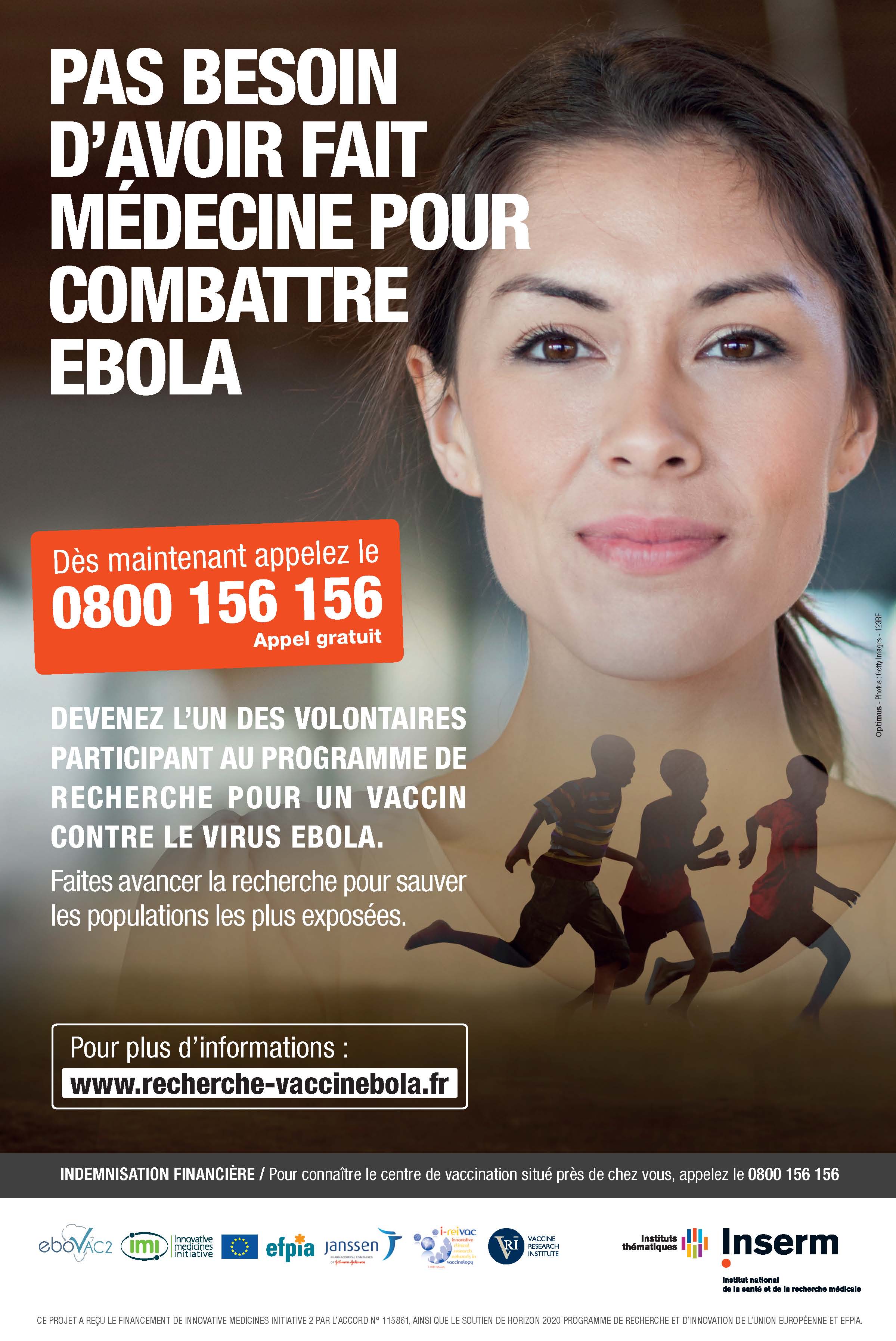
Inserm recruiting about 300 volunteers to test vaccine against the Ebola virus

Although the acute stage of the Ebola epidemic in West Africa is behind us, the need for research to find preventative measures remains urgent. The global community shares the same goal: to prevent future epidemics as catastrophic as the one we have witnessed over the past two years.

To this end, Inserm is coordinating the Ebovac2 project, a collaborative effort, funded under a grant from the Innovative Medicines Initiative Ebola+ programme. The project was launched in response to the Ebola virus disease outbreak, to assess the safety and immunogenicity of a novel ‘prime-boost’ preventative vaccine regimen against Ebola Virus Disease (EVD). In France, clinical research centres specialised in vaccination are now recruiting approximately 300 healthy volunteers from 18 to 65 years old. The project is coordinated by Inserm under the scientific responsibility of Professor Rodolphe Thiébaut (Inserm Unit U897).

People interested in volunteering for the clinical trial can find out more information at www.recherche-vaccinebola.fr

The objectives of the Ebovac2 studies are to further determine the vaccine regimen’s safety profile and how well it stimulates the immune system to protect against Ebola infection.

Two vaccines[1] will be given a few weeks apart. The first dose is intended to stimulate, or ‘prime’, an initial immune response. The second dose then is designed to ‘boost’ the level of the body’s immune response further.

Researchers also want to work out the best timing for each of the vaccine doses. Volunteers will be put on different schedules, where the gap between ‘prime’ and ‘boost’ dose will be 28, 56 or 84 days. This strategy offers the advantage of potentially leading to improved and, especially, longer lasting immunity.

“The volunteers are divided into three groups. Participants in this trial cannot become infected with the Ebola virus. Only synthetic proteins or parts of proteins are used in the various vaccines being tested. They cannot in any way cause infection. This is based on the same principle as many existing vaccines for infectious diseases,” explains Professor Rodolphe Thiébaut, coordinator of the Ebovac2 Project.

How is the vaccine trial for the Ebovac2 project organized?

Commencement of the Ebovac2 Phase 2 trials has been subject to the preliminary results from several ongoing phase 1 trials being carried out in Africa, the United Kingdom, and the United States, which show that the vaccine regimen is well-tolerated.

As part of the Ebovac2 Phase 2 studies, one trial (EBL2001) will be carried out in France and the United Kingdom (Oxford University) with a total of 630 volunteers, about 300 of whom will be in France. A second trial (EBL2002) will be conducted in several countries in Africa with a total of 1188 volunteers expected to be recruited.

Volunteers are expected to participate in the trial for 1 year. Each volunteer will be rigorously monitored, and will be personally followed up by a doctor involved in conducting the study. Volunteers will be visited between 9 and 15 times, and will receive either the vaccine or a placebo. They are entirely free to interrupt their participation at any time and will be reimbursed for their time.

The vaccine trial has received all necessary authorisations guaranteeing the safety of volunteers (approval from the Comité de Protection des Personnes de Ile de France III, an institutional review board, as well as approval from the Agence Nationale de Sécurité du Médicament et des Produits de Santé, or French Agency for the Safety of Health Products).

What criteria must volunteers meet?

  • Be between the ages of 18 and 65
  • Live near one of the centres taking part in the trial: Paris (target enrollment: 75 people), Créteil (94), Lyon (69), Marseille (13), Rennes (35), Saint Etienne (42), or Strasbourg (67)
  • Be in good health
  • Be affiliated with, or be a beneficiary of the French social security system
  • For women, not be pregnant or breast feeding, and to use an effective contraceptive
  • Not participate at the same time in any other biomedical research programme, and not to give blood during the trial period

Setting up a recruitment campaign

In order to optimise chances for success of this clinical trial and recruit the requisite number of volunteers, Inserm uses various communication methods to provide all the necessary information and answer the questions of volunteers.

A website: www.recherche-vaccinebola.fr

A poster campaign

A toll-free number – 0800 156 156 – is operational as of now, and until February 2016. Trained staff welcome volunteers, answer their questions, and orient them towards centres close to where they live.

STOP_EBOLA affiche1

The organisers of the clinical trials

As coordinators of the project, Inserm works in conjunction with Crucell Holland, B.V., one of the Janssen Pharmaceutical Companies of Johnson & Johnson, the London School of Hygiene & Tropical Medicine (LSHTM), Oxford University, the Muraz Centre in Burkina Faso, and Inserm Transfert. In December 2014, the Ebovac2 project was funded under a grant from the Innovative Medicines Initiative’s Ebola+ programme which was launched in response to the Ebola virus disease outbreak.  This project has received funding from Innovative Medicines Initiative 2 by the Agreement No. 115861, as well as support from Horizon 2020 research and innovation program of the EU and the European Federation of Pharmaceutical Industries and Associations (EFPIA);

More information is available at www.ebovac2.com

Inserm has been committed to fighting the Ebola virus from the beginning

“Inserm has been focusing on the Ebola virus ever since the alarm was raised by WHO in late 2013”, reaffirms Yves Lévy, Chairman and Chief Executive Officer of Inserm. “Since early 2014, researchers at Inserm (P4 Laboratory in Lyon) and the Institut Pasteur characterised the virus discovered in Guinea and its circulation area in the first months of the epidemic. Inserm has promoted JIKI, the only therapeutic trial evaluating the treatment of people infected with the Ebola virus in Guinea. This began in late 2014, and the results have been encouraging. Inserm is the co-promoter, with the U.S. National Institutes of Health, of this clinical trial (JIKIMAP), which began in Guinea in early July 2015.”

[1]Ad26.ZEBOV developed by Crucell Holland B.V., one of the Janssen Pharmaceutical Companies of Johnson & Johnson and MVA-BN® Filo developed by Bavarian Nordic.

Benzodiazepine use is associated with a risk of developing dementia

A link between benzodiazepine use and the occurrence of dementia has been observed in a study, the results of which are published in the journal Alzheimer’s and Dementia, conducted by a team of Inserm researchers directed by Christophe Tzourio (Inserm Unit 897, “Epidemiology and Biostatistics Center,” Univ ersity of Bordeaux). More precisely, it is mainly the long half-life benzodiazepines (which disappear from the body in over 20 hours) that are associated with the risk of dementia. In this study, people taking long half-life benzodiazepines have a 60% increased risk of dementia.

Healthy Brain Pills

(c) Fotolia

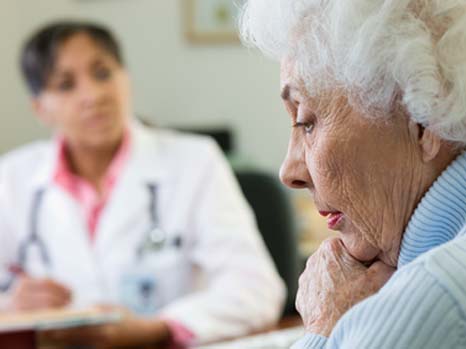
Benzodiazepines and psychotropic drugs are the mostly widely used drugs in France. It is estimated that 30% of people aged 65 and over are users. They are prescribed for a wide spectrum of illnesses, from sleep disorders through to anxiety and depressive symptoms. Since they are widely used, the researchers are looking at their potential side-effects in relation to their interactions with neurotransmitters in the brain. Although previous studies had already suggested an increased risk of dementia following use of psychotropic drugs, many questions remained unresolved. One such question concerned the difference in the potential effects of short half-life benzodiazepines (which disappear from the body within 20 hours) versus those of long half-life benzodiazepines.

To try to find out more, the Inserm researchers focused on data from The Three City Study (3C Study; Bordeaux, Dijon and Montpellier), i.e. 8,240 people aged over 65 years and monitored for over 8 years. 830 new cases of dementia were diagnosed during this period of monitoring. A procedure for screening and diagnosing each case of dementia was established by an expert committee. It was also possible to systematically record all drugs used by the participants at home, by referring to prescriptions.

“There is a clear difference in effect between long- and short-lived benzodiazepines. Moreover, the former have already been identified as dangerous for older people, particularly because of the risk of falls, and we were surprised to see that they were still in frequent use,” says Christophe Tzourio, neurologist, Director of Inserm Research Centre U897 and Professor of Epidemiology at the University of Bordeaux.

Older people taking long half-life benzodiazepines have a 60% increased risk of developing a dementia (mainly of Alzheimer’s disease type) that cannot be explained by other factors. The authors performed in-depth statistical analyses that allowed the elimination of some bias, including the fact that taking benzodiazepines may have been due to early symptoms of dementia.

It is, however, an observational study, which does not allow analysis of the mechanisms of this association. These should become the subject of physiopathological studies, studies using imaging, animal models, etc.

Despite the absence of certainty about the mechanism, “The suspicion is strong enough to encourage physicians and patients to find alternative treatments for sleep disorders in older patients, which are the main reason for prescribing these drugs: advice on lifestyle changes, non-drug products, and, at most, less dangerous drugs such as the short half-life benzodiazepines.”

“Our results suggest, at a minimum, that there should be greater vigilance by all, especially physicians and health authorities, to avoid this use of long half-life benzodiazepines in older people,” says Christophe Tzourio.

The effect for psychotropic drugs overall, including anti-depressants, needs to be confirmed by further studies, but it also gives rise to some concerns over these products as a whole, and not only benzodiazepines.

fermer