Menu

Obesity: opt for omega 3 fatty acids to prevent the associated risks

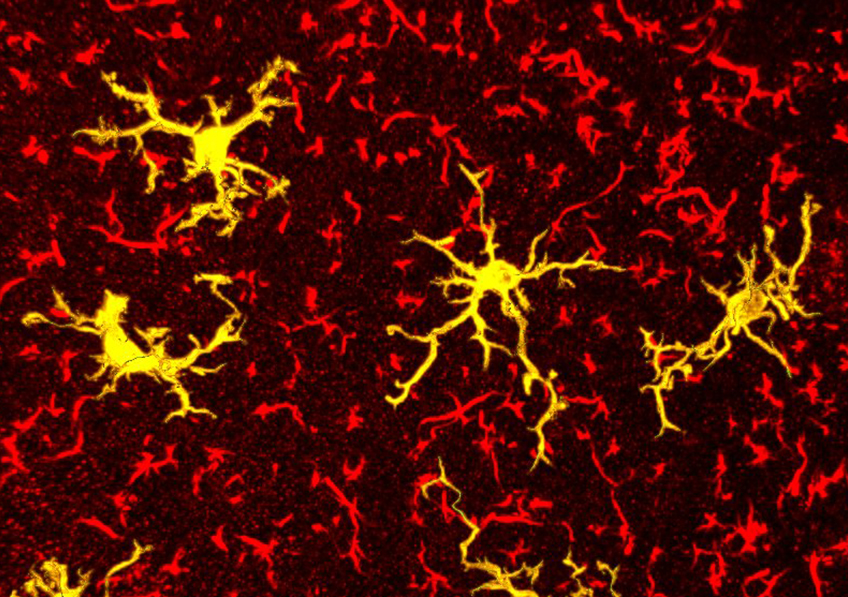
Microglies (en jaune, cellules immunitaires du cerveau)In yellow, microglia (immune cells of the brain) activated by the pro-inflammatory nature of a sunflower oil-enriched diet (fluorescence microscopy). © Clara Sanchez/Inserm

Obesity is a major public health problem, affecting around 650 million adults worldwide[1], and is often associated with systemic and cerebral inflammation as well as anxiety and cognitive disorders, such as memory deficits. In a new study, researchers from Inserm, CNRS and Université Côte d’Azur at the Institute of Molecular and Cellular Pharmacology tried to understand more precisely how diet can cause obesity, and its associated comorbidities. They focused more specifically on omega 6 (ω6) and omega 3 (ω3) fatty acids, exploring the health effects of various diets with different ratios of fatty acids (see box below). Their findings indicate that a diet enriched with ω6 (in this case, sunflower oil) is strongly associated with changes in metabolism, inflammation and cognitive functions, whereas one enriched with ω3 (in this case, rapeseed oil) has certain preventive effects. This research makes it possible to envisage dietary interventions based on a low ω6/ω3 ratio (thus with a preference for rapeseed oil over sunflower oil) to combat obesity and its associated neurological disorders. These findings have been published in Brain Behavior and Immunity.

According to the WHO, cases of obesity have almost tripled in number worldwide since 1975. Obesity is associated with numerous comorbidities (type 2 diabetes, cardiovascular diseases, osteoarthritis, cancer and cognitive disorders) and high mortality. While its causes are complex and involve the interaction of several factors, dietary imbalance is recognised as being the major contributing factor.

What is more, previous studies[1] have shown that obesity is associated not only with metabolic dysfunction, but also chronic inflammation in the peripheral organs (adipose tissues, liver, skeletal muscles and pancreas), as well as in the central nervous system (neuroinflammation). This neuroinflammation in obesity is characterised by an increase in pro-inflammatory markers in the region of the hypothalamus, an area of the brain known to control dietary behaviour[2]. However, the nature of the nutritional lipids that could be responsible for this neuroinflammation has not yet been elucidated.

In a new study, researchers from Inserm, CNRS and Université Côte d’Azur specifically focused on certain fatty acids that are essential for our bodies to function properly, and are known for having anti- and pro-inflammatory properties: omega 3 and 6 (see box below). Their objective was to better understand whether omega 3 and 6 are involved in the phenomenon of neuroinflammation in the context of a high-fat diet (so-called ‘obesogenic diet’), and whether they can be associated with the development of obesity.

Their research is also based on the observation of an increasingly strong trend in developed countries towards an excessive consumption of omega 6, whose inflammatory properties are abundantly documented in the scientific literature[4].

Omega 3 and omega 6: the importance of getting the right balance

Omega 3 and omega 6 fatty acids are essential for the correct functioning of the body, which is unable to produce or synthesise them on its own. They therefore need to come from the diet and respect a certain balance (referred to as the omega 6/omega 3 ratio), in order to combine the pro-inflammatory properties of omega 6 with the anti-inflammatory properties of omega 3.

  • Omega 6 fatty acids: e.g. linoleic and gamma-linolenic acids, are found in many oils, such as sunflower and corn oils
  • Omega 3 fatty acids: e.g. eicosapentaenoic and docosahexaenoic acids, are found in oily fish, and alpha-linolenic acid in oils such as flax, hemp, rapeseed, walnut or soya

In animal models, the scientists evaluated the health effects of three obesogenic diets – high in lipids – each with a different fatty acids ratio.

In these diets, the researchers used vegetable oils that can be found in the shops, namely rapeseed (rich in omega 3) and sunflower (rich in omega 6). The first diet contained a high omega 6/omega 3 ratio, meaning that it was highly enriched in omega 6 and therefore in sunflower oil. The second had an intermediate ratio, with balanced levels of omega 3 and omega 6. And the third was highly enriched in omega 3 and therefore in rapeseed oil.

Through different examinations, the scientists measured the various effects of these diets on weight gain and fat storage, glucose homeostasis[5] response, development of anxiety and cognitive disorders, and brain inflammation.

At the end of the experiment, which lasted up to 5 months, the scientists observed (results summarised in the diagram below):

  • altered metabolism, neuroinflammation and cognitive functions, including increased anxiety and spatial memory disorders in the obese mice fed a diet enriched with omega 6, and therefore sunflower oil,
  • a protective effect of the omega 3-enriched, high-rapeseed oil diet, on weight gain, regulation of glucose homeostasis and the development of cognitive disorders.

‘While obesity was previously attributed to an increase in the inflammatory state, our study shows that such a state depends on the type of diet to which the animal is exposed. In other words, it is a diet high in omega 6 that is responsible for the inflammatory phenomena observed and not the obesity itself,’ explains Clara Sanchez, Inserm post-doctoral researcher and first author of the article.

‘This study also shows, for the first time, the protective effect against obesity and the associated inflammatory phenomena that a lipid-enriched diet can present, provided it promotes the consumption of omega 3. This research makes it possible to envisage dietary interventions based on a low ω6/ω3 ratio to combat obesity and its associated neurological disorders,’ explains Carole Rovère, Inserm researcher and last author of the article.

In their discovery, the scientists also observed in these mice a change in the shape of certain brain cells located in the hypothalamus – known as microglia – which appear to activate in response to a high-omega 6 diet. Their research will now focus on better understanding the specific role of these cells in obesity.


[1]WHO, 2016

[2]Gregor and Hotamisligil, 2011; Thaler et al., 2012

[3] Baufeld et al., 2016; Cansell et al., 2021; De Souza et al., 2005; Le Thuc et Rovère, 2016; Salvi et al., 2022

[4] The WHO recommends consuming a ratio of omega 6 to omega 3 of 5:1. However, in Western societies our actual consumption is more like 15:1!

[5]Glucose homeostasis is a state of balance between the intake of glucose (intestinal absorption following a meal or production of glucose by the liver) and its use (glucose entry and use in the organs).


New cell senescence discoveries open up therapeutic avenues in fighting age-related diseases

cellules sur-exprimant l’enzyme GKAn increase in glycerol kinase (GK) enzyme activity on its own is capable of halting cell proliferation and initiating a programme of senescence. The blue staining of the cells is a biomarker of senescence. This image shows cells overexpressing the GK enzyme. © Khaled Tighanimine/team Mario Pende.

Cell senescence is a physiological process that has been associated in many studies with age-related diseases. Yet the biological mechanisms of senescence and how it could constitute a relevant therapeutic target in fighting these diseases remain poorly understood. In a new study published in Nature Metabolism, scientists from Inserm, Université Paris Cité and CNRS at the Necker Enfants Malades Institute have identified metabolic modifications, i.e. changes in how energy is used by the cells, associated with senescence. This study also suggests that these metabolic changes, which lead to the accumulation of fat in the cells, could be a promising therapeutic target in age-related diseases.

Cell senescence is a physiological process in which a cell’s functions change and it irreversibly ceases to divide. It is induced by acute or chronic exposure of the body to physiological stress signals (such as damage caused to DNA, ageing, oncogenesis[1], etc.).  While it is now well established that the accumulation of senescent cells in the body contributes to age-related diseases, its role in the initiation of these diseases and the various underlying mechanisms involved is not yet fully understood.

To increase knowledge on the subject, Inserm researcher Mario Pende and his colleagues have for several years, and particularly as part of the AgeMed scientific programme (see box), studied the metabolic changes that occur in cells during the process of senescence.

Senescence is characterised by inflammation and metabolic reprogramming – i.e. by a change in how the cells use energy.

‘Understanding the metabolic changes that occur in the cells during ageing is therefore key, as this could open up new avenues for targeting senescence and reaping health benefits,’ explains Pende.

In their new study, the scientists started by using approaches from the fields of transcriptomics (analysis of all RNA molecules resulting from genome transcription) and metabolomics (analysis of metabolites – small organic compounds derived from the body) to study these changes in vitro, in senescent cells subjected to various stresses.

Combining these different methods enabled them to identify a distinct metabolic ‘signature’ associated with senescence. In the senescent cells, they observed an accumulation of several metabolites: lactate, alpha-ketoglutarate, glycerol-3-phosphate (G3P) and phosphoethanolamine (pEtN). These accumulations result from changes in the activity of certain enzymes (including one called glycerol kinase). These findings were then confirmed in other cell types and in animal models.

Combined with other measurements, this metabolic signature can be used as a biomarker of cell ageing, enabling it to be monitored over an individual’s lifetime,’ emphasises Pende.

In the second part of the study, the scientists also sought to modulate the metabolic changes they had observed, to see if they could reduce the harmful effects of senescence on health. Using molecules that inhibit glycerol kinase activity, they saw a reduction in senescence-related inflammation along with decreased fat accumulation in the cells (triglycerides).

‘While we were unable to restart the cell cycle and encourage the senescent cells to multiply again, we clearly observed a reduction in the inflammatory markers associated with the senescence process. All in all, our findings therefore indicate that regulating the metabolic change observed in senescent cells could be a promising strategy for targeting cell senescence in age-related diseases,’ concludes Pende.


[1] The conversion of a normal cell into a cancer cell

Inserm Transfert has filed a patent for this research.

Inserm’s cross-cutting AgeMed programme

Mario Pende’s team is an active member of AgeMed, a research programme that aims to decipher the cell mechanisms involved in the ageing process. The teams of Eric Gilson, Oliver Bischof and Bertrand Friguet have also participated in this study.

The objective is to identify cell pathways and molecular targets that will ultimately enable the development of innovative medical practices to prevent and cure age-related diseases.

For more information, visit inserm.fr (article only available in French): https://www.inserm.fr/nous-connaitre/programme-transversal-agemed/

The consumption of certain food additive emulsifiers may increase the risk of cancer

© Mathilde Touvier/Inserm

Emulsifiers are among the additives most widely used by the food industry, helping to improve the texture of food and extend its shelf life. Researchers from Inserm, INRAE, Université Sorbonne Paris Nord, Université Paris Cité and Cnam, as part of the Nutritional Epidemiology Research Team (CRESS-EREN), have undertaken to study the possible links between the dietary intake of food additive emulsifiers and the development of cancer. They analysed the health data of 92 000 adults participating in the French NutriNet-Santé cohort study, specifically evaluating their consumption of this type of food additive. The results of this research, published in PLoS Medicine, suggest an association between the intake of certain emulsifiers and an increased risk of cancer – particularly of the breast and prostate.

In Europe and North America, 30 to 60% of dietary energy intake in adults comes from ultra-processed foods. An increasing number of epidemiological studies suggest a link between high intakes of ultra-processed foods with higher risks of obesity, cardiometabolic diseases and certain forms of cancer.

Emulsifiers are among the most commonly used additives in these foods. They are often added to processed and packaged foods such as certain industrial cakes, biscuits and desserts, as well as ice creams, chocolate bars, breads, margarines and ready meals, in order to improve their appearance, taste and texture and lengthen shelf life. These include mono- and diglycerides of fatty acids, carrageenans, modified starches, lecithins, phosphates, celluloses, gums and pectins.

As with all food additives, the safety of emulsifiers had already been evaluated based on the scientific evidence available at the time. However, some recent studies suggest that emulsifiers may disrupt the gut microbiota and increase the risk of inflammation, potentially increasing susceptibility to some types of cancer. For the first time at an international level, a team of French researchers has studied the relationships between the dietary intake of emulsifiers and the risk of several forms of cancer in a large study in the general population.

The results are based on the analysis of data from 92 000 adults in France (average age 45 years; 79% women) who participated in the NutriNet-Santé cohort study (see box below) between 2009 and 2021.

The participants completed at least 3 days of online dietary records of all food and drink consumed and their brand (for industrial products), with the possibility of updating their dietary intake data every 6 months. These records were matched against databases in order to identify the presence and level of food additives (including emulsifiers) in the products consumed. Laboratory assays were also performed in order to provide quantitative data.

During the follow-up, the participants reported the onset of any cancer (2 604 cases diagnosed), which was validated by a medical committee following examination of their medical records. Several well-known risk factors for cancer, including age, sex, weight (BMI), educational level, family history, smoking, alcohol and levels of physical activity, as well as the overall nutritional quality of the diet (e.g. sugar, salt, energy intakes) and menopausal status were taken into account.

After an average follow-up of 7 years, the researchers found that higher intakes of mono- and diglycerides of fatty acids (E471) were associated with increased risks of cancer overall (a 15% higher risk among those consuming the most – 3rd tertile – compared with those consuming the least – 1st tertile), breast cancer (a 24% higher risk), and prostate cancer (a 46% higher risk). On the other hand, women with higher carrageenan intakes (E407 and E407a) had a 32% higher risk of developing breast cancer, compared with the group with lower intakes.

Given that this is the first observational study in this area, it cannot establish causality on its own, and the authors acknowledge it to have certain limitations. For example, the high proportion of women, the higher average level of education and the generally more health-conscious behaviours among the NutriNet-Santé study participants compared with the general French population, which may limit the generalisation of the results

That being said, the study sample was large and the authors were able to consider a wide range of potentially confounding factors, while using detailed and unique data on exposures to food additives, down to the brand of the products consumed. In addition, the results remained unchanged after multiple sensitivity analyses, thereby strengthening their robustness.

‘While these findings need to be replicated in other studies worldwide, they bring new key knowledge to the debate on re-evaluating the regulations around the use of additives in the food industry, in order to better protect consumers,’ explains Mathilde Touvier, Research Director at Inserm, and Bernard Srour, Junior Professor at INRAE, lead authors of the study.


NutriNet-Santé is a public health study coordinated by the Nutritional Epidemiology Research Team (CRESS-EREN, Inserm/INRAE/Cnam/Université Sorbonne Paris Nord/Université Paris Cité) which, thanks to the commitment and loyalty of over 170 000 participants (known as Nutrinautes), advances research into the links between nutrition (diet, physical activity, nutritional status) and health. Launched in 2009, the study has already given rise to over 270 international scientific publications. In France, a drive to recruit new participants is still ongoing in order to continue to further public research into the relationship between nutrition and health.

By devoting a few minutes per month to answering questionnaires on diet, physical activity and health through the secure online platform etude-nutrinet-sante.fr, the participants contribute to furthering knowledge, towards a healthy and more sustainable diet.

Type 2 diabetes: discovery of a new biological cardiovascular risk marker

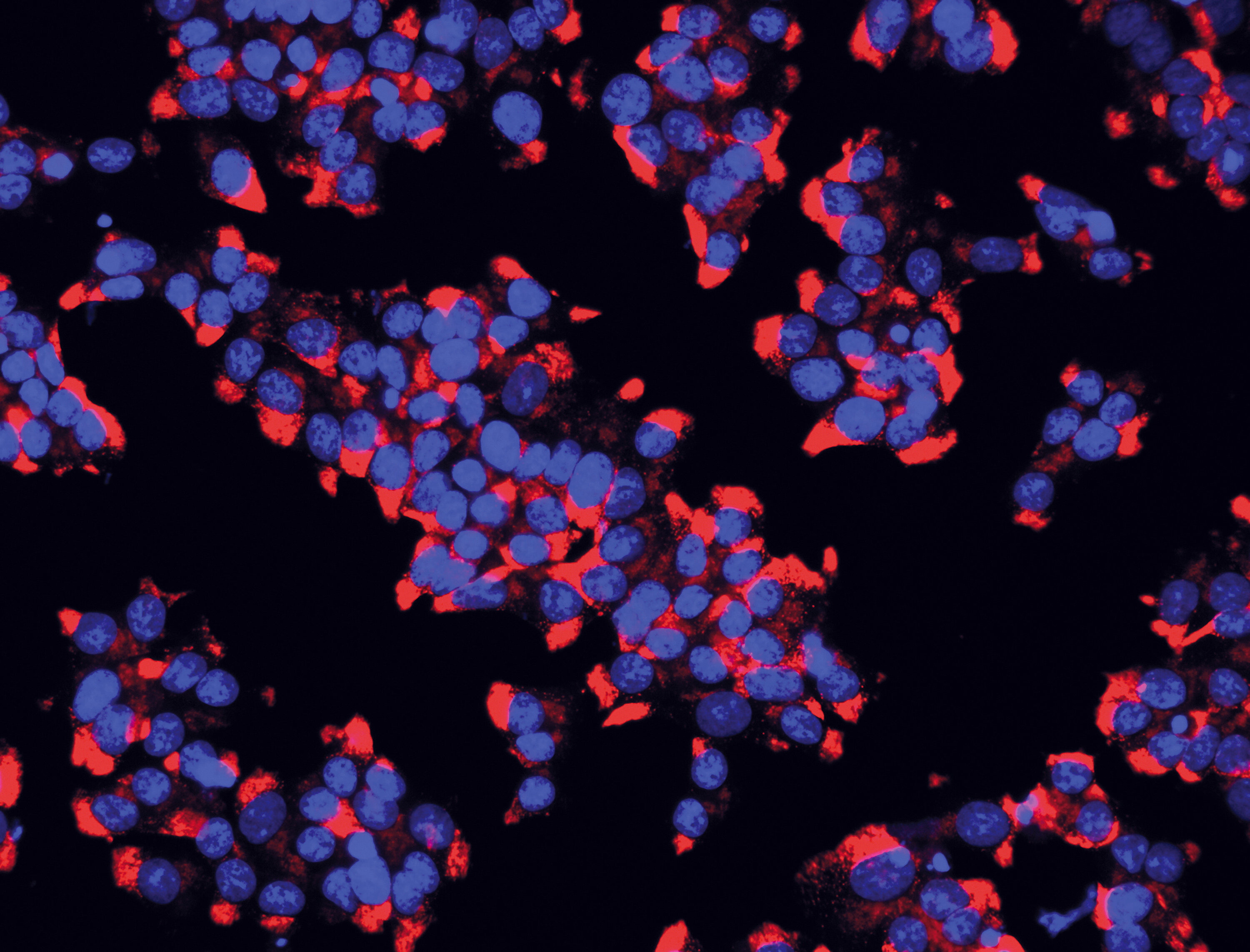
Cellule bêta pancréatique humaineImage taken from the January-February 2013 issue of Science & Santé magazine, Special Feature, page 30. Human pancreatic beta cells. In blue, the cell nuclei; in red, the insulin contained in the cells.

Scientists from Inserm, Université Paris Cité and CNRS at the Necker Enfants Malades Institute in Paris have identified a new prognostic marker for cardiovascular risk in people with type 2 diabetes (T2D). Led by Inserm researcher Nicolas Venteclef, the team has shown that the number of white blood cells circulating in the blood, as well as certain subtypes, is associated with stroke or myocardial infarction risk over the next ten years. Published in Circulation Research, this finding could make it possible to screen for T2D patients with the highest risk in order to improve prevention. The team filed a patent at the end of 2023 to protect their discovery.

During their lives, people with type 2 diabetes (T2D) have an approximate two-fold higher risk of an atherosclerosis-related cardiovascular event, such as myocardial infarction or stroke, in relation to those without T2D. Atherosclerosis is a disease characterised by the presence of plaques along the wall of the arteries that can rupture and obstruct blood flow.

Identifying those who are most at risk of developing this disease out of the T2D population remains very difficult. The ten-year predictive scores that integrate various cardiovascular risk factors, such as age, smoking and cholesterol levels, are unreliable when applied to this population, including when T2D-specific factors (duration of diabetes, HbA1c glycated haemoglobin, etc.) are taken into account. So it is important to identify new predictive factors for this specific population.

In a new study, the team of Inserm researcher Nicolas Venteclef at the Necker Enfants Malades Institute (Inserm/Université Paris Cité/CNRS) looked at monocytes – a category of white blood cells circulating in the blood, which are directly involved in the onset and progression of atherosclerosis. By evaluating the number of monocytes in the blood and the subtypes present in T2D patients, the researchers wanted to see if these parameters could constitute markers associated with cardiovascular risk.

In atherosclerosis, the blood monocytes are ‘recruited’ in the internal walls of the arteries. There, they differentiate into macrophages, which are cells able to capture ‘bad cholesterol’ and produce inflammatory molecules. The more the macrophages accumulate, the more lipids they capture, increasing the inflammation and the growth of the atherosclerotic plaque. Eventually, these plaques can damage the arterial wall, obstruct the vessel, or rupture.


Three cohorts of patients

The team based their research on three cohorts of T2D patients. Firstly, in AngioSafe-2[1], a cohort including 672 T2D patients, the researchers saw that the circulating monocyte count was positively correlated with the extent of atherosclerotic plaque and thus with the risk of atherosclerosis-related cardiovascular events, regardless of patient age and duration of T2D. In other words, the higher the circulating monocyte count, the greater the risk of a cardiovascular event.

This initial finding was confirmed in a second cohort, GLUTADIAB, comprising 279 people with T2D. This research also included the molecular analysis of circulating monocytes in both cohorts, making it possible to identify certain subtypes of monocytes predominant in T2D subjects with high cardiovascular risk.

What remained to be understood was how the scientists could use this finding to predict cardiovascular risk. A third cohort, SURDIAGENE, which follows people with T2D[2], enabled the authors to obtain the total circulating monocyte counts for 757 patients receiving follow-up in the cardiovascular prevention setting. When correlating these counts with the cases of myocardial infarction or stroke occurring in the cohort, they found that T2D patients with monocyte counts above a certain threshold (0.5 × 10⁹/L) had a five to seven times higher risk of cardiovascular events within ten years compared to those with counts below this threshold.

Armed with these findings, the scientists filed a patent to protect their discovery. They are now working on developing an electronic sensor to measure circulating monocytes from the collection of a drop of blood[3] by classifying them according to subtype. Ultimately, their objective is to include this analysis in the existing prognostic cardiovascular risk scores, in order to identify T2D patients most at risk and improve prevention.

Inserm Transfert has filed a patent for this research.


[1] recruited in the diabetes departments of the Lariboisière and Bichat Claude Bernard AP-HP hospitals

[2] Followed up in the endocrinology department of Nantes University Hospital

[3] in partnership with the PRINT’UP public institute

Prefer natural light to avoid age-related sleep disorders

© Adobe stock

One in three French adults is thought to have a sleep disorder. While the prevalence of these disorders increases with age, the biological mechanisms at play are relatively unknown, leaving scientists in doubt as to their origin. In a new study, Inserm researcher Claude Gronfier and his team at the Lyon Neuroscience Research Center (Inserm/CNRS/Université Claude-Bernard Lyon 1) hypothesised that their onset during ageing was linked to a desynchronisation of the biological clock caused by decreased light perception. In the course of their research, they identified a new adaptive mechanism of the retina during ageing that enables older individuals[1] to remain sensitive to light. These findings are also of clinical relevance in encouraging older people to have more exposure to daylight, rather than artificial light, to avoid developing sleep disorders. These results have been published in the Journal of Pineal Research.

Almost all biological functions are subject to the circadian rhythm, which is a 24-hour cycle. The secretion of the night hormone melatonin is typically circadian. Its production increases at the end of the day shortly before bedtime, helping us to fall asleep, and falls before we wake up.

Previous studies have shown that its secretion by the brain is blocked by light, to which it is very sensitive. This sensitivity to light can manifest as desynchronisation of the circadian clock, which can lead to sleep disorders. Other studies have also revealed the important role, in the control of melatonin production, of melanopsin – a photoreceptor present in certain cells of the retina which, being highly sensitive to light (mainly blue light), regulates pupillary reflex and circadian rhythm. Therefore, when exposed to light, melanopsin becomes a driver of melatonin suppression and biological clock synchronisation.

While sleep disorders are already common in adults, they increase with age: nearly one third of people over 65 chronically consume sleeping pills[2]. Yet there are no previous studies specifically focusing on the biological mechanism at work in age-related sleep disorders. Are we talking about the consequence of a problem of light perception? If so, at what level? And what is the role of melanopsin in this specific case?

A team at the Lyon Neuroscience Research Center tried to elucidate this mystery. The scientists observed the effects of light on melatonin secretion in a group of adults. The participants were all exposed to 9 different coloured lights (corresponding to 9 very precise wavelengths) to enable the scientists to identify the mechanisms involved via the photoreceptors concerned.

The participants were divided into two distinct groups, with mean ages of 25 and 59. This experiment was performed in the middle of the night, when the body normally releases the most melatonin.

The results show that, out of the lights tested, blue light (with a wavelength of approximately 480 nm) is very effective in suppressing melatonin production in the youngest individuals. More specifically, the scientists observed that in the young subjects exposed to blue light, melanopsin was the only photoreceptor driving melatonin suppression. Conversely, in the older participants, photoreceptors other than melanopsin appear to be involved, such as the S and M cones – photoreceptors that enable the world to be perceived in colour, and which are located in the outer retina.

These data suggest that while ageing is accompanied by decreased melanopsin involvement in visual perception, the retina is able to compensate for this loss through an increase in the sensitivity of other photoreceptors that were previously not known to be involved in melatonin suppression.

These observations enable the scientists to conclude that light perception – and light requirements – change with age.

While for young people, in whom only the melanopsin receptor is involved, exposure to blue light[3] is sufficient to synchronise their circadian clock over a 24-hour day, older people require exposure to light that is richer in wavelengths (colours) – a light whose characteristics are those of sunlight.

‘This is the discovery of a new adaptive mechanism of the retina during ageing – enabling older subjects to remain sensitive to light despite yellowing of the lens. These findings are also clinically relevant, encouraging older people to have more exposure to daylight, which is richer in wavelengths, rather than artificial light, in order to avoid developing sleep disturbances or mood or metabolism disorders, for example. Finally, they offer new possibilities for the optimal personalisation of phototherapies/light therapies for older people‘, explains Claude Gronfier, Inserm researcher and last author of the study.

Regarding this last aspect, the research team is now looking at the quantity and quality of light necessary for each individual, and the best time for light exposure during the day, to prevent the development of sleep disorders and health problems more generally.

The research is being conducted in healthy subjects (children and adults), day and night workers, and patients (with sleep and biological rhythm disorders, genetic diseases, mood disorders and neurodegeneration)[4].


[1]In this study, the average age of the participants in the ‘older’ group was 59 years.

[2] https://www.has-sante.fr/jcms/c_1299994/troubles-du-sommeil-stop-a-la-prescription-systematique-de-somniferes-chez-les-personnes-agees

[3] The LED lights used are rich in blue light.

[4] https://www.crnl.fr/fr/page-base/groupe-sommeil-rythmicite-circadienne-lhumain-epidemiologie-populationnelle-recherche

HIV: early treatment, one key to remission

 HIV 3d illustration © Adobe Stock

People living with HIV need to take antiretroviral treatment for life to prevent the virus from multiplying in their body. But some people, known as “post-treatment controllers,” have been able to discontinue their treatment while maintaining an undetectable viral load for several years. Starting treatment early could promote long-term control of the virus if treatment is discontinued. Scientists from the Institut Pasteur, the CEA, Inserm, Université Paris Cité and Université Paris-Saclay, in collaboration with Institut Cochin[1] and with the support of MSD Avenir and ANRS Emerging Infectious Diseases, used an animal model to identify a window of opportunity for the introduction of treatment that promotes remission of HIV infection: it appears that starting treatment four weeks after infection promotes long-term control of the virus following the interruption of treatment after two years of antiretroviral therapy. These results highlight how important it is for people with HIV to be diagnosed and begin treatment as early as possible. The findings were published in the journal Nature Communications on January 11, 2024.

Research on the VISCONTI cohort, composed of 30 post-treatment controllers, has provided proof of concept of possible long-term remission for people living with HIV. These individuals received early treatment that was maintained for several years. When they subsequently interrupted their antiretroviral treatment, they were capable of controlling viremia for a period lasting more than 20 years in some cases. At the time (in 2013), the team leading the VISCONTI study suggested that starting treatment early could promote control of the virus, but this remained to be proven.

In this new study, the scientists used a primate model of SIV2 infection which allowed them to control all the parameters (sex, age, genetics, viral strain, etc.) that may have an impact on the development of immune responses and progression to disease. They compared groups that had received two years of treatment, starting either shortly after infection (in the acute phase) or several months after infection (in the chronic phase), or no treatment.

The reproducible results show that starting treatment within four weeks of infection (as was the case for most of the participants in the VISCONTI study) strongly promotes viral control after discontinuation of treatment. This protective effect is lost if treatment is started just five months later.

“We show the link between early treatment and control of infection after treatment interruption, and our study indicates that there is a window of opportunity to promote remission of HIV infection,” comments Asier Sáez-Cirión, Head of the Institut Pasteur’s Viral Reservoirs and Immune Control Unit and co-last author of the study.

The scientists also demonstrated that early treatment promotes the development of an effective immune response against the virus. Although the antiviral CD8+ T immune cells developed in the first weeks after infection have very limited antiviral potential, the early introduction of long-term treatment promotes the development of memory CD8+ T cells, which have a stronger antiviral potential and are therefore capable of effectively controlling the viral rebound that occurs after treatment interruption.

We observed that early treatment maintained for two years optimizes the development of immune cells. They acquire an effective memory against the virus and can eliminate it naturally when viral rebound occurs after discontinuation of treatment,” explains Asier Sáez-Cirión.

These results confirm how important it is for people with HIV to be diagnosed and begin treatment as early as possible.

Starting treatment six months after infection, a delay that our study shows results in a loss of effectiveness, is already considered as a very short time frame compared with current clinical practice, with many people with HIV starting treatment years after infection because they are diagnosed too late,” notes Roger Le Grand, Director of IDMIT (Infectious Disease Models for Innovative Therapies) and co-last author of the study.

“Early treatment has a twofold effect: individually, as early treatment prevents diversification of the virus in the body and preserves and optimizes immune responses against the virus; and collectively, as it prevents the possibility of the virus spreading to other people,” adds Asier Sáez-Cirión.

Finally, these results should guide the development of novel immunotherapies targeting the immune cells involved in the remission of HIV infection.


[1] Institut Cochin is a biomedical research center affiliated with Inserm, the CNRS and Université Paris Cité.

2 SIV: simian immunodeficiency virus only affects non-human primates. SIV infection of animals recapitulates the key features of human HIV infection.

These are the initial results of the p-VISCONTI study, which began in 2015 in collaboration with the institutions cited above and received funding from MSD Avenir and the support of ANRS Emerging Infectious Diseases as part of the RHIVIERA consortium.

fermer