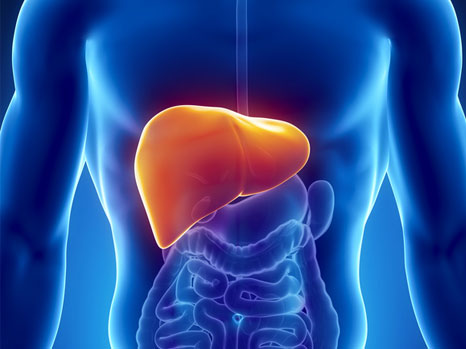
Dr. Federico MINGOZZI, Team Leader of the Immunology and Liver Gene Transfer unit at Généthon, (Inserm U951/UPMC), France, has demonstrated the long-term efficacy of an optimized AAV-UGT1A1 vector for the correction of Crigler-Najjar syndrome (CN) in two different animal models of the disease. This work, published in July 20, 2016 in Molecular Therapy Methods and Clinical Development was supported by the AFM-Telethon.
Des chercheurs de l'Inserm et de l'Université Pierre et Marie Curie du Centre de Recherche des Cordeliers, en collaboration avec des chercheurs de l'institut Karolinska en Suède, ont décrit le mécanisme par lequel le facteur GPS2 réprime la survenue du diabète de type 2 chez les personnes obèses. Ces travaux, publiés dans la revue Nature Medicine, mettent en lumière l'importance de l'épigénome dans l'apparition de la maladie.
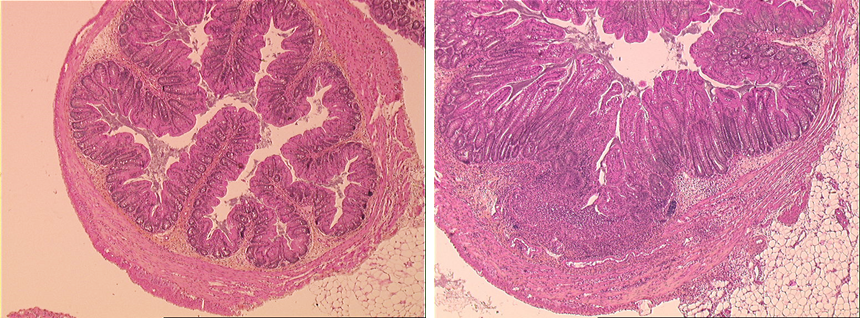
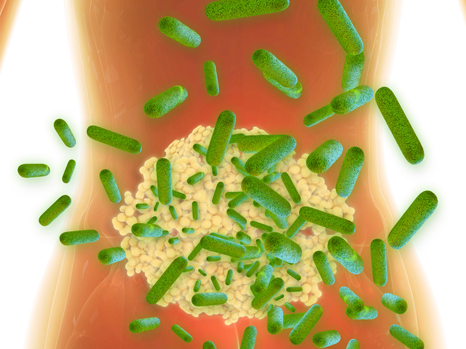
Modifications of the gut microbiota in chronic inflammatory bowel disease (Crohn’s disease and ulcerative colitis) are both the cause and consequence of these internal disorders. This has been shown a team of French researchers from Inserm, INRA[1], UPMC and AP-HP, who describe these mechanisms and propose new therapeutic approaches. Their work is published in Nature Medicine on 9 May 2016.
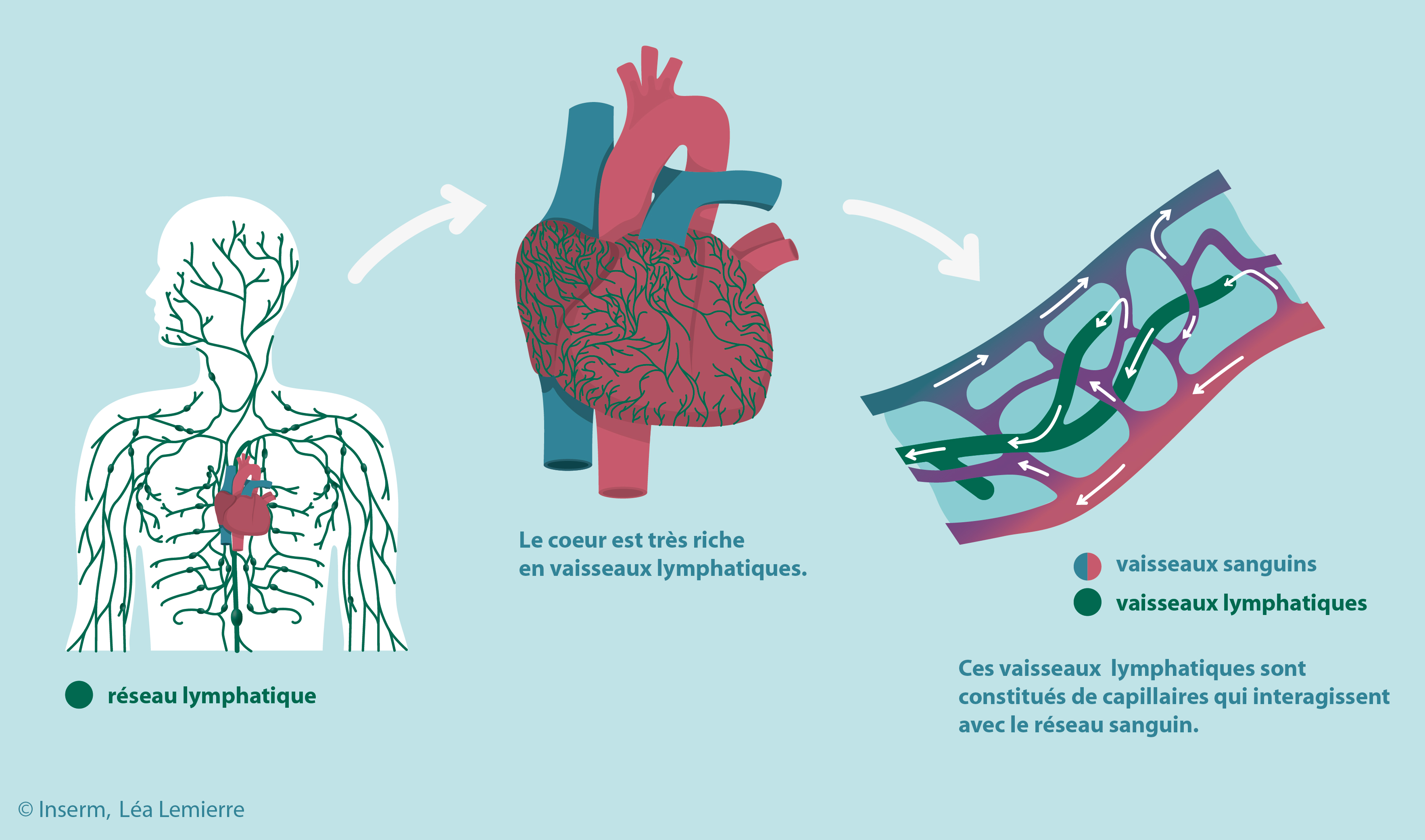
Heart failure affects over one million people in France. Although the blood system is the first to have been explored for the purpose of improving heart function, a study by Inserm has revealed the potential of a secondary system that had previously received scant attention. The researchers[1] analysed the heart lymphatic system in an animal model. They showed that this system was highly impaired following a myocardial infarction. Using...
The intestinal microbiota is necessary to ensure optimum postnatal growth and contributes to determining the size of adult individuals, notably in the event of undernutrition. The key element in this relationship is Insulin-like Growth Factor-1 (IGF-1), whose production and activity are in part controlled by the microbiota. This has recently been demonstrated in mice by scientists at the Institut de Génomique Fonctionnelle de Lyon (CNRS/ENS Lyon/Université Claude Bernard...
A team of researchers (AP-HP, AVENIR-ATIP–Inserm team[1], INRA[2], UPMC[3]) led by Dr Harry Sokol, from the Department of Gastroenterology and Nutrition, Saint Antoine Hospital, AP-HP, used a high-throughput sequencing method to show an imbalance in the fungal microbiota of patients with inflammatory bowel disease (IBD), with variations according to the type of disease and topography of lesions. The fungal component (made up of moulds and yeasts) of the microbiota...
A study conducted on mice by researchers at Inserm and UPMC (Pierre and Marie Curie University) offers a new type of immunotherapy approach for treating Alzheimer's disease. This involves amplifying a specific population of T lymphocytes that regulate immune and neuroinflammatory mechanisms that develop during the disease.These results are published in the journal Brain.
12 patients suffering from severe erectile dysfunction following prostate cancer received a transplant of stem cells into the penis. After six months, significant improvements in the quality of sexual intercourse, erection, penile rigidity and quality of orgasm were reported by the patients, according to a study by Inserm. This clinical trial was conducted under the direction of Professor René Yiou at the Department of Urology, Henri Mondor University Hospital,...
Over half of the patients who die suddenly have early warning signs, allowing ample time for intervention, according to an Inserm study conducted by Eloi Marijon, a researcher and cardiologist at the Paris Cardiovascular Research Center (Inserm Unit 970 / George Pompidou European Hospital, AP-HP) This work is published in the journal Annals of Internal Medicine.
Despite excessive alcohol consumption, some individuals remain in good health while others develop liver disease. This inequality regarding the toxicity of alcohol for the liver depends on the intestinal microbiota. This has just been demonstrated by scientists and physicians from Paris-Sud University, Inserm, AP-HP (Antoine-Béclère Hospital), INRA (French National Institute for Agricultural Research), AgroParitech and Aix-Marseille University. These results are published online in the journal Gut.
Don’t have room for dessert? The bacteria in your gut may be telling you something. Twenty minutes after a meal, gut microbes produce proteins that can suppress food intake in animals, reports a study published November 24 in Cell Metabolism. The researchers also show how these proteins injected into mice and rats act on the brain reducing appetite, suggesting that gut bacteria may help control when and how much...