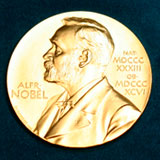
Nobel prize 2014 in physiology and medicine is awarded to John O'Keefe, May-Britt Moser and Edvard I. Moser
This year marks the 10th edition of Pink October, a month of national mobilisation against breast cancer.
World Heart Day, held on 29 September each year, is aimed at increasing the general public’s awareness of the risk factors for cardiovascular diseases and thus helping to prevent them.
To mark its 50th anniversary, Inserm is meeting the public and organising many events all over France. An opportunity to better understand the current issues in research with the help of the Institute’s staff, partners and supervisory bodies.
World Alzheimer’s Day, which will take place on Sunday, 21 September, is an opportunity to review the progress of research and to present INSIGHT
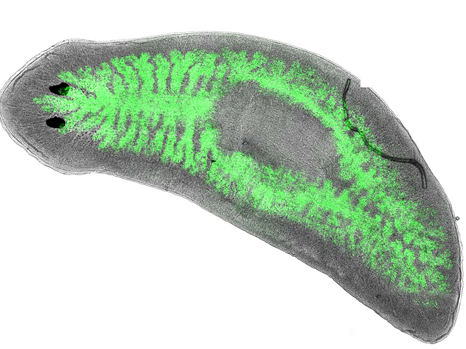
A novel mode of defense against bacteria such as the causal agent of tuberculosis or Staphylococcus aureus has been identified in humans by studying a small, aquatic flatworm, the planarian.
Researchers at Inserm Unit 657, “Pharmacoepidemiology and evaluation of the impact of health products on the population,” report new results on the link between benzodiazepines and dementia.
The 2014 Lasker Award has just been won by Alim Louis Benabid, Director of Inserm Unit 318 “Preclinical Neurosciences” from 1988 to 2006, and winner of the 2008 Inserm Prix d’Honneur for his work on deep brain stimulation for the treatment of Parkinson’s disease.
A research consortium bringing together teams from Inserm, the Nancy and Poitiers University Hospitals, and the Centers for Disease Control and Prevention (CDC, Atlanta, USA), and coordinated by the Inserm and University of Grenoble Environmental Epidemiology team (Unit 823), has just published an epidemiological study indicating that exposure to certain phenols during pregnancy, especially parabens and triclosan, may disrupt growth of boys during foetal growth and the first years...
How can a specialized cell change its identity? A team from the Institut de Génétique et de Biologie Moléculaire et Cellulaire (CNRS/INSERM/Université de Strasbourg) investigated a 100% effective natural example of this phenomenon, which is called transdifferentiation. This process, by which some cells lose their characteristics and acquire a new identity, could be more generally […]
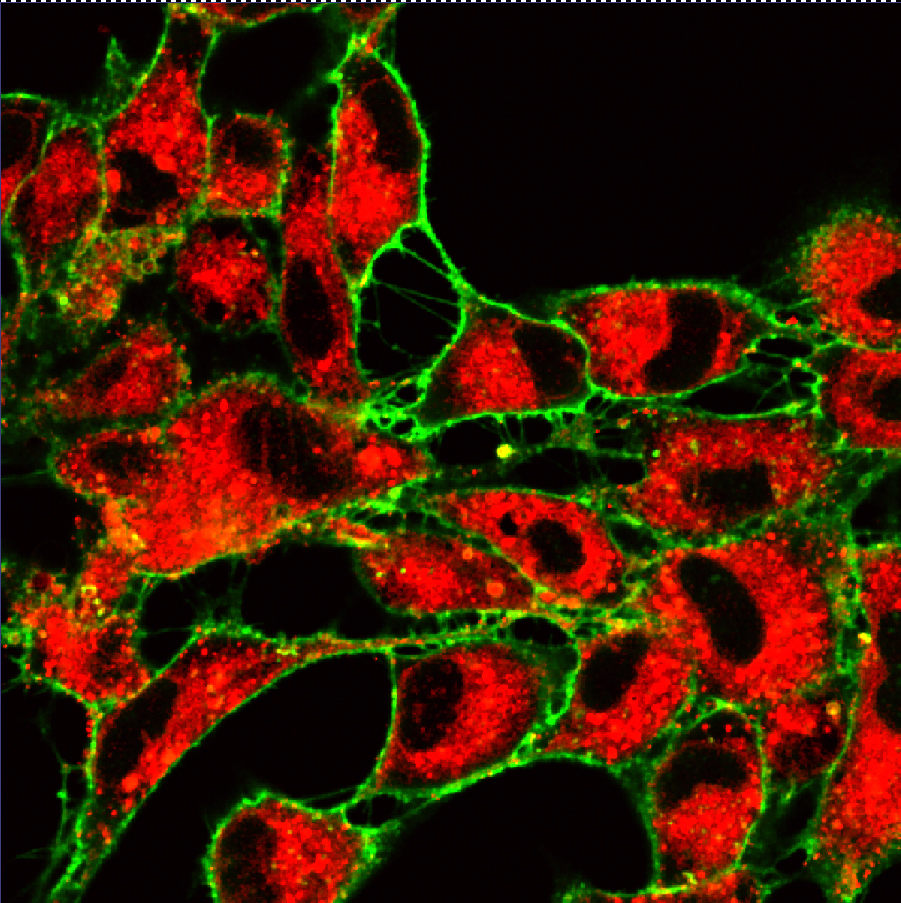
Consuming oils rich in polyunsaturated fatty acids, especially 'omega 3', is good for our health. But the mechanisms explaining these effects are poorly understood. Researchers from the Institute of Molecular and Cellular Pharmacology (CNRS/Nice Sophia Antipolis University), the Compartmentation and Cellular Dynamics Unit (CNRS/Curie Institute/UPMC) of Inserm and Poitiers University1 were interested in the effect of lipids carrying polyunsaturated chains when they are taken into cell membranes.