Menu

First clinical proof of concept for functional ultrasound imaging of brain activity in newborns

Coronal image of the brain vasculature of a premature neonate, obtained non-invasively using ultrafast Doppler ultrasound imaging.  Photo credit: Inserm U979 “Wave Physics for Medicine”, Langevin Institute – Waves and Imaging.

Physicians from Inserm Unit 979 “Wave Physics for Medicine” at the ESPCI Paris together with clinician researchers from the neonatal intensive care unit of Robert-Debré AP-HP pediatric hospital and Inserm Unit 1141 have just made a scientific and medical breakthrough: the non-invasive imaging of brain activity in newborns using ultrasound. This will open up new avenues for bedside neurological diagnosis in full-term and premature babies. The details of their research have been published in the October 11, 2017 issue of Science Translational Medicine.

 The technique used, called functional ultrasound imaging of brain activity, was invented in 2009 at the ESPCI Paris in Inserm Unit 979 “Wave Physics for Medicine”, led by Mickael Tanter, Inserm Research Director. Its originality lies in the use of ultrasound technology which, unlike other methods of brain imaging, is simple and portable. Physicians generally use magnetic resonance imaging (MRI) or positron-emission tomography (PET) to image brain activity. Although major technical progress has been made with these methods, they remain restrictive and costly, with long-waiting times for patients.


Similar in appearance to the ultrasound scanners used in obstetrics or echocardiography, the research prototype used has the particularity of being able to acquire images at very high speed. When combined with cutting-edge data processing algorithms, it is possible to map, with very high sensitivity, the subtle variations in blood flow in the small vessels of the brain, variations that are linked to neuronal activity. This new method combines ultrafast image acquisition with very high spatial resolution and a great depth of image. Until now, this had been applied only in pre-clinical studies, using animal models.


Therefore, the research published today establishes the first proof of concept of non-invasive functional ultrasound brain imaging in humans, performed in the neonatology and neonatal intensive care unit of Prof. Olivier Baud at Robert Debré Hospital, AP-HP, currently directed by Prof. Valérie Biran. The brain activity of premature neonates has been recorded in large regions of the brain, at rest and during seizures, at 1,000 images/sec and with a spatial resolution of 150 µm. These hitherto unheard-of data show propagation of cerebral blood flow between and during seizures, and make it possible to locate where they are coming from. Thanks to an ultrafast ultrasound prototype used at the patient’s bedside, images are acquired non-invasively by placing an ultrasound scanner on the baby’s head, above the fontanelle.


For Mickael Tanter and his colleague Charlie Demené, “this first proof of concept of a non-invasive form of neuroimaging that makes it possible to record neuronal activity across an extensive area of the brain, marks the entry of ultrasound into the world of clinical neurosciences with a method that is highly sensitive, portable and can be used directly at the patient’s bedside”.

This study demonstrates the potential of functional ultrasound imaging for the monitoring of premature neonates, who are tricky to examine and in whom it is difficult to diagnose neurological disorders. This technology is not heavy to handle and no patient transportation, contrast agents or ionizing emissions are needed. For Olivier Baud, “functional ultrasound brain imaging could represent a genuine revolution in the field of medicine by bringing new knowledge of neurovascular dynamics, brain development and neuroprotection mechanisms, as well as more early diagnosis of brain functional connectivity alterations”.


This study is part of the FUSIMAGINE project funded by the European Research Council (ERC) for the development of functional ultrasound brain imaging (https://fultrasound.eu)

Voies EEGEEG channels
DroiteRight
GaucheLeft


Microdystrophin restores muscle strength in Duchenne muscular dystrophy

©fotolia

Researchers from Généthon, the AFM-Téléthon laboratory, Inserm (UMR 1089, Nantes) and the University of London (Royal Holloway) demonstrated the efficacy of an innovative gene therapy in the treatment of Duchenne muscular dystrophy. Indeed, after injecting microdystrophin (a “shortened” version of the dystrophin gene) via a drug vector, the researchers managed to restore muscle strength and stabilise the clinical symptoms in dogs naturally affected by Duchenne muscular dystrophy. A first. This work, published today in Nature Communications, has been achieved thanks to donations from the French Téléthon.

Duchenne muscular dystrophy is a rare progressive genetic disorder involving all the muscles of the body, and affects 1 in 5,000 boys. It is the most common neuromuscular disorder in children. It is associated with abnormalities in the DMD gene, which encodes dystrophin, a protein that is essential for proper muscle function. This gene is one of the largest in our genome (2.3 million base pairs, of which over 11,000 are coding). Because of this size, it is technically impossible to insert the entire DNA for dystrophin into a viral vector (or even the 11,000 coding base pairs alone), as is usually done for gene therapy.

To meet this challenge, teams at Genethon developed, in collaboration with a team at Royal Holloway University of London led by Pr. Dickson, and produced, a gene therapy drug combining an AAV-type viral vector with a shortened version of the dystrophin gene (approximately 4,000 base pairs), allowing the production of a functional protein. Dr Le Guiner’s team tested this innovative treatment in 12 dogs naturally affected by Duchenne muscular dystrophy.


By injecting this microdystrophin intravenously, and hence into the whole body of the dogs, the researchers observed that dystrophin expression returned to a high level, and muscle function was significantly restored, with stabilisation of the clinical symptoms observed for over 2 years following injection of the drug (see video). No immunosuppressive treatment was administered beforehand, and no side-effects were observed.

Some Golden Retrievers develop Duchenne muscular dystrophy naturally. The successful treatment of these dogs, which show the same clinical symptoms as children with this disease, and are of a similar weight, is a decisive step toward developing the same treatment in children.

“This preclinical study demonstrates the safety and efficacy of microdystrophin, and makes it possible to consider developing a clinical trial in patients. Indeed, this is the first time that it has been possible to treat the whole body of a large-sized animal with this protein. Moreover, this innovative approach allows treatment of all patients with Duchenne muscular dystrophy, regardless of the genetic mutation responsible,” says Caroline Le Guiner, the main author of this study.

“This is tremendously exciting progress towards a gene therapy for DMD. The studies in GRMD dogs have been spectacular and exceeded our expectations. My team has worked for many years to optimise a gene therapy medicine for DMD, and now the quite outstanding work of colleagues in France, in Genethon, in Nantes and in Paris has taken us close to clinical trials in DMD patients. I pay thanks also to the amazing and steadfast support of this research by AFM-Telethon and MDUK (Muscular Dystrophy UK) which has been essential to this achievement.” commented George Dickson.

For Frédéric Revah, Chief Executive Officer of Généthon: “For the first time, researchers obtained a systemic therapeutic effect on a neuromuscular disease in dogs using microdystrophin, and without immunosuppressive treatment. This highly complex cutting edge technology has been developed as part of an exceptional collaborative effort between Genethon and academic teams from Britain and France. Now our bioproduction experts have the task of producing a sufficient quantity of these new drug vectors, under GMP conditions, for the clinical trial.”
“This new evidence of the efficacy of gene therapy in Duchenne muscular dystrophy strengthens the therapeutic arsenal developed (exon skipping, CRISPR Cas-9, pharmacogenetics, etc.), and the first results are there. We need to forge ahead to complete the final phase and transform these scientific advances into drugs for children,” emphasises Serge Braun, Scientific Director of AFM-Téléthon.

Prenatal stress affects life expectancy in offspring

certificat

Extract from the birth certificate of a child given “orphan of the Nation” status (A) after being linked to the father’s military death certificate (B).

(A) Archives de Bordeaux / (B) Mémoire des Hommes.

Major prenatal stress reduces the lifespan of adult offspring by over 2 years. Inserm researchers have obtained these results by studying a cohort of children born between 1914 and 1916, some of whom lost their father in combat before they were even born. Stress suffered by the mother seems to weaken the fetus, at a developmental stage characterized by a high level of plasticity. These results were published in PNAS by a team from Inserm Unit 1169, “Gene Therapy, Genetics and Epigenetics in Neurology, Endocrinology, Cardiology, and Child Development”: Nicolas Todd, Pierre Bougnères, and Alain-Jacques Valleron.

Research has shown that early-life stress can have repercussions throughout an individual’s life. This is the case for example with exposure to famine during pregnancy, which increases the risk of cardiovascular, metabolic, and mental disorders in the offspring. However, the long-term consequences of such stress on mortality remain largely unknown. In an attempt to better understand this issue, Inserm researchers studied a cohort of children born in the period 1914-16, a group that has now passed away, and examined over 90,000 birth certificates. Following comparison with the French Ministry of Defense’s database of the 1.4 million soldiers killed in World War I, they identified 2,651 pupilles de la Nation (orphans of the Nation) whose fathers died in combat during this period.

Each war orphan was paired with a control child born at the same time, in the same commune, to a mother of comparable age, and their respective lifespans were compared. The lifespan of children whose father died after their birth was the same as that of their control counterparts. But the adult lifespans of children whose father died before their birth were shortened by 2.4 years, and by 4 years if this death took place in the final trimester of pregnancy. This historical study reveals for the first time that prenatal maternal stress weakens the fetus, at a stage of its development characterized by a high level of plasticity, and particularly of epigenetic plasticity.

The article describes the maternal, placental, and fetal mechanisms that may have contributed to the long-term impact of paternal death on prenatal orphans. These include, for example, variation in the level of cortisol, a steroid hormone that controls various stages of fetal development but which is also involved in the body’s response to stress in other periods of life.

From context to cortex: Discovering social neurons

Crowd

© Fotolia

The existence of new “social” neurons has just been demonstrated by scientists from the Institut de neurosciences des systèmes (Aix-Marseille University / INSERM), the Laboratoire de psychologie sociale et cognitive (Université Clermont Auvergne / CNRS), and the Institut de neurosciences de la Timone (Aix-Marseille University / CNRS). Their research on monkeys has shown that when these animals are made to perform a task, the presence or absence of a conspecific—that is, another monkey—determines which neurons are activated. Published in Social Cognitive and Affective Neuroscience, these findings broaden our knowledge of the social brain and help us better grasp the phenomenon of social facilitation.[1]

Understanding how the brain functions within a social context is a major challenge facing neuroscientists.  Through their unique multidisciplinary collaboration, a primate neurophysiologist and an experimental social psychologist have now discovered two new classes of neurons in the prefrontal cortex: social and asocial neurons.

Most areas of the brain are associated with specific tasks. Some are specialized in the processing of information related to life in society: they make up the so-called social brain. In connection with thesis research conducted by Marie Demolliens,[2] CNRS researchers Driss Boussaoud and Pascal Huguet assigned monkeys the task of matching a picture shown on a touch screen with one of four different items displayed at the corners of the same screen. Executing such a task requires use of the prefrontal cortex but not the “social” areas of the brain. The researchers made daily recordings of neuronal electrical activity in this region of the brain while monkeys performed the task in the presence or in the absence of a conspecific.

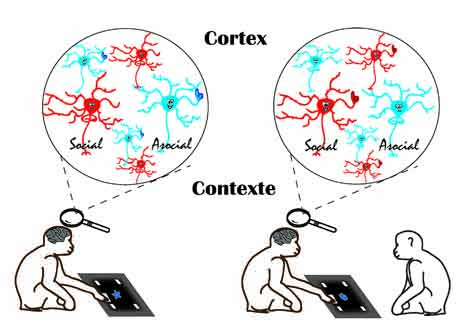
Though the monitored neurons of the prefrontal cortex are primarily involved in execution of the visuomotor task, the study showed most of them also reacted strongly to either the presence or absence of another monkey. During the experiment, some of these neurons were only strongly activated in the presence of a conspecific. They have thus been dubbed social neurons. On the other hand, the activity levels of other, asocial neurons only spiked in the absence of a fellow monkey. Even more surprisingly, the greater the intensity of social neuron activity in the presence of a conspecific, the better the subject performed the task. Social neurons are hence at the root of social facilitation. Likewise, the greater the activity of asocial neurons in the absence of conspecifics, the better the subject performed the task—though not as well as in the presence of another, when social neurons are stimulated. The researchers also demonstrated that in the other, rare permutations—activation of social neurons in the absence of conspecifics, or of asocial neurons in their presence—the monkeys did not perform as well.

This work reveals the important connection between social context and neuronal activity, and the consequences on behavior: which neurons the brain uses depends on whether a conspecific is present, even if the task is the same. Thus, rather than being limited to the areas of the brain principally associated with social activity, social neurons might actually be dispersed throughout the brain and play a role in various tasks—whether or not the latter are social in nature.  These findings cast new light on the nature of the social brain as well as certain behavioral disorders characteristic of autism and schizophrenia.

neurones_sociaux_web

Figure 1: Differential activation of social and asocial neurons depending on whether the monkey performing the touch screen task is in the presence or absence of a conspecific.

© M. Demolliens

 [1]. Social facilitation refers to enhanced performance of an activity due to the presence of a conspecific. It is observed among all species whose members live in groups (i.e., social species).

[2]. Under the joint supervision of Driss Boussaoud and Pascal Huguet.

Communication between neurons implicated in autism spectrum disorders and intellectual disabilities

vignettecp-web

© Fotolia

An international collaborative study coordinated by Frédéric Laumonnier (Unit 930 “Imaging and Brain” Inserm/University of Tours) and Yann Hérault of the Institute of Genetics and Molecular and Cellular Biology (Inserm/ CNRS/ University of Strasbourg) provides new and original findings on the pathophysiological role of the contact areas between neurons in certain brain disorders. The study reveals that mutation of one of the genes involved in intellectual disability and autism spectrum disorder leads to dysfunction of the synapses, which are essential for neuronal communication. The research was published on April 18, 2017, in Molecular Psychiatry.

Autism spectrum disorder (ASD) and intellectual disability (ID) are neurodevelopmental disorders that generally emerge when a child’s brain is developing and often persist into adulthood. Behavioral disorders and inabilities to communicate and establish social interactions are observed in people with ASD. In addition, those with ID present difficulties with comprehension, memory, and learning. While the origins of these disorders remain poorly understood, we now know that a significant proportion are associated with genetic mutations.

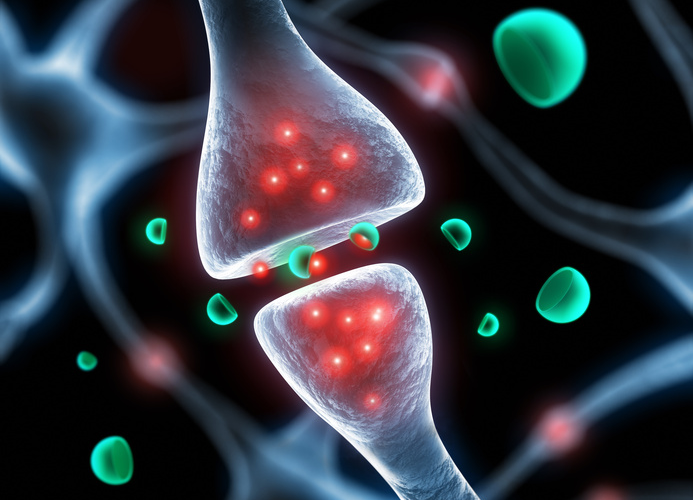
During the brain development process, synapse formation is essential for brain functions such as memory and learning. Synapses are the points of contact between neurons which enable neurons to connect with each other and propagate information.  Some synapses are inhibitory and others excitatory, to enable the establishment of functional neuronal networks. However, mutations of the so-called PTCHD1 (Patched Domain containing 1) gene, which is located on the X chromosome and enables the expression of a protein potentially involved in synaptic functioning, have recently been identified in boys with the aforementioned disorders. These mutations stop the gene from expressing itself.

In order to validate the involvement of PTCHD1 gene mutations in ASD and ID, Hérault and his co-workers created a mouse model that was deficient for the PTCHD1 gene. In these animals, they observed major memory deficits and significant symptoms of hyperactivity, thus confirming the gene’s involvement in ASD and ID. Parallel studies by Laumonnier’s team showed a presence of the PTCHD1 protein in the excitatory synapses and also detected changes in the same mice’s synapses.

These changes to synaptic structure and activity in the excitatory neuronal networks were found to be particularly significant in a central brain region known as the hippocampus. This region plays a major role in cognitive processes, particularly those involving memory and the formation of new memories.

Genetic abnormalities impacting the structure or functioning of these synapses constitute a pathophysiological target in ASD and ID. In this context, this research defines a new “synaptic disease” caused by a PTCHD1 gene mutation. This dysfunction emerges during the development of the central nervous system and is associated with ID and ASD. Understanding of the pathophysiological mechanisms that underlie these neurodevelopmental disorders, particularly through the study of model organisms, is essential to improve therapeutic strategies.

Potential of an immunotherapy demonstrated in the treatment of Alzheimer’s disease

CRCNA UMR 892 Centre de Recherche en Cancérologie Nantes-Angers

©Inserm/Latron, Patrice

The involvement of the immune system in neurological diseases suggests that immunotherapy, which has shown its effectiveness in the area of cancer and autoimmune diseases, is also of major interest in the treatment of neurodegenerative diseases. This has been shown by the teams of Nathalie Cartier-Lacave (Inserm Research Director, Inserm/CEA Joint Research Unit 1169, “Gene Therapy, Genetics and Epigenetics in Neurology, Endocrinology, Cardiology and Child Development”) and David Klatzmann (Director of Inserm/Pierre and Marie Curie University Joint Research Unit 959, “Immunology – Immunopathology – Immunotherapy,” and head of the biotherapy department at Pitié-Salpêtrière Hospital, AP-HP), whose work is published today in the journal Brain. The researchers have proven that a molecule called interleukin-2 (IL-2), from the immune system, is able to control inflammation in the brain cells, which is implicated in neurodegenerative diseases such as Alzheimer’s disease, and can restore impaired cognitive functions in the animal model.

There are many interactions between the central nervous system and the immune system. The cells of the immune system circulate in the brain and can play a role – direct or indirect – in neurological diseases. Thus a direct role has been demonstrated in multiple sclerosis, and a direct role mediated by inflammation has also been found. Neurodegeneration leads to neuroinflammation, which helps to amplify the initial neurodegeneration, generating a vicious circle that aggravates the disease. In Alzheimer’s disease, amyloid peptide β (Aβ) aggregates in the extracellular senile plaques, around which reactive astrocytes and activated microglial cells accumulate. These cells help to dissolve these plaques, and secrete cytokines that regulate the intensity of the brain’s immune response.

Moreover, recent work has shown that mice deficient in IL-2 have diminished faculties for learning and memory, reminiscent of Alzheimer’s disease (AD). Furthermore, IL-2 is currently being evaluated for the treatment for several autoimmune diseases in terms of its ability to stimulate regulatory T lymphocytes (Tregs), the role of which is to control inflammation.

The authors first demonstrated a strong decrease in IL-2 levels in biopsies from patients who had died of Alzheimer’s disease. This led to them to evaluate the therapeutic potential of this molecule in a mouse model of Alzheimer’s disease. The mice were treated at a stage where they already had brain involvement. This long-term treatment caused an expansion and activation of regulatory T lymphocytes in the brain, and led to a reduction in amyloid plaques.

The researchers showed that this reduction in amyloid “load” was accompanied by substantial tissue remodelling marked by an improvement in synaptic structure and function. This improvement is synonymous with recovery of memory deficits.

While untreated mice failed memory tests, treated mice had results comparable with normal mice. These beneficial effects on amyloid plaques and synaptic plasticity are accompanied, in the vicinity of the plaques, by the activation of astrocytes, a type of cell identified as having a protective role in Alzheimer’s disease.

“This work demonstrates the interest of immunotherapies for the treatment of Alzheimer’s disease, and especially the interest of interleukin-2,” the authors believe. “This treatment attacks the consequences of the disease, the synaptic loss and cognitive symptoms that accompany it. Its therapeutic potential now needs to be assessed in humans,” they conclude.

Minimum effort for maximum effect

Ten days after astronaut Thomas Pesquet take-off into space on the Proxima mission, many questions remain about human adaptation to gravity. The research team at Inserm Unit 1093, “Cognition, Motor Activity and Sensorimotor Plasticity” (Inserm/Université de Bourgogne), focuses on the manner in which movements that depend on this parameter are performed. For 30 years, it was thought that the brain, when giving motor commands, continuously compensated for the effects of gravity. In this study, the researchers reveal that it uses gravity to minimise the efforts our muscles have to make. These results have been published in eLife.

Many human and animal activities need our limbs to move in a precise manner. (Such is the case for professional dancers, who have perfect control of their bodies.) For a movement to be performed correctly, the brain has to generate muscular contractions while taking account of environmental factors likely to affect that movement. One of the most important of these is gravity. The brain develops an internal representation of gravity that it can thus use to anticipate its effects on our bodies. But how does that work? Until now, researchers thought that the brain compensated for the effects of gravity at every moment in order to direct a movement. But the Inserm researchers have proposed a new hypothesis. The brain may use the internal representation of gravity to take advantage of it and save energy.

In order to solve this mystery, the research team asked volunteers to perform arm movements under normal gravity and microgravity conditions. Under normal gravity, 15 volunteers performed right arm movements in 17 different directions.

Each movement was made up of two phases, which determined the total duration of the movement: an acceleration phase (e.g.: raising the arm if the initial trajectory is “upwards”) and a deceleration phase (e.g.: stopping the arm on its pathway). This is known as temporal organisation of movement.

If the brain continuously compensated for the effects of gravity, as was thought, the acceleration and deceleration phases would be of constant duration. Under normal gravity, the acceleration or deceleration phase directed by the brain proved to be more or less, depending on the direction of the movement. This observation corroborates the hypothesis that humans have adapted to exploit gravity by modulating the duration of these phases in order to avoid making unnecessary demands on the muscles.

To confirm and validate these results, the researchers simulated weightlessness in an aircraft. The volunteers repeated the arm movements in the 17 directions. While at the beginning of the experiment, the manner of performing the movements was the same as on Earth, the phases of acceleration and deceleration gradually changed in duration.
 

Volunteer performing movements under microgravity conditions in an aircraft travelling in a parabolic arc

© Jérémie Gaveau / Inserm

“This observation clearly shows that our brain captures information from the environment, reprogrammes itself and adapts to new gravity conditions,” explains Jérémie Gaveau, first author of this work. Once the brain has understood, it incorporates the new parameters and sends commands that allow movements to be performed with as little effort as possible.

 “Comparing these results to those of computer simulations shows sophisticated behaviour on the part of the individual. Indeed, our movements are organised to take advantage of the effects of gravity, in order to minimise the efforts that our muscles need to make,” he concludes.

 This is a genuine paradigm shift. This advance might ultimately be used to correctly programme the “brains” of humanoid robots or assist movement in disabled people.

Creation of first accelerators of technological research at Inserm

batiment ART Ultrasons biomédicaux

Inserm is launching its first accelerator of technological research according to the objective that is part of the Institute’s strategic plan 2016-2020. This first “Biomedical Ultrasound” ART will be dedicated to research and the use of ultrasound in medicine, particularly in the field of cancer diagnosis and treatment, as well as cardiovascular and neurological diseases. This new therapeutic framework consolidates multiple skills within a single unit in order to develop a high capacity for innovation and to provide this to other Inserm laboratories or hospitals. The biomedical ultrasound ART will be based at ESPCI Paris, a talent pool for future leading engineers and researchers.

Research is now becoming more and more interdisciplinary in order to compete and to generate real progress. This is the philosophy behind the first accelerator of technological research established by Inserm in the field of biomedical ultrasound. To achieve this goal, physicists, biologists, clinicians and engineers capable of taking the technological constraints into account, are translating the concept into usable and transferable tools for other researchers and physicists that will be working at the same site.


Innovations stemming from the “Biomedical Ultrasound” ART will be designed so that they can be transferred to other Inserm laboratories or hospitals within the three major areas of medical research — cancer, cardiovascular diseases and neuroscience.

Researchers hope to offer in the near future:

– Instruments capable of treating heart failure without surgery;

– Miniature imaging systems for brain activity;

– Brain-computer interface for treating major neurological disorders such as depression;

– Portable smart sensors capable of measuring and storing a variety of functional parameters;

– Ultrasound imaging systems for the remote delivery of drugs to tumours under perfectly controlled conditions, or to activate these drugs remotely in the targeted area only.

A group of high-level Inserm engineers will continue to accompany the physicists from the “Wave Physics for Medicine” team (Inserm/CNRS/ESPCI Paris) led by Mickael Tanter, in order to further the development of new technology emerging from the laboratory. These engineers will also be in charge of making this technology simple to use, consistent with medical standards, training new users and constantly improving the performance of these tools.


“In order to make major medical advances, it is now becoming more essential to provide innovative technology shortly after its creation. Many interdisciplinary partnerships already exist between hospitals, research centres and our “Wave Physics for Medicine” team. Our laboratory has already been the source of major industrial success, such as SuperSonic Imagine (Aixplorer ®) and Echosens (Fibroscan®), two devices now used by medical teams to reduce liver biopsies for cases of hepatic fibrosis and for cases of suspected cancer tumours. Many other discoveries are currently being developed and our collaborations will be helped and strengthened by ART staff dedicated to deploying technologies to partners. The “Biomedical Ultrasound” ART shall act as a genuine accelerator for new discoveries in medicine” says Mickael Tanter.

The ART will be housed on the new premises at ESPCI Paris (City of Paris Advanced School of Industrial Physics and Chemistry) located in the heart of Paris.


About Inserm

Created in 1964, the French National Health and Medical Research Institute (Inserm) is a public scientific and technical research establishment, under the joint supervision of the French Ministry of Education, Higher Education and Research and the French Ministry of Social Affairs, Health and Women’s Rights. Inserm is the only French public body dedicated to biological and medical research and human health, and occupies a position along the entire pathway from the laboratory to the patient’s bedside. Its researchers study all diseases from the most common to the most rare.

With a budget of €998 million in 2015, Inserm supports nearly 300 laboratories distributed throughout France. Together the teams comprise nearly 15,000 researchers, engineers, technicians, managers, clinician-researchers, post-doctoral fellows, etc.

About ESPCI Paris

ESPCI Paris is unique place at the centre of Montagne Sainte-Geneviève in the fifth arrondissement, which combines education, research and innovation. The school is characterised by its high-level scientific training and interdisciplinary approach, strongly backed by research excellence, combining fundamental science and openness towards applications and innovation. Housing 9 joint research units (UMR), the school is recognised worldwide for research excellence in fundamental and applied science and drives innovation within the industry. It was founded as an engineering school in the City of Paris in 1882. A paragon of French education, the school has 6 Nobel Prize laureates since its inception. The “Wave Physics for Medicine” team from the “Waves and Imaging” unit at Institut Langevin is based at the school.

A virtual brain helps decrypt epilepsy

cerveau virtuel

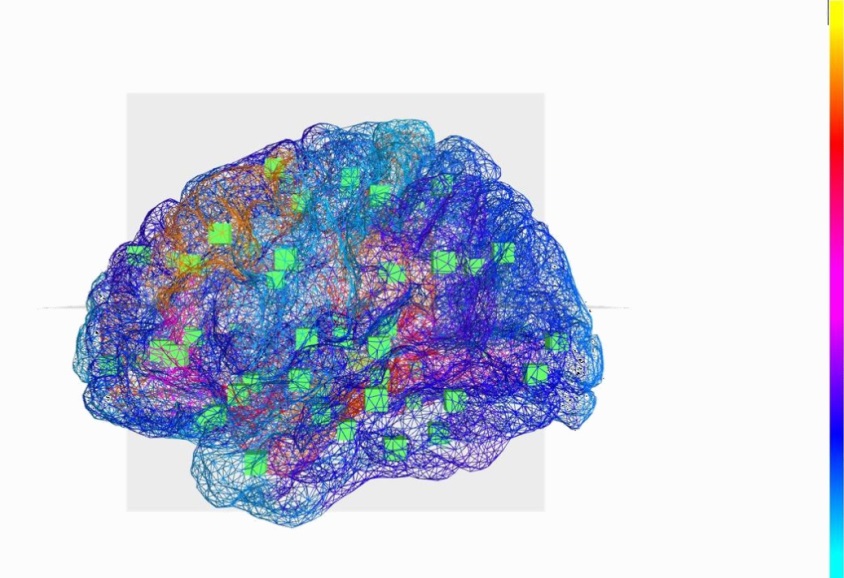
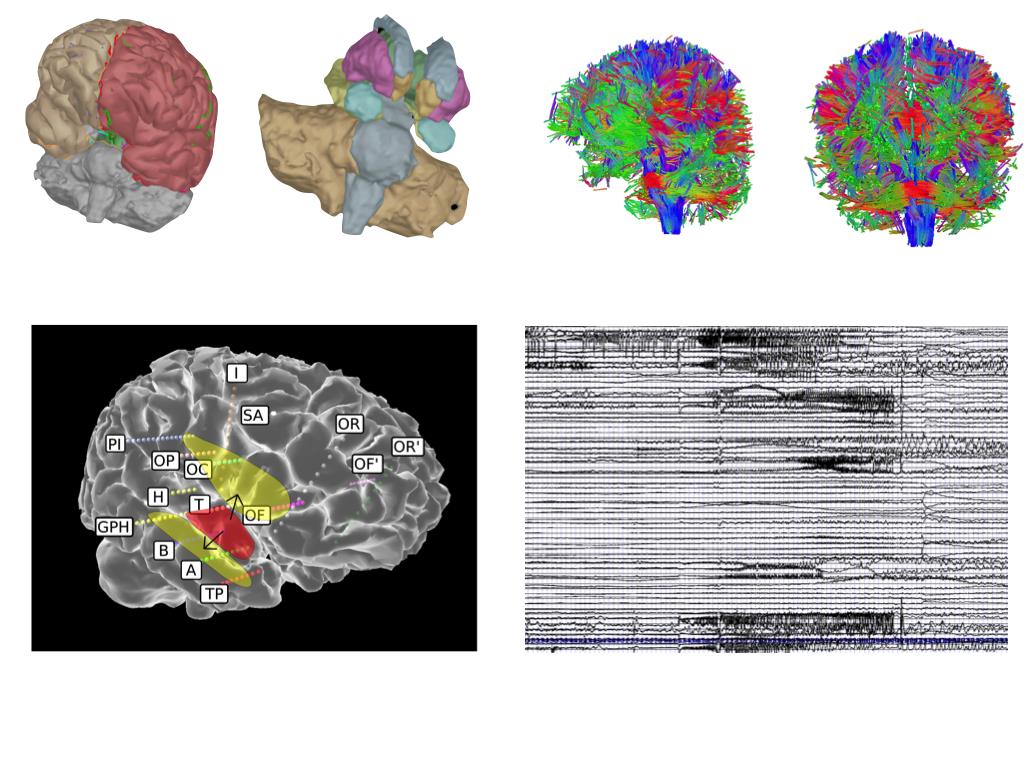
The Virtual Brain: reconstruction of brain regions and where they are connected. The green cubes indicate the center of brain regions that are connected

©INS UMR1106 INSERM/AMU.

Researchers at CNRS, INSERM, Aix-Marseille University and AP-HM have just created a virtual brain that can reconstitute the brain of a person affected by epilepsy for the first time. From this work we understand better how the disease works and can also better prepare for surgery. These results are published in Neuroimage, on July 28, 2016.


Worldwide, one percent of the population suffers from epilepsy. The disease affects individuals differently, so personalized diagnosis and treatment are important. Currently we have few ways to understand the pathology’s mechanisms of action, and mainly use visual interpretation of an MRI and electroencephalogram. This is especially difficult because 50% of patients do not present anomalies visible in MRI, so the cause of their epilepsy is unknown.

Researchers have succeeded for the first time in developing a personalized virtual brain, by designing a base “template” and adding individual patient information, such as the specific way the brain’s regions are organized and connected in each individual. Mathematical models that cause cerebral activity can be tested on the virtual brain. In this way, scientists have been able to reproduce the place where epilepsy seizures initiate and how they propagate. This brain therefore has real value in predicting how seizures occur in each patient, which could lead to much more precise diagnosis.


Moreover, 30% of epileptic patients do not respond to drugs, so their only hope remains surgery. This is effective if the surgeon has good indications of where to operate.

The virtual brain gives surgeons a virtual “platform.” In this way they can determine where to operate while avoiding invasive procedures, and especially prepare for the operation by testing different surgical possibilities, seeing which would be most effective and what the consequences would be, something that is obviously impossible to do on the patient.

In the long run, the team’s goal is to provide personalized medicine for the brain, by offering virtual, tailored, therapeutic solutions that are specific for each patient. The researchers are currently working on clinical trials to demonstrate the predictive value of their discovery. This technology is also being tested on other pathologies that affect the brain, such as strokes, Alzheimer’s, degenerative neurological diseases, and multiple sclerosis.


This work involves researchers at the Institut de Neurosciences des Systèmes (INSERM/AMU), the Centre de Résonance Magnétique Biologique et Médicale (CNRS/AMU/AP-HM), the Département Epileptologie et du Département Neurophysiologie Clinique at AP-HM, and the Epilepsy Center of Cleveland. It was done in the Fédération Hospitalo-Universitaire Epinext (www.epinext.org).

cerveau

The Virtual Epileptic Patient: brain regions and their connections are rebuilt by computer. Digital simulations generate an electric signal similar to that generated by the brain during seizures. These simulations allow digital testing of new therapeutic strategies

©INS UMR1106 INSERM/AMU.

Presentation of the French Plan for Genomic Medicine 2025

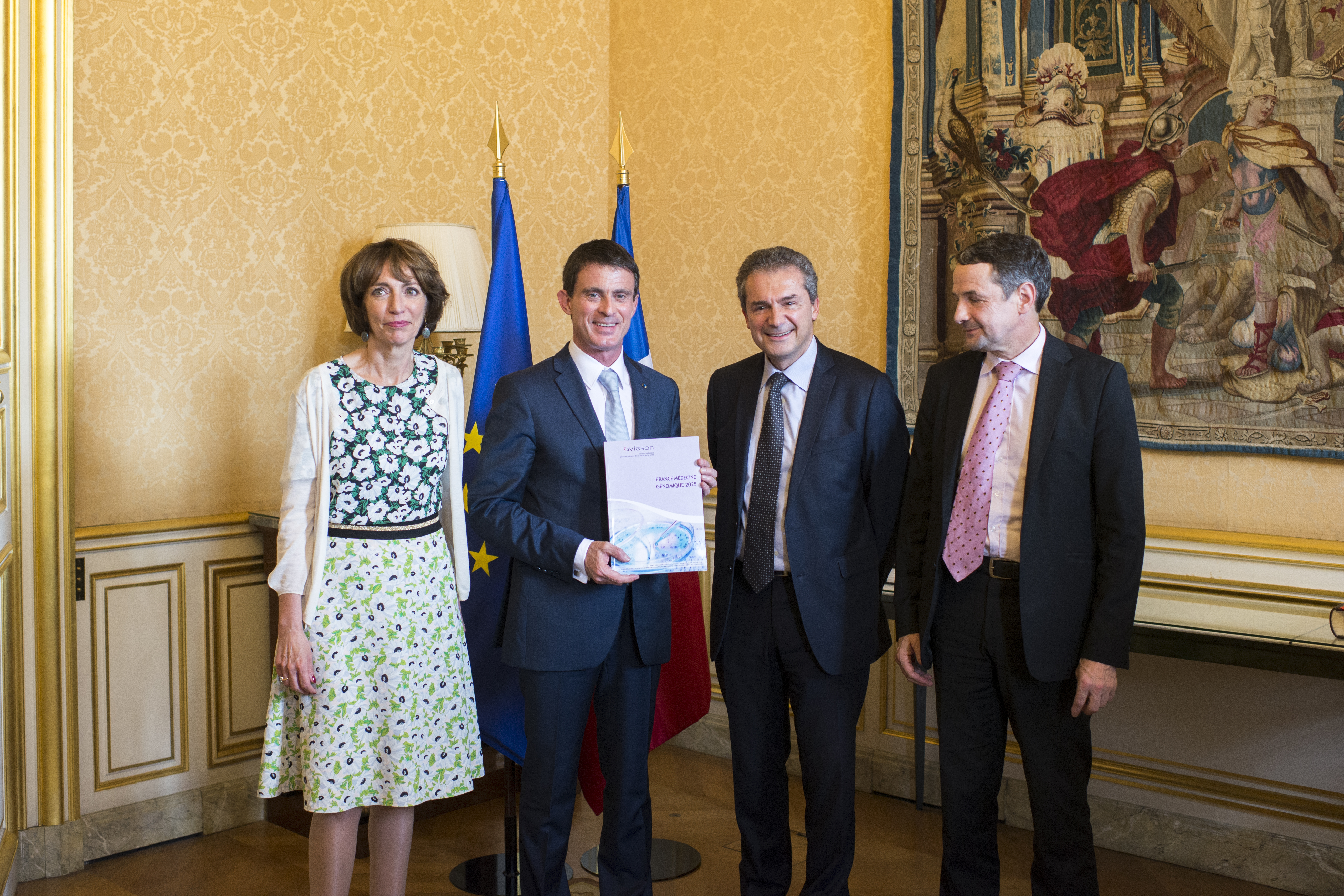
The French Plan for Genomic Medicine 2025 was presented to Prime Minister Manuel Valls by Yves Lévy, President of the National Alliance for Life Sciences and Health (Aviesan) and CEO of Inserm, on 22 June 2016. The Prime Minister sent an engagement letter to the President of Aviesan in April 2015, to examine the conditions needed to enable the use of whole genome sequencing in clinical practice. This ambitious plan, overseen and supported by the State, is aimed at positioning France as a leader among the major countries involved in genomic medicine within the next ten years. Although it responds to a public health challenge in diagnostic, prognostic and therapeutic terms, this plan is also aimed at encouraging the emergence of a national medical and industrial sector for genomic medicine, and exporting this expertise.

Genomic medicine is a reality: it is already transforming the manner in which a disease is prevented, diagnosed and treated, and how its progression is predicted. It is a highly competitive area internationally, with every country now hoping to introduce genomic medicine in its care pathway, develop an industrial sector and attract scientific talent in order to consolidate its strengths. To develop this Plan, the Aviesan alliance gathered together for a year institutional representatives and cross-sectional authorities from the research, health and industrial sectors, health and research agencies, ministerial headquarters, industries represented by ARIIS (Alliance for Research and Innovation in Health Industries), CNAM (National Health Insurance Fund), HAS (French National Authority for Health), CGI and École d’Économie de Toulouse (Toulouse School of Economics).

Remise du Plan Médecine Génomique 2025 à Manuel Valls

Remise du Plan France Médecine génomique 2025 le 22 juin 2016 © Jean-Marie Heidinger / Inserm

Thus over 150 people were involved in:

  • Defining the place and importance of genome sequencing in current medicine and in the developments expected in the next 10 years.
  • Establishing France’s position in the area of genomics research, its place in current health plans and the priorities to be implemented in line with the national health and research strategies.
  • Assessing the related challenges in terms of innovation, commercialisation and economic development, while taking technological aspects, big data management, and ethical implications into account.
  • Proposing a long-term health economics model, incorporating National Health Insurance funding and the development of an industrial sector to support such an initiative.

 “Genomic medicine is a revolution in the area of care and prevention,” stated Yves Lévy, President of Aviesan, at the presentation of the Plan. “It is at the heart of innovation as regards diagnosis, prognosis, treatment and drug administration. France must find a way to achieve this revolution, and take its place among the leaders. To do so, we have formidable assets in the form of our basic, clinical and translational research.”

Based on 14 operating measures structured into 3 broad objectives, the French Plan for Genomic Medicine 2025 is aimed at:

  • Deploying the instruments of the genomic care pathway by

– acquiring sequencing capacity with the deployment of a network of twelve sequencing platforms covering the whole territory,

– putting in place the tools for exploiting the volumes of data generated with the installation of a Data Collector and Analyser (DCA), which can handle and exploit the considerable volume of data generated by matching them with medical data, and offer the first services within the care pathway.

  • Ensuring the operational deployment and growth in power of the scheme in a secure technical and ethical framework in order to allow access to genomic medicine for all people concerned (patients and their families according to indications) on the territory by:
  • The effective implementation of the genomic care pathway, the different components of which will be tested and validated, from the collection of consent documents, procedures for specimen taking, and transport and transfer of samples to sequencing centres, up to the establishment of staff to perform analysis and quality control on samples, and the preparation and sending of reports,
  • The establishment of a scheme for the assessment and validation of indications for access to genomic medicine,
  • The creation of a centre of reference, innovation, expertise and transfer (CReflX), which can, in partnership with industry, provide the essential developments in technology and information systems,
  • The establishment of the necessary training in genomic and digital health in universities and schools to meet the challenge of exploiting and interpreting data,
  • The guarantee of a secure and high quality pathway.
  • Contributing to the rapid emergence of a “genomic medicine” sector

The establishment of a national genomic medicine sector, which can be a lever for scientific and technological innovation, technology transfer and economic growth, will require involvement from the relevant industries along with academic research and public health bodies.

To support the emergence of this sector, the plan also provides for monitoring of developments in genomic medicine at international level, and the implementation of a research programme devoted to health economics aspects.

The ethical dimension is at the centre of this Plan for Genomic Medicine. Access to and use of genomics data representing whole populations raise many ethical questions, both at individual and societal level. The Plan also anticipates referral to the French National Consultative Ethics Committee (CCNE), which is essential for strengthening these aspects at national level, and for acquiring the means to inform, consult and involve citizens in this revolution.

Finally, Patient organizations linked to Inserm constitute a solid network of partners very aware of the challenges and issues involved in high throughput genomic medicine, as evidenced by their contribution to this Plan.

Genomic medicine, international competition and major challenges

The United States, United Kingdom and China have launched ambitious national plans in the last two years, aimed at both developing a national strategy and supporting their industrial actors. With them, many industrial actors are preparing to deploy technological solutions devoted to genomic medicine and managing the associated massive digital data. Big international companies have seen the strong development potential of digital health, and are investing in this sector.

In Europe, several countries have started to incorporate genomic medicine into their health system: Estonia, the Netherlands and Slovenia. There is a risk of medical tourism developing towards European countries offering this type of service, and with it a worsening of health inequalities.

It was against this background that the “French Plan for Genomic Medicine 2025” was drawn up to respond to the different challenges of genomic medicine:

A public health challenge to allow a substantial number of patients to receive personalised diagnostic, prognostic and therapeutic care through the sequencing of their genome.

A scientific and clinical challenge aimed at strengthening the translational chain from the molecular exploration of diseases to therapeutic benefit for the patient through the constitution and matching of heterogeneous and multiple databases, whether they involve biological, clinical or even environmental data.

A technological challenge through the essential convergence of the digital and life and health sciences required by this approach. The ability to acquire, store, distribute, interpret and address these massive data is at the centre of this convergence, which will lead to the emergence of a computational and data sciences sector in biology.

An economic challenge, both in terms of efficiency and cost for our healthcare system (reduction in the number of inappropriate, inaccurate and expensive tests, reduction in time needed for analysis, elimination or limitation of unnecessary drugs, elimination of some disabling side-effects, increased life expectancy), as well as an opportunity to develop a new industrial sector as a source of health innovation, growth and jobs.


Innovative implants for repairing cartilage

In response to the increasing number of people with osteoarthritis, strategies are emerging for reconstructing cartilage. A team from Inserm (Unit 1109, “Osteoarticular and Dental Regenerative Nanomedicine,” Inserm/University of Strasbourg), under the direction of Nadia Benkirane-Jessel, has developed a new generation of bone and joint implants. Their study, published in Trends in Biotechnology, shows that by combining stem cells and bone growth factors, these smart implants make it possible to regenerate a damaged joint.

Our joints, those areas where two bones connect, accompany our movements and efforts. Joint mobility is provided by cartilage, which covers the ends of the bones (subchondral bone), and allows two bones to slide against one another. Being fragile, cartilage becomes worn with age, and gradually disappears. Osteoarthritis is the term used where destruction of the cartilage extends to the other joint structures, especially the subchondral bone.

arthrose eng

At present, apart from fitting a prosthesis, one of the techniques used to repair cartilage involves injecting a sample of the patient’s own cartilage cells (chondrocytes) into the joint. However, since the repair involves a damaged bone, the results are not always satisfactory.

Nadia Benkirane-Jessel and her team, which specialises in regenerative nanomedicine, had an idea for a new generation of implants, comprising two compartments:

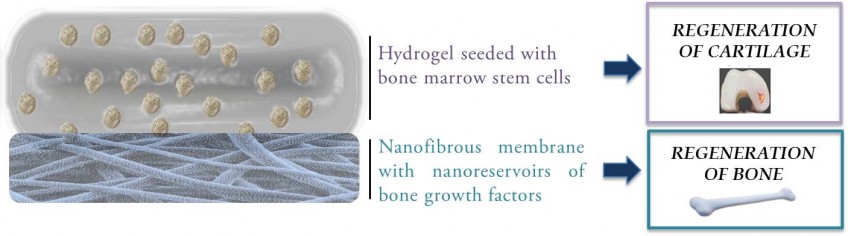
– the first compartment is a nanofibrous membrane (based on collagen and polycaprolactone), designed to resemble the extracellular matrix surrounding the cartilage. Nanoreservoirs covering the fibres of this membrane contain bone growth factors.

– the second compartment is a hydrogel layer (of alginate and hyaluronic acid) containing stem cells derived from the patient’s bone marrow. These cells can differentiate into either bone cells (osteoblasts) or cartilage cells (chondrocytes).

implant cartilage eng

Keller, P. Schwinté, Nadia Benkirane-Jessel UMR 1109, Osteoarticular and Dental Regenerative Nanomedicine Laboratory, Inserm, University of Strasbourg, Strasbourg University Hospitals, ARTiOS Nanomed (an Inserm spin-off company)

This three-dimensional arrangement mimics the physiological environment of the joint, and provides enough porosity to allow infiltration of the stem cells. When these cells grow and divide, they infiltrate more deeply into the porous membrane and trigger the release of growth factors, which in turn stimulate cell proliferation.

Compared with other treatments, this technology offers dual therapeutic action: in addition to repairing the cartilage, it regenerates the subchondral bone located immediately underneath.

The researchers validated this technique in different animal models, and are awaiting funding to begin phase I clinical trials in humans. “These trials will be conducted on 30 patients (aged 18–50 years) with knee lesions, recruited in three countries (France, England and Spain). The implant, already patented, will be placed using a single surgical procedure. The membrane containing the nanoreservoirs is first applied to the damaged joint, and the stem cells are then added,” explains Nadia Benkirane-Jessel, Inserm Research Director.

If the trials are conclusive, this innovative technology will allow robust, long-term repair of arthritic or injured joints.

fermer