Menu

Confirmation that the Ebola virus persists in the semen of survivors of the epidemic

An international study, conducted by researchers from the Institute for Development Research (IRD), Inserm and Institut Pasteur and their Guinean partners (Donka University Hospital, Macenta Hospital, National Institute of Public Health, and University of Conakry, confirms that Ebola virus persists in the semen of survivors of the epidemic in Guinea, for up to 9 months after their recovery. These results, which recall the importance of monitoring survivors in order to prevent the risks of new epidemic outbreaks, are published in the Journal of Infectious Diseases on 3 May 2016.

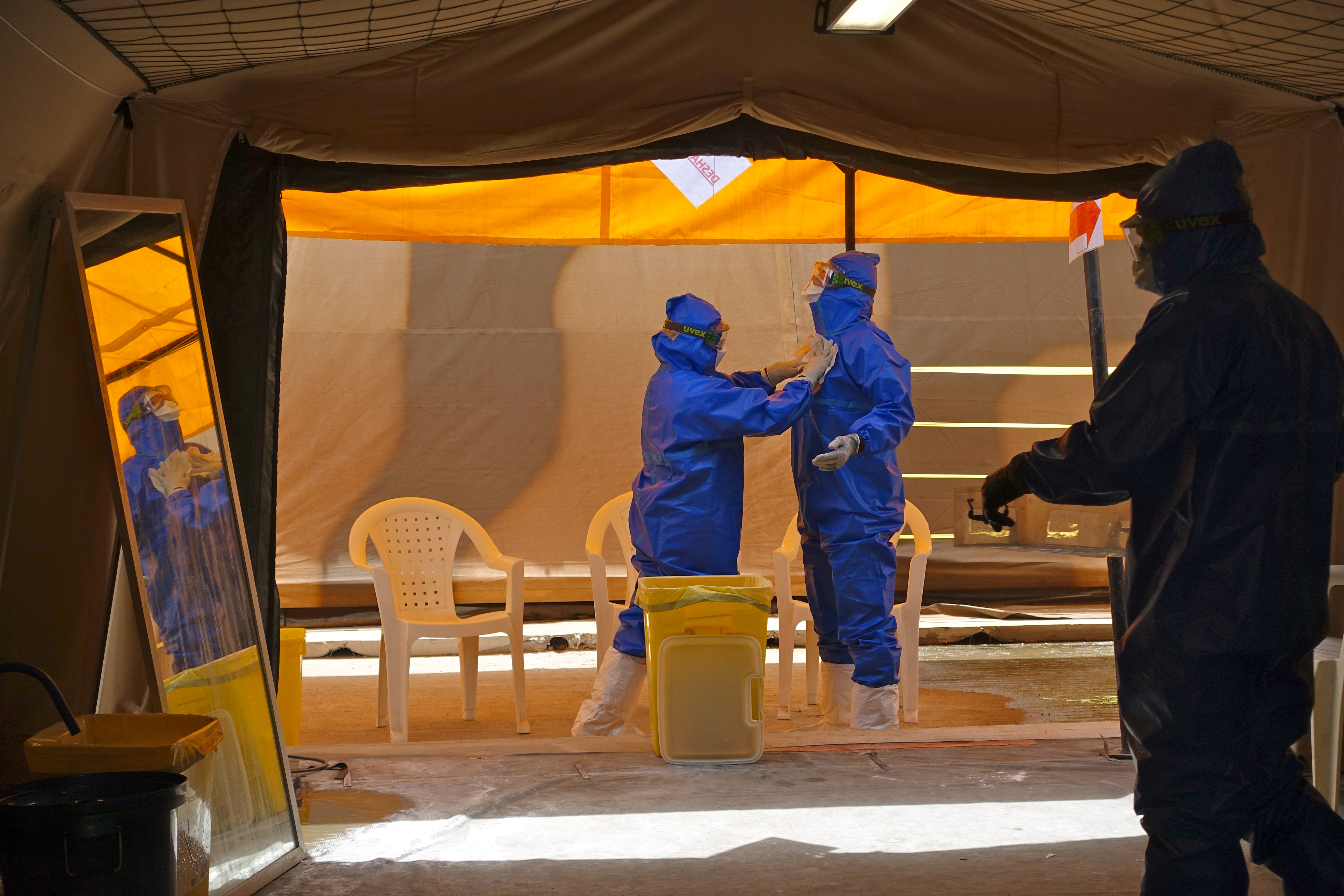
Epidémie d'Ebola en Guinée

(c)  IRD/ Eric Delaporte

PostEboGui: multidisciplinary monitoring of a cohort of Ebola survivors

The objective of the PostEboGui1 programme, which has been conducted in Guinea since November 2014, is to monitor, for 2 years, a cohort of over 700 adults and children who survived2 the most serious Ebola epidemic in West Africa, in 2014. The researchers are developing a multidisciplinary approach (clinical, virological, immunological, social, and public health) in order to identify the clinical and social sequelae of the epidemic, as well as the potential risks of reactivating the virus, or transmitting it sexually

In this study, the researchers monitored the first 450 patients from the PostEboGui programme, both men and women, for 1 year. They took specimens of body fluids (tears, saliva, faeces, vaginal fluids and semen), on the first day of the study, and every 3 months thereafter. In order to detect the presence of the Ebola virus in these fluids, the researchers used molecular biology techniques employing the polymerase chain reaction (PCR) and detection of ribonucleic acid (RNA), in hospitals in Guinea.


Presence of the virus in the semen for up to 9 months after recovery

The results relate to 98 specimens taken from 68 different people. Ebola virus was detected in 10 specimens taken from 8 men, for up to 9 months after recovery. In addition, the researchers showed that the persistence of the virus in semen decreases with time: the virus, present in 28.5% of samples taken between the 1st and 3rd months, was subsequently detected in only 16% between the 4th and 6th months, in 6.5% between the 7th and 9th months, 3.5% between the 10th and 12th months, and finally 0% after 12 months.


Improve survivor monitoring to limit resurgence of the epidemic

These results confirm those published in October 2015 in the New England Journal of Medicine on a cohort of survivors in Sierra Leone. They emphasise the need to recommend, at international level, the use of condoms by survivors in the months following their recovery.

Furthermore, the researchers insist on the importance of developing survivor monitoring, or even making it systematic, in order to limit the risks of a recrudescence of the epidemic.


Under the Ebola Task-Force, researchers are involved in monitoring survivors, especially in Guinea, from different aspects: surveillance of clinical and psychological sequelae, and risks of virus reactivation in patients who have recovered. They also focus on viral reservoirs in humans (the sites of “immune privilege” constituted by the eyes, brain and gonads).


In 2016, other research programmes will complete the scheme:

  • FORCE: This is a therapeutic trial conducted by Inserm in men showing traces of virus in the semen (treatment based on the antiviral agent favipiravir).
  • ContactEboGui: The objective of this project is to monitor people who have had contact with people who have been infected and declared cured (monitored under the PostEboGui programme), and who could have developed largely asymptomatic undiagnosed infections, in order to improve knowledge on the dynamic of the epidemic, and to identify the risks of secondary transmission and understand the routes of transmission.
  • Réservoir: This project is focused on the source of the epidemic, particularly the animal reservoir for the virus, in Guinea, Democratic Republic of the Congo, Cameroon, Congo and Gabon, in order to prevent future epidemics.

Research programmes initiated at the start of the epidemic in 2014 under the aegis of the French National Alliance for Life Sciences and Health (Aviesan) are also being pursued, in the areas of disease diagnosis, clinical trials, and human and social sciences.


1 Funded by the Interministerial Ebola Task-Force, IRD and INSERM, PostEboGui is conducted by the TransVIHMI joint international unit for translational research on HIV and infectious diseases, in partnership with the University of Conakry, the infectious disease department at Donka University Hospital, Macenta Hospital, INSP, and the Socio-Anthropological Analysis Laboratory of Guinea (LASAG) at Sonfonia University.

2   I.e. over half of the patients declared cured in the country.

AIRE, a key factor in the unequal impact of autoimmune diseases on men and women

Nadine Dragin, a researcher from an Inserm/UPMC/CNRS/AIM team codirected by Sonia Berrih-Aknin and Rozen le Panse at the Institute of Myology, based at Pitié-Salpêtrière Hospital, AP-HP, has demonstrated the central role of AIRE, a key factor in immune tolerance, in the unequal impact of autoimmune diseases on men and women. This work, published in The Journal of Clinical Investigation on 1 April 2016, was funded by AFM-Téléthon.

Projet FIGHT-MG

(c) Inserm / Delapierre Patrick

Autoimmune diseases result from a malfunction of the immune system that attacks normal constituents of the body known as “autoantigens.” They affect 5–8% of the population, and affect women more than men. They thus represent the fifth leading cause of death in women of childbearing age.

To explain this inequality, the researchers from the Institute of Myology focused on thymic tolerance mechanisms, i.e. this state of immune non-response to an antigen. The research teams observed that the Auto-Immune REgulator (AIRE), a key factor in immune tolerance, is less strongly expressed in women than in men.

AIRE controls the expression of tissue-specific antigens on the epithelial cells of the thymus (a lymphoid organ that produces components of the immune system in humans). On contact with epithelial cells expressing these specific antigens, potentially pathogenic cells receive signals that lead to their destruction. A decrease in AIRE expression leads to reduced expression of these specific antigens, and hence to less efficient elimination of the cells. This phenomenon is observed after puberty, when the thymus in both women and female mice expresses less AIRE than that in males, leading to poorer immune tolerance, and hence to greater susceptibility to autoimmune disease. The researchers also showed that oestrogen was the hormone responsible for this effect, since oestrogen treatment of thymic epithelial cells from humans and mice resulted in a decrease in AIRE expression in these cells.

Taken together, these results therefore indicate that, in females, oestrogen induces changes in the expression of the AIRE gene, thereby increasing the sensitivity of women to autoimmune diseases. AIRE expression levels may therefore indicate a predisposition to an autoimmune disease, and make the oestrogen level a potential therapeutic target.

Involvement of Inserm and its Aviesan partners in research on the ZIKA virus

In the last two years, nearly 2 million people have been infected with the Zika virus in Latin America and the Caribbean. At the end of 2015, REACTing and members of the Aviesan alliance immediately became involved, particularly Inserm, Institut Pasteur, the Institute for Development Research (IRD), the French Blood Transfusion Service and the associated university hospitals. Initial contact was made with Brazilian researchers from Fiocruz in November 2015. The international Zika Summit conference, taking place at Institute Pasteur on the 25 and 26 April 2016, will review ongoing research projects:


Several observational and clinical research projects on the monitoring of symptomatic pregnant women, monitoring of children with malformation of the nervous systems or born of infected mothers, construction of biobanks of biological specimens and samples, assessment of the penetration of the virus in populations, and mathematical modelling of its dynamics, have already begun. Teams working in the neuroscience area have also been assembled to begin projects on this theme in a coordinated manner, given the neurotropic nature of the Zika virus.
More specifically, projects strongly involving the French Departments in the Americas are concerned with the following:

  • analysis of the consequences of infection during pregnancy for about 5,000 pregnant women in Guadeloupe, French Guiana and Martinique
  • expansion of the CARBO cohort, a cohort of patients with acute arbovirus infection
  • epidemiological analysis of cases of microcephaly and Guillain-Barré syndrome in French Polynesia (with strong involvement from Institut Pasteur)
  • research on sexually transmitted infection, and the persistence of the virus in semen.


In terms of diagnostics, the aim is to rapidly develop a reliable method at individual and population scale, particularly aimed at pregnant women and newborns, taking into account the variety of pathogens, particularly arboviruses, that co-circulate in countries where the Zika virus epidemic is rife.

Based on these initial elements, Inserm and its partners in the Aviesan alliance have responded to a European call for proposals. For the Aviesan partners, this means:

  • mobilising all French research forces working in the area, as well as involving all European and Latin American partners in a common approach
  • rapidly deploying innovative research, particularly on
    • Zika and the nervous system,
    • modelling the virus and its spatial configuration,
    • methods for controlling vectors,
    • the socio-economic dimension of the epidemic’s spread;
  • including partners that have already worked with European funding in similar situations, associated with dengue fever or emerging infections.

New scientific evidence of sexual transmission of the Zika virus

A study by researchers from Inserm, the Paris Public Hospitals (Bichat Hospital, AP-HP), Aix-Marseille University, and the National Reference Centre for Arboviruses confirms that the ZIKA virus can be transmitted sexually. Their analyses have shown 100% genetic correlation between the form of the virus present in a man who contracted the virus in Brazil and that of a woman who had never travelled in the epidemic area, but who had sexual relations with him.

These results are published in The New England Journal of medicine.

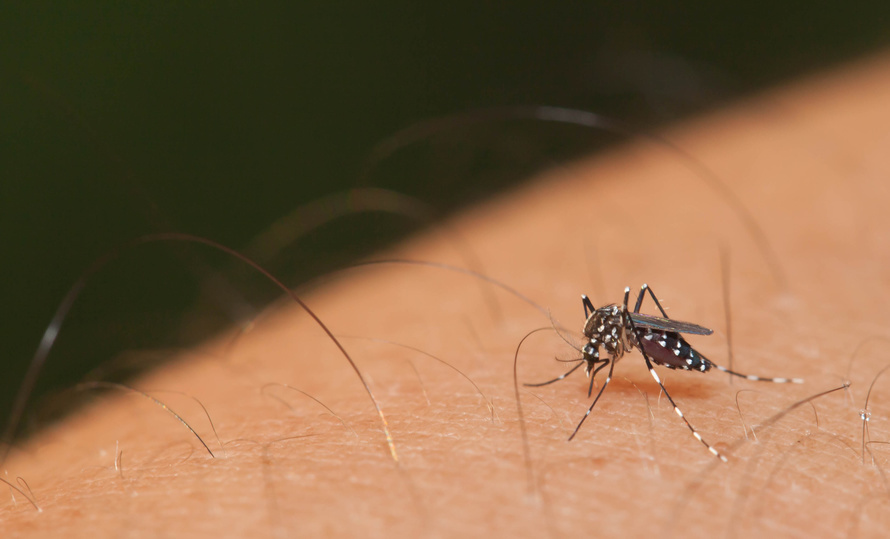
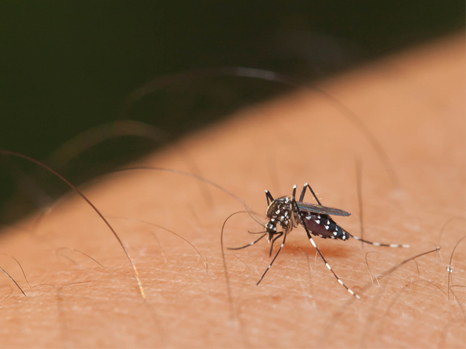
Mosquito sucking blood on a human hand

(c) Fotolia

The ZIKA virus, a member of the Flavivirus family, is almost exclusively transmitted to humans by Aedes mosquitoes. Although Zika infection usually causes mild symptoms, it can be responsible for severe neurological complications, particularly in the infant of a woman infected while pregnant. Some indications of possible sexual transmission of the virus have been reported before now.

For the first time, and to take things further, French researchers have been able to culture the infecting virus from two people seeking a consultation for suspected ZIKA infection. Specimens of urine, saliva and blood were taken from a man who returned from Brazil, and had contracted the virus there. The same specimens were taken from a sick woman who had sexual relations with this man, but who had never travelled to an epidemic area.

While the virus was detected in the urine and saliva of the woman, analysis of the specimens showed that it was absent from the blood and saliva of the man, making it unlikely that transmission occurred by these routes. The researchers then tested his semen for the virus, and detected high viral loads at 15 days and at 3 weeks after the patient’s return from Brazil (approximately 300 million copies/ml).

The virus from both persons was individually sequenced (using a saliva sample from the woman and a semen sample from the man) for genetic analysis. Examination showed 100% correlation between the two genetic sequences.

Apart from 4 mutations, all of them “synonymous,” the nucleotide sequences both encoded an identical form of the virus.

“Our work confirms, using molecular analyses, that sexual transmission of the ZIKA virus exists, and should be taken into consideration when making recommendations, due to its persistence in the semen several weeks after infection. The period for which men should systematically have protected sexual relations (even oral) needs to be defined,” explains Yazdan Yazdanpanah.

1st case of acute myelitis in a patient infected with Zika virus

A first case of acute myelitis following infection with Zika virus has been reported for the first time by a research team from Inserm Unit 1127 Brain and Spinal Cord Institute (Inserm/CNRS/Sorbonne University) and neurologists at Pointe-à-Pitre University Hospital and the University of the Antilles. A young patient in the acute phase of an infection by Zika virus presented motor deficiency in the 4 limbs, associated with very intense pain and acute urinary retention. The presence of the virus was confirmed in the cerebrospinal fluid, blood and urine.
This case was the subject of a Case report published in The Lancet on 3 March 2016.

PhotoCP Zika

(c) Fotolia

In January 2016, a 15-year old girl was admitted to the Pointe-à-Pitre University Hospital in Guadeloupe, with left-side hemiplegia. The girl showed urinary retention on her second day in hospital. The left-side hemiplegia and pain became worse and the doctors recorded a loss of sensation in the legs.

The researchers detected high concentrations of Zika virus in the serum and cerebrospinal fluid on the second day after admission (9 days after the symptoms began). Tests for shingles, chickenpox, herpes virus, legionellosis and mycoplasma pneumonia were negative.

The patient was treated with methylprednisolone (1 g), an anti-inflammatory drug, from the first day and daily for 5 days. Seven days after admission, her neurological condition had improved. At present, the patient is still in hospital but she is out of danger. She has signs of moderate weakness in both legs but is walking unaided again.

For the researchers, “this case strengths the hypothesis regarding the neurotropic nature of the Zika virus. It highlights the existence of neurological complications in the acute phase of the infection, while Guillain Barré syndromes are post-infectious complications. Furthermore, this is a single case. Future studies will be needed.”

Calpains, key cellular enzymes for fighting influenza

Why not fight the influenza virus by blocking the cellular machinery it uses for replication? Researchers from Inserm (Unit 1100, “Respiratory Pathologies: Proteolysis and Aerosoltherapy”), Institut Pasteur and the HKU-Pasteur Research Pole in Hong Kong tested this hypothesis by specifically targeting the calpains, proteases involved in inflammatory mechanisms. Their results, obtained in animals, show that inhibiting these enzymes can not only reduce the symptoms of the disease, but also prevent infection by seasonal or pandemic influenza viruses.

Results of this study were published in the American Journal of Physiology, Lung Cellular and Molecular Physiology in January 2016.

PhotoCP web grippe

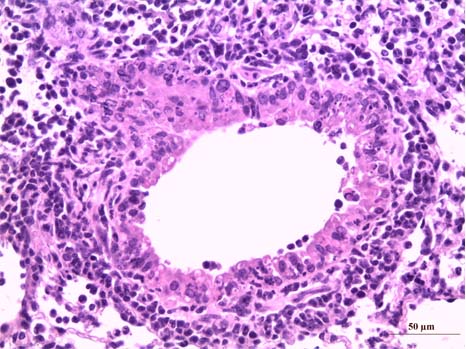
A section of lungs infected with influenza virus (with major inflammation, mainly reflected in a marked polynuclear neutrophil infiltration [dark cells]). (c) Mustapha Si-Tahar/Inserm

The clinical consequences of influenza are mainly the result of uncontrolled inflammation of the lung tissue, which can lead to severe or even fatal damage. The Respiratory Pathologies: Proteolysis and Aerosoltherapy research centre and associated teams showed that this inflammatory process could be inhibited by blocking calpains, proteases present in the host cells. Blocking these enzymes might play a key role in fighting influenza: in mice, inhibition of calpains makes it possible to limit infection caused by seasonal (H3N2) or pandemic (H5N1) influenza virus.

“Two calpains are ubiquitously expressed in the body, calpain 1 and calpain 2,” explains Mustapha Si-Tahar, Director of Inserm Unit 1100. “They are being intensively studied, since they play a considerable role in various physiopathological processes, such as neurodegeneration, muscular dystrophy and diabetes. The various studies that allowed their functions to be deciphered have shown that these proteases also play a role in the inflammatory cascade, by a calcium-dependent mechanism. The influenza virus increases the intracellular calcium level and the inflammatory response.”

The work carried out by his team shows that calpains are activated during influenza infection. Conversely, inhibiting them reduces the virus’s ability to replicate in respiratory epithelial cells—whether these are murine or human.

It also reduces the intensity of the harmful immune response, and increases the survival rate of the infected host.

These results provide new perspectives in influenza control: blocking the host cell machinery would indeed be an attractive option, since it would limit the selective pressure of influenza treatments, and hence the emergence of resistant strains of the virus. The challenge is considerable: seasonal influenza is a public health problem, with 2,500-3,500 deaths in France each year. Furthermore, some influenza epidemics can lead to high excess mortality, such as in 2015, with more than 18,000 deaths recorded on the territory, and influenza pandemics can have even more serious consequences, like the Spanish influenza that killed over 50 million people between 1918 and 1919.

The researchers now want to explore two aspects in greater detail: the respective roles of the two forms of the enzyme, and the exact nature of the molecular mechanisms controlling the interaction between calpains and the influenza virus. This work will make it possible to confirm the therapeutic potential of calpains.

Listeria: hypervirulent strains with cerebral and placental tropism

Researchers from the Institut Pasteur, Inserm, CNRS and Paris Descartes – Sorbonne Paris Cité University recently published a large-scale study in Nature Genetics based on almost 7,000 strains of Listeria monocytogenes — the bacterium responsible for human listeriosis, a severe foodborne infection. Through the integrative analysis of epidemiological, clinical and microbiological data, the researchers have revealed the highly diverse pathogenicity of isolates belonging to this bacterial species.

Comparative genomics led them to discover new virulence factors, which were demonstrated experimentally as involved in cerebral and fetal-placental listeriosis. In addition, this research points to the importance of using new reference strains, which are representative of the hypervirulent lineages identified here, for experimental research on Listeria monocytogenes pathogenesis.

Listeria

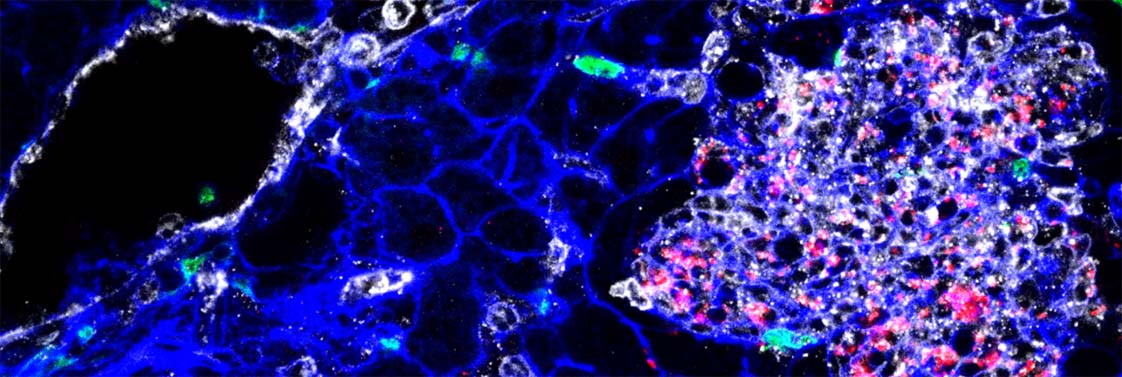
Tissue infected by Listeria (bacteria appear in red). YH Tsai, M Lecuit, © Institut Pasteur

In France, as in many other countries, the Listeria monocytogenes bacterium — which is responsible for listeriosis, a severe foodborne infection, especially in pregnant women and the elderly — is subjected to a stringent microbiological monitoring system, coordinated at the Institut Pasteur by the National Reference Center (CNR) for Listeria together with the French Institute for Public Health Surveillance (InVS). Researchers from the Biology of Infection Unit (Institut Pasteur/Inserm), headed by Marc Lecuit (Paris Descartes – Sorbonne Paris Cité University, Necker-Enfants Malades Hospital, AP-HP) and home to the Listeria CNR, together with the group led by Sylvain Brisse in the Microbial Evolutionary Genomics Unit (Institut Pasteur/CNRS), recently published the findings of a broad study of close to 7,000 strains of Listeria monocytogenes isolates collected over the past nine years for monitoring purposes.

First and foremost, bacterial molecular genotyping revealed considerable heterogeneity within the L. monocytogenes species, and showed that strains can be categorized into distinct genetic families (or clonal groups). By analyzing epidemiological data, the researchers showed that some of these clonal groups are more frequently associated with human infections, while others are closely linked to food. The comprehensive analysis of detailed clinical data from over 800 patients with listeriosis showed that the strains most often associated with infections are more frequently isolated in the least immunodeficient patients while the strains most commonly linked to food mainly infect the most immunodeficient individuals. In addition, the strains most often involved in infections appear to be the most invasive as they infect the central nervous system and fetus more often than the strains most commonly associated with food. These findings suggested the existence of hypervirulent strains — an hypothesis that scientists confirmed thanks to a humanized mouse model of listeriosis they developed previously[1].


To uncover the genetic basis of this hypervirulence, the researchers sequenced the genomes of around a hundred strains that are representative of the most prevalent clonal groups. Comparative analysis of these genome sequences identified a large number of genes closely linked to the hypervirulent clonal groups, including one which was demonstrated as involved in the cerebral and fetal-placental tropism of L. monocytogenes experimentally.

These results pave the way to a detailed understanding of the mechanisms underlying L. monocytogenes central nervous system and fetal-placental invasion.

While current research on L. monocytogenes is conducted with so called “reference” strains, which are not hypervirulent, this research supports the use of hypervirulent strains representative of human infections, to ensure the clinical and pathophysiological relevance of experimental research.

This study illustrates the exceptional power of harnessing the biodiversity of a given microbial species (here L. monocytogenes) and integrating epidemiological, clinical, bacteriological and experimental data to study the biology of infection in a clinically relevant manner.

[1] See the press release (September 17, 2008)

The launch of a European Alliance dedicated to accelerating new concepts in HIV Vaccine research

The European Commission has granted over 22 million Euros to the European HIV Vaccine Alliance (EHVA) to develop a multidisciplinary platform to evaluate novel preventive and therapeutic vaccines. The grant is supplemented with additional 6 million Euros from the Swiss government for the Swiss project partners.

EHVA, a partnership initiated by Prof. Yves Lévy, CEO of the French Institute of Health and Medical Research (INSERM) and Prof. Giuseppe Pantaleo, Executive Director of Swiss Vaccine Research Institute from Lausanne University Hospital (CHUV), brings together 39 industrial and academic partners from Europe, the US and Africa, with multidisciplinary expertise and state-of-the art technologies.

HIV remains a major global health challenge with 37 million people living with HIV, and over 2 million new infections every year. Numerous biomedical HIV prevention strategies (such as PrEP and PEP), though proven successful, are difficult to sustain long-term. A vaccine still represents the most effective public health tool in combating HIV/AIDS.

EHVA aims to develop several innovative HIV vaccine concepts in both prophylactic and therapeutic settings. The prophylactic vaccine strategy focuses on developing novel vaccine candidates and vaccination regimens able to enhance protective antibody responses, while the therapeutic vaccine approach will study ways that will contribute to developing a functional cure by combining vaccines with other immunological interventions. Building on the tremendous wealth of experience the HIV research field has gained in the past decades, EHVA will develop a robust process that facilitates the selection and development of promising vaccine candidates, from discovery and manufacturing through to early clinical trials. EHVA will also engage with industrial experts and liaise closely with leading African scientists and the European and Developing Countries Clinical Trials Partnership (EDCTP) with a view to testing future vaccines in Sub-Saharan Africa.

Professor Yves Lévy, Coordinator of EHVA said, “Beyond the scientific excellence of the different teams involved in this very ambitious project, EHVA will structure HIV vaccine Research in Europe via its 39-partner alliance pooling their expertise and know-how around an ambitious 5-year work plan. We are very grateful for the financial support provided by the European Commission and the Swiss government that will enable us to implement this workplan”.

Professor Giuseppe Pantaleo, Scientific Co-coordinator of EHVA said, “EHVA represents a significant boost for the HIV vaccine research in Europe. It not only gives us the opportunity to accelerate the development of a number of novel vaccine candidates, but more importantly it enables us to develop tools for better understanding of the human immune responses to vaccines and how that is associated with vaccine efficacy, and therewith to help to down-select promising vaccine candidates in the future.”

Dr Ruxandra Draghia-Akli, Director of the Health Directorate at the Directorate-General for Research and Innovation of the European Commission said: ” EU funded research offers a triple win: it promotes European scientific excellence and global collaborations, helps to develop novel prophylactic and therapeutic vaccine candidates and enhances European competitiveness. The Commission is pleased to support the EHVA project as part as its efforts to overcome the hurdles of vaccine development and to reach the goal of an AIDS-free world.”

EHVA is a 5-year project (starting January 2016) funded by the European Union’s Horizon 2020 Research and Innovation Programme under the grant agreement no. 681032.

The mechanism of an AIDS vaccine candidate filmed in vivo

Using innovative technology, scientists from the Institut Pasteur and Inserm have filmed in vivo the process by which an AIDS vaccine candidate, developed by the French Vaccine Research Institute and the ANRS, triggers the immune response. This previously unseen footage clearly shows how the vaccine recruits the immune cells needed to destroy infected cells. These results, published in the journal Nature Medicine on December 21, 2015, shed new light on the mode of action and potential of this vaccine.


The aim of the study conducted by scientists from the Dynamics of Immune Responses Unit (Institut Pasteur / Inserm / VRI), directed by Inserm research director Philippe Bousso, was to observe the effect of the HIV/AIDS vaccine candidate MVA-HIV – currently undergoing clinical trials by the French Vaccine Research Institute (VRI) and the ANRS – on the immune response.

The scientists administered the vaccine to healthy mice, then observed in real time how cells from the immune system were mobilized to the lymph node, the organ where the vaccine response is developed, in just a few hours.

For the first time, using a powerful, non-invasive microscopic imaging technique, the scientists were able to watch in vivo and in real time as the vaccine induced the formation of the inflammasome, a complex assembly of proteins with a highly specific structure which appears in macrophages, the first immune cells targeted by the vaccine.

The inflammasome promotes the maturation of the chemical messenger interleukin (IL)-1 but also induces macrophage death, thereby releasing this inflammatory messenger in the lymph node. This signal triggers a chain reaction which assembles several key players of the immune system in the lymph node, including killer cells, which are vital for the vaccine response.

These in vivo films have given the scientists a detailed picture of the main stages in the mechanistic action of this vaccine and highlighted an important pathway that orchestrates the effective mobilization of the immune response.

This is the first time that the formation of this original structure, the inflammasome, has been observed in vivo and in real time,” commented Philippe Bousso. “Our research demonstrates the potential of the vaccine candidate MVA-HIV to trigger a significant, diverse immune response.”

This research was supported by the French Vaccine Research Institute, the French Foundation for Medical Research and the European Research Council (ERC).

Image/ film: In green, the cells targeted by the MVA-HIV vaccine soon activate the inflammasome (circled green spots) and die. This signal triggers a mass mobilization of immune cells. © Initut Pasteur

Individual susceptibility to liver toxicity of alcohol depends on the intestinal microbiota

Despite excessive alcohol consumption, some individuals remain in good health while others develop liver disease. This inequality regarding the toxicity of alcohol for the liver depends on the intestinal microbiota. This has just been demonstrated by scientists and physicians from Paris-Sud University, Inserm, AP-HP (Antoine-Béclère Hospital), INRA (French National Institute for Agricultural Research), AgroParitech and Aix-Marseille University. These results are published online in the journal Gut.

PhotoCP web alcool

(c) Fotolia

Alcoholic liver disease is a major public health problem. The liver is affected to a variable degree, from a simple accumulation of fat to acute alcoholic hepatitis and cirrhosis. Nonetheless, people do not all react in the same way to the toxic effects of alcohol on the liver. For an equivalent intake of alcohol in terms of quantity and duration, only some excessive drinkers will develop liver disease. This unequal risk from the effects of alcohol toxicity indicates that other factors influence the initiation and progression of liver lesions. The intestinal microbiota is the complement of bacteria present in our digestive system. These bacteria perform many metabolic functions. Scientists and physicians from Paris-Sud University, Inserm, AP-HP (Antoine-Béclère Hospital, one of the Paris Public Hospitals), INRA, AgroParitech and Aix-Marseille University have studied the potential role played by the intestinal microbiota in the unequal toxicity of alcohol for the liver.

The scientists found an imbalance in the intestinal microbiota (dysbiosis) of patients with acute alcoholic hepatitis, which was not found in patients who consumed alcohol but did not have serious liver disease.

In order to ascertain whether this dysbiosis plays a causal role in the occurrence of lesions on the liver, the scientists humanised germ-free mice by transferring the microbiota of alcoholic patients to them. One group of mice received the microbiota of alcoholic patients suffering from acute alcoholic hepatitis, and another group of mice received the microbiota of alcoholic patients without serious liver disease. The mice were then fed alcohol. It was observed that the mice from the first group developed inflammation of the liver and adipose tissue, and a greater increase in intestinal permeability than those from the other group. Moreover, some harmful species of bacteria were specifically associated with sensitivity or insensitivity to alcohol. A study of metabolites showed that ursodeoxycholic acid levels were higher in alcohol-resistant mice.

When this type of experiment was repeated with conventional mice, which have the advantage of more closely mimicking the human disease, the work showed that it was possible to reduce the liver lesions in diseased mice by transferring the microbiota from alcoholic patients without liver lesions to them.

This work thus proves that individual susceptibility to alcoholic liver toxicity depends, at least to a substantial extent, on the intestinal microbiota. Moreover, the composition of the intestinal microbiota can be modified by diet, prebiotics, probiotics or by transfer of faecal microbiota. Furthermore, this type of experiment shows that it is possible to transfer alcohol susceptibility from human to mouse via the intestinal microbiota, and makes it possible to anticipate the development of treatments of this nature.

These results thus open up new possibilities, not only for identifying individuals likely to be sensitive to alcohol toxicity, but also for improving the treatment of alcohol-induced liver lesions by modulating the intestinal microbiota

Innate lymphoid cells: a backup system for fighting intestinal infections

Éric Vivier’s team at Marseille-Luminy Immunology Center (CIML), a CNRS, Inserm and Aix-Marseille University research centre, in collaboration with Gabrielle Belz’s team at Walter and Elisa Hall Institute (WEHI), Melbourne, sheds new light on the dynamics of the immune networks that protect our intestine. During episodes of bacterial diarrhoea, innate lymphoid cells (ILCs) “share the work” with memory T lymphocytes, but can also compensate for them in the event of failure.
The authors also show that ILCs protect the appendix from potential damage caused by infection, a finding that may confer a new status on this organ. These discoveries are presented this Monday, 30 November, in the scientific journal Nature Immunology.

PhotoCPTzourio

The intestinal immune system includes different populations of cells from the innate and adaptive immune system that protect us from infection. Once the pathogen is detected, cells from the innate immune system launch the initial attack, and call for reinforcements from the B and T lymphocytes of the adaptive immune system in order to “finish the work” and memorise the intruder’s profile. Although the sequence of events is known, cooperation between the different components is still poorly understood. The researchers are thus trying to uncover the relationships that form within the intestine between the T lymphocytes and the innate lymphoid cells (ILCs). Discovered simultaneously in 2008 by 12 laboratories, including that of Éric Vivier, ILCs represent a new type of lymphocyte that had been completely unknown until then. These cells can be likened to a “rapid version” of T lymphocytes. Divided into different groups, they have the morphology of a lymphoid cell, and produce the same cocktails of cytokines as the T lymphocytes, but they uniformly lack antigen-specific receptors.

The authors are now revealing another aspect of their biology: their choreography with the T lymphocytes. Using the bacterial species Citrobacter rodentium in the mouse as a model of human diarrhoea caused by enteropathogenic Escherichia coli (EPEC) and enterohaemorrhagic E. coli (EHEC), they have thus demonstrated that the protective action of T lymphocytes and of an ILC subtype (ILC3 NCR+) is not only redundant, but that the latter can even “take over the work” where the T lymphocytes fail.

“This is the first time that redundancy between these 2 cell populations has been formally demonstrated,” says Éric Vivier. “All the evidence suggests that these two defence systems were co-selected during evolution to ensure optimal protection against infection.”

Ultimately, this discovery could thus lead to new therapeutic approaches to intestinal diarrhoea, a public health challenge of planetary proportions, since every year nearly 4 billion people are affected by these diseases, which represent nearly 4% of deaths worldwide.
Furthermore, this study includes another unexpected discovery: during infection, these same ILCs protect the caecum/appendix pair from inflammation and potential injury.

“The caecum and appendix have long been considered vestigial organs in terms of immunity. Our work is part of a quite different hypothesis, which proposes a role for this part of the intestine as a refuge for commensal bacteria during infection. Thus the ILCs would help to nurture the “good” bacteria that help to maintain the balance of the intestinal microbiota and hence fight infections more effectively,” concludes Professor Éric Vivier.

fermer