Menu

Publication of a study in the journal The Lancet Infectious Diseases, covering the first five cases of Covid-19 identified in France and in Europe, between 24 and 29 January 2020

©Hush Naidoo on Unsplash

The teams of the Infectious and Tropical Diseases Hospital Bichat AP-HP and the University Hospital of Bordeaux, in collaboration with researchers from University of Paris, Inserm IAME UMRS-1137 (University of Paris / INSERM / University Sorbonne Paris Nord), the Institut Pasteur, the Hospices Civils de Lyon, CNRS – UMR 5308, Ecole Normale Supérieure de Lyon and University Claude Bernard Lyon, published a study based on the monitoring of the first five patients diagnosed Covid-19, admitted to Bichat hospital and the University hospital of Bordeaux. Despite the very limited number of patients, the work carried out, which were the subject of a publication March 27, 2020  in The Lancet  Infectious Diseases , have identified three very different types of clinical presentations.

This work aimed to evaluate clinical disease models and viral load from different nasopharyngeal samples of blood, urine and feces that were obtained once a day for three days from admission to hospital, and once every two or three days until the patient is discharged. All samples were refrigerated and shipped in the National Center laboratory virus respiratory infections Reference (Institut Pasteur and Hospices Civils de Lyon), where RNA extraction, real-time RT-PCR were performed to quantifications and for the isolation and sequencing of the virus. These analyzes were conducted on 5 patients initially detected by the Pasteur Institute, three men (aged 31, 48 and 80) and two women (aged 30 years and 46 years)

This work has identified three very different types of clinical presentations:

– The first is a clinical presentation frustrating, very few symptoms with rapidly favorable spontaneous evolution despite the strong presence of SARS-CoV virus-2 in nasopharyngeal early in the disease.  

– The second type of presentation is biphasic with a reassuring initial phase and a secondary aggravation approximately 10 days after the onset of the disease despite a decrease in viral load during this period in nasopharyngeal samples.  

– The third type is a serious presentation outset rapidly evolving to multiple organ failure with persistent high viral load in the lower respiratory tract and upper and virus detection in plasma.

These three clinical-virological phenotypes appeared in profiles distinct patient enough, shape frustrated in both patients, the two-phase form in both young patients and the severe form immediately in the elderly. The clinical and virological confrontations do not seem correlated; spontaneous clearance of virus in 10 days for forms frustrated, worsening symptoms of secondary unrelated to the virus, prolonged persistence of viral shedding for severe forms of comorbid field.

“Despite the passage of time and events have passed since the first description of these cases, the classification of different clinical presentations seems to be confirmed through clinical experience of the epidemic phase. It seems interesting to better understand the natural history of the disease Covid-19 and contribute to the therapeutic management for each situation. It suggests that the vast majority of patients do not need treatment. It illustrates the need to rapidly identify patients that could worsen secondarily based on a particular field (the male gender seems to be confirmed as a risk factor of gravity) and early markers of more inflammatory than virological detection elsewhere. “says Professor Xavier Lescure first author of the study and Assistant Professor Yazdan Yazdanpanah, head of infectious diseases and tropical Bichat Hospital, and last author of the study initiated under the Reacting network, both members of Inserm team IAME UMRS 1137 (University of Paris / Inserm / Université Sorbonne Paris North).

If these works bring us many indications, no conclusions can be drawn directly from the work therapeutically. 

Deploying Cellphone Data to Fight COVID-19

©Oleg Magni on Unsplash

Inserm has joined forces with telecommunications company Orange to study the impact of confinement on population mobility and explore how using aggregated cellphone data could improve COVID-19 pandemic predictions.

Aggregated data from our cellphones could prove to be an effective tool in fighting the spread of coronavirus. A collaboration between Inserm and Orange will enable this data to be used for specific research purposes in a pandemic context, in order to improve our understanding of the impact of confinement and the spread of the virus.

Leading the project is Inserm researcher Vittoria Colizza, who has already been working with Orange for several years in order to study the links between population mobility and the spread of various diseases, particularly in Africa. This new study will be based on the use of aggregated and anonymized mobility data provided by the operator. Under no circumstances is the intention to study individual personal data or track individual movements. 

“We will not be looking at the movements of any particular individuals, at how they move or where. Our focus will be on analyzing anonymized quantitative data that describe mobility between geographical areas thanks to the localization of relay masts that manage communication signals (calls, text messages). These indicate the number of movements made from one area to another in France”, explains Inserm researcher Eugenio Valdano, who is working on the project with Colizza.

The team will nevertheless be able to have access to these data compiled according to age group, which will give them a more precise idea of the demographic profile of those moving between geographical areas.

Mobility and pandemic spread

The data provided by Orange will be used in two ways in this study. First, Colizza and her colleagues will analyze mobility before and after confinement, looking at the spontaneous changes in mobility which appeared even before confinement began. The objective is to have a better idea of how people themselves change their behaviors in response to an epidemic. In addition, studying the mobility data recorded since confinement began will enable a better understanding of its impact on the course of the epidemic and to evaluate how it is respected by the population.

Secondly, the data will be integrated into models of epidemic spread developed by the team, in order to better predict how the virus will spread by taking into account mobility but also to identify the regions at risk of becoming clusters and to model the impact on the healthcare system. “The availability of such data is very important in order to better advise public decision-makers on how to allocate healthcare resources and to inform them of the most vulnerable regions”, emphasizes Valdano.

While such research can usually take several months, the initial results of this study are expected in the weeks to come, given the urgency related to the rapid progression of the pandemic.

Launch of a European clinical trial against COVID-19

A European clinical trial to evaluate four experimental treatments for COVID-19 starts today. Coordinated by Inserm as part of the Reacting consortium, this trial will include at least 800 French patients with severe forms of COVID-19.

A clinical trial, called Discovery and coordinated by Inserm as part of the Reacting consortium, starts today in France to test four experimental treatments against COVID-19. This is a European project, the French part of which is financed by the Ministries of Higher Education, Research and Innovation (MESRI) and Health and Solidarity (MSS). The European part is supported at least by COMBACTE, PREPARE and RECOVER. It is led by Florence Ader, infectiologist in the Infectious and Tropical Diseases Department of the Croix-Rousse Hospital of Lyon University Hospital and researcher at the CIRI International Research Centre in Infectiology (Inserm/CNRS / Claude Bernard University Lyon 1).

The objective is to evaluate the efficacy and safety of four experimental therapeutic strategies which, in light of latest scientific information, might be effective against COVID-19.

“We analysed data from the scientific literature on SARS and MERS coronaviruses and the first publications on SARS-COV2 from China in order to come up with a list of antiviral molecules to be tested: remdesivir, lopinavir and ritonavir in combination, the latter being administered with or without interferon beta and hydroxychloroquine. The list of these potential drugs is also based on the subset of experimental treatments classified as top priorities by the World Health Organization (WHO).

The great strength of this trial is its “adaptive” nature. This means that ineffective experimental treatments can very quickly be dropped and replaced by other molecules that emerge from research efforts. We will therefore be able to make changes in real time, in line with the most recent scientific data, in order to find the best treatment for our patients,” explains Florence Ader.

It is planned to include 3200 European patients from Belgium, France, Germany Luxembourg, the Netherlands, Spain, Sweden, and the United Kingdom. In France, at least 800 hospitalized COVID-19 patients will be recruited in conventional medicine departments or in intensive care. “Five French hospitals will initially participate (Paris – Hôpital Bichat-AP-HP, Lille, Nantes, Strasbourg, Lyon) and then we will open other centres to reach at least 20 participating establishments. Our strategy of opening centres will follow the epidemiological situation of the epidemic with a priority for opening new sites in hospitals under high pressure”. Recruitment  starts today.

“This trial is designed to be pragmatic and adaptive. Its aim is to analyze the efficacy and safety of treatment options for patients within a limited time frame. It is a resolutely proactive approach to develop tools against the disease,” she concludes.

This trial will also complement the data that will be collected as part of another international clinical trial that will soon begin under the auspices of the World Health Organization, called Solidarity.  

For more information:

The DISCOVERY trial includes five treatment modalities:

  • standard of care
  • standard of care plus remdesivir
  • standard of care plus lopinavir and ritonavir,
  • standard of care plus lopinavir, ritonavir and interferon beta
  • standard of care plus hydroxy-chloroquine.

Allocation of patients to the various treatment modalities will be randomized, i.e. by random draw, but patients and physicians will know which treatment is used (this is called an open trial). The analysis of treatment efficacy and safety will be evaluated 15 days after inclusion of each patient.

COVID-19: Tackling the Epidemic in 20 Research Projects

©MESRI/XR Pictures


At a time when the Sars-CoV-2 epidemic is continuing to spread, France’s Alliance for Life Sciences and Health (Aviesan) is mobilizing to accelerate research into the virus and COVID-19 disease through REACTing – a consortium coordinated by Inserm. With the support of the Ministry of Solidarity and Health and the Ministry of Higher Education, Research and Innovation, the Scientific Advisory Board of REACTing has selected 20 scientific initiatives covering diverse fields, from mathematical modelling to disease prevention and treatment.

Since the emergence of the first cases at the end of 2019, implementing high quality research to contain Sars-CoV-2 as quickly as possible and improve the treatment of those infected have been the objectives of the French scientific community, under the egis of Aviesan and the REACTing network.

Aviesan is comprised of nine essential academic stakeholders, its founding members: France’s Atomic Energy Commission (CEA), National Center for Scientific Research (CNRS), National Research Institute for Agriculture, Food and the Environment (INRAE), Institute for Research in Computer Science and Automation (INRIA), National Institute of Health and Medical Research (Inserm), Institut Pasteur, Research Institute for Development (IRD), Association of University Presidents (CPU), and Association of CEOs of Teaching and Regional Hospitals. The REACTing consortium is coordinated by Inserm.

Following a call for applications made to research teams across France, the Scientific Advisory Board of REACTing – a veritable research acceleration consortium – has selected 20 projects from a variety of scientific disciplines. Chosen for their effective and exhaustive contributions to knowledge production and to fighting this new epidemic, these projects have been categorized as follows:

  • Diagnostic, clinical and therapeutic research projects
  • Epidemiology research projects
  • Fundamental research projects
  • Human and social science research projects

Diagnostic, clinical and therapeutic research projects

In terms of therapeutic research, the projects selected concern the repurposing of existing medicines used in other diseases and the study of neutralizing monoclonal antibodies.

A clinical trial sponsored by Inserm will be set up in order to evaluate and compare four therapeutic combinations: remdesivir, lopinavir, the lopinavir+interferon combination, each combined with standard of care (non-specific and symptomatic treatments), and finally standard of care alone. A total of 3200 people will be enrolled, 800 of whom in France. This is an “adaptive” clinical trial in which ineffective compounds will be abandoned and any that appear to be useful will be tested.

Finally, one of the selected projects will analyze the accessibility of assisted ventilation protective masks and their integration in the healthcare offering.

Epidemiology research projects

Three of the selected projects concern epidemiology and modelling of the epidemic in order to better anticipate the spread of the virus by geographical area. One of the projects involves setting up an observational cohort sponsored by Inserm. Comprising all infected patients in France, this cohort will form the scientific basis for future studies.

Fundamental research projects

Three projects have been selected in the field of fundamental research, notably to further understanding of the in vitro viral replication context.

A research group will look at the animal reservoir issue, with a study evaluating the risks of virus transmission in the Mekong Delta region.

Human and social science research projects

The human and social sciences, which shed their own unique light on the epidemic and enable deeper understanding of the response of the public authorities and society as a whole, are also given pride of place. The leaders of these projects will look at the confinement of those repatriated from Wuhan, the online circulation of scientific data and their effects during the health crisis, and the modes of communication in the context of an emerging disease, in order to better guide public policy.

French research in Europe

French research is also swinging into action at the European level with the coordination of the Rapid European COVID-19 Emergency Response (RECOVER) project. Funded by the European Commission, it involves 10 international partners and its multiple components include epidemiological, clinical, and social science studies.

France is also participating in the research projects Fight-nCoV (Fighting-Off Coronavirus (Sars-Cov-2) With Broad-Spectrum Antivirals: Establishing Animal Viral Challenge Model), I-MOVE-COVID-19 (Multidisciplinary European network for research, prevention and control of the COVID-19 Pandemic) and CoNVat (Combating 2019-nCoV: Advanced Nanobiosensing platforms for POC global diagnostics and surveillance).

Through the deployment of these high quality, ambitious and relevant research projects, the REACTing community is doing everything it can to tackle the challenges of Sars-CoV-2 spread and the ensuing impacts on health and society.

The selected projects

THEME

SUMMARY

LEADER

Epidemiology

Mathematical modelling to anticipate risk of 2019-nCoV importation by geographical area.

Vittoria Colizza
Inserm, Sorbonne Université

 Pierre Louis Institute of Epidemiology and Public Health

Epidemiology

Monitoring of a cohort of all infected patients in France: a viral kinetics study in untreated patients and a pharmacokinetics and pharmacodynamics (PK/PD) study of those receiving experimental therapies (remdesivir).

France Mentré
Inserm, Université de Paris, Université Paris 13

Infection, Antimicrobials, Modelling, Evolution (IAME) unit

Diagnostic, clinical and therapeutic research

Identification and characterization of human monoclonal antibodies neutralizing 2019-nCoV with the potential for development towards vaccine candidates.

Hugo Mouquet
Inserm, Institut Pasteur

Humoral Immunity unit

Human and social sciences

Use of the social sciences to inform public policy in terms of communication in the event of an emerging epidemic, based on social media treatment of the 2019-nCoV epidemic.

Laetitia Atlani-Duault
Inserm, IRD, Université de Paris

Health, Gender and Vulnerability in Developing Countries unit

Epidemiology

Monitoring of subjects with confirmed exposure to the novel 2019 coronavirus through virology and immunology studies.

Xavier Duval
Inserm, Université de Paris, Université Paris 13

Infection, Antimicrobials, Modelling, Evolution (IAME) unit
Bichat Clinical Investigation Center

Fundamental research

Development of a replicon for coronavirus Covid-19.

Dr. Jean-François Eléouët

INRAE

Molecular Virology and Immunology unit

Fundamental research

Potentiating existing nucleoside therapies.

Bruno Canardet Etienne Decroly

CNRS, Aix-Marseille Université

Architecture and Function of Biological Macromolecules laboratory

Fundamental research

Implementation of an experimental model of SARS-CoV-2 infection in the cynomolgus monkey.

Roger Le Grand
Inserm, CEA, Université Paris-Saclay

National Infrastructure for Biology and Health (IDMIT)

Diagnostic, clinical and therapeutic research

Establishment of an antibody profile in convalescing patients and preparation of a serological test applied to an epidemiological survey in people exposed to SARS-Cov-2.

Marc Eloit
Institut Pasteur

Pathogen Discovery laboratory

Diagnostic, clinical and therapeutic research

Evolution of SARS-Cov-2 in the human host during infection and humoral response.

Sylvie van der Werf
Institut Pasteur, CNRS

National Reference Center for Respiratory Viruses, Molecular Genetics of RNA Viruses

Fundamental research

Live animal and endangered wildlife markets: a study evaluating the risks of COVID-19 transmission in the Mekong Delta region.

Philippe Dussart
Institut Pasteur in Cambodia

Fundamental research

Role of furins in SARS-CoV-2 Spike protein maturation: evaluation of the antiviral potential of furin inhibitors

Bruno Coutard
Aix-Marseille Université, CNRS

Emergence of Viral Pathologies laboratory, Polytech Marseille

Diagnostic, clinical and therapeutic research

Strategy of repurposing medicines to treat 2019-nCoV infections

Bruno Lina
Inserm, Université Claude Bernard Lyon 1, École Normale Supérieure, CNRS

International Center for Research on Infectious Diseases – CIRI

Fundamental research

Proof of concept for the rapid production of recombinant SARS-CoV-2

Julien Mélade
Inserm, IRD, Aix-Marseille Université, French Blood Establishment, École des Hautes Études en Santé Publique

Emerging Viruses unit

Human and social sciences

The aim of the AEC2-France project is to document and analyze, through anthropology research, the organized confinement for French nationals repatriated from Wuhan, epicenter of the Covid-19 epidemic

Marc Egrot

IRD, Aix-Marseille Université

Population-Environment-Development laboratory

Human and social sciences

General population and healthcare professional knowledge, perceptions and behaviors in Metropolitan France in the face of the Covid-2019 epidemic

Thomas Hanslik
Inserm, Sorbonne Université

 Pierre Louis Institute of Epidemiology and Public Health

Fundamental research

Multidisciplinary project combining artificial intelligence methods with proteins biochemistry. Aims to (1) reconstitute the COVID-19 replication complex in vitro; (2) model it in silico and (3) test nucleotide analog inhibitors (active on other viruses) and protein inhibitors (nanobodies) that will target the protein/protein interactions.

Isabelle Imbert
Aix-Marseille Université, CNRS

Architecture and Function of Biological Macromolecules laboratory, Polytech Marseille

Diagnostic, clinical and therapeutic research

Implantation of an assisted ventilation protective mask: acceptability and incorporation in the organization of care.

Jean-Christophe Lucet

Inserm, Université de Paris, Université Paris 13

Infection, Antimicrobials, Modelling, Evolution (IAME) unit

Human and social sciences

The aim of this project, which mobilizes data collected online and via interviews, is to produce an analytical description of the circulation of scientific data and their principal effects and a framework of analysis combining scientific and political challenges with a view to future research projects.

Guillaume Lachenal

Science Po

 Médialab

Daniel Benamouzig

CNRS, Sciences Po

Center for the Sociology of Organizations

Diagnostic, clinical and therapeutic research

Randomized, multicenter, adaptive study of the efficacy and safety of treatments for hospitalized patients presenting with COVID 2019 infection

Florence Ader

Inserm, CNRS, Université Claude Bernard Lyon 1, École Normale Supérieure de Lyon

 International Center for Research on Infectious Diseases (CIRI)

Menstrual Toxic Shock Syndrome: Wearing a Tampon for More Than Six Hours Increases Risk

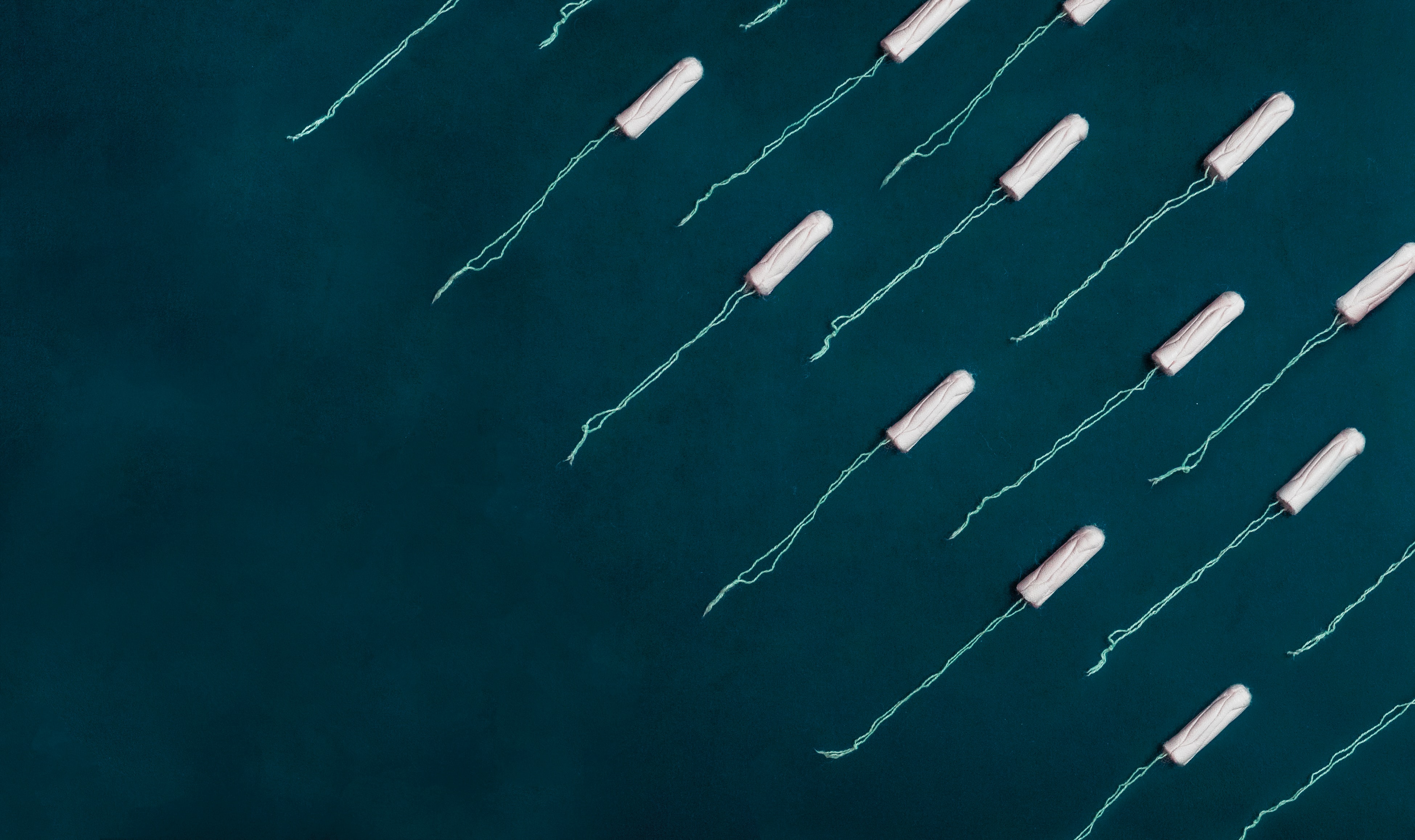
Tampon use is thought to currently concern around 60 to 80% of women in France. Credits: Josefin on Unsplash

Each year, some twenty cases of Staphylococcal toxic shock syndrome linked to tampon use are reported in France. Characterized by various symptoms, such as high fever and skin rash, it can lead to multiple-organ failure and death in the most extreme cases. Although its incidence remains rare, research teams from the International Center for Research in Infectious Diseases (Inserm/CNRS/ENS de Lyon/Université Claude Bernard Lyon 1) and the National Reference Center for Staphylococci (Hospices civils de Lyon/ Université Claude Bernard Lyon 1) have identified several risk factors, notably showing that wearing tampons for more than six hours or overnight is linked to an increased risk of toxic shock syndrome. This study was published in eClinicalMedicine on March 10, 2020.

Staphylococcal toxic shock syndrome associated with tampon use generated a lot of attention in the 1980s. Affecting almost 10 in 100,000 young women in the USA each year back then, its incidence has since fallen considerably thanks to the use of tampons made from cellulose fibers or cotton. Nevertheless, several cases are still being reported each year, on both sides of the Atlantic and primarily in adolescents. For the researchers it was therefore essential to identify the risk factors that increase the likelihood of developing this syndrome, especially since tampon use is thought to currently concern 60 to 80% of women in France.

Toxic shock syndrome is linked to the presence of Staphylococcus aureus in the vaginal microbiota of certain women, a bacteria which can produce the toxin TSST-1. However, the presence of this bacteria does not in itself explain toxic shock. The woman also needs to be using intravaginal protection (tampon, menstrual cup…) and she needs to lack the antibodies that are capable of fighting TSST-1. The fact that certain women fulfil these three risk criteria but do not develop complications suggests that the issue is not tampon use, but rather misuse.

In a study published in eClinicalMedicine, researchers from Inserm, CNRS, ENS, Université Claude Bernard Lyon 1 and Hospices Civils de Lyon, within the teams of the International Center for Research in Infectious Diseases and National Reference Center for Staphylococci, sought to identify the characteristics of tampon use that are linked to an increased risk of toxic shock syndrome.


Duration of wear

The study took the form of a questionnaire, completed by 55 tampon users who had toxic shock syndrome between 2011 and 2017, and by 126 control women who had never had it. The median age of the participants was 17, which reflects the fact that it primarily affects young women. The questions concerned the length of time for which they wear tampons, their reading of the package leaflet enclosed with the tampons, and the education they had received on the subject.

The researchers have shown that the risk of toxic shock syndrome doubles when tampons are worn for longer than six hours, and triples when worn overnight (whereby the duration of use can be up to eight hours or longer). In addition, not reading the instructions supplied with the tampons, or not respecting them, is also linked to an increased risk of toxic shock.

“In the USA, the FDA recommends not exceeding eight hours of use, which is generally also stated on the tampon packs sold in France. Our study is the first to challenge this duration. In addition, we also wish to draw attention to the need to improve the education of adolescents. It is often their mothers who educate them on this, and although they are quite capable of explaining how to use tampons, they are not always properly informed about the risk of toxic shock and how to prevent it”, emphasizes study leader, Gérard Lina.

While menstrual toxic shock syndrome mainly affects adolescents, with a peak at around 15 years of age, the authors of the study call for inclusion of the subject in school sex education lessons and for greater involvement of the healthcare professionals of these young patients, in order to get the prevention messages across.

When Stress Weakens the Immune Defenses

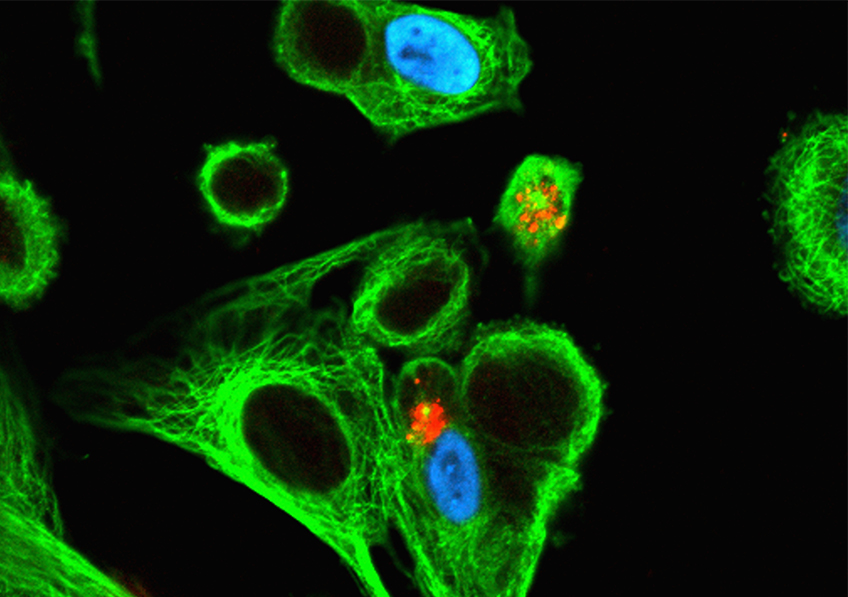
Cytomegalovirus (CMV) infection in a human being. In red and green, the natural killer (NK) cells try to make their way to the infected cell. Inserm/Jabrane-Ferrat, Nabila

In previous years, various studies have established a link between psychological stress and reduced immune defenses, but the mechanisms involved remained poorly elucidated. Sophie Ugolini, Inserm Research Director at the Center of Immunology Marseille-Luminy, and her colleagues at CNRS and Aix-Marseille Université have recently shown that such a link is to a large extent mediated by a type of receptor that binds to stress hormones: the β2-adrenergic receptor. Their findings have been published in Journal of Experimental Medicine.

For several years now, the scientific community has been interested in the effects of psychological stress on health. Studies have shown that when infection strikes, stress is linked to reduced immune defense system efficacy. With her team, Sophie Ugolini, Inserm Research Director at the Center of Immunology Marseille-Luminy (Inserm/CNRS/Aix-Marseille Université), has sought to explain the biological mechanisms behind this phenomenon. The researchers focused on receptors expressed on the surface of many of the body’s cells (including the immune cells) and which are specific to the stress hormones adrenaline and noradrenaline – the β2-adrenergic receptors.

To study their role, the team first reproduced a situation of chronic stress in mice by administering for seven days a molecule which, like the stress hormones, stimulates the β2-adrenergic receptors. They then exposed the animals to a virus from the herpes family, cytomegalovirus MCMV. The mortality rate of the “stressed” mice having received the molecule proved to be much higher than that of the untreated mice (90% versus 50%).

The researchers then evaluated the animals’ resistance to infection in the absence of these receptors. This involved taking mice that are genetically modified to be devoid of β2-adrenergic receptors and exposing them to cytomegalovirus. In these animals, the stress hormones could no longer bind to β2 receptors and as a consequence could no longer act. They presented much greater resistance to the viral infection (90% survival versus only 50% for the control mice). These initial findings therefore suggest that stimulation of the β2-adrenergic receptors by the stress hormones is responsible for the weakening of the immune system in situations of psychological stress.


Towards new therapeutic avenues

In order to better understand the mechanisms involved, the team also analyzed the immune response of the mice devoid of β2-adrenergic receptors. They observed an increased production of inflammatory cytokines – molecules produced by the immune cells which promote the elimination of viruses.

The researchers discovered that the β2-adrenergic receptors most particularly inhibit the response of certain immune cells, known as natural killer (NK) cells. Stimulated by the stress hormones, the β2-adrenergic receptors prevent the NK cells from producing a particular type of cytokine required in order to eliminate viruses.

We have confirmed in an experimental setting that the stress hormones that bind to the β2-adrenergic receptors reduce immune response, which involves a decrease in the production of certain inflammatory cytokines required to eliminate viruses”, specifies Ugolini. According to the researcher, this study could open up new therapeutic avenues. “By targeting the β2-adrenergic receptor, it would in some disease settings be conceivable to deactivate the immune brakes triggered by states of stress”, she concludes.

Buruli Ulcer: New Diagnostic Avenues for a Neglected Disease

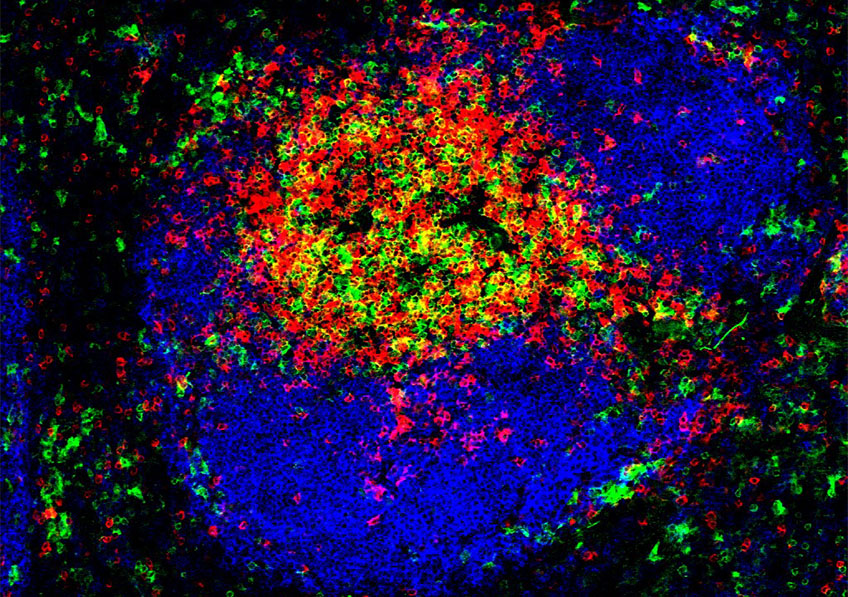
Recent studies have shown that Mycobacterium ulcerans infection causes the aggregation of immune cells (B cells) around the infected areas. Using fluorescent staining, a mouse spleen section shows B cells (in blue) and two sub-populations of T cells (in green and red). Credits: CIML/INSERM/CNRS/Mailfert, Sébastien/Chasson, Lionel


Buruli ulcer is the world’s third most common tropical mycobacterial disease after tuberculosis and leprosy. Caused by Mycobacterium ulcerans, it leads to the destruction of skin tissue and the development of large ulcers which can affect entire limbs right down to the bone. Researchers from Inserm, Université de Nantes, Université d’Angers and CNRS at the Nantes-Angers Oncology and Immunology Research Center (CRCINA) studied the rare cases of spontaneous healing from this disease in order to better understand its mechanisms. In addition to publishing their findings in the journal Science Advances, the team has filed a patent, opening up avenues for the deployment of hitherto inexistent diagnostic tools.


Buruli ulcer is a disease caused by Mycobacterium ulcerans (M.ulcerans), whose mode of transmission to humans is still not known. This bacterium produces a toxin called mycolactone which destroys skin cells and prevents the immune system from mounting an effective response, leading to the propagation of disease-characteristic ulcers on the limbs. Incapacitating and stigmatizing, Buruli ulcer affects children and adolescents most particularly. This little-known this disease is especially prevalent in West and Central Africa and has a very poor diagnostic and therapeutic arsenal. The World Health Organization (WHO) has classified it as a neglected tropical disease. Antibiotic treatment is effective if the disease is diagnosed quickly, although this is not yet possible in the majority of cases.

As part of a study published in Science Advances[1], a team led by Inserm researcher Estelle Marion at Nantes-Angers Oncology and Immunology Research Center (Inserm/Université de Nantes/Université d’Angers/CNRS) used mice to investigate the phenomenon of spontaneous healing that is observed in around 5% of infected patients.

Until now, research into Buruli ulcer focused on whole-body immune response. However, recent skin tissue studies have revealed that Mycobacterium ulcerans infection causes the aggregation of immune cells (B cells) around the infected areas. With this in mind, the researchers decided to focus on local immune response, at the site infected by the bacterium.

B cells produce a family of antibodies known as immunoglobulins (Ig). The major subgroups are IgA – found mainly in the mucous membranes and epidermis, IgM – present on the surface of the lymphocytes and for which a high count is synonymous with an ongoing infection, and IgG – the most numerous, which circulate primarily in the blood and eliminate foreign bodies encountered there.

Towards a diagnostic avenue

The researchers worked with two types of mice – one with the ability to spontaneously heal from Mycobacterium ulcerans infection, the other without. They began by studying immune reaction during infection, including during the spontaneous healing process, by analyzing skin samples from the area close to the infected site.

In both types of mouse, the level of cutaneous immunoglobulins increases during infection, but not to the same extent. In those unable to heal, IgM predominate, whereas in those able to heal, IgG predominate.

The researchers showed that these IgG bind to the toxin mycolactone. They went on to discover that only the mice that heal produce a very particular sub-type of IgG, IgG2a – capable of neutralizing the action of mycolactone. Finally, the researchers discovered the presence of the latter in the tissues of patients infected with M. ulcerans.

 “This study suggests for the first time that the body could efficiently respond to Mycobacterium ulcerans infection thanks to the production of antibodies that are capable of recognizing and neutralizing the toxin secreted by the mycobacterium. Although therapeutic avenues are still a long way off, this research offers new diagnostic ones”, concludes Inserm researcher Estelle Marion, who led this study.

According to the priorities issued by WHO, the team is envisaging the development of a quick and simple diagnostic test strip, based on the detection of antibodies recognizing mycolactone, thereby indicating M. ulcerans infection.

[1] This research was funded by Fondation Raoul Follereau, the French National Research Agency, the Pays de la Loire region, Université d’Angers, and Inserm (ATIP – Avenir Program).

Influenza: combating bacterial superinfection with the help of the microbiota

Section of lungs infected with influenza virus with a major inflammation which results in a marked infiltration of neutrophil polynuclear cells, dark cells. © Inserm/Si-Tahar, Mustapha

Researchers from the CNRS, INSERM, the Institut Pasteur de Lille, INRAE (France) and from Brazilian (Belo Horizonte), Scottish (Glasgow) and Danish (Copenhagen) laboratories have shown for the first time in mice that perturbation of the gut microbiota caused by the influenza virus favours secondary bacterial superinfection. Published in Cell Reports on March 3, 2020, these results open up new prospects for the prevention and treatment of bacterial pneumonia, a major cause of death in elderly or vulnerable people infected with the influenza virus.

Influenza and its complications continue to be a significant public health concern as well as a major social and economic burden. Vaccination campaigns, together with the discovery of new antiviral therapies, provide preventive and therapeutic solutions. However, impairment of defence mechanisms against secondary bacterial infections, which considerably worsen the clinical picture of people with influenza, remains a major problem.

Specializing in the field of pulmonary immunity, a team led by François Trottein, a CNRS researcher at the Lille Centre for Infection and Immunity (CNRS/INSERM/Institut Pasteur de Lille/University of Lille/CHU Lille), focused on the gut microbiota, well known for their key role in many physiological processes, including immune defence mechanisms. Scientists have shown that, in mice, influenza temporarily alters the composition and metabolic activity of the gut microbiota, probably due to reduced food consumption during illness. During influenza, the production of short-chain fatty acids by the bacteria of the microbiota is also diminished. The team has now shown that these fatty acids remotely favour the bactericidal activity of macrophages present in the lungs.  Perturbation of the intestinal microbiota by influenza thus compromises lung defences, particularly against Streptococcus pneumoniae, the leading cause of bacterial pneumonia in humans.

The researchers also showed that this sensitivity to bacterial superinfection can be corrected by treatment with acetate, one of the main short-chain fatty acids produced by the microbiota. Their work could have practical applications for the well-being of infected patients, who would be better protected against influenza-related complications.  This work was made in collaboration with scientists from the Micalis Institute (INRAE/AgroParistech/Université Saclay), the Lille Inflammation Research International Center (INSERM/Université de Lille/CHU Lille), the Laboratory of Design and Application of Bioactive Molecules (CNRS/University of Strasbourg), the Molecular Virology and Immunology Unit (INRAE) and GenoScreen (Lille), the Universidade Federal de Minas Gerais (Belo Horizonte, Brazil), the Institute of Molecular, Cell and Systems Biology (Glasgow, Scotland) and the Department of Pharmacology (University of Copenhagen, Denmark). This discovery represents a major breakthrough in the understanding of the mechanisms behind bacterial superinfections in influenza patients. It could lead to the development of new nutritional and/or therapeutic strategies to better control bacterial infections.

Egypt, Algeria and Republic of South Africa, main gates for coronavirus importation in Africa

©chuttersnap

Egypt, Algeria and Republic of South Africa are the African countries most at risk for coronavirus COVID-19 importation in the continent, due to high air traffic with the contaminated Chinese provinces. But these countries are also among the best equipped on the continent to quickly detect and deal with new cases. In other African countries, the risk of importation is lower, but health organization deficiencies raise concerns about rapid spread. This modeling work carried out by Vittoria Colizza, Inserm research director, and her team from Unit 1136 Pierre Louis Institute of epidemiology and public health (Inserm / Sorbonne University), in collaboration with the Université libre de Bruxelles, the Oxford Martin Programme on Pandemic Genomics and the University of California Los Angeles, is published in The Lancet.

The COVID-19 coronavirus continues to spread in China and cases have been reported in more than 25 countries. The African continent was spared for a long time until a first case was recently reported in Egypt. Vittoria Colizza, research director at Inserm (French Institute for Health and Medical Research), and her team from Unit 1136 Pierre Louis Institute of Epidemiology and Public Health (Inserm / Sorbonne University), in collaboration with the Université libre de Bruxelles, the Oxford Martin Programme on Pandemic Genomics and the University of California Los Angeles, assessed the risk of importing the virus into Africa, country by country, and the capacities of each of them to detect and deal with it.

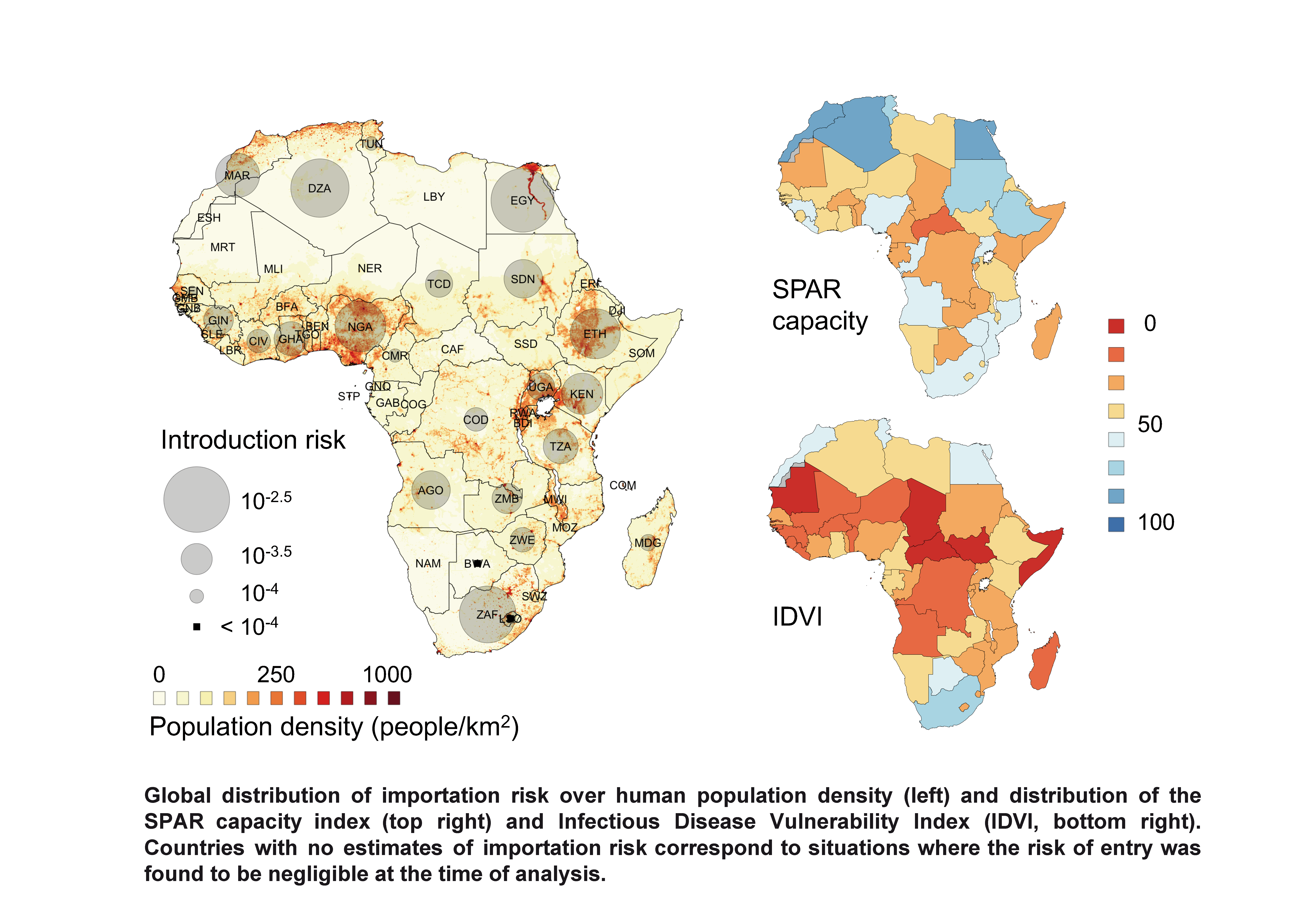
The researchers evaluated the risk of the virus importation according to the number of cases declared by each chinese province and according to air traffic between the three main airports of each of these provinces (except Hubei due to flights suspension) and each African country. Moreover, they analyzed the potential of each country to face the risk of the spread of a contagious disease using WHO data and official data.

Each country makes a mandatory annual declaration to the WHO of its resources to deal with an epidemic (State Parties self-assessment Annual Reporting SPAR). It includes twenty-four items weighted into an overall score between 0 and 100, 100 showing a strong preparedness to face an epidemic. These indicators are legislation, adherence to WHO standards, laboratory skills, medical staff, emergency organization, food safety, level of equipment in healthcare centers and public communication.

The researchers also took into account the IDVI score (for Infectious Disease Vulnerability Index), also noted out of 100, 0 corresponding to an extreme vulnerability and 100 to the lowest vulnerability. The IDVI takes into account factors not directly linked to the health system but which can influence the response to an epidemic: the size of the population, the socio-economic level or even political stability. Thus, high IDVI and SPAR scores are predictive to an efficient response in case of virus importation.

The results show that Egypt, Algeria and Republic of South Africa are the countries most at risk of importing the virus to Africa due to high trade exchanges with China. On the other hand, their SPAR and IDVI scores are among the best on the continent, letting expect effective detection and containment of the virus. Other countries as Nigeria, Ethiopia, Sudan, Angola, Tanzania, Ghana and Kenya, are at lower risk of virus importation but their SPAR and IDVI scores are lower, raising fears of the non-detection of possible imported cases and of local or even national spread.

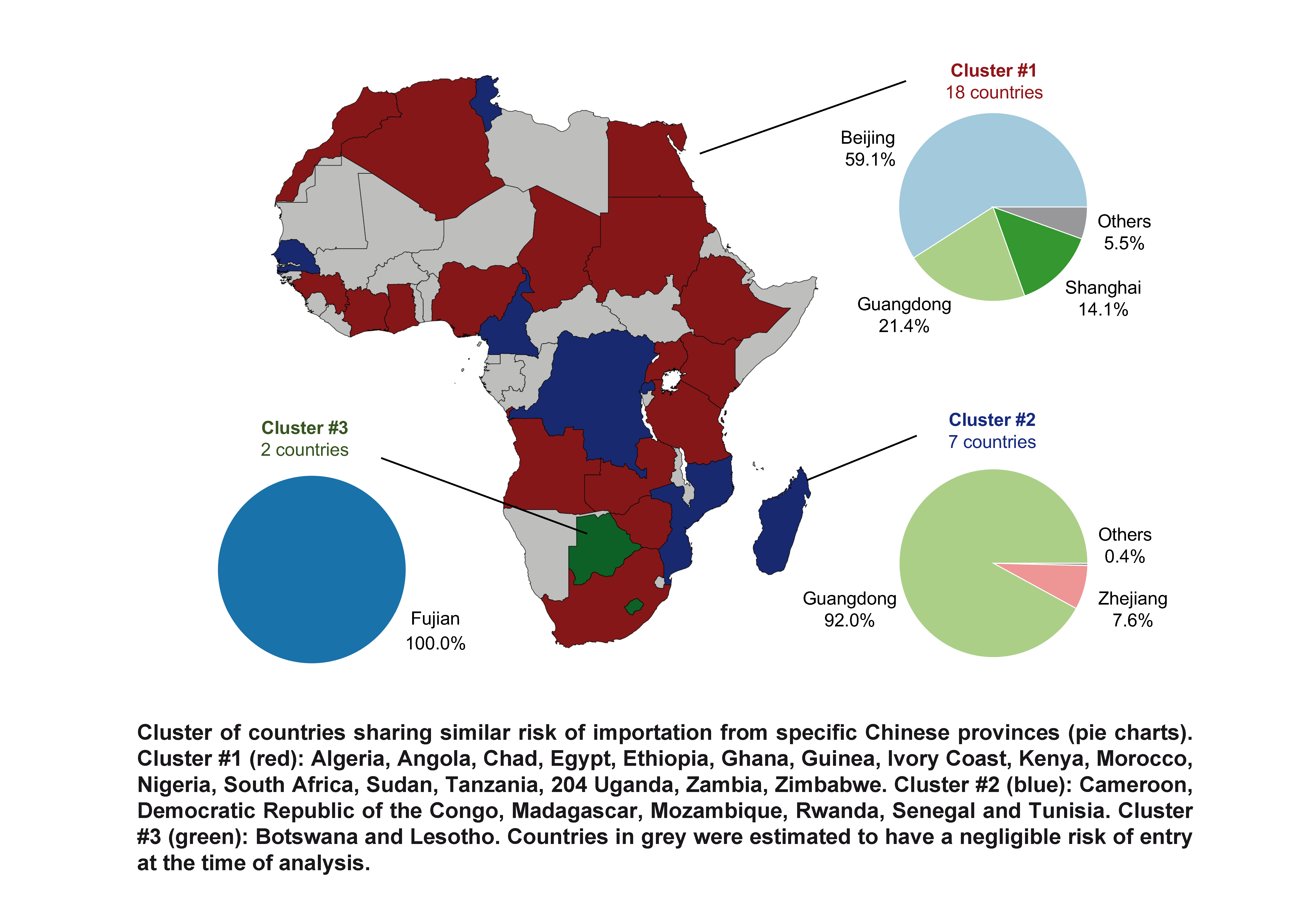
Finally, the researchers clustered the African countries at risk into three groups according to the influence of the Chinese provinces in these countries. Thus, a first group including 18 countries will be more vulnerable in the event of a major epidemic in the province of Beijing, a second comprising 7 countries will be more exposed in the event of a strong growth of the epidemic in the province of Guangdong and a third group of two countries is risking virus importation only from Fujian province.

“This work will allow the international community to make projections and plans according to the evolution in China. It also alerts the countries most exposed to the need of being prepared for the possible introduction of the virus. We can see how hard it is to quickly detect imported cases, as even well prepared developed countries missed some of them. For several poorly equipped African countries, the risks are significant of not having sufficient organization and infrastructure for detection, containment and urgent care, raising fears of a risk of epidemic on the continent”, concludes Vittoria Colizza.

Malaria: Vaccine clinical trial for Pregnant Women yields promising results

©Benoît Gamain. Gestational malaria is associated with low birth weight for the baby and an over-risk of neonatal mortality.

Malaria infection during pregnancy represents a major public health problem in the regions endemic for the disease, substantially increasing the risks to mothers and their unborn children. For newborns, malaria is linked to low birth weight and an excess risk of mortality. To protect this population, a team of researchers from Inserm and Université de Paris led by CNRS Research Director Benoît Gamain is developing a vaccine at the French National Institute of Blood Transfusion (INTS). Called PRIMVAC, the vaccine has undergone a clinical trial to study its safety and collect preliminary data on its ability to induce an immune response. The results of this clinical trial sponsored by Inserm[1] have been published in the prestigious journal Lancet Infectious Diseases.

According to the World Health Organization, malaria is responsible for over 400,000 deaths each year. Despite the progress made in fighting the disease in recent decades, some populations remain particularly vulnerable. One such population is pregnant women.

In the areas of the world where malaria is endemic, people acquire immunity throughout their childhood, meaning that they are generally protected against its most severe outcomes once they reach adulthood. However, pregnant women are an exception because the red blood cells infected with the Plasmodium falciparum parasite responsible for malaria accumulate in the placenta, promoting anemia and gestational hypertension. The disease is also linked to a higher risk of spontaneous abortion, premature birth and intrauterine growth delays which lead to low birth weight and a high rate of neonatal mortality. In Sub-Saharan Africa, 11 million pregnant women were infected with malaria in 2018, with around 900,000 of their babies born underweight.

To tackle this public health problem, a team of researchers from Inserm and Université de Paris led by CNRS Research Director Benoît Gamain has spent the past two decades developing a vaccine for gestational malaria. The goal is to prevent the deaths of up to 10,000 mothers and 200,000 babies each year. “Developing an effective vaccine for young women before their first pregnancy is a priority if we are to reduce malaria-related mortality. An effective strategy could focus on a population similar to that targeted by HPV vaccination, for example, before the women become sexually active”, emphasizes Benoît Gamain.

A safe and effective vaccine

Called PRIMVAC, the vaccine had recently been produced in large quantities in accordance with current regulations. In a clinical trial published in Lancet Infectious Diseases, the researchers provide data on its safety and ability to induce an appropriate immune response, up to 15 months after the initial vaccination.

The vaccine was evaluated in 68 non-pregnant women aged 18 to 35 at the Cochin Pasteur Clinical Investigation Center in Paris, then at the National Center for Research and Training on Malaria (CNRFP) in Ouagadougou, Burkina Faso. The participants were randomly assigned to 4 cohorts, receiving the vaccine at various doses, on 3 occasions over a period of 3 months. These women were then monitored for 15 months in order to identify and treat any side effects and study the immune response induced by the vaccination.

Antibody (green) of a vaccinated volunteer binding to the surface of a human red blood cell infected with the Plasmodium falciparum parasite (blue). Credits: Inserm/Chêne, Arnaud et Semblat, Jean-Philippe

The results of this study show that PRIMVAC is well tolerated. In addition, the researchers have shown that vaccine can produce an immune response, with the production of antibodies in 100% of women vaccinated after only two injections. The antibodies produced are capable of both recognizing the parasitic antigen on the surface of the infected red blood cells and inhibiting their adhesive capacity, which is responsible for their accumulation in the placenta.

“We were able to show that the vaccine is well tolerated, at all the tested doses. The side effects observed were mainly pain at the injection site. We also revealed that the quantity of antibodies generated by the vaccine increases after each vaccination and that they persist for several months. It therefore appears that the vaccine has the capacity to trigger a lasting and potentially protective immune response”, underlines Gamain.

Studying this immune response on the longer term will be the subject of future clinical trials. The researchers want to continue monitoring the 50 Burkinabe volunteers in order to evaluate whether the immune response induced by the vaccination is maintained until their first pregnancy.


[1] The trial was coordinated by the Cochin Pasteur Clinical Investigation Center in Paris and the EUCLID/F-CRIN clinical trials platform in Bordeaux in collaboration with the National Center for Research and Training on Malaria (CNRFP) in Ouagadougou, Burkina Faso, and the European Vaccine Initiative (EVI). Funding: Federal Ministry of Education and Research, through the development bank KfW, Germany; Inserm, and National Institute of Blood Transfusion (INTS), France; Irish Aid, Department of Foreign Affairs and Trade, Ireland.

Coronavirus: A Model Estimating Importation Risk to Europe

 ©chuttersnap

Could the coronavirus epidemic that has hit China spread to Europe? A pertinent question given the new cases being announced by the Chinese authorities, of which eight have already been exported to other countries. An Inserm team led by researcher Vittoria Colizza at Pierre Louis Institute of Epidemiology and Public Health (Inserm/Sorbonne Université) has modeled the potential spread of 2019-nCoV in order to orient prevention and surveillance policies. A model which comes with one caveat: derived from research, its purpose is not to make predictions but rather be used as a theoretical tool to aid public decision-making.

Update on 31 January 2020 :

As the situation is unfolding quickly, the following figures may also change, depending on the number of confirmed cases in and outside China. Vittoria Colizza’s model, based on the most recent figures up to 30 january, is now published on Eurosurveillance

To follow the evolution of the number of cases, you can visit  GISAID.

Just two weeks after announcing the discovery of a new virus from the coronavirus family responsible for severe pneumonia, there were 571 confirmed cases in China. In an effort to contain this epidemic whose death toll currently stands at 18, the Chinese authorities have taken drastic measures – particularly restrictions on travel from the province of Hubei, where the city of Wuhan is located.

Many questions continue to remain unanswered as to the origin of this new virus, 2019-nCoV, and about the capacity of the epidemic to spread to other regions of the world – particularly Europe. In the space of two weeks, eight cases have already been exported from China to Japan, South Korea, USA, Thailand and Taiwan.

From the start of the epidemic, Inserm researchers under the aegis of the research group REACTing have been working to model its potential dissemination.

Led by Inserm researcher Vittoria Colizza at the Pierre Louis Institute of Epidemiology and Public Health (Inserm/Sorbonne Université), a team is now able to propose a model to anticipate a potential arrival of the epidemic in Europe in order to guide surveillance and prevention measures. However, it is important to note that this model in no way constitutes a prediction of the future number of cases in France and Europe, but rather a theoretical tool to aid public decision-making.

Air traffic flows from China

When developing their model, the researchers focused on those Chinese provinces reporting more than ten cases. Their estimations of the risks of these cases being exported are based on January 2019 data on air traffic from these regions to Europe produced by the OAG – a world leader in flight data collection.

What is the risk of at least one case being imported to Europe in the next two weeks? The team addressed this question by preparing two scenarios: one of a low risk of dissemination and the other of a high risk.

The low-risk scenario is based on the situation (seven cases exported from China) prior to the flight ban by the Chinese government. It estimates the risk of at least one case being imported to Europe if seven cases are exported from the Chinese provinces affected in the next two weeks.


The high-risk scenario proposes an estimation of the same risk if three times more cases are exported from China. “It is an arbitrary choice but one which reflects the fact that the number of Chinese cases is on the increase, making it possible to anticipate the case of a greater number of infected people being exported”, emphasizes Colizza.


According to the researchers, the risk of at least one case being imported to Europe is 33% in the first scenario and 70% in the second. Given the flows of air traffic, the countries most exposed would be Germany and the UK. The risk of an infected passenger arriving in France is 5% in the first scenario and 13% in the second and would mainly be concentrated around the airports serving Paris. “Our findings are not predictions, they simply make it possible to pinpoint where the risk is located and where prevention and surveillance need to be stepped up”, states Colizza.

fermer