Menu

PREVAC-UP: The Partnership for Research on Ebola Vaccination extends follow-up and builds research capacity against deadly disease

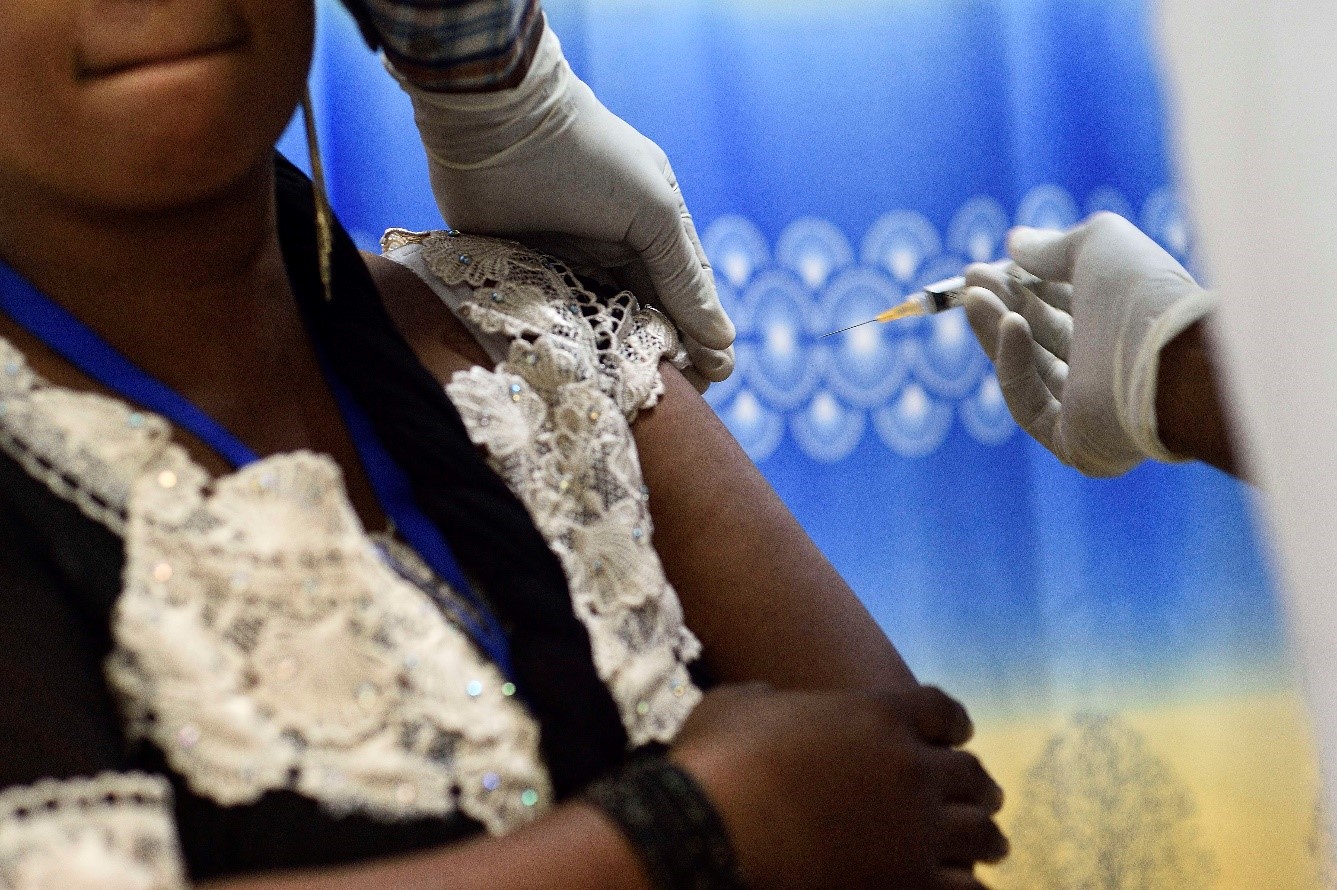
PREVAC – Landréah Conakry vaccination centre. Credits : Inserm/Delapierre, Patrick

Public health efforts successfully stopped human-to-human transmission of Ebola virus in West Africa in 2016 after the worst Ebola outbreak in history.  However, the threat of the disease is still real, as the recent Ebola outbreaks in the Democratic Republic of the Congo (DRC) have shown. Thus, pursuing and intensifying efforts to develop a safe and effective vaccination strategy against Ebola virus disease, with durable protection in all populations, including children, is vital.

Since August 2018, the DRC has been battling its worst Ebola outbreak, and the world’s second largest such outbreak, with more than 2200 lives lost and more than 3300 confirmed infections to date. This ongoing crisis highlights again the continued urgent need to develop safe and effective vaccines against the Ebola virus.

This goal has been the priority for the Partnership for Research on Ebola Vaccination (PREVAC)[1], an international consortium that recently received additional funding to scale up its research in West Africa as part of a new project known as PREVAC-UP. This initiative aims to evaluate the long-term safety, as well as the durability of humoral and cellular immune responses, of three different Ebola vaccine regimens previously tested by the consortium. PREVAC-UP will assess these factors for 5 years after vaccination.

The study will also evaluate the effect of co-infections, such as malaria and helminths, on the immune response to vaccination. An integrative statistical analysis of the immune response will be used to explore the mechanism of action of the vaccines and to identify early correlates of durable antibody induction. “This programme is expected to significantly impact Ebola prevention and control in adults and children in Africa. The study will also strengthen the capacity for science relevant to the development and evaluation of new vaccines in sub-Saharan Africa”, Dr Yazdan Yazdanpanah, PREVAC Principal Investigator, says.

The project is co-funded by the European and Developing Countries Clinical Trials Partnership (EDCTP2) programme supported by the European Union[2]. Besides the EDCTP2 grant, PREVAC-UP benefits from co-funding from Inserm, the NIAID, the LSHTM and the COMAHS, as well as host country support from Liberia, Sierra Leone, Guinea and Mali.

PREVAC results expected in 2020

PREVAC-UP follows up on the work already carried out by the PREVAC[3] consortium since March 2017 in West Africa. Working in Liberia, Guinea, Sierra Leone and Mali, the team conducted a randomised, placebo-controlled, multicentre Phase 2 trial – one of the largest Ebola vaccine trials to date – using the recently WHO prequalified rVSVΔG-ZEBOV-GP vaccine from Merck, Sharpe & Dohme, Corp.[4], and an investigational two-dose vaccine regimen (Ad26.ZEBOV, MVA-BN-Filo) developed by Janssen Vaccines & Prevention B.V., part of the Janssen Pharmaceutical Companies of Johnson & Johnson, in collaboration with Bavarian Nordic.

The aim was to study the safety and immunogenicity over 12 months of three different vaccination strategies involving these vaccines in adults and children one year and older. In total, PREVAC enrolled 4789 people from the 4 countries, with the enrolment of 2802 participants (1401 adults and 1401 children) in the main phase of the trial completed in December 2018. The first results on immunogenicity at 12 months after vaccination are expected in the summer 2020.  Importantly, the retention rate of the participants is very high (95% after 12 months). “This reflects the great commitment of all the local professionals and shows the high level of collaboration between all the partners involved in the project as well as the interest in the population to receive an Ebola vaccine, and successful community engagement strategies”, Dr. Yazdanpanah says.

PREVAC-UP will now bring much needed additional data on these different vaccination strategies, helping to promote the safest and most efficient approach to protect vulnerable populations in countries threatened by Ebola.


[1] To learn more about PREVAC on Inserm’s website : https://www.inserm.fr/en/news-and-events/news/ebola-already-more-than-2000-people-included-in-prevac-immunization-trial

[2] PREVAC-UP Partner Organizations 

Institut national de la santé et de la recherche médicale (Inserm)*, France ; Centre National de Formation et de Recherche en Santé Rurale (CNFRSR)*, Guinea ; Institut Bouisson Bertrand* (IBB)/ Centre de Recherche et de Formation en Infectiologie (CERFIG) France/ Guinea ; London School of Hygiene & Tropical Medicine (LSHTM)*, United Kingdom ; University of Sierra Leone, College of Medicine and Allied Health Sciences (COMAHS)*, Sierra Leone ; Alliance for International Medical Action (ALIMA)*, France ; Inserm-Transfert SA*, France ; National Institute of Allergy and Infectious Diseases (NIAID), USA ; Université des Sciences, des Techniques et des Technologies de Bamako (USTTB)*, Mali ; Ministry of Health (Centre pour le Développement des Vaccins –Mali)*, Mali ; National Public Health Institute of Liberia (NPHIL), Liberia

*EDCTP grant agreement signatories.

[3] Inserm’s participation in PREVAC is in part through a subcontract with Leidos Biomedical Research, Inc. which operates the Frederick National Laboratory for Cancer Research on behalf of the National Cancer Institute. The content of this publication does not necessarily reflect the views or policies of the Department of Health and Human Services, nor does mention of trade names, commercial products, or organizations imply endorsement by the U.S. government.

The PREVAC UP project is funded by the European and Developing Countries Clinical Trials Partnership (EDCTP2) programme supported by the European Union and the UK Department of Health & Social Care (Grant number RIA2017S – 2014 -PREVAC-UP). Besides the EDCTP2 grant, PREVAC-UP benefits from co-funding from Inserm, the NIAID, the LSHTM and the COMAHS as well as host country support from Liberia, Sierra Leone, Guinea and Mali.

[4] The rVSVΔG-ZEBOV-GP vaccine (sold under the name ERVEBO®) was awarded prequalification status by the WHO in November 2019. It is now licensed in the USA and in Europe.

A Vaccine Against Chronic Inflammatory Diseases

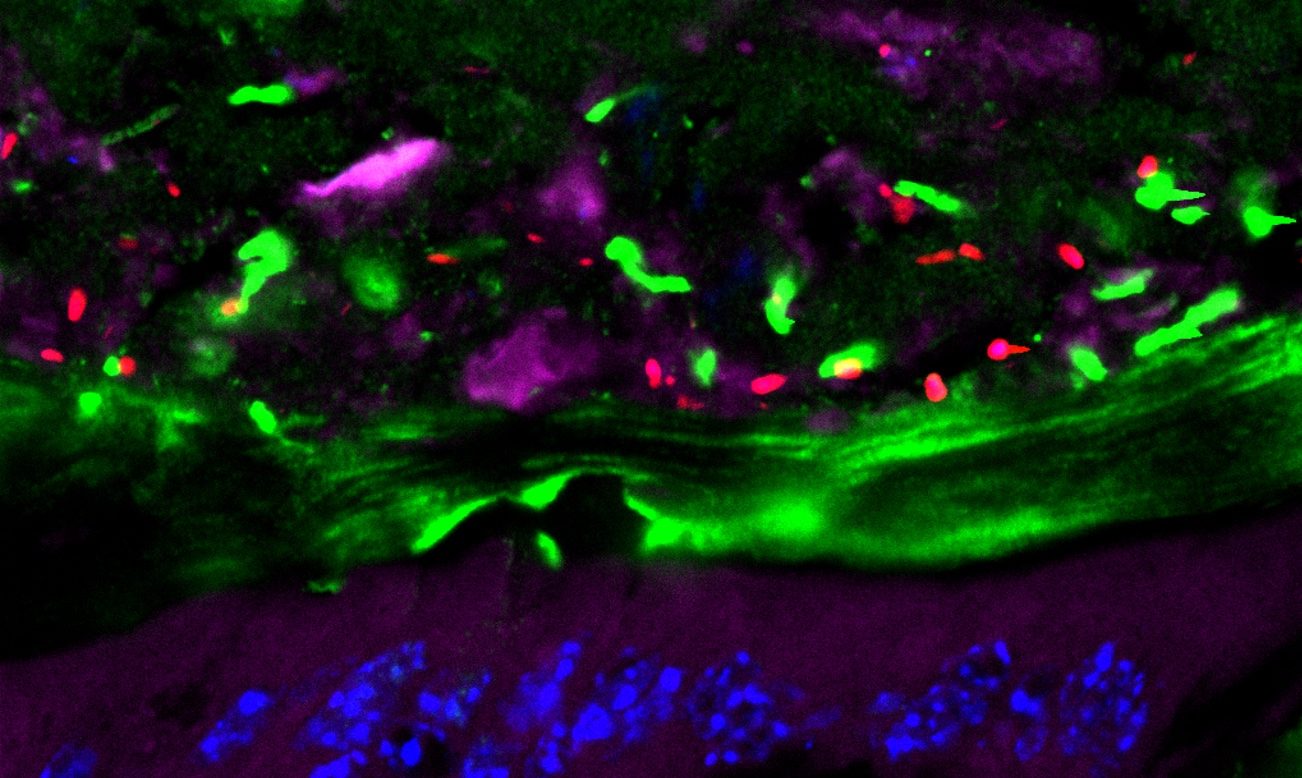
The colon viewed using a confocal microscope, showing the microbiota bacteria (in red), the intestinal mucous (green), the intestinal cells (purple) and their DNA (blue). Credits: Benoît Chassaing

In animals, a vaccine modifying the composition and function of the gut microbiota provides protection against the onset of chronic inflammatory bowel diseases and certain metabolic disorders, such as diabetes and obesity. This research was conducted by the team of Benoît Chassaing, Inserm researcher at Institut Cochin (Inserm/CNRS/Université de Paris), whose initial findings have been published in Nature Communications.

Chronic inflammatory bowel diseases, such as Crohn’s and ulcerative colitis, are linked to abnormalities of the gut microbiota in humans and in animals. The subjects concerned generally present reduced bacterial diversity in their intestinal flora along with excessive levels of bacteria that express a protein called flagellin, which favors their mobility. This enables them to penetrate the layer of mucous that covers the intestinal wall and is usually sterile. The purpose of this layer is to form a bacteria-resistant wall between the internal digestive tract and the rest of the body, thereby protecting it from the risk of inflammation linked to the presence of the billions of bacteria of the intestinal flora.

Previous research had already shown that antibodies are naturally found within this mucous layer, some of which are directed against flagellin. This means that the body spontaneously develops immune protection against flagellin, making it possible to control the presence of the bacteria that express it. With the aim of reducing the risk of chronic inflammation, Inserm researcher Benoit Chassaing and his colleagues had the idea of stimulating this anti-flagellin antibody production in order to reduce the presence of the bacteria that express flagellin in the gut microbiota.

As described in their study published in Nature Communications, the researchers administered flagellin to mice intraperitoneally, thereby inducing a marked increase in the anti-flagellin antibodies, particularly in the intestinal mucosa. The researchers then applied a protocol in order to induce chronic intestinal inflammation, whereupon they observed that immunizing against flagellin gave the animals significant protection from intestinal inflammation. In addition, detailed analysis of their microbiota and intestines revealed not just a reduction in the levels of bacteria that strongly express flagellin but also their absence in the intestinal mucosa, as opposed to the unvaccinated group.

Given that excess flagellin in the gut microbiota has also been linked to metabolic disorders such as diabetes and obesity, the researchers tested their vaccine strategy in mice exposed to a high-fat diet. Whereas the unvaccinated animals developed obesity, the vaccinated animals were protected.

This vaccine strategy can be envisaged in humans, because such abnormalities of the microbiota have been observed in patients with inflammatory and metabolic diseases. With this in mind, we are currently working on a means of locally administering flagellin to the intestinal mucosa“, explains Chassaing. The researchers are considering, for example, the possibility of developing ingestible flagellin-filled nanoparticles. Finally, in addition to the preventive aspect, they now wish to test this vaccination in curative mode, in animals already presenting chronic inflammatory disease or metabolic disorders.

Influenza : the Reasons for Low Vaccine Coverage Among Pregnant Women

Adobe/Stock

A study carried out by Béatrice Blondel (Inserm Obstetrical, Perinatal and Pediatric Epidemiology Research Team – Université de Paris) and Odile Launay (CIC Cochin Pasteur – AP-HP) reveals that seasonal influenza vaccine coverage remains particularly low among pregnant women in France (7.4% for the 2015-16 season). Despite risks of severe complications, expectant mothers are often not offered the vaccine during their prenatal monitoring or, if they are, a large majority declines it. The findings of this study have been published in Human Vaccines and Immunotherapeutics.

Since 2012, the French health authorities recommend that all pregnant women be vaccinated against influenza. Data from the scientific literature suggest that they and their newborns run a higher risk of developing severe complications of the disease.

Nevertheless, vaccine coverage of pregnant women in France continues to remain low, with Inserm researcher Béatrice Blondel and her colleagues estimating it at 7.4% for the 2015-16 season. To obtain this figure, the team used data from the National Perinatal Survey – a large-scale study periodically conducted by Inserm in France since 1995 to evaluate the health of mothers and their newborns in addition to medical practices during pregnancy and birth.

Over 12,000 women that had given birth in March 2016 agreed to participate. “The fact that they had given birth in March was relevant for our study because their pregnancy coincided with the ‘flu epidemic and the entire vaccination period, meaning that the vaccination measures were totally applicable to them“, emphasizes Blondel.

The women were interviewed to find out not just whether they had been vaccinated against the disease during their pregnancy, but also which care provider had performed their prenatal monitoring. In addition to estimating vaccine coverage, the researchers analyzed the factors that favor vaccination, as well as the reasons why a large majority of women had not made use of it.


Lack of knowledge and suspicion of vaccination

 An analysis of the sociodemographic characteristics of the study participants reveals that the pregnant women most likely to be vaccinated are aged between 30 and 34, have a higher level of formal education, and are more likely to work in the healthcare sector.

In addition, those whose main care provider during the pregnancy was a general practitioner also have a higher level of vaccine coverage. “The problem in France is that the principal professionals responsible for prenatal monitoring, namely the OB-GYNs and midwives, have not taken up this question and have not systematically incorporated vaccination in the prenatal monitoring process”, specifies Blondel.

The study suggests that effective interventions should be conducted to raise awareness of influenza vaccination among medical professionals and pregnant women. Indeed, only one quarter of the mothers interviewed said that they had been offered the vaccination during their prenatal monitoring, which was then declined by 70% of them. Targeted campaigns to remind pregnant women that they are one of the populations at risk and to incite care providers to offer the vaccine could have a positive impact. In this context, given the numerous and widely-dispersed care providers involved in prenatal monitoring, the professional associations could play a decisive role in these interventions.

“Women also need to be made aware of the known benefits of the vaccination. While vaccine hesitancy is particularly strong in the French population as a whole, the principle of precaution in regards taking medication is very firmly rooted in the behavior of pregnant women. The cumulation of these two attitudes helps to explain the low vaccine coverage. Nevertheless, the inclusion of pregnant women in the 2019 national vaccine campaign should encourage improved adherence of health professionals and these women”, concludes Blondel.

Towards a Drug to Combat a Severe Intestinal Disease in Children, Immunocompromised Patients

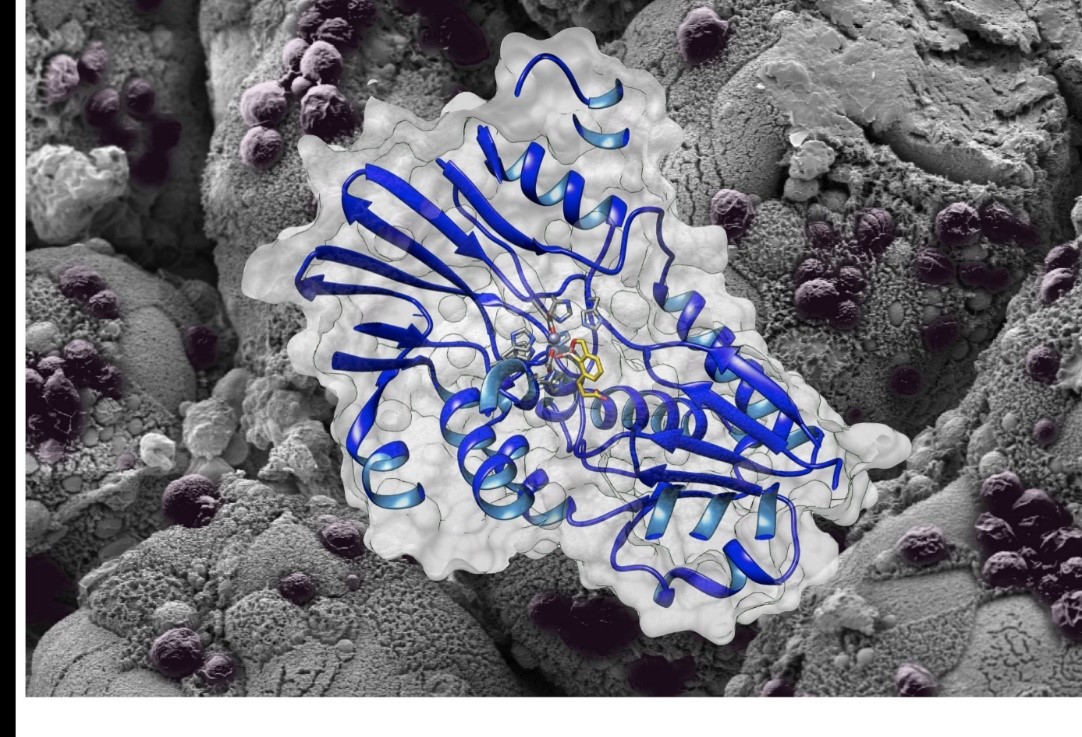
3D structure of the enzyme with the molecule AN3661 shown against the background of the intestine of an immunocompromised mouse infected with Cryptosporidium. ©Fabrice Laurent and Christopher Swale.

Researchers from Inserm and INRA working in the teams of Mohamed-Ali Hakimi (Institute for Advanced Biosciences – Inserm U 1209 / CNRS JRU 5309 / UGA) and Fabrice Laurent (INRA) have recently discovered a new candidate drug to control cryptosporidiosis, a severe intestinal disease in children, immunocompromised patients, and young ruminants. Beyond this disease, their research represents an opportunity to discover new therapeutic avenues for related infections, such as toxoplasmosis and malaria. Their findings have been published in Science Translational Medicine.

Cryptosporidiosis is a diarrheal disease caused by Cryptosporidium, a microscopic parasite that develops in the intestine of numerous mammals – notably humans. This intestinal parasite is mainly spread through contaminated drinking or pool water, where it can survive for several days in the presence of chlorine, or through contact with infected animals. Over the past 20 years, infection with Cryptosporidium has been recognized as a common cause of waterborne disease in humans. According to a recent study by the US Centers for Disease Control and Prevention (CDC), the number of Cryptosporidium epidemics is even on the increase. In humans, it causes acute and sometimes fatal diarrhea in the most vulnerable populations, including young malnourished children and immunocompromised patients (for example, those infected with HIV). The therapeutic arsenal is currently very limited and in some cases ineffective in eliminating this parasite.

This study conducted by the researchers from Inserm and INRA reveals the discovery of a candidate drug called AN3661, which drastically reduces not just Cryptosporidium infection but also that of Toxoplasma, the parasite responsible for toxoplasmosis.

The study teams have revealed the mechanism of action of this molecule by elucidating the three-dimensional structure of its target, called CPSF3, in Cryptosporidium. AN3661 binds to the heart of the enzyme CPSF3, thereby preventing the maturation of the messenger RNA, a process essential to the parasite’s survival. Preclinical tests using an animal model show remarkable efficacy in vivo with single-dose treatments of the infection in immunocompromised or baby mice.

This major discovery paves the way for new therapeutic strategies and innovations to fight not just cryptosporidiosis but also other related infections, such as toxoplasmosis and malaria.

A Vaccine to Overcome Immunotherapy Resistance

©AdobeStock

For patients with metastatic cancers such as those of the lung or bladder, or melanoma, immunotherapy represents a genuine therapeutic revolution. Unfortunately, it is only effective in 10 to 25% of those eligible to receive it. Researchers from the Cancer Research Center of Lyon (CRCL – Inserm / CNRS / Université Claude Bernard Lyon 1 / Léon Bérard cancer center) and the Léon Bérard and Gustave Roussy cancer centers have shown that a commercially-available vaccine can overcome resistance to immunotherapy. Their study, published in Science Translational Medicine, shows that not only can gastroenteritis vaccines induce the immunogenic death of cancer cells in vitro, but also that combining them with immunotherapy triggers a potent anti-tumor immune response in vivo – where immunotherapy alone had failed.

How can we overcome resistance to immunotherapies, so that as many patients as possible can benefit from these innovations? A team of researchers led by Aurélien Marabelle (Gustave Roussy and Léon Bérard cancer centers), Christophe Caux (Inserm U1052) and Sandrine Valsesia-Wittmann (Léon Bérard cancer center – Inserm UA8) has studied this question. Their idea was to use vaccines to render immunotherapy effective in those cancers in which it has been unsuccessful so far. Then, the aim was to increase the number of patients who could benefit from such therapy in cancers where it has already been shown to be effective.

In this study, our research team looked at pediatric tumors such as neuroblastomas, which are aggressive cancers that do not respond to existing immunotherapies such as anti-PD(L)1 and anti-CTLA4. In our aim to transform how they respond to immunotherapy, we used various vaccines as sources of pro-inflammatory elements because pathogens such as viruses are able to directly stimulate innate immune receptors” explains Marabelle.

Gastroenteritis vaccines

To start with, the researchers tested 14 commercially available vaccines (BCG, Cervarix, TicoVac, etc.) in vitro for their ability to stimulate these innate immune receptors.

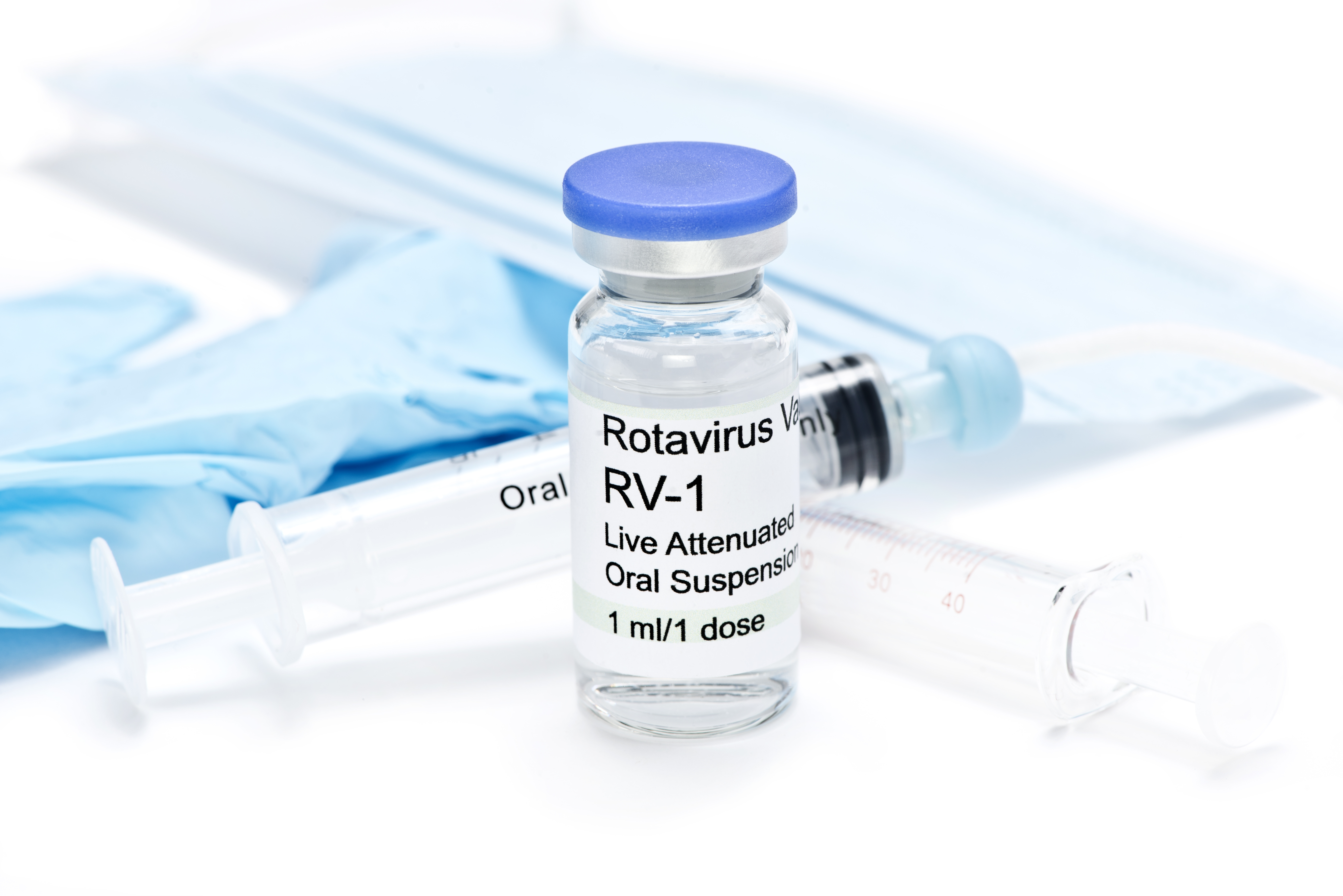
Out of the vaccines tested, those used against rotavirus (Rotarix, Rotateq), the virus responsible for gastroenteritis, were identified as having strong pro-inflammatory properties. Unexpectedly, they observed that these vaccines have an oncolytic action – namely the ability to preferentially infect and kill cancer cells in relation to normal cells and induce what is known as immunogenic death.

Vaccine plus immunotherapy – a potent combination

The researchers also conducted in vivo testing of the most pro-inflammatory vaccines using models of neuroblastoma in which the anti-PD(L)1 and anti-CTLA4 immunotherapies are ineffective in humans. This involved injecting these vaccines either systemically or intratumorally (directly into the tumors).

They observed that when the rotavirus vaccines were injected intratumorally, some of the tumors disappeared. When they then administered the vaccine in combination with anti-PD(L)1 or CTLA4 immunotherapies, all of the tumors disappeared.

While the tumors usually do not respond well to either of these treatments used alone, combining them generates a strong systemic antitumor immune response capable of eradicating both injected and non-injected tumors. “Our findings show that the rotavirus strains contained in gastroenteritis vaccines can make usually naturally-resistant tumors sensitive to immunotherapy“, highlights Caux.

The researchers also sought to explain how the rotaviruses exert a stimulant effect on the immune system. They showed that the activation of an innate immune receptor known as RIG-I (retinoic acid induced gene I) was essential for the synergistic effect of the intratumoral rotaviruses with the immunotherapies.

The findings of this study provide a strong scientific rationale in favor of the development of intratumor immunization strategies for immunotherapy-refractory cancers, particularly in pediatric oncology but also in adults,” concludes Valsesia-Wittmann.

This research was supported by the Pediatric Hematology and Oncology Institute (iHOPe), the French League Against Cancer, Inca, the French National Research Agency (ANR) and the patient associations Les Torocinelles, ALBEC and 111 des Arts.

Is physical activity always good for the heart?

International guidelines emphasize the need to be active in order to prevent cardiovascular mortality. Credits : Adobe Stock

Physical activity is thought to be our greatest ally in the fight against cardiovascular disease. But there may be significant variations in its protective effects across a range of different situations, such as regularly playing a sport, carrying heavy loads at work, or going for a walk with friends. These are the findings of a new study led by Inserm researcher Jean-Philippe Empana (U970 PARCC, Inserm/Université de Paris) in collaboration with Australian researchers. The results have been published in Hypertension.

Cardiovascular diseases are the leading cause of mortality around the world, and there is no sign that this trend is declining. However, a large number of premature deaths could be prevented by taking appropriate preventive measures. Among these measures, physical activity is often presented as having multiple benefits, and international guidelines emphasize the need to be active in order to avoid cardiovascular mortality.[1]

But physical activity is a broad concept, and few scientific studies have looked into the differences between various types of exercise may have. This was the focus of the new study published in Hypertension, which was conducted by the research teams led by Jean-Philippe Empana, Xavier Jouven, and Pierre Boutouyrie (Inserm/Université de Paris), in collaboration with Rachel Climie at the Baker Heart and Diabetes Institute, Melbourne, Australia.

“Our idea was to look at whether all types of physical activity are beneficial, or whether under some circumstances physical activity can be harmful. We wanted in particular to explore the consequences of physical activity at work, especially strenuous physical activity such as routinely carrying heavy loads, which could have a negative impact”, explains Empana.

Sport, work, or leisure

The research by Empana and his colleagues was based on data from participants in the Paris Prospective Study III. For ten years, this extensive French study has been monitoring the health status of over 10,000 volunteers, aged 50 to 75 years old and recruited during a health check-up at the Paris Health Clinic (Paris Preclinical Investigations, IPC).

Participants were asked to fill out a questionnaire about the frequency, duration, and intensity of their physical activity in three different contexts: physical activity through sport, physical activity at work (for example carrying heavy loads), and physical activity in their leisure time (such as gardening).

The cardiovascular health of participants was then assessed based on the health of their arteries using cutting-edge ultrasound imaging of the carotid artery (a superficial artery in the neck). This method, known as “echo tracking”, can be used to measure baroreflex sensitivity, a mechanism of automatic adaptation to sudden changes in blood pressure. When this system is impaired, this can lead to major health problems, and a higher risk of cardiac arrest.

Studying the arduous nature of work

In their analyses, the researchers distinguished between two components of the baroreflex: mechanical baroreflex, assessed through the measurement of arterial stiffness, and neural baroreflex, assessed through the measurement of nerve impulses sent by the receptors on the walls of the artery, in response to a distension of the vessel. Abnormalities in the mechanical component tend to be associated with aging-related cardiovascular diseases, while abnormalities in the neural component tend to be linked to heart rhythm disorders that can lead to a cardiac arrest.

The study shows that high-intensity sporting physical activity is associated with a better neural baroreflex. Conversely, physical activity at work (such as routinely carrying heavy loads) appears to be more strongly associated with an abnormal neural baroreflex and greater arterial stiffness. Such activity could therefore be harmful for cardiovascular health, and in particular may be associated with heart rhythm disorders. 

“Our findings represent a valuable avenue of research for improving our understanding of the associations between physical activity and cardiovascular disease. They do not suggest that movement at work is harmful for health, instead they suggest that chronic, strenuous activity (such as lifting heavy loads) at work may be”, highlights Empana

The researchers will attempt to replicate these results in other populations, and explore in greater detail the interactions between physical activity and health. “This study has major public health implications for physical activity at work. We now want to expand our analysis to further explore the interactions between physical activity and the health status of people in the workplace”, concludes Empana.

[1] See the Inserm collective expert review: “Physical activity: Prevention and treatment of chronic diseases” https://www.inserm.fr/information-en-sante/expertises-collectives/activite-physique-prevention-et-traitement-maladies-chroniques

Aging with HIV Linked to Increased Risk of Cognitive Impairment

Adobe Stock 

Thanks to antiretroviral therapies, it is possible to grow old with HIV under control. However, this chronic infection may not leave cognitive function unscathed. That is why Alain Makinson (Translational Research on HIV and Infectious Diseases unit, Montpellier University Hospital, Université de Montpellier, Inserm, IRD) and his team were interested in exploring the development of neurocognitive impairment (NCI), such as diminished attention, memory and motor capacity, in patients living with HIV in the ANRS EP58 HAND 55-70 study. In their latest research, published in Clinical Infectious diseases, the scientists describe the results of their observations of 200 people living with HIV enrolled in six French centers. The data collected from these patients were then compared, using the same neurocognitive evaluation methods, with those of a control population of 1,000 people of the same age, sex and education taken from Constances – a cohort recruited from the general population, with over 200,000 volunteers. The researchers reveal that among those living with HIV between the ages of 55 and 70, the risk of developing mild (and in some cases, symptomless) neurocognitive impairment increases by 50%.

Thanks to antiretroviral therapies, people living with the human immunodeficiency virus (PLHIV) can bring it under control. However, while HIV is no longer their major cause of death – having decreased substantially since the advent of these therapies – other risks must be considered. Several recent studies have highlighted the increased prevalence of neurocognitive impairment (NCI) in PLHIV compared with uninfected individuals – an increase that is all the more pronounced in those whose virus is not controlled. However, this NCI could also be caused by cardiovascular factors or the onset of depression, which is more common in this population.

In order to try to determine the nature of the link between living with HIV and developing NCI (such as diminished attention, memory and motor capacity), Alain Makinson and his coworkers studied the data of 200 PLHIV, between 55 and 70 years of age, whose HIV was under control and who were enrolled between January 2016 and October 2017 in the ANRS EP58 HAND (HIV-Associated Neurocognitive Disorder) study. Each patient was compared with five HIV-uninfected individuals of the same age, sex and education, from Constances – a cohort recruited from the general population. The same methods were used for both populations when performing the cognitive tests and collecting the study data. All in all, 1,200 people took part in this study.

Although the impairments observed in the study were either mild or without apparent symptoms (i.e. with zero to low impact on daily activities despite abnormal test results), those living with HIV were more affected by NCI: 35% versus 24% for the control group.

The risk of developing NCI is therefore 50% higher for HIV-infected individuals compared with HIV-uninfected individuals, all other criteria being equal (age, sex and education).

The conclusion remained the same after the authors took into account various confounding factors (alcohol consumption, smoking, physical activity, diabetes, hypertension, etc.), and despite the use of several methods to evaluate the cognitive tests.

Despite these highly robust results, a causal link between living with HIV and developing NCI cannot be established – for which there are several possible hypotheses. One is that HIV infection and its treatments cause recurrent brain inflammation. Another is that the complications associated with the immune deficiency can affect cognition before antiretroviral treatment is initiated, but without the subsequent deterioration occurring more rapidly in comparison with the general population. Finally, seropositivity could be associated with other risk factors (particularly drug use), which are difficult to measure fully in the two populations of this study.

The authors wish to continue to follow the same population over a longer period in order to better define the causes of NCI in this aging population and test the hypothesis of accelerated cognitive aging in PLHIV – particularly given that very few studies with a control group are available. Testing the brain inflammation hypothesis by collecting certain specific blood biomarkers represents another avenue for the team to explore in its quest to elucidate the mechanisms behind NCI.

Dysentery: Shigella, bacteria with adaptation to respiration

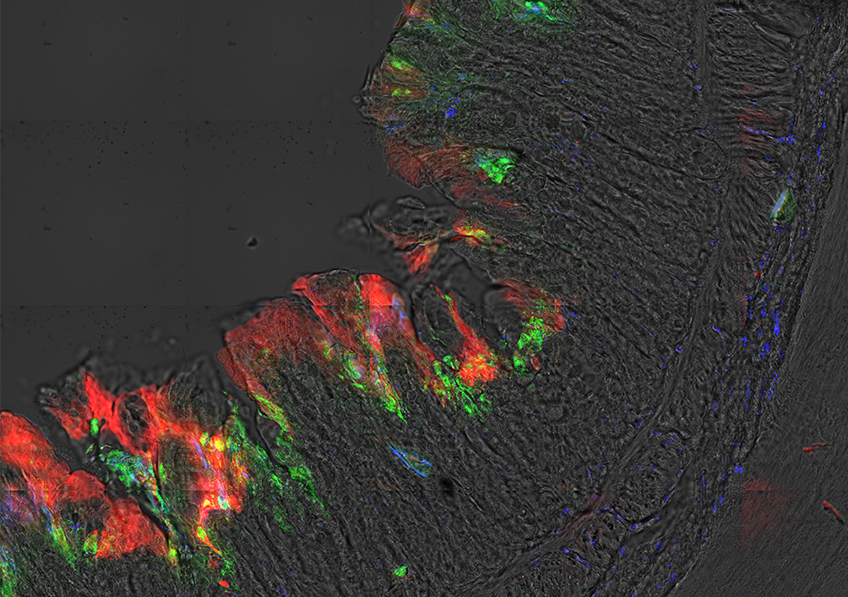
Imagerie montrant la déplétion de l'oxygène au sein de la muqueuse intestinale par Shigella (vert), induisant une hypoxie (rouge) au sein des foyers infectieux inflammatoires (neutrophiles: marqués à l'aide du Myelotracker, bleu).

Déplétion de l’oxygène au sein de la muqueuse intestinale par Shigella (vert), induisant une hypoxie (rouge) au sein des foyers infectieux inflammatoires (neutrophiles: marqués à l’aide du Myelotracker, bleu). ©Benoit Marteyn/ Inserm/ Institut Pasteur

Bacillary dysentery caused by the intestinal bacteria Shigella is a major health problem in tropical regions and developing countries. Complications from this infection lead to several hundred thousand deaths a year, primarily among infants. Researchers from Inserm and the Institut Pasteur have studied the mechanisms of Shigella virulence. They found that these bacteria are not only able to consume the oxygen in colonic tissue in order to grow and create foci of infection, but can also adapt their mode of respiration so that they can continue to grow once the oxygen in these foci has been used up. These findings, published in Nature Microbiology, open up new prospects for the development of antibiotics and vaccines to combat this group of bacteria, which is on the WHO list of 12 priority pathogens.

Shigella is a group of pathogenic enterobacteria (bacteria found in the digestive tract) that cause bacillary dysentery, which is also known as shigellosis. They are transmitted via the fecal-oral route, for example through food or water contaminated with fecal matter, and are thus primarily endemic in tropical regions, particularly in developing countries where a lack of hygiene and healthcare infrastructure favor outbreaks of disease. After ingestion, Shigella bacteria invade the cells of the intestinal wall and then the colonic mucosa, causing major inflammation combined with severe tissue damage. This causes symptoms such as abdominal pain, vomiting, diarrhea containing blood or mucus, and fever.

With no commercialized vaccine (the infection is currently treated with antibiotics), shigellosis remains a major public health problem, and results in 700,000 deaths per year around the world—primarily among children under the age of 5—from acute complications.

The emergence of new multi-drug resistant strains of Shigella has prompted inclusion of the bacteria on the WHO list of 12 “priority pathogens” for which new treatments (vaccines or antibiotics) are urgently needed.

With this in mind, a team led by Inserm researcher Benoit Marteyn within Unit 1202, “Molecular Microbial Pathogenesis” (Institut Pasteur/Inserm), sought to better understand the mechanism used by Shigella to infect tissue by modulating the levels of oxygen present. To do this, the researchers used innovative image analysis methods developed by the Imagopole at the Institut Pasteur, which allowed them to study each cell individually (single-cell analysis) and monitor variation in the levels of oxygen O2 in intestinal tissues around isolated bacteria and in foci of infection, where bacteria are numerous.

The research group also found that foci of Shigella infection had abnormally low levels of oxygen (hypoxia). The denser the population of bacteria, the greater the consumption of O2. Hypoxia was not, however, seen around isolated bacteria away from the foci of infection.

Shigella bacteria are “facultative anaerobes,” which means that while they favor aerobic respiration (which uses O2 as fuel), if oxygen is lacking they can also switch to “anaerobic” respiration, which does not require O2. This characteristic enables them to continue to grow in hypoxic, or even anoxic (O2-depleted) foci after they have consumed all the oxygen in the tissues.

The researchers have thus shown that aerobic respiration of Shigella and their capacity to modulate the oxygenation of infected tissues enables the formation of hypoxic foci of infection within the intestinal mucosa, which constitutes the first stage in their colonization strategy, with over 99% of the bacterial population growing in these areas. When these foci are depleted of oxygen, the adaptability of the bacteria to O2-poor environments gives them a crucial advantage that explains their virulence and that of other facultative anaerobic enterobacteria.

“These findings are very important in relation to the search for new antibiotics and candidate vaccines to combat Shigella infection. Their mechanisms of action will need to be confirmed in hypoxic or even anoxic conditions, to reflect the pathophysiological conditions in which Shigella primarily grow within the colonic mucosa,” concludes Benoit Marteyn.

Identified: A Protein Essential for Chikungunya Virus Replication

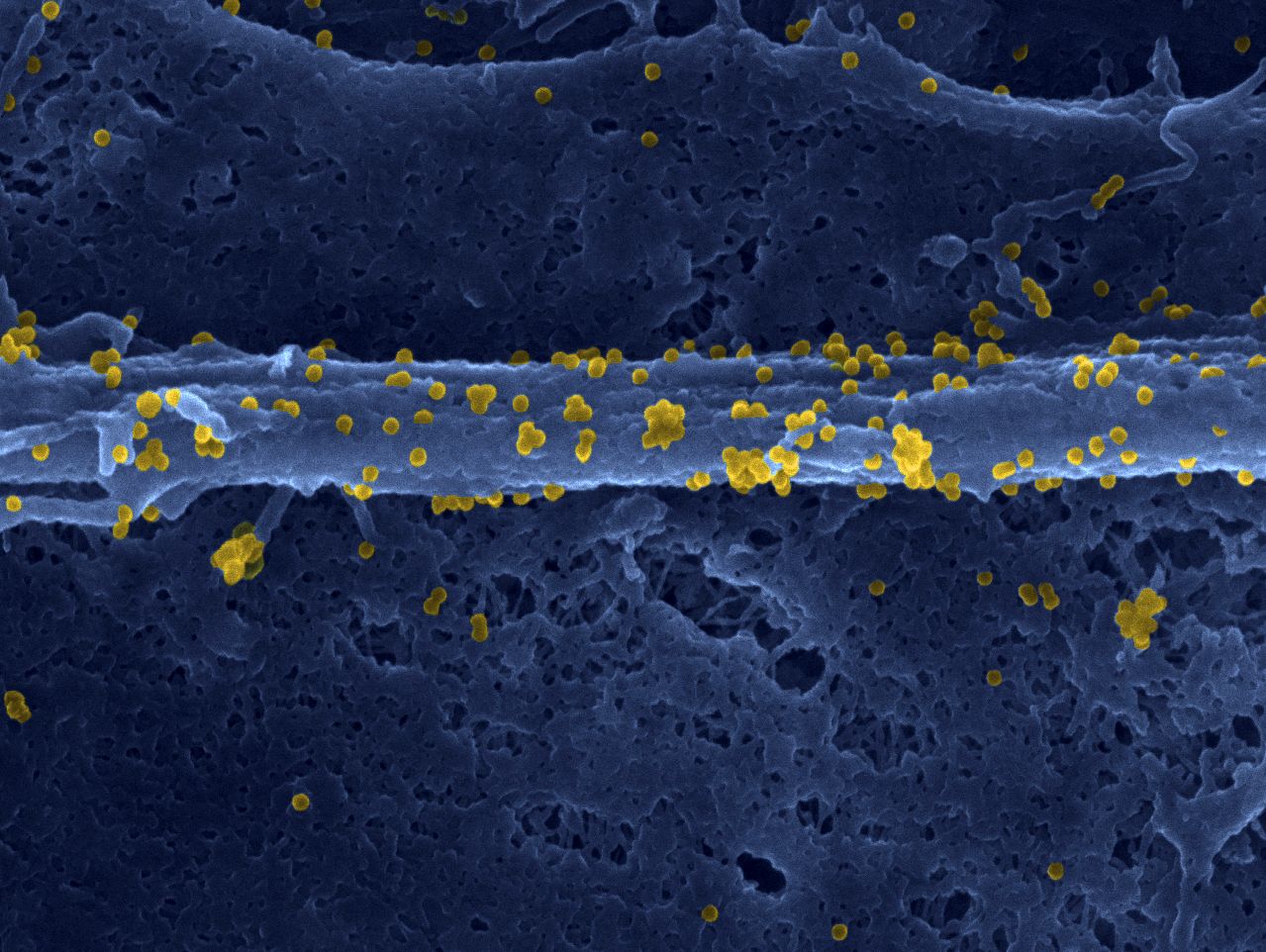
Fibroblast infected with the chikungunya virus. © Inserm/Thérèse Couderc/Marie-Christine Prévost/Marc Lecuit

Chikungunya is an infectious disease caused by a mosquito-borne virus transmitted to humans. First detected in Africa, the virus has been responsible for recent epidemics in the Americas, Asia and the Indian Ocean – particularly the Reunion Island. Chikungunya is characterized by high fever and intense joint and muscle pain that can last for several months. The mechanisms of infection of human cells with the virus remain very poorly understood. Led by Ali Amara in collaboration with Marc Lecuit researchers from Inserm, Institut Pasteur, CNRS and Université de Paris have identified a protein that is crucial in order for the virus to replicate within its target cells. This research, published in the journal Nature, opens up therapeutic avenues in the fight against chikungunya.

Originally from Africa, chikungunya is aptly named. It derives from a word in the Kimakonde language, meaning “to become contorted”, because the severe muscle and joint pains endured by the patients prevent them from moving normally or performing their daily activities.

While the clinical manifestations of the disease are well understood, the mechanisms by which the virus infects human cells and multiplies remain poorly elucidated. Several studies had already identified certain host cell factors implicated in the replication of the virus. However, none had succeeded in explaining why the virus preferentially targets the muscle and joint cells, causing these clinical signs.

Researchers from Inserm, CNRS and Université de Paris led by Dr. Ali Amara at the AP-HP Saint-Louis Hospital Research Institute in Paris, in collaboration with Marc Lecuit’s team from Institut Pasteur, Inserm and Université de Paris, have identified that the FHL1 protein is a key cellular factor for the replication and pathogenesis of chikungunya. FHL1 is a molecule present mainly in the muscle cells and fibroblasts, the preferred targets of the virus. Usually, FHL1 contributes to healthy muscle physiology and it is now thought to be diverted from that function by the virus to ensure its replication in the target cells.

To conduct this study, Amara’s team used the CRISPR-Cas9 technology to systematically screen the genome of human cells in order to identify the host factors necessary for viral replication. In doing so, it isolated the gene coding for the FHL1 protein. The team then conducted a series of experiments showing the incapacity of the virus to infect cells whose FHL1 expression had been abolished.

In addition, the researchers have shown that the virus was incapable of multiplying within cells derived from patients suffering Emery-Dreifuss muscular dystrophy – a rare genetic disease. This muscle disease is the result of mutations of the FHL1 gene responsible for the breakdown of the FHL1 protein. The researchers have shown that the cells of these patients are resistant to the virus.

Finally, the researchers performed in vivo experiments in mice whose Fhl1 gene was invalidated. They have shown that these animals are totally resistant to infection and do not develop the disease, whereas the virus multiplies and causes major muscle lesions in mice expressing a functional FHL1 protein. These observations demonstrate that the FHL1 protein plays a key role in chikungunya virus replication and pathogenesis.

The precise role played by FHL1 in the viral infection is not fully understood. The researchers have discovered that FHL1 interacts with a viral protein known as nsP3. It is when binding to this that FHL1 participates in the replication of the virus.

“We now want to understand this interaction in molecular detail. The next step is to define why FHL1 is so specific to the chikungunya virus, and to decipher its mechanism of action at the molecular level. Elucidating the molecular structure of the FHL1-nsP3 complex could represent a major step forward in the development of antivirals that block the replication of the virus“, emphasize Ali Amara and Laurent Meertens, the Inserm researchers in charge of the study.

At present, only symptomatic treatments are available for patients infected with chikungunya.

Disarming a probiotic to improve its benefits

Escherichia coli © Inserm/Cloup, Emilie/Nougayrede, Jean-Philippe

For more than a century, the Nissle 1917 strain of the bacterium Escherichia coli has been used as a probiotic to treat gastrointestinal disorders. However, this bacterium also produces a toxin, colibactin, which has deleterious effects on host DNA and might cause colon cancer. It is therefore crucial to understand the mechanisms at play in the strain if we wish to limit undesirable side effects. In a recent study, researchers at INRA, INSERM, the University of Toulouse III – Paul Sabatier, and ENVT managed to decipher certain pathways by which Escherichia coli Nissle 1917 produces both beneficial and toxic compounds. They then successfully created a modified strain with the same probiotic properties but an unactivated version of the toxin. This work was published on September 23, 2019, in PLOS Pathogens.

A German doctor discovered the bacterial strain that became known as Escherichia coli Nissle 1917 during World War 1. There had been an outbreak of dysentery in a group of soldiers; only one remained unafflicted. The doctor, Alfred Nissle, isolated the strain from this soldier and used it to treat other soldiers. Since then, E. coli Nissle 1917 has been used as a probiotic to treat various gastrointestinal disorders.

In 2006, researchers at INRA, INSERM, the University of Toulouse III – Paul Sabatier, and ENVT discovered that the genome of E. coli Nissle 1917 contained a group of genes that jointly encode a toxin: colibactin. In certain E. coli strains, colibactin acts as a virulence factor and can promote colon cancer. Until now, researchers had been unable to decouple the strain’s probiotic properties from its toxic side effects. It was therefore necessary to delve into the mechanisms underpinning both the strain’s synthesis of beneficial compounds, which make it a probiotic, and its synthesis of harmful compounds, notably colibactin, which can have negative impacts.

In a new study, this same team of researchers uncovered the important role played by the protein ClbP. It is an enzyme that has a key function in the strain’s probiotic action but that also activates colibactin. 

Using this discovery, the scientists were able to create a strain in which a tiny relevant portion of the enzyme was modified. This strain had the same probiotic properties as the original but could not activate colibactin, negating its toxicity. In vivo assays in mice confirmed the functionality of the new strain. Mice infected with Salmonella typhimurium (one of the bacteria that can cause dysentery) developed less severe symptoms of salmonellosis when treated with the modified E. coli Nissle 1917 strain.

Comparable results were obtained with the original E. coli Nissle 1917 strain.

This research underscores the importance of taking a closer look at the bacteria that we use as probiotics. Indeed, like traditional medications, they can have side effects.

This study may have further implications because genomic analyses have revealed that other E. coli strains naturally produce modified versions of this enzyme. Future work should assess whether such bacteria could also serve as probiotics.


Illustration of the experimental approach. © INRA, INRA, Eric Oswald


Illustration of the experimental approach © INRA, INRA, Eric Oswald

A Single Dose of Yellow Fever Vaccine Does Not Offer Lasting Protection to all Children

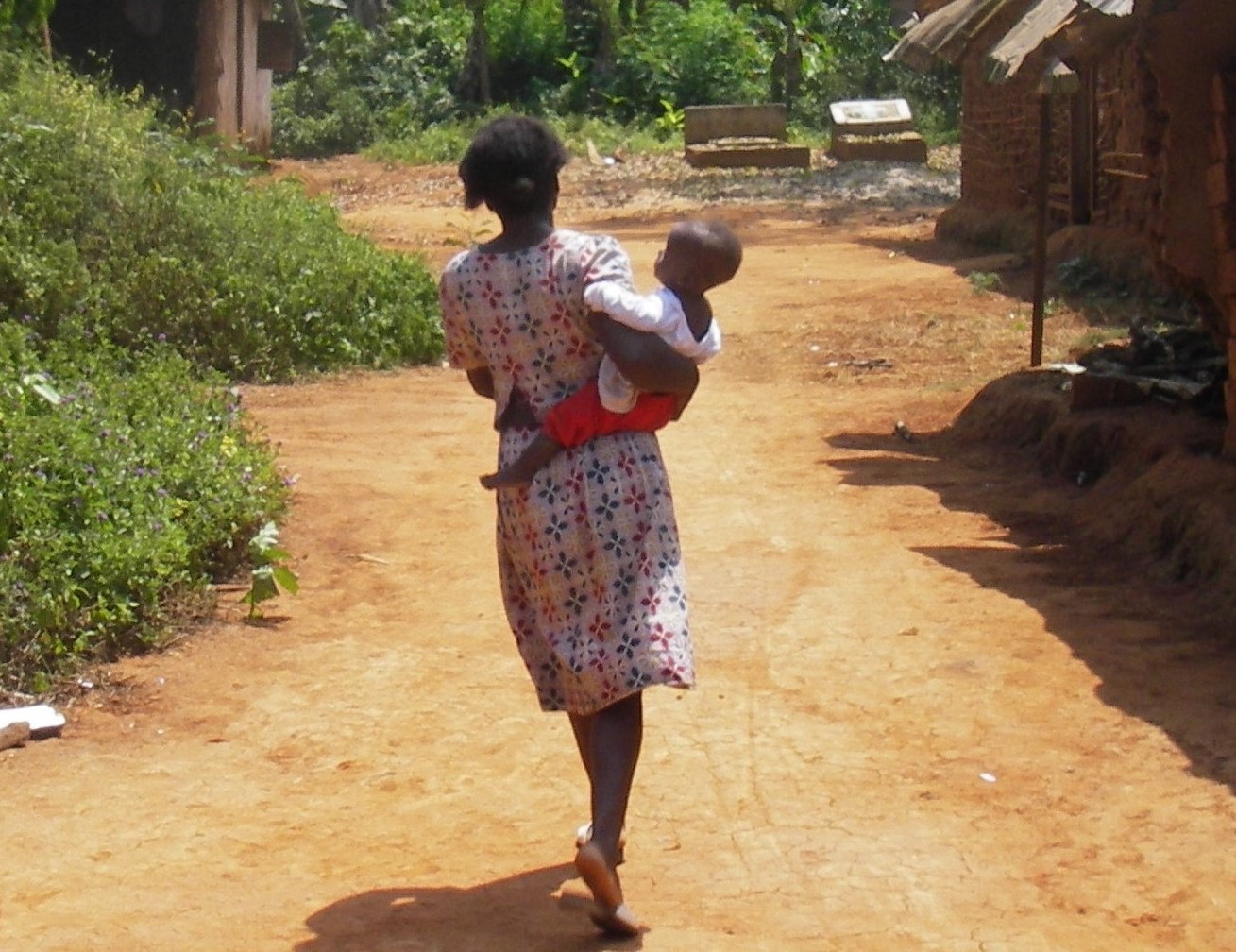
WHO©C. Onuekwe

The World Health Organization (WHO) recommends a single dose of the yellow fever vaccine for individuals aged 9 months or older living in or traveling to areas at risk of disease transmission, but there is a lack of data on its long-term efficacy when administered to infants. José Enrique Mejía, Inserm researcher at Unit 1043 Center for Pathophysiology of Toulouse Purpan and Cristina Domingo from the Robert Koch Institute in Berlin have recently shown that around half of children initially protected by the vaccination at 9 months of age lose that protection within the next 2 to 5 years, due to disappearance of the neutralizing antibodies. This research has been published in The Lancet Infectious Diseases.

Yellow fever is a viral infection spread by various species of mosquito and is rife in 34 countries in Africa and 13 in Latin America. Infection may be asymptomatic and go unnoticed or, on the contrary, it may progress rapidly to severe illness with fever, headache, muscle pain, nausea, vomiting and fatigue. The virus attacks the liver cells, often causing jaundice from which the disease gets its name. Severe bleeding occurs in 25 to 50 % of cases, with high levels of mortality observed 7 to 10 days after the onset of symptoms.

Since 2013, WHO recommends a single dose of the vaccine for life-long protection. This recommendation is based on proof of long-term efficacy, in vitro and in vivo, established in adults and children over 2 years of age.

But data on the long-term efficacy of primary vaccination in infants are absent, despite 9-12-month-olds being the main targets of routine vaccination in countries in which yellow fever is endemic. In this respect, WHO recommended research into the long-term persistence of the immunity conferred by vaccination in this age group. This research was performed by José Enrique Mejía from Unit 1043 Center for Pathophysiology of Toulouse Purpan in partnership with Cristina Domingo from Robert Koch Institute in Berlin, and researchers from the USA, Ghana and Mali, with support from the Wellcome Trust.

Their study verified whether children to whom the vaccine was administered at around 9 months of age were still protected several years later. The team studied two cohorts, one from Mali (587 children) and the other from Ghana (436 children), in whom the levels of specific antibodies to the yellow fever virus had been measured 4 weeks after vaccination. They then repeated the measurement several years later, with findings from previous studies enabling them to estimate that levels above 0.5 IU/ml should protect children from infection.

In the Malian cohort, 4.5 years after vaccination, only half of the children continued to present levels of antibodies above 0.5 IU/ml. And 19.3 % presented detectable antibodies but at levels below this recommended threshold (<0.5 IU/ml). The proportion of children seropositive for these antibodies was therefore 69.7 % as opposed to 96.7 % just after vaccination.

In the Ghanaian cohort, 2.5 years after vaccination, only around 30 % of children continued to be protected against infection and 11.7 % continued to present specific antibodies but in low concentrations (<0.5 IU/ml). All in all, 39.4 % of the children were considered seropositive as opposed to 72.7 % just after vaccination.

Irrespective of the differences in vaccine efficacy between these two groups, which could be explained by ethnic and environmental factors (urban/rural population, seasonality of vaccination, diet, exposure to other infectious agents, etc.), the results in both cases show a substantial fall – practically by half – in the levels of protective antibodies in the years following vaccination, and which predict the absence of protection against infection for large numbers of children.

“Our data suggest that a booster may be necessary when the 1st vaccination is performed in 9-12-month-olds, but we will need more precise knowledge of the decrease in antibodies over time. Maintaining immunity to the virus during childhood and in adulthood is fundamental for obtaining vaccine coverage beyond the threshold of 80 % of the population in order to prevent the risk of epidemic”, concludes Mejía.

fermer