Menu

Achievements in Innovation: Inserm Sets Itself Apart Once Again Through its Momentum and Results


Adobe Stock


The respective classifications of the European Patent Office (EPO) and France’s National Industrial Property Institute (INPI), which have just published their annual rankings for 2017, have confirmed Inserm’s ability to innovate. Inserm placed first among patent applicants in the pharmaceutical sector for the second year in a row, yet again leading the rankings of European applicants in this sector, ahead of both industrial manufacturers and academic institutions. Furthermore, the Institute was in 30th place – having moved up five places – in the INPI’s “patents in all fields” ranking, confirming its research teams’ excellence and productivity in innovation.

For the second year in a row, Inserm is the leading European patent applicant in the pharmaceutical sector, with 107 patents filed, or three more patents than last year, staying ahead of the sector’s major industrial manufacturers. In the biomedical sector, Inserm has retained its place as the leading academic applicant, with 266 patents filed. In the biotechnology sector, Inserm is in fourth place among European patent applicants, with 92 applications. Lastly, Inserm has maintained its presence as one of the top 100 patent applicants worldwide, taking all structures and fields together. This significant number of patents filed shows how animated research is at Inserm, and how strongly and regularly the Institute contributes to innovation. These patents comply with all international quality standards thanks to a fruitful collaboration between Inserm’s research teams and Inserm Transfert’s value-creation specialists.

In the French National Industrial Property Institute’s (INPI) ranking of patent applicants in France, Inserm has moved up five places, ranking 30th among the main patent applicants in all fields.

“As a leading biomedical research Institute, our objective is to increase the effective and productive dialogue between academics and industry, since we know that today, cooperation between these two worlds is more important than ever. The excellent results in these two rankings is proof of our fully operational dynamic of success, which we will continue to build on in the months to come,” states Prof. Yves Lévy, Inserm’s CEO.

With a world-wide, diversified portfolio of 1,673 patent families, Inserm has a wealth of protected innovations, for which the creation of value is entrusted to Inserm Transfert, its private subsidiary under public service delegation. Inserm Transfert is in charge of transferring the knowledge derived from Inserm’s research laboratories to patients, industrial manufacturers, and the market. This excellent placement in the EPO ranking shows the innovation potential of Inserm’s researchers as well as the ability of Inserm and its subsidiary, Inserm Transfert, to protect advances in French research of excellence in a context of fierce international competition. The quality, strength, and solidity of the portfolio of patents on the global scene remain the keys for successful transfer, leading to the emergence of the treatments of tomorrow, the creation of value from Inserm’s academic research, and the consolidation of the French economic fabric of innovation.

Artificial Intelligence to serve health research: Inserm and Owkin join forces

Accelerate artificial intelligence research to benefit health: such is the shared objective underpinning the agreement signed by Inserm and the start-up Owkin, specialized in machine learning applied to biological and medical research. The tools developed by Owkin, combined with the mass of health data either produced or used by Inserm, will lead to the development of disruptive innovations unprecedented in the field of medical and clinical research.

At a time when Emmanuel Macron intends to position France as an artificial intelligence giant, Cédric Villani has just presented his report highlighting four priority fields, including Health: Inserm and OWKIN are fully committed to this ambition. The research agreement that binds together the two partners today will allow Inserm researchers to benefit from SOCRATES artificial intelligence software developed by Owkin.

The Owkin SOCRATES platform is aimed at academic or hospital researchers, as well as pharmaceutical industry researchers, to help them discover and develop new drugs. It uses machine learning technologies to analyze medical imaging libraries, genomic molecular data and clinical data sets in order to discover complex biomarker models associated with diseases or variable responses to treatments.

“Joining forces with Inserm will allow us to pool our efforts towards a shared objective. The partnership is a sign of our determination to drive research forward with a view to gaining a better understanding of diseases and making new discoveries. Our goal is to use artificial intelligence to analyze existing data and uncover new research avenues, broadening access to AI technologies for researchers, in the hope that this will result in new treatment strategies,”explains Gilles Wainrib, co-founder and Scientific Director at Owkin.

According to Yves Levy, Chairman and CEO of Inserm: “This partnership with Owkin is emblematic of how academic research and the very best French talent should join forces to generate knowledge of the highest quality. There is no doubt that AI will lead to significant benefits for research, medical practice and the national healthcare system as a whole, underpinned by a rigorous scientific approach and solid ethics. Our role as a public research institute is to do all we can to make sure this happens quickly and smoothly.”

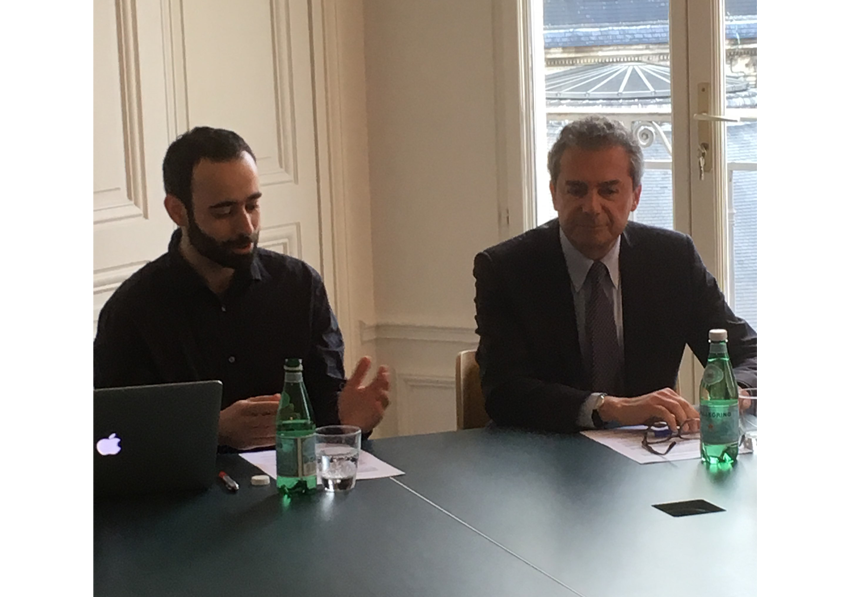
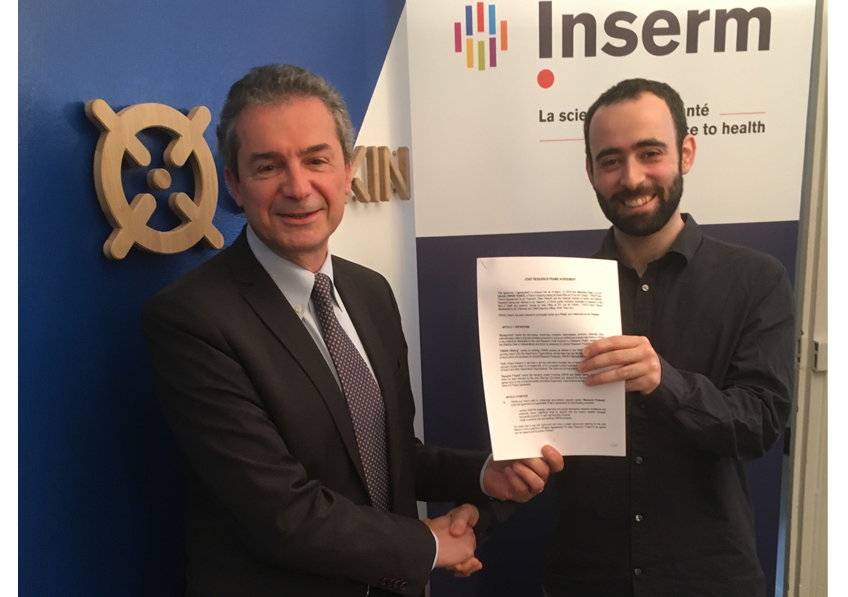
Yves Lévy, the Chairman and CEO of Inserm, and Gilles Wainrib, the co-founder of the start-up Owkin, at the signing of the framework agreement between Inserm and Owkin (press conference of April 4, 2018)


More broadly, Inserm deploys a national strategy aimed at firmly establishing the leadership of French biomedical research in the field of artificial intelligence, via:

• The mobilization of the best teams currently involved in AI development (almost 300 research teams), data production and analysis or cohort follow-up.

• A key contribution to the use of data from the Health Data Hub announced by the French President on March 29 following the submission of the Villani report. This infrastructure will draw on the Système National des Données de Santé (SNDS – French National Health Data System), extended to clinical and biological research data.

• The setting-up of a new infrastructure for the collection and analysis of medical genomics data in the context of the French Plan for Genomic Medicine

• The reinforcement of its policy of public and private partnerships with national research organizations and industry in the fields of artificial intelligence: mathematics, algorithms, modeling, software


Inserm’s strengths in the field of AI:

– its scientific excellence, scientific integrity and innovation capacities, within a rigorous scientific environment

– its understanding of the biological and medical issues to be addressed

– its knowledge of the data associated with these issues

– its mastery of regulatory and ethical aspects

– its key role in the production and use of major data in the fields of biology and health


To find out more about artificial intelligence in the field of health:

Big data in health

The technical, human and ethical challenges to be addressed: a report that can be consulted on the Inserm website

https://www.inserm.fr/information-en-sante/dossiers-information/big-data-en-sante

The evolution of AI since the 1990s:

https://www.youtube.com/watch?v=4UINCQ36eeY

Recherche à suivre: a fun series about research from the 1990s. Humankind is a champion among mammals, with some 10 billion neurons, but does intelligence simply come down to the number of neurons? This animated film compares a computer with a brain to help us understand how the human brain works. It retraces the history of the design of computers to lead us into the vast world of neurosciences.

UK-France Summit. United Kingdom of Great Britain and Northern Ireland. Genomic Medicine, the Focus of the Agreement Supported by Aviesan

©Adobe stock

To become the most advanced and competitive genomics research and healthcare system in the world: such was the ambition declared by Inserm, and its partners Aviesan and Genomics England Ltd, during the UK-France Summit on January 18, 2018. An agreement was signed by Sir John Chisholm, Executive Chairman of Genomics England Ltd, and Yves Levy, Chairman and Chief Executive Officer of Inserm, and Chairman of Aviesan, which heads up the governmental “French Plan for Genomic Medicine 2025”. They signed it in the presence of the President of the French Republic, Emmanuel Macron, and UK Prime Minister, Theresa May.

France and the United Kingdom share the same ambition to build and operate the most advanced and competitive genomics research and healthcare system in the world. This agreement is based on a partnership between two national programs: “100,000 genomes” by Genomics England and the “French Plan for Genomic Medicine 2025” supported by Aviesan.

From the discovery of the DNA double helix in 1953, which earned a Nobel Prize for Englishman Francis Crick, to the development of the use of genomics in medicine, the two nations have been undisputed international leaders in genomic medicine. This is embodied by the creation of two programs (“UK Genome” and the “French Plan for Genomic Medicine 2025” supported by Aviesan), from research to health care. Both countries have currently made the most ambitious, and most significant public commitments worldwide, to building infrastructure, mobilizing the necessary talents, and thus promoting globally renowned proposals in genomic medicine for the 21st century.

In practice, as part of their national programs, France and the United Kingdom are developing joint approaches to guarantee the harmonization and availability of the most relevant technological advances, most suited to changes in this sector.

By combining the strengths, efforts, and research and healthcare infrastructure of each nation, this agreement will thus make it possible to accelerate developments and achieve the defined objectives.

“This common, shared vision of genomics and our national strengths represents a genuine opportunity to intensify our partnerships and delve into the era of genomic medicine. Tailored therapies can only become a reality for patients through exhaustive knowledge of the human genome and by enlisting our best scientific talents,” asserts Yves Lévy, Chairman and CEO of Inserm and Chairman of Aviesan.

What does science say about the eleven vaccines that will be mandatory for all children in France starting in 2018? INSERM has just published an official report.

©Fotolia

In the context of the extension of mandatory vaccination that will go into effect in 2018, immunization is becoming a topic of public debate. People are often ill-informed, basing their opinions on the catastrophist arguments of anti-vaccine lobbies and the lack of relevant training on the part of medical professionals. France has become one of the countries where defiance against vaccination is at its strongest worldwide. The controversy is happening despite the facts that the mandatory vaccinations match the current immunization calendar and that no additional vaccines have been added. The purpose of this measure is to ensure that children are actually receiving the vaccines that are scheduled for all children.

In four chapters, this INSERM report reviews the scientific knowledge that must underlie a rational decision on the part of lawmakers:

  1. The eleven vaccines that will become mandatory in France have been scientifically proven to be safe and effective.
  2. The increase in vaccination coverage of babies will provide individual benefits by directly protecting the vaccinated child, as well as collective benefits by reducing the risk of contamination for unvaccinated individuals.
  3. Foreign decision-makers have divided opinions on whether to simply recommend vaccination or to make it mandatory.
  4. The temporary extension of the mandatory character of eleven vaccines recommended for children, as endorsed by the Citizen Advisory Orientation Committee on Vaccination, must be accompanied by the implementation of priority actions and the development of research programs that cover the various aspects of vaccination. 

View INSERM’s complete report in french here

Claire Giry becomes Deputy Director General of Inserm

©DR

She replaces Thierry Damerval, who has been appointed Chairman and CEO of the French National Research Agency (ANR).

Since July 2016, Claire Giry had been in charge of the “Centers of Excellence” program run by the Commissariat général à l’investissement (CGI – General Investment Commission).

She was previously Deputy Director for fundamental research at the CEA and Director of the Fontenay-aux-Roses research center primarily dedicated to life sciences. She had a number of roles relating to communication, European affairs and partnerships within the organization.

She led Inserm’s National and Foreign Affairs Department (national, European and international partnerships) between 2012 and 2014, and had previously set up the Ministry of Higher Education and Research’s Strategic and regional coordination service, shared by the DGESIP (Department for higher education and workplace integration) and the DGRI (Department for research and integration), responsible, in particular, for Investments for the Future and regions.

Between 2007 and 2009 Claire Giry was a technical advisor to the Prime Minister for higher education and research.

Born in 1970, she is a graduate of the ENS school in Lyon and holds a doctorate in molecular and cellular biology from Claude Bernard University in Lyon.

She was named “Chevalier de la Légion d’honneur” and “Chevalier dans l’Ordre national du mérite” (French National Order of Merit).

Thierry Damerval is moving on to a new role after 10 years with Inserm’s Directorate General.

©Inserm/Heidinger, Jean-Marie

Thierry Damerval was appointed President and CEO of the French National Research Agency (ANR) by presidential decree on December 8, 2017, having been proposed for the role by the Minister for Higher Education, Research and Innovation.

Having joined Inserm in December 2007 as Deputy Chief Executive Officer for Strategy, Thierry Damerval became Deputy Director General in 2011, alongside André Syrota and subsequently Yves Lévy.

Over a ten-year period, Thierry Damerval supported the organization’s strategy through some of Inserm’s key milestones in a context of a rapidly changing research landscape: creation of the Aviesan Alliance, coordinated by Inserm in 2009; evaluation of Inserm by an international committee in 2008 and 2015, definition of the 2010-2015 and 2016-2020, strategic plans, as well as the associated performance agreements; participation of Inserm in the French Investissements d’avenir [Investments for the Future] program since 2010.

Thierry Damerval also represented Inserm on numerous bodies essential to extending the organization’s reach, both nationally, in the context of the site policy, and on a European level, within the EMRC (European Medical Research Council), for example, or as France’s representative in the States Representatives Group (SRG) of the European Union’s IMI (Innovative Medicines Initiative).

Thierry Damerval helped support Inserm’s new structure in the form of theme-based institutes, enabling the organization to be reactive in its response to major research challenges in key scientific areas. He worked closely with major bodies and, in particular, the chairs of Inserm’s various scientific advisory boards.

He also supported the implementation of structural changes within the organization, coordinating the actions of departments and regional offices since 2011. Finally, he oversaw the reinforcement of social dialog, either within the context of the CHSCT (Health, Safety and Working Conditions Committee), which he chaired, or in liaison with Inserm’s Social support and mutual assistance committee (CAES).

Yves Lévy confides that he “greatly appreciated Thierry Damerval’s professional and human qualities. His commitment and personality will leave their mark at Inserm. I wish him every success in his new role as he continues to serve research.”

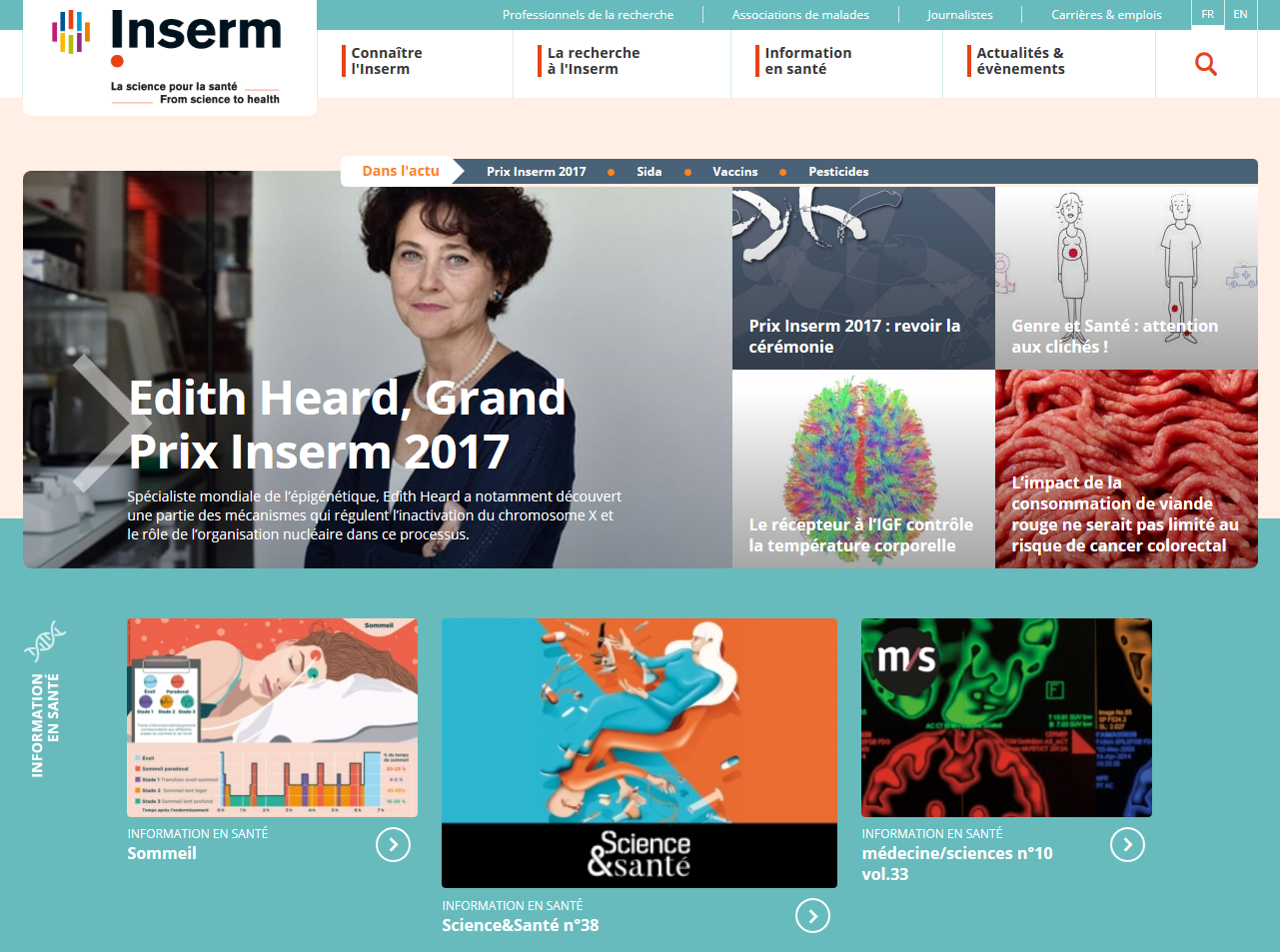
A New Look for www.inserm.fr

A new version of the Inserm website is now online. Designed and created by Inserm and the W* agency, the site has been rethought, not only in terms of graphics, but also from an ergonomic, technical, and editorial perspective. Objective: to consolidate the role of the Institute as an outlet for information on health and biomedical research, and to enhance the visibility of Inserm on the web.

New features include:

  • A home page for all of Inserm’s audiences 

From the home page, web users can discover not only leading new items of the moment (discoveries, events, etc.), but also have access to information about the institute, or more specifically intended for research professionals.

  • A new “Research at Inserm” section 

A “general public” section which describes the different sectors of biomedical research in which Inserm operates, from fundamental research to value creation for new discoveries, from the laboratory to the patient’s bedside. This section also puts the spotlight on Inserm laboratories and researchers, through photo reports (issues of Science&Santé magazine) and “Meet our researchers” features.

  • A new layout for “Health and Research From A-Z” 

“Health and Research From A-Z”, dossiers on multiple sclerosis, drug development, intestinal microbiota, and more, are the most frequently viewed pages on the site. A new layout has been designed to make them even more attractive. It notably offers a new reading level for the busiest web users! These pages will soon be embellished with scientific computer graphics very shortly.

  • The international visibility of Inserm on the web is being developed via the English-language version of the site, with extensive content: https://www.inserm.fr/en/

Furthermore, Inserm is simplifying its communications strategy to achieve greater visibility in an ever-changing partnership-based context. This approach notably relies on optimizing its logo, which has now been “streamlined” by removing its original text components. At the same time, Inserm is adopting a signature which symbolizes the missions of the Institute and its values: “Health through science, and its international vocation “From science to health“.

* W is a brand-focused strategic and creative agency (brand management, retail, integrated communications, digital, editorial). Since it was founded by Denis Gancel and Gilles Deléris in 1997, W has received national and international creative awards in all disciplines.

For more information: www.wcie.fr/leblog.wcie.fr

Agence W press contacts: Marion Weill – rf.eicw@lliew.m – +33 (0)7 70 44 71 59

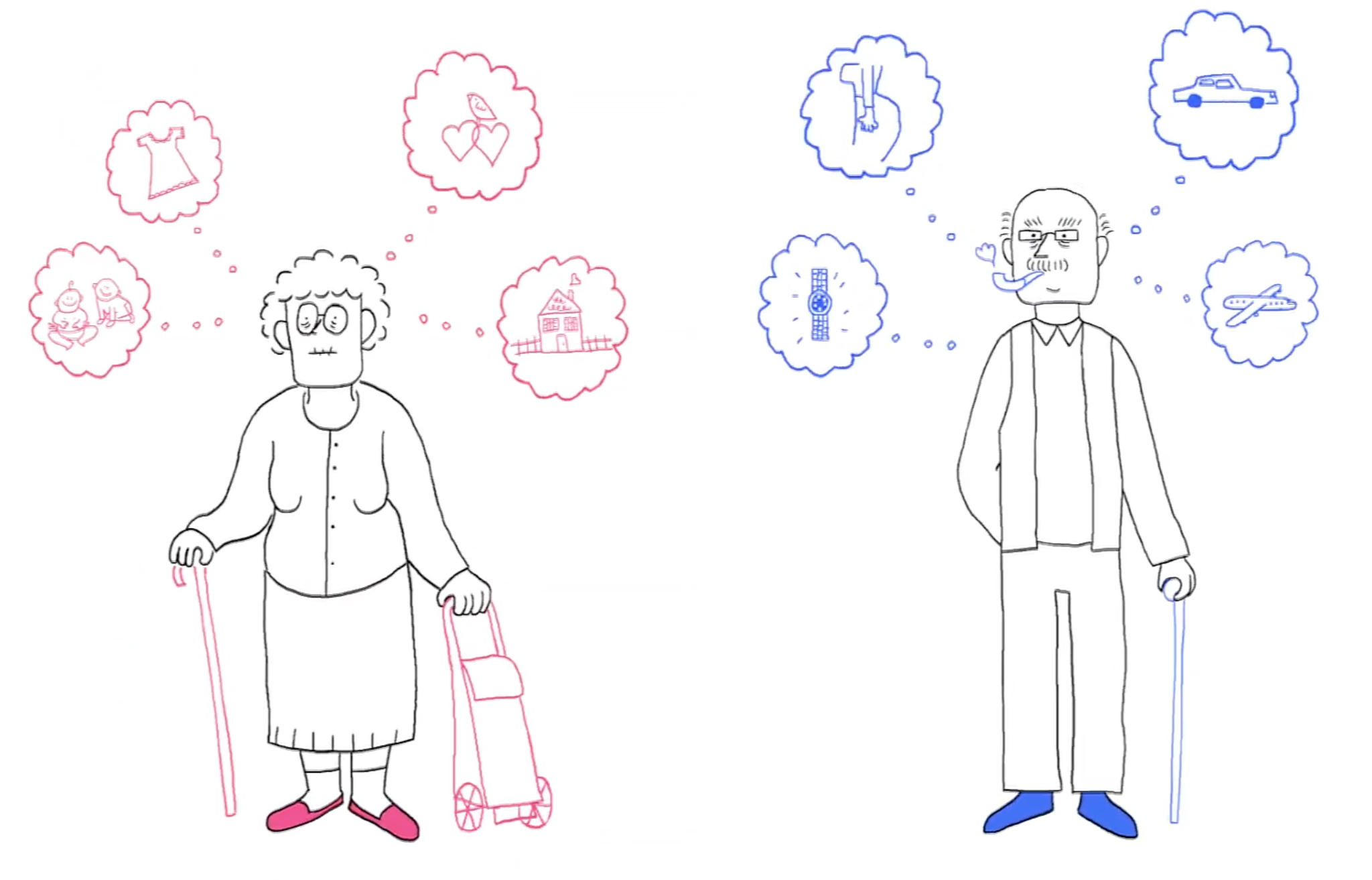
Beware of Clichés Related to Gender and Health!

©Picta productions

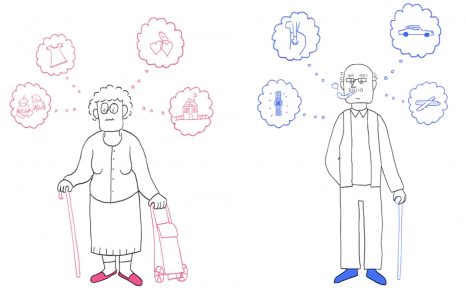
In terms of health, men and women are not painted with the same brush. This is due not just to their biology but also to social, cultural and economic reasons, which are not always taken into account. Gender stereotypes influence medical practices, research, teaching and patient behaviors, leading to situations of gender inequality and discrimination in the management of and access to healthcare.

The Inserm Ethics Committee and its “Gender and Health Research” Working Group have decided to try to raise the awareness of a wide audience on health inequalities through a series of short films, called Gender and Health: beware of clichés!, co-produced by Inserm, CNRS, and Université Paris-Diderot. CNRS and Université Paris-Diderot are the only higher education establishments in France to have set up structures dedicated to gender equality. The project is also supported by the French Ministry of Higher Education, Research and Innovation.

The 6 one-minute films[1] warn of the stereotypes in six domains of medicine and research: depression, life expectancy, cardiovascular diseases, osteoporosis, pain, and brain imaging. These short films have been designed to raise the awareness of healthcare professionals and patients with a view to promoting greater equality in medicine for the benefit of both sexes.


These videos have been released in the run-up to the “JRS Inserm” international conference, to be held in Paris on November 23, 2017, on the theme “Sex and Gender in Health Care and Research : An Innovative Articulation[2]


[1] The films, produced by Véronique Kleiner and available in French, English, and with subtitles, can be found on Inserm’s YouTube channel, at: https://lc.cx/pqHW.

[2] https://jrsgenre-recherche-sante.dakini.fr/

BioPrint: Inserm Launches its Second Accelerator of Technological Research

Machine à imprimer 3D laser NOVALASE, technologie LIFT (Light Induce Fast Transfer). ©Inserm/François Guénet. Prise de vue : septembre 2017

The creation of accelerators of technological research (ART) is a priority of Inserm’s strategic plan. On October 12, 2017, Inserm launches its second ART, this time devoted to 3D Bioprinting, in Bordeaux. It is the only tech unit to use the three principal 3D biological printing technologies: laser, ink jet and micro-extrusion. Within the ART, researchers and engineers work together to as quickly as possible transform the fruits of research into technological innovation.

A true pioneer, Inserm is one of the first research institutes to venture into 3D bioprinting. As of 2005, its researchers were printing cells and extracellular matrices using laser printer prototypes. Some years later, this technology sparked worldwide enthusiasm, with Inserm continuing on its trajectory. The BioPrint ART aims to apply its knowledge to various domains, such as tissue engineering, oncology or pharmacology, in order to succeed in creating tissues and complex organoids in the near future.

The BioPrint ART is located in the BioTis Joint Research Unit (Inserm/Université de Bordeaux). Within the next 2 years it will comprise a team of 10 people, assigned to units for cell production, printing, and bioprinted products evaluation.

The ultimate ambition of the BioPrint ART is to develop a structure for training and 3D printing biomanufacture, for use by Inserm’s various laboratories. This new organizational model represents technological progress at the service of fundamental research and the pharmaceutical industry.

For this launch day, a visit of the ART’s premises is proposed. Inserm Chairman and Chief Executive Officer, Yves Levy, will be accompanied by Manuel Tunon de Lara, President of the Université de Bordeaux and Jean-Christophe Fricain, Director of the ART.

For more information on 3D bioprinting:

https://presse.inserm.fr/bio-impression-laser-du-vivant-une-approche-innovante-a-bordeaux/13009/ [Laser Bioprinting in Bordeaux: An Innovative Approach (in French)]


You may remember that on October 16, 2016, Inserm launched its first ART, dedicated to Biomedical Ultrasound

“Canal Détox”

As part of this inauguration, Inserm is launching its new series “Canal Détox”, whose first episode is dedicated to 3D bioprinting. The aim of this series of short films is to decipher current affairs and verify the information that is circulating in the domain of life and health sciences. This new series, in the spirit of evidence-based medicine, will attempt, thanks to its researchers, to discuss a certain number of issues that regularly feature in the media/social media. It will use the most recent data, validated by scientific research that is convergent, robust and exists in sufficient quantities.

Episode 1: Des organes imprimés en 3D…vraiment ? [Organs printed in 3D… really? (in French)] Is waiting to be discovered on Inserm’s YouTube channel.

Biomedical Research Mobilized Around Thomas Pesquet

©Inserm/ Patrick Delapierre


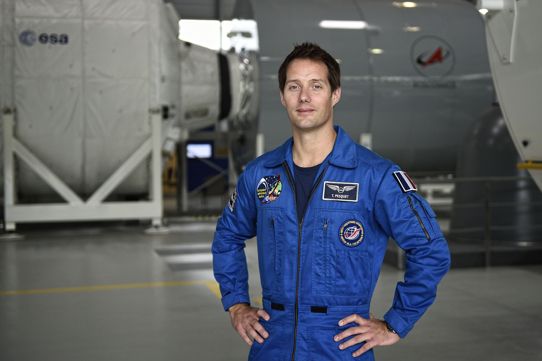
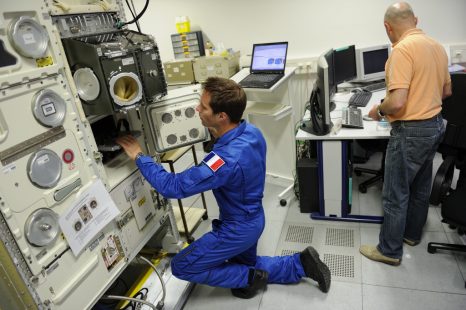
Space is an extraordinary laboratory for medicine and medical research on Earth. That is why Inserm and the CNES have been working together for more than a year[1] to accelerate research progress to improve the health of all of us. The presence of Thomas Pesquet, French astronaut from the European Space Agency (ESA), on board the International Space Station (ISS) for 6 months gave rise to many experiments, the preliminary results of which support the researchers’ hypotheses and sometimes even surprise them.

Thomas Pesquet will present these discoveries at an exceptional session organized by the French Academy of Sciences, to be held under the dome of the Institut de France on October 10, 2017.

In space, the muscles, bones, arteries, sensory organs, nervous system and immune system suffer under conditions of weightlessness and acceleration to which they are not adapted. Why? Evolution has optimized the human body to respond to Earth’s gravity and to live beneath the protective layer of the atmosphere. When the restriction of gravity is suddenly removed and when the body is exposed to cosmic radiation and heavy elements, it can experience specific and hitherto unknown problems. Furthermore, the body must deal with stressful conditions, restricted movement, little dietary variation and disruption of the internal body clock.

In the face of these observations, researchers from Inserm and CNES have rallied to:


  • Protect astronauts’ health, diagnose their conditions in real time, and send and process this information on Earth.


  • Use space as a field of investigation to improve our understanding of physiology and common diseases. In fact, many common conditions benefit from intensified medical monitoring of the astronauts, such as osteoporosis, circadian rhythm and sleep disorders, inner ear and balance disorders, attention and concentration difficulties, as well as arterial aging.


 The first post-flight results:

 On medical and physiological data

On board the station, monitoring the astronauts is a daily challenge. The EveryWear system, developed by CNES health subsidiary MEDES, offers a new approach with a personal assistant for astronauts to use in the form of a simple touchscreen tablet application. It comprises a set of wearable biomedical sensors with Bluetooth connection to a mobile terminal (in this case a conventional tablet).

The use of a tablet to collect a series of different types of information is a major advance in terms of the medical, physiological and personal data of an astronaut. The main advantages of EveryWear are its capacity to aggregate data from various tools and its simplification of the astronauts’ procedures. It is an adaptable system that can cover a broad spectrum of needs: nutrition, sleep, study of the cardiovascular system, with data collection adapted for harmonized processing. Here also, the time the personal assistant saves for the team is considerable. For example, in the past, the astronaut’s nutritional monitoring meant he had to answer questionnaires each time he consumed food. Now, the data are transmitted directly.


On sleep evaluation

Inserm Unit 1075 in Caen is working on miniature actimetric and temperature sensors with the company BodyCap. These sensors and the corresponding analysis software have been incorporated in the on-board assistant of Thomas Pesquet’s flight, particularly for the evaluation of sleep and circadian rhythms. The initial findings, which must be taken with caution as they are derived from the analysis of just one person’s data, are quite unexpected. They show that, despite the strong gravitational influence on body movements – and therefore on the actimetry – the relationships between the actimetric data and the state of vigilance (waking/sleeping) are the same on board the ISS as they are on Earth. Confirmation of this result would facilitate the medical and physiological monitoring of astronauts.

Since the monitoring of physiological and environmental data is a key determinant in the new domain of personalized medicine, improving these devices could have many impacts. For example, these results could be used to help improve connected watches whose sensors (sleep trackers) evaluate sleep in accordance with movement and the reorientation of the wrist during the night, themselves dependent on gravity.


On bone fragility

The team of Laurence Vico, Research Director at Inserm Unit 1059, is studying the changes that space flights induce in bone structure. To analyze the structure of the radius and tibia, the experiments use a high-resolution scanner (developed with the help of the European Space Agency). In addition to measuring bone mineral density, this equipment is also used to perform non-invasive “virtual bone biopsies”, enabling a very precise 3D view of the bone architecture.

While it is forbidden to disclose the individual results of the measurements taken from Thomas Pesquet, those from a larger cohort of 13 astronauts not only show that the weight-bearing bones (in the legs) fail to regain the same quality as prior to the flight into space but -and this is a new finding- it would seem that the non-weight-bearing bones (in the arms), which are preserved at the time of return to Earth, progressively deteriorate.

Comparison of these results with those obtained in mice shows that the cells responsible for orchestrating bone formation and resorption activities (osteocytes), and which normally live for several years, die prematurely when subjected to conditions of weightlessness. A countermeasure able to act on this premature aging, and which could be used in osteoporosis patients, is being tested.


On the heart

Pierre Boutouyrie conducts research at Inserm Unit 970. It is one of the first laboratories to have worked on the consequences of the conditions of microgravity or hypergravity, especially on the accelerated aging of our arteries. Space flights are good models in which to study this. With aging, we know for example that arteries lose flexibility, they lose their ability to act as shock absorbers of blood flow and that they are exposed to atherosclerosis which can lead to harmful effects on the heart, brain and kidneys.

For Thomas Pesquet’s flight, the changes related to microgravity were studied by fitting flexible piezoelectric sensors[2] that were linked to the astronaut’s onboard assistant. Again, the individual data cannot be disclosed here but the initial results of a bed-rest study conducted for 2 months in 10 patients, in addition to astronaut data published by an international team show that very rapid and very substantial arterial system remodeling occurs, reflecting its accelerated aging. These consequences are not just suffered by astronauts but also long-term bedridden patients.


Right now, researchers are testing countermeasures related to diet and physical activity in order to attenuate these effects in bedridden patients.


Watch the presentation of these discoveries by Thomas Pesquet, broadcast live from under the dome on the site of the Academy of Sciences!

On December 6, 2016, the Academy of Sciences opened its doors to over 300 high school students and their teachers. A live link-up from the ISS was organized in their honor, with Thomas Pesquet.

On October 10, 2017, Thomas Pesquet will return, in person, beneath the Dome of the Institut de France to tell us about his life in a research laboratory in space, and present the results of the scientific experiments developed by CNES and Inserm under the auspices of NASA and ESA.

This session is also the opportunity to award the prizes of the Academy of Sciences to the valedictorians of the Grandes Écoles, the winners of the national and international Olympiads, the winners of the Rogissart bursaries, and the winners of the Grandes avancées françaises en biologie présentées par leurs auteurs” (for major French advances in biology).

To view the live broadcast online on October 10 from 3 p.m. (French time): https://www.academie-sciences.fr/fr/Ceremonies/seance-thomas-pesquet-2017.html 

[1] https://presse.inserm.fr/espace-et-sante-le-cnes-et-linserm-signent-un-accord-cadre-a-lelysee/25039/ [Space and Health: In the Presence of the President of France, CNES and Inserm Sign a Framework Agreement at the Elysée Palace (in French)]


[2] Developed in collaboration with ESIEE Paris, ESYCOM – EA2552 Laboratory, Université Paris Est (ITMO Technologies de la santé) and the company BodyCap.

Vision restoration by optogenetic therapy within easy reach?

©fotolia

The Vision Institute (Inserm, Université Pierre et Marie Curie (UPMC), National Center for Scientific Research (CNRS)) via the Fondation Voir & Entendre has signed a contract with the United States Defense Advanced Research Projects Agency (DARPA), which could ultimately represent $ 25 million. With the help of an international consortium, researchers from Inserm, CNRS and UPMC, working within the Vision Institute, want to develop a system capable of restoring vision by optogenetic stimulation of the visual cortex. This project is called CorticalSight.

The consortium is coordinated by Professor José-Alain Sahel (Vision Institute and University of Pittsburgh School of Medicine). It is composed of academic partners: Stanford University, Friedrich Miescher Institute for Biomedical Research, the French Alternative Energies and Atomic Energy Commission – Leti and companies GenSight Biologics, Chronocam and Inscopix. Serge Picaud, Inserm research director, will coordinate the research activities at the Vision Institute.

The retinal ganglion cells are neurons which integrate the visual information of the environment in the eye’s photoreceptors and transmit it to the higher visual centers. Impairment of these cells deprives the centers of any visual information coming from the outside, thus causing complete blindness.

The degeneration of retinal ganglion cells is one of the leading causes of blindness in the Western world. It can be the result of various pathological conditions, including ocular trauma, retinal disorders such as glaucoma, diabetic retinopathy or optic neuropathies.

In animals, the restoration of sight after photoreceptor degeneration works thanks to the development of a very recent technique: optogenetic therapy. By this method it becomes possible to optically take control over the activity of very precise areas of the brain to induce behavior in the animal. In this specific case, the visual areas would be directly activated to induce visual perception even though the photoreceptors have not been activated. This first step in animals paves the way for the transfer of this technology to humans.

The CorticalSight project, financed by this contract, thus aims to restore visual perception in people who have become blind, by acting directly on the higher centers of the brain. To do this the researchers will use an intelligent image capture device combined with optogenetic stimulation.

In detail, the system as a whole will consist of several devices operating in series. On the face, a first device attached to glasses will consist of a camera filming the live environment of the patient in high resolution. A second device in the brain will transform the visual information, through complex algorithms, into light signals that the brain can interpret.

And this is where otogenetics comes into play. Using this technique, neurons specific to the visual cortex will be made sensitive to light by the expression within them of a microbial opsin (this algae protein transforms light energy into electrical activity).

It is then sufficient to couple the two external and internal devices so that the light signals coming from the outside are transformed into optical stimulation capable of activating the neurons of the visual cortex.

The human brain then does the rest of the work, as it knows how to, by translating the visual perception into a mental image representing the environment: a face, a tree, etc.

The Consortium

The CorticalSight project is coordinated by the Vision Institute (Inserm/CNRS/UPMC) and brings together international researchers in the field of vision whose individual expertise will be needed at each stage of scientific development.

fermer