
Menu

The creation of a pluridisciplinary Institute for the study of migration

Vue rue Waldeck Rochet sud (portion piétonne) de la place du FP vers le nord.

©mir no – Campus Condorcet BD

The current migratory crisis in Europe shows the necessity to have solid scientific data to help public authorities take important decisions, in the context of emergencies and varied political situations. In response to these concerns, Inserm and the CNRS have enlisted five teaching and research institutions (Ined – French National Institute for demographic studies, IRD – French Institute for Development Research, Université Paris 1 Panthéon-Sorbonne, EHESS – School for Advanced Studies in the Social Sciences – and EPHE – School of Advanced Practical Studies), with the aim of creating an interdisciplinary Institute for the study of migration. It will take shape in 2019 on the Condorcet Campus, and will bring together 200 researchers. This organisation will be financed by the Ministry of National Education, Higher Education and Research as part of the ‘Instituts Convergence’ call for projects.

1.3 million requests for asylum were registered in Europe in 2015. In France, and elsewhere in Europe, this historic and unprecedented migratory crisis has created new and numerous political and scientific issues.

Following a call for projects “Instituts Convergences” by the Ministry of National Education, Higher Education and Research, Inserm and the CNRS have decided to link up with five other French institutions: Ined, IRD, Université Paris 1 Panthéon-Sorbonne, EHESS and EPHE to create an institute entirely dedicated to the study of migration. The objective? To strengthen the ties between science and society, to lead high-level scientific research and provide outstanding training. The ‘Institut Convergences’ for migration will be housed from 2019 within the future Condorcet Campus, in the north of Paris. It will be provided with €13.6 million, over ten years François Héran, Director of Research at Ined, is the project leader.

Some 200 scientists, from the founding institutions, but also international collaborators, will come together in this institute dedicated to multi-thematic research such as the economic, demographic and environmental dynamics of migration, the problem of vulnerability and inequality or even questions of integration, exclusion and discrimination.

From the educational aspect, interdisciplinary training at the crossroads of human science, social sciences but also health sciences (statistics, demographics, public health, epidemiology, economy, anthropology, linguistics, law, ethics, gender studies, data science, archivists) will be proposed. The objective is to establish master’s and doctorate programmes dedicated to the science of migration based on, in the first instance, pre-existing components, from the Paris 1 Panthéon Sorbonne, EHESS or EPHE. A new, completely interdisciplinary Master’s degree will be created at the end of this first phase. 

Finally, Inserm and the CNRS are determined to open an Institute for Society. Services for the community, such as help with homework or language learning dispensed to or by migrants, will take shape. The project also aims to put in place campaigns for prevention and care in conjunction with municipal leaders and migrant associations.

The aim of the ‘Instituts Convergences’ call for projects of the Ministry of National Education, Higher Education and Research is to set up several large-scale, high visibility pluridisciplinary scientific sites to respond better to major issues where social and economic challenges cross paths with the questioning of the scientific community. They must bring together, in an organised partnership in a specific place, diversified research abilities with an integrating vision aimed at producing new knowledge, through the combined recruitment of different disciplinary skills and developing, in association with interdisciplinary research, high quality, innovative training at the Master’s and Doctoral levels, in ‘graduate school’ organisations, both for initial training and continuing training.


2016 classification of the European Patents Office: double winner for Inserm

Review increase rating

©fotolia

The European Patents Office (EPO) has just published its annual rankings: For the first time, Inserm has taken the top ranking for applicants in the pharmaceutical sector ahead of the big industrial companies and can confirm at the same time its top place as a European academic applicant in biomedical research.

As European leader in the pharmaceutical sector, Inserm submitted 104 patent applications in 2016 in this area and has therefore moved up two places since 2015 to reach the top spot.   In the biotechnology sector, the organisation is in second position with 111 applications (4th position in 2015).

 In total, 292 patent applications were made in the name of Inserm, which means that the Institute has kept its place as the leading European academic organisation in biomedical research.

With regard to the 2016 awards for patent applicants in France through the National Institute for the Protection of Intellectual Property, Inserm is in the top 50 leading French applicants. 

It is essential for our scientific potential to be valued and recognised internationally. That is possible due to the day- to-day investment of the Inserm Transfert teams, for the benefit of Inserm and our partners in the mix. As part of our long-term strategic vision, we want to give a chance to a maximum number of innovations emanating from our laboratories.”  declares Yves Levy, CEO of Inserm.

 “We have the chance of having a very varied portfolio, however we must maintain a rationale of quality patents because, apart from the variety linked to this great performance, the soundness of the patent, which involves professional expertise and confidentiality, will permit the best value in innovation and at the greatest international standards,”  says Pascale Augé, CEO of the Inserm Transfert Board. 

 In fact, Inserm has a portfolio of some 1,550 patent families. Inserm Transfert, its private law subsidiary under a public service contract, is charged with adding value to and the transfer of knowledge from Inserm research laboratories to the industrial sector.

François DABIS appointed Director of ANRS

redim2

©Paul Avilach

Prof. François Dabis has just been appointed Director of ANRS, an autonomous agency of Inserm, by the Ministers responsible for Research and Health, on the proposal of the Chairman and CEO of Inserm. A physician, academic and internationally renowned researcher, Prof. Dabis specialises in epidemiology and public health. He succeeds Prof. Jean-François Delfraissy, the new President of the National Consultative Ethics Committee.

Prof. François Dabis has just been appointed Director of the French National Agency for Research on AIDS and Viral Hepatitis (ANRS) by the Ministers responsible for Research and Health, on the proposal of the Chairman and CEO of Inserm. Prof. Dabis is 59 years of age. He obtained his Doctorate in Medicine at the University of Bordeaux II in 1983. During his scientific training, Prof. Dabis chose to specialise in epidemiology and public health, first in France, and then at the Harvard School of Public Health in Boston. He spent two years at the US Centers for Disease Control (CDC), in Atlanta, as an Officer of the Epidemic Intelligence Service, from 1984-1986. He obtained his Doctorate in Epidemiology in 1992, at the University of Bordeaux II. From 2001 to 2015, he led the “HIV, Cancer and Global Health” research team at Inserm Centre U 897, at the Institute of Public Health (ISPED) of the University of Bordeaux. He is currently a member of the team “Infectious Diseases in Resource-Limited Countries” of University of Bordeaux/Inserm Research Centre U1219, “Bordeaux Population Health.”

Prof. Dabis is an expert on HIV, internationally recognised for his extensive work on the epidemiology and public health challenges associated with this viral infection. Throughout his teaching and research career, he has focused on evaluating strategies for both prevention of HIV transmission and patient care.

In France, he has established large cohorts of patients infected with HIV: the ANRS CO 03 cohort, which has been followed for the last 30 years, or the cohort of patients co-infected with HCV and HIV (ARNS CO13 HEPAVIH), followed for the last 12 years. However, most of his work involves Africa. He was joint supervisor of the pivotal trial ANRS 049 DITRAME, which in 1999 provided evidence for the efficacy of a short AZT treatment in reducing HIV transmission from mother to child in West Africa. Today, his research approach is aimed at achieving the “90-90-90” goals set by UNAIDS for controlling the epidemic all over the world: by 2020, 90% of people living with HIV will be diagnosed, 90% of people diagnosed will be receiving antiretroviral treatment, and 90% of people undergoing treatment will have their viral load under long-term control. With his South African colleagues, Prof. Dabis has thus sought to evaluate over the last five years, in a region badly affected by HIV, the efficacy of an original approach combining a repeated offer of home-based screening with rapid medical care for all people infected. The objective of this study was thus to reduce HIV transmission within the population of this region. The first results of the ANRS 12249 TASP (Treatment as Prevention) trial were made public at the last International AIDS Conference, in July 2016. These results, eagerly awaited by the international community, revealed the difficulty of putting such an approach in place in the field, and were inconclusive with respect to reducing the risk of HIV transmission in the population in the short term.

François Dabis chaired ANRS Coordinated Action 12, responsible for the Agency’s scientific programme in countries with limited resources, from 2002 to 2015. He has been a very regular member of WHO and UNAIDS expert committees tasked with drawing up international directives on HIV. For the last ten years he has been principal investigator of International Epidemiology Databases to Evaluate AIDS (IeDEA) West Africa, an international consortium that pools databases on the care of people living with HIV in these countries, and is funded by the US National Institutes of Health. In 2015-2016, following the Ebola epidemic and at the request of the French authorities, he coordinated the establishment of the RIPOST programme, an initiative to strengthen the ability of the national public health institutes in West Africa to respond to epidemic threats.

François Dabis chaired the scientific council of InVS (now Santé Publique France) from 2003 to 2012, and was a member of the French High Council for Public Health (HCSP) from 2011 to 2016. He is a Chevalier de la Légion d’Honneur (Knight of the Legion of Honour).

For the new Director of ANRS, “There are still many challenges for both basic and translational research today: fighting structural and individual obstacles to prevention, screening and treatment of HIV and hepatitis in France and in the Agency’s partner countries, developing a vaccine, eradicating HIV and HBV…” He adds, “I know ANRS well, and can testify to the vigour that this agency instils, and its ability to adapt to new challenges and support researchers in their projects.” He concludes that ANRS must maintain its commitment to achieving the health-related sustainable development goals, by expanding its areas of intervention. “It seems essential to me that our partnership with countries that have limited resources, and the know-how we have developed together for many years in the area of HIV, and more recently hepatitis, should be applied to other key health problems, especially those that are infection-related.”

Yves Lévy, Chairman and CEO of Inserm, is delighted at the appointment of Mr Dabis, and wishes to “salute the work accomplished by Jean-François Delfraissy at the head of ANRS, which helped to support French and international research teams working successfully in the area of HIV and hepatitis, with strong international visibility”.

Stimunity Signs an Exclusive License Agreement with Institut Curie and Inserm

Paris, March 21st, 2017 – Stimunity, Institut Curie and Inserm are pleased to announce that the company has signed an exclusive worldwide license agreement on two key patents that cover Stimunity’s core technology VLP-cGAMP to develop new drugs in immuno-oncology.

All started with a fundamental discovery made by the laboratory Innate Immunity at Institut Curie, leads by Dr. Nicolas Manel, Senior Researcher at Inserm and co-founder of Stimunity. He discovered that viruses, when they infect healthy cells, can encapsulate a molecule that acts like a Trojan horse and triggers the defenses of the immune system. This discovery was protected and covered by two major publications in the scientific journal Science[1]. “This discovery gave us the idea of using a synthetic and inoffensive virus-like particle (VLP) that encapsulates the Trojan horse molecule and drives a very efficient immune response against tumor cells. This was the starting point of the project” explains Dr. Manel.

“From a discovery to a drug that can be used in human, there is so much work to do. That’s why we have decided with Nicolas to join our forces and to create a startup company” says Sylvain Carlioz, co-founder and CEO of Stimunity. The project was supported since the beginning by the Technology Transfer Office (TTO) of Institut Curie. “The scientific rational was validated by Dr. Sebastian Amigorena, Director of the Institut Curie – INSERM “Immunity and Cancer” research unit and also by the Institut Curie International Scientific Advisory Board member, Pr. Alain Fischer. From a business perspective, there was no doubt that the creation of a dedicated start-up to fully develop the potential of the patented technology was the best option” says Dr. Amaury MARTIN, Director of the TTO at Institut Curie and Director the Institut Carnot Curie-Cancer. “It also perfectly fits with the new strategy of the TTO that we want to promote and illustrate the potential of the Institut Curie Cancer Immunotherapy Center to be opened in 2017.”.

The license agreement comes together with an R&D Agreement between Stimunity and Nicolas Manel’s laboratory. It will allow the company to finalize the validation of the mechanism of action of the drug, necessary to convince private investors to lead a first seed round of 2 to 5M€. This money will cover the manufacture of the drug at GMP standards and the efficacy package on pre-clinical models, two elements needed before we can enter into clinical trials by the beginning of 2019. 

[1] Gentili M, et al. Transmission of innate immune signaling by packaging of cGAMP in viral particles. Science. 2015. Bridgeman A, et al. Viruses transfer the antiviral second messenger cGAMP between cells. Science. 2015.

Inserm in the world Top 10 most innovative public bodies, up one place compared to last year.

Inserm is ranked 9th in the Reuters/Clarivate “Top 25 Global Innovators – Government,” which evaluates the innovative capacity of public bodies according to the impact of their scientific output and patents.

The Top 25 ranking just published on 1 March 2017 covers the 25 public institutions that contribute most to scientific and technological advancement worldwide. It is based on measurement of the volume and impact of the patents and scientific publications produced by 600 public bodies.

Yves Lévy, Chairman and CEO of Inserm, welcomes this ranking, which “once again demonstrates the very high quality of the Institute’s scientific output, and consolidates the position of Inserm, and that of its subsidiary Inserm-Transfert, as a world leader in the health innovation sector.”

For France, the Alternative Energies and Atomic Energy Commission (CEA) was ranked 2nd, the National Centre for Scientific Research (CNRS) 8th and Inserm 9th. The US Department of Health and Human Services (HHS), which is responsible for intellectual property matters on behalf of NIH and CDC, has risen from 4th place (in 2016) to first place in 2017. Germany’s Fraunhofer Society, a multi-institute research organisation, is ranked third, ahead of the Japan Science and Technology Agency.

The United States and Germany each have five institutions ranked in the top 25, France and Japan each have four, and Australia, Canada, China, Singapore, South Korea, Spain and the United Kingdom each have just one. European institutions account for 11, compared with 8 in the Asia-Pacific region and 6 in North America.

About the ranking methodology

The Top 25 Global Innovators – Government ranking is published by Reuters, and performed in partnership with Clarivate Analytics (formerly the “Intellectual Property and Science” division of Thomson Reuters). It is based on exclusive data and analysis of indicators, including measurement of the number of patents filed, how often patents were granted, number of citations of patents and of academic articles in patents, and number of scientific articles. It is based on an analysis of data from 600 academic or government institutions

To find out more: https://www.reuters.com/article/innovative-institutions-ranking-idUSL2N1GC1NG

Epidemics: urgent need for action

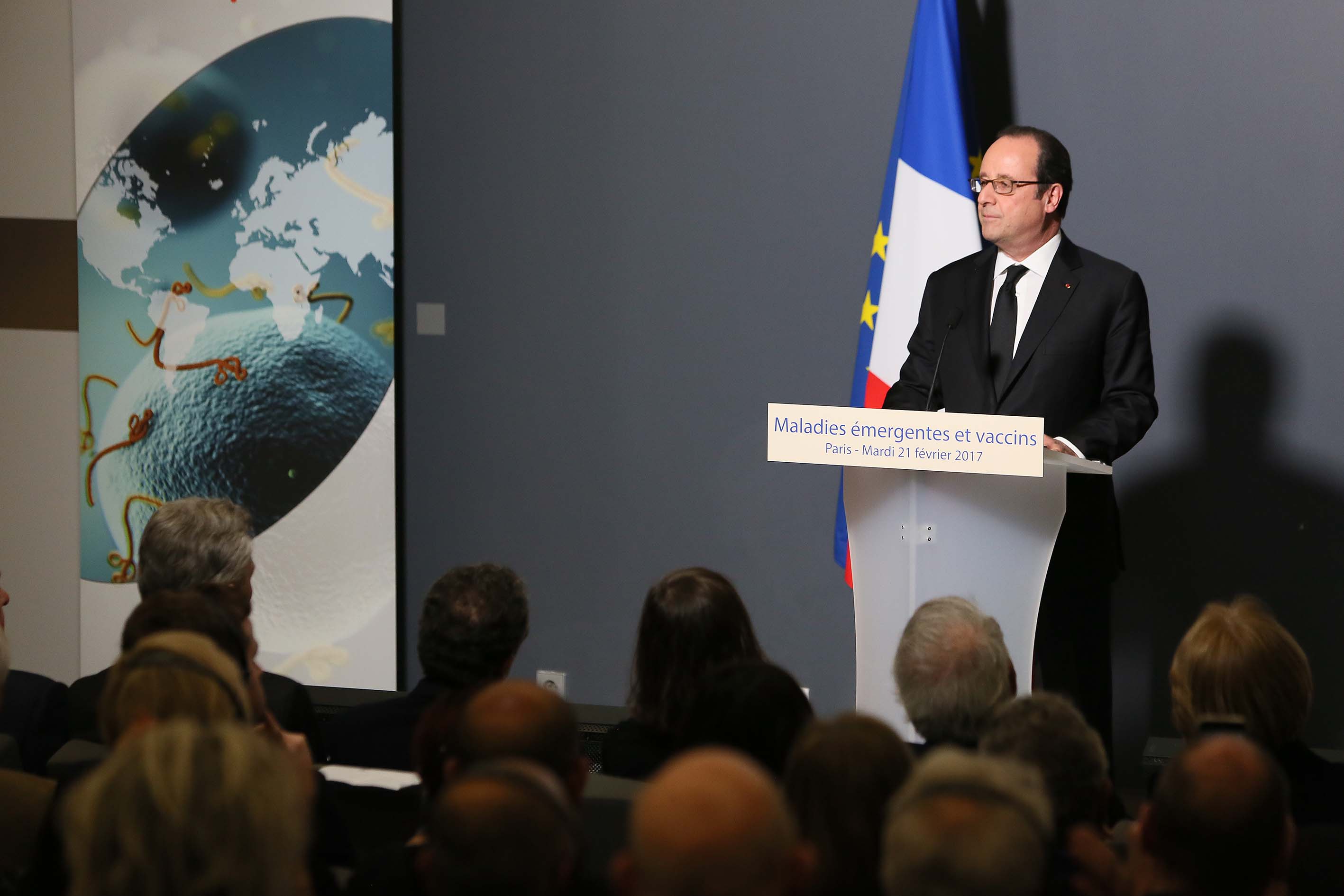
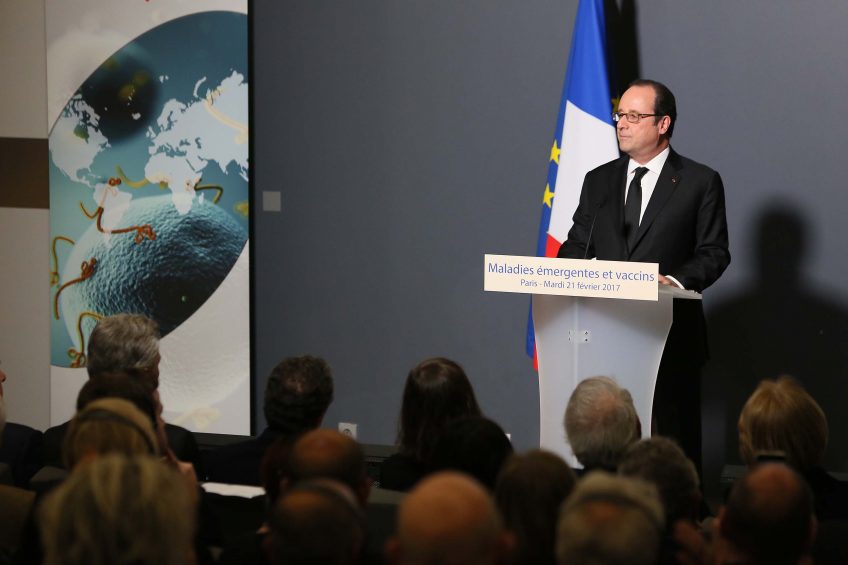
Déplacement au colloque international consacré aux vaccins con© Présidence de la République – L.Blevennec

Over 200 delegates from world vaccinology gathered in Paris

Inserm and the Coalition for Epidemic Preparedness Innovations (CEPI) are holding a large conference entitled “Vaccines Against Emerging Infections – a Global Insurance” on 21 and 22 February 2017. It is especially aimed at emphasising the urgent need for action and the potential for developing vaccines in the area of world epidemic crises. François Hollande, President of France, attended this conference today, along with Yves Levy, Chairman and CEO of Inserm, underscoring the major commitment of French research in this area.

The occurrence of recent epidemics and pandemics has highlighted the relative inability of the world scientific and political community to effectively fight the spread of infectious diseases. The epidemic of Ebola virus disease in Western Africa and of Zika in the Americas are the most recent examples. However, there are other threats in the offing, e.g. from epidemics caused by coronaviruses (SARS, MERSCov), Chikungunuya and even Lassa.

In each of these situations, the existence of a vaccine could slow or even prevent the occurrence of an epidemic. In the case of the Ebola or Zika epidemics, an effective vaccine would have saved thousands of lives and prevented social and economic upheavals in the affected countries. For this reason, the Coalition for Epidemic Preparedness Innovations (CEPI) was launched during the World Economic Forum in Davos in January 2016 by its five founder partners: the Bill and Melinda Gates Foundation, the World Bank, the Wellcome Trust and the governments of India and Norway. At world level, many organisations are striving to combat epidemics. The objective of CEPI is to make it easier for them to join together in developing promising vaccine projects.

A year after this launch, CEPI and Inserm have convened 200 delegates from the vaccinology field to share their ideas at a large conference in Paris. In attendance: people involved in basic and clinical biomedical research from around the world, and delegates from WHO, non-government organisations, private industry, philanthropic bodies, etc.

For Yves Levy, Chairman and CEO of Inserm: “The Ebola epidemic proved that we can develop vaccines quickly in extremely difficult conditions. It also proved that one of the keys to success is the willingness of all those involved to work hand in hand. We now have to act quickly if we want to be ready to deal effectively with the next epidemics. This conference, which we have managed to arrange in Paris in record time, is aimed at creating novel partnerships between the different actors in vaccine research worldwide. It also reaffirms the major commitment and leading role of Inserm in this area.”

French institutions back the March for Science

marcheforscience

On April 22, Earth Day 2017, the citizens of the world are invited to participate in a massive “March for Science.” The initiative was launched by US scientists in response to “new policies [that] threaten to further restrict scientists’ ability to carry out research and communicate their findings.”

As directors of public research institutions, we uphold the idea that “Science is a process, not a product — a tool for discovery that allows us to constantly expand and refine our knowledge of the Universe.” We too face the problem of working with restricted budgets, and share the organizers’ conviction that “de-funding and hiring freezes in the sciences are against any country’s best interests.”

For these reasons, we fully support the initiative of this public-spirited march for the sciences.

Jean Chambaz, President of CURIF (Coordination of French Research-Intensive Universities)

Alain Fuchs, President of CNRS

Yves Lévy, CEO of INSERM

Philippe Mauguin, CEO of INRA

Antoine Petit, Managing Director of INRIA

Daniel Verwaerde, Chairman of the CEA


For further information:

https://www.marchforscience.com

In France, marches are scheduled in Paris, Lille, Lyon, Toulouse and Montpellier.

Inserm inaugurates its History Committee

réunion histoire

Photo credit: Jean-Marie Heidinger/Inserm

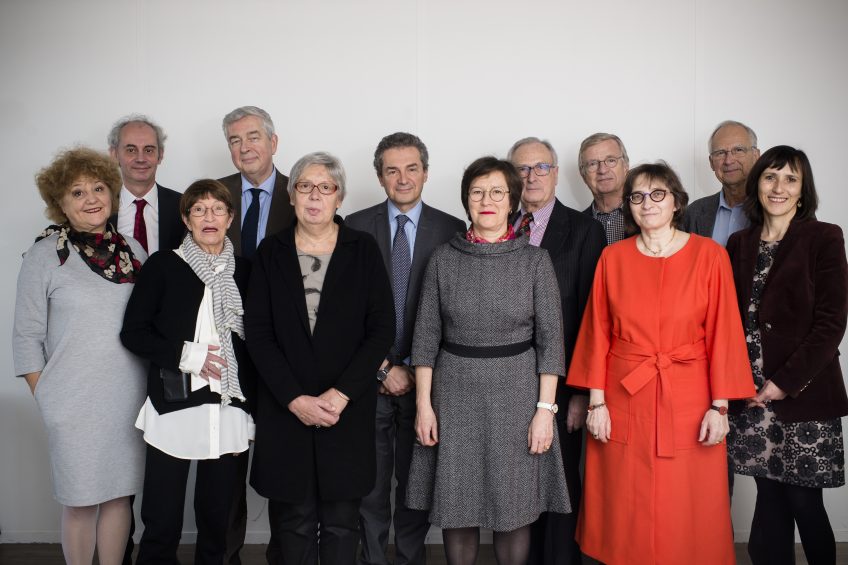
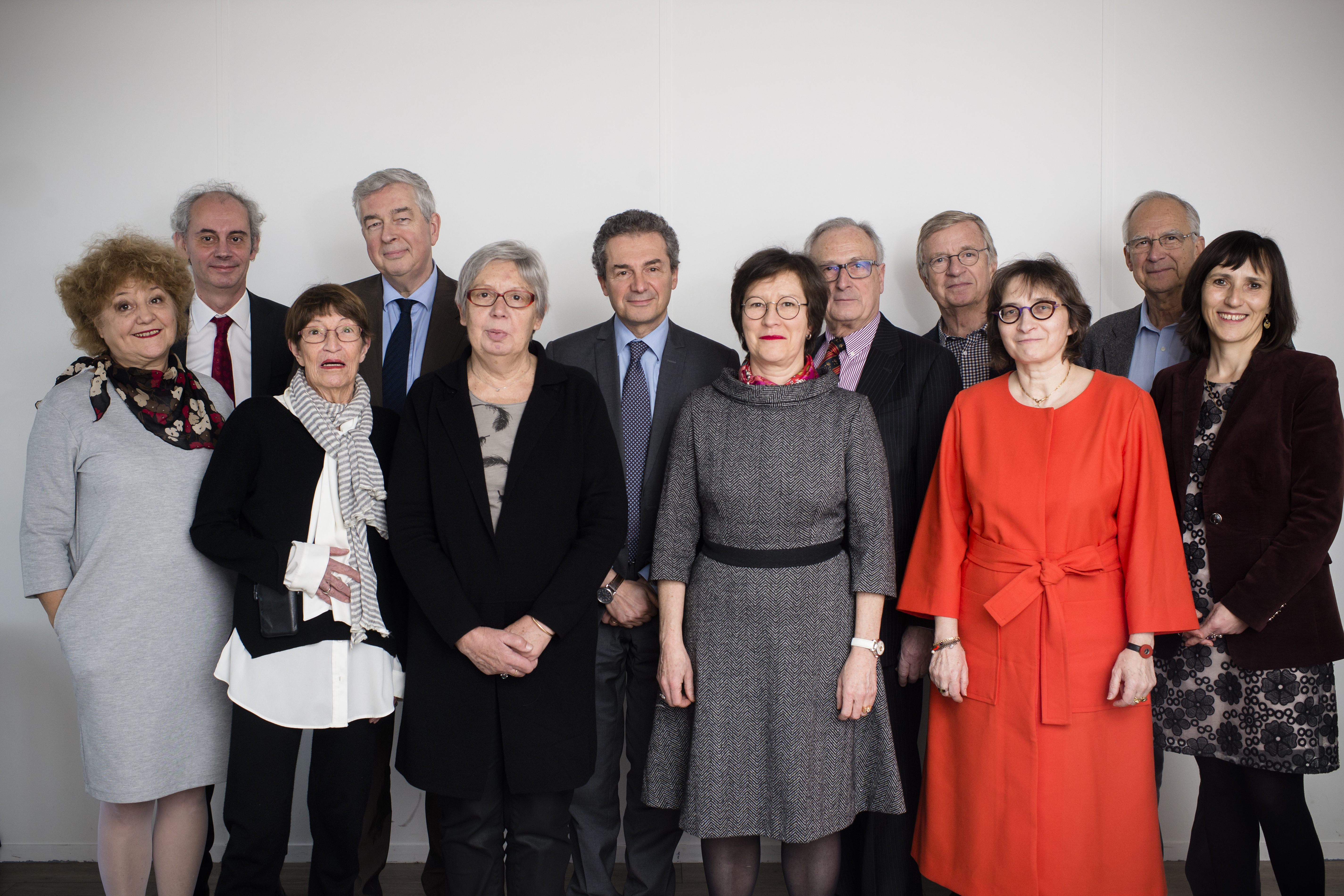
Row 1, left to right: Dominique Donnet-Kamel, Suzy Mouchet, Martine Bungener, Muriel Le Roux, Hélène Chambefort, Florence Hachez-Leroy
Row 2, left to right: Arnaud Benedetti, Pascal Griset, Yves Levy, André Syrota, Yves Agid, Pierre Corvol

Inserm announces the creation of its History Committee, reporting directly to its Chairman and Chief Executive Officer, Professor Yves Lévy. This Committee will be chaired by Professor Pascal Griset (Director of the Institute for Communication Sciences [ISCC], Paris-Sorbonne). This Committee is one of the actions conducted by the Institute in recent decades to reconstitute, preserve and promote its heritage, and as a continuation of the events that marked the 50th anniversary of the Institute in 2014.

A primary objective of the Committee will be to encourage and conduct work on the history of Inserm and of France’s biological, medical and health research in its national and international context, in order to raise the profile of Inserm’s activity within the French research system. The Committee will also be involved in enriching the Histoire de l’Inserm website (histoire.inserm.fr), and, in conjunction with university, scientific, cultural and socioeconomic circles, will promote or organise seminars, symposia, round-tables and any other events associated with Inserm’s history, and, more broadly, the history of medical and health research. Finally, this committee intends to provide a link with institutions working in these similar and/or complementary fields, and to design projects in partnership with them.

“Apart from the statutory objectives, history is an excellent lever for consolidating the Institute’s identity and visibility, and by the same token for strengthening the sense of belonging in a setting that is obviously much more complex than when the Institute was created,” says Yves Lévy, Chairman and CEO of Inserm, who is inaugurating this committee today. Knowing the history of our institute and of our disciplines should enable both ourselves and the youngest among us to understand how science is produced. I believe that this will contribute essential added value to our epistemological reflection on research,” adds Mr Lévy.

The Committee members

Nine members appointed by the Chairman and Chief Executive Officer of Inserm for a renewable period of 4 years

  • The Chairman: Pascal Griset, a professor at Paris-Sorbonne University, co-author of the work Au Coeur du Vivant (The Heart of the Living), written on the occasion of Inserm’s 50th anniversary, and a specialist in the history of innovation and the major scientific institutions.
  • four renowned figures whose actions have contributed to the development of excellence at Inserm: Yves Agid,Martine Bungener, Pierre Corvol and André Syrota
  • four renowned figures, specialists in issues affecting science and society/Inserm: Florence Hachez-Leroy, Jean-Paul Gaudillière, Muriel Le Roux and Cécile Meadel

Ex-officio members:

  • Thierry Damerval, Deputy Director-General of Inserm
  • Arnaud Benedetti, Head of Inserm’s Department of Scientific Information and Communication, and Associate Professor at Paris-Sorbonne
  • Suzy Mouchet, Manager of the Histoire de l’Inserm website
  • Hélène Chambefort, Manager of Inserm’s archives
  • Dominique Donnet-Kamel, former Manager of the Patient Associations Mission, and strongly involved in relations between Science and Society

To find out more

www.histoire.inserm.fr

Inserm, a partner in the 2nd National Day of Innovation in Health

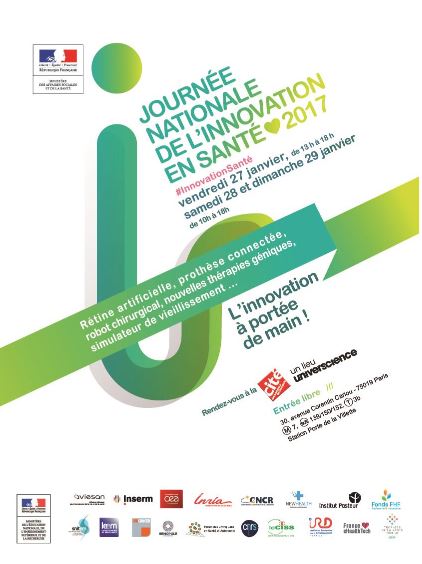
The artificial retina, connected prosthesis, surgical robot: discover the latest advances in health at the Journée Nationale de l’Innovation en Santé at Cité des Sciences et de l’Industrie. Inserm will be attending this event, an initiative of the Ministry of Health.

Helping everyone discover the advances and innovations achieved in the area of health – this is the goal of the Journée Nationale de l’Innovation en Santé. Open to people of all ages and walks of life, it is an opportunity for discussion and debate between users, researchers, students, health professionals, associations and manufacturers. Jointly organised by the Ministry of Social Affairs and Health and by Universcience, this 2nd edition is hosted by Cité des Sciences. This year, 6 themed villages will be organised :

  • Métiers de la Santé (Health Professions)
  • Nutrition & Environnement (Nutrition and Environment)
  • Vieillesse & Autonomie (Old Age and Independence)
  • Santé Numérique (Digital Health)
  • L’Homme Réparé (The Repaired Human)
  • Traitements du Futur (Treatments of the Future)

For three days, Inserm is holding 8 mini-conferences at the Nutrition and Environment village, along with speed-dating sessions and opportunities to meet researchers around exhibitions.

Exhibition: La Science a du Goût (Science has Taste)

Nutrition & Environnement village, ground floor, Cité des Sciences

Accompanied by Hector, a taste receptor, discover how to eat well for a better life. A fun-filled, interactive exhibition about the joy of eating, balanced diet and health. A journey from the mouth to the brain, to learn about the biological processes at work when we eat… and to find out more about scientific advances in nutrition and health. To find out more about the exhibition.

Exhibition: Climat & Santé (Climate and Health)

Village Nutrition & Environnement, ground floor, Cité des Sciences

The educational exhibition Climat & Santé explains the mechanisms whereby climate change can affect health. How does warming affect our allergies? Why does it favour infectious diseases? To find out more about the exhibition.

Speed dating, “1 objet / 1 chercheur” (1 object / 1 researcher)

Every day in the different villages

A researcher sets out a mystery object or image. The audience has 2 minutes to discover its nature or function. Once the time is up, the researcher briefly explains the research s/he performs involving the featured object. The audience can then converse with the researcher(s) of their choice. During these exchanges, the scientists will show in a simple manner how science helps to deal with the challenges facing society today and tomorrow.

Check out these highlights from Inserm :

Saturday 28 January

Conference, Santé en Questions sur Big Data & Santé (‘Health in Questions’ on Big Data and Health)
2–3:30 pm, Auditorium

The quantity of information collected at every moment has exploded. But what types of health data are being produced? What do connected devices contribute to medicine and research? What revolutions are coming in our everyday life in regard to health? Come and find out at this Santé en Questions special conference on “Big Data.” To find out more about the conference.

Sunday 29 January

Performance of the Binôme play, “Souris Chaos” (Chaos Mouse)
11 am–12:30 pm, Louis Armand amphitheatre, Centre des Congrès, Level -1

Souris Chaos (Chaos Mouse) is a cruel, comical farce that makes fun of our eating binges and the excesses of the consumer society. It is the result of a meeting between Frédéric Sonntag (author and stage director) and Daniela Cota (a specialist in the physiopathology of dietary balance at Inserm). It is part of the “Binôme” series, which blends theatre with science. 

Conferences, Les Innovateurs en Santé (Innovators in Health)
2–3:30 pm, Louis Armand amphitheatre, Centre des Congrès, Level -1

Entrepreneurs who are also physicians, biologists, engineers, and sometimes physicists or chemists. Men and women who explore the living world and biotechnologies to find new treatments or new health solutions. The Innovateurs en Santé conference allows them to speak for 8 short, lively, accessible sessions. An opportunity to hear the hopes, reflections and preoccupations that lead them to innovate on behalf of patients. Also an opportunity to discover the creativity and originality of these innovators and their projects.

Science Machina Exhibition

Cité de la Santé, Level -1

Exploring the confines of the brain, producing inexhaustible energy, conquering pain… these subjects so dear to science-fiction are a reality today in research laboratories! For this 2nd Journée d’Innovation en Santé, Inserm and CEA are offering an exhibition based on the machines that make scientific advances possible.

Discover 11 machines, from the tiniest to the most gigantic, that push back the frontiers of knowledge. For each one, a different cartoonist has imagined an anecdote that tells about the machine, the people who use it or those who benefit from it. One way to examine the dialogue between human and mechanical, inventiveness and technology.

MAAD Digital: A new website on addiction developed for and by young people

Jean-Laurent Casanova, specialist in infectious disease genetics, awarded the Inserm Grand Prix 2016

1-Jean-Laurent-Casanova-003-WEB

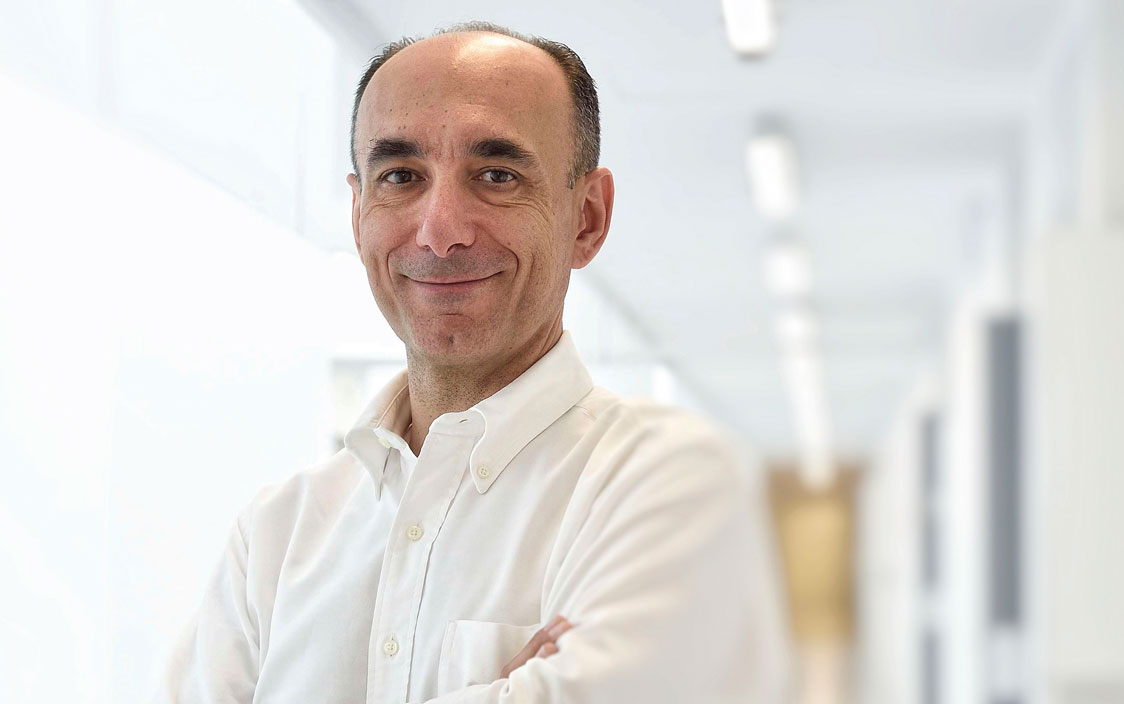
On Thursday 8 December, at Collège de France, the annual Inserm Awards ceremony will honour eight researchers and engineers whose work has contributed to the Institute’s scientific excellence. The Inserm Grand Prix 2016 will be awarded to Jean-Laurent Casanova, for his work on the human genetics of infectious diseases, in the presence of Marisol Touraine, Minister of Social Affairs and Health, Thierry Mandon, Secretary of State for Higher Education and Research, and Professor Yves Lévy, Chairman and Chief Executive Officer of Inserm.


Jean-Laurent Casanova, Inserm Grand Prix 

In the 19th century, Louis Pasteur demonstrated that microbes are responsible for infectious disease, thus revolutionising medicine. However, when exposed to the same microbe, only a minority of infected children and adults develop a serious illness. When confronted by this enigma, Jean-Laurent Casanova, paediatrician and immunologist, suspected a genetic cause. He then devoted his work to research on infectious diseases of children: tuberculosis, invasive pneumococcal infection, herpetic encephalitis, etc.

Since the 1990s, and thanks to his work, a paradigm shift has occurred. Jean-Laurent Casanova has provided proof that serious infectious diseases are also genetic diseases that make children susceptible to one microbe or another. A pioneer in this area, he has contributed to the identification of several hundred genetic mutations involved in immune deficiencies that predispose to infection.

Today his discoveries make it possible to offer the children affected, and their families, a molecular and genetic diagnosis, together with preventive measures or even therapeutic strategies.

Director of the Laboratory of Human Genetics in Infectious Diseases, which he founded with Laurent Abel, jointly hosted by the Imagine Institute at the Necker Hospital for Sick Children, Paris and The Rockefeller University, New York, Jean-Laurent Casanova, at 53 years of age, is being awarded the Inserm Grand Prix for his entire body of work.

Molecular and genetic diagnosis, made possible by the research carried out by Jean-Laurent Casanova, illustrates the need for an effective implementation of the measures contained in the Aviesan Alliance’s French Plan for Genomic Medicine 2025.


Linda Fried, International Prize

The International Prize honours Linda Fried, Dean and DeLamar Professor at the Columbia University Mailman School of Public Health (New York). Dr Fried is a public health leader in the fields of epidemiology and geriatrics, renowned worldwide for having identified the age-related frailty syndrome. She has also designed an intergenerational tutoring programme, having demonstrated its efficacy in preventing cognitive impairment and dementia.


Catherine Barthélémy, Honorary Prize

The Honorary Prize is awarded to Catherine Barthélémy, Emeritus Professor of the Tours Faculty of Medicine, and former Director of the “Autism” team at Inserm Unit 930, “Imaging and Brain,” for her work on the brain mechanisms involved in autism. With a long history of working toward the early recognition of children with autism, she is currently pursuing her research to enable further advances with these children.


The Opecst-Inserm Prize is awarded to Martine Bungener, researcher, economist and sociologist, President of Inserm’s patients’ association liaison group, GRAM – Groupe de Réflexion avec les Associations de Malades – for her work in support of the dialogue between patients, those close to patients, and researchers. Her work has also contributed to developing the key role of friends and families in the patient pathway.

The Research Prizes are awarded to Rosa Cossart, Research Director at Unit 901, “Mediterranean Institute of Neurobiology” (Inserm/Aix-Marseille University), in recognition of her studies on the synchronisation mechanisms of neural networks, and to Xavier Jouven, researcher, cardiologist and statistician at Unit 970, “Paris – Cardiovascular Research Center” (Inserm/Paris-Descartes University), whose achievements include the discovery of a new form of renal transplant rejection, using mathematical models.

The Innovation Prizes distinguish Benjamin Mathieu, Research Engineer at Unit 1024, “Biology Institute, École Normale Supérieure” (Inserm/CNRS/École Normale Supérieure, Paris), whose work has led to the development of a microscope that allows optical measurement of the activity of the neurons in a living animal, and Céline Tomkiewicz-Raulet, Design Engineer at Unit 1124, “Toxicology, Pharmacology and Cell Signaling” (Inserm/Paris Descartes University), in recognition for her work on the influence of pollutants on breast cancer.

fermer