Menu

Twin Pregnancies in France: is Vaginal Delivery Preferable After All?

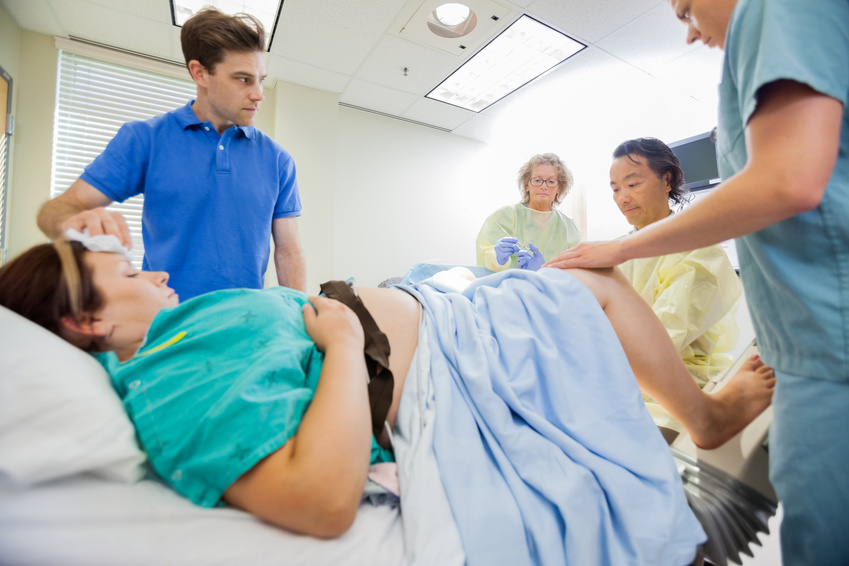
Man Looking At Medical Team Operating Pregnant Woman

©Fotolia

JUMODA, a prospective study sponsored by the Paris public hospitals (AP-HP) and conducted between 2014 and 2015 by teams of researchers and clinicians from Inserm, Université Paris Descartes and AP-HP, has shed new light on the mode of delivering twins.

According to the coordinators of JUMODA (“MOde D’Accouchement des JUmeaux”), Professors Thomas Schmitz and François Goffinet, vaginal delivery is associated with decreased neonatal morbidity and mortality rates for both twins. These results have been published in the June issue of Obstetrics & Gynecology.

While considerable progress has been made in recent years in perinatal healthcare, carrying and giving birth to twins are still high-risk situations. Indeed, sometimes serious complications can arise in both mother and children during pregnancy (hypertension, delayed growth, premature birth) and during the birth itself – especially that of the second twin (placental abruption, poor umbilical cord positioning, brutal uterine contractions during labor, etc.). Whereas the French neonatal mortality rate (death within 27 days of birth) is 2.3 per 1,000 live births for singletons (according to an Inserm study from 2013), it is 5 to 10 times higher for twins.

Until very recently, the practices of some French obstetricians were guided by the results of Anglo-Saxon retrospective studies that went against vaginal delivery in twin pregnancies, and particularly that of the second twin. In these studies, second twins enjoyed better neonatal health following Cesarean section than following vaginal delivery. Such data have contributed to the increased rate of Cesarean sections performed in France in this population over the past 20 years, and which in 2010 was 45%.

According to Prof. Schmitz, the methods of delivery, which differ considerably between France and Anglo-Saxon countries, may indeed be behind certain complications. It was therefore necessary to rigorously evaluate the obstetric practices involved in delivering twin pregnancies in France.

JUMODA, which stands for “Etude prospective comparative nationale sur le MODe D’Accouchement des femmes enceintes de JUmeaux” (national prospective and comparative study on the mode of delivery of twins), was initiated in 2014 by researchers from CRESS -Inserm/Université Paris Descartes/Paris public hospitals (AP-HP)- and coordinated by Professors Schmitz and Goffinet. Its objective was to measure the neonatal morbidity and mortality of twins, according to the planned mode of delivery (vaginal or Cesarean). To achieve this objective, the teams analyzed twin births in 176 French maternity units between February 2014 and March 2015. Approximately 8,800 women were enrolled, representing 75% of the total number of twin births in France during that period.

All in all, the study has shown that, in France, out of those women with twin pregnancies in the participating maternity units, 75% had an attempted vaginal delivery and 25% a planned Cesarean section. Most importantly, the attempted vaginal deliveries were associated with a low neonatal morbidity and mortality rate when the first baby was in the head-down position. For the first time, this rate of complications was even reported as being higher after a planned Cesarean section than after attempted vaginal delivery for children born at between 32 and 37 weeks.

While Cesarean section remains an essential emergency solution for certain complications arising during twin pregnancies, these recent results show that vaginal delivery is to be preferred in the large majority of cases. In addition to avoiding the surgical and psychological complications associated with Cesarean sections, vaginal delivery may also -thanks to the fetus coming into contact with the mother’s vaginal bacteria- trigger a number of protective immune mechanisms that are important for the child’s long-term health and development. “Our message to patients pregnant with twins is that twin pregnancy is not in itself an indication for delivery by Cesarean section. We think it is important to inform such patients of these results so that they can best discuss with their obstetrician how they will give birth.” concluded Prof. Schmitz.


This study was funded by the French national hospital clinical research program (PHRCN) in 2012.

Vitamin D, a New Avenue in the Prevention of Alzheimer’s Disease?

Do you like the salad?

Known to be a possible cause of several chronic diseases, vitamin D deficiency is also suspected to lead to a high risk of developing Alzheimer’s disease, especially where the diet is also poor in ‘good fats’ and antioxidant carotenoids. This is what two studies led by Catherine Féart and Cécilia Samieri, researchers at Inserm unit 1219 Bordeaux Population Health (BPH) (Inserm/ Bordeaux University), have shown. The research was published recently in Alzheimer’s & Dementia.

Whereas the number of people with Alzheimer’s disease continues to rise with the increase in life expectancy, the search for a cure will remain a major challenge for decades to come. The Three-City(3C) study is a cohort about almost 10,000 people aged 65 and over, in good health, or at least not suffering from Alzheimer’s disease, in year 2000. Much information was collected, including blood parameters which were stored in a biobank. After their inclusion in the cohort, the 3C cohort participants were seen by psychologists at regular intervals (follow-up is ongoing with 17 years’ hindsight to date). During these visits, they underwent a battery of neuropsychological tests which enabled the cohort neurologists to diagnose and list all new cases of dementia, especially Alzheimer’s. Catherine Féart and Cécilia Samieri, two Inserm researchers in Bordeaux, used the biobank samples to analyze the blood status of the participants on their inclusion in the cohort, in particular nutrient concentrations: fatty acids, carotenoids, and vitamins E, D and A. Several of these nutrients may predict the risk of dementia, however, no studies had looked at their combined role.

Féart and her co-investigators, which included Samieri, first began by looking at vitamin D1. A drop in blood vitamin D levels has previously been linked to several chronic diseases, including the onset of osteoporosis. However, the risk of developing a neurological disease had not been clearly established. Recent work carried out at the BPH thus revealed that out of 916 participants without dementia, 177 developed a dementia, including 124 cases of Alzheimer’s, in the 12 years’ follow-up. The participants with vitamin D deficiency (25%) or insufficiency (60%) had a twofold risk of developing dementia and an almost threefold risk of developing Alzheimer’s disease, compared to those with sufficient vitamin D status.

In a second study2, Samieri and Camille Amadieu (first author of the publication) attempted to establish nutrient biomarker profiles (combining vitamin D with other markers) related to the risk of onset of dementia in the long term. To do this, the researchers studied blood concentrations of 22 lipid-soluble nutrients (vitamin D, 12 fatty acids, 2 forms of vitamin E, 6 kinds of carotenoids and vitamin A) among 666 3C cohort participants without dementia. These lipid-soluble nutrients play an important role in brain function, and are provided by our diet (fish, nuts, vegetable oils, fruits and vegetables with high carotene content, etc.). A specific profile emerged. Elderly people with the lowest combined blood vitamin D, carotenoid and polyunsaturated fatty acid (‘good fat’) concentrations had a fourfold risk of developing dementia including Alzheimer’s disease, compared to those with the highest blood concentrations on these nutrients.

Thanks to the 3C cohort, vitamin D deficiency was established to be highly common among the elderly. According to the researchers, “this kind of deficiency appears to be linked to a high risk of developing Alzheimer’s disease, especially when there is also a negative ‘good fat’ profile and antioxidant carotenoid intake is poor. The additional risk from this multiple nutrient deficiency appears to be significantly higher than the genetic risk.” Therefore, maintaining adequate vitamin D blood status in the elderly could help delay or prevent dementia, especially Alzheimer’s.

Is the Link Between Early Cannabis Use and Academic Performance Becoming Clearer?

Pen and pot on paper

©Fotolia

The hypothesis that cannabis consumption has a direct effect on concentration, motivation, and the academic success of young people in the long-term is supported by neuroscience research data which demonstrates specific lesions in teenage users. Maria Melchior, Inserm Research Director (Pierre Louis Institute of Epidemiology and Public Health, Inserm-Université Pierre et Marie Curie, Paris), and her French and North American colleagues wished to study the possible existence of a causal relationship between early cannabis consumption (before age 17) and the level of education completed later on. Their study, which involved more than 1,000 people, is being published today in the International Journal of Epidemiology.

Studies currently available show that cannabis use during adolescence predict the level of education completed later on. However, numerous factors making some young people more likely to use cannabis earlier on than others, such as family traits or even psychological or educational difficulties, were not taken into account.

 The researchers analyses are based on data from the TEMPO cohort, which collected information from 1,103 people aged 25 to 35 in 2009. The parents of these young adults are part of the GAZEL cohort, a longitudinal study which began in 1989. It was used to record the characteristics of their initial social background and childhood education. Early cannabis use was defined by consumption before the age of 17. The level of education completed was defined by whether they obtained a high school diploma or not.

In order to compare early (<17 years) and non-early (>=17 users) users of cannabis to non-users, ‘propension’ scores were calculated from the sociodemographic characteristics of the participants and their parents, and integrated in the analyses.

The researchers were able to reach several conclusions:

— By taking the age and sex of the participants into account, early consumers are more likely not to obtain a high school diploma (OR=1.77, 95%CI 1.22-2.55), compared to non-users.

— By taking individual and family traits likely to predict early cannabis use into account, the association is slightly lower but remains statistically significant (OR=1.64, 95%CI 1.13-2.40).

— Young people who began using cannabis after 17 have a diploma level comparable to non-users.

— Early cannabis use and level of education appears to be more strongly related in young girls than in young boys.

According to Melchior and her co-authors, “Early cannabis use can therefore lead to educational difficulties, resulting in a level of education lower than that achieved by young non-users in the long term, regardless of their social background, psychological or educational difficulties.”

“The mechanisms by which early cannabis use affects future education may be linked to effects such as a lack of motivation, and memorization and concentration difficulties,” explain the researchers. “In a context where, in France, one middle school student in ten (one in five in 9th grade) and almost one high school student in two has already tried cannabis, a major public health objective is to try to get people to wait until they are older to use it for the first time,” they also say.

Organic pollutants and obesity are not a good combination

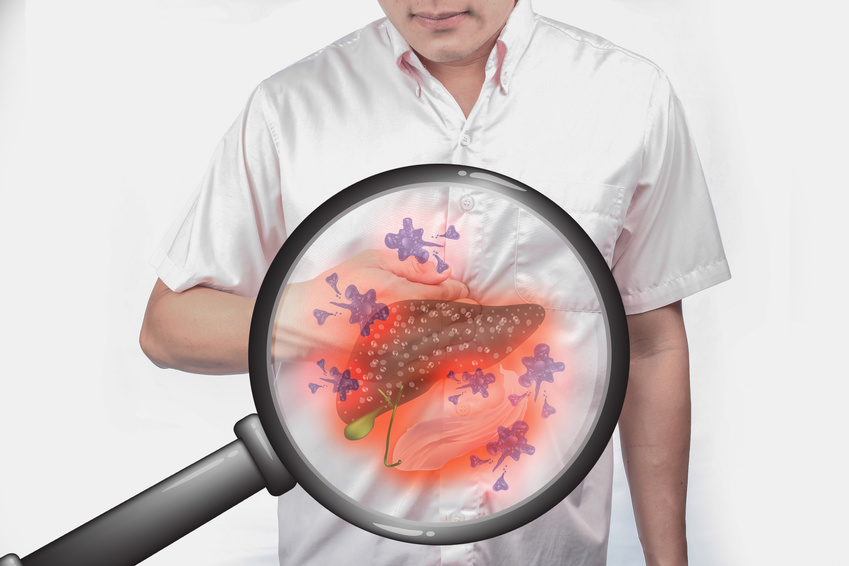
Body disease and cancer.Use a magnifying glass concept to add interest.

©Fotolia

A team of researchers from Prof. Robert Barouki’s Inserm unit (Inserm Unit 1124/Université Paris Descartes), led by Prof. Xavier Coumoul, has recently shown that the Seveso dioxin, an organic pollutant found in our food and in the atmosphere, causes liver damage in mice fed a high-fat diet. This effect is related to its action on a signaling pathway also activated by diesel and tobacco particles. The results were published last March in Environment Health and Perspectives.

Several organic pollutants may contribute to the growing onset of chronic liver disease in obese individuals. This is suggested by Xavier Coumoul’s team which worked on one such pollutant: the Seveso dioxin. This substance, named after the 1976 Seveso disaster in Italy, near the town of the same name, originates from industrial activity, such as waste incinerators, metallurgy, etc. It is also known for being one of the substances released with the use of Agent Orange during the Vietnam War. Classified as carcinogenic to humans, the Seveso dioxin (or TCDD) is particularly worrisome as it is very stable over time, persisting in ecosystems and organisms for several years. Mainly stored in adipose tissue and in the liver, it activates the AhR (aryl hydrocarbon receptor) signaling pathway in cells which, to be specific, allows the pollutants to be eliminated.

In 2014, while the team was working on the carcinogenic effects of this substance, researchers noticed that a number of mice exposed to high doses of TCDD (25 µg/kg/week) developed hepatic inflammation (liver fibrosis), the starting point for more serious diseases, such as cirrhosis or liver cancer. Now, nonalcoholic chronic liver disease is usually observed in obese subjects. Researchers thus wished to clarify the possible impact of this dioxin on the liver in the context of obesity. They therefore studied a mouse model over 14 weeks. During this period, two groups of mice were fed different diets.

The combination of TCDD and obesity is essential

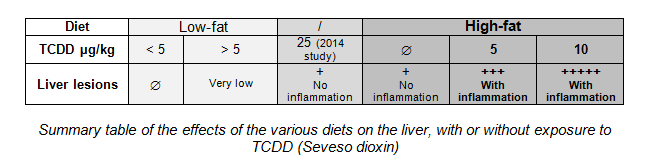
The first group of animals were fed a low-fat diet. Over the last 6 weeks of treatment, some of these mice were exposed to TCDD (1 to 10 µg/kg/week), whereas the other mice were not exposed to the substance. No fibrosis was observed, even in the presence of low levels of TCDD (</=5 µg/kg/week). Only a few microlesions were observed at doses above 5 µg/kg/week. This was not a pathological syndrome, and did not give rise to any complications.

At the same time, the second group of animals were fed a high-fat diet, accompanied by exposure to TCDD identical to the first group. All of these mice, having become obese due to their diet, developed liver lesions, characterized by increased fat storage. However, in the presence of TCDD, fat accumulation was increased, and inflammatory cells were recruited locally. Due to the effect of TCDD, liver lesions developed with chronic inflammation, which then progressed to fibrosis.

At the end of this monitoring period, researchers studied gene expression in the hepatic cells. They observed that dioxin-exposed obese mice over-expressed several markers for inflammation and fibrosis.

The effects of obesity and dioxin are potentiated and cause fibrosis to develop. Both, when combined, lead to excessive fat accumulation in the liver, inhibition of their degradation, an increase in oxidative stress harmful to cells, and the onset of inflammation,” clarifies Xavier Coumoul, Research Manager.

capture_eng

To be verified in humans based on normal exposure

There is no need to panic just yet, despite these findings. The TCDD dose used in this study was high, equivalent to massive exposure, as observed in the Vietnamese population during the war. This was a deliberate decision so as to observe the effects over a fairly limited period of only a few weeks. The effects in humans have yet to be determined, with a lower dose and long-term exposure in keeping with the general population. Furthermore, from a broader perspective, data on all AhR pathway activators, also including diesel and tobacco, have yet to be confirmed.

This research was funded by the ANR and INCa.

The composition of gut microbiota can predict the efficacy and tolerance of immunotherapy in people with cancer

microbiote

© Fotolia

Teams from AP-HP, INRA, Gustave Roussy and Inserm can demonstrate the role of microbiota in the response of immunotherapy for cancer. They show that in man, the composition of gut microbiota can help to identify the patients who will respond favourably or not to treatment for melanoma, with Ipilimumab. This clinical study, carried out in 26 patients, suggests that a modification of the composition of gut microbiota could improve the efficacy of treatment.

These results are published in the journal Annals of Oncology and constitute a new step towards personalised treatment of cancers.

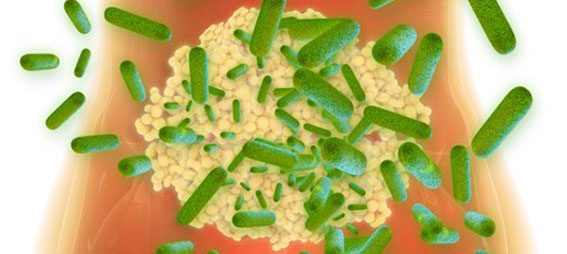
Gut microbiota is composed of more than 100,000 billion bacteria and plays a key role in the development of the immune system. It represents a burgeoning research subject. French research teams are rallying to discover its function in illnesses in order to improve the efficacy of treatments.

 In this study carried out in humans, Prof. Franck Carbonnel, Head of the Gastroenterology Unit at the AP-HP Bicêtre Hospital, Dr Patricia Lepage from INRA, Prof. Caroline Robert and Prof. Nathalie Chaput from Gustave Roussy have studied the gut microbiota of 26 patients with metastatic melanoma being treated with Ipilimumab monoclonal antibodies.


Ipilimumab is an antibody immunotherapy targeting CTLA-4 that activates the patient’s immune system to fight the disease. Treatment is effective in some patients, at the price of serious side effects such as enterocolitis which is similar to Crohn’s disease.

 The teams have shown that the composition of gut microbiota can help to tell in advance the patients for whom treatment will be beneficial or not and those who will go on to develop enterocolitis. The patients with an intestinal flora enriched by Faecalibacterium and other Firmicutes (in particular Faecalibacterium prausnitzii, Gemmiger formicilis and other bacteria producing butyrate; profile A) have a better response to treatment than patients whose microbiota is rich in Bacteroides bacteria (profile B). Furthermore, profile A patients are more prone to enterocolitis than profile B patients.

These results confirm the role of microbiota in the response to cancer immunotherapies. They open the way to better identification of patients who could benefit from these treatments. Finally, they constitute a major step towards the manipulation of the composition of intestinal flora in order to improve the efficacy of immunotherapy. Research still needs to be carried out in order to limit the side effects brought on by the treatment.

Ebola: New trial launched in West Africa to evaluate three vaccination strategies

img_4416

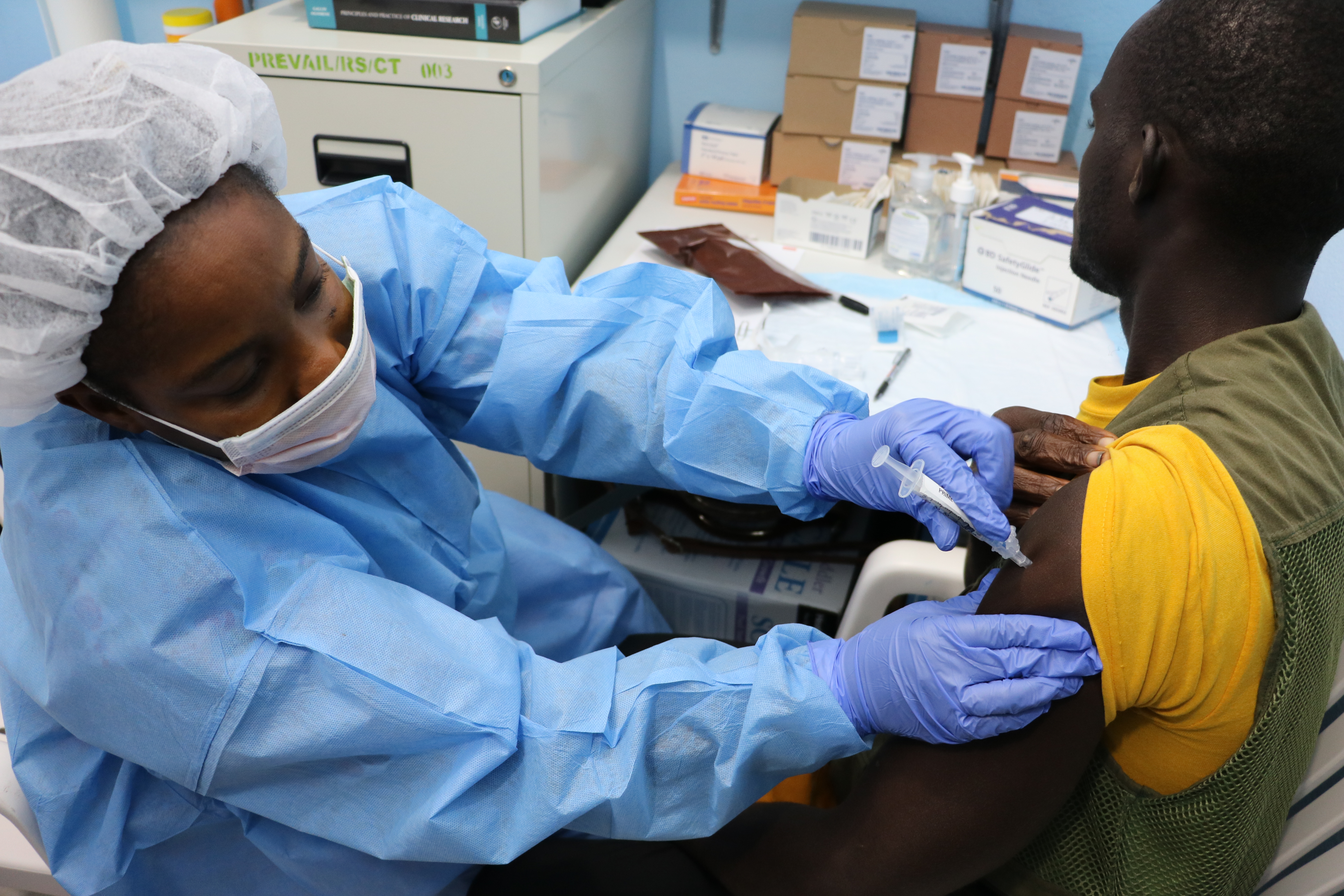
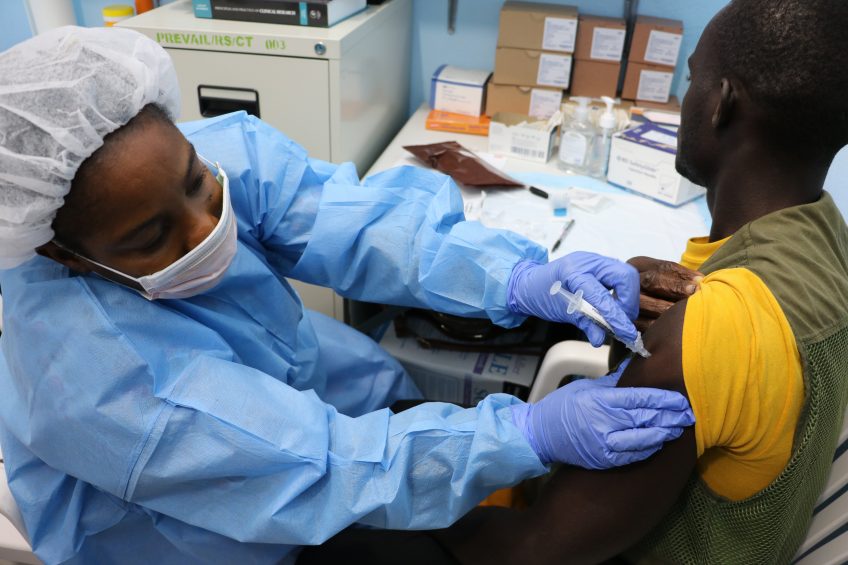
April 3, 2017: Study volunteer receives inoculation at Redemption Hospital in Monrovia on the opening day in Liberia of PREVAC, a Phase 2 Ebola vaccine trial in West Africa. Credit: NIAID

The French National Institute of Health and Medical Research (Inserm), the US National Institutes of Health (NIH) and the London School of Hygiene & Tropical Medicine (LSHTM), in collaboration with health authorities in Guinea and Liberia, are launching a large clinical trial of candidate Ebola vaccines under the aegis of the PREVAC international consortium (Partnership for Research on Ebola VACcination). This trial seeks to identify vaccination regimens that hold the most promise to protect people from Ebola virus disease in order to prevent or quickly control a future outbreak. More than 5,000 adults and children living in countries at the epicenter of the 2014-16 West Africa Ebola epidemic will be enrolled. An additional site in Sierra Leone is also being planned. The PREVAC trial results from a research partnership that involves Inserm, NIH, LSHTM, and the West African Clinical Research Consortium[1]. The pharmaceutical companies Janssen Vaccines & Prevention B.V., part of the Janssen Pharmaceutical Companies of Johnson & Johnson, Bavarian Nordic and Merck Sharp & Dohme, Corp (MSD outside USA and Canada), are supplying the experimental vaccines being tested in the PREVAC trial. The trial will compare three experimental Ebola vaccination strategies with placebo regimens. It will be conducted in two stages, the first stage to take place in Guinea and Liberia. In Guinea, the trial is being conducted under the sponsorship of Inserm with the support of NIH and in collaboration with the Guinean authorities, and involves a partnership with the non-governmental organization ALIMA (The Alliance for International Medical Action). The NIH is sponsoring the trial based in Liberia, under its collaboration with the Liberia Ministry of Health in the Partnership for Research on Ebola Virus in Liberia (PREVAIL). Pending confirmation of funding, LSHTM will sponsor the planned site in Sierra Leone working with the University of Sierra Leone’s College of Medicine and Allied Health Sciences, which would conduct the study. In its first stage, the trial will evaluate one of the three strategies, a prime-boost vaccination combining two different vaccines (one made by Janssen and the other by Bavarian Nordic) compared with a similar placebo regimen. Enrolment into this stage in Guinea and Liberia began on 27th March and 3rd April 2017, respectively. In a second stage, which is expected to start in the second half of 2017, the trial will evaluate all three vaccination strategies, including two additional strategies involving the Merck Sharp & Dohme, Corp vaccine. On 29 March 2016, the Director-General of the World Health Organization (WHO) announced the end of the Public Health Emergency of International Concern caused by the Ebola outbreak[2]. At the end of this epidemic, although important advances have been achieved, several questions remain regarding the durability of the immune response of candidate vaccines under development. PREVAC trial will evaluate the rapidity, intensity and duration of the immune responses generated by the various vaccination strategies, and the safety and tolerability of the various vaccines, particularly in children.

According to Yves Levy, Inserm Chairman and CEO; Anthony S. Fauci, Director of the National Institute of Allergy and Infectious Diseases at NIH; and Peter Piot, Director of the LSHTM: “We, Inserm, NIH, and LSHTM, have designed and launched this unique international research partnership with our colleagues from the West African countries most affected by Ebola virus disease to answer remaining questions regarding the safety and immunogenicity of candidate Ebola vaccine strategies and thereby enable us to better fight future Ebola outbreaks.” 

The first stage of the PREVAC study will evaluate a prime-boost strategy that includes the Janssen and Bavarian Nordic experimental vaccines: – Ad26.ZEBOV administered as a first dose followed 8 weeks later by MVA-BN-Filo as a booster dose.[3] This vaccination strategy will be compared to an identical regimen in terms of dosage and duration, but made up of two placebos. The second stage of the PREVAC study will evaluate all three strategies: the one used in the first stage, and two different regimens involving the experimental Merck Sharp & Dohme, Corp vaccine: – rVSV∆G-ZEBOV-GP[4] administered as a first dose followed 8 weeks later by a booster dose of the same vaccine – rVSV∆G-ZEBOV-GP administered as a first dose followed 8 weeks later by an inert placebo Each of these vaccination strategies will be compared to an identical regimen in terms of dosage and duration, but made up of two placebos.   PREVAC in brief  Currently, there is no approved vaccine to prevent Ebola virus disease, although some vaccines are at late stages of development. To better prepare for Ebola outbreaks and help contain them in future, it is essential to pursue research on vaccination strategies to prevent Ebola virus disease. PREVAC (Partnership for Research on Ebola VACcination), is a research consortium that brings together the health authorities of three countries in West Africa–Guinea, Liberia and Sierra Leone–and their international partners, the National Institute of Health and Medical Research (Inserm) in France, the National Institute of Allergy and Infectious Diseases of the National Institutes of Health (NIAID/NIH) in the United States, and the London School of Hygiene & Tropical Medicine (LSHTM) in the United Kingdom. Additional partners in the consortium include the NGO field partner Alliance for International Medical Action (ALIMA). The pharmaceutical companies Janssen Vaccines & Prevention B.V., part of the Janssen Pharmaceutical Companies of Johnson & Johnson, Bavarian Nordic and Merck Sharp & Dohme, Corp (MSD outside USA and Canada), are supplying the experimental vaccines being tested in the PREVAC trial. The PREVAC trial is a Phase 2 clinical trial being conducted in West Africa. It is a randomised trial that aims to compare three experimental Ebola vaccination strategies with placebos in order to determine whether these strategies are safe and able to trigger a durable immune response that can protect against Ebola virus disease. In the first stage, the trial intends to enrol up to 600 participants 12 years or older. In the second stage, the trial intends to enrol 4,900 participants: 3,500 healthy adults aged 18 years or older, and 1,400 children aged 1-17 years. The study will initially be conducted at two sites in Guinea (Conakry/Landréah and Maferinyah) and one site in Liberia (Monrovia), with an additional site in Sierra Leone awaiting confirmation.   The main objectives of the PREVAC Ebola vaccine trial are as follows:

  • To further explore the safety of three Ebola vaccination strategies and their ability to trigger a protective and durable immune response against Ebola virus
  • To assess these vaccination strategies in the general population and in important groups, such as children, for which there is only limited information available
  • To obtain information on the duration of the immune response induced by the vaccines

In Guinea, two vaccination centres have been established, one in Conakry (in an urban area) and the other in Maferinyah (in a rural area). Liberia has one vaccination site in Monrovia. According to Yazdan Yazdanpanah, PREVAC Principal Investigator, “Our challenge is to identify one or more safe, effective, and durable vaccines in order to prevent or control the next Ebola outbreak, for both adults and children.”

“ALIMA’s medical teams were at the front line in caring for patients with Ebola virus disease in Guinea. Today we know that this virus may reappear at any time. We therefore want to continue to support the population by pursuing the search for a vaccine capable of protecting the population from future epidemics,” says Solenne Barbe, Programme Manager for ALIMA. 

After the enrolment period, the participants will be followed up frequently at regular visits for at least 12 months. Teams of physicians, researchers and anthropologists will work in partnership in the field to ensure that the trial runs smoothly, and to answer questions from study participants and potential volunteers. Study staff will monitor participants’ health, record any side effects, and obtain blood samples at follow-up visits after the vaccinations. An independent Data and Safety Monitoring Board (DSMB) will closely monitor safety and immune response information throughout the trial. Children under the age of 12 years will not be enrolled initially. The DSMB will first examine data in children ages 12 to 17 years to determine if it is safe to expand the trial to children ages five to 11 years. After another review of safety data, the DSMB will consider whether vaccination of children ages one to four years can begin. There is no risk to participants in this trial of becoming infected with Ebola by the study vaccines. The vaccines being tested are not live Ebola virus. They contain a single gene coding for a single protein from the Ebola virus. This protein cannot cause infection. The principle is the same as for many other existing vaccines. Additional information about the trial can be found on ClinicalTrials.gov under the identifier NCT02876328.   How does a preventive vaccine work? Preventive vaccination usually involves administering an attenuated or inactivated form of an infectious agent (or one or more of the agent’s components) to a healthy individual. The objective is to trigger an immune response that involves the development of “memory” cells of the immune system that can immediately recognise the pathogen if it subsequently infects the individual. [1] The WACRC—established in 2015 by scientific leaders in Liberia, Guinea, and Sierra Leone, and now also including Mali—conducts collaborative research to prevent or help respond to future outbreaks of Ebola and other infectious diseases and thereby advance health preparedness and security in this sub-region of West Africa. [2] https://www.who.int/mediacentre/news/statements/2016/ihr-emergency-committee-ebola/en/ [3] The Ad26.ZEBOV vaccine was developed by Janssen Vaccines & Prevention B.V., part of the Janssen Pharmaceutical Companies of Johnson & Johnson, and the MVA-BN-Filo vaccine was developed by Bavarian Nordic A/S. This investigational Ebola vaccine regimen was developed in a collaborative research program with the National Institutes of Health (NIH). Additional funders who have supported development of this vaccine regimen include Europe’s Innovative Medicines Initiative (IMI), and the Biomedical Advanced Research and Development Authority (BARDA), an office within the U.S. Department of Health and Human Services.  [4] The rVSV ∆G-ZEBOV-GP vaccine was developed by the Public Health Agency of Canada. The vaccine was licensed to NewLink Genetics, and on 24 November 2014, Merck  Sharp & Dohme Corp. (MSD outside USA and Canada) and NewLink Genetics Corp. entered into a worldwide and exclusive licensing agreement in which Merck Sharp & Dohme Corp  assumes responsibility for research, development, manufacture and distribution of the experimental vaccine. The Canadian and US Governments, among others, have contributed financial support.

“Funding provided in part by NCI contract HHSN261201500003I through the Frederick National Laboratory for Cancer Research. The content of this publication does not necessarily reflect the views or policies of the Department of Health and Human Services, nor does mention of trade names, commercial products, or organizations imply endorsement by the U.S. Government. »
Action on dietary behaviours, a collective expert review by Inserm

cute little girl watching advertisement on tv

© Fotolia

The role of nutritional factors (diet and exercise) in the development of overweight and obesity and in the occurrence of many chronic diseases such as cancers, cardiovascular disease, diabetes and osteoarthritis is now scientifically well established. These diseases are the leading cause of mortality worldwide, and the number of patients affected continues to rise.

The World Health Organisation (WHO) estimates that there were over 1.9 billion overweight adults in 2014, 600 million of whom were obese. In France about one third of adults are overweight, and 15% (7 million) are obese. Apart from the problems encountered by these individuals, overweight and obesity also have an important cost for society. For France, their financial cost was estimated at €4 billion in 2008. According to WHO, the projections indicate that by 2030, 25% of French men and 29% of French women could be obese.

To cope with this rise in obesity in France, the State has, since 2001, established a public policy of nutritional health by launching the French National Nutrition and Health Programme (PNNS). In 2007, an order of the 2004 Public Health Act requires that advertisements for manufactured food products and drinks with added sugars, salt or artificial sweeteners must contain health information. This provision applies to all media (television, radio or advertising displays).

These messages are now well known to the public (5 fruits or vegetables a day, etc.). However, over time, surveys show that they are attracting less and less attention and that their visibility is uneven, depending on the medium. Moreover, the method of disseminating messages generates problems of comprehension, and they are sometimes seen as an endorsement of the products shown in the advertisement.

In late 2013, Santé Publique France requested Inserm to carry out a collective expert review in order to take stock of the scientific knowledge, and to analyse the impact of health messages disseminated by the mass media on cognition, attitudes, intentions and behaviours.

This expert review is based on a critical analysis of the international scientific literature[1] conducted by a multidisciplinary group of ten experts who are researchers in the areas of marketing and management sciences, law, political science, economics, cognitive psychology, social psychology, information and communication sciences, and the neurosciences.

The texts from this expert review are grouped into three parts: the first part provides some background on the legislation and on the impact of marketing on dietary behaviours; the second part provides an update on various aspects of assessing media-based nutrition campaigns; finally, a third part analyses the psycho-cognitive mechanisms involved in the reception and processing of health messages[2] by individuals.

You may download our Press kit below.

[1] See box on page 7 

[2] The term “health messages” used in these recommendations covers the nutrition-related health information placed on banners embedded in advertisements. The term “nutritional messages” covers all the other preventive or health promotional communications actions. Here the concept of nutrition covers diet and exercise. 

A warning on taking ibuprofen during pregnancy

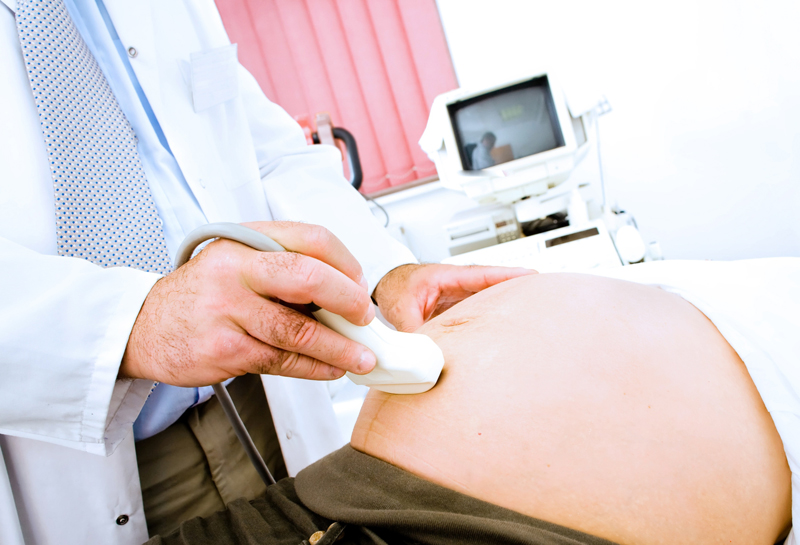
fotolia_4518648 Suivi médical grossesse

©fotolia

A new study conducted by Inserm researchers at Irset (Institute of Research in Environmental and Occupational Health)[1] shows that ibuprofen is liable to cause disruptions in the hormone system in the human foetal testis, with possible implications for the development of the male urogenital tract. This drug suppresses the production of various testicular hormones, including testosterone, which controls the primary and secondary sex characteristics and the descent of the testes. These effects are obtained at doses similar to the standard dosage. These results are published in Scientific Reports.

Ibuprofen, which can be obtained without prescription, is one of the drugs most commonly consumed by pregnant women. Although nearly one woman in ten reports having taken ibuprofen during her pregnancy, studies indicate that in reality up to 3 in 10 have self-medicated with it.

Epidemiological studies conducted in recent years have shown a link between taking analgesics during pregnancy and the occurrence of adverse effects in the child (low birthweight, asthma, premature birth etc.). Other research combining epidemiology, in utero experimentation in rats and ex vivo on rat and human organs, undertaken at Irset in collaboration with Danish researchers from the University of Copenhagen, showed that paracetamol and aspirin could disrupt the endocrine system of the foetal testis, resulting in an increased risk of failure of the testes to descend (cryptorchidism). Only the effects of ibuprofen had not yet been tested.

To do that, the Irset researchers – with the support of colleagues at Rennes University Hospital and the University of Copenhagen, researchers from Laberca (Laboratory for the Study of Residues and Contaminants in Food) in Nantes, and Scots colleagues from MRC Edinburgh – conducted two series of tests to study the effects of ibuprofen on the human foetal testis. In the first series of studies, the testes were cultured; in the second, they were grafted onto mice[2]. The effects of ibuprofen were studied over periods corresponding to the 1st and 2nd trimesters of pregnancy.

When testes corresponding to the 1st trimester of pregnancy were exposed to ibuprofen, there was a sharp drop in testosterone production by the Leydig cells. During the same period (up to 12 weeks of development), the researchers observed for the first time that ibuprofen also affected the production of antimüllerian hormone by the Sertoli cells. This hormone plays a key role in genital tract masculinisation.

Moreover, expression of the genes needed for the germ cells, the progenitors of spermatozoa, to function is considerably reduced in the presence of ibuprofen.

Finally, production of prostaglandin E2 (known to be produced by the testes, and known to be involved in many biological processes) and the corresponding genes are also inhibited by the presence of ibuprofen at the same developmental age.

All these effects are observed very early in the first trimester, and none of them is found in tests conducted during the second trimester.

For Bernard Jégou, Inserm Research Director and coordinator of this study, and Séverine Mazaud-Guittot, Inserm Research Fellow, the conclusions of this work, which was supported by the French National Agency of Medicine and Health Products Safety (ANSM), are to be taken seriously: “There is a well-defined window of sensitivity during the 1st trimester of foetal development during which ibuprofen seems to present a risk for the future genital and reproductive system of the child. All the indications point to the need for great prudence regarding the use of this drug during the 1st trimester of pregnancy. Furthermore, if we now take the body of available data into account, it seems that taking several analgesics during pregnancy represents an even greater danger for the hormonal balance of the male foetus.

[2] Xenografting is the transplantation of cells or organ fragments from one living organism (e.g. human cells) into the body of another species (here the mouse) in order to understand their development.

[1] Institute of Research in Environmental and Occupational Health; Inserm; French School of Public Health (EHESP), University of Rennes 1.

Sickle cell disease : remission of disease symptoms in the world’s first patient treated using gene therapy

A team led by Prof. Marina Cavazzana, working at Necker Hospital for Sick Children, AP-HP, and the Imagine Institute (AP-HP/Inserm/Paris Descartes University) performed gene therapy on a 13-year-old patient with severe sickle cell anaemia in October 2014 as part of a phase I/II clinical trial. Conducted in collaboration with Prof. Philippe Leboulch (CEA/Faculties of Medicine at Paris-Sud and Harvard Universities), who developed the vector used, and supervised the preclinical studies, this innovative treatment provided complete remission from the clinical signs of the disease, and the correction of biological signs. Results (15-month follow up after transplantation) are published in the New England Journal of Medicine on 2 March 2017, and confirm the efficacy of this new therapy of the future. 

Sickle cell disease, a serious form of chronic anaemia of genetic origin, is characterised by the production of abnormal haemoglobin and deformed (falciform or sickle-shaped) red blood cells, due to a mutation in the gene encoding β-globin. This disease is associated with very serious episodes of pain caused by vaso-occlusive crises. It also causes lesions in all the vital organs, great sensitivity to infection, iron overload and endocrine disorders. Haemoglobinopathies affect an estimated 7% of the world’s population. Among them, sickle cell disease is considered the most common, with 50 million people carrying the mutation, i.e. who are at risk of transmitting the disease or actually have it. Abnormalities in the β-globin gene, i.e. sickle cell disease and β-thalassaemia, are the most widely distributed inherited diseases in the world, more common than all other genetic diseases combined.

The clinical trial, coordinated by Prof. Marina Cavazzana*, was conducted at Necker Hospital for Sick Children, AP-HP, and the Imagine Institute.

The first phase involved taking haematopoietic stem cells, the source of all blood cell lineages, from the patient’s bone marrow. A viral vector[1] carrying a therapeutic gene, previously developed to treat ß-thalassaemia, was then introduced into these cells in order to correct them. This lentiviral vector, capable of carrying long complex segments of DNA, was developed by Prof. Philippe Leboulch**, and is produced on a large scale by the American company bluebird bio[2].

The treated cells were then reinjected intravenously into the young patient in October 2014. During his subsequent period in hospital, the adolescent then received care in the Paediatric Immunohaematology Unit at Necker Hospital for Sick Children, in collaboration with Prof. Stéphane Blanche and Dr Jean-Antoine Ribeil.

Fifteen months after transplantation with the corrected cells, the patient no longer requires blood transfusions, no longer suffers from vaso-occlusive crises, and has fully resumed his physical and academic activities. “We also note that the therapeutic protein from the vector, which strongly inhibits pathological sickling, is remarkably highly expressed and effective,” explains Prof. Philippe Leboulch.

“With this gene therapy approach, we hope to develop future clinical trials and enrol a high number of patients with sickle cell disease, in Île de France and throughout the national territory,” says Prof. Marina Cavazzana.

[1] A vector is a self-replicating molecule of DNA or RNA (plasmid, cosmid, viral DNA) into which foreign DNA is inserted, and which is then used to enable this DNA to enter a target cell.

[2] A company founded by Prof. Philippe Leboulch, and sponsor of the clinical trial.

Cured meat and asthma: the best of enemies ?

Charcuterie

©Fotolia

A high intake of cured meat (at least 4 times a week) is associated with an aggravation of asthma symptoms over time. These results, published in the journal Thorax by a team of Inserm researchers (Inserm Unit 1168, “Aging and chronic diseases: epidemiological and public health approaches”) were obtained from data collected from 1,000 individuals monitored for an average of 7 years.

Eating cured meat – recently classified as carcinogenic by WHO – has already been associated with an increased risk of chronic obstructive pulmonary disease (COPD), but its association with asthma had never been demonstrated. A growing body of evidence, which includes the fact that a change in dietary habits or an increase in obesity over time is implicated in asthma, led the researchers at Inserm to examine this question more closely.

 An analysis was conducted, using data from the EGEA study[1], on nearly 1,000 participants monitored for seven years. People included in the cohort had a mean age of 43 years. During the period, 20% reported an aggravation of their asthma symptoms. In order to understand the reasons, the Inserm researchers focused on their diet.

It was first necessary to eliminate the “obesity” parameter, which could have distorted the results. Since BMI is a risk factor that has already been identified in the occurrence of asthma, it was indeed plausible that it represents a causal mediator between the effects of diet that the researchers wished to examine (namely cured meat intake) and asthma. The scientists therefore took this parameter into account to adjust their results, using a recent epidemiological method known as MSM[2] (marginal structural models).

The results of the study showed that a high intake of cured meat (at least 4 times a week) was directly associated with aggravation of asthma symptoms.

And only 14% of the association between cured meat intake and asthma was explained by obesity (indirect effect).

“These new results show a greater direct effect of diet on asthma in adults. In order to protect the respiratory health of the population, public health messages aimed at limiting cured meat intake should be quickly introduced,” explains Zhen Li, main co-author of this work.

[1] An epidemiological study of the genetic and environmental factors associated with asthma, bronchial hyperactivity and atopy.

[2] This method allows for a causal route in which a confounding factor exists in order to measure the direct effect of a factor A on another factor B (see Figure 2 of the scientific article)

Personalised home care effective against Alzheimer’s disease

retraite assistance

©Fotolia

A new home-based therapeutic approach targeting dementia patients, “occupational therapy,” can slow their loss of autonomy and reduce behaviour problems. These results come from a new study published by Inserm researchers (Unit 1219 “Institute of Public Health, Epidemiology and Development” [ISPED]) in the Journal of Alzheimer’s Disease.

France deployed a huge effort to improve the care of patients with dementia in 2008, with a national plan for Alzheimer’s disease. This effort was consolidated by the following government (Neurodegenerative Diseases Plan). Some new care arrangements were put in place, such as the Specialised Alzheimer’s Teams (ESA) that offer occupational therapy to Alzheimer’s patients. This therapy involves encouraging patients to perform certain activities or to maintain their autonomy in a secure and effective manner, while taking their lifestyle and environment into account. Based on the intervention of occupational therapists, psychomotor therapists and geriatric care assistants, care is provided at home on medical prescription. Although its efficacy had been demonstrated in some clinical trials, it had not been demonstrated under routine care conditions, and deserved to be studied.

421 patients with dementia referred to ESAs by their general practitioner or a specialist physician were followed up for 6 months. The researchers evaluated their clinical progression from the start to the end of the intervention (a period of 3 months), and then after a further 3 months.

This observational study, carried out in real-life conditions, demonstrated a clinical benefit for patients with dementia during the intervention period.

The results indicate that the patients’ behavioural problems, the time spent by the carers taking care of their sick relative and the emotional burden associated with this care had significantly decreased in the 3 months of the intervention and were stable after this period. Patient quality of life also improved.

The cognitive performances of patients remained stable during the 6 months of the study. Functional autonomy also remained stable during the 3 months of the intervention, but was significantly reduced thereafter. Finally, in the group, the most recently diagnosed patients derived the greatest benefit in terms of functional decline. These discoveries suggest that occupational therapy services should prioritise patients with early stage Alzheimer’s disease, in order to optimise any clinical benefits.

This study emphasises the potential of this type of care in for the well-being of patients and their carers. These results also open up a new area of research regarding occupational therapy in France. Indeed, this intervention was designed as a short-term home-based measure, but the long-term advantages of the care, and the consequences of stopping it remain unknown. With this in mind, the Inserm research team will conduct a trial to compare the efficacy of occupational therapy over an additional 4-month period to that of the usual recommended care. 

fermer