Menu

Growing-Up Milk: A Good Strategy to Prevent Iron Deficiency in Young Children

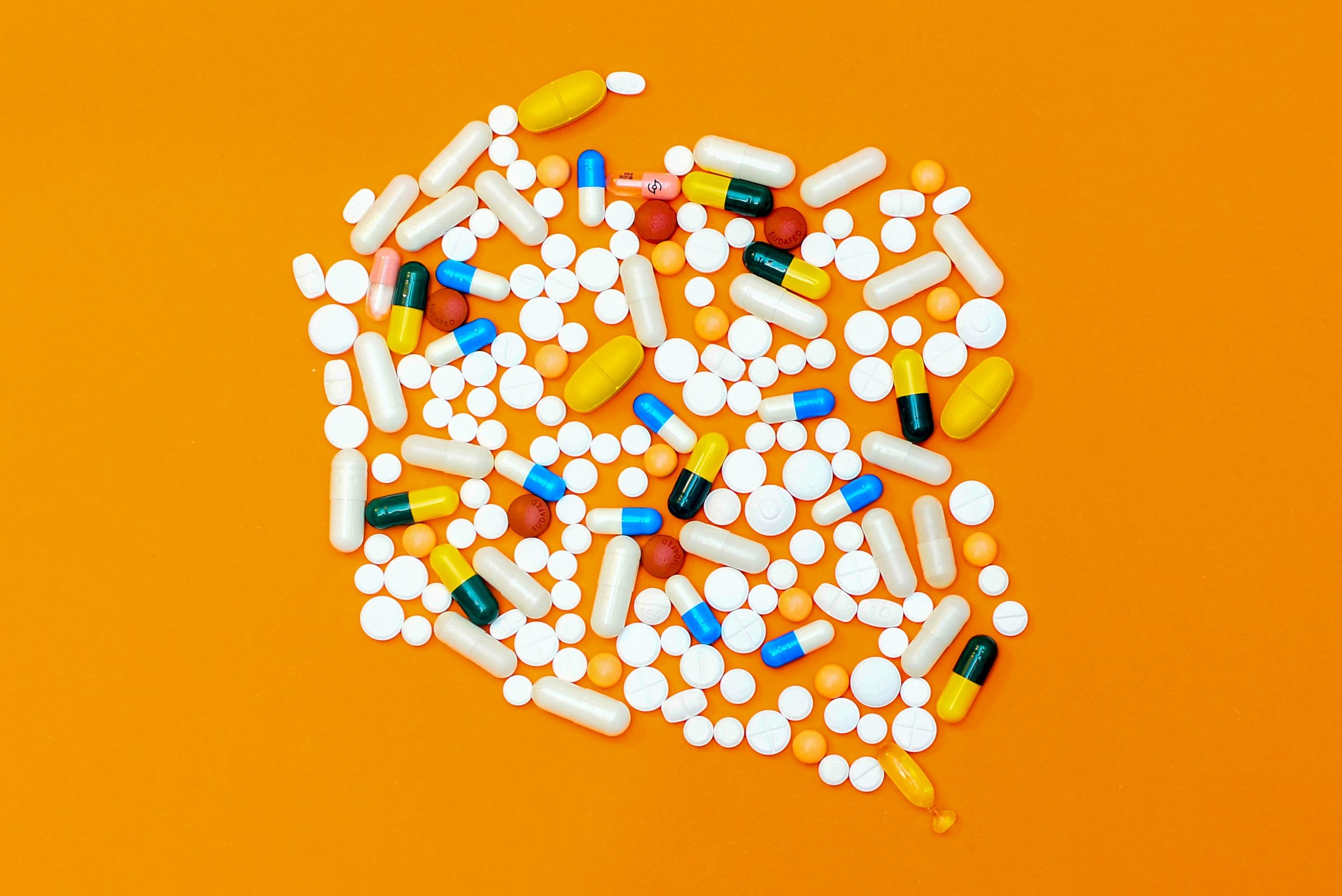
© Robert Hrovat on Unsplash

In France, the strategy for preventing iron deficiency in young children is partly based on the recommendation to use iron-fortified infant formula – including growing-up milk – when breastfeeding is discontinued. But what is the real contribution of these products in preventing iron deficiency? A research team from Inserm, AP-HP and Université de Paris within the Center of Research in Epidemiology and Statistics (Cress) studied the iron intake from diet and the occurrence of deficiency in 561 two-year-olds in France from 2016 to 2017. The researchers found that the consumption of iron-fortified infant formula very significantly reduced the risk of iron deficiency and met the recommended daily nutrition requirements for nearly half of the children. These results, published in Clinical Nutrition, support France’s prevention strategy and call for special attention to be paid to underprivileged families, whose children are most affected by iron deficiency.

Iron deficiency is considered the most common micronutrient deficiency worldwide, particularly in industrialized countries. When it occurs in newborns and young children, it is strongly suspected of being associated with adverse short- and long-term neurocognitive effects, such as decreased learning and memory abilities, and visual and auditory neurosensory impairment.

For infants over 1 year of age, the recommended average daily requirement for iron is 5 mg[1]. When the blood level of ferritin (a protein that stores iron) is below 12 µg/L, a young child is considered to be deficient.

In France, the strategy to prevent iron deficiency is partly based on the recommendation of systematic and prolonged consumption of iron-enriched infant formula – particularly so-called “growing-up” milk from 1 to 3 years of age – when breastfeeding is discontinued, in order to supplement intake from the diet, which is rarely sufficient for this age group.

In order to examine the relevance of this prevention strategy, the work of a research team from Inserm, AP-HP and Université de Paris within the Center of Research in Epidemiology and Statistics – Cress (Inserm/Université de Paris/Université Sorbonne Paris Nord/INRAE), coordinated by Anne-Sylvia Sacri and Martin Chalumeau, compared iron intake from the diet, with and without the consumption of growing-up milk, and the occurrence of deficiency in 561 two-year-olds with no health conditions affecting iron metabolism. Between 2016 and 2017, almost 120 pediatric practices throughout France took part, thanks to the Activ and Afpa networks.

For each child, a questionnaire in which the parents noted all foods consumed over three non-consecutive 24-hour periods allowed the researchers to determine the amount of iron ingested daily. Analyses showed that when the consumption of growing-up milk (used by 73% of the participants) was not taken into account, dietary iron intake did not meet the recommended requirement of 5 mg/day for 63% of the children compared to 18% when it was taken into account.

The consumption of growing-up milk therefore enabled 45% of children to meet the recommended nutritional requirements for iron.

In a second step, the ferritin level was measured from a blood sample. Of the 561 children studied, 37 (7%) were iron deficient. Blood ferritin levels were significantly higher in children consuming growing-up milk at 24 months or since the age of 10 months. It was significantly lower in those consuming cow’s milk at 24 months or who started drinking it before that age.

The onset of iron deficiency was further reduced the longer growing-up milk was consumed, even in small quantities (upwards of 200 mL/day).

This suggests that regular iron intake is a better way to prevent iron deficiency than heavy supplementation over a short period of time,” states Sacri.

She goes on to say: “These results support national strategies for the prevention of iron deficiency based on the recommendation to consume iron-fortified infant milk after 12 months of age. These milks appear to be a simple solution for supplementing young children with iron to meet the recommended daily nutritional requirements. “

The researchers also found that iron deficiency was associated with a history of prematurity. It was also more common in large families and in those with markers of social disadvantage.

“Special attention must be paid to these more vulnerable populations. They must be targeted more specifically by prevention and surveillance policies,” concludes Chalumeau.


[1] According to the recommendations of the European Food Safety Authority (EFSA)

Publication of a multicentre observational study, in the journal JAMA Neurology, to identify risk factors for the severity of COVID-19 in patients with multiple sclerosis in France

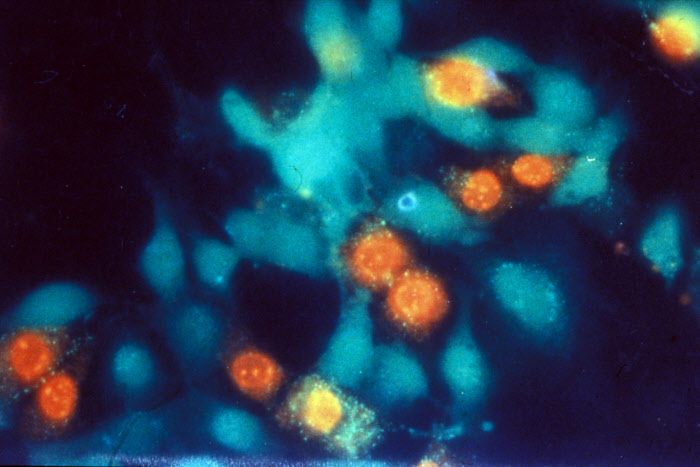
Multiple sclerosis (MS), red cells are dying (cell death). Astrocytes exposed to glycotoxic factor. ©Inserm/RIEGER F.

A study, aimed at identifying the risk factors for the severity of COVID-19 in patients with multiple sclerosis in France, was carried out by teams from the neurology department of the Pitié-Salpêtrière hospital AP -HP, from the Brain Institute (Inserm / CNRS / Sorbonne University) at the Pitié-Salpêtrière hospital AP-HP, from Sorbonne University and the neurology service of the Strasbourg CHU. This work was carried out with the participation of all the centers and neurologists involved in the management of multiple sclerosis, thanks to the national networks FCRIN4MS, the French Observatory of MS (OFSEP) and the Société Francophone of the SEP (SFSEP).

The results of this study, which were published on June 26, 2020 in the journal JAMA Neurology, led to the publication of the first registry on multiple sclerosis and COVID-19. This register made it possible to provide concrete information in real time to guide the management of patients during the epidemic.

Multiple sclerosis (MS) is an inflammatory disease of the central nervous system, which mainly affects young adults, and which can be responsible for a neurological handicap. In recent years, several immunosuppressive or immunomodulatory treatments have enabled major advances in the care of patients.

From the start of the COVID-19 epidemic, neurologists and patients have had many questions regarding the risk of COVID in patients with multiple sclerosis, particularly in relation to their basic therapy. We therefore set up a multicentre observational study whose objective is to identify the risk factors for COVID-19 severity in patients with multiple sclerosis in France.

More than 350 patients were included in the registry, and the teams identified as main factor of COVID-19 severity neurological handicap (measured by the EDSS score), followed by age and obesity, these 2 factors have also been identified in the general population. Conversely, long-term MS treatments are not associated with a higher risk of severe COVID. The mortality rate was 3.5%, slightly higher than the expected rate in this population with an average age of 44 years.

This is the first registry published on multiple sclerosis and COVID-19. It provided concrete, real-time information to guide the management of patients during the epidemic.

Discovery: Stopping inclusions in two treatment groups

After the inclusions in the hydroxychloroquine arm stopped, both arms testing the lopinavir/ritonavir combination with or without interferon beta were stopped in the Solidarity and Discovery clinical trials. Given the adaptive nature of the Solidarity trial and its European Discovery “daughter” trial, a reflection is underway on the evolution of the protocol. Publications in international peer-reviewed journals are in preparation concerning both the evaluation of hydroxychloroquine and lopinavir/ritonavir.

 The Solidarity and Discovery clinical trials, whose objective is to test the efficacy and safety of medicines repurposed for the indication of SARS-CoV-2 infection requiring hospitalization, announced today the definitive cessation of inclusions in the groups of patients receiving the lopinavir/ritonavir antivirals with or without interferon beta.

This decision is based on the recommendations for termination made by the independent data monitoring panels of the two trials. These were based on the lack of efficacy on mortality of hospitalised patients for the lopinavir/ritonavir compared to standard therapy. On the other hand, in the Discovery trial, which thoroughly analyzed adverse events in treated patients, the independent committee highlighted the significantly higher frequency of serious adverse events based on clinical laboratory data related to renal function in the two groups of patients receiving the lopinavir/ritonavir combination, particularly in intensive care patients. It should be added that the UK Recovery trial also stopped the lopinavir/ritonavir treatment arm for lack of efficacy.

A communication in the form of publications in international peer-reviewed journals will detail the results. In addition, given the adaptive nature of the Solidarity trial and its European “daughter” trial Discovery, a reflection is underway on the evolution of the protocol. In addition to the ongoing evaluation of Remdesivir and interferon, this includes the possibility of testing new treatments.

The pandemic linked to the SARS-CoV-2 virus responsible for Covid-19 disease continues to progress. The Solidarity global therapeutic clinical trial organized by WHO continues to include approximately 500 patients per week, particularly in South America, in the Middle East and in Asia where the epidemic remains active. The current total number of patients included in Solidarity is more than 5,500 worldwide, of which 760 patients are part of the Discovery trial. France is the 2nd largest contributor in terms of number of patients.

Artemisia miracle plant, really?

The composition and quality of non-pharmaceutical remedies based on Artemisia vary greatly due in particular to differences in the composition of the plant materials used. © Krzysztof Ziarnek, Kenraiz / CC BY-SA

Native to Asia, the Artemisia plant has been used in traditional Chinese medicine for centuries. Nearly 400 species of the plant now grow around the world, including Artemisia annua (annual mugwort). It is from this species that artemisinin is extracted, the active ingredient contained in the main antimalarial treatments used to treat the disease today.

For several years now, a debate has been raging in the scientific community about the efficacy of various non-pharmaceutical products based on Artemisia, such as infusions or herbal products. While some believe that these plant-based treatments have a role to play in the fight against malaria, particularly in endemic and remote areas, most researchers point to the lack of solid efficacy data.

The issue has not finished being discussed, especially since in the context of the Covid-19 pandemic, Artemisia is once again in the spotlight after the Malagasy president announced that a drink based on extracts from the plant, called Covid-Organics, could be a cure for the new coronavirus SARS-CoV-2.

Other African countries have already followed suit, including the Democratic Republic of the Congo, which wants to launch a clinical trial to measure the effectiveness of Artemisia annua herbal tea in the treatment of Covid-19. Canal Détox is taking stock of the situation in order to cut short the preconceived ideas about this plant described by some as “miraculous”.

Treating malaria and avoiding resistance

The treatment of malaria recommended by WHO is now based on artemisinin-based combination therapies (ACTs). The idea is to combine an artemisinin derivative, which acts quickly and effectively to eliminate parasites, with a drug to prevent their recurrence. The aim of this therapeutic combination is therefore to achieve a cure for the patient by completely eliminating the parasite from the blood to prevent it from evolving into a serious and potentially fatal form. It should be noted that artemisinin derivatives are no longer used alone as monotherapies since 2017 to prevent the emergence of resistant strains of the Plasmodium falciparum parasite.

In some malaria-endemic areas of the world, however, access to ACTs may be limited or too costly for patients. For this reason, the use of the whole plant containing artemisinin, particularly in the form of herbal tea, has been promoted by various actors. This natural treatment would work because of the presence of artemisinin and other compounds in the plant, interacting together to reduce the number of parasites in the blood. To eliminate all infectious agents in the blood, a sufficiently high dose of herbal tea would have to be taken, at the risk of a new malaria crisis.

Problem: the composition and quality of non-pharmaceutical remedies based on Artemisia vary greatly due in particular to differences in the composition of the plant materials used, which can be influenced by various genetic and environmental factors (temperature, time and place of harvest, etc.). Similarly, the method of preparation of herbal teas and the dose of active ingredient contained in them are not standardized, and may also vary from one product to another. If these treatments can therefore improve the symptoms of certain patients, uncontrolled and often insufficient doses can lead to therapeutic failure: not all parasites are eliminated, the disease may reappear.

Furthermore, artemisinin resistance also has a greater likelihood of developing and spreading when a parasites population is exposed to too low levels of this active ingredient. Finally, the potential toxicity of herbal tea has not been accurately assessed in all populations and safety data are still patchy.

Conducting clinical trials

Some believe that the use of the whole plant would have an added value compared to ACTs because compounds other than artemisinin could have activity against the parasite, or could act in synergy with it, improving its efficacy and bioavailability, for a more powerful anti-malarial effect. The administration of the plant would thus not be similar to a monotherapy containing only one active principle against the parasite, but to a therapy containing several active principles acting in concert. This would reduce the risk of parasites developing resistance.

Several studies, mainly in vitro, have been conducted on the subject. The results are still contradictory and difficult to apply to humans, but on the whole, they suggest that the activity of other plant components against P. falciparum, such as flavonoids, is negligible compared to that of artemisinin. Finally, while some compounds do indeed appear to work in synergy with artemisinin, the risk is that they are rapidly degraded in the herbal tea.

To test the efficacy and safety of these non-pharmaceutical therapies, rigorous clinical trials are necessary. The main studies of the in vivo efficacy of Artemisia extracts have mainly been carried out using animal models of malaria. The results are of definite interest and advance research, but they cannot be applied as they stand to humans.

Clinical studies that have been conducted, while they appear to rule out the risk of adverse effects at this time, have often been conducted on a small sample of patients, with many methodological biases and/or too short a follow-up period, thus compromising the significance of the efficacy results.

Further research efforts are needed to resolve this debate. As a first step, it would be crucial to conduct better quality studies to test the hypothesis that the plant, when administered as a herbal tea and in sufficient quantity, contains several active ingredients against the parasite, acting or not acting synergistically. It is also clear that the debate cannot be resolved without new therapeutic trials based on more robust methodology and good clinical practice, including populations particularly at risk for malaria, such as pregnant women and children.

What about Covid-19?

While it is mainly another anti-malarial drug, hydroxychloroquine, that has been the talk of the town in the midst of the Covid-19 pandemic, the debate on the efficacy of Artemisia annua against Covid has also been launched following the announcement by several African governments expressing interest in the Malagasy remedy Covid-Organics and in general in this plant in the treatment of the disease.

This interest in Artemisia in the context of coronavirus epidemics is not new. Already during the SARS epidemic in China in the early 2000s, studies had highlighted the antiviral properties of the plant’s extracts. Clinical trials on the effects of traditional Chinese medicine (including the use of Artemisia) had been conducted. Positive effects had been reported on some patients, although their methodological rigour had been criticized.

The idea was recently echoed in an editorial published in the journal Nature Plants in March, suggesting that some herbal treatments could be interesting complementary therapies to drug treatments. However, this hypothesis should be rigorously tested to ensure that plants do not interact with drug treatments given to patients.

In Germany, scientists have initiated in vitro studies to test the efficacy of plant extracts against SARS-CoV-2. The team evaluated its activity against SARS-CoV-2 in a monkey lung cell model, and suggested that Artemisia herbal teas would have an antiviral effect. The hypothesis of an anti-inflammatory effect of the plant has been put forward, but no clinical data have been provided to date to support it. These results should therefore be taken with caution, especially since no figures on the extent of the antiviral effect have been shared and nothing has yet been published, either in preprint or in a peer-reviewed journal.

The plant therefore opens up interesting avenues of research, but in the absence of robust data or longer-term studies with controlled doses of Artemisia annua extracts, it does not currently constitute a treatment against Covid-19. Very rigorous clinical trials, conducted in a multidisciplinary manner with a solid methodology are therefore more than ever necessary to reach a conclusion in this thorny debate.


This text was produced with the support of Inserm researcher Eric D’Ortenzio, scientific coordinator of REACTing and Benoît Gamain, Research Director CNRS UMR-S 1134, Inserm/University of Paris.

Menstrual Toxic Shock Syndrome: Encourage Proper Tampon Use to Limit Risks

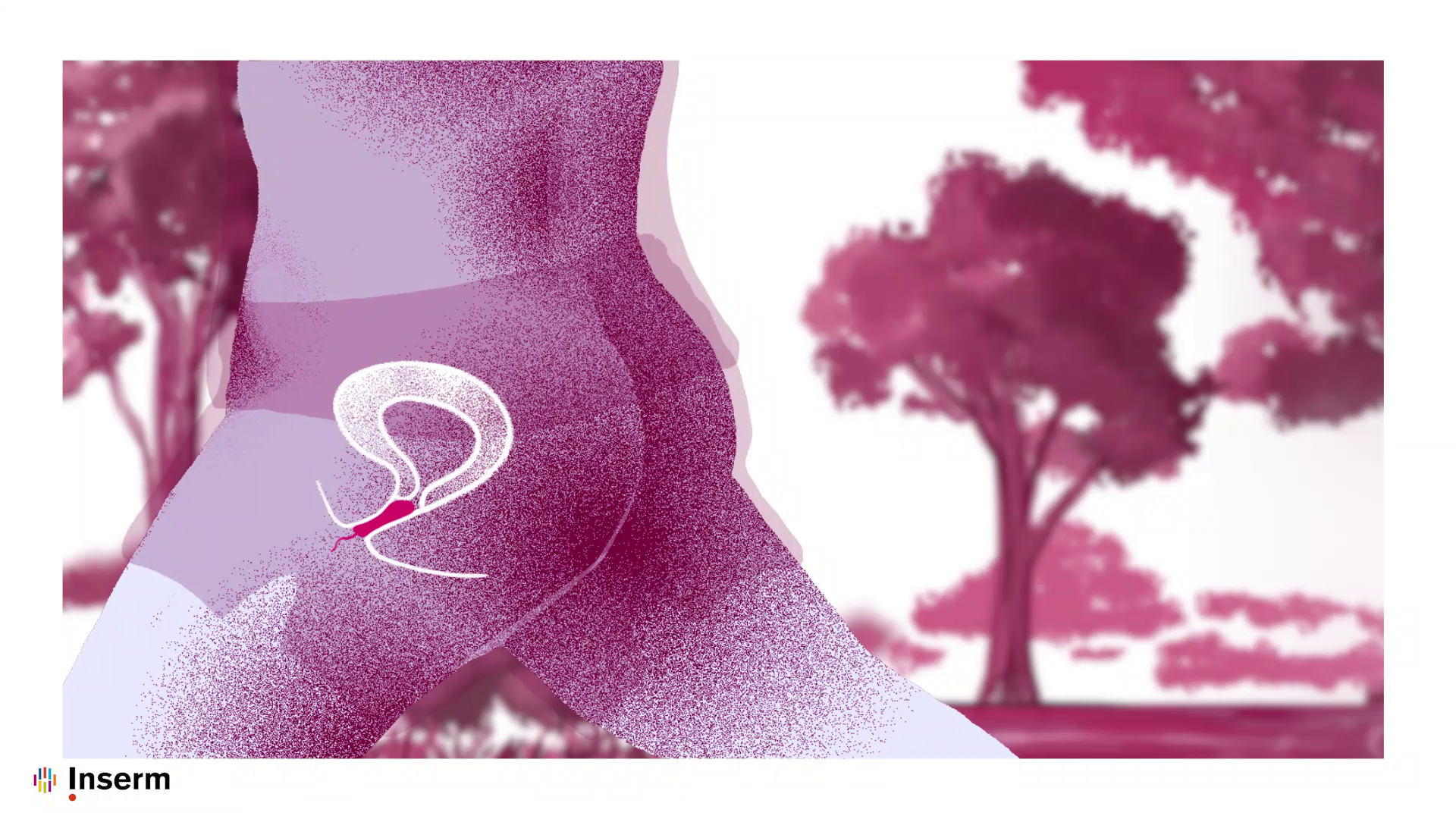
Inserm’s new educational video on staphylococcal toxic shock. © Camille Henry/Inserm

Staphylococcal toxic shock syndrome is linked to the presence of Staphylococcus aureus bacteria in the vaginal microbiota of some women for whom the misuse of intravaginal protection (tampons, menstrual cups, etc.) could increase the likelihood of developing it. Toxic shock is characterized by multiple symptoms that include digestive disorders, high fever, and skin rashes. In the most severe cases, it can lead to multi-organ failure and death.

Although the incidence of toxic shock remains very rare, researchers from Inserm, CNRS, Hospices Civils de Lyon, Université Claude Bernard Lyon 1 and ENS Lyon within the International Center for Research in Infectious Diseases and the National Reference Centre for Staphylococci have identified the risk factors that may in some cases favor it. In a study published in March 2020 in the journal EClinical Medicine, Prof. Gérard Lina’s team suggests simple measures to put in place for better tampon use during menstruation.


All the advice can be found in Inserm’s new educational video aimed at raising awareness and reassuring tampon users. 

Do not hesitate to share this prevention tool on your platforms and distribute it widely.

Alzheimer’s Disease: Sweet Snacks May Not Go Down So Well in Those With a Genetic Predisposition

Alzheimer’s Disease: Sweet Snacks May Not Go Down So Well in Those With a Genetic Predisposition © Robert Anderson on Unsplash

While genetic predisposition is a major factor in the risk of developing age-related dementia, and Alzheimer’s disease in particular, environmental factors such as diet also have an important role to play. Thanks to the 12-year follow-up of nearly 2,800 French people over the age of 65, a research team from Unit 1061 Neuropsychiatry: Epidemiological and Clinical Research (Inserm/Université de Montpellier) has sought to understand the impact of meals high in sugars (simple sugars and refined carbohydrates) on the risk of developing dementia. Its research shows a link between the consumption of sugars during the afternoon snack and the risk of developing Alzheimer’s disease in people with genetic predispositions. These results published in Alzheimer’s and Dementia pave the way for a better understanding of the links between environmental and genetic risk factors and could lead to improved dementia prevention strategies.

According to WHO forecasts, more than 152 million people could be affected by age-related dementia by 2050. There is currently no treatment to cure or slow the progression of these conditions, which include Alzheimer’s disease. It is therefore essential to identify the factors favoring their development and on which it would be possible to take preventive action.

For several years now, nutrition has been recognized as an important factor in good brain aging. In particular, several animal studies have emphasized the role of a high intake of sugars – which include starch and added sugars (glucose and fructose syrups, sucrose) – in aggravating the clinical signs of Alzheimer’s disease and, in particular, in accelerating the appearance of amyloid deposits (senile plaques) characteristic of Alzheimer’s disease.

But while environment plays a role in the development of Alzheimer’s disease, the importance of genetic factors is not to be overlooked. This is particularly the case of the APOE gene, which comes in three forms (or alleles): E2, E3 and E4. People who carry the E4 allele of this gene are at increased risk of developing Alzheimer’s disease.

However, until now, no human studies had explored a potential link between genetic predisposition, the consumption of sugars, and the risk of dementia.

A team led by Inserm researcher Sylvaine Artero in Unit 1061 Neuropsychiatry: Epidemiological and Clinical Research (Inserm/Université de Montpellier) wished to highlight the links between the onset of dementia (in particular Alzheimer’s disease) in humans, genetic predispositions linked to the E4 allele, and the consumption of sugars. They analyzed 12 years of data from nearly 2,800 participants in the French Three-City Study, which has been following nearly 10,000 French people over 65 years of age since 1999. They studied the development of 350 cases of dementia related to eating habits and more specifically their contribution to glycemic load (the ability of a food to raise blood glucose levels according to the portion consumed) estimated over four meals: breakfast, lunch, afternoon snack, and dinner.

In participants without the at-risk genotype, the research team found no association between the onset of dementia and the consumption of sugars with the four daily meals.

However, in participants with the E4 allele of the APOE gene, the researchers observed an association between the consumption of sugars during the afternoon snack and the onset of dementia. For the APOE4 individuals who tended to eat an afternoon snack, the risk of developing Alzheimer’s disease was increased by 2 to 3 times for each additional serving equivalent to the glycemic load of 30 grams of baguette, regardless of daily energy intake, physical activity, presence of co-morbidities or adherence to a healthy Mediterranean-type diet. However, no such association was revealed for the other meals of the day.

But why would the consumption of sugars during the afternoon snack have a greater impact on people with genetic predispositions?

According to Artero, “one hypothesis to consider would be the potential impact of insulin resistance – a pathology involved in type 2 diabetes and favored by the consumption of sugars – on the risk of developing dementia”.

Indeed, it has already been shown in animals that carriers of the E4 allele had a less efficient glucose metabolism. They would therefore be more likely to develop insulin resistance. However, the sugary foods consumed during the afternoon snack tend to be low in fat and fiber. They are eaten more quickly and without being accompanied by other types of food, such as at main meals. As a result, they are absorbed into the bloodstream much faster during digestion, triggering a peak in insulin.

Repeated daily, these insulin peaks could eventually lead to peripheral insulin resistance but also to cerebral insulin resistance (in which the brain is less sensitive to insulin and less able to use glucose) via oxidative stress and inflammation, which would encourage the development of dementia, phenomena to which E4 allele carriers are more sensitive,” says Artero.

These results pave the way for new prevention strategies but need to be confirmed by other population-based studies and further investigated by experimental studies in order to better understand the links between sugar consumption, insulin resistance and the development of dementia,” concludes Artero.

COVID-19: Vaccine Research at Inserm

The mobilization of Inserm researchers has led to major advances in SARS-CoV-2 knowledge and vaccine research.

© Inserm/Depardieu, Michel

Developing an effective and safe vaccine is one of the priority objectives in the fight to contain the COVID-19 pandemic. Since the complete sequencing of the SARS-CoV-2 genome in January 2020, research teams in France and internationally have been working tirelessly to better understand the immune response following infection and to test candidate vaccines. At Inserm, a dozen teams are involved in vaccine research projects. In particular, three initiatives have recently been selected by France’s Ministry of Higher Education, Research and Innovation on the advice of the COVID-19 Analysis, Research and Expertise Committee (CARE) and Inserm’s REACTing consortium, in order to receive special support and thus accelerate research.

Currently, more than 200 teams around the world are engaged in research projects to develop a vaccine against COVID-19. These include some thirty French groups that are members of the AVIESAN alliance or the biotech/industry ecosystem. Researchers from Inserm are also not to be outdone, since a dozen of these projects involve its units.

While the degree of progress of this research varies, some of these teams are currently in the phase of identifying the antigenic sequences of the virus that induce the specific immune response against SARS-CoV-2 and minimize the possible production of facilitator antibodies (a type of antibody that facilitates the entry of the virus into cells). In addition, some of the proposed vaccine platforms have been used previously for other candidate vaccines, including against HIV, influenza and toxoplasma, or for oncology vaccines.

The various ongoing projects can be divided into three main categories. The first is that of subunit vaccines, which do not contain live components but rather antigenic fragments of the pathogen. The second is a group of live attenuated candidate vaccines, all of which are prophylactic. The third is vaccines based on DNA or RNA coding for SARS-CoV-2 antigens.

Innovative candidate vaccines

Within this dynamic ecosystem, three projects involving Inserm units have been identified as priorities by the Ministry of Higher Education, Research and Innovation.

The first is driven by the Vaccine Research Institute (VRI), under the supervision of Inserm. The team led by Pr. Yves Lévy is involved in French COVID-19, the national cohort of patients infected with SARS-CoV-2, coordinated by Inserm’s REACTing network, in conjunction with 56 hospitals in France. Initially, using data from these patients, the researchers’ objective was to characterize the immune response in COVID-19 positive patients. Indeed, this data is essential and a prerequisite for the development of any vaccine. Based on this work, but also on their expertise in vaccine research, they are now developing a candidate vaccine in which the SARS-CoV-2 antigens would be presented by monoclonal antibodies to certain key cells of the immune system (dendritic cells). VRI has already developed several candidate vaccines based on this strategy, including against HIV (for which clinical trials will start in 2020).

The second vaccine research project, carried out at the Lille Center for Infection and Immunity by Inserm researcher Camille Locht and his team, is based on the repurposing of vectors with known activity, by integrating SARS-CoV-2 antigenic sequences. In this particular case, the chosen vector is a whooping cough vaccine. The objective is to develop a safe candidate vaccine, whose action on the body is well documented and very specific to the novel coronavirus because it incorporates carefully selected antigens.

Led by Inserm researcher Patrice Marche at the Institute for Advanced Biosciences and researcher Fabrice Navarro, head of CEA-Leti’s Microfluidic Systems and Bioengineering Laboratory, the third project also proposes an original vaccine approach against SARS- CoV- 2. It is based on an innovative delivery system involving lipid nanoparticles developed by the researchers. These highly stable and well-tolerated nanoparticles were originally created to encapsulate and transport drugs to target cells. In the fight against SARS- CoV-2, the researchers hope to encapsulate antigens of the virus to elicit a strong immune response.

Having already used this technique in HIV vaccine research, the team should quickly be able to develop this new candidate vaccine on a large scale, which represents a major advantage in making research faster and more efficient.

Developing a safe and effective vaccine against COVID-19 is a long process. Nevertheless, the mobilization of the scientific community, and in particular Inserm researchers, is enabling major advances to be made in terms of understanding the virus and the immune response to it, and in terms of setting up numerous trials to test a wide variety of vaccine strategies in record time.

Cardiac arrest outside the hospital during the peak of the COVID-19 epidemic: studies highlight pulmonary embolism as the main determinant

Cardiac arrest outside the hospital during the peak of the Covid-19 pandemic could be partly due to massive pulmonary embolism© Adobe Stock

French investigators from the Paris Medico-Legal Institute, the radiology department of the Sainte-Anne hospital / GHU Paris, the anesthesia-resuscitation department of the AP-HP hospitals Saint-Louis and Lariboisière, the University of Paris, Inserm and CNRS have hypothesized that cardiac arrests outside the hospital during the peak of the COVID-19 pandemic could be partly due to massive pulmonary embolism. The details of this work were published on May 28, 2020 in the European Journal of Heart Failure .

The Forensic Institute of Paris and the radiology department of Sainte-Anne hospital use whole-body scanners for examinations requested by the justice authorities. These scanners were compared between the two-week period corresponding to the epidemic peak (March 23 to April 7, 2020) and all of 2019. The elements sought on the scanner were the presence of signs of pulmonary infection suggestive of COVID-19, phlebitis of the lower limbs and proximal pulmonary embolism, responsible for cardiac arrest.

This study shows that requests for forensic autopsies for unexplained sudden death were 14 times more frequent during the epidemic peak than in 2019.

The vast majority of unexplained sudden deaths during the epidemic peak had lung lesions suspected of Covid-19 infection.

The age of the deceased patients ranged from 27 to 99 years. Most people died at home, some had fever and / or cough, and the majority suddenly lost contact with family or emergency services 30 minutes to a few hours before the onset of cardiac arrest.

CT analysis shows a 3 times higher frequency of proximal pulmonary embolism and phlebitis during the epidemic peak compared to all of 2019.

These results suggest that a significant proportion of the victims of sudden death during the epidemic peak were probably linked to proximal pulmonary embolism which must be quickly referred to cardiogenic shock treatment centers. This study also confirms the vital role of intensive prevention of thrombosis in patients with COVID-19 infection.

Inflammatory Bowel Disease: Immune Cells Spearheading the Cure

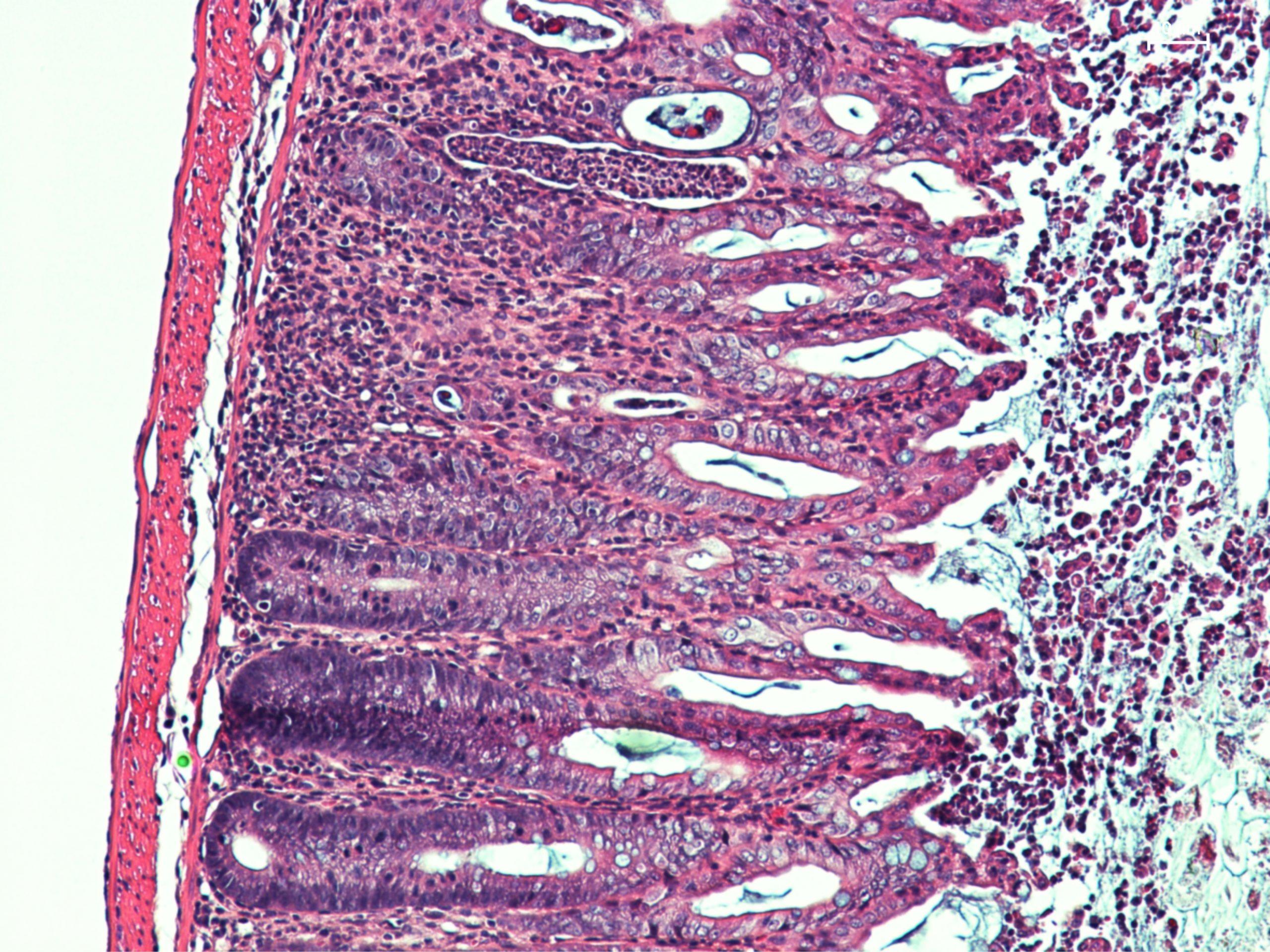
This microscopic image of a section of mouse intestine shows significant lesions, inflammatory signs and dysfunctional healing of the intestinal mucosa. © Sonnenberg Lab

Inflammations of the intestine affect many patients, often with reduced therapeutic prospects. The role of iron in these inflammatory processes is increasingly well documented, opening up new avenues of treatment. A collaborative study between the team led by Inserm research director Carole Peyssonnaux at Institut Cochin (Inserm/CNRS/Université de Paris) and Greg Sonnenberg’s team in New York (Weill Cornell Medicine) shows that the hormone that regulates iron levels in the body is produced by immune cells during inflammation of the intestine, and that it helps repair damage to the intestinal mucosa. This research has been published in Science.

Infections, inflammatory bowel disease (IBD) such as Crohn’s disease, and colorectal cancer are associated with inflammation of the intestine. In patients, the intestinal mucosa may then be damaged, with bleeding and impaired distribution of iron in the body often being observed.

For several years, Inserm research director Carole Peyssonnaux and her team at Institut Cochin (Inserm/CNRS/Université de Paris) have been interested in the role of hepcidin in disease settings. This hormone regulates iron metabolism in the body and is mainly produced by the liver. However, the researchers had already shown that in the case of certain pathologies, hepcidin is also secreted in other tissues.

Their new study, carried out in collaboration with Gregory F. Sonnenberg’s team from Cornell University in the United States and published in April 2020 in the journal Science, shows that in a context of intestinal inflammation, hepcidin is also expressed by specific immune cells, the dendritic cells of the intestine.

New therapeutic avenues

The scientists first studied the intestinal healing process in several groups of mice, all with inflammation of the intestine. For one of these groups of mice, the gene coding for hepcidin was not expressed. Compared to the other groups of mice in which this gene functioned normally, this resulted in greater continuous weight loss, but also in less effective healing of the intestinal mucosa.

The researchers have confirmed that hepcidin plays an important role in the healing of intestinal lesions. However, they still wondered whether it was the hepcidin normally secreted by the liver that had this beneficial effect or whether, in this disease setting, this iron-regulating hormone was produced in other organs.

Using mouse models in which the gene coding for hepcidin was only deficient in the liver, the researchers were able to show, surprisingly, that the healing process was independent of hepatic hepcidin production. Following intestinal injury and in a context of inflammation, the local dendritic cells of the intestine were the dominant source of production of this hormone.

The research also emphasizes that hepcidin interacts with a key iron transporter called ferroportin, which is present on other immune cells in the intestine (macrophages), thereby promoting iron sequestration and preventing the proliferation of iron-dependent bacteria in intestinal lesions. This process helps to limit the severity of the inflammation.

To determine whether this phenomenon also occurs in humans, the researchers looked at samples taken from pediatric IBD patients. They confirmed that the dendritic cells in the human intestine also produce hepcidin in response to injury. This pathway may therefore be clinically important for people with IBD. “Our study suggests that hepcidin may have a protective role because if the gene that codes for this hormone is deleted, the severity of the disease is greater. The use of hepcidin mimetic treatments could therefore have a therapeutic role in promoting iron sequestration, reducing its availability to bacteria that proliferate in the intestine and promoting the healing of lesions,” concludes Peyssonnaux.

Repetitive negative thinking linked to dementia risk

Persistently engaging in negative thinking patterns may raise the risk of Alzheimer’s disease, finds a new UCL-led study.

In the study of people aged over 55, published in Alzheimer’s & Dementia, researchers found ‘repetitive negative thinking’ (RNT) is linked to subsequent cognitive decline as well as the deposition of harmful brain proteins linked to Alzheimer’s.

The researchers say RNT should now be further investigated as a potential risk factor for dementia, and psychological tools, such as mindfulness or mediation, should be studied to see if these could reduce dementia risk.

Lead author Dr Natalie Marchant (UCL Psychiatry) said: “Depression and anxiety in mid-life and old age are already known to be risk factors for dementia. Here, we found that certain thinking patterns implicated in depression and anxiety could be an underlying reason why people with those disorders are more likely to develop dementia.

“We hope that our findings could be used to develop strategies to lower people’s risk of dementia by helping them to reduce their negative thinking patterns.”

For the Alzheimer’s Society-supported study, the research team from UCL, INSERM and McGill University studied 292 people over the age of 55 who were part of the PREVENT-AD cohort study, and a further 68 people from the IMAP+ cohort.

Over a period of two years, the study participants responded to questions about how they typically think about negative experiences, focusing on RNT patterns like rumination about the past and worry about the future. The participants also completed measures of depression and anxiety symptoms.

Their cognitive function was assessed, measuring memory, attention, spatial cognition, and language. Some (113) of the participants also underwent PET brain scans, measuring deposits of tau and amyloid, two proteins which cause the most common type of dementia, Alzheimer’s disease, when they build up in the brain.

The researchers found that people who exhibited higher RNT patterns experienced more cognitive decline over a four-year period, and declines in memory (which is among the earlier signs of Alzheimer’s disease), and they were more likely to have amyloid and tau deposits in their brain.

Depression and anxiety were associated with subsequent cognitive decline but not with either amyloid or tau deposition, suggesting that RNT could be the main reason why depression and anxiety contribute to Alzheimer’s disease risk.

“We propose that repetitive negative thinking may be a new risk factor for dementia as it could contribute to dementia in a unique way,” said Dr Marchant.

The researchers suggest that RNT may contribute to Alzheimer’s risk via its impact on indicators of stress such as high blood pressure, as other studies have found that physiological stress can contribute to amyloid and tau deposition.

Co-author Dr Gael Chételat (INSERM and Université de Caen-Normandie) commented: “Our thoughts can have a biological impact on our physical health, which might be positive or negative. Mental training practices such as meditation might help promoting positive- while down-regulating negative-associated mental schemes.

“Looking after your mental health is important, and it should be a major public health priority, as it’s not only important for people’s health and well-being in the short term, but it could also impact your eventual risk of dementia.”

The researchers hope to find out if reducing RNT, possibly through mindfulness training or targeted talk therapy, could in turn reduce the risk of dementia. Dr Marchant and Dr Chételat and other European researchers are currently working on a large project to see if interventions such as meditation may help reduce dementia risk by supporting mental health in old age.*

Dr Marchant concluded: “Taken alongside other studies, which link depression and anxiety with dementia risk, we expect that chronic negative thinking patterns over a long period of time could increase the risk of dementia. We do not think the evidence suggests that short-term setbacks would increase one’s risk of dementia.”


* silversantestudy.eu

Eliminating Senescent Cells Is Not the Answer to a Long and Healthy Life

Senescent cells. © Inserm/Lemaitre, Jean Marc/U661

Until now considered highly promising in the fight against aging, the therapeutic strategy of eliminating the senescent cells that accumulate in the body is being challenged by the team of Dmitry Bulavin, Inserm researcher at the Institute for Research on Cancer and Aging of Nice (Inserm/CNRS/Université Côte d’Azur). Their research using mice has shown that in the liver the first senescent cells appear in a population of hepatic cells that play a major role in detoxifying the body. When they studied the elimination of these senescent cells, the researchers saw that the effect on liver function deterioration was worse than that of aging. Their findings,published in Cell Metabolism, provide new avenues for ensuring longer life expectancy in good health.

Aging is associated with the deterioration of many functions of the body and the onset of age-related diseases. Eyesight, hearing, muscle, heart and kidney function decline and the risks of cancer, cardiovascular disease and dementia steadily increase.

Also observed is the accumulation of so-called “senescent” cells in the tissues. While unable to divide due to having lost their function, these cells can induce inflammation and the production of oxidized residues that are toxic to the body. Removing these senescent cells from the body to reduce inflammation and restore tissue and organ function is seen as an interesting therapeutic strategy. Medicines whose mode of action is based on eliminating the survival factors of senescent cells (thus leading to their death) are even in development.

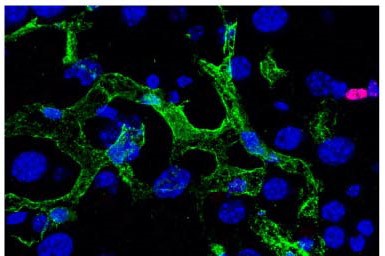
Senescent cells in the liver appear in green on the image. ©Dmitry Bulavin

However, before continuing with the development of these therapeutic strategies, Dmitry Bulavin, Inserm researcher at the Institute for Research on Cancer and Aging of Nice (IRCAN, Inserm/CNRS/Université Côte d’Azur) and his team consider that it is first necessary to gain a deeper understanding of the emergence of these cells, their impacts on the body, and to study whether eliminating them would not have any unexpected harmful effects.

To do this, the researchers developed genetically-modified mouse models in order to track in vivo the appearance and localization of senescent cells over time, by monitoring the expression of gene p16 – a senescence marker common to all cell types.

Some of the models studied were also able to spontaneously eliminate their cells that strongly express p16.

Fibrosis instead of senescence

The researchers observed that the first senescent cells appeared primarily and in large quantities in the liver and more particularly in the sinusoidal endothelial cells found on its surface. These cells play a major role in detoxifying the body, enabling the passage of molecular “waste” from the blood to the liver where it is broken down and then eliminated. “To begin with, senescence has no impact on the filtering activity, which continues to function correctly. But over time, this function decreases and toxic residues inducing oxidative stress start to build up in the body. This early-onset mechanism could be a trigger for aging and the onset of age-related diseases. So we focused on this tissue to study the impact of the spontaneous elimination of senescent cells in our animal model”, explains Bulavin.

The team observed that the mice that underwent elimination of their senescent liver cells generally did not do as well as the others.

Not only did they present a blood platelet problem predictive of early mortality, but also hepatic fibrosis (scar tissue in the liver) that appeared with the destruction of the senescent cells. “This repair mechanism is harmful to tissues with the effect on their deterioration being more rapid than the gradual appearance of senescent cells”, explains Bulavin, who considers that the solution therefore does not lie in eliminating all of the senescent cells. “Instead, we must find ways of delaying the effect of senescence. Previous research has shown that senescence is characterized by epigenetic marks, chemical modifications that alter the functioning of DNA, but not its sequence. They prevent the expression of numerous genes. With my team, we will now explore a promising avenue that involves reprogramming the senescent cells to make them lose their senescence and make them functional again”, he concludes.

fermer