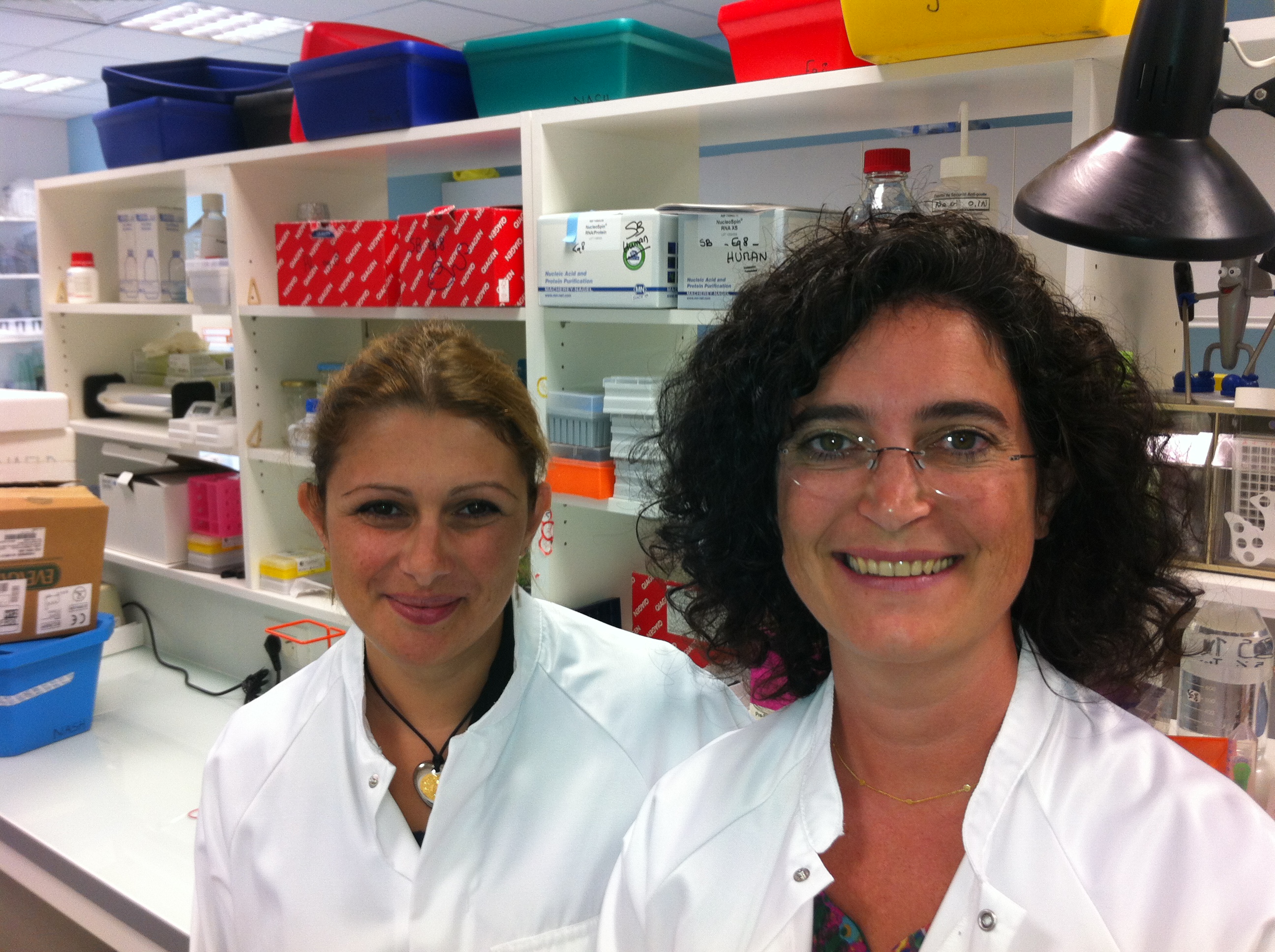
Researchers at Inserm, led by Claude Gronfier (Inserm Unit 846: Stem Cell and Brain Institute), have, for the first time, conducted a study under real conditions on the body clocks of members of the international polar research station Concordia. The researchers have shown that a particular kind of artificial light is capable of ensuring that their biological rhythms are correctly synchronised despite the absence of sunlight.
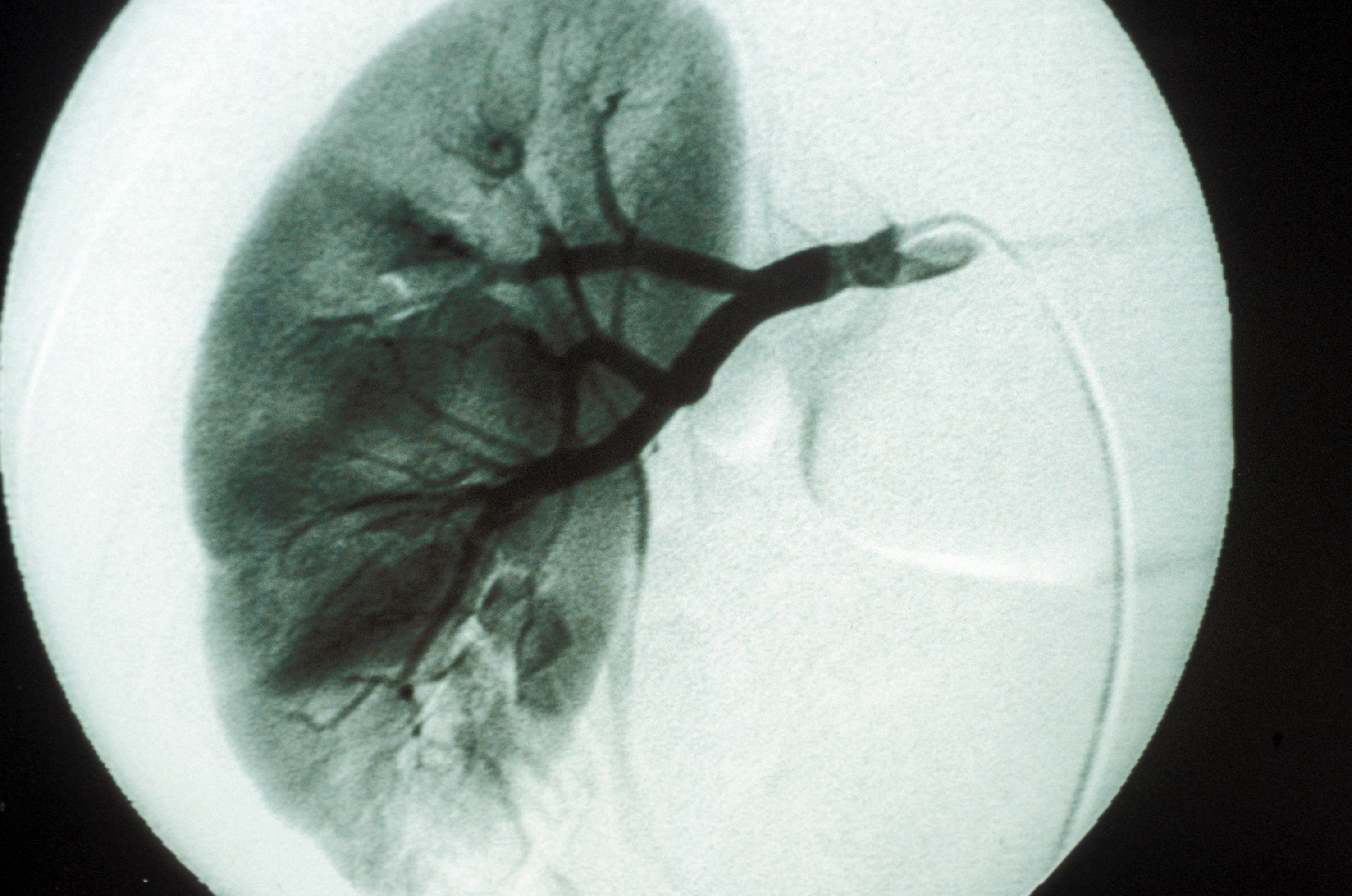
By combining fundamental research and monitoring a single cohort of kidney-transplant patients with antiphospholipid syndrome, the researchers have highlighted a beneficial effect of sirolimus, commonly used as an immunosuppressor in organ transplants, to prevent recurrence of vascular lesions on the transplanted kidney.
Adrenocortical carcinoma (also known as adrenal cortex cancer or ACC), is a generally aggressive tumour, with a mean survival rate of less than five years for those affected. Apart from metastasis, it exposes the patients to manifestations such as high blood pressure, diabetes, decreased potassium level, infections, etc. There is, however, some patient-dependent variation in tumour development. The team led by Prof. Bertherat at the Cochin Institute (Inserm –...
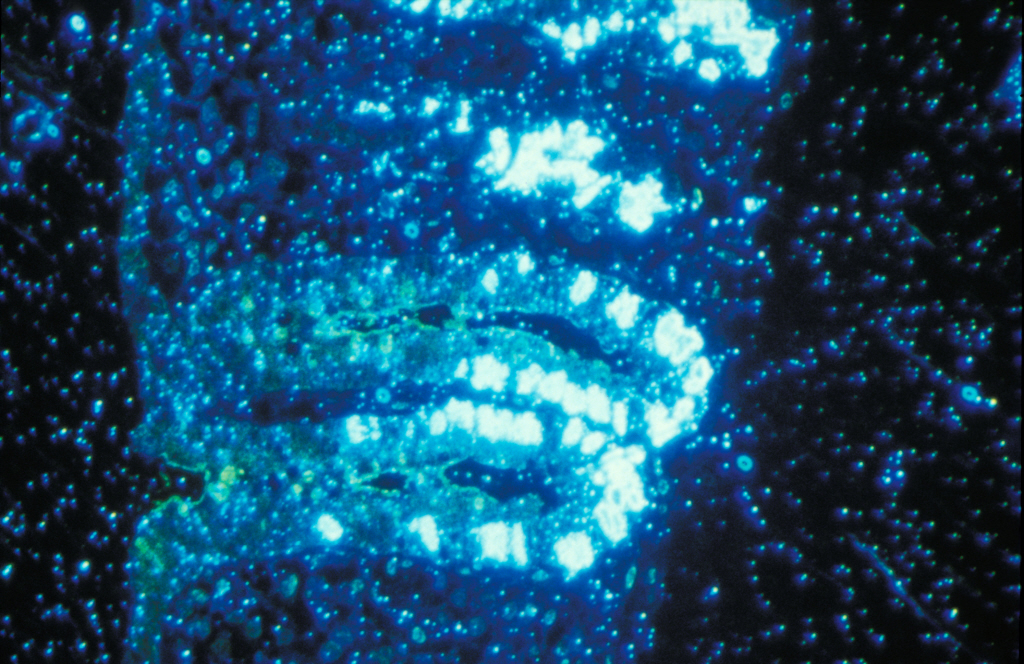
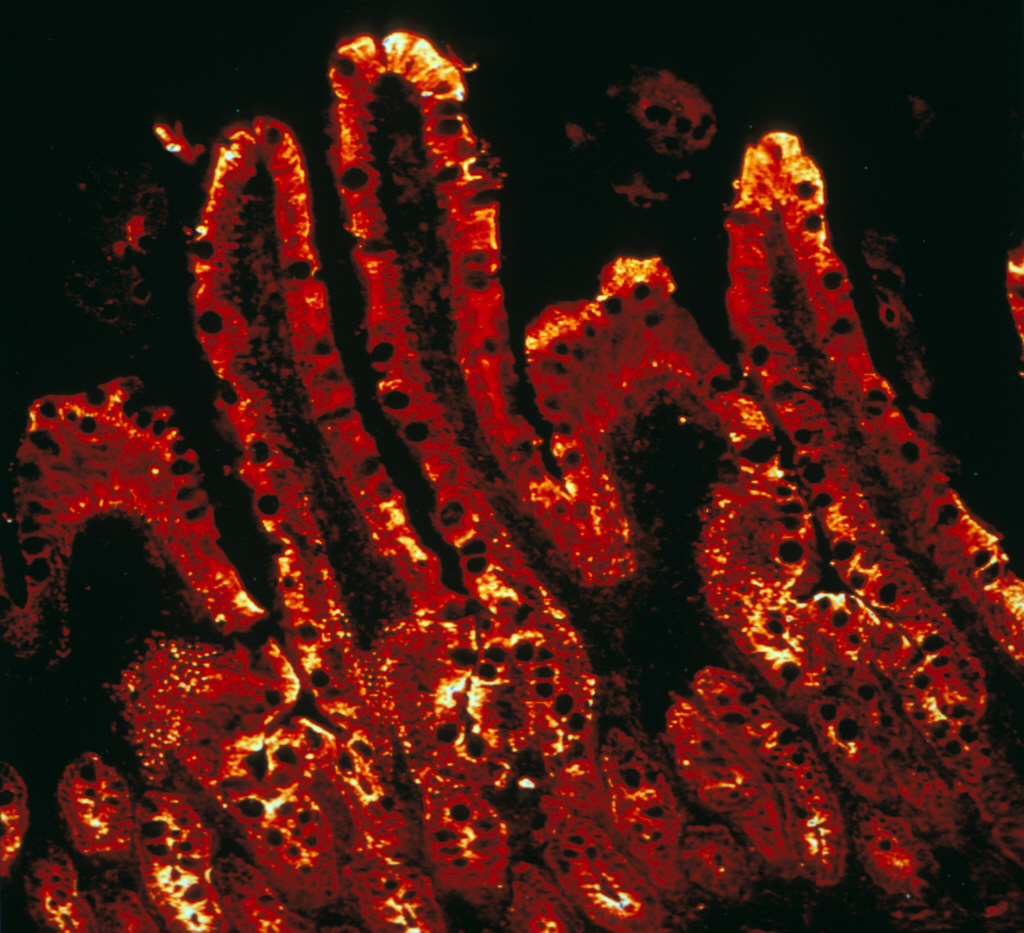
Scientists from INRA and INSERM (France) have shown that Elafin, a human protein, plays a key role against the inflammatory reaction typical of celiac disease (gluten intolerance).
European cutting-edge research will be attended at the annual meeting of the American Association for the Advancement of Science (AAAS) in Chicago.
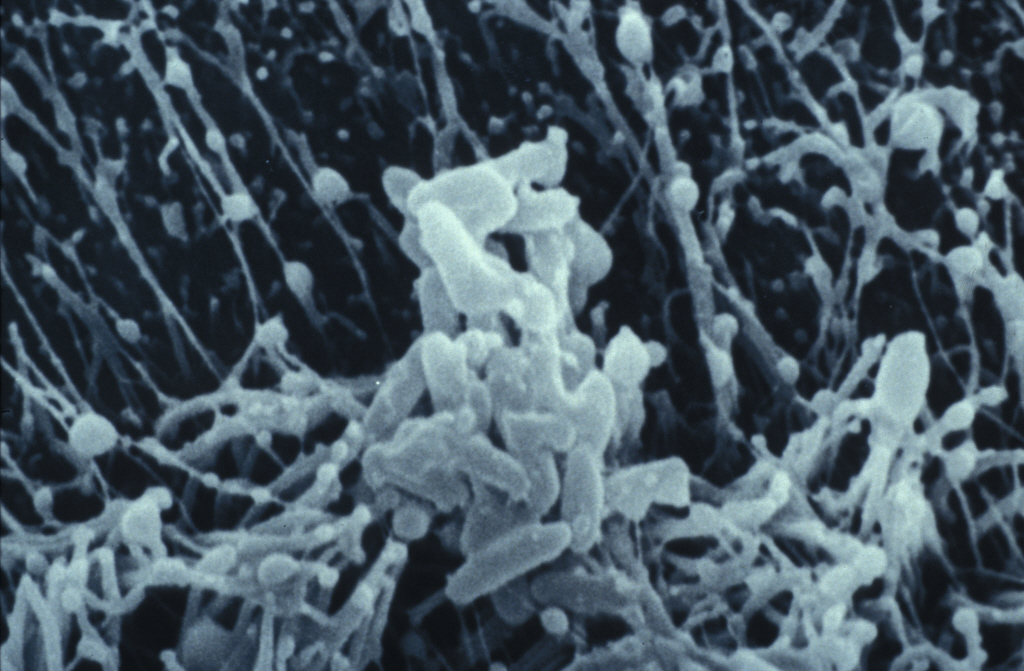
French-Swedish team including researchers from CNRS, Inserm and the Université Claude Bernard Lyon 1 (Unité Inserm 855 “Nutrition et Cerveau”) has succeeded in elucidating this mechanism, which involves the intestinal flora and the ability of the intestine to produce glucose between meals.
Professor André Syrota, Inserm Chief Executive, and Professor Peretz Lavie, President of Technion, will sign the agreement to create a new Associated International Laboratory (AIL) on 17 December 2013. This artificial 'electronic nose' project brings together Inserm Unit 999 'Pulmonary Hypertension' and the Russell Berrie Nanotechnology Institute Chemical Engineering department, directed by Professor Hossam Haick.
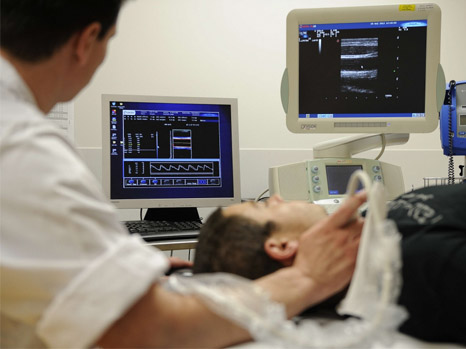
A new strategy for emergency anticoagulant treatment for patients with acute myocardial infarction has been put in place by a team led by Philippe-Gabriel Steg at Inserm Unit 698 (Haemostasis, Bioengineering, Immunopathology and Cardiovascular Remodelling), at Hôpital Bichat, AP-HP, Université Paris Diderot).
Despite their efforts, many morbidly obese people continue to consume too much food (hyperphagia) compared to their reserves and their needs. And yet, the hunger hormone, called ghrelin, is most frequently found at a normal or even lower level in these patients. The Inserm Unit 1073 team "Nutrition, inflammation and dysfunction of the gut-brain axis" (Inserm/University of Rouen) has just explained this mechanism causing this paradoxical hyperphagia. Certain antibodies...
Inserm researcher Elvire Gouze, and her associates from the Mediterranean Centre for Molecular Medicine in Nice (Inserm Unit 106), have succeeded in restoring bone growth in mice suffering from this developmental pathology.
By means of virtual screening and experiments on mice and human cells in culture, the scientists were able to screen 200,000 compounds and selected two that allowed the causal mutated protein in cystic fibrosis to express itself and fulfill its function.