Menu

Why do the different people’s bodies react differently to a high-fat diet?

A diet rich in greasy foods causes an imbalance in our gut flora. The composition of the gut flora seems to determine the way in which the body develops certain metabolic disorders such as diabetes, regardless of any genetic modification, gender, age or specific diet. This has recently been demonstrated by Rémy Burcelin and Matteo Serino, researchers from the Inserm unit 1048 “Institute of Metabolic and cardiovascular diseases (I2MC)”. It is believed that nutritional additives such as gluco-oligosaccharides and dietary fibers that target the gut microbiota could prevent the development of metabolic disorders. These results have been published in the review Gut of April 2012

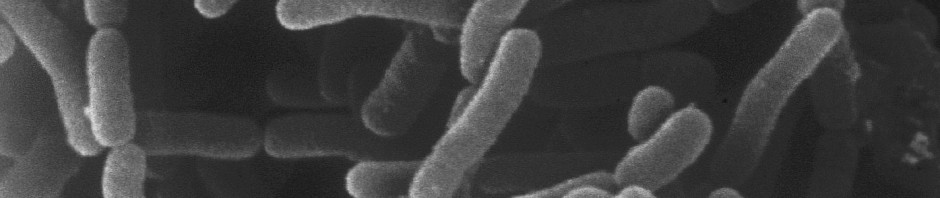
Gut flora, otherwise knows as gut microbiota, are the bacteria that live in our digestive tract. There are roughly one thousand different species of bacteria, that are nourished partly by what we eat. Each person has their own specific gut flora and metabolism and these differ according to our dietary habits. Previous studies in mice have shown that a high-fat diet is capable of causing an imbalance in the gut flora, thus causing metabolic diseases such as diabetes or obesity.

Rémy Burcelin’s research team (Inserm unit 1048, Université Toulouse III – Paul Sabatier) spent three months studying how a fatty (1) diet affected the gut flora of male mice of the same age, all with the same genetic background. Most of the mice developed diabetes while remaining thin, whereas some remained thin but did not develop diabetes. Why is this so?

In order to confirm the theory that gut flora affects the way in which our body reacts to a high-fat diet, the research team looked at the microbial profile of different types of mice (thin and diabetic and thin and non-diabetic, which indicates two phenotypes). They showed that there was a difference in the quantities of gut bacteria between diabetic and non-diabetic mice. The thin but diabetic mice presented a flora composed mainly of “bacteroidetes” type bacteria, unlike the thin and non-diabetic mice that presented a flora composed mainly of “firmicutes“ type bacteria.

So is gut flora the cause or the result of metabolic disorders? To find the answer to this question, Rémy Burcelin’s team directly modified the gut flora of a group of mice by adding dietary fibers and gluco-oligosaccharides to their high-fat diet. “By adding these fibers, we modulated most of the physiological characteristics. The metabolism of the mice that we treated with these fibers was similar to that of the thin, non-diabetic mice. But the gut flora of the mice treated with fibers changed greatly compared to that of the other phenotypes observed”, says Matteo Serino.

This project was partly sponsored by the “Florinflam” research program financed by the National Research Agency (ANR) and the FLORINASH research program financed by the EU 7th Framework Programme (FP7). The FLORINASH project (Prevention and treatment of non-alcoholic fatty liver disease) was coordinated by Inserm under the auspices of Rémy Burcelin, Inserm research director, and was contributed to by 6 partners from 4 European countries.


Biological time-keeper linked to diabetes

Sleeping disorders have been known for some years to increase the risk of diabetes. A French-British team coordinated by Philippe Froguel from the Genomics and Metabolic Diseases Laboratory (CNRS/Université Lille 2/Institut Pasteur, Lille, EGID Research Federation) (1) working with Ralf Jockers’ team (Institut Cochin, CNRS/Inserm/Université Paris Descartes, Paris),) has just linked a gene that plays a key role in synchronising biological rhythms to type 2 diabetes. Researchers in Lille and Paris demonstrated that mutations in the melatonin receptor gene (melatonin or the “hormone of darkness” induces sleep) lead to an almost sevenfold increase in the risk of developing diabetes. This research, which was published in Nature Genetics on 29 January 2012, could contributed to the development of new drugs for the treatment or prevention of this metabolic disease.

Type 2 diabetes is characterised by excess blood glucose and increased resistance to insulin. It is the most common form of the disease and affects 300 million people in the world, including 3 million in France. This figure should double in the next few years, driven by the obesity epidemic and the disappearance of ancestral lifestyles. It is known that genetic factors, combined with a high-fat, high-sugar diet and lack of exercise, can also contribute to the onset of the disease. Furthermore, several studies have shown that sleeping disorders that affect the duration and quality of sleep are also high risk factors. Shift workers, for example, are at greater risk of developing the disease. No previous research has described any mechanism linking the biological clock to diabetes.

The researchers focused their attention on the receptor of a hormone called melatonin, which is produced by the pineal gland (2) as light fades. Melatonin, also known as the hormone of darkness, can be seen as a biological “time-keeper”, synchronising biological rhythms with nightfall. The teams sequenced the MT2 gene, which encodes its receptor, in 7600 diabetics and persons with normal glycaemia. They found 40 rare mutations that modify the protein structure of the melatonin receptor, 14 of which made the receptor in question non-functional. The team went on to demonstrate that the risk of developing diabetes is nearly seven times higher in people affected by such mutations, which make them melatonin-insensitive.

It is known that the production of insulin, the hormone responsible for controlling blood glucose levels, drops at night to prevent any risk of hypoglycaemia. Insulin production starts up again, however, to avoid excess blood glucose during the day, which is when most people eat.

This study could lead to new drugs aimed at preventing or treating diabetes. Researchers could, for example, adjust MT2 receptor activity to control the metabolic pathways associated with it (3). The work also highlights the importance of genome sequencing as a means of personalising treatment for diabetic patients. There are many genetic causes for diabetes and the therapeutic approach needs to be adapted to the metabolic pathways concerned by each patient’s particular disorder.

Footnotes:

(1) Research conducted in collaboration with Imperial College London and the Sanger Institute in Cambridge.

(2) A small endocrine gland, part of the epithalamus in the vertebrate brain.

(3) Drugs that mimic melatonin already exist . They are used to treat jet lag and seasonal depression due to the fewer daylight hours in winter.

Obesity: Does our second brain work too well?

Scientists from Inserm have just demonstrated how a high fat and sugar diet prevents the natural destruction of neurons from the enteric nervous system in mice. It seems that, by slowing down natural ageing of the “second brain”, this particular diet contributes to the development of obesity. This is the surprising conclusion of a joint French/German research project coordinated by Michel Neunlist, Director of Research at Inserm, and Raphaël Moriez from Inserm unit 913 in Nantes, in their paper “Neuropathies of the enteric nervous system and digestive pathologies: involvement of enteric glial cells”. The result is that these neutrons over-proliferate, overwork and make for accelerated gastric emptying. This effect could contribute to the development of obesity by reducing the satiety signals and so increasing the food intake. These works are published in The Journal of Physiology.

© Inserm

In addition to our brain that controls all our physiological functions, we also possess a second brain that regulates the digestive functions. This other brain, known as the enteric nervous system (ENS), runs the length of the digestive tube. It is made up of over 100 million neurons, which makes the digestive tube the second most important neurological organ in our body. The ENS plays a central part in controlling numerous functions, ranging from regulating digestive motility (gastric emptying, colic transit), through intestinal barrier functions that protect from external pathogenic agents, to the absorption of nutrients.

Researchers have been finding out about the key role of the ENS over recent years. It plays a major part in numerous pathologies, not only digestive (functional digestive disorders, chronic intestinal inflammatory disorders), but also extra-intestinal, such as Parkinson’s disease. Surprisingly, despite that fact that obesity is an increasing problem that is posing a stiff challenge to Public Health, very little is known about the involvement of the ENS in this pathology. All the more surprising because the ENS also plays a part in controlling the key functions that help absorb nutrients and regulate the intake of food.

In order to find out more details on this subject, the researchers (1) studied the impact of a high fat and sugar diet on the ENS and its effect on gastric emptying and intestinal transit.

It appears that, by preventing maturation of the second brain, a high fat and sugar diet contributes to the development of obesity.

These works unexpectedly showed up that when this diet is administered to young mice, it inhibited the loss of neurons that is normally observed in the reference population over time.

“We think that by inhibiting the natural development of the enteric nervous system over time, a high fat and sugar diet prevents the digestive tube from adapting to an adult diet by maintaining the young phenotype corresponding to a phase of life where the food intake is at its maximum”, says Raphaël Moriez

On a functional level, the neuroprotection induced by the hypercalorific diet eventually modifies the gastric functions. So in animals that are given a high fat and sugar diet, gastric emptying takes place too fast compared to the reference population, and could be directly related to the development of obesity by decreasing the satiety signals and increasing the food intake. This same phenomenon of accelerated gastric emptying has been observed in obsess patients.

From a physiological point of view, this “neuroprotective effect is associated to an increase in the gastric production of a neuroprotective factor, GDNF, itself induced by leptin, a hormone that is now well know for its role in regulating the feeling of satiety in human beings.

These works have highlighted the ability of nutrients to modulate the operation of the second brain and the part played by this brain in developing obesity, in particular in the young. We believe that we will eventually be able to prevent neurodegenerative disorders or even central nervous system disorders using nutritional approaches.

Footnote

(1) From Inserm unit U913 of the University of Nantes working with German researchers (University of Munich) and from the Inserm UMR U773

Un retour prometteur pour la thalidomide

thalidomide-fig-1 Vaisseaux sanguins

La pollution urbaine altère la fonction cardiaque : premiers résultats chez le rat sain

inserm_3727-fibres-myocardiques

Découverte d’une nouvelle cible d’intérêt thérapeutique dans l’hypertension artérielle

cp_loirand_290110 Angiotensine

fermer