Menu

Inserm receives an honorable mention for the ‘Digital PR Award’ in the ‘Online Newsroom’ category for its press room

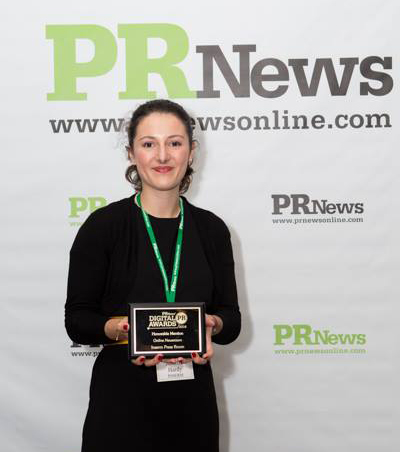
At a ceremony in New York, held on 10 October 2014, Inserm received one the four honorable mentions of the ‘Digital PR award’ for its bilingual online press room, presse.inserm.fr, in the best ‘Online Newsroom’ category.


PR News’ Digital PR Awards is the industry’s top honor in the PR and communications digital space, recognizing outstanding digital initiatives among corporations, agencies and nonprofits. The winners of the Digital PR Awards are those organizations that took risks, made tremendous strides and understand the power of digital communications in public relations.
jh prix pr award

Juliette Hardy, Inserm press officer, attended the ceremony of the Digital PR Awards © Susan


The Inserm press room, launched by the press service in collaboration with Newround professionals at the beginning of 2013, was created to give journalists easier access to the results of work conducted by Inserm’s researchers. This digital initiative was set up to meet their needs for information and is adapted to changing practices in an environment where social media, in particular, are being continuously developed. The press room is viewed by an average 21,500 users per month (single visitors), in France and abroad, which is raising Inserm’s international profile.

The Inserm press service, part of Inserm’s Scientific Information and Communication Department (DISC), is honoured to see this honorable mention awarded to a French public institution. This contributes to rewarding the efforts made by Inserm to fulfil its role of bringing scientific information to a wide audience, particularly through the media.

About Inserm:

Created in 1964, the national institute for health and medical research (Inserm) is a public scientific and technological establishment, overseen jointly by the Ministry for Higher Education and Research and the Ministry of Health. The researchers aim to study all diseases, from the commonest to the rarest, through their work in biological and medical or population health research. Inserm is celebrating its 50th anniversary in 2014.

For further information

On PR News
On the PR Digital Award
Inserm is celebrating its 50th anniversary: Key events for the remainder of this year

To mark its 50th anniversary, Inserm is meeting the public and organising many events all over France. An opportunity to better understand the current issues in research with the help of the Institute’s staff, partners and supervisory bodies.


Key events for the remainder of this year:

The next free Citizen Conferences, “Santé en Questions” (Questions in Health), organised by Inserm and Universcience, will take place at 7:00-8:30 pm on 25 September, 16 October and 27 November, at the Cité des Sciences et de l’Industrie, Paris, as a simultaneous event with regional players involved in scientific and technological culture. The respective themes are “Mental health: new approaches,” “Pollution and endocrine disruptors: what are the risks?” and “HIV: what are the medical advances in France?”
For further information on the conference programmes, please visit the Inserm blog “Santé en Questions” and the Cité des Sciences et de l’Industrie website.

Since July, the Science Tour, an educational road show, has been touring France to meet the general public and students. It features educational and fun elements (an interactive exhibition, experiments, games, models, investigations and films).
For further information on the programme, and to find out when it is coming to your area, visit the Science Tour website.

Following on the success of the first two “Les Chercheurs Accueillent les Malades” (Researchers Welcoming Patients) days, Inserm is once again opening up its laboratories to patients and their families in order to encourage dialogue, discussion and questions. On Friday 3 October, on the theme of Nutrition and Metabolism, more than 80 researchers from Inserm, together with 9 partner patient associations, will welcome people affected by diabetes, obesity, haemochromatosis, lipodystrophies, chronic intestinal diseases and breast cancer. On Friday 28 November, the subject will be neurological and degenerative diseases. Researchers from Inserm, in partnership with 10 patient associations, will open up 30 laboratories to talk about advances in research and challenges involved in their work.
Information and registration on the CAM website.

The ceremony to award the Inserm prizes for medical research will take place on Tuesday 2 December at Collège de France. To conclude this 50th anniversary year, 8 prizes will be presented to women and men involved daily in building the scientific excellence of the Institute.

See the complete press file devoted to Inserm’s first 50 years at the Inserm press office

Alim Louis Benabid receives the 2014 Lasker Award

The 2014 Lasker Award has just been won by Alim Louis Benabid, Director of Inserm Unit 318 “Preclinical Neurosciences” from 1988 to 2006, and winner of the 2008 Inserm Prix d’Honneur for his work on deep brain stimulation for the treatment of Parkinson’s disease.

Since 1945, the Lasker Award has distinguished the most brilliant researchers who have contributed to major advances in the diagnosis, treatment and prevention of human disease. In the international community, it is widely considered a precursor to the Nobel Prize. Prof. Benabid is the 8th French person to receive this prize.

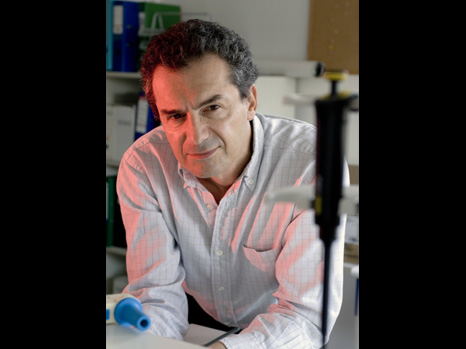
Prix d'Honneur Inserm 2008 : Alim-Louis Benabid

© Inserm/Latron, Patrice

Born on 2 May 1942 in la Tronche, near Grenoble, Alim Louis Benabid spent his childhood in Sétif in Algeria. He returned to France to attend secondary school in Grenoble, and received his higher education in medical and science faculties in Paris.
Following his hospital residency, Doctor of Medicine (1970), Doctor of Science in Physics (1978) and a period as Professor of Biophysics at Université Joseph-Fourier in Grenoble, he directed the Inserm Unit 318 “Preclinical Neurosciences” from 1988 to 2006.

Alim-Louis Benabid focused his research on several brain pathologies, especially tumours and abnormal movements, and developed the surgical technique known as stereotactic (or stereotaxic) surgery, which makes it possible to target certain areas of the brain with a high degree of accuracy. He extended its applications to the treatment of patients with drug-resistant Parkinson’s disease and the treatment of other brain disorders.

From 1987 to 1991, Alim-Louis Benabid and his team developed a technique that involves implanting electrodes directly into the brains of patients with Parkinson’s disease in order to apply high-frequency electrical stimulation. They were thus able to eliminate the motor symptoms (tremor, akinesia, rigidity) of the disease. This intervention shows remarkable efficacy, with very low morbidity, and allows a reduction in drug-based treatments. It presently constitutes the most effective surgical treatment for Parkinson’s disease, and also provides basic data of considerable theoretical value.

Alim-Louis Benabid has also extended the indications for deep electrical stimulation to other pathologies, namely dystonia, refractory epilepsy, and obsessive compulsive disorder.

The introduction of electrodes into the brain, a technology developed under his direction, was greeted as a major discovery by the international scientific community.

Alim-Louis Benabid has subsequently focused his efforts on understanding the mechanisms of action of high-frequency deep brain stimulation and demonstrating its potential long-term effects, including its neuroprotective effects, on the natural course of Parkinson’s disease. He is also eager to identify in detail the effective targets and neuronal networks involved in this intervention.

Yves Lévy, Chairman and CEO of Inserm, wishes to convey his warmest congratulations to Alim Louis Benabid: “This prestigious award is a fitting tribute to his brilliant work on Parkinson’s disease, which has significantly improved the everyday lives of patients. The awarding of this internationally recognised prize confirms the excellence of French biomedical research. It also emphasises the importance of carrying out basic research and high-level clinical research in parallel.”

A scientific advisor for the French Atomic Energy Commission (CEA) since 2007, today he combines his research in this area with research carried out in the field of nanotechnology for the CLINATEC project. Developed by the leaders of technological research at CEA, in partnership with Grenoble University Hospital, Inserm and the Université Joseph Fourier in Grenoble, this biomedical research laboratory, devoted to the health-related applications of micro-nanotechnologies, is responding to a major public health challenge: developing new therapeutic approaches for brain diseases.

Read and view the profile of Alim Louis Benabid, winner of the 2008 Inserm Prix d’Honneur :

The Inserm Ethics Committee publishes two notes on embryo research and gender research

At their first big annual meeting, which took place on Tuesday 17 June this year at the Auditorium of Georges Pompidou European Hospital, several working groups from the Inserm Ethics Committee, including the “Embryo and Development” and “Gender and Health Research” groups, delivered their opinions in the form of notes.

These constitute an interim report with recommendations for practical measures that can be taken at Inserm to develop embryo research under the best ethical conditions, and make scientists aware of the impact of gender on health research.

ethique-CP

©Inserm/ E. Valjent

The Inserm Ethics Committee, all members of which were reappointed last year, has the role of creating dialogue between the world of medical research and society. It currently comprises seven working groups addressing different themes. These groups may be requested to reflect on ethical questions, or may do so on their own initiative.

Synopsis of the note from the “Embryo and Development” group

This group is interested in research that involves obtaining germ cells and gametes from stem cells, cognitive embryo research, and embryo research likely to improve infertility treatment and the outcomes of medically assisted reproduction.

The working group concludes its reflection by giving indications that might be considered in order to advance embryo research:

  • Facilitate and promote embryo research, by developing information for the public and for decision-makers, by identifying this research theme more clearly among those likely to be funded by public bodies, and by more rational organisation of the collection, storage and distribution of frozen embryos intended for research in dedicated “embryo bank” type structures.
  • Review the regulation of this research, which must remain equally strict, but which should be more appropriate, more consistent and more straightforward.
  • Tailor consent procedures to the type of embryo donated to research and to the time at which this donation becomes effective. This revocable consent might be given for one (or several) categories of research instead of for a specific project.
  • Draw up guidelines or recommendations with researchers and practitioners in medically assisted reproduction whenever necessary, such as criteria for freezing embryos or procedures for destroying them, for example. These guidelines and recommendations should be revised regularly and simply in line with technological advances and developments.

Read the entire content of the note on the Ethics Committee website in French

Synopsis of the note from the “Gender and Medical Research” group

The “Gender and Medical Research” group was established to raise awareness among Inserm’s researchers of male/female equality. It also aims at being heard beyond Inserm’s laboratories, by participating in public debates that are accessible to all—patients, physicians and those involved in health research.

Sex-based differences in the area of public health have been well documented in epidemiological surveys. However, it must be acknowledged that studies aimed at understanding such differences from a gender perspective remain rare in France, in contrast to Anglo-American and other European countries.

The gender dimension is also often neglected in biomedical research. There are few studies that reflect on the contribution of social factors to differences between the sexes in terms of physiology and pathology.

The group proposes the following courses of action:

  • Survey those research projects carried out at Inserm that have a gender dimension, in collaboration with the human and social sciences laboratories.
  • Organise educational workshops on the concept of gender and the interaction between gender and health, with the following aims:

– Making researchers aware of the fact that biology should not mask the role played by social constructs in health behaviours.

– Questioning clinical procedures for management, treatment, screening and follow-up through the gender prism.

– Developing new methodological approaches for research with the inclusion of gender as factor in understanding the normal and pathological.

– Areas of research touched on will include reproductive health, endocrinology, cardiology, neuroscience, etc., and the implications for public health.

  • Draw up recommendations for Ethical Research Committees (CPP in French) and Regional Spaces for Ethical Reflection (ERRE in French) to introduce the question of gender in the examination of clinical research protocols in accordance with recent European regulations.

Read the entire content of the note on the Ethics Committee website in French

For Hervé Chneiweiss, Chairman of the Inserm Ethics Committee, this first big meeting: “is not only a time to report on our first year’s work; it is also a time for engaging in dialogue with our colleagues and the wider public, listening to their criticisms, and hearing their questions, all of which will contribute to our work in the coming year.”

Yves Lévy, new Chairman and Chief Executive Officer of Inserm

Yves Lévy has just been appointed by the Council of Ministers as Chairman and Chief Executive Officer of the French National Institute of Health and Medical Research (Inserm).


Professor Yves Lévy is a specialist in immunology, a physician who is also a researcher and academic. His research activity is directed at understanding the development of the immune system and its pathology. He has also coordinated and developed some twenty national and international clinical trials of immunotherapies and vaccines for HIV infection, certain immunodeficiencies and infectious diseases. His scientific career has always combined basic and clinical research.

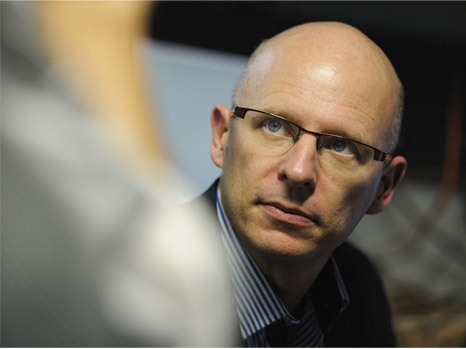
Yves-Levy©Inserm/F Guenet

Since 1985 he has worked successively in several Inserm research units. Since 1999, he has been Director of the team “Lymphoid Development under Normal Conditions and Under HIV Infection” in Inserm Unit 955. From 1996 to the present day Yves Lévy has directed the Department of Clinical Immunology and Infectious Diseases at Henri Mondor de Créteil Hospital.
In 2006, Yves Lévy became Scientific Director of the vaccine programme of the French National Agency for Research on AIDS and Viral Hepatitis (ANRS). In 2011, he created the “Vaccine Research Institute” labex (laboratory of excellence) under the Investissement d’Avenir (Investment for the Future) programme. His science programme is based on recent advances in basic immunology, genomics and the knowledge of systems biology, and the development of innovative tools for evaluating the immune response.
From 2010 to 2012, Yves Lévy was Vice-Dean of the Faculty of Medicine, Paris-Est Créteil University (UPEC). He subsequently became a special advisor to the Minister for Higher Education and Research.
At 56 years of age, Yves Lévy succeeds Prof. André Syrota, who has directed Inserm since October 2007. The creation in 2009 of the French National Alliance for Life Sciences and Health (Aviesan), with the aim of providing better coordination and visibility for biomedical research, and of which he was Chairman, is one of the major reforms promoted by André Syrota.
4 broad objectives for Inserm
For the coming years, Yves Lévy has set the following 4 objectives for Inserm:
• maintain very high level basic research,
• attain an international level of excellence in the technologies associated with the life and health sciences,
• contribute to defining an authentic national policy on public health and assistance to public decision making,
• strengthen the links with patient associations, and work towards a better dissemination of scientific culture
This policy will be based on a sustained willingness to decompartmentalise the different areas of biomedical research, and encourage dialogue between research organisations, especially within the framework of the Aviesan alliance. Finally, Yves Lévy hopes to increase social dialogue within the Institute. On this latter point, Yves Lévy, as the new Chairman and CEO, insists that “It is important that there be no hiatus between research policy, the creation of alliances, the definition of an overall strategy and the assumption of ownership and responsibility by the research players.”
These objectives will enable Inserm, the leading biomedical research organisation in Europe, to strengthen its position and attractiveness, and to expand its partnerships at international level.

Conferences for Novice Researchers, on the theme of “addiction,” in 5 French cities

Throughout the school year, 33 junior and senior secondary school students have been hosted each month in 9 neuroscience laboratories specialising in addiction studies. The aim: to change the views of the young “Novice Researchers” of the hidden face of drugs (alcohol, tobacco, cannabis, etc.) and addiction, and to facilitate contact between young people and the world of research. From 27 May next, the Novice Researchers will present their research at 5 conferences organised in Marseille (27 May), Amiens (3 June), Bordeaux (4 June), Paris (5 June) and Poitiers (10 June).

The MAAD (Mechanisms of Addiction to Alcohol and Drugs) programme, launched by Inserm with the support of MILDECA (French Government’s Inter-Departmental Mission for the Fight against Drugs and Drug Addiction, formerly MILDT), is based on a “scientific education” style approach intended to increase the knowledge of young people on substances by introducing them to the scientific method.

Nine research laboratories specialising in the physiopathology of addictions hosted two pairs of students comprising one final year junior secondary school student and one second year senior secondary school student on one Wednesday of each month1. Under the supervision of a senior researcher, the adolescents conducted a research programme, did experiments, and interpreted the data. The conferences organised in the different research centres involved will enable these young Novice Researchers to share their results. The audience will be made up of their classmates, parents, teachers, etc.

The use of psychoactive substances (alcohol, tobacco, cannabis etc.) by young people is a constant preoccupation for the health authorities, since it is well known that early use, while the brain is still developing, is a risk factor for developing dependence during adulthood. This scheme for raising awareness about the toxicity of drugs is an attempt at innovation against a background of more traditional preventive actions (radio spots, video clips, television, newspapers, and mini-conferences in schools).

Inserm invites you to follow these conferences.

à In Paris, the conference will be held on Thursday, 5 June 2014 at 6:30 pm
Ministry of Agriculture, Gambetta Room,
78 rue de Varennes, Paris 5th Arrondissement
Registration required

Danièle Jourdain-Menninger, President of MILDECA, will open the event
The Novice Researchers’ presentations will be followed by a talk and discussion led by Renaud Bouthier, Director of the Avenir-Santé Association, on the theme of: “Marketing    strategies of alcohol producers.”

à Marseille: Tuesday, 27 May at 6:00 pm
à Amiens: Tuesday 3 June at 6:00 pm
à Bordeaux: Wednesday 4 June at 6:00 pm
à Poitiers: Tuesday 10 June at 6:15 pm

1

The 9 participating laboratories are as follows:

Amiens: Inserm ERI 24, Prof. Mickaël Naassila; Bordeaux: Inserm U862 Neurosciences Magendie, Prof. Véronique Deroche; CNRS UMR 5287, Dr. Martine Cador; Marseille: UMR 7289 CNRS Cognitive Neurobiology Laboratory, Dr. Christelle Baunez; Paris: Inserm UMR 894, Dr. Laurence Lanfumey-Mongrédien; Inserm UMRS 952-CNRS UMR 7224, Prof. Jean-Pol Tassin; Inserm U 894, Prof. Philip Gorwood; CNRS UMR 7102, Dr. Philippe Faure; Poitiers: Inserm U1084 Experimental and Clinical Neurosciences Laboratory, Prof. Mohamed Jaber


Europeans and biomedical research

An Ipsos survey for Inserm

The French National Institute of Health and Medical Research (Inserm) is currently the leading biomedical research organisation in Europe, and plays a key role in developing European research. To mark its 50th anniversary, Inserm wanted to assess the perceptions of Europeans regarding biomedical research.

To create this European panorama, Ipsos carried out an Internet survey of over 4,000 Europeans (with 1,001 French, 1,004 German, 1,001 Italians and 1,005 British respondents) from 10 to 23 January 2014. Representative samples were obtained from each country involved using quota sampling.

According to results, health is still the area of research news that interests the greatest number of Europeans. This survey confirms the genuine confidence of Europeans regarding biomedical research and its players, at a time of moroseness and cynicism. Although they are aware that they do not understand all of its ramifications, they see it as a source of hope for themselves and their children, as well as a source of pride for their country.

The most memorable medical innovations for Europeans in the last 50 years have been organ transplants, medical imaging, and gene therapies.

Health, a theme of major interest for Europeans

  • Europeans show a particular interest in news items about health research, Inserm’s special area of interest. Indeed, nearly one out of two Europeans (45%) mentions health as the area of research news that most interests him/her, far ahead of information technology and the new technologies (21%), environment (14%), human sciences (9%), energy (6%) or space (5%).
  • Health-related research news stimulates particular interest among the French (53%) and the Germans (48%).
  • Health research also interests more women (58%, compared with 32% of men) and people aged 35 years or older (51%, compared with 33% of those under 35).

Biomedical research is above all a synonym for hope

  • For Europeans, research mainly evokes the word “hope” (34% put it in first place, 67% among the first three). The French are the most likely to consider that biomedical research represents hope for them more than anything else.
  • 82% of Europeans believe that biomedical research will enable their children to live better than they do today (22% say “much better”).

A high degree of confidence in researchers

  • Physicians and researchers in biomedical sciences remain trusted intermediaries in the eyes of Europeans: where a public health problem occurs, 45% of those surveyed named physicians among the three players that could be most trusted to tell them the truth, and 36% named researchers. 70% of Europeans also trust researchers to challenge opinion if they believe that their scientific research has important consequences for issues affecting society; 66% of Europeans trust researchers to refuse to let innovations arising from their work have negative consequences for public health, and 62% trust them to remain independent and to reject pressure regarding the results of their work.

A limited level of information and knowledge, but a questioning attitude nonetheless

  • Europeans who were surveyed predominantly admitted that they were not well informed about biomedical research, whether in terms of advances in this area (59% believed they were poorly informed), its consequences for their everyday lives (59%), or popular debates stimulated by some research projects (61%).
  • Their scientific literacy is also limited. On average, when Europeans were tested on approximately 20 scientific terms, they “really” understood only 4.5 terms. Only one of these was “really” understood by the majority—the term “animal experiments.” Finally, the terms “nanoscience,” “genome sequencing,” viral vector,” endocrine disrupters” or “epigenetics” were not understood by the majority of Europeans.
  • The result of this lack of scientific vocabulary is that Europeans are unable to understand the questions that may be raised by some areas of biomedical research. For these, they put all their faith in the experts and in researchers to “control” things. The results of the survey show that a subject may become part of public debate and generate intense discussion, even though most Europeans know very little about it.

The United States model, and development of European research funding

  • The USA seems to provide an ideal for Europeans regarding biomedical research: 84% of them name the United States as among the three most advanced countries in this area. Certainly, this figure primarily reflects the attractiveness of the USA to many Europeans. It also highlights the attraction of American laboratories for European students and researchers, explained by the large budgets and influence and its proven supremacy in terms of numbers of  publications and returns. Germany, Great Britain and France come next (mentioned by 41%, 39% and 29% of respondents, respectively).
  • In order for Europe and their countries to keep their positions in this ranking, Europeans seem to believe that developments in the modes of research funding are essential: 88% judge it necessary for the private sector to become more involved in funding scientific research. 94% of Europeans surveyed nonetheless strongly advocate that a substantial proportion of biomedical research be funded by the State.
  • Finally, even though American biomedical research remains the model for many Europeans, 82% of Europeans believe that biomedical research is an area in which their own country can be proud of its results. This is especially the case in France, since 90% of respondents think so.

Organ transplants, medical imaging and gene therapy considered the most important medical innovations in the last 50 years

  • For Europeans, the most important innovation of the last 50 years is the organ transplant (70% name it among the 5 most important), just ahead of medical imaging (65%) and gene therapy (51%).
  • Next among the innovations most often mentioned are: the recent development and implantation of the artificial heart, celebrated as an achievement “made in France” (47%), the potential offered by the decoding of the human genome (35%), triple therapy (34%) and reprogramming of stem cells (32%).
  • The ranking of the most often-mentioned innovations varies with the gender and age of respondents. Nonetheless, women (as well as those under 35 years) were found to be more likely to mention innovations related to reproduction. More women than men are likely to judge oral contraception as a major discovery (33% compared with 21% of men), together with in vitro fertilisation (21% compared with 15%) and epidural anaesthesia (15% compared with 11%). However, Viagra is more often mentioned by men than by women (7% compared with 5%), but nonetheless seems to be the least noteworthy innovation on the list they were offered.

Inserm is celebrating its 50th anniversary


In preface to this book, I would like to take a moment to acknowledge those who paved our way, certain as I am that there is no better way of honouring the past than to focus resolutely on a future which Inserm has and will continue to shape in the service of science and health.”


(Excerpt from the book Au Coeur du vivant (At the heart of life))


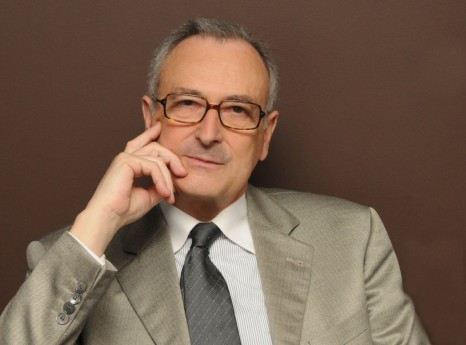
portrait officiel André Syrota

Prof André Syrota, Inserm Chairman and CEO


INSERM SINCE 1964

Resources
Researchers, engineers, technicians and administrative staff have all helped make Inserm a universally recognised biomedical research organisation.

Values
Inserm has overcome some major scientific challenges to be at the cutting edge of health research and, since it was founded, has never stopped reaffirming its priorities and goals.

50 years of scientific excellence – The institute has been involved in some important medical advances (cancer treatments, gene therapy, new imaging technologies, discovery of HIV). In the past thirty years, two of its researchers have received the Nobel Prize in Physiology or Medicine. The fact that Inserm has become a producer and disseminator of important scientific work and an expert on health issues is beyond dispute.

50 years of dialogue with society – Keen to make science accessible to a large section of the population, the institute has continuously sought to diversify its awareness-raising activities. Its aim is to familiarise non-specialists with the research sector and the issues it currently faces. In this spirit of openness, Inserm has spent the past ten years working to bring patient associations and researchers together.

50 years of international fame – Over the years, the institute has become firmly established in France and developed its international reputation. It is the top European biomedical research organisation. Inserm has a long tradition of national, European and international cooperation, which has resulted in an increasing number of joint publications.


Highlights marking 50 years of Inserm

To mark its 50th anniversary, Inserm has decided to deliver its key messages at around a hundred events which will take place all over France and involve all its staff, partners and supervisory bodies throughout the year.

To mark its 50th anniversary

      • The book Au coeur du vivant
      • Science Tour
      • Virus Attack
      • Destination Labo
      • Meetings “Researchers meet patients”
      • Famelab competition
      • 50th anniversary symposium (Detailed symposium programme)

      • Please contact the Inserm press office for any further information, interviews, contact details, illustrations etc. at: rf.mresni@esserp

Inserm is celebrating its 50th anniversary in 2014: first dates for your diary

The French national institute of health and medical research is celebrating its 50th anniversary in 2014. Below you will see a list of the first key events this year.

JANUARY

30: Publication of the book Au Cœur du Vivant (The Heart of the Living), published by Cherche-midi

FEBRUARY

14: Launch of 4-D film attraction Virus Attack at the Futuroscope, Poitiers.

MARCH

10: First stage of the Science Tour (Vannes). A fleet of educational entertainment trucks will tour France to meet the public.

14: Press conference to launch the 50th anniversary of Inserm at the Futuroscope, Poitiers.

21: The first of 4 “Researchers welcoming patients” gatherings, on the theme of kidney diseases. 22 research teams in Strasbourg, Nantes, Toulouse, Marseille, Nice and Paris will open their laboratory doors to patient associations.

8–17 March: Famelab, regional selection stages. 3 minutes to use your powers of persuasion and become the new face of science. This competition for young researchers will be held in France for the first time, in partnership with Inserm.

APRIL

3: Grand Colloquium to celebrate the 50th anniversary of Inserm at the Sorbonne, under the patronage of the President of France.

MAY

13: Clinical Research gathering in Lyon.

14: Inserm’s 50th anniversary is featured in the 2014 edition of Futurapolis, the forum for technological and scientific innovation in Toulouse.

16: Destination lab: 50 research laboratories will open their doors to the public all over France.

23: Second “Researchers welcoming patients” gathering, all over France, on the theme of rare diseases.

JULY

3: Launch of a stamp to commemorate the 50th anniversary of Inserm.

18: 50th anniversary of Inserm, created in 1964 by the amalgamation of the French Institute of Hygiene and the Claude Bernard Association.

illustration 50 ans

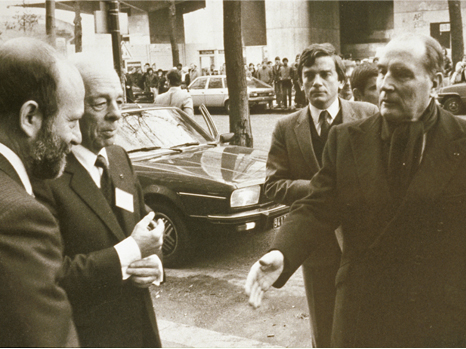
 Welcome of the President François MITTERRAND by Philippe LAZAR, CEO of Inserm and Professor Jean BERNARD during the creation of the National Ethics Committee. ©M Depardieu/Inserm

FameLab, competition of scientific communication

Do you want to share your passion for science? FameLab France needs you!

FameLab, the international science communication competition, is launching in France for the first time in 2014 in partnership with AMSCTI, Inserm, CNES, CERN and Paris Diderot – Sorbonne Paris Cité University. Previous candidates have answered questions such as « Will we ever live on Mars? », « Can maths explain the universe? » and «Is 3D printing the second industrial revolution ? ». Candidates, whether researchers or doctoral students, must present their chosen subject in 3 minutes. A panel comprising of science, media, research and public relations professionals will judge each presentation according to the golden 3Cs rule : Content, Clarity and Charisma.

The closing date for all applications is 28 February 2014 (information on https://www.britishcouncil.fr/en/famelab). Regional selections will take place in Lille in association with the Forum Départemental des Sciences, Annecy with the Turbine and the LAPP/LAPTh, Toulouse with Science Animation, and Paris with Paris Diderot – Sorbonne Paris Cité University. The national final will take place in Paris at the end of April at Paris Diderot – Sorbonne Paris Cité University.

FameLab gives candidates the opportunity to:
– meet and connect with other science enthusiasts and become part of the FameLab France and FameLab International network
– share their passion for science with the public

The finalists will win a 2-day masterclass in science communication at CERN in Geneva, working with UK and French science communicators and media trainers to develop their media and presentation skills.

The national finalist chosen in Paris will represent France in the FameLab International final at the Cheltenham Science Festival in the UK in June, competing with candidates from 25 countries.

What the participants say…..

FameLab introduced me to the world of science communication. Inspired by the competition, I started my own video blog, in which I discuss computer science topics, and have received thousands of views so far. I wouldn’t have done this without FameLab

Ohad Barzilay, FameLab Israel 2009 Runner-up

“I had a chance to practice and improve my communication skills, meet unbelievable people, learn, laugh, be inspired and most of all have an amazing time.”

Myrtani Pieri, International Winner 2011

FameLab
Since its birth at the Times Cheltenham Science Festival in 2005, FameLab® has grown into arguably the world’s leading science communication competition. A partnership with the British Council since 2007 has seen the competition go global with more than 5000 young scientists and engineers participating in over 21 different countries. Cheltenham Festivals and the British Council co-produce together the FameLab International Final held at the Cheltenham Science Festival each June.

Stanislas Dehaene is awarded the Inserm Grand Prix for 2013

The annual Inserm awards ceremony will take place on Monday 2 December at the Collège de France. On this occasion, eight prizes will be awarded to women and men who contribute daily to the scientific excellence of the Institute.
Stanislas Dehaene will be awarded the Inserm Grand Prix for his body of work on consciousness, Ogobara Doumbo will receive the International Prize for his research on malaria, and Daniel Louvard will be awarded the Honorary Prize for his work on cancer.

Stanislas Dehaene, grand Prix Inserm 2013

Stanislas Deheane © P. Delapierre/Inserm

“I decided to become a researcher the day my father told me that the term was replacing that of inventor, a career fantasy that had always enthralled me. I was about ten years old, and I was a very handy young lad. I did woodwork, programming, and I took apart any appliances that came my way.”

Awareness of numbers and letters

What happens in the brain during a mathematical operation? How does reading or calculation mould our neuronal connections? Does the state of consciousness have a characteristic brain signature? Stanislas Dehaene is fascinated by such questions.

Today this neuroscientist, who started as a mathematician, is a professor of cognitive psychology at the Collège de France. He leads the Cognitive Neuroimaging Unit (Unit 992 Inserm/CEA, Paris-Sud University 11) at the NeuroSpin Centre, a large brain research facility in south Paris. In just a few years, he became a specialist in the brain architecture underlying cognitive functions. He also wants to understand “how education changes the brain, by language or reading, for example.”

Having worked extensively on numbers and letters, his team is now focusing on signatures of consciousness. “Our working hypothesis is that consciousness comes from a system of long-distance cortical connections that enables the brain to transmit information,” explains the researcher. “To be conscious is to have information available in the global neuronal workspace.” His staff have just identified a marker that enables patients in a vegetative state to be distinguished from those with minimal consciousness, a difficult distinction to make clinically. This distinction enables one to predict their likelihood of recovering brain activity.

At the same time, Stanislas Dehaene and his teams are involved in many cross-disciplinary studies. The latest is a huge collaborative project known as the Human Brain Project. “It involves inventing a machine that reproduces the properties of the human brain,” he outlines, “based on microchips designed to mimic the neurons.”

See Stanislas Dehaene’s complete profile in the latest issue of Science&Santé

Ogobara Doumbo, International Prize

Ogobara Doumbo, Prix International

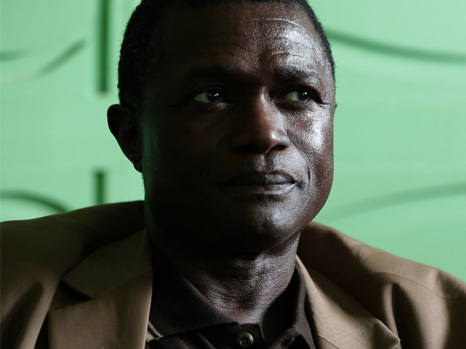
Ogobara Doumbo © P. Fellous/Inserm

Brought up in the culture of traditional medicine practised by his ancestors in a Dogon village, Ogobara Doumbo was deeply affected by malaria, which was decimating the populations. Following a period working as a surgeon in the Mali bush villages, he decided to devote himself to biomedical research.

See Ogobara Doumbo’s complete profile in the latest issue of Science&Santé

Daniel Louvard, Honorary Prize

Daniel Louvard, prix honneur 2013

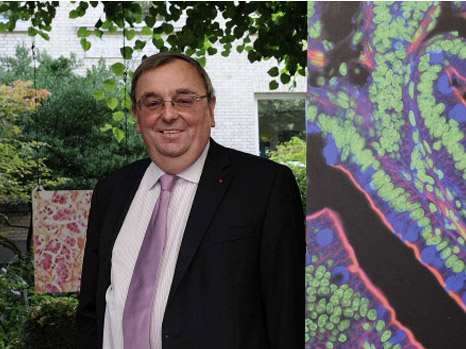
Daniel Louvard © P. Delapierre/Inserm

An accomplished physical chemist and biologist, Daniel Louvard is also a fine scientific strategist. He successfully reorganised the Institut Curie Research Centre, now internationally recognised for its work in cancer biology.

See Daniel Louvard’s complete profile in the latest issue of Science&Santé

And also:

Opecst-Inserm Award: Jacques Grassi

Research Awards: Dominique Costagliola and Gulnara Yusupova

Innovation Awards: Joseph Hemmerlé and Véronique Guyonnet-Dupérat

fermer