Menu

Creation of first accelerators of technological research at Inserm

batiment ART Ultrasons biomédicaux

Inserm is launching its first accelerator of technological research according to the objective that is part of the Institute’s strategic plan 2016-2020. This first “Biomedical Ultrasound” ART will be dedicated to research and the use of ultrasound in medicine, particularly in the field of cancer diagnosis and treatment, as well as cardiovascular and neurological diseases. This new therapeutic framework consolidates multiple skills within a single unit in order to develop a high capacity for innovation and to provide this to other Inserm laboratories or hospitals. The biomedical ultrasound ART will be based at ESPCI Paris, a talent pool for future leading engineers and researchers.

Research is now becoming more and more interdisciplinary in order to compete and to generate real progress. This is the philosophy behind the first accelerator of technological research established by Inserm in the field of biomedical ultrasound. To achieve this goal, physicists, biologists, clinicians and engineers capable of taking the technological constraints into account, are translating the concept into usable and transferable tools for other researchers and physicists that will be working at the same site.


Innovations stemming from the “Biomedical Ultrasound” ART will be designed so that they can be transferred to other Inserm laboratories or hospitals within the three major areas of medical research — cancer, cardiovascular diseases and neuroscience.

Researchers hope to offer in the near future:

– Instruments capable of treating heart failure without surgery;

– Miniature imaging systems for brain activity;

– Brain-computer interface for treating major neurological disorders such as depression;

– Portable smart sensors capable of measuring and storing a variety of functional parameters;

– Ultrasound imaging systems for the remote delivery of drugs to tumours under perfectly controlled conditions, or to activate these drugs remotely in the targeted area only.

A group of high-level Inserm engineers will continue to accompany the physicists from the “Wave Physics for Medicine” team (Inserm/CNRS/ESPCI Paris) led by Mickael Tanter, in order to further the development of new technology emerging from the laboratory. These engineers will also be in charge of making this technology simple to use, consistent with medical standards, training new users and constantly improving the performance of these tools.


“In order to make major medical advances, it is now becoming more essential to provide innovative technology shortly after its creation. Many interdisciplinary partnerships already exist between hospitals, research centres and our “Wave Physics for Medicine” team. Our laboratory has already been the source of major industrial success, such as SuperSonic Imagine (Aixplorer ®) and Echosens (Fibroscan®), two devices now used by medical teams to reduce liver biopsies for cases of hepatic fibrosis and for cases of suspected cancer tumours. Many other discoveries are currently being developed and our collaborations will be helped and strengthened by ART staff dedicated to deploying technologies to partners. The “Biomedical Ultrasound” ART shall act as a genuine accelerator for new discoveries in medicine” says Mickael Tanter.

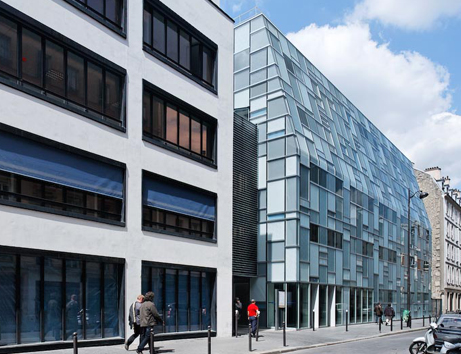
The ART will be housed on the new premises at ESPCI Paris (City of Paris Advanced School of Industrial Physics and Chemistry) located in the heart of Paris.


About Inserm

Created in 1964, the French National Health and Medical Research Institute (Inserm) is a public scientific and technical research establishment, under the joint supervision of the French Ministry of Education, Higher Education and Research and the French Ministry of Social Affairs, Health and Women’s Rights. Inserm is the only French public body dedicated to biological and medical research and human health, and occupies a position along the entire pathway from the laboratory to the patient’s bedside. Its researchers study all diseases from the most common to the most rare.

With a budget of €998 million in 2015, Inserm supports nearly 300 laboratories distributed throughout France. Together the teams comprise nearly 15,000 researchers, engineers, technicians, managers, clinician-researchers, post-doctoral fellows, etc.

About ESPCI Paris

ESPCI Paris is unique place at the centre of Montagne Sainte-Geneviève in the fifth arrondissement, which combines education, research and innovation. The school is characterised by its high-level scientific training and interdisciplinary approach, strongly backed by research excellence, combining fundamental science and openness towards applications and innovation. Housing 9 joint research units (UMR), the school is recognised worldwide for research excellence in fundamental and applied science and drives innovation within the industry. It was founded as an engineering school in the City of Paris in 1882. A paragon of French education, the school has 6 Nobel Prize laureates since its inception. The “Wave Physics for Medicine” team from the “Waves and Imaging” unit at Institut Langevin is based at the school.

Science Machina: A CEA and Inserm exhibition

Explore the outer limits of the brain and matter, create unlimited energy, overcome pain, simulate the unattainable, etc. subjects dear to science fiction that are a now a reality for research laboratories!

The “Science Machina” travelling exhibition celebrates science and the fantastic machines at the heart of the most extraordinary discoveries and developments in recent years, which continue to broaden the scope for new possibilities. Speaking of machines, the exhibition will focus on the dialogue between man and machine and between genius and technology.

Discover these cutting-edge machines through photographs and comic-book art in a series of 12 diptychs.


When science meets the “ninth art”

The comic book is a key component of the exhibition as it depicts scientific machines in an unconventional way, thus bringing together the world of art and science.

The writer Felix Elvis has enlisted 12 comic book artists to take one of the research tools used or partly developed by scientists at Inserm or CEA, and to create a portrayal using comic-book art. Comics, fantasy, manga, etc. each illustration has its own world that reflects the diversity of machines, from the micropump to the supercomputer.

For further discussion, comment and post your questions on social networks using #sciencemachina.

Practical information

SCIENCE MACHINA,

An exhibition organised by Inserm and CEA.

29 October—03 November 2016

Utopiales de Nantes/International Science Fiction Festival

Cité des Congrès de Nantes, 5 rue de Valmy, 44000 Nantes

Audience: children aged 7 and over


Les Utopiales de Nantes

Since its inception in 2000, Les Utopiales, The Nantes International Science Fiction Festival, has been aimed at opening up the world of the future, new technologies and the imaginary to as many people as possible, and helping them to discover it in a highly qualitative way. Chaired by Roland Lehoucq, astrophysicist at CEA, the festival will take place from 29 October to 03 November 2016. As well as covering annual science fiction news, the theme this year will be “Machines”.

As part of this partnership, researchers at CEA and Inserm will participate in debates and discussions with science fiction authors on the issues surrounding these machines and their possible applications. The world of science does not have to be finite and, on the contrary, as a continuously evolving subject, science and science fiction have a close or even common language!

Machines for travel, exploration, service, modification, etc. a wealth of topics predicted by the fertile imaginations of science fiction authors that are researched by institutes today.

Global consortium receives €12 million to combat the Zika virus

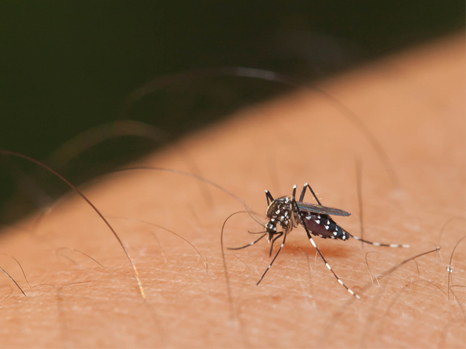
PhotoCP Zika

(c) Fotolia

ZIKAlliance, a multidisciplinary and multinational research consortium coordinated by Inserm, has received €12 million from the European Union’s Horizon 2020 research and innovation programme to conduct a large-scale 3-year research project on Zika virus (ZIKV) infection in Latin America and the Caribbean.


The consortium, led by virologist Professor Xavier de Lamballerie (Inserm, IRD, Aix-Marseille University) includes the Oswaldo Cruz foundation (Fiocruz) the universities of Heidelberg, Leuven and Oxford, the Erasmus Medical Centre, the Leiden University Medical Centre, the Bonn University Medical Centre, the Fundação Bahiana de Infectologia foundation and Institut Pasteur among its 52 partners, located in 18 countries.

In France, 11 partners will work alongside Inserm on this project: the Instituts Pasteur in Paris and New Caledonia, Inserm Transfert, the Institute for Development Research [IRD], the Atomic Energy Commission [CEA], the National Centre for Scientific Research [CNRS], Aix-Marseille University, Institut Louis Malardé, Papeete, ANSES, University of Lyon and University of Rennes 2.

“Funding by the European Commission of this project, coordinated by Inserm, shows how much French expertise, through the multidisciplinary approach of the REACTing consortium[1], is recognised for its ability to organise and coordinate research in an emergency. ZIKAlliance is the outcome of the strong mobilisation of research leaders since 2015 to combat this emerging infectious disease,” says Yves Lévy, Chairman and CEO of Inserm and President of Aviesan, the National Alliance for Life Sciences and Health.


In a global effort to combat this international menace that has affected 73 countries and territories worldwide (WHO Zika Situation Report, 13 October 2016), the consortium, which is spread over 4 continents, will bring together many university disciplines to approach three main objectives.

Its first goal is to explore the repercussions of ZIKV during pregnancy, and the short- and long-term effects on newborns. Even though a link between Zika and microcephaly has been proven[2], the consequences of ZIKV for mothers and babies remain largely unknown.

ZIKAlliance will also explore the history of ZIKV in humans and their environment, based on the context of other arboviruses that affect the same populations, such as dengue and chikungunya. Consortium partners specialised in basic sciences will seek to characterise the virus and disease mechanisms, and identify drugs to control the viral infection. In the social sciences, the partners will analyse the cost and social repercussions of the disease, and will describe the beliefs and behaviours within the affected Brazilian population.

Another of the consortium’s objectives is to better organise research in anticipation of future threats of epidemics in the affected areas: it will establish a network of research centres in Latin America and the Caribbean prepared to study emerging diseases. This objective is being pursued in collaboration with two other consortia funded by the European Commission: ZikaPlan and ZikAction.


Vast medical cohorts will be studied in Latin America and the Caribbean. The main European research bodies will contribute to basic research programmes. Meanwhile, the partners in Africa, Asia and Polynesia, will take part in intercontinental epidemiological studies planned within the ZIKAlliance.

“We have managed to assemble a very large panel of partners whose experience is likely to make this project a success,” points out Xavier de Lamballerie, adding, “We are really trying to build something lasting that will help the regions in the event of future epidemics.”

A meeting to launch the project is planned in Sao Paulo on 4 and 5 December 2016.

ZIKAlliance is a 3-year project funded by the European Union’s Horizon 2020 programme for research and innovation according to Funding Agreement No. 734548.

[1] REACTing stands for REsearch and ACTion targeting emerging infectious diseases. Established in 2013, the REACTing scheme has made it possible to mobilise French teams for the chikungunya epidemic and for Ebola.

[2] See for example, de Araujo et al, Lancet Infect Dis, published online on 15 September 2016, DOI: https://dx.doi.org/10.1016/S1473-3099(16)30318-8

Space and Health In the presence of the President of France, CNES and Inserm sign a framework agreement at the Elysée Palace

JMH-4-4

 ©Jean Marie Heidinger/Inserm

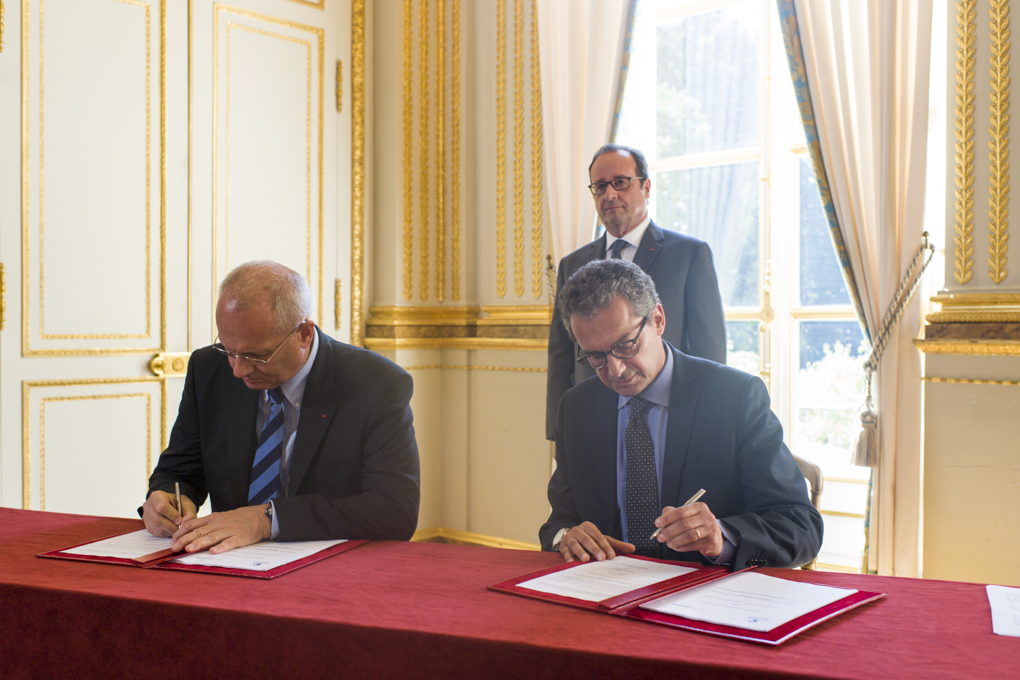
CNES and Inserm, respectively the institution in charge of proposing and implementing French space policy and the leading biomedical research organisation in Europe, have decided to expand their cooperation in the area of space and health. For the first time, they have signed a framework agreement that will cover the advances in basic research made possible by studying the human being in space, as well as the applications of findings from space research in matters of health.


Space is an extraordinary laboratory for medicine and medical research on Earth. The loss of muscle mass and bone density, and the accelerated ageing of the arteries or disruption of the internal body clock observed in astronauts affected by zero gravity have led to improved knowledge of the human body. There has been a human presence in space almost continuously for over 40 years, and the main concern of the space agencies has always been to ensure astronauts’ health by taking appropriate measures. But in recent years, there have been instruments that allow comprehensive medical monitoring of astronauts, opening the opportunity for basic studies in physiology and medicine, conducted by Inserm and CNES. Moreover, these instruments may also find applications in medical research and public health.


This agreement, signed in the presence of the President of France by Yves Lévy, Chairman and Chief Executive Officer of Inserm and Jean-Yves Le Gall, President of CNES, provides for collaboration in the area of health in order to gain a better understanding of:

  • the impact of space conditions on physiology and its consequences for health (particularly the sensory, cognitive, biomechanical and immunological effects)

Its aim is to develop methods, tools and services based on, among other things, space technologies in the area of health, particularly:

  • the development of connected devices, particularly those designed for astronaut flight,
  • the development of medical instruments

It will also give rise to a large number of experiments during the period spent by Thomas Pesquet on board the international space station. Access to simulation experiments conducted on earth will also be possible, as well as the opportunity to conduct research projects during parabolic flights or in recoverable capsules.


“Thomas Pesquet’s space mission will make it possible to write a new chapter in French excellence in the area of manned flight. With this framework agreement signed with Inserm, medical research will benefit from all the advances enabled by studying the human being in space, and major advantages both for applications and for routine health matters,” stated Jean-Yves Le Gall, President of CNES.

“This agreement is a first between our two institutions, each of which embodies French excellence in Europe and worldwide in its own domain. This is an important step, which allows us to combine exploration of extreme environments and the use of the most advanced technologies for research on human health,” emphasised Yves Lévy, Chairman and Chief Executive Officer of Inserm.

Inserm, France’s rising research star according to Nature

1024x512

(c) Macmillan Publishers Ltd

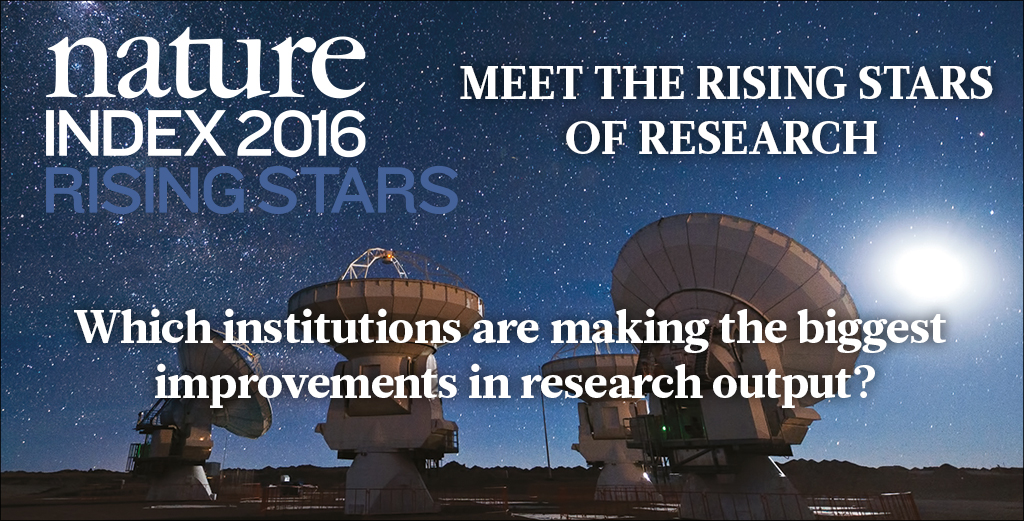
The French National Institute of Health and Medical Research (Inserm) is the only research institution in France listed in the World Top 100 institutions with the most progress in the last 3 years. This is indicated by the Nature Index 2016 Rising Stars, which highlights the big contribution of Inserm researchers to publications in the best 68 journals selected by Nature. This ranking identifies the most brilliant institutions to watch in 2016 and in the coming years.


Of 8,000 institutions reviewed, Inserm appears in 75th place among the institutions with the strongest progress. In three years, of a selection of 68 scientific journals rated best by Nature, the number of publications increased by 17.43%. Contributions from Inserm researchers published in the journal Science and the Nature Group Journals almost doubled in three years. Inserm is the only research institution in France listed in the Nature Index 2016 Rising Stars. Its presence in this index is all the more exceptional given that the index is naturally dominated by countries, such as China, that have very recently entered into international competition, and have exceptional growth in their number of publications.


For Professor Yves Lévy, Chairman and Chief Executive Officer of Inserm: “This indicator reflects our research policy, which encourages Inserm researchers to publish in the best journals because they are talented. This index didn’t take into account medical journals specialising in clinical research, such as NEJM, JAMA or The Lancet, in which growth is 37%. Theses results confirm the place of Inserm in basic science and in clinical research.”


About Inserm

Founded in 1964, the French National Institute of Health and Medical research (Inserm) is a public science and technology institute, jointly supervised by the French Ministry of National Education, Higher Education and Research and the Ministry of Social Affairs, Health and women’s Rights. Inserm is the only French public research institute to focus entirely on human health with nearly 15000 researchers, engineers, technicians, post-doctoral students and more than 300 laboratories. The mission of its scientists is to study all diseases, from the most common to the rarest. Inserm is a member of Aviesan, the French National Alliance for Life Sciences and Health founded in 2009. Other founding members of Aviesan : CEA, CNRS, CHRU, CPU, INRA, INRIA, Institut Pasteur, IRD.

Objectives and performance contract signed between the State and Inserm for 2016–2020

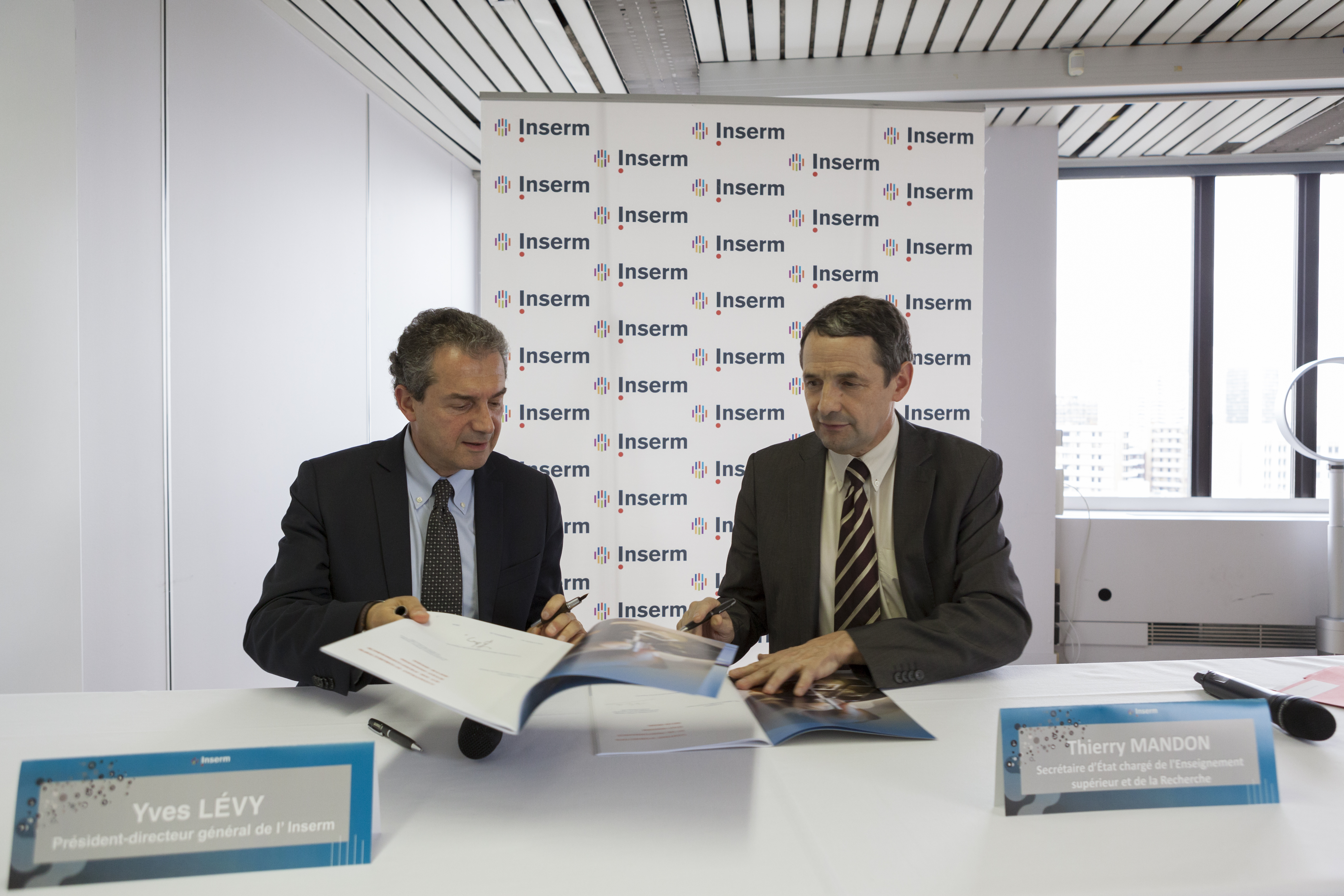
On 11 July 2016, Mr Thierry Mandon, Secretary of State for Higher Education and Research, and the Chairman and CEO of the Institute, Professor Yves Lévy, signed the objectives and performance contract binding Inserm and the French State for the 2016–2020 period. The result of intense exchanges between Inserm and the relevant ministries, the contract defines the broad directions and actions that will be taken by the Institute in order to provide an environment conducive to the expression of talent, encourage the production of knowledge and best support its exploitation for societal, clinical or economic purposes, and enable laboratories to best respond to the new challenges and issues in the life sciences and health.

signature du contrat d'objectif INSERM

(c) Inserm – Mehrak Hans Lucas

Inserm has set itself 6 broad objectives for the next 5 years. These comprise 35 actions associated with specific performance indicators and time frames.


Objective 1: Support integrated and pluridisciplinary research, and produce knowledge of the highest standard

Inserm’s good results at international level are the result of the laboratories’ activity, based on unrestricted research, conducted at the researchers’ initiative. This approach will remain the linchpin of scientific policy for Inserm, which will make sure to maintain the level of allocations to the units, maintain set-up grants for newly recruited research fellows, enabling them to undertake their own research project, often following their return from a long post-doctoral period abroad, and continue its support for the Atip-Avenir programme. This spirit will also prevail in the design of more specific actions initiated by Inserm, such as the cross-disciplinary programmes, accelerators of technological research (ART) or new public health actions. On this last point, it will involve promoting scientific results as a support tool in making policy decisions related to health.


Objective 2: Support the translation of innovation into human health at economic, clinical and societal level

The area of biomolecular therapy development and exploitation of therapeutic targets nonetheless remains fragile, since it is a heavy user of financial resources, highly risky, and requires specialised and leading-edge expertise, while the potential returns are long-term or even very long-term. A specific project involving such innovations has yet to be undertaken with a view to strengthening the therapeutic or diagnostic applications of Inserm’s innovations, ensuring that Inserm maintains its high standing among the large international research institutions with respect to this development of therapeutic or diagnostic applications to the clinical stage, and encouraging the effective delivery of these innovations to the patient.


Objective 3: Strengthen the visibility and management of the infrastructures

Inserm intends to reinforce the clarity and coordination of its research infrastructures by developing its ability to ensure their supervision, mutual sharing and protection. The economic model (investment, operation, human resources) of the infrastructures as a whole must, in particular, be consolidated after a preliminary stage of defining Inserm’s strategic priorities and discussion with the partners.


Objective 4: Promote professional career paths and attractiveness

Inserm, a leading European operator in the biomedical research area, has a duty to implement an ambitious HR policy to maintain its position and meet the objectives of a research field that requires competency in an increasingly vast range of disciplines. To meet these challenges, the Institute hopes to adapt its employment policy to the demographic context: on the one hand, its ability to recruit staff with fresh skills via competitions will be limited in the near future; on the other hand, the reassignment of a significant number of positions from support to laboratory roles carried out in recent years is now clearly reaching a limit.

Schemes should therefore be established that will make it possible to simultaneously:

  • maintain and optimise recruitment;
  • mobilise the existing resources to the Institute’s strategic projects (supporting career paths and the potential for career development and mobility);
  • adapt the evaluation processes to changes in the researcher’s role;
  • optimise the career paths of contract staff, who are essential to the Institute’s research effort.


Objective 5: Contribute to the scientific strategy of the sites, optimise partnerships and simplify management to facilitate research

The reforms of recent years have enabled the emergence in our country of new models of scientific cooperation and working aimed at strengthening the synergies between the institutes of higher education and the research bodies. These reforms in the organisation of research in biology and health have led Inserm to evolve in order to participate fully in site policies, to jointly define the priorities, to support, together with the partners, the structuring of research in biology and health, and to ensure consistency between a national strategy and its local embodiments. Inserm advocates a principle of controlled participation in the numerous bodies established around these initiatives. First, we should talk in terms of programmes or projects rather than structures. Second, Inserm is involved in the structuring of the “biology/health” component of the sites, but does not have to participate in the general governance of the groupings or be a member of the Associations of Universities and Higher Education Institutions (Comues) (except when they are directing an Initiative of Excellence).


Objective 6: Increase Inserm’s role in the construction of the European Research Area

At European level, Inserm occupies a leading position in terms of coordination and participation in health-related collaborative projects under the 7th Framework Programme (FP7), and the Institute is one of the first two European recipients of ERC awards in the life sciences area. Inserm’s active participation in the construction of the European Research Area is well illustrated by the 434 FP7 projects managed by the Institute. To remain one of the major European actors in life sciences and health research, Inserm will implement a proactive, attractive and innovative policy. This policy has 3 main strands: to promote excellent targeted bilateral cooperation, to encourage the participation of Inserm teams in European programmes, and to spur influential actions within Aviesan and the Club of Associated Research Organisations (Clora).

Yves Lévy, Chairman and CEO of Inserm, appointed member of the UN “Global Health Crises” Task Force

UN Secretary-General Mr Ban Ki-moon has just announced the creation of a “Global Health Crises” Task Force, which will bring together 3 co-leads and 12 members, including Inserm Chairman and CEO Yves Lévy. The Task Force will ensure the implementation and monitoring of the recommendations of the report, “Protecting humanity from future health crises,” submitted to the UN Secretary-General in February 2016 by the High-level Panel on the Global Response to Health Crises[1]. The main mission of the Task Force will be to alert the UN Secretary-General on matters related to emerging crises and any gaps or weaknesses in the world health system.

Yves Lévy

Le Professeur Yves Lévy, Président-directeur général de l’Inserm.

©Inserm/Guénet, François


The members of the Task Force are internationally renowned figures in the area of infectious diseases, community healthcare, public health and development, risk assessment, implementation of humanitarian actions, and emergency management of epidemics with respect to research and innovation.

“It is an immense honour to have been appointed as a member of this international task force by the UN Secretary-General, to fulfil this ambitious mission,” says Yves Lévy, Chairman and CEO of Inserm. “Like the REACTing consortium (REsearch and ACTion targeting emerging infectious diseases), spearheaded by Inserm and Aviesan in 2013 to improve research preparation in periods between crises, and establish research projects in periods of epidemic crisis, I hope our work will contribute to strengthening the systems, throughout the world, that can assist the global response to the emergence of epidemics. It has become a key health issue for the planet.”

The Task Force will exercise its functions for one year, starting in July 2016.

The Task Force will be co-led by Jan Eliasson, UN Deputy Secretary-General, Jim Yong Kim, President of the World Bank Group and Margaret Chan, Director-General of WHO. The Deputy Secretary-General will serve as Chair of the Task Force.

The list of co-leads and members of the Task Force is accessible via the link below:
https://www.un.org/sg/offthecuff/index.asp?nid=4603


[1] This panel was established in April 2015 by Secretary-General Ban Ki-moon to strengthen national and international systems to prevent and manage health crises, taking into account lessons learned from the response to the emergence of Ebola virus in West Africa in early 2015.

Presentation of the French Plan for Genomic Medicine 2025

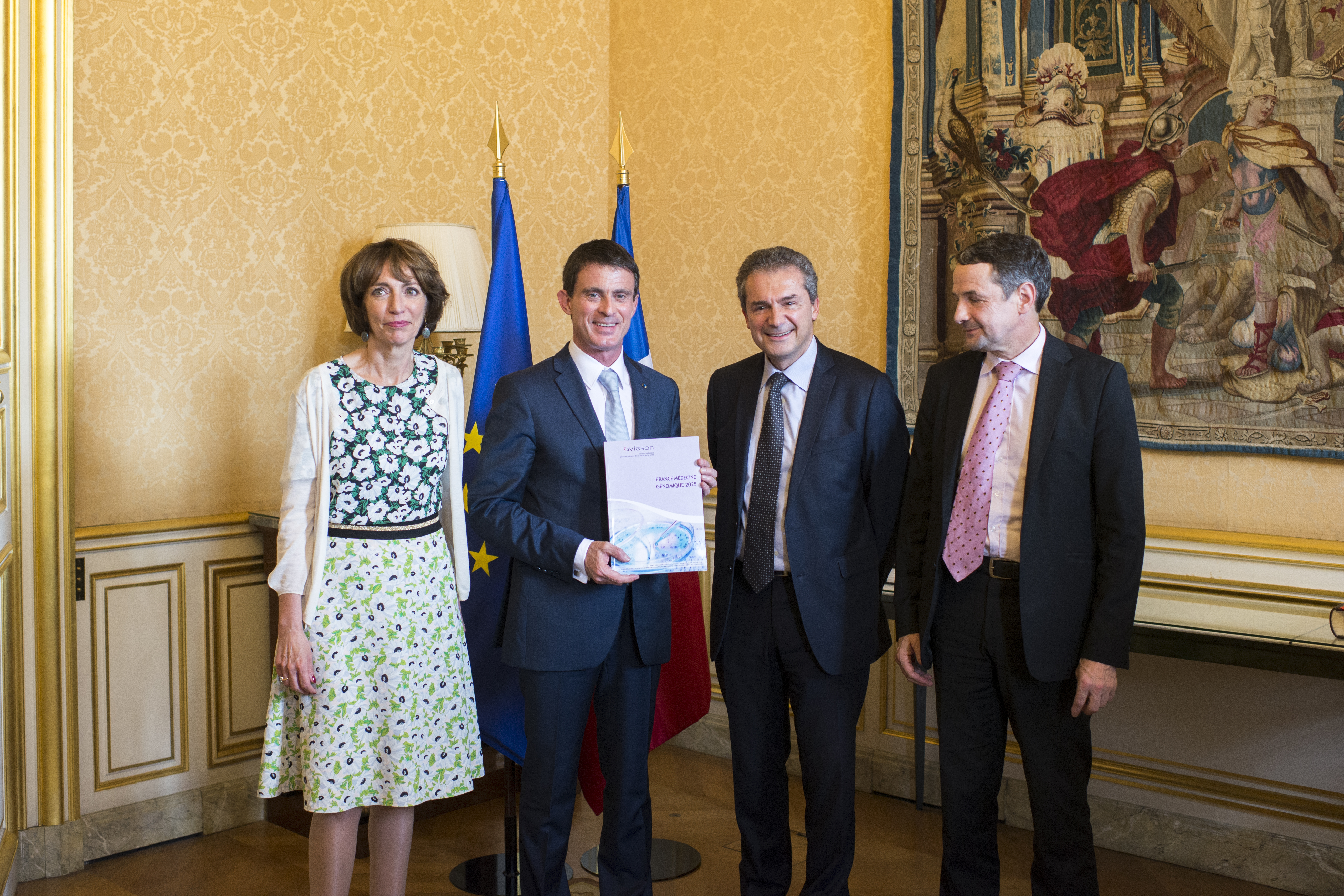
The French Plan for Genomic Medicine 2025 was presented to Prime Minister Manuel Valls by Yves Lévy, President of the National Alliance for Life Sciences and Health (Aviesan) and CEO of Inserm, on 22 June 2016. The Prime Minister sent an engagement letter to the President of Aviesan in April 2015, to examine the conditions needed to enable the use of whole genome sequencing in clinical practice. This ambitious plan, overseen and supported by the State, is aimed at positioning France as a leader among the major countries involved in genomic medicine within the next ten years. Although it responds to a public health challenge in diagnostic, prognostic and therapeutic terms, this plan is also aimed at encouraging the emergence of a national medical and industrial sector for genomic medicine, and exporting this expertise.

Genomic medicine is a reality: it is already transforming the manner in which a disease is prevented, diagnosed and treated, and how its progression is predicted. It is a highly competitive area internationally, with every country now hoping to introduce genomic medicine in its care pathway, develop an industrial sector and attract scientific talent in order to consolidate its strengths. To develop this Plan, the Aviesan alliance gathered together for a year institutional representatives and cross-sectional authorities from the research, health and industrial sectors, health and research agencies, ministerial headquarters, industries represented by ARIIS (Alliance for Research and Innovation in Health Industries), CNAM (National Health Insurance Fund), HAS (French National Authority for Health), CGI and École d’Économie de Toulouse (Toulouse School of Economics).

Remise du Plan Médecine Génomique 2025 à Manuel Valls

Remise du Plan France Médecine génomique 2025 le 22 juin 2016 © Jean-Marie Heidinger / Inserm

Thus over 150 people were involved in:

  • Defining the place and importance of genome sequencing in current medicine and in the developments expected in the next 10 years.
  • Establishing France’s position in the area of genomics research, its place in current health plans and the priorities to be implemented in line with the national health and research strategies.
  • Assessing the related challenges in terms of innovation, commercialisation and economic development, while taking technological aspects, big data management, and ethical implications into account.
  • Proposing a long-term health economics model, incorporating National Health Insurance funding and the development of an industrial sector to support such an initiative.

 “Genomic medicine is a revolution in the area of care and prevention,” stated Yves Lévy, President of Aviesan, at the presentation of the Plan. “It is at the heart of innovation as regards diagnosis, prognosis, treatment and drug administration. France must find a way to achieve this revolution, and take its place among the leaders. To do so, we have formidable assets in the form of our basic, clinical and translational research.”

Based on 14 operating measures structured into 3 broad objectives, the French Plan for Genomic Medicine 2025 is aimed at:

  • Deploying the instruments of the genomic care pathway by

– acquiring sequencing capacity with the deployment of a network of twelve sequencing platforms covering the whole territory,

– putting in place the tools for exploiting the volumes of data generated with the installation of a Data Collector and Analyser (DCA), which can handle and exploit the considerable volume of data generated by matching them with medical data, and offer the first services within the care pathway.

  • Ensuring the operational deployment and growth in power of the scheme in a secure technical and ethical framework in order to allow access to genomic medicine for all people concerned (patients and their families according to indications) on the territory by:
  • The effective implementation of the genomic care pathway, the different components of which will be tested and validated, from the collection of consent documents, procedures for specimen taking, and transport and transfer of samples to sequencing centres, up to the establishment of staff to perform analysis and quality control on samples, and the preparation and sending of reports,
  • The establishment of a scheme for the assessment and validation of indications for access to genomic medicine,
  • The creation of a centre of reference, innovation, expertise and transfer (CReflX), which can, in partnership with industry, provide the essential developments in technology and information systems,
  • The establishment of the necessary training in genomic and digital health in universities and schools to meet the challenge of exploiting and interpreting data,
  • The guarantee of a secure and high quality pathway.
  • Contributing to the rapid emergence of a “genomic medicine” sector

The establishment of a national genomic medicine sector, which can be a lever for scientific and technological innovation, technology transfer and economic growth, will require involvement from the relevant industries along with academic research and public health bodies.

To support the emergence of this sector, the plan also provides for monitoring of developments in genomic medicine at international level, and the implementation of a research programme devoted to health economics aspects.

The ethical dimension is at the centre of this Plan for Genomic Medicine. Access to and use of genomics data representing whole populations raise many ethical questions, both at individual and societal level. The Plan also anticipates referral to the French National Consultative Ethics Committee (CCNE), which is essential for strengthening these aspects at national level, and for acquiring the means to inform, consult and involve citizens in this revolution.

Finally, Patient organizations linked to Inserm constitute a solid network of partners very aware of the challenges and issues involved in high throughput genomic medicine, as evidenced by their contribution to this Plan.

Genomic medicine, international competition and major challenges

The United States, United Kingdom and China have launched ambitious national plans in the last two years, aimed at both developing a national strategy and supporting their industrial actors. With them, many industrial actors are preparing to deploy technological solutions devoted to genomic medicine and managing the associated massive digital data. Big international companies have seen the strong development potential of digital health, and are investing in this sector.

In Europe, several countries have started to incorporate genomic medicine into their health system: Estonia, the Netherlands and Slovenia. There is a risk of medical tourism developing towards European countries offering this type of service, and with it a worsening of health inequalities.

It was against this background that the “French Plan for Genomic Medicine 2025” was drawn up to respond to the different challenges of genomic medicine:

A public health challenge to allow a substantial number of patients to receive personalised diagnostic, prognostic and therapeutic care through the sequencing of their genome.

A scientific and clinical challenge aimed at strengthening the translational chain from the molecular exploration of diseases to therapeutic benefit for the patient through the constitution and matching of heterogeneous and multiple databases, whether they involve biological, clinical or even environmental data.

A technological challenge through the essential convergence of the digital and life and health sciences required by this approach. The ability to acquire, store, distribute, interpret and address these massive data is at the centre of this convergence, which will lead to the emergence of a computational and data sciences sector in biology.

An economic challenge, both in terms of efficiency and cost for our healthcare system (reduction in the number of inappropriate, inaccurate and expensive tests, reduction in time needed for analysis, elimination or limitation of unnecessary drugs, elimination of some disabling side-effects, increased life expectancy), as well as an opportunity to develop a new industrial sector as a source of health innovation, growth and jobs.

A novel research program on traumatic memories

How will the traumatic events of the terrorist attacks of 13 November 2015 evolve in people’s memories, whether collective or individual? How does individual memory feed on collective memory and vice versa? Is it possible, by studying cerebral markers, to predict which victims will develop post-traumatic stress disorder and which will recover more quickly? These are a few of the questions addressed in the ambitious 13-Novembre program, coordinated by the CNRS, Inserm and héSam Université, with the collaboration of numerous partners. This transdisciplinary research program, codirected by the historian Denis Peschanski and neuropsychologist Francis Eustache, is based on the collection and analysis of the accounts of 1000 volunteers, interviewed four times over ten years. Involving several hundred people, this study is a worldwide first in terms of size, number of disciplines encompassed and protocol used. Results are expected to benefit the socio-historical and biomedical fields, but also have implications for public policy and public health.

Following the appeal launched last November[1] by Alain Fuchs, president of the CNRS, the research community is seeking to elucidate the issues facing society in the wake of the terrorist attacks that hit France in the course of last year. This call for projects gave rise to 13-Novembre, an interdisciplinary program that will run for 12 years. Coordinated by the CNRS and Inserm, in collaboration with héSam Université, it aims to study the construction and evolution of memory after the attacks of November 13th 2015, and also the relationship between individual and collective memory. “The 13-Novembre project illustrates the role of the CNRS, which is to support two scientists set to monitor studies involving 150 researchers from different disciplines in a long-term program of unparalleled scope,“ Alain Fuchs says. “From the very beginning, Inserm has been committed to the project, which combines human and social sciences and the latest advances in the neurosciences. This ambitious interdisciplinary program will answer the questions we are asking ourselves. I believe that this is part of the mission of two organizations like Inserm and the CNRS,” says Yves Lévy, CEO of Inserm.


1000 people monitored over 10 years

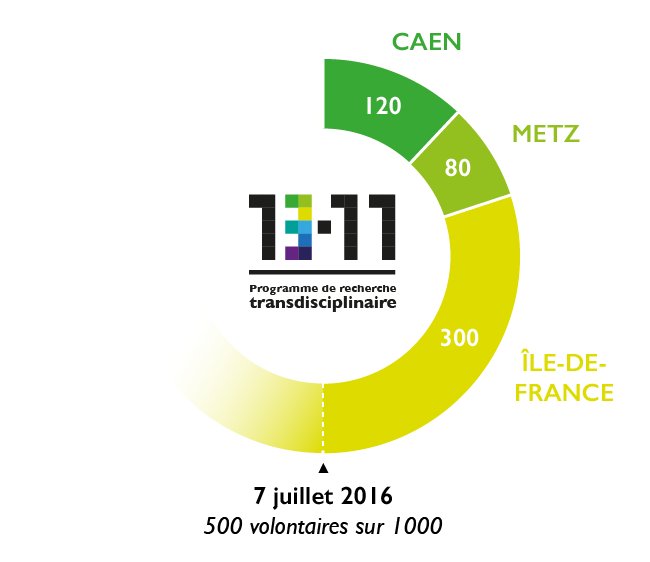
The testimonies of 1000 volunteers will be collected and analyzed. Some of these volunteers experienced the events at close hand: survivors, their family and friends, the police, the military, the fire brigade, the doctors and caregivers involved. Others were affected indirectly, i.e. the residents and users of the affected neighborhoods; Parisians from other areas; and finally, inhabitants of several French cities, including Caen and Metz.


The scale of this study makes it novel: the 1000 participants will be followed for 10 years over four campaigns of filmed interviews (in 2016, 2018, 2021 and 2026), with the contribution of the INA (which will conduct the Paris interviews) and ECPAD[2] (for the interviews outside of Paris). Its design is also unprecedented as the guidelines for the interviews were written jointly by historians, sociologists, psychologists, psychopathologists and neuroscientists, in such a way that the material collected is used by each discipline. This study is a world first.


Individual testimonies will be put in perspective with the collective memory as it is built over the years: television and radio news broadcasts, press articles, reactions on social networks, texts and images of commemorations, etc., are all examples of records held by the INA and analyzed by its research teams, in relation with other laboratories. Additionally, a partnership with the Crédoc[3] will make it possible to gauge public opinion at the dates of the interview campaigns. Eleven specific questions were thus integrated into the Crédoc’s traditional half-yearly questionnaire in June and July 2016.


A biomedical study named “Remember” will be performed on 180 of the 1000 participants: 120 people directly affected by the attacks, some of whom are suffering from post-traumatic stress disorder, and 60 who live in Caen. Interviews and brain MRI scans, conducted at the same frequency as the video interviews, will help to shed light on the impact of traumatic stress on memory (including intrusive thoughts and images, characteristic of post-traumatic stress disorder), and to identify markers associated with cerebral resilience to trauma. The participants, of course, will not need to be re-exposed to traumatic thoughts or images.


In parallel, the “ESPA” (post terrorist attack public health study) was initiated by Santé publique France[4] in collaboration with the 13-Novembre program in order to analyze—via an Internet questionnaire—the psychotraumatic impact of attacks on those directly exposed, but also the validity of healthcare channels.


Transdisciplinary study and civic commitment

The program is of crucial interest for all of the scientific disciplines represented. Historians and sociologists will try to understand how individual testimonies and collective memory are co-constructed. The linguist will measure the evolution of vocabulary and syntactic constructions. The neuropsychologist will focus on the consolidation and reconsolidation of memory and its functioning, which depends on whether one has experienced the event itself or is recalling the conditions in which they heard of it. As for the neuroscientists, they will work on the modifications to mental representations, post-traumatic stress disorder and the potential to eliminate painful memories. The psychopathologists will concentrate on the impact of the attacks on self-image, and will look into defense mechanisms or the relationship with destructiveness. In addition, the 13-Novembre program will be useful for criminal law, victim support policies, crisis management and commemorative practices. The filmed interviews will also have a heritage value: they will preserve and transmit the memory of the November 13th attacks. This is a civic commitment by the scientific community and the INA and ECPAD professionals who will be in charge of the recordings and documentary descriptions, as well as of making them available to researchers and archiving them permanently.


This program also takes some of the multidisciplinary concepts and methods developed by Denis Peschanski and Francis Eustache on the collective memory of World War II and September 11th and applies them to the Paris terrorist attacks within the framework of the “Matrice” Equipex (equipment of excellence) project, coordinated by héSam Université and in which the INA is already a partner. For the two researchers, it is impossible to understand collective memory without considering the cerebral dynamics of memory. Likewise, these dynamics cannot be fully grasped without considering the contribution of social determinants. The researchers were also inspired by the questionnaire in print elaborated by US psychologist William Hirst as part of a survey carried out, a week, a few months and a few years after the terrorist attacks of September 11th 2001. A comparative analysis of the two studies is also planned.


Multiple partners and supports

The 13-Novembre study started on May 13th in Caen (northwestern France) and June 2nd in Bry-sur-Marne (Paris region) for the filmed interviews. The biomedical study Remember started on June 7th at the biomedical imaging facility “Cyceron” in Caen in collaboration with Normandie Université. The call for volunteers is ongoing, notably via the French daily Le Parisien-Aujourd’hui en France (and its website). The first findings should be available in autumn 2017 and final results are expected in 2028, two years after the last interviews.


The CNRS and Inserm are in charge of coordinating the scientific aspects of the 13-Novembre program, while the administrative side has been entrusted to héSam Université. 13-Novembre is funded by the French Research Agency (ANR) as part of the French government’s Investments for the Future Program (PIA).


The program involves several research laboratories:

  • Centre de recherche sur les liens sociaux, Cerlis (CNRS/Université Paris Descartes/Université Sorbonne Nouvelle – Paris 3),
  • Laboratoire Neuropsychologie et imagerie de la mémoire humaine (Inserm/EPHE/Université de Caen Normandie),
  • Institut des systèmes complexes – Paris-Île-de-France (CNRS),
  • Laboratoire Neuropsychiatrie: recherche épidémiologique et clinique (Inserm/Université de Montpellier),
  • Centre de recherche sur les médiations (Université de Lorraine),
  • Laboratoire Bases, corpus, langage (CNRS/Université Nice Sophia Antipolis).


It has a large number of associated partners:

  • INA,
  • Santé publique France,
  • ECPAD,
  • EPHE,
  • Archives nationales,
  • Archives de France,
  • Université Paris 1 – Panthéon Sorbonne,
  • Université de Caen Normandie,
  • Cyceron biomedical imaging facility
  • Caen University hospital,
  • Le Parisien- Aujourd’hui en France national daily,
  • Universcience,
  • Crédoc.


It also benefits from the support of several ministries, local authorities and associations:

  • Ministry of National Education, Higher Education and Research,
  • Ministry of the Interior,
  • Ministry of Culture and Communication,
  • Secretary of State for Defense, chargé des Anciens combattants et de la Mémoire
  • Paris authorities,
  • 10th arrondissement [borough] local authorities in Paris,
  • 11th arrondissement [borough] local authorities in Paris,
  • The town of Saint-Denis,
  • The urban community of Caen la mer,
  • Normandy region,
  • Normandie Université
  • Institut national d’aide aux victimes et de médiation (Inavem),
  • The association “Life for Paris : 13 novembre 2015”,
  • The association “13 novembre : Fraternité et Vérité”,
  • The association “Paris aide aux victims”,
  • B2V joint social protection group
  • Institut mémoires de l’édition contemporaine (IMEC).

[1] See: https://intranet.cnrs.fr/intranet/actus/160225-attentats-recherche.html (in French).

[2] Établissement de communication et de production audiovisuelle de la Défense.

[3] Centre de recherche pour l’étude et l’observation des conditions de vie.

[4] Santé publique France is the new public health agency formed from the amalgamation of the Institut national de prévention et d’éducation pour la santé (Inpes), Institut de veille sanitaire (InVS) and Etablissement de préparation et de réponse aux urgences sanitaires (Eprus), on May 1st 2016.

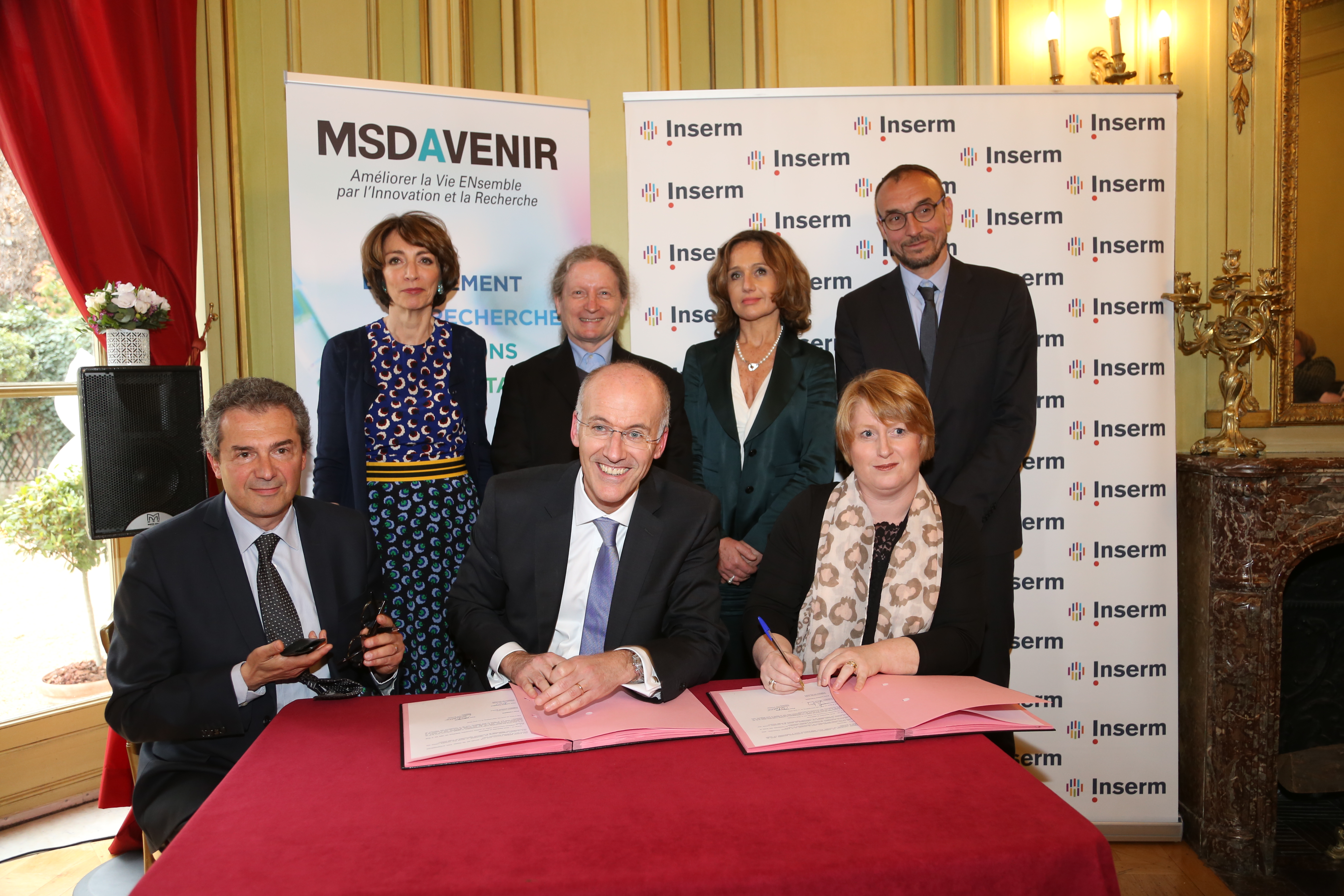
MSDAVENIR and Inserm sign a strategic framework agreement

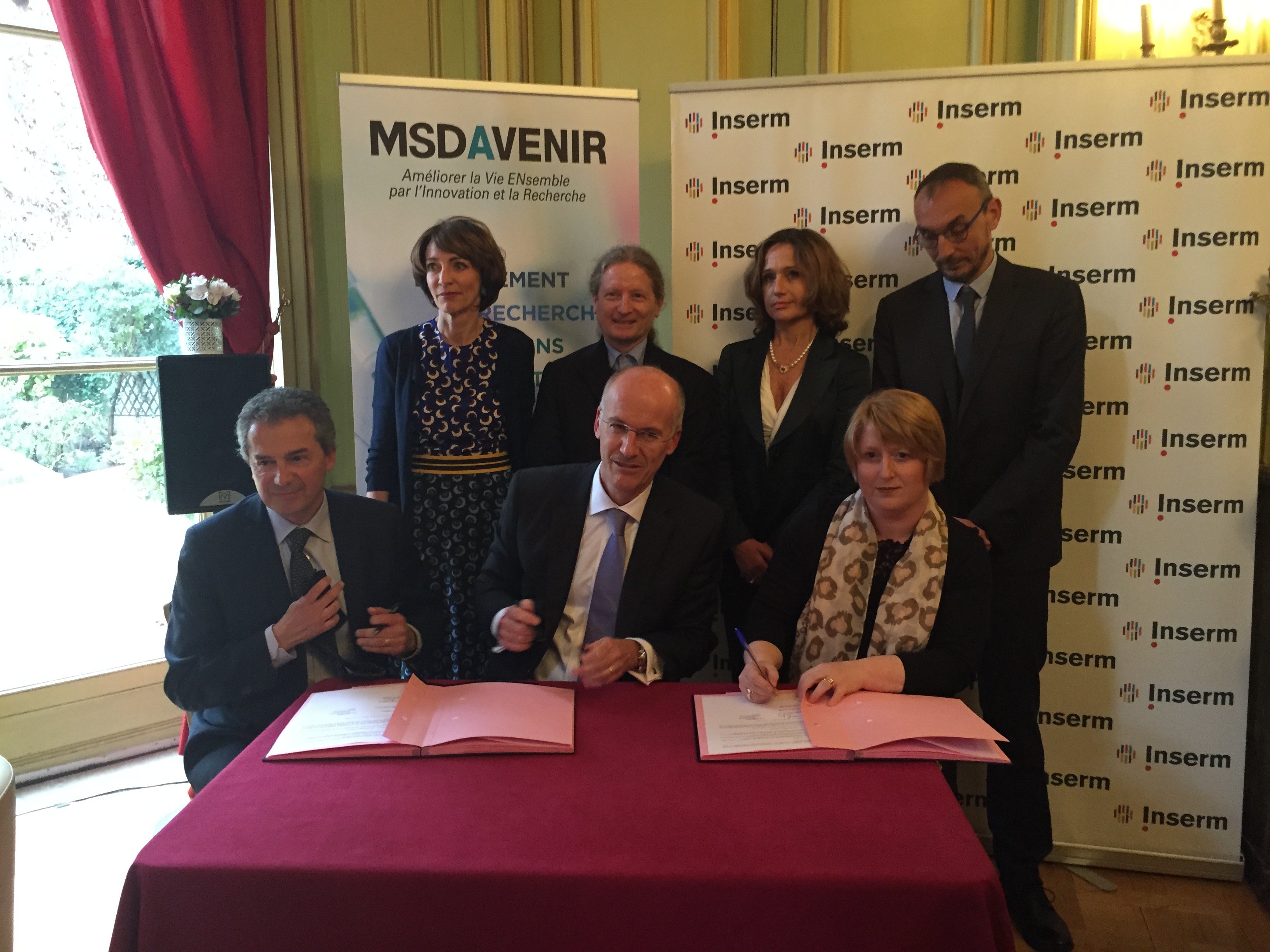
Cyril Schiever, Chairman of the Board of MSDAVENIR, Professor Yves Lévy, Chairman and CEO of Inserm and Pascale Augé, President of the Executive Board of Inserm Transfert, today signed a strategic framework agreement to support French medical research.This event took place under the patronage and in the presence of Marisol Touraine, French Minister for Social Affairs and Health, and Thierry Mandon, Secretary of State for Higher Education and Research.


signature convention Inserm MSDAvenir©Philippe Chagnon – Essop

The framework agreement between Inserm and MSDAVENIR: a public-private partnership approach to support health research
It will help support research projects of excellence covering:
– oncology, personalized medicine and translational research
– Inserms’s Major Transversal Programs (GPT): aging, microbiota, genomic variability in patients and its contribution to the natural history of human diseases

This framework agreement reflects the desire of MSDAVENIR to make a significant commitment to medical research in France. “This agreement cements the founding ambition of MSDAVENIR: to invest differently in France to further scientific and medical knowledge. Through this collaborative approach with Inserm, MSDAVENIR forms part of a dynamic for ‘open research and innovation’, driven and supported by the French government. We are particularly honored today by the presence of the Minister for Health and the Secretary of State for Research, an indication of their support for this endeavor” declared Cyril Schiever, Chairman of MSDAVENIR.

“The agreement we are signing today with MSDAVENIR is fully in line with three of Inserm’s major objectives: foster the medical and scientific attractiveness of France; develop public-private partnerships within a framework of open innovation; and focus efforts onto domains of excellence in fundamental and translational research serving new precision medicine” added Yves Levy, Chairman and CEO of Inserm.

“It’s a great honor for Inserm to witness today the culmination of this framework agreement in the presence of the Minister of Social Affairs and Health and the Secretary of State for Higher Education and Research.”

“France is currently the leader in terms of innovation in health. Everywhere I look I see great enthusiasm, the dynamism of start-ups, and a shared ambition to innovate in order to improve patient wellbeing. Signing this framework agreement will help us further expand this movement” declared Marisol Touraine, Minister of Social Affairs and Health.

“We must strengthen partnerships between academia and the pharmaceutical world; this way, our research will progress and be more highly valued, therefore increasing our attractivity” said Thierry Mandon, the Secretary of State for Higher Education and Research.

See the first partnership with the Marseille Immunopôle to reinforce the leadership of French research in immuno-oncology


About MSDAVENIR – www.msdavenir.fr
MSDAVENIR is a research support fund in the life sciences that was set up in March 2015 and endowed with €75 million for a three-year period. Through the signing of partnerships, this fund aims to drive research in both scientific areas and societal fields related to research, education or health.
Contact: Stéphanie Martel – moc.kcrem@letram.einahpets

About INSERM – www.inserm.fr
Set up in 1964, the National Institute for Health and Medical Research (INSERM) is a Public Scientific and Technical Research Establishment supervised jointly by the Ministry for Higher Education and Research and the Ministry for Health. The vocation of its scientists is study all diseases, from the most common to the most rare, through their work in biological and medical research and population health.
Contact: Priscille Rivière – rf.mresni@esserp – +33 (0)1 44 23 60 97

About Inserm Transfert – www.inserm-transfert.fr
Inserm Transfert SA is a private subsidiary of Inserm founded in 2000 that is responsible for the institute’s valorization mission. It manages the entire transfer of technologies and knowledge from Inserm’s research laboratories towards health industries – from invention disclosure and the maturation of innovative projects to the signing of industrial partnerships.
Contact: Céline Cortot – rf.trefsnart-mresni@totroc.enilec – +33 (0)1 55 03 01 68

Dassault Systèmes and Inserm Announce Joint Agreement to Decipher Disease Complexity and Accelerate Clinical Research

Next Generation Scientific Innovation with the 3DEXPERIENCE Platform and Strategic Collaboration to Advance Programs in Aging, Cancer, Genomics and Microbiota

plateforme 3Dexperience

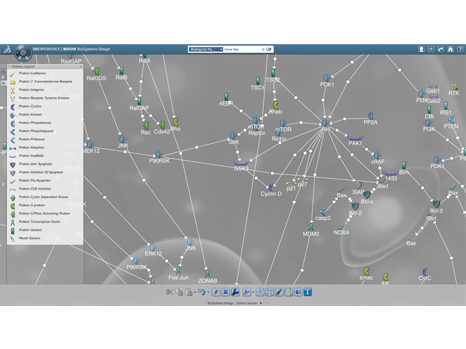
3DEXPERIENCE Plateform (c) Dassault Systèmes

Dassault Systèmes, the 3DEXPERIENCE Company, world leader in 3D design software, 3D Digital Mock Up and Product Lifecycle Management (PLM) solutions, and the French National Institute of Health and Medical Research (Inserm), the only French public research institute to focus entirely on human health and the largest in Europe, today announced the signature of a joint agreement to accelerate clinical research programs by deploying a virtual collaborative platform.  The agreement will draw from the expertise of each organization to offer new perspectives for addressing scientific and health challenges of the 21st century.

Inserm will use Dassault Systèmes’ 3DEXPERIENCE platform to conduct its strategic biomedical research programs in the areas of aging, cancer, genomics and microbiota.  The platform provides Inserm with an integrated virtual environment for open collaborative research, unified laboratory management and biological and chemical modeling and simulation from Dassault Systèmes’ flagship brand dedicated to scientific excellence, BIOVIA.

In turn, Dassault Systèmes will leverage big data from Inserm’s research programs to calibrate and validate scientific models that can be applied to future technologies for the clinical research domain. These models will enable the company to develop next-generation industry solution experiences targeting clinical trials, to accelerate decision-making and to enable earlier efficacy and safety demonstration with virtual trials.

“We seek out technologies that further our mission to observe and understand mechanisms of the living body and ultimately transfer this knowledge to therapeutic solutions for new and mutating diseases that are affecting the world’s growing population,” said Professor Yves Lévy, Chairman and CEO, Inserm.

“We lead long-term, competitive scientific programs in human health and medicine and the Dassault Systèmes’ 3DEXPERIENCE platform will help us support collaboration, project management, data, resources, traceability and other processes”


“At its core, Dassault Systèmes is a scientific company.  And at its core, Inserm explores the finest elements of life as we know it—fundamental science.  Clinical research has been the catalyst for life-changing discoveries during our lifetime, and introducing capabilities such as modeling and simulation coupled with big data science into translational science, opens up new horizons for investigation,” said Bernard Charlès, President & CEO, Dassault Systèmes.  “This fusion of advanced clinical research and the virtual world is a stepping stone to the future of precision medicine and brings us closer to harmonizing product, nature and life.”

For more information on Dassault Systèmes in the life sciences industry, visit https://www.3ds.com/industries/life-sciences/

fermer