Menu

Rift Valley Fever: An Example of the Fight Against Emerging Viral Diseases

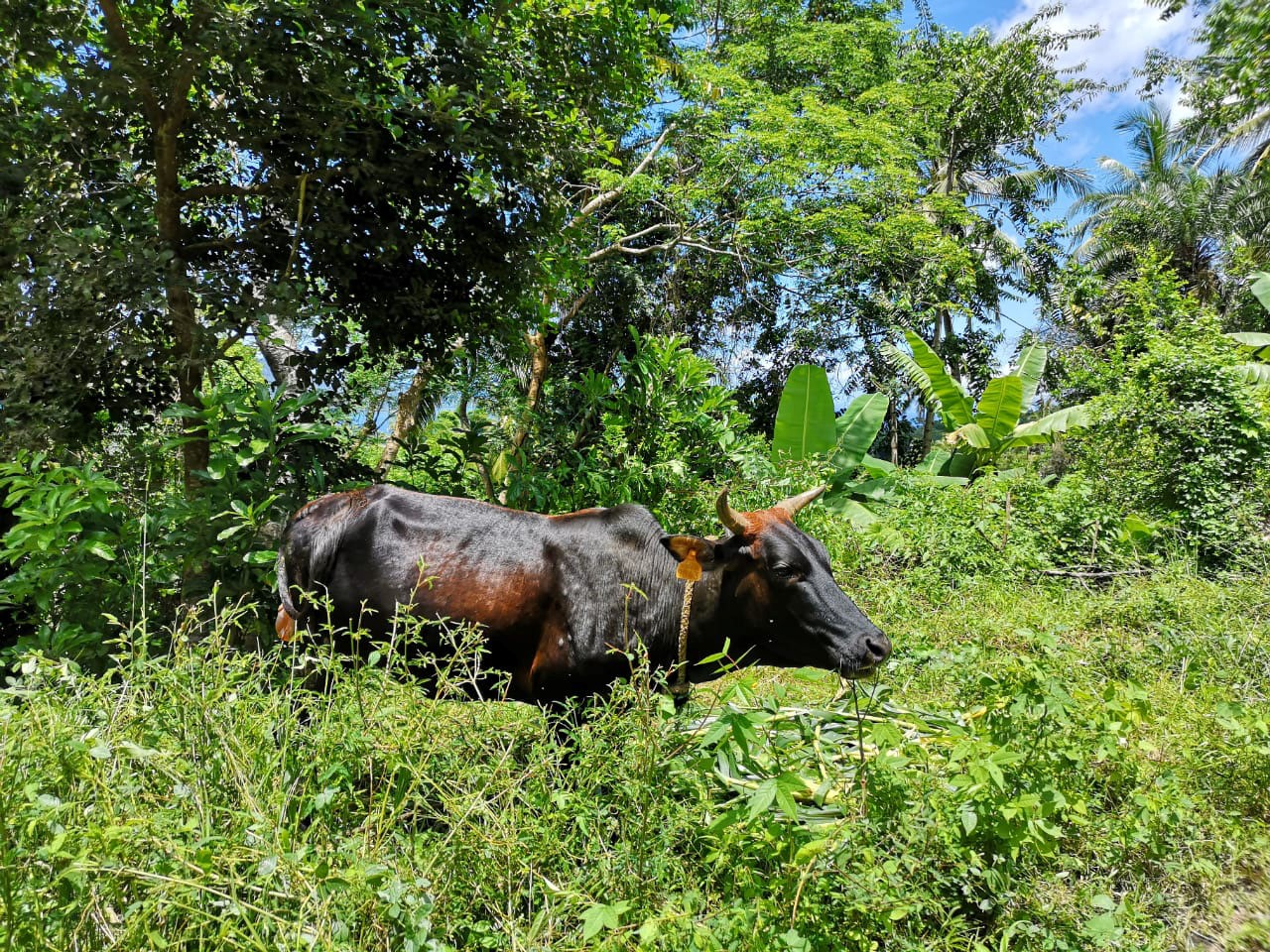
RVF is transmitted from livestock to humans. © DAAF 976

A viral disease responsible for major epidemics, occurring mainly in Africa, Rift Valley fever (RVF) is transmitted from livestock to humans. Despite being listed as a priority emerging disease by the World Health Organization (WHO) R&D Blueprint program in 2015, there had until now been little research into the dynamics of its transmission. As part of a multidisciplinary collaboration, researchers and public health professionals from Inserm, the French Public Health Agency, Cirad and the London School of Hygiene and Tropical Medicine, with the support of the REACTing consortium, have developed a mathematical model to study the dynamics of the 2018-2019 RVF epidemic in Mayotte and to quantify for the first time the beneficial impact of vaccinating livestock. This research has been published in the journal PNAS.

Against the background of the continued Covid-19 pandemic, research into emerging diseases and zoonoses – infectious diseases transmissible from animals to humans, has never been so important.

Rift Valley fever (RVF) is a viral zoonotic disease occurring primarily in some African regions, Mayotte and the Arabian Peninsula. It mainly affects livestock, causing waves of miscarriage and widespread mortality in the youngest animals. Humans can be infected through direct contact with the body fluids of contaminated animals or through the bites of infected mosquitos. To date, no human-to-human contamination has been reported. While the majority of patients develop asymptomatic or benign forms, in rare cases (1 to 3% of patients) the disease can take a more severe turn, characterized by ocular and meningeal disorders, and life-threatening hemorrhagic fever.

A major public health concern in some countries, RVF was listed by the WHO as an emerging priority disease in 2015, involving the accelerated development of its means of control. While research into vaccines for livestock is making progress, the potential impact of vaccination on the dynamics of the epidemic had never previously been evaluated.

The team, coordinated by Inserm researcher Raphaëlle Métras and her French Public Health Agency colleague Marion Subiros, looked at the 2018-2019 RVF epidemic in Mayotte. Since 2008, thanks to the implementation of two surveillance systems – one concerning the animals (helped by the Veterinary Services of Mayotte), the other humans – a large amount of high-quality RVF surveillance data has been collected. These data concern livestock seroprevalence and human epidemiology (number of human cases, sociodemographic characteristics, disease exposure criteria and geolocation).

As part of their study, the researchers and their colleagues developed a mathematical model integrating these data collected jointly by the two systems in order to reproduce the transmission dynamic of the virus during the 2018-2019 epidemic. One of the objectives was to obtain more information on how the virus passes from infected animals to humans.

What the scientists have shown is that for the first time in the context of an RVF epidemic there was a higher level of transmission to humans from mosquitos than through direct contact with infected livestock. If it is assumed that 30% of the population of Mayotte are farmers, up to 55% of human infections would have been caused by mosquito bites, versus 45% through exposure to livestock.

This is the first study to provide figures on the distribution of transmission through mosquito bites versus transmission through human direct contact.

The team also modeled the potential impact of vaccinating livestock to reduce the scale of the epidemic, using a suitable vaccine with the target characteristics of the WHO Blueprint program (especially vaccine efficacy). The findings of the model show that vaccinating 20% of the livestock could reduce the number of human cases by 30%. Reactive and mass vaccination campaigns in livestock would therefore be an essential measure when it comes to reducing the incidence of the disease in humans.

In a context in which zoonotic disease epidemics are emerging in succession, this research illustrates the importance of implementing a “One Health” approach, taking a systemic and unified approach to public, animal and environmental health at local, national and global levels.“The health emergency associated with the Covid-19 pandemic must force us to rethink how we see the links between human, animal and environmental health. Our research highlights the importance and added value of a multidisciplinary and integrated One Health quantitative approach in fighting zoonotic diseases. They also provide avenues for improving the surveillance of and research into emerging infectious diseases,” concludes Métras.

Consumption of Foods With Lower Nutri-Scores Associated With Higher Mortality

New study looks at the link between nutritional quality of foods and mortality. © Adobe Stock

Consuming food products that rank lower on the nutritional quality score underlying the Nutri-Score logo is associated with higher mortality, according to the European cohort EPIC. These findings, obtained by researchers from Inserm, Inrae, Cnam and Université Sorbonne Paris Nord, in collaboration with researchers from the International Agency for Research on Cancer (WHO/IARC), confirm the relevance of Nutri-Score in the context of public health policy. The study was published on September 17, 2020 in the British Medical Journal (BMJ).

While it is now well established that a diet lower in sugars, saturated fats, salt and energy and higher in fiber, fruit and vegetables is better for health – helping to prevent the risk of chronic conditions, such as cancer or cardiovascular diseases – putting these recommendations into practice remains a major challenge.

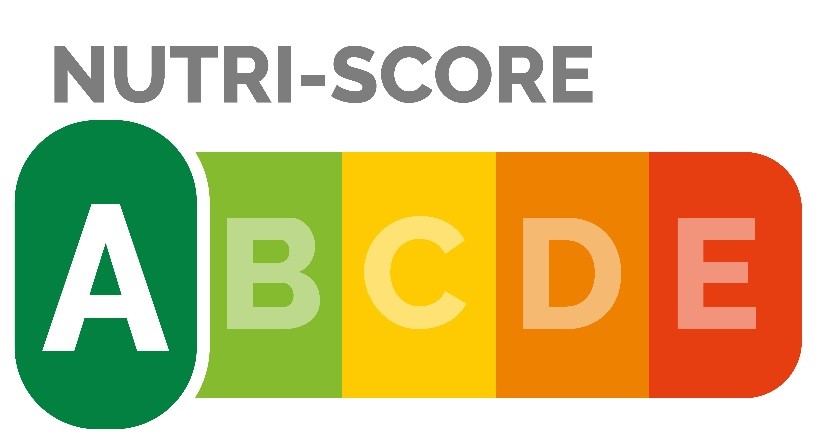
With this in mind, the Nutri-Score logo was developed to help consumers choose foods with a better nutritional quality at the point of purchase and to incentivize manufacturers to improve the nutritional quality of their products. Nutri-Score is a front-of-pack label that uses 5 colors and provides information on the nutritional quality of food products: from category A (dark green) indicating higher nutritional quality to category E (dark orange) indicating lower nutritional quality. The colors used by Nutri-Score are attributed on the basis of Food Standards Agency nutrient profiling system, modified version (FSAm-NPS) scores, which reflect the nutritional profile of foods according to their content (per 100 g) in terms of energy, sugars, saturated fatty acids, sodium, protein, fiber and fruit and vegetables.

A number of studies published in international scientific journals have shown the validity of the FSAm-NPS score in characterizing the nutritional quality of food products as well as the efficacy of Nutri-Score in guiding consumers towards more nutritious choices. In particular, links between the consumption of foods whose FSAm-NPS scores indicate higher nutritional quality (reflected in higher Nutri-Scores) and better health have so far been observed in France (SU.VI.MAX and NutriNet-Santé cohorts), the United Kingdom (Whitehall II and EPIC-Norfolk cohorts) and Spain (SUN cohort).

The aim of the new study published in the BMJ and conducted by the Nutritional Epidemiology Research Team (EREN) at the Epidemiology and Statistics Research Center – Université de Paris (Inserm/Inrae/Cnam/Université Sorbonne Paris Nord) was to look for links between the FSAm-NPS scores of the foods consumed and mortality within a very broad population distributed across 10 European countries. It follows on from a study published in 2018, which was conducted in the same population in relation to cancer risk.

In total, 501,594 participants from the European Prospective Investigation into Cancer and Nutrition (EPIC) cohort were included in the analyses. During the 1992 to 2015 follow-up period, 53,112 participants died of non-accidental causes (including cancer and diseases of the circulatory, respiratory and digestive systems).

The researchers show that those participants who consumed on average more foods with FSAm-NPS scores indicating lower nutritional quality (reflected in lower Nutri-Scores), presented higher mortality (total mortality and mortality linked to cancer and diseases of the circulatory, respiratory and digestive systems).

Findings which were statistically significant once a large number of sociodemographic and lifestyle characteristics were taken into account.

Nutri-Score was officially adopted in France in 2017 and since then by various other European countries (Belgium, Spain, Germany, Netherlands, Switzerland and Luxembourg). Nevertheless, under current European labeling regulations the inclusion of this logo is optional and as such depends on the willingness of the food manufacturers. Although over 350 companies and brands so far have undertaken to include Nutri-Score on their products, one crucial point remains the necessity, in the near future, for Europe-wide harmonization making it mandatory to implement an effective and useful logo for consumers. This harmonization is envisaged for the year 2022 as part of the Farm to Fork strategy presented in May by the European Commission.

“In this context, our findings, combined with the various other findings available on the subject, help to show not just the capacity of FSAm-NPS and Nutri-Score to characterize the nutritional quality of foods but also the relevance of their use in the context of public health policies aimed at guiding consumers towards healthier food choices in order to prevent chronic diseases,” emphasize Inserm researchers Mélanie Deschasaux and Mathilde Touvier, who coordinated the study.

Prise en charge des formes sévères de Covid-19 : une méta-analyse incluant l’étude CAPE-COVID* plaide en faveur de la corticothérapie

Inserm Launches a Platform Evaluating COVID-19 Vaccine Candidates for the Conduct of Large-Scale Quality Trials

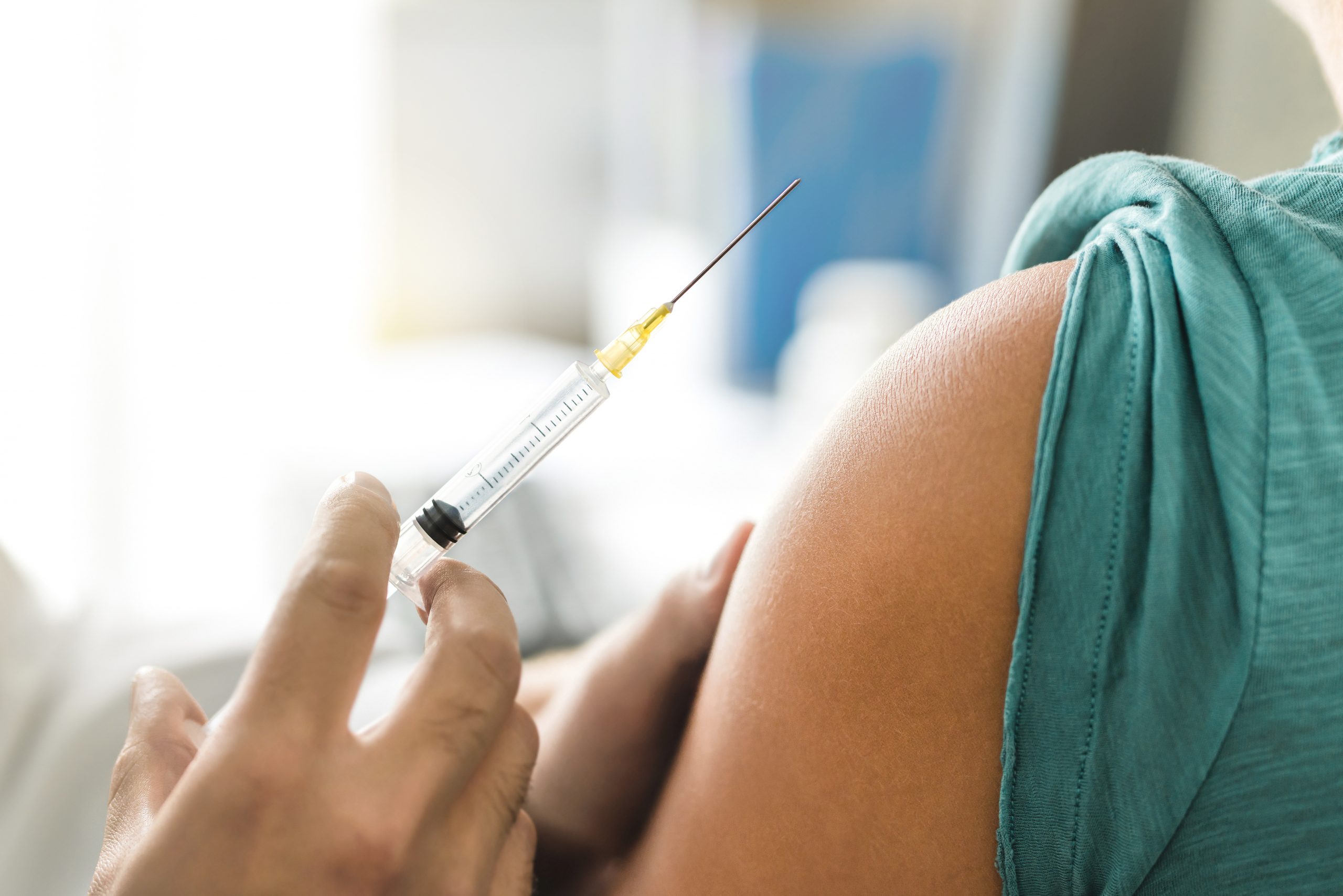
To evaluate the safety and efficacy of potential COVID-19 vaccines, rigorous clinical trials are more necessary than ever. © Adobe Stock


The search is on for a COVID-19 vaccine, with many candidates having already reached the clinical trial stage. The participation of France in such trials is scientifically and strategically imperative in order to guarantee access to a safe and effective vaccine for its population. This is why Inserm, with the support of the REACTing network, Public Health France, the country’s university hospitals, and the French College of Teachers in General Practice, is launching COVIREIVAC. This platform for the clinical evaluation of COVID-19 vaccine candidates will make it possible to test them rigorously and obtain robust data on their safety and ability to induce an immune response (immunogenicity).

Unprecedented in scale, the COVID-19 pandemic has already caused more than 500,000 deaths worldwide. While the number of new cases is slowing in some regions, the virus continues to spread, particularly in the USA and Latin America. In order to stop this, the scientific community is pinning its hopes, first and foremost, on the development of a vaccine. Several months after the identification and genetic sequencing of SARS-CoV-2, the World Health Organization (WHO) has listed over 140 vaccine candidates, seventeen of which are already in clinical development.

In order to assess the safety and efficacy of these potential vaccines, rigorous clinical trials are more necessary than ever.

Founded by Inserm in 2007 and labeled a network of excellence in 2013 by its national infrastructure F-CRIN[1] , the Innovative Clinical Research Network in Vaccinology (I-REIVAC) enjoys extensive clinical vaccine research experience and industry visibility, making it an essential stakeholder in the organization of such trials.

With 24 hospital clinical centers distributed throughout France, it also enables extensive participation of the population in the vaccine trials. On the strength of this legitimacy, this network will serve as the support structure for the COVIREIVAC project, which should enable high-quality clinical evaluation of the various COVID-19 vaccine candidates.

A “one-stop shop” for France

This project is based on the observation that France’s access to the most promising candidates will only be possible by setting up a “one-stop shop” serving industry and academia, in order to evaluate these products, guarantee the feasibility of the clinical trials to the industry stakeholders concerned, and negotiate production and market conditions. This approach involves both the establishment of a “scientific committee” tasked with carrying out scientific and strategic evaluation of the various COVID-19 vaccine candidates, and the development of a national platform for their clinical evaluation.

Chaired by Inserm Research Director and CARE committee member Marie-Paule Kieny, the scientific committee is particularly interested in the characteristics of the vaccine candidates that could provide indications regarding their efficacy, safety and production capacity in order to identify the most relevant products. It is working closely with the new vaccine platform, under the leadership of I-REIVAC coordinator Odile Launay, professor of infectious and tropical diseases at Université de Paris and coordinator of the Cochin Pasteur Clinical Investigation Center (CIC) at Cochin Hospital (AP-HP), to test vaccines in rigorous clinical trials that can include several hundred participants.

With the support of the REACTing network, Public Health France, the university hospitals and the French College of Teachers in General Practice, and in order to increase the capacity of the network to participate in COVID-19 vaccine trials, the aim of the platform will be to build a pool of potential participants and increase the number of centers that can accommodate them.

The monitoring of potential side effects, through close collaboration with networks of primary care doctors and the French medicines agency (ANSM), will also be proposed.

“Confronting the severity of the COVID-19 pandemic means ensuring the widest possible access to future vaccines for the French and European populations. Thanks to an existing vaccine network, the COVIREIVAC project can give France the attractiveness it needs to guarantee active participation in the major vaccine trials and early access to the best vaccine candidates,” says Gilles Bloch, Inserm Chairman and CEO.

In the longer term, the initiative will also provide essential information on the safety of these vaccines and their continued efficacy. Collaboration with other European countries, to extend the initiative and enable larger-scale clinical trials, is also something that is being envisaged.

This project receives financial support from the Ministry of Solidarity and Health and the Ministry of Research and Innovation.


[1] French Clinical Research Infrastructure Network

Growing-Up Milk: A Good Strategy to Prevent Iron Deficiency in Young Children

© Robert Hrovat on Unsplash

In France, the strategy for preventing iron deficiency in young children is partly based on the recommendation to use iron-fortified infant formula – including growing-up milk – when breastfeeding is discontinued. But what is the real contribution of these products in preventing iron deficiency? A research team from Inserm, AP-HP and Université de Paris within the Center of Research in Epidemiology and Statistics (Cress) studied the iron intake from diet and the occurrence of deficiency in 561 two-year-olds in France from 2016 to 2017. The researchers found that the consumption of iron-fortified infant formula very significantly reduced the risk of iron deficiency and met the recommended daily nutrition requirements for nearly half of the children. These results, published in Clinical Nutrition, support France’s prevention strategy and call for special attention to be paid to underprivileged families, whose children are most affected by iron deficiency.

Iron deficiency is considered the most common micronutrient deficiency worldwide, particularly in industrialized countries. When it occurs in newborns and young children, it is strongly suspected of being associated with adverse short- and long-term neurocognitive effects, such as decreased learning and memory abilities, and visual and auditory neurosensory impairment.

For infants over 1 year of age, the recommended average daily requirement for iron is 5 mg[1]. When the blood level of ferritin (a protein that stores iron) is below 12 µg/L, a young child is considered to be deficient.

In France, the strategy to prevent iron deficiency is partly based on the recommendation of systematic and prolonged consumption of iron-enriched infant formula – particularly so-called “growing-up” milk from 1 to 3 years of age – when breastfeeding is discontinued, in order to supplement intake from the diet, which is rarely sufficient for this age group.

In order to examine the relevance of this prevention strategy, the work of a research team from Inserm, AP-HP and Université de Paris within the Center of Research in Epidemiology and Statistics – Cress (Inserm/Université de Paris/Université Sorbonne Paris Nord/INRAE), coordinated by Anne-Sylvia Sacri and Martin Chalumeau, compared iron intake from the diet, with and without the consumption of growing-up milk, and the occurrence of deficiency in 561 two-year-olds with no health conditions affecting iron metabolism. Between 2016 and 2017, almost 120 pediatric practices throughout France took part, thanks to the Activ and Afpa networks.

For each child, a questionnaire in which the parents noted all foods consumed over three non-consecutive 24-hour periods allowed the researchers to determine the amount of iron ingested daily. Analyses showed that when the consumption of growing-up milk (used by 73% of the participants) was not taken into account, dietary iron intake did not meet the recommended requirement of 5 mg/day for 63% of the children compared to 18% when it was taken into account.

The consumption of growing-up milk therefore enabled 45% of children to meet the recommended nutritional requirements for iron.

In a second step, the ferritin level was measured from a blood sample. Of the 561 children studied, 37 (7%) were iron deficient. Blood ferritin levels were significantly higher in children consuming growing-up milk at 24 months or since the age of 10 months. It was significantly lower in those consuming cow’s milk at 24 months or who started drinking it before that age.

The onset of iron deficiency was further reduced the longer growing-up milk was consumed, even in small quantities (upwards of 200 mL/day).

This suggests that regular iron intake is a better way to prevent iron deficiency than heavy supplementation over a short period of time,” states Sacri.

She goes on to say: “These results support national strategies for the prevention of iron deficiency based on the recommendation to consume iron-fortified infant milk after 12 months of age. These milks appear to be a simple solution for supplementing young children with iron to meet the recommended daily nutritional requirements. “

The researchers also found that iron deficiency was associated with a history of prematurity. It was also more common in large families and in those with markers of social disadvantage.

“Special attention must be paid to these more vulnerable populations. They must be targeted more specifically by prevention and surveillance policies,” concludes Chalumeau.


[1] According to the recommendations of the European Food Safety Authority (EFSA)

Cardiac arrest outside the hospital during the peak of the COVID-19 epidemic: studies highlight pulmonary embolism as the main determinant

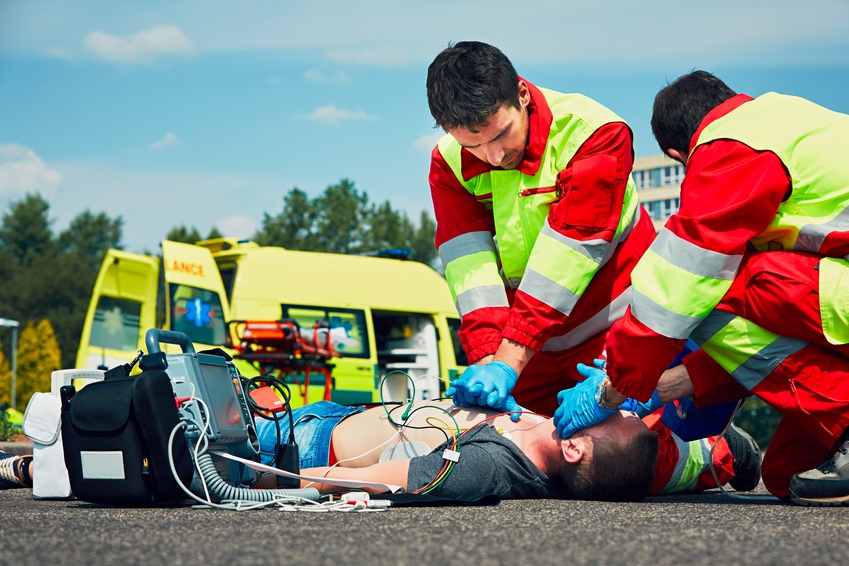
Cardiac arrest outside the hospital during the peak of the Covid-19 pandemic could be partly due to massive pulmonary embolism© Adobe Stock

French investigators from the Paris Medico-Legal Institute, the radiology department of the Sainte-Anne hospital / GHU Paris, the anesthesia-resuscitation department of the AP-HP hospitals Saint-Louis and Lariboisière, the University of Paris, Inserm and CNRS have hypothesized that cardiac arrests outside the hospital during the peak of the COVID-19 pandemic could be partly due to massive pulmonary embolism. The details of this work were published on May 28, 2020 in the European Journal of Heart Failure .

The Forensic Institute of Paris and the radiology department of Sainte-Anne hospital use whole-body scanners for examinations requested by the justice authorities. These scanners were compared between the two-week period corresponding to the epidemic peak (March 23 to April 7, 2020) and all of 2019. The elements sought on the scanner were the presence of signs of pulmonary infection suggestive of COVID-19, phlebitis of the lower limbs and proximal pulmonary embolism, responsible for cardiac arrest.

This study shows that requests for forensic autopsies for unexplained sudden death were 14 times more frequent during the epidemic peak than in 2019.

The vast majority of unexplained sudden deaths during the epidemic peak had lung lesions suspected of Covid-19 infection.

The age of the deceased patients ranged from 27 to 99 years. Most people died at home, some had fever and / or cough, and the majority suddenly lost contact with family or emergency services 30 minutes to a few hours before the onset of cardiac arrest.

CT analysis shows a 3 times higher frequency of proximal pulmonary embolism and phlebitis during the epidemic peak compared to all of 2019.

These results suggest that a significant proportion of the victims of sudden death during the epidemic peak were probably linked to proximal pulmonary embolism which must be quickly referred to cardiogenic shock treatment centers. This study also confirms the vital role of intensive prevention of thrombosis in patients with COVID-19 infection.

COVID-19 and the Environment: A European Program Coordinated by Inserm gives its recommendations

© Randy Colas on Unsplash


Launched in 2019, the primary objective of the Health Environment Research Agenda for Europe (HERA), coordinated by Inserm and ISGlobal (Barcelona), is to provide the European Commission with an environment, climate, and health research agenda for 2020-2030. Faced with the health emergency created by the current pandemic, the program’s leaders are working on new recommendations to conduct research focusing on the links between environment, human health, and the COVID-19 pandemic. These initial recommendations indicate that far from being distinct fields, pandemic risk and environmental issues are closely linked and that an integrated vision of the health factors is both necessary and useful.

Against the unprecedented backdrop of the COVID-19 global pandemic, public health issues have taken center stage. More than ever, scientific knowledge derived from research is becoming a key tool to understand the societal impact of this pandemic and to guide the implementation of public health policies. The Health Environment Research Agenda for Europe (HERA), coordinated by Inserm, was launched in January 2019 and involves 15 European countries. As requested by the European Commission, the program’s objective is to provide the institution with an environment, climate, and health research agenda for 2020-2030 by identifying research needs and priorities in order to propose roadmaps that federate the various European partners. A preliminary agenda was proposed in February 2020.

Following the emergence of the pandemic, the European Commission has requested the addition of a supplementary research agenda with a COVID-19 component in order to investigate the links between pandemic, climate change, environment, and health.

In an initial report published in May 2020, HERA’s leaders have defined three priority research areas with the aim of better understanding the links between environment, emergence, spread, and impact of SARS-CoV-2. Their intention is to offer the authorities tools to establish public policies in line with the context and prevention of the pandemic, and which respect environment and individual health.

  1. Environmental drivers of SARS-CoV-2 emergence and spread

Improved understanding of the emergence of SARS-CoV-2 involves finding out more about its lifecycle and how the interactions between humans and animals (wild, farmed, or domestic) have contributed to it – and in particular the impact of human activities on deforestation, biodiversity, and wild animal behaviors.

The researchers also recommend the continued study of the issues of climate sensitivity and virus seasonality. Obtaining more information on how the virus spreads and identifying its potential resistance to certain environments would make it possible to improve our understanding of how it is propagated.

These studies must be accompanied by the development of solid and innovative modelling tools.

  1. Health impact of COVID-19 and environmental stressors

The researchers emphasize the importance of harmonizing cohorts, tools, and methodologies at European level in order to better identify at risk populations. The use of major European patient cohorts would make it possible to evaluate more precisely and more reliably the interactions between the pandemic, the response to it, and the diseases favored by environmental factors. Large-scale cohorts would also notably improve the evaluation of comorbidities that are linked to the chronic diseases implicated in severe cases of COVID-19, particularly cardiovascular and pulmonary diseases.

We observe that chronic diseases contributing to COVID-19 severity are at least partially promoted by environmental factors, states Robert Barouki who is coordinating the project at Inserm, “it would be particularly relevant to study how various environmental factors impact the immune and cardiovascular systems“, he adds.

Such data would prove valuable to better understand, at individual country level, the efficacy of various health and environmental protection policies that were established to respond to the pandemic.

  1. Impact of COVID-19 on society, the economy, and health

Evaluating of the psychological and socioeconomic impacts of various response strategies to the pandemic will also prove essential to minimize them and to improve resilience at European, national, and individual levels.

Knowing more about the societal impact (lifestyle changes, role of the urban environment, redefinition of the work environment, impact on physical and mental health, worsening of domestic violence, vulnerable populations, etc.) of the inter-human strategies which were set up to limit viral spread, such as lockdown or social distancing, will make it possible to better understand the means of implementing new public policies. 

The European Commission has already launched a call for projects relating to COVID-19.  One of its components aims to support and harmonize the studies on cohorts at European level. Other calls for projects are expected to follow. “The development of research at the crossroads of pandemics, environment, and health is relevant not only to the current crisis but also to prevent and better manage future health crises, particularly those in line with climate change”, specifies Barouki, “just like the concept of the exposome, it is important that we now move towards a more integrated vision of human and planetary health”.

In the coming weeks, HERA researchers will issue longer-term proposals to elucidate the links between the onset and severity of pandemics and environmental and climate changes. 

Paris and Its Suburbs: Twice as Many Cardiac Arrests During Lockdown

© Jair Lázaro on Unsplash

Indirect consequences of the COVID-19 pandemic on the healthcare system and the management of other diseases are beginning to emerge. A study, sponsored by Inserm and conducted by Eloi Marijon at the Paris-Cardiovascular Research Center (Inserm/Université de Paris) in collaboration with Daniel Jost (Paris Fire Brigade), suggests that during lockdown the number of cardiac arrests in Paris and its suburbs had doubled compared with the same period in previous years. According to the authors, several hypotheses must be taken into consideration, such as healthcare system saturation and occasional disruptions in patient monitoring during lockdown. This study published in The Lancet Public Health is based on data from the Paris Sudden Death Expertise Center.

The impact of the COVID-19 pandemic on the organization of the healthcare system and the management of other diseases remains difficult to estimate, but initial data is beginning to emerge. Since March, significant efforts have been made to track, as precisely as possible the deaths directly linked to COVID-19, but other causes of death with more indirect links to lockdown and the reorganization of healthcare systems during the crisis have, until now, been less well documented.

A study by Eloi Marijon and Nicole Karam at the Paris-Cardiovascular Research Center (Inserm/Université de Paris) in collaboration with Daniel Jost (Paris Fire Brigade) published in The Lancet Public Health has evaluated the impact of the pandemic on the number and prognosis of cardiac arrests occurring in Paris and its suburbs.

The researchers show that over the previous nine years the number of cardiac arrests had remained stable in Paris and its suburbs, but experienced a marked increase during the first six weeks of lockdown (March 16 to April 26, 2020).

The data presented in the study suggests the number of arrests have even doubled in comparison with the same period in previous years. This research is based on data from the registry of the Paris-Sudden Death Expertise Center (Paris-SDEC), inaugurated in 2011 by Inserm, APHP, and the University of Paris. Its objective is to collect, based on a real-time surveillance system, information on all out-of-hospital cardiac arrests having occurred in Paris and its suburbs.

During the six weeks studied by the researchers, 521 out-of-hospital cardiac arrests were identified in Paris and its suburbs, or a rate of 26.6 arrests per one million inhabitants. Between 2012 and 2019 of the same period, this rate was 13.4 cardiac arrests per one million inhabitants.

A better understanding of the impacts of the crisis

Although there has been little change in the demographic profile of the patients, the study suggests that there had been drastic changes in the initial management and immediate prognosis of these cases during lockdown. Over 90% of the cardiac arrests occurred at home, with bystander less inclined to initiate cardiopulmonary resuscitation (CPR) and with longer intervention response times despite empty roads. This resulted in a lower survival rate of patients on arrival at hospital. During the lockdown period explored by the researchers, only 12.8% of the identified patients were alive on admission, versus 22.8% in the same period in previous years. “Over the previous nine years, we collectively worked to develop this database, which is updated more or less in real time, and upon which this new study is based. Out-of-hospital cardiac arrest is a particularly interesting multifactorial marker, which enables us to evaluate the extent to which the entire community has been impacted by this pandemic”, explains Marijon.

The authors were able to estimate that around 33% of the increased number of deaths observed is directly linked to COVID-19.

Other factors have probably had an impact: reduced monitoring and follow up of patients with heart conditions and/or presenting risk factors during the pandemic, the saturation of community doctors’ offices, pre-hospital and hospital services, the changes in the psychological behavior of some people during such an unprecedented time, and possibly the harmful effects of medicines used by patients to treat COVID-19.

In addition, previous studies conducted by the team have shown that those experiencing cardiac arrest are eight times more likely to survive when a bystander is able to perform rapidly real-time CPR. However, during to confinement, it appears that in some cases no CPR had been initiated or possible from bystanders.

“Amid the easing of lockdown, our findings help to understand the consequences of this crisis, and the lessons to learn, so that we can react better in the event of a second wave. Our findings reiterate that it is necessary, more than ever, to find a balance to ensure that both the epidemic is managed and other patients are monitored. This concerns us all”, concludes Karam.

Hydroxychloroquine and azithromycin can have a deleterious impact on the cardiovascular system

©Hal Gatewood on Unsplash

Hydroxychloroquine and azithromycin can have a damaging impact on the cardiovascular system and are a life-threatening combination, according to large analysis from a World Health Organization (WHO) database of adverse drug reactions , published in Circulation.

The study is a retrospective and observational analysis of a WHO database including more than 21 million reports of adverse event cases, all classes of drugs, from more than 130 countries, between November 14 1967 and March 1, 2020, mainly before the COVID-19 pandemic.

The study compared reports of cardiovascular adverse reactions in patients who received hydroxychloroquine, azithromycin or a combination of the two drugs with reports of cardiovascular adverse reactions related to all other medicines in the database. data. The study period therefore mainly covers the period preceding the use of hydroxychloroquine and azithromycin, alone or in combination, to treat patients with COVID-19. Of the more than 21 million case reports of adverse drug reactions, the researchers extracted the case reports for hydroxychloroquine and azithromycin, alone or in combination:

– 76,822 cases have been reported with hydroxychloroquine alone, and in 21,808 (28.4%) of these cases, hydroxychloroquine was suspected of being associated with the adverse effect;

– 89,692 cases have been reported with azithromycin alone, and in 54,533 (60.8%) of these cases, azithromycin was suspected of being associated with the adverse effect;

– 607 cases have been reported in the combination of the two drugs.

Analysis has shown that:

1) There was a statistically significant increase in the number of reported cases of ventricular tachycardia (TV) and / or QT prolongation (LQT), including torsades de pointes (TdP / TV), for each drug taken individually in suspected cases, compared to all other drugs on the base.

2) hydroxychloroquine was also significantly associated with reports of the development of conduction disorders (mainly atrioventricular block and branch block) and heart failure.

3) Azithromycin alone was associated with a higher reported number of LQT and / or TdP / TV cases than hydroxychloroquine alone (0.8% versus 0.3% of the total number of cases reported with these molecules, respectively ).

4) The combination of hydroxychloroquine + azithromycin was associated with more reported cases of LQT and / or TdP / TV than either of the drugs taken alone (1.5% compared to 0.6% of the total number of cases reported with these therapeutic modalities, respectively).

5) No other cardiovascular adverse effects (including coronary syndrome and myocarditis) were significantly associated with these drugs.

6) The proportion of cases associated with death for TdP / TV cases was 8.4% (7/83) with hydroxychloroquine and 20.2% (52/257) with azithromycin, compared to 0 % (0/53) and 5.4% (12/223) for cases of LQT without TdP / VT with hydroxychloroquine and azithromycin, respectively. The increase in the frequency of these adverse events was statistically significant, although small in absolute numbers.

The researchers concluded that “potentially fatal acute cardiac proarrhythmic effects have been described primarily with azithromycin but also with hydroxychloroquine.” Their combination gave a stronger signal. Hydroxychloroquine has also been associated with life-threatening heart failure when exposure is prolonged for several months. Although the absolute number of cases is small, it is important to keep in mind these drug-related adverse cardiac effects in the context of patients with COVID-19 who may have additional risk factors for LQT / TdP, including inflammation with a high level of interleukin-6, hypokalemia, many drug combinations that can interact in a harmful way,

As outlined in the American Heart Association guideline of April 8, 2020 in, “Considerations for Drug Interactions on QTc in Exploratory COVID-19 (Coronavirus Disease 2019) Treatment”, both drugs are known to cause potentially serious complications for people with cardiovascular disease, including an increased risk of sudden death. The effect on the QT interval or the risk of arrhythmia of these two drugs combined has not been studied. “Taking hydroxychloroquine and azithromycin is associated with a risk of increased cardiovascular toxicity. They should not be administered outside of clinical trials and require close monitoring,” said Mariell Jessup of the American Heart Association .


The authors do not report any links of interest or external sources of funding for this study.

Milestone: Inserm’s commitment to the fight against the Covid-19 pandemic

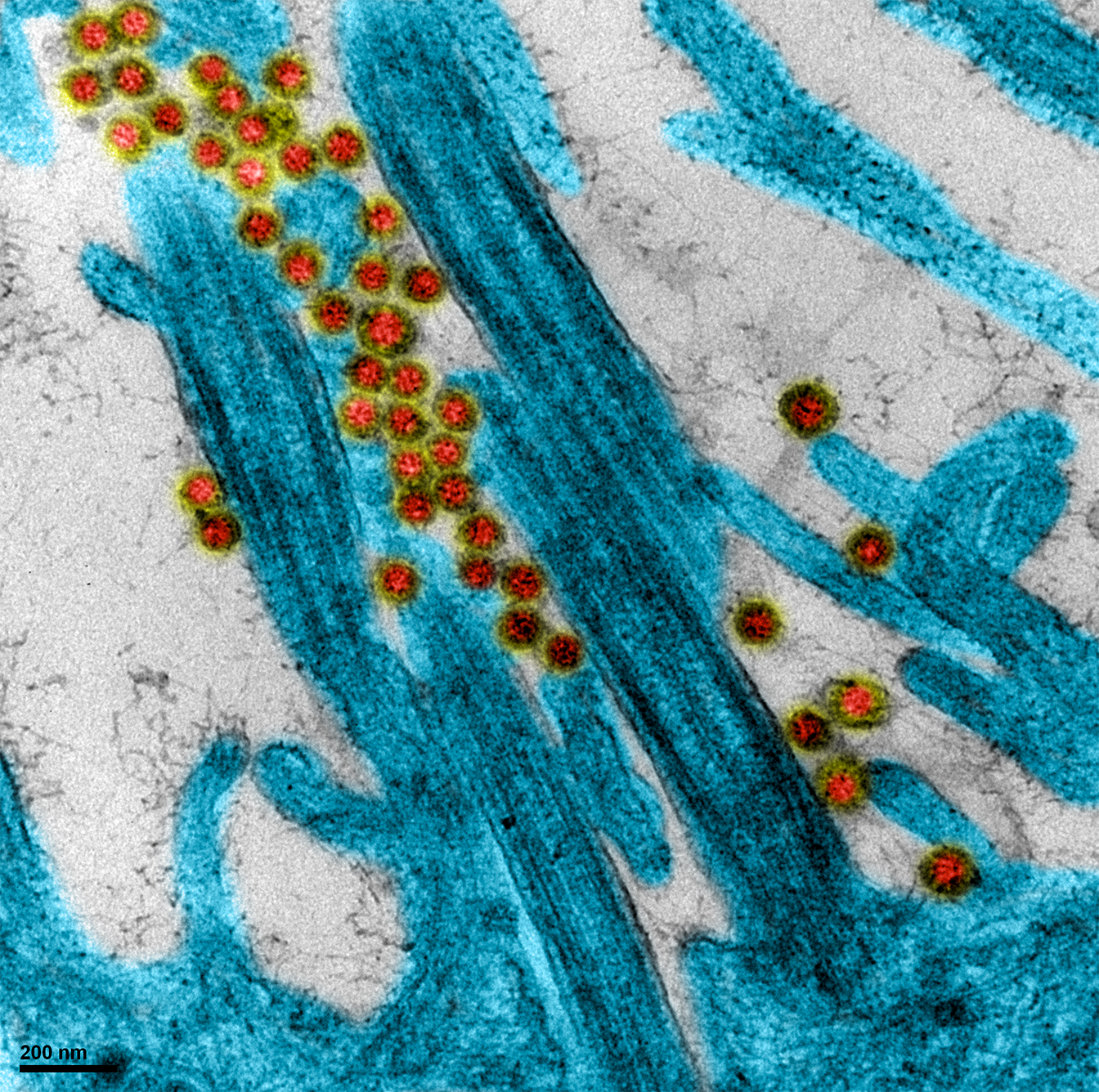
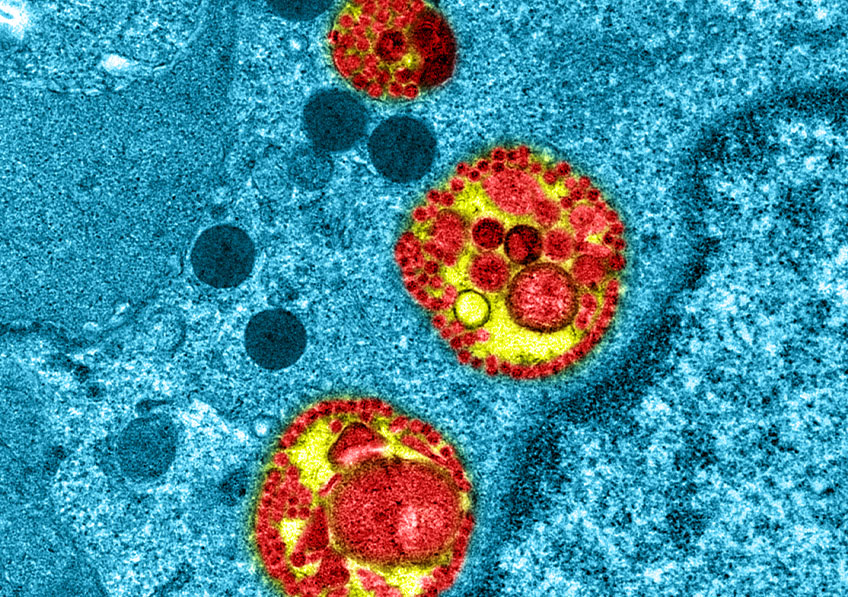
Intracellular observation of reconstituted human respiratory epithelium MucilAir™ infected with SARS-Cov-2 © Manuel Rosa-Calatrava, Inserm ; Olivier Terrier, CNRS ; Andrés Pizzorno, Signia Therapeutics ; Elisabeth Errazuriz-Cerda  UCBL1 CIQLE. VirPath (Centre International de Recherche en Infectiologie U1111 Inserm – UMR 5308 CNRS – ENS Lyon – UCBL1). Colorized par Noa Rosa C.


1.   React rapidly to accelerate research and tackle the pandemic

First identified in the central Chinese city of Wuhan in December 2019, the novel SARS-CoV-2 coronavirus has rapidly spread across the world, leading to the most serious pandemic in recent history. Inserm, as a leading biomedical research stakeholder in France and internationally, has been mobilized from the very beginning of this global health crisis, thanks to the commitment of its many experts in subjects related to fundamental research, therapeutic research, and modelling. Participating also in the French solidarity effort, the Institute has distributed tens of thousands of masks, gloves, gowns, shoe covers and reagents to medical teams working in the nation’s hospitals.

By May 6, 2020, Inserm had already been involved in 167 scientific publications on COVID-19 (including 19 preprints), reflecting the unfailing energy and proactiveness of its researchers. This research primarily concerns potential therapeutic approaches, the search for a vaccine, epidemiology, the deployment of telemedicine, predicting the spread of the virus in various countries, and its transmission. A large part of the research published has received REACTing consortium seed funding.

A key player in fighting the COVID-19 pandemic, REACTing – which stands for REsearch and ACTion targeting emerging infectious diseases – launched and coordinated by Inserm since 2013 under the egis of Aviesan, has been tasked with preparing and coordinating French research into emerging infectious diseases in order to prevent and fight epidemics.

A number of task forces (New Therapeutic Approaches, COVID-19 Vaccines, Animal Models, Modelling, and Digital) have been created in order to reflect on the major research priorities and evaluate the projects submitted to the consortium by research teams from across France and internationally.

In addition, Inserm is involved in various World Health Organization (WHO) working groups, the Scientific Advisory Board consulted by the French government, and the Analysis, Research and Expertise Committee (CARE) set up by the French Ministry of Solidarity and Health.

Never has Inserm’s mission, Science for Health, been so necessary. Although many questions remain unanswered concerning the evolution of the pandemic, Inserm will continue its efforts to inform public decision-making with research of excellence that combines rigor and ethics.

2.   Treat patients

Within REACTing, the New Therapeutic Approaches Task Force meets weekly to evaluate the many projects submitted to it regarding research into treatment avenues. Experts in the various themes addressed are invited in order to enrich discussions, in addition to members of CARE, the French Health Directorate, MESRI, and the REACTing COVID-19 Scientific Advisory Board.

The antivirals approach: focus on the Discovery trial

Discovery is a European project whose French component has begun thanks to REACTing seed funding paid jointly by MESRI and the Ministry of Solidarity and Health. It is also funded by the Program for Clinical Research in Hospitals (PHRC) and has been incorporated in the WHO international Solidarity trial.

The trial evaluates the efficacy of various antiviral treatments in limiting the viral multiplication observed in certain hospitalized patients whose condition often deteriorates on around day seven of the disease.

It intends to recruit 3,200 European patients with moderate to severe COVID-19, at least 800 of whom in France, admitted to a medical department or directly to intensive care. Over 750 patients have been enrolled in Discovery so far, mainly in France.

  • The treatments

The objective of Discovery is to evaluate the efficacy and safety of various experimental therapeutic strategies which, according to current scientific knowledge, have been identified as potential therapeutic candidates for COVID-19. To recap, it involves testing and comparing the following five strategies:

  • optimal standard of care;
  • optimal standard of care plus remdesivir;
  • optimal standard of care plus lopinavir and ritonavir;
  • optimal standard of care plus lopinavir, ritonavir and interferon beta;
  • optimal standard of care plus hydroxychloroquine.

Therefore, none of the patients enrolled in the trial is left without treatment and none of the patients is receiving placebo.

  • Why an open-label randomized trial?

Discovery is a randomized trial, meaning that the treatment is not chosen by the doctor but assigned randomly. Each arm of the clinical trial is assigned an equal number of patients so that it is balanced, with sufficient data obtained for each treatment tested.

An open-label trial design was chosen in order to save valuable time during this pandemic. It must be remembered that the molecules tested are not all available in the same dosage forms. For a double-blind trial to be possible, it would take a long time to prepare placebos that resemble each of the treatments being tested, therefore delaying the start of the trial.

However, in order to limit bias, although the patients and doctors know which treatment is being administered, the researchers responsible for statistical analysis do not. This controlled, open-label trial design will therefore enable results to be obtained as rapidly as possible whilst respecting rigorous and high-quality methodology.

The immunomodulation approach: focus on Corimuno-19

Some hospitalized patients present a specific profile in which the deterioration in their condition seems to be due to their excessive immune response to the infection rather than to the multiplication of the virus. One avenue currently explored by Inserm researchers is to understand and evaluate the effect on COVID-19 patients of treatments that would modulate this response.

This is the challenge of the Corimuno-19 project, a cohort of open-label, randomized, controlled trials. The overall objective of this large-scale study is to test various treatments (especially immunomodulator treatments) and determine which present the most favorable risk/benefit ratio in adult patients hospitalized for COVID-19 pneumonia – diagnosed either at the moderate to severe stage and requiring no mechanical ventilation, or at the critical stage requiring mechanical ventilation.

The antibodies approach: focus on Coriplasm

Particularly mediatized is Coriplasm – one of the Corimuno-19 clinical trials, and which is sponsored by the Paris hospitals group (AP-HP). With the support of Inserm and REACTing, the French Blood Establishment (EFS) is deploying a process to enable the collection, qualification, preparation and provision to the clinical teams of plasma from convalescent patients. The idea is to evaluate whether their plasma is capable of immediately transferring this immunity to other patients, as had been the case when treating various infectious respiratory diseases such as SARS-CoV-1, MERS-CoV or H1N1 influenza. The objective is to determine whether this strategy reduces the frequency of severe forms of COVID-19 and their associated mortality.

Other therapeutic research initiatives

Other drug repurposing strategies

Therapeutic repurposing consists of finding new therapeutic indications for drugs that are well-known, safe, and already available in the pharmacopeia. Within the context of the COVID-19 pandemic, a number of teams are testing molecules used for other diseases on SARS-CoV-2, in order to evaluate their potential antiviral or immunomodulating effects. The team of Inserm Research Director Manuel Rosa-Calatrava at the International Center for Research in Infectious Diseases (Inserm/Université Claude-Bernard Lyon 1/CNRS/ENS Lyon) is working on the implementation of a strategy to repurpose drugs for new antiviral therapeutic indications. An approach that his group had already validated by repurposing an antihypertensive drug as an inhibitor of the influenza viruses (a phase 2 clinical trial has been ongoing over the past three winters). His team had already repurposed two other commercially available molecules in vitro against MERS-CoV. The researchers are now testing these molecules on cell lines and in their unique ex vivo model of reconstituted human respiratory epithelium infected with SARS-CoV-2.

The Corona accelerated R&D in Europe (CARE) program, funded by the Innovative Medicines Initiative, is led by the Vaccine Research Institute under the supervision of Inserm in partnership with 36 research teams from a number of European countries, China, and the US. It has two key objectives: urgently develop effective molecules for the current COVID outbreak and find treatments that could be useful in controlling future epidemics, should other coronaviruses emerge. The scientists have developed an ambitious research and development program in order to facilitate the identification of candidate drugs for therapeutic repurposing. The project will also include a component focused on developing new molecules. All relevant molecules will be tested in vitro and on laboratory animal models, following which the most promising candidates will undergo large-scale clinical trials.

For more information: https://www.imi.europa.eu/news-events/press-releases/imi-announces- covid-projects-boosts-funding-pot-eur-72-million

MacCOV: a project to combat acute respiratory distress

In Villejuif, the team of Jean-Luc Perfettini (Inserm/Université Paris-Saclay/Gustave Roussy) is working on a new COVID-19 therapeutic strategy that involves reprogramming certain immune system cells (macrophages) in order to reduce their ability to promote inflammation.

Data available on the disease indicate that one of its severe complications, acute respiratory syndrome, is due to lung tissue lesions caused by a massive influx of inflammatory molecules (cytokines), which the specialists are even referring to as a “cytokine storm”. However, given that these pro-inflammatory molecules are essentially produced by the macrophages, the researchers hope that reprogramming these immune cells will prevent cytokine storm.

Corona-Pep-Stop: a project to develop fusion inhibitory peptides

The aim of the Corona-Pep-Stop project, led by Inserm Research Director Branka Horvat at the International Center for Research in Infectious Diseases (Inserm/Université Claude Bernard Lyon 1/CNRS/ENS Lyon), is to transpose findings from the team’s previous research into the measles and Nipah viruses. Their strategy is to block the entry of the viruses into cells using specific peptides of the viral fusion protein.

This protein enables viruses with a membrane, such as SARS-CoV-2, to fuse their membrane with that of the host cells in order to transfer their genome. The researchers hope to identify a new class of antiretroviral drugs (fusion inhibitory peptides) that target this protein and are effective against several coronaviruses. These new molecules could then be used for the prevention and treatment of SARS-CoV-2, and also against other coronaviruses that may emerge in the future.

CoV2-E-TARGET: venom vs. virus

Led notably by Inserm researcher Michel De Waard at the Thorax Institute (Inserm/Université de Nantes/CNRS), the aim of this project is to identify a treatment that targets a protein of the viral envelope – protein E – which has an ion channel function (in that it enables the selective passage of certain ions through the cell membrane and facilitates the entry of the virus into the cells). The laboratory has at its disposal a collection of different types of venom that includes over 40,000 peptides, a large number of which target the ion channels in very specific ways. The idea is to identify potential peptides derived from animal venom that could block the passage of the ions and prevent the replication of the virus in the host cells.

3.   Find an effective vaccine

Although phase I clinical trials to test candidate vaccines have now been launched in the USA and China, many questions persist concerning immune response to the virus and a potential vaccine.

Throughout the world, over one hundred teams are working on the development of vaccines, including a number of French groups. Of the thirty or so teams working on the candidate vaccines in France, twelve are from Inserm. Although their development work remains in the early stages for the most part, it is still furthering knowledge of the virus and vaccine research as a whole.

In order to provide support and identify research priorities, REACTing has set up a dedicated COVID-19 Vaccines Task Force. Its role is to collect information on the progress of the various candidate vaccines, catalogue the research of the French teams, and discuss the most relevant measures to deploy in the national context.

This Task Force has defined criteria for assigning priority to the French teams’ COVID-19 candidate vaccine development initiatives, which include the speed of the vaccine production cycle, minimization of the risk of disease exacerbation caused by immune mechanisms, the potential for producing the vaccine on a very large scale, and the availability of preclinical test results suggestive of the induction of disease protection.

The search for a new vaccine

REACTing COVID-19 Vaccines Task Force member Frédéric Tangy (Institut Pasteur) leads a team that is working on a COVID-19 candidate vaccine at quite an advanced stage of development. It uses as a platform the attenuated measles vaccine that had already been used in the development of certain candidate vaccines, notably against Chikungunya. A phase I clinical trial is scheduled for September 2020.

The Vaccine Research Institute also has a role to play in vaccines research within the context of the COVID-19 pandemic. Its researchers are mobilized for the accelerated development of an SARS-CoV-2 coronavirus vaccine based on its expertise and technology developed for other infectious diseases, such as HIV. The novel approach of this Institute is based on the targeting of dendritic cells, key cells in immune response.

Thanks to the involvement of this institute in French Covid-19 – the national cohort of patients infected with SARS-CoV-2, coordinated by REACTing in line with 56 hospitals in France, the objective of the research is to characterize patient immune response. Understanding this aspect of the infection is an essential prerequisite for the development of any vaccine.

The BCG vaccine to protect medical staff?

Several studies suggest that some live vaccines, such as BCG or the oral polio vaccine, have non-specific beneficial effects on certain infections. Thereforeit is possible that BCG could reduce the intensity of SARS-CoV-2 infection by stimulating the memory of innate immunity, the first line of immunity in the face of infection, and thereby induce “trained innate immunity”. Furthermore, what few contraindications there are to the use of this vaccine are well known, and its very low cost is an advantage.

An Inserm team is preparing the implementation of a French double-blind trial to test the non-specific protective effects of the BCG vaccine, the idea being to evaluate whether it could offer medical staff a certain level of protection against COVID-19. Collaboration between this team and Spanish scientists who are also conducting research in the area would enable large-scale comparison of the benefits of BCG versus a placebo common to both countries. Should such a trial go ahead, the participants would need to be followed up for several months in order to obtain reliable data.

4.   Understand the disease better

French Covid-19

French Covid-19 is an observational french cohort launched at the end of January that has recruited over 2,000 patients hospitalized in France. It is coordinated by Yazdan Yazdanpanah, infectious diseases specialist at Bichat Hospital and Director of the Inserm Immunology, Inflammation, Infectiology and Microbiology Theme-Based Institute. Its objectives are to describe the clinical characteristics of the forms of COVID-19 that require hospitalization and to identify the factors predictive of severity (ICU admission or death). This involves studying the various clinical, biological, virologic, and imaging data available in the records of the patients who will be followed up for six months after their discharge from hospital. The findings of this research will be crucial in better equipping doctors to treat the disease.

Another study, CritiSARS2, aims to identify viral markers, inflammatory markers, and/or markers that reveal immunization in the critical forms of COVID-19. It is led by Karine Faure, head of the Department of Infectious and Tropical Diseases at Lille Teaching Hospital and researcher at the Center of Infection and Immunity of Lille (Inserm/CNRS/Université de Lille/Institut Pasteur de Lille).

Studying the risk of reinfection

Simon Fillatreau (unit 1151, Inserm/Institut Necker-Enfants malades) and his colleagues are working on a key question: are we protected from a second infection after having recovered from the first? If so, how long does this protection last and is it affected by age or any other individual parameters? A number of components carry the memory of the immune system and are likely to protect us from SARS-CoV-2 reinfection. The team is particularly interested in the memory B-cells and T Follicular Helper cells.

Following reinfection after having previously been exposed to a pathogen, these lymphocytes are responsible for an extremely rapid and substantial increase in the levels of protective antibodies. In the case of hepatitis B, for example, it is the memory cells that protect the individual in the absence of persistent antibody production.

The project, entitled MEMO-CoV2, therefore looks at the immune memory carried by the B-cells and T Follicular Helper cells specific to SARS-CoV-2, in order to estimate their persistence, longevity, and origin of their formation during the response to the initial infection.

The search for biomarkers

Harmonicov, a project led by an Inserm team in Rennes, is based on a cohort of one hundred adults under the age of 65. Based on this cohort, the researchers will analyze the immune responses of people with COVID-19, comparing those of patients who have recovered with those of critical patients requiring assisted ventilation. The objective is to identify markers of the favorable or unfavorable evolution of the disease, and also to study the memory cells that produce SARS-CoV-2 antibodies.

5.   Model and monitor the epidemic

The Mathematical Modelling of Infectious Risks Task Force was set up very quickly and its modelling concerns both the general population and more specific populations, such as medical staff.

Modelling the spread of the epidemic

Since January 2020, work by the team of Inserm researcher Vittoria Colizza at the Pierre Louis Institute of Epidemiology and Public Health (Inserm/Sorbonne Université) has made it possible to model the spread of the epidemic from China to Europe and Africa, with the objective being to better orient prevention policies and improve surveillance of the epidemic.

Their first publication, in the journal Eurosurveillance, concerned the risk of importing the virus into Europe. This was based on the scenario of all Chinese provinces declaring more than ten cases at the time as well as on data from January 2019 on air travel flows from these regions to Europe, produced by the OAG (a global leader in the collection of flight data). Another study published by the group mid-February in The Lancet evaluated the risk of importing the virus into Africa, with Egypt, Algeria and South Africa presented as the countries most at risk.

Another major research avenue explored by Colizza and her team in collaboration with telecommunications group Orange is the impact of lockdown on population mobility, by studying aggregated and anonymized cell phone network data. The researchers are particularly interested in spontaneous changes in mobility occurring before and during lockdown, and their impact on the evolution of the pandemic. The collected data will also be integrated into models of pandemic spread developed by the team. This is to improve predictions of how the virus will spread and identify regions at risk of becoming clusters and having their healthcare systems overwhelmed. In a report published at the start of May, the team shows that mobility had decreased by 65% across the national territory during lockdown.

The team is also modelling potential scenarios on which to base decisions concerning the lifting of lockdown. In a report published mid-April on the EPIcx laboratory website, the researchers stress the need to support all lockdown-lifting strategies with measures involving mass testing, the identification of those having been in contact with confirmed cases, and the isolation of detected cases. A report on the role of the school reopenings was also published at the start of May, showing that reopening the elementary and preschools from May 11, whether gradual or not, would probably not lead to saturation of the ICUs. It is considered that these structures would reach 65% capacity at the most.

Surveillance of the epidemic intensified with Covidnet

Established in 2012 by the Sentinelles network (Inserm/Sorbonne Université) and the French Public Health Agency, the GrippeNet.fr study is a comprehensive information resource for epidemiologists wishing to monitor the evolution of seasonal influenza. Each year, the network collects epidemiological data on influenza directly from the population, online and anonymously. GrippeNet.fr began its ninth season at the end of November 2019 and has over 7,200 participants so far, who each week declare the symptoms that they had or had not experienced since they last logged on. For better monitoring of the current epidemic, the GrippeNet.fr study has become Covidnet.fr. Based on questionnaires sent to the volunteers of the GrippeNet.fr/Covidnet.fr cohort, it is currently the only health surveillance system in France that makes it possible to study the symptoms presented by patients having not sought assistance from the healthcare system.

The NoCov project led by Inserm researcher Chiara Poletto at the Pierre Louis Institute of Epidemiology and Public Health (Inserm/Sorbonne Université) also uses data from the Sentinelles network to model the spread of the epidemic in the short term and identify the main factors of virus transmission (notably by looking at disease transmissibility and severity according to age).

Risk of hospital transmission

The research also includes studies that aim to model the risk of SARS-CoV-2 transmission in the hospital setting (nosocomial risk). One such study is being conducted by Didier Guillemot and Lulla Opatowski, researchers at the Biostatistics, Biomathematics, Pharmacoepidemiology and Infectious Diseases laboratory (Inserm/Institut Pasteur/Université de Versailles Saint-Quentin-en-Yvelines).

6.   Study lockdown and its impacts

The Sapris study and the social challenges of lockdown

A vast survey based on five large, national, general-population cohorts (Constances, Étude familiale E3N-E4N, Elfe / Epipage 2, NutriNet Santé) conducted in close coordination with the leaders of those cohorts, the Sapris project (health, practices, relationships and social inequalities) looks at the epidemiological and social challenges presented by the exceptional prevention measures deployed against COVID-19. Coordinated by Nathalie Bajos, Inserm Research Director and sociologist-demographer, and Fabrice Carrat, Professor of Public Health at Sorbonne Université in collaboration with the French Public Health Agency, the study involves a multidisciplinary group of researchers from Inserm, France’s National Institute for Demographic Studies (Ined), National Center for Scientific Research (CNRS), Université Paris-Saclay, Sorbonne Université, Sorbonne Paris Nord and Université Paris Dauphine-PSL, National Health Insurance Fund (CNAM), Institut Gustave Roussy and the National Research Institute for Agriculture, Food and Environment (INRAe), covering fields as varied as epidemiology, sociology, demographics and economics.

By means of a questionnaire sent out at the start of April (completed by 115,000 participants), and repeated several times during and after lockdown, participants are asked about the specific challenges of the epidemic and the lockdown measures. The main themes studied are the incidence of COVID-19 symptoms and other health problems, the use of treatment for other health conditions or failure to seek treatment, the perception of risk to oneself and in general, the effects of the prevention measures on daily life, social relationships, work,and the education of children. In addition, in collaboration with the Emerging Viruses Unit (Inserm/IRD) led by virologist Xavier de Lamballerie, the participants are offered serological tests that provide indications on prevalence at national level and enable study of the factors associated with SARS-CoV-2 seropositivity. These tests will be repeated in order to study the persistence of the immune response against SARS-CoV-2 and to establish correlates of protection.

In addition, the EpiCOV (Epidemiology and living conditions) project is a large-scale public health study whose objective is to provide global and representative mapping, at national and departmental level, of the immune status of the population and of its dynamic. It also aims to study living conditions in this particular context of restricted movement, taking into account the diversity of socioeconomic situations.

Under the scientific responsibility of Inserm researchers Josiane Warszawski and Nathalie Bajos, sociologist-demographer, EpiCOV is conducted in collaboration with France’s Directorate for Research, Studies, Assessment, and Statistics (DREES), National Institute of Statistics and Economic Studies (INSEE) and Public Health Agency. A sample of 200,000 people aged 15 years or over, representative of the general population, has been created by INSEE in order to provide data on a territorial level and study socioeconomic conditions – notably for those in a situation of economic precariousness. The participants are required to complete a questionnaire similar to that used in Sapris and perform a serological home test. With this project, which began in early May, it will be possible to obtain detailed information on the spatial, temporal, sociodemographic and familial aspects of the epidemic and the lockdown measures. The survey will be repeated several times in order to study the evolution and circulation of the virus and its impact on living conditions. The survey fully involves the local authorities in the initiative and the future results.

Sapris and EpiCOV both require participants to collect a drop of blood by pricking the end of their finger and pressing it four times onto the absorbent paper provided before mailing it back to the researchers in a prepaid envelope.

Evaluating the contacts of French people during lockdown

A population survey to collect and analyze data concerning the contacts between French people during lockdown has been launched by Institut Pasteur in collaboration with Inserm and several universities. Called SocialCov, this study is based on online questionnaires concerning people’s contacts before and during lockdown, with the aim of gaining deeper insight into the impact of lockdown on our social and professional lives. More specifically, the survey will make it possible to identify the number of contacts we have each day, their frequency, and distribute these results by age group.

Supporting mental health during lockdown

The measures of social distancing, and particularly the lockdown of the French population, will doubtlessly have an impact on mental health and wellbeing. Several studies have already examined this issue with, for example, a meta-analysis published in The Lancet suggesting that lockdown is associated with a harmful psychological impact, characterized by mood disorders, confusion, and in the most extreme cases by the manifestation of post-traumatic stress disorder.

For a deeper insight into these effects, Anne Giersch, Inserm researcher and head of the Cognitive Neuropsychology and Pathophysiology of Schizophrenia laboratory in Strasbourg, is conducting a study in healthy volunteers. Its objective is to explore the positive and negative effects of lockdown, particularly on mental health. The participants are asked to answer anonymous questionnaires on their general health, concern about infection risk, conditions of lockdown, social network before and during lockdown, and also on their mood, emotions and stress levels.

In order to help the general population deal with anxiety related to the pandemic, Inserm researchers have developed a COVID-19 extension of the StopBlues initiative. This initiative, based on a free website and application, was developed in 2018 by the Eceve-Inserm research team led by Karine Chevreul. Its users are assisted in order to identify the signs of their malaise, look for the possible causes and find concrete solutions for confronting it. Within the context of the pandemic, the COVID-19 extension of StopBlues includes the publication of short videos describing the emotions that can be felt in the face of fear of the disease, lockdown difficulties, social isolation and family conflicts.

Tempo Covid 19: impacts on mental health and addictive behaviors

Maria Melchior, Inserm researcher at the Pierre Louis Institute of Epidemiology and Public Health (Inserm/Sorbonne Université), and her colleagues have launched the Tempo Covid 19 project. Every week since March 24, the participants of a French cohort (Tempo) were asked questions about their health and psychological difficulties, social isolation, tobacco, alcohol and cannabis consumption, professional, financial and familial situations, and activities during the lockdown period. The aim is to evaluate the impact of the epidemic and lockdown on mental health and addictive behaviors, according to social situation. Between 400 and 500 people answered the 6 questionnaires sent to them. The researchers will survey the same participants when lockdown is lifted in order to have the most comprehensive follow-up possible.

Melchior is also working in partnership with the French Public Health Agency on Echo, a survey to evaluate knowledge of the virus and protective measures (barrier measures, lockdown) in people living in situations of exclusion and accommodated in medical-social association structures, the majority of whom are migrants. The researchers would like to survey 300 people by the end of May.

Epidemic: the emotional impacts

Coordinated by Michelle Kelly-Irving from the Epidemiology and Public Health Analysis: Risks, Chronic Diseases and Disability laboratory (Inserm/Université Toulouse III Paul-Sabatier), the Epidemic survey looks at the social and psychosocial factors of the epidemic and lockdown. It also aims to measure the psychological impact and the emotional, social and behavioral repercussions of the epidemic in order to prevent their consequences and develop appropriate support tools.

Lockdown, sleep, and dreams

The team of Perrine Ruby at the Lyon Neuroscience Research Center (Inserm/CNRS/Université Lyon 1/Université Jean Monnet Saint-Étienne) wishes to evaluate the impact of lockdown on our lifestyles, sleep, and dreams. The aim is to understand the impact on dream content and frequency during this particular period. The questionnaire is still accessible for all who wish to participate.

COVID Ethics

Led by Léo Coutellec from the Research in Ethics and Epistemology team at the Center for Research in Epidemiology and Population Health (Inserm/Université Paris-Saclay), this project involves analytical and critical commitment by the researchers to the COVID-19 epidemic in order to better understand and reinforce our framework of analysis of the ethical challenges in the anticipation and management of pandemic situations. This study will be conducted over 18 months and several seminars have been scheduled.

7.   Test the population and protect and support medical staff

Inserm provides use of its laboratories

Inserm is participating in the population testing effort. A Decree and an Order published on April 5 authorize French prefects to requisition public research laboratories for COVID-19 testing using RT-PCR – a technique based on genetic material. For the laboratories under their supervision, the CNRS and Inserm have prepared for this by making inventories of the equipment available and the number of such tests that could be performed each day under the conditions set by the government.

Inserm launches a project to recycle masks

In close collaboration with Tours Regional University Hospital, Inserm Research Directors Nathalie Heuzé-Vourc’h and Mustapha Si-Tahar are leading a proof-of-concept study on an effective decontamination process for surgical and FFP2 masks, to enable their reuse. In the current context in which masks can be in short supply, various decontamination processes are being compared. The team has already shown that when 70°C moist heat is applied for a period of one hour, there is no deterioration in the structure of the masks. The decontamination appears to be effective, destroying several viruses and bacteria tested in the proof-of-concept study. Also, the properties of the masks are similar to the untreated masks. These findings must now be consolidated by testing the process on masks contaminated with SARS-CoV-2.

A project to develop an antiviral coating for people and surfaces

Inserm teams from the Biomaterials and Bioengineering unit (Inserm/Université de Strasbourg) and the Institute for Research on Viral and Hepatic Diseases (Inserm/Université de Strasbourg) have joined forces to work on antiviral coatings. This project involves developing an antiviral protection system that could be applied to various surfaces of medical devices and to people notably in the hospital environment – and which would be capable of destroying SARS-CoV-2 and limiting the transmission of the epidemic. The researchers intend to screen a number of molecules for their capacity to inhibit the virus, selecting those that are the most effective and with the most beneficial antiviral properties. The coatings will then be developed based on these molecules and their efficacy will be tested.

Aphro-Cov: strengthen the diagnosis and management of COVID-19 patients in five Sub-Saharan African countries

As part of the support given by France in response to the coronavirus crisis, Rémy Rioux, Chief Executive of the French Development Agency (AFD) and Gilles Bloch, Chairman and Chief Executive Officer of Inserm announced in March the launch of a joint initiative to improve the health surveillance and management of suspected cases of COVID-19 in five African countries (Burkina Faso, Gabon, Ivory Coast, Mali, Senegal). Called Aphro-Cov, this program steered by REACTing is focused on the laboratories, early warning system, clinical departments, and – by means of raised awareness and reinforced communication – the population as a whole.

Because research is needed more than ever to protect the health of everyone and to address the challenges posed by this new pandemic, Inserm has set up a platform for donations and is calling on public generosity. The funds collected will be used to sustain and complete these different research projects.

To make a donation and support the work of COVID-19 researchers: https://don.inserm.fr/donner


Inserm in the fight against fake news

Fighting false information and publishing clear and high-quality scientific information are key concerns for Inserm. This is particularly the case with the COVID-19 pandemic, given the various rumors and scientifically unfounded information circulating on social media and other platforms. To counteract this and give the public the most accurate information, Inserm has, since January 2020:

  • Posted an episode on its Canal détox channel discussing the false information most often encountered.
  • Each week, the REACTing consortium prepares a thorough review of the scientific literature concerning SARS-CoV-2 and COVID-19. The group provides the public with a summary of high-quality scientific publications for those wishing to follow the scientific research more closely.
The StopCovid project-team and the ecosystem of contributors are working together to develop a mobile contact tracing app for France

© engin akyurt on Unsplash

Inria, ANSSI, Capgemini, Dassault Systèmes, Inserm, Lunabee Studio, Orange, Santé Publique France and Withings create the StopCovid project team in order to structure and strengthen their contribution to the government project to set up a mobile contact tracing application (StopCovid). The purpose of this project is to provide the French health authorities with a complementary digital tool to help manage the sanitary emergency against Covid-19.

The French government has entrusted Inria with the operational management of the research and development project called “StopCovid”, which brings together the expertise of national players, both public and private, within the StopCovid project team. All these players are contributing to the work already under way to provide all French citizens with a tool to better protect them against Covid19.


Sharing the guidelines set by the Government, the project is based on five foundations:

  • The use of the StopCovid app as part of the global strategy for managing the health crisis and epidemiological monitoring. StopCovid project is an additional brick that provides public health actors with a decision-making support for the deconfinement phase.
  • Strict compliance with the data protection and privacy framework at national and European level, as defined in particular by French law and the RGPD, as well as the toolbox recently defined by the European Commission on proximity monitoring applications.
  • Transparency, which notably involves the dissemination, under an open source license, of the specific work carried out within the framework of the project. This is in order to provide all the guarantees in terms of controls by society: transparency of algorithms, open code, interoperability, auditability, security and reversibility of the solutions. Thus, this solution could offer basic building blocks that can be used by all countries that wish to use them.
  • Respect for the principles of digital sovereignty of the public health system: control of health choices by French and European society, protection and structuring of health data assets to guide the response to the epidemic and accelerate medical research.
  • The temporary nature of the project, whose lifespan will correspond, if deployed, to the duration of the management of the Covid-19 epidemic.


The project is conducted under the supervision of the State and gives rise to regular interactions with independent control authorities, notably the CNIL (Commission Nationale de l’Informatique et des Libertés – French Data Protection Authority). It also involves DINUM (inter-ministerial directorate for digital).

The project, in its prototype construction phase, involves public and private organisations acting on a pro bono basis, as part of the StopCovid project team.

At European level, the project is also being carried out in close cooperation with national teams developing comparable applications in Germany, Great Britain, Italy, Spain and Norway, based on comparable approaches and ensuring interoperability.


Within the project, coordinated by Inria, the members of the StopCovid project team are involved in their field of expertise:

Inria: coordination and transmission protocol, privacy-by-design;

ANSSI: cybersecurity;

Capgemini: back-end architecture and development;

Dassault Systèmes: SecNumCloud qualified sovereign data infrastructure;

Inserm: health models;

Lunabee Studio: development of mobile applications;

Orange: application distribution and interoperability;

Santé Publique France: integration and coordination of the application in the global strategy of contact tracing;

Withings: connected objects.


Alongside them, the entire ecosystem of research, innovation and companies is mobilized through the “ecosystem of StopCovid contributors“. Open, it brings together organizations or individuals who have shown their willingness to participate in the project, either through spontaneous contributions or in response to requests, whether through participation in technical expert groups, think tanks, provision of open source code, sharing of feedback on comparable solutions, or participation in field experiments.

“Inserm is participating in the development of this digital tool which will be a complement to the other elements necessary for a successful end of lock down (in particular the respect of hand hygiene and physical distancing): the digital tool will identify possible cases of Sars-cov infection, in order to be able to isolate them as quickly as possible, and help reduce the spread of the virus. It is therefore necessary to be able to go back to the chain of contacts of an infected person and identify any other people. This identification, in compliance with privacy and regulations, is all the more important as some contagious people ignore being infected. “

Dr Gilles Bloch, Inserm CEO

fermer