Menu

Focusing on Viral Load to Understand Progression to Severe COVID-19

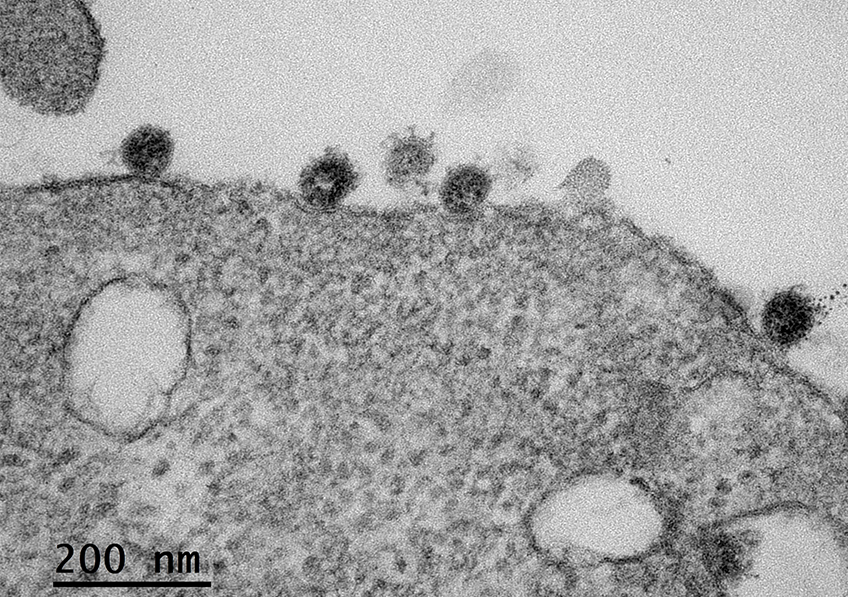
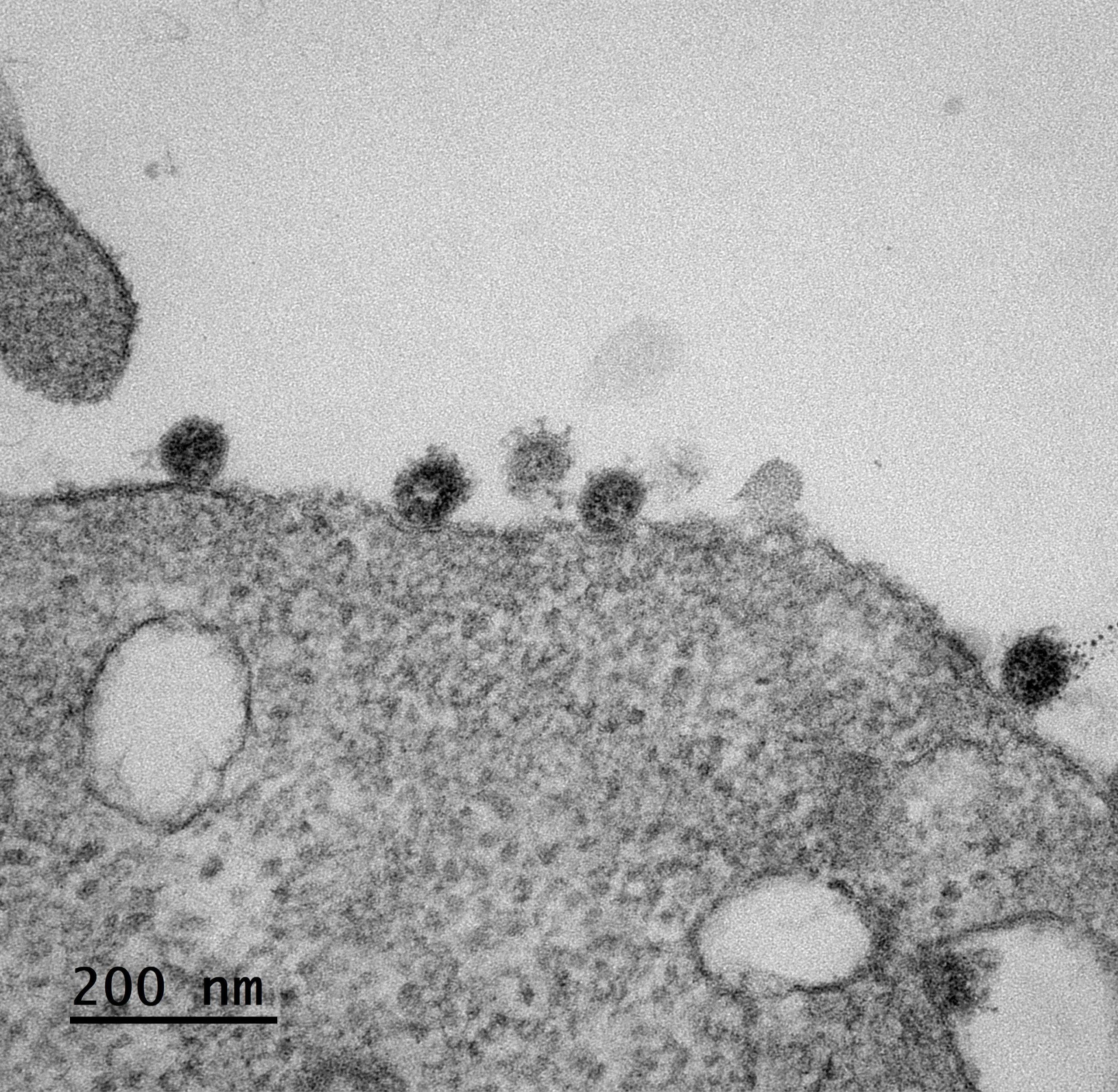
SARS-CoV-2 infected cell © Sébastien Eymieux and Philippe Roingeard, INSERM – Université de Tours

What are the factors predicting progression to severe forms of COVID-19? One year into the pandemic, this question remains a key research subject, and one that scientists from Inserm and Université de Paris decided to explore further by studying the link between viral kinetics and disease progression. This research is based on data from the Inserm-sponsored French COVID cohort, and has been published in PNAS.

While some patients infected with SARS-CoV-2 only have mild symptoms of COVID-19, a minority will go on to develop severe forms of the disease. A better understanding of the factors that determine this progression is essential if we are to improve their treatment and reduce mortality.

A team led by Inserm researcher Jérémie Guedj at the IAME laboratory (Inserm/Université de Paris) analyzed the biological data of 655 patients hospitalized for SARS-CoV-2 infection, and who were participants in the French COVID cohort.

The aim was to help elucidate the link between viral kinetics – the amount of virus present in the nasopharyngeal compartment over time – and the progression of the disease.

Their study has highlighted two essential points. The first is that the older the patient, the longer he or she takes to eliminate the viral load from the nasopharyngeal compartment. The second is that this viral dynamic is associated with mortality.

While viral load is certainly not the only factor in progression to severe disease and death, it does play an important role. Although COVID-19 is often described as an inflammatory disease, these virological aspects must also be taken into account in the treatment and support of hospitalized patients.

As a consequence, this research also highlights the need for continued research into the development of antiviral treatments.

In particular, the scientists used modeling to show that shortening the time to viral clearance by administering treatment upon hospitalization could significantly improve prognosis, especially in the most elderly.

COVID-19 Vaccine Trials: Janssen’s Vaccine Candidate to be Tested by Covireivac

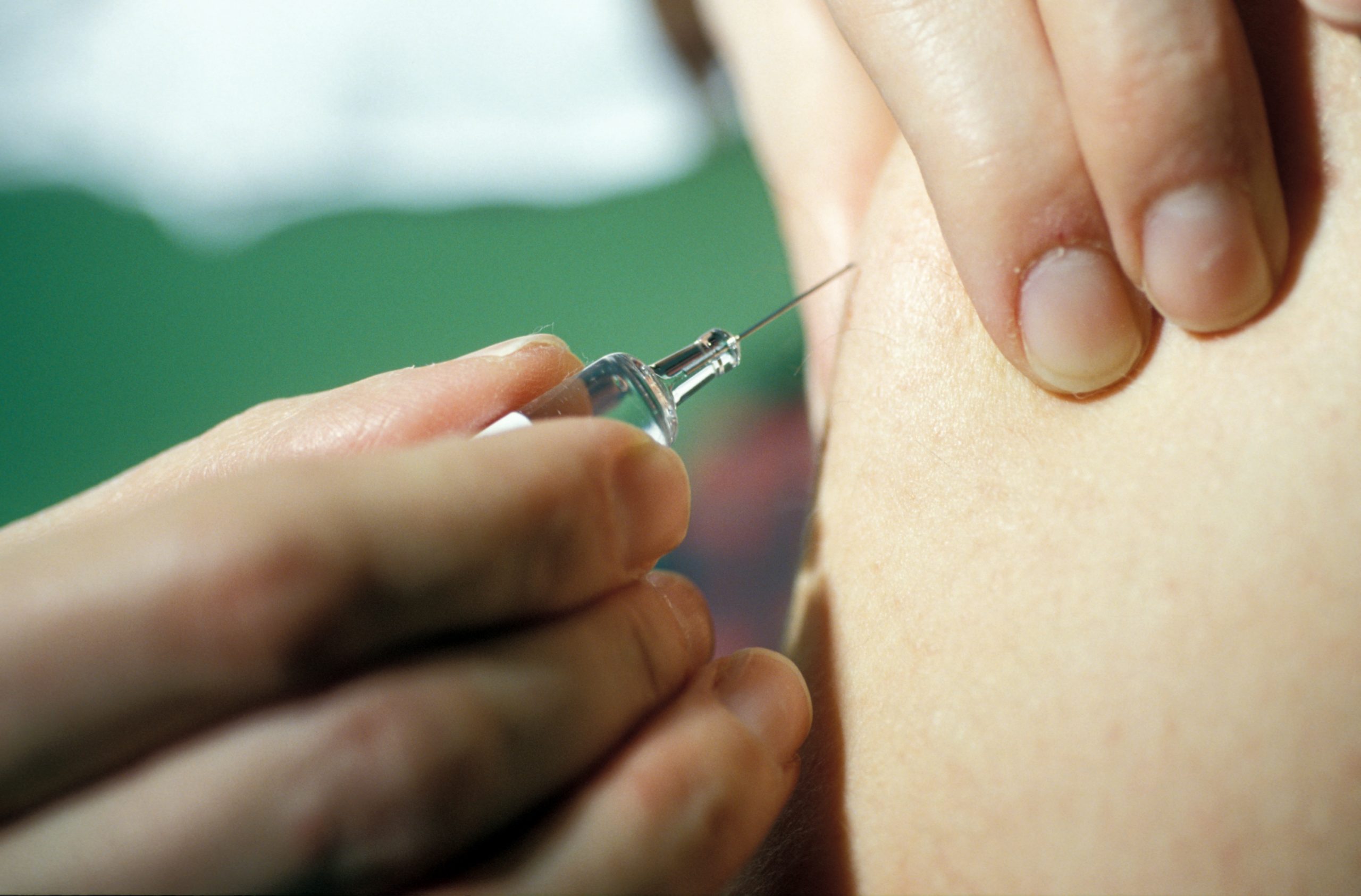
Injecting a vaccine with a pre-filled syringe. © Inserm/Depardieu, Michel

The Phase 3 clinical trial of a COVID-19 vaccine is to be launched via Covireivac, a platform set up under the auspices of Inserm and the university hospitals to centralize COVID-19 vaccine trials in France. Janssen, the pharmaceutical division of the Johnson & Johnson group, has obtained the authorizations[1] needed for ENSEMBLE 2, a trial evaluating the efficacy and safety of vaccine candidate Ad26.COV2.S in the prevention of COVID-19 in adults. In France, 1175 volunteers out of those registered on Covireivac will enroll in this clinical trial that will be conducted in 30,000 people across the world.

To conduct the French component of the trial, eight centers[2] have been selected to enroll the 1175 volunteers, representing around 147 per center. The frequency of the disease will be compared between those having received the vaccine and those having received placebo. The aim is to determine whether the administration of two doses of the study vaccine is effective against COVID-19 and whether the vaccine protects against SARS-CoV-2 infection and disease.

The candidate developed by Janssen is based on an attenuated version of a virus that causes rhinopharyngitis in humans (adenovirus) in order to:

  • Produce just part of the COVID-19 virus, the spike “S” protein, which will be recognized by the immune system and induce an immune response
  • Block the multiplication of SARS-CoV-2 in the human body

This “non-replicating viral vector” vaccine is based on technology used in one of the Ebola vaccines, a product approved by the European Medicines Agency. It will be administered in the form of two intramuscular injections, with the second to be given 57 days (8 weeks) after the first. Details of the trial protocol are published on ClinicalTrials, a database of clinical studies conducted around the world.

The initial results available show that tolerability of the vaccine is good and that it induces the production of SARS-CoV-2 neutralizing antibodies in over 90% of the participants 29 days after vaccination and in almost 100% of them after 57 days.

Preliminary data show the vaccine to be 66% effective against COVID-19 and that the two-dose regimen (vs. the single-dose regimen) multiplied by 2 to 3 the quantity of antibodies produced against SARS-CoV-2.

The volunteers registered on Covireivac who have been selected to participate in this trial have already been contacted or will be shortly. To be eligible, the volunteers must, for example:


  • Be at least 18 years of age, healthy or with pre-existing medical conditions that are stable at the time of enrollment.
  • Be affiliated to a social security system.
  • Be capable of accepting and respecting the trial procedures and be capable of giving their free and informed consent.
  • For women of childbearing age, a negative pregnancy test is required before vaccine administration.


Ineligible for the trial are, for example, volunteers:

  • With unstable medical conditions.
  • Presenting with an acute illness or temperature ≥ 38°C within 24 hours before the first injection.
  • Having previously received a COVID-19 vaccine.
  • Having received a live attenuated vaccine within 28 days before the vaccination visit or another type of vaccine within 14 days before the vaccination visit.
  • Having received a clinical trial drug within 30 days to 6 months before enrollment, depending on its type.


Once a vaccine becomes available in France, it is legitimate that volunteers ask themselves whether they wish to participate in a trial in which some of them will receive placebo. For obvious ethical reasons, for those who will soon be able to access the national vaccination campaign, the answer is that these eventualities will be taken into account in the upcoming protocol amendments and that the option will be there to get vaccinated as part of that campaign should they so wish, even if they have already been enrolled in the trial.” declares Odile Launay, Scientific Manager of Covireivac, whose coordination team is based at Hôtel-Dieu Hospital – AP-HP.

Even if vaccines are already approved in France, continuing the trials is essential if we are to further scientific knowledge, particularly regarding length of vaccine protection and quality of immune response.

Furthermore, in order to meet worldwide demand and the needs of the different populations, it is imperative to develop and have at our disposal several vaccines. Continued research also enables the development of products whose efficacies complement each other, are easier to administer, and possibly also cheaper to produce.

Covireivac

At the request of MSS and MESRI, Inserm has, in coordination with the hospitals and general practitioners, been tasked with setting up infrastructure to conduct clinical trials on COVID-19 vaccines in France. Driven by Inserm, this platform, named Covireivac, federates 24 clinical investigation centers (CICs) located in university hospitals across France, in close collaboration with the College of teachers in general practice. The clinical operational aspects of the various university hospitals are coordinated by the Paris hospital group AP-HP.

Covireivac is based on I-REIVAC, the existing national network for clinical investigation in vaccinology, which has been reinforced and extended for the occasion. This network has been labeled a network of excellence by F-Crin (France’s national clinical research infrastructure). The platform’s infrastructure is funded by MSS and MESRI.


[1] From France’s drugs regulator (ANSM) and the Île-de-France institutional review board (CPP)

[2] 2 centers in the Île-de-France region (Cochin Hospital AP-HP and Saint Antoine Hospital AP-HP); 3 in Occitanie, 1 in Nouvelle Aquitaine, 1 in Auvergne Rhône Alpes and 1 in Grand Est.

Better Access to Education Reduces Differences in Cognitive Capacity Between Men and Women

From one generation of women to the next, access to higher education is linked to an improvement in certain cognitive aspects. © Adobe Stock

Elderly women are currently at a higher risk than men of developing dementia, particularly Alzheimer’s disease. A phenomenon that could partially be explained by inequalities in access to education between the sexes during the first half of the 20th century. Researchers from Inserm and Université de Paris, in collaboration with University College London, have shown that certain cognitive capacities have improved in women over recent generations, and that this is linked to a larger number of women accessing higher education. In the longer term, they believe that sex-based inequalities in dementia risk could decrease. Their study has been published in The Lancet Public Health.

Elderly women currently have a 50% higher risk than their male counterparts of developing Alzheimer’s disease – a condition for which several risk factors are already well known, such as cardiovascular disease and level of education. It was the latter risk factor that Inserm researcher Séverine Sabia and the EpiAgeing team from the Center for Research in Epidemiology and Statistics at Université de Paris decided to study.

The current generation of very elderly people was born between 1920 and 1940, a time when few women had access to higher education.

However, from the 1960s, things began to change, with greater numbers of women accessing universities and on a more equal footing with men, to an extent that their educational attainment has more or less caught up with that of men in developed countries. A development that Sabia and her colleagues believe could reduce sex-based differences in dementia risk in the years to come.

To test this hypothesis, they compared the cognitive capacities during aging of women and men according to their education levels over several generations. These individuals were participants in two British cohorts – ELSA (English Longitudinal Study of Ageing) and Whitehall II – which had enrolled a total of 15,924 people from the general population, born between 1930 and 1955. The researchers divided them into three subgroups according to their year of birth: 1930-38, 1939-45, and 1946-55. The education level of the various participants was also known.

For each participant, two components of cognitive function were assessed several times over the 1997-2015 follow-up period. The first was short-term memory, which involves remembering a list of words just heard, followed by verbal fluency, which is the ease at which a person can produce words by naming as many animals (for example) as possible in one minute. “This is the first time to my knowledge that research of this type has focused on cognitive trajectories during aging in men and women combined with changes in education level in successive generations,” explains Sabia.

In both cohorts, the overall education level was higher in the youngest group (born between 1946 and 1955) than in the oldest group (born between 1930 and 1938). In addition, the proportion of women with a level equivalent to that of the high school diploma more than doubled, increasing from 14% to 33% (compared to 36% and 54% for men).

Data from this study suggest that women’s memory capacity has improved in recent years. They outperformed men in the tests at all ages, with the gap widening yet further among the “youngest” generation. In terms of verbal fluency, while men fared better than women in the oldest group born between 1930 and 1938, this gap narrowed for the participants born more recently, with the opposite effect being observed for the generation born between 1946 and 1955.

At the same level of education, women are at absolutely no disadvantage compared to men when it comes to memory or verbal fluency,” clarifies Mikaela Bloomberg, first author of the study.

“Although we studied just two of the components of cognitive function, the trend here is indicative of better cognitive reserve in women born more recently, thanks in part to improved access to higher education. This could ultimately result in a reduction in male/female differences in dementia risk in countries where access to education is similar regardless of sex.

These findings therefore underline the importance of access to education for all in order to promote aging in good health,” concludes Sabia.

Discovery stops testing Remdesivir against Covid-19 for lack of evidence of its efficacy

©hal-gatewood-AypaEmWVH8I-unsplash

The Discovery trial was originally launched in March 2020 by Inserm to evaluate possible treatments for COVID-19. Its European expansion (Discovery Europe) was made possible by the EU-RESPONSE[1] project funded by the European Commission (see details in the box below). On January 13th, 2021, the Discovery Europe trial Data Safety Monitoring Boards (DSMB) evaluated an interim report based on 776 patients of whom 389 received remdesivir and 387 received standard of care. The efficacy of the treatment was evaluated after 15 days and measured on the WHO-7-point ordinal scale. As a result of the evaluation, the DSMB recommended that patient recruitment be suspended.

This recommendation was based on lack of evidence of efficacy of remdesivir after 15 days and a very low probability to conclude with the inclusion of additional participants. There was also no evidence for treatment efficacy at day 29 (on the same scale or on mortality), nor in the analysis restricted to moderate-risk participants at day 15. This recommendation has been endorsed by the Discovery Europe Steering Committee.

Discovery researchers are now collecting and monitoring data on all participants enrolled in the clinical study in order to publish their detailed scientific findings in a peer reviewed scientific journal.

The Discovery Europe trial will continue in 80 centres from 14 European countries and will soon launch the clinical evaluation of a combination of two monoclonal antibodies. Beside the deployment of vaccines, it remains paramount to provide strong evidence for adding effective medicines for the treatment of patients affected by Covid-19.


The Discovery trial was originally launched in March 2020 by Inserm to evaluate possible treatments for Covid-19. An agreement was signed with the WHO Solidarity trial so that it became an add-on trial of Solidarity. Discovery is now part of the EU-RESPONSE project (Discovery Europe), funded through Horizon 2020, the EU’s research and innovation programme. It is a multicentre adaptative randomized platform trial for the evaluation of the clinical and virological efficacy, as well as the safety, of candidate treatment versus standard of care in hospitalized adult patients with laboratory confirmed Covid-19. The initial set of tested treatments includes lopinavir/ritonavir, lopinavir/ritonavir plus IFN-b-1a, hydroxychloroquine, and remdesivir. The primary endpoint is the clinical status at day 15, measured on the WHO 7-point ordinal scale..

In June 2020, the DSMBs of Solidarity recommended to stop the hydroxychloroquine arm for futility concern as well as both lopinavir/ritonavir containing arms for futility and safety concern. In July 2020, continuing the evaluation of remdesivir, approved for conditional marketing authorisation in the European Union, was felt important because more data were needed to fully assess its efficacy.

[1] https://cordis.europa.eu/project/id/101015736

À l’Inserm, la lutte contre la pandémie de Covid-19 se poursuit

COVID-19 Causes 3 Times More Deaths Than Seasonal Flu

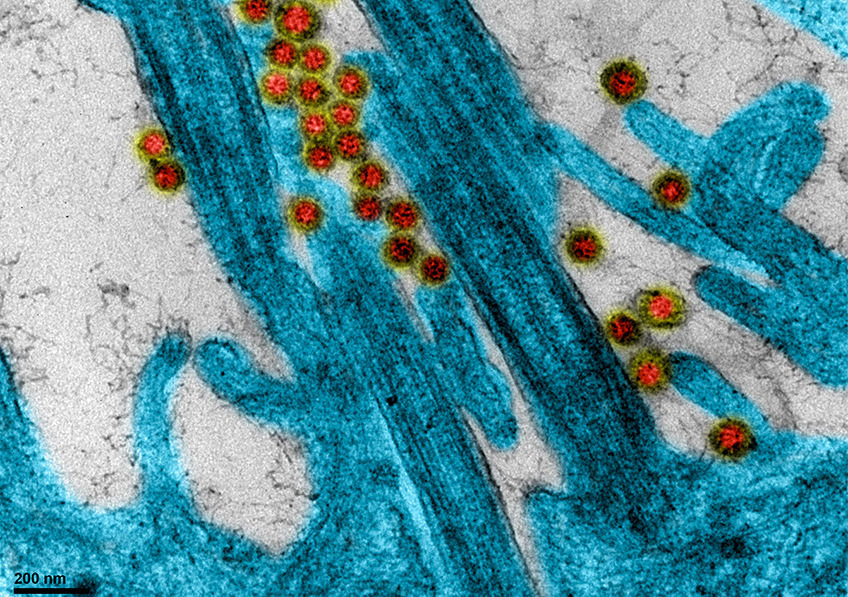
SARS-CoV-2 coronavirus attached to the cilia of human respiratory epithelial cells.© Manuel Rosa-Calatrava, INSERM ; Olivier Terrier, CNRS ; Andrés Pizzorno, Signia Therapeutics ; Elisabeth Errazuriz-Cerda UCBL1 CIQLE. VirPath (Centre International de Recherche en Infectiologie U1111 Inserm – UMR 5308 CNRS – ENS Lyon – UCBL1). Colorized par Noa Rosa C.


A study by Inserm and Dijon University Hospital based on French nationwide data on around 130,000 patients hospitalized for either COVID-19 or seasonal influenza shows that the mortality rate among those admitted for COVID is three times higher than that of seasonal influenza. These findings have been published in The Lancet Respiratory Medicine

This study uses data from the French national administrative database (medicalized information system program – PMSI), which contains information on all patients admitted to public and private hospitals in France, such as the reasons for their admission and the treatment they received. The researchers compared the admissions for COVID-19 (between March 1 and April 30, 2020) with those for seasonal influenza (between December 1, 2018 and February 28, 2019).


The results reveal:


  • A mortality rate among the patients hospitalized for COVID-19 three times higher than that of those admitted for seasonal influenza. Of the 89,530 patients admitted for COVID, 15,104 [16.9%] died versus 2,640 [5.8%] of the 45,819 patients hospitalized for influenza.


  • More COVID-19 patients required admission to intensive care with an average stay that was almost twice as long (15 days versus 8 days).


  • Fewer children under 18 years of age were hospitalized for COVID-19 than for seasonal influenza, but a larger proportion of the patients younger than 5 years needed intensive care support for COVID (14 out of 613) than for influenza (65 out of 6973). The mortality rate for the children under 5 years of age was similar for both groups and very low (less than 0.5%).


  • Almost twice as many people were hospitalized for COVID-19 at the peak of the pandemic compared to those who had been hospitalized for influenza at the peak of its 2018/2019 season.


  • In addition, a larger proportion of the COVID-19 patients had a severe form of the illness requiring intensive care than those with influenza. Looking at the number of admissions to intensive care: out of the 89,530 COVID-19 patients, 14,585 [16.3%] were admitted to intensive care versus 4,926 [10.8%] of the 45,819 influenza patients.


  • More than one in four COVID-19 patients suffered from acute respiratory failure, versus fewer than one in five with influenza.


  • Consistent with previous reports, the most common underlying medical conditions among the patients admitted with COVID-19 were hypertension (33.1%), overweight or obesity (11.3%), and diabetes (19.0%).

The researchers point out that their study has several limitations. In particular, testing practices for influenza are likely to be highly variable across hospitals, whereas practices for COVID-19 may be more standardized. This may partly explain the increased number of admissions for COVID-19 compared to seasonal influenza. In addition, the difference in hospitalization rates may be partly due to existing immunity to influenza in the population, either from previous infection or vaccination.

Nevertheless, the conclusions of this research confirm the importance of measures to prevent the spread of both diseases. Measures that are particularly relevant at a time when several countries are preparing for the COVID-19 pandemic to continue in parallel with seasonal influenza outbreaks during the winter months.

“This study is the largest to date comparing the two diseases and confirms that COVID-19 is much more serious than influenza. The finding that the COVID-19 death rate was three times higher than that of seasonal influenza is particularly striking when one recalls that in the last five years the 2018/2019 influenza season has been the worst in France in terms of number of deaths,” declares Catherine Quantin, researcher at Inserm and Professor at Dijon University Hospital.

“Taken together, these findings clearly indicate that COVID-19 is much more severe than seasonal flu. While no treatment has yet been shown to be effective in preventing serious illness in COVID-19 patients, this study underlines the importance of the various prevention measures (barrier measures) and highlights the need for access to effective vaccines,” concludes Pascale Tubert-Bitter, research director at Inserm.

Published Now in the New England Journal of Medicine: The Initial Results of the Solidarity/Discovery Clinical Trial

©Adobe Stock

Back at the start of the pandemic, Inserm, through its REACTing consortium, set up Discovery: a European clinical trial to evaluate the efficacy of four antiviral drugs repurposed for the treatment of patients hospitalized with COVID-19 (remdesivir, hydroxychloroquine, lopinavir and interferon beta-1a). In parallel, the World Health Organization (WHO) set up Solidarity, a major consortium of clinical trials also aimed at testing the efficacy of these four treatments. Discovery then joined forces with Solidarity to help supply it with robust and rigorous data. The initial results of Solidarity have now been published in the New England Journal of Medicine.

Launched in March 2020 under the aegis of Solidarity – the World Health Organization (WHO) global clinical trials – Discovery is a clinical trial to study efficacy and safety. It is the only large-scale European academic trial of COVID-19 treatments.

Focusing on patients hospitalized with severe COVID-19 in France and other European countries, this trial is both randomized (the treatments are randomly assigned to the participants) and open-label (the patients and their caregivers know which treatment they have been allocated). The data obtained in Discovery form part of the data analyzed within the framework of Solidarity and have been presented in the study by the New England Journal of Medicine.

The analysis covers 11,330 adult patients in 405 hospitals across 30 countries and includes Solidarity’s “daughter trials” (with one of the main contributors being Discovery). The patients were assigned to different groups in order to receive one of the following regimens:

  • Remdesivir + standard of care
  • Hydroxychloroquine + standard of care
  • Lopinavir + standard of care
  • Interferon (or interferon and lopinavir) + standard of care
  • Standard of care that is given to all patients hospitalized with severe COVID-19

The results suggest that none of these treatments have an effect on the clinical improvement of patients. None of them significantly reduce overall mortality, the risk of having to initiate mechanical ventilation, or the duration of hospitalization.

However, within the framework of Solidarity and Discovery, it has nevertheless been decided to continue enrolments in the remdesivir group. Indeed, the meta-analysis presented in the study suggests that although mortality is not reduced in the mechanically ventilated patients in intensive care having received remdesivir, it does show that remdesivir may slightly reduce mortality in the subgroup of hospitalized patients who do not require mechanical ventilation. In addition, while a scientific consensus is emerging as to the lack of efficacy of the other therapeutic combinations tested in Solidarity, data published in other studies remain contradictory on the subject of remdesivir.

The decision by the Discovery investigators to continue enrolments in this group has therefore been made with the aim of obtaining new data in order to decide one way or the other on the utility of remdesivir in severe COVID-19.

Discovery has received funding from the European Commission and is currently enrolling patients hospitalized for severe COVID-19 in five European countries (other European countries will soon follow and are awaiting regulatory approvals).

Fibromyalgia, Knowledge Overview and Recommendations: An Inserm Collective Expert Review

© Inserm/Frédérique Koulikoff

Fibromyalgia, otherwise known as fibromyalgia syndrome, is a form of chronic widespread pain associated with other incapacitating symptoms such as fatigue, cognitive impairment, sleep disturbances and mood disorders. This condition is thought to affect between 1.4 and 2.2% of people in France, but the lack of a specific biological marker makes diagnosing them difficult. Caring for these patients is also complex and often requires a multidisciplinary approach tailored to each individual.

Inserm was tasked by France’s Health Directorate with conducting a Collective Expert Review in order to take stock of the scientific knowledge on fibromyalgia in adults, and also to explore the potential existence of a similar syndrome in children and adolescents. The objective was also to recommend measures and establish research priorities in order to better understand fibromyalgia and improve patient care.

This Inserm Collective Expert Review is based on a critical analysis of the international scientific literature carried out by a multidisciplinary group of fifteen experts from fields including neurology, pharmacology, pediatrics, sociology and health economics.

All in all, nearly 1,600 scientific documents published over the last ten years were analyzed. The resulting review contributes a number of elements that enable the complex reality of fibromyalgia to be better understood, but also promote the appropriate care and strengthen research. The purpose was not to give an opinion on how the health authorities should manage the condition.

A complex clinical reality

While fibromyalgia is primarily associated with fluctuating chronic widespread pain, a large majority of patients also suffer from persistent fatigue, attention and concentration difficulties, and physical deconditioning (a psychophysiological process that leads to physical inactivity and withdrawal). Up to 85% present symptoms of anxiety or depression and 95% complain of sleep disturbances. However, what the review shows is that fibromyalgia is highly diverse in its clinical expression, with major variations in its severity. It also notes the impact of fibromyalgia on all aspects of quality of life and the significant economic and social costs associated with it.

As far as diagnosis is concerned, it is based on constantly evolving clinical criteria, which make it difficult, especially since no biomarker has yet been identified. The findings of the brain imaging studies performed so far vary greatly and do not make it possible to aid diagnosis.

What is more, the review recommends not distinguishing at present a juvenile fibromyalgia syndrome in children and adolescents suffering from chronic widespread pain.

Finally, the scientific research conducted over the previous decade rarely took into account the diversity of symptoms, the differences in severity and the various treatments taken by patients, which limits its scope. It also makes little distinction from other forms of chronic widespread pain, with sex-based differences and patient outcomes having not been explored in great depth.

Faced with this diversity of findings from the scientific literature, and in order to deal with the complex clinical reality of fibromyalgia, several recommendations are presented.

Offer the most appropriate patient care and encourage physical activity

The review emphasizes the need to promote support that adapts and evolves according to the symptoms. In all cases, the patient’s adherence to the proposed care program is essential. Appropriate interdisciplinary management in order to better recognize and accompany the various symptoms presented by patients is recommended for those whose quality of life is severely impaired.

Getting patients moving again at an early stage through appropriate physical activity is one of the central aspects of care in order to, among other things, prevent or minimize physical deconditioning. This is why the review suggests that the recommendations made in the Inserm Collective Expert Review on the practice of physical activity in chronic diseases be extended to include fibromyalgia. Such a physical activity program should be supervised regularly by a health professional.

For patients who have difficulty managing their fibromyalgia or who present symptoms of anxiety or depression, their management can include psychotherapy in order to help them improve their psychological wellbeing and quality of life.

While medications may be occasionally effective against certain symptoms (pain, but also sleep disorders, anxiety and depression…), it is important to prevent their misuse, particularly by avoiding the prescription of opioids for widespread pain, especially in children and adolescents.

Promote quality research

Another major recommendation is to develop and pursue quality research into widespread chronic pain, including fibromyalgia. Several lines of research must therefore be prioritized.

To begin with, the aim is to improve knowledge of fibromyalgia by exploring chronic widespread pain in large existing or future French cohorts. The studies will also be able to assess the particularities of fibromyalgia subgroups, strengthening research into patient representations and experiences and evaluating the socioeconomic impact.

In addition, the review stresses the importance of intensifying investigations in young people suffering from chronic widespread pain and research into the origin and consequences of such pain developing in childhood and adolescence.

Finally, the identification of factors that favor interdisciplinary care, particularly by promoting research into the organization of care, is also considered a priority.

Inserm’s Collective Expertise Review on Fibromyalgia is a further step towards promoting research of excellence on the subject, serving the health of people affected by chronic pain.

The Placenta Could Retain a Memory of Tobacco Exposure Prior to Pregnancy

©fotografierende on Unsplash

It is well-known that giving up smoking before pregnancy considerably reduces the health risks for both mother and child. Research by a team from Inserm, CNRS and Université Grenoble Alpes at the Institute for Advanced Biosciences, published in BMC Medicine, took a closer look at the subject showing for the first time that tobacco consumption, even when stopped before pregnancy, can have an impact on the placenta. By studying the placental DNA of 568 women, the team has shown that smoking not just during but also before pregnancy leads to epigenetic modifications (DNA methylation) which could have consequences on its course.

Although it has been shown that tobacco consumption during pregnancy has many negative health impacts for both mother and child, the mechanisms involved are still poorly understood. Previous studies have linked tobacco consumption during pregnancy to alterations in DNA methylation – a form of epigenetic modification (see boxed text) involved in gene expression – in umbilical cord blood and the cells of the placenta. Indeed, while the placenta plays a crucial role in the development of the fetus, it is vulnerable to many chemical compounds.

However, what had not been studied up until now was the impact on placental DNA methylation of tobacco exposure prior to pregnancy.

A team from Inserm, CNRS and Université Grenoble Alpes at the Institute for Advanced Biosciences measured and compared the impact of tobacco consumption on placental DNA methylation in pregnant women in the three months preceding pregnancy and/or during pregnancy.

The researchers studied DNA from samples of placenta collected at the time of delivery from 568 women of the EDEN1 cohort, who were divided into three categories: non-smokers (who had not smoked in the three months prior to pregnancy or during it), former smokers (who had given up smoking in the three months prior to pregnancy) and smokers (who had smoked both throughout pregnancy and in the three months prior to it).

In the smokers, the scientists observed that 178 regions of the placental genome showed alterations in DNA methylation. In the former smokers, they identified that DNA methylation was still altered in 26 of these 178 regions. Only in the women having smoked during pregnancy was methylation altered in the remaining 152 regions.

The regions that were altered most often corresponded to so-called enhancer zones, which remotely control the activation or repression of genes. In addition, some of them were located on genes known to play an important role in fetal development.

While many regions appear to have a normal methylation profile in women after they have stopped smoking, the presence of some DNA methylation changes in the placenta of those having stopped before pregnancy suggests the existence of an epigenetic memory of tobacco exposure,” says Inserm researcher Johanna Lepeule, who led this work. She suggests that changes in placental DNA methylation at the level of the genes related to fetal development and enhancer regions may partly explain the effects of smoking observed on the fetus and the subsequent health of the child.

The next steps in this research are aimed at determining whether these alterations impact the mechanisms involved in fetal development and whether they may have consequences for the health of the child.


[1] The pregnant women were recruited between 2003 and 2006 in the university hospitals of Nancy and Poitiers.


Learn more about epigenetic modifications and DNA methylation

Epigenetic modifications are materialized by biochemical marks present on DNA. Reversible, they do not lead to changes in DNA sequence but do induce changes in gene expression.  They are induced by the wider environment: the cell receives signals informing it about its environment, and specializes itself accordingly, or adjusts its activity. The best characterized epigenetic markers are DNA methylations, involved in the control of gene expression.

COVID-19 Vaccines: 25,000 Volunteers Needed for Large-Scale Clinical Trials in France – Registration Now Open


International research is being mobilized in order to develop safe and effective vaccines for COVID-19. Around thirty vaccine candidates are at the clinical evaluation stage, with some undergoing Phase 3 trials to demonstrate their efficacy. At the request of the Ministry of Solidarity and Health and the Ministry of Higher Education and Research, France – drawing on the excellence of its clinical research in vaccination – has taken steps to help evaluate the most promising vaccine candidates with the deployment of the COVIREIVAC platform. Driven by Inserm, COVIREIVAC federates 24 Clinical Investigation Centers (CICs) located in university hospitals across France, in close collaboration with the College of Teachers in General Practice. The clinical operational aspects of the various university hospitals are coordinated by the Paris Hospital Group AP-HP. Today, COVIREIVAC opens the registration process for volunteers to participate in the first large-scale clinical trials in France.

To make these trials possible, COVIREIVAC is looking for 25,000 volunteers aged 18 or over and has launched the registration and information website www.covireivac.fr. Developed with the support of Public Health France and the Medicines Agency (ANSM), it aims to provide the most accurate information possible on vaccine development so that potential volunteers can make an informed decision.

Join the fight

Volunteers in COVID-19 vaccine trials have a role to play in fighting the pandemic, moving research forward and thus contributing in the medium term to their own protection and that of their fellow citizens – particularly the most vulnerable. Becoming a volunteer also means participating in a scientific challenge alongside the scientific and medical community.

If you are interested in volunteering, simply pre-register at www.covireivac.fr and complete a preliminary health questionnaire. Volunteers will then be contacted according to the needs of the various trial protocols (age, pre-existing conditions, geographical location), following which they can either confirm or withdraw their agreement to participate in the specific trial for which they have been called. It is also possible that they may never be called.

French research, a key player in developing safe and effective vaccines

Two vaccine clinical trials are currently ongoing in France: a Phase 1 trial in healthy subjects for a vaccine developed by Institut Pasteur in collaboration with CEPI, Themis and MSD which has begun at Cochin Hospital (Paris Hospital Group AP-HP), and a trial in healthcare workers on the contribution of the BCG vaccine to boosting systemic immunity and protection against COVID-19, which is coordinated by AP-HP.

Two types of large-scale clinical trial are envisaged in France. The first is Phase 2 trials to closely study the ability of vaccines to produce an immune response (immunogenicity) in elderly people, whose immune system is generally weakened despite being most at risk of developing severe forms of the disease. The second is Phase 3 trials for the large-scale study of the efficacy and safety of promising vaccine candidates, depending on the intensity of the virus’ circulation in France in the months to come.

These clinical trials could start between October and the end of the year, depending on the evolution of the epidemic and the ongoing discussions with industry.

“Good clinical trials are crucial for the development of safe and effective vaccines. As researchers and doctors, we are all committed to rigorous evaluation that will provide the health authorities with the essential data to guarantee the quality of the vaccines developed. What wenow need is volunteers to mobilize alongside us,” emphasizes Odile Launay, Professor of Infectious and Tropical Diseases at Université de Paris, coordinator of Cochin-Pasteur CIC at Cochin Hospital (AP-HP), and coordinator of COVIREIVAC.

In addition to the follow-up and monitoring of the volunteers during the trials, a specific system for monitoring participants will be set up by the platform at the end of the trials, in conjunction with primary care doctors and ANSM. This monitoring will therefore make it possible to track the safety of the vaccines over the long term.

COVIREIVAC, a “one-stop shop” for France

The COVIREIVAC platform is working in close collaboration with the Scientific Committee for COVID-19 Vaccines, chaired by Inserm Research Director and CARE Committee member Marie-Paule Kieny. The clinical trials conducted will focus on the most promising vaccines, selected by the Scientific Committee.

New Whooping Cough Vaccine In Development

Boîte de pétri contenant une Culture de Bordetella pertussis, l’agent causal de la coqueluche.

Culture of Bordetella pertussis, the causative agent of whooping cough ©Inserm/Locht, Camille

A research team from Inserm, Lille University, Lille University Hospital, CNRS, and the Institut Pasteur of Lille, as part of the Lille Immunity and Infection Center, in partnership with ILiAD Biotechnologies, is developing a new vaccine against whooping cough. The researchers are using the whole bacterium, which has been genetically modified to render it nontoxic, in the hopes of compensating for the efficacy failures of the current vaccine. The new vaccine is intended to induce a lasting immune response and block transmission between individuals. New research published in The Lancet Infectious Diseases presents phase 1 results of the clinical trials for this vaccine, which show satisfactory tolerance and an effective response in adults.

Whooping cough is a respiratory illness caused by Bordetella pertussis bacteria. It is highly contagious and can be fatal to infants. Vaccination is recommended for both infants and their families.

The first whooping cough vaccines were developed in the 1950s. These “inactivated” vaccines involved injecting bacteria that had been inactivated by heat or chemical treatments. The vaccines were effective, but they presented the disadvantage of inducing some localized and generalized adverse effects that were bothersome but not serious. A second generation of more easily tolerated vaccines was developed, this time based on the use of just a few bacterial proteins.

These vaccines have been in use in industrialized nations since the 2000s; but in less than ten years it became apparent that whooping cough infection rates in the general population were rising despite vaccination. The current vaccines do indeed provide effective protection from the illness, but their effect lasts only 3 to 5 years and they do not sufficiently block the transmission of bacteria between individuals.

Inserm research director Camille Locht and his team from the Lille Immunity and Infection Center (Inserm/Lille University/Lille University Hospital/CNRS/Institut Pasteur of Lille) together with ILiAD Biotechnologies are working on a new whooping cough vaccine that will be more effective than current vaccines. Like first-generation vaccines, the new vaccine, referred to as BPZE1, relies on whole bacteria but in this case the bacteria are still alive. BPZE1 is, in fact, a “live attenuated” vaccine, meaning that it contains a live infectious agent but whose pathogenic potential is genetically attenuated (rather than having been inactivated by heat).

One of the major challenges of perfecting BPZE1 was finding a way to improve tolerance, which was poor with the first vaccines. After identifying and describing the toxicity genes responsible for the pathological effects of whooping cough, the researchers were able to genetically modify the bacteria to obtain a strain that lacked toxicity, from which BPZE1 was developed. The vaccine is administered via nasal route in the form of an inhalable suspension, which reproduces the natural route of infection and consequently improves the duration of efficacy.

“This vaccine triggers local immunity in the respiratory tract by mobilizing innate immunity, enabling a rapid response,” explains Locht. “Furthermore, the bacteria are quickly eliminated after being introduced into the nasal cavity, which limits transmission. We hope that the effect of BPZE1 will last for at least two decades.”

After satisfactory preclinical trials in animals, the researchers conducted a phase 1 trial in humans to determine whether tolerance was satisfactory and if a response occurred at three different doses of the vaccine with a single nasal administration. The trial was conducted on 48 participants, aged 18 to 32, presenting few antibodies specific to Bordetella pertussis bacteria. They were divided into three groups, one for each of the three doses. In each group, 12 individuals received the vaccine and 4 received a placebo. Nasal and blood samples were taken on six occasions during the first month, then six months later, and, finally, one year later, to check whether the vaccine was present in the mucosa and determine whether a specific immune response had taken place.

The highest dose triggered the production of specific antibodies, which were still present one year later in 100% of the volunteers (the rate was 80% at the lowest dose). Furthermore, all three doses were tolerated well, with adverse effects equivalent to those reported in the placebo groups.

The researchers were encouraged by these results and have begun phase 2 clinical trials in 300 volunteers. “If this vaccine passes all the steps in development, it may be used initially for adults who care for infants, to protect the infants from the possibility of transmission,” Locht specifies. “Use in vulnerable individuals and infants is planned, but this will require additional safety data that it may take a long time to obtain,” he concludes.

fermer