Menu

Developpemental Coordination Disorder, or Dyspraxia, a New Collective Expert Review by Inserm

©Frédérique Koulikoff/Inserm

Inserm has published a new Collective Expert Review, this time looking at developmental coordination disorder (DCD) – otherwise known as dyspraxia. In order to produce this document, which was commissioned by the French National Solidarity Fund for Autonomy (CNSA), a group of experts studied over 1400 scientific articles, exploring this relatively unknown disorder that affects around 5% of children. Its recommendations include guaranteeing access for everyone to professionals trained in DCD diagnosis and management, as well as enabling each child to get the most out of their education.


Developmental coordination disorder (DCD), also known as dyspraxia, is a commonly occurring condition that affects 5% of children on average. When a certain level of motor coordination is required, children with DCD do not perform as well as their peers in daily life activities (washing, dressing, eating, etc.) and at school (handwriting).

Inserm was commissioned by the French National Solidarity Fund for Autonomy (CNSA) to produce a Collective Expert Review of the scientific knowledge of DCD. Over a two-year period, Inserm’s Collective Expert Reviews Unit coordinated a dozen researchers and consulted ten specialists in order to review a scientific corpus of over 1400 international articles and issue recommendations on improving the diagnosis and management of children with DCD.

DCD varies markedly in its intensity and expression and is often associated with other neurodevelopmental disorders (of language, attention and learning), as well as a high risk of developing emotional, behavioral or anxiety disorders. These impact the child’s quality of life and participation in activities, particularly schoolwork. One of the key obstacles to their academic integration concerns handwriting.

To limit these impacts, the Expert Review states that spotting the signs is paramount when it comes to establishing rapid monitoring and individualized management for the child according to the severity of their condition, verbal competency, age, and any concomitant disorders.


Recommendations of the Inserm Collective Expert Review

The recommendations put forward by this Collective Expert Review can be summarized according to three main areas of focus.

The first consists of guaranteeing access to diagnosis for everyone, and as soon as possible following identification of the initial signs. In this respect, the Expert Review highlights the need to train professionals, emphasizing the importance of deepening the criteria and standardizing the tools needed to establish a diagnosis according to international standards.

Establishing such a diagnosis involves at the very least the participation of a doctor trained in developmental disorders, as well as that of a psychomotricity therapist or occupational therapist.

The second area of focus concerns what happens post-diagnosis, where there is no one standard intervention of unanimously recognized efficacy. Once diagnosed, it is therefore important to establish appropriate interventions that take into account the child’s profile, quality of life, and that of their family. The experts advise prescribing group sessions for the least affected children and one-on-one sessions for the others. They also recommend preferring interventions that focus on learning the skills needed for school and day-to-day life. Finally, these interventions must increase the involvement of the child’s family, teachers and anyone else interacting with them (sports coaches, etc.).

The objective of the third and final area of focus is to enable each child to get the right support at school. This requires that the school and its staff make the necessary additional arrangements for the child during their exams, in accordance with the French Disability Act (2005). This also involves raising the awareness of and training those involved in supervising and interacting with the child in everyday life, whether at home, school or during leisure

Rapid Genome Analysis Aids Diagnosis of Neonatal ICU Patients

Adobe/Stock

Teams from Dijon-Bourgogne University Hospital, Inserm and CEA have recently established the results of the whole-genome analysis of severely ill neonates, hospitalized in neonatal ICUs – the time of which was slashed from the current 18-month average to just 38 days. Thanks to this rapid analysis, the resulting diagnosis of two-thirds of the infants enrolled in the project enabled one third of them to receive faster and more appropriate treatment. The deployment of this process over the coming years will make it possible to optimize the management of these patients.

Although a number of countries use whole-genome sequencing for diagnostic purposes and while France has recently launched its 2025 Genomic Medicine Plan (PFMG2025)1, its urgent use in a neonatal setting is not very widespread at present. Yet rapid genetic examination is a crucial factor when a diagnosis is required urgently – a common situation when it comes to rare diseases with early pediatric onset or rapid progression. Teams from Dijon-Bourgogne University Hospital, Inserm and CEA conducted a feasibility study of fast high-throughput genome sequencing before envisaging such a process for the future, in the framework of the PFMG2025.

In this pilot study, called Fastgenomics2, some thirty children hospitalized in neonatal ICUs across eight university hospitals belonging to the AnDDI-rares network3 underwent fast genome analysis in the previous nine months. High-throughput sequencing of the genomes of the children and their parents and a primary bioinformatics analysis were carried out on the sequencing platform of the French National Research Center for Human Genomics (CEA-CNRGH), in collaboration with the Very Large Computing Center (TGCC) of the CEA and the Computing Center of Université de Bourgogne (CCuB). The genomics data were interpreted by the TRANSLAD University Hospital Federation (FHU TRANSLAD), in close collaboration with the Inserm U1231 GAD (Genetics of Developmental Disorders) research team.

Mobilizing the teams meant that it was possible to obtain the analysis results within 49 days, with the most rapid turnaround being 38 days. This is particularly fast for a genetic analysis, given that despite the considerable advances made, the average time to obtain a genetic diagnosis in France continues to remain long: 1.5 years on average, and up to 5 years for 25% of patients. Rapid analysis of the genomes of these neonates made it possible to diagnose two thirds of them, with one third able to receive quicker and more appropriate treatment.

Such analysis has been made possible thanks to major advances in the high-throughput sequencing of the gene set. The new-generation high-throughput DNA sequencing technologies – which analyze a person’s entire genome – have emerged in recent years as a tool of choice in the study of rare diseases. These cutting-edge technologies are used at CNRGH and have already implicated numerous genes in numerous diseases. The FHU TRANSLAD team from Dijon-Bourgogne University Hospital was one of the first in France to demonstrate the value of exome sequencing (with the exome representing 1% of the total size of the genome) in the diagnosis of severe diseases with early pediatric onset, as well as developmental abnormalities and intellectual disability.

Diagnosing rare diseases in the neonatal period

Rare diseases (affecting fewer than 1 in 2,000 people) are a major public health problem because they represent around 8,000 conditions and affect more than 3 million people in France. Given that the majority of these diseases are of pediatric onset, they are responsible for 10% of deaths before 5 years of age. Up to 80% of these diseases are considered to have a genetic origin. Establishing a diagnosis brings multiple benefits to the patients and their families: it clarifies the cause and the prognosis, enables access to treatment or clinical trials, determines risk of recurrence, cuts out needless diagnostic tests, enables the management of known complications, facilitates the acquisition of specific financial and practical support, and gives them the possibility to forge links with other families dealing with the same challenges.

Obtaining a diagnosis is a major challenge in diseases with early pediatric onset and rapid progression, and whose genetic causes are highly heterogenous, such as epilepsy, metabolic diseases, cardiac diseases, musculoskeletal diseases and other polymalformative syndromes. The 3rd French National Plan for Rare Diseases (PNMR3) envisages reducing diagnostic delay to one year, given that it is responsible for “the potential worsening of the condition of patients, the delayed possibility for genetic counseling and the wastage of medical resources (due to multiple diagnostic consultations)“.

When it comes to severe neonatal diseases, obtaining rapid diagnosis is particularly important. Diagnosis, when accurate, makes it possible to modify how the patient is managed, whether in terms of treatment adaptation (such as in metabolic diseases or epilepsy), referral to specialists, dietary adjustments, additional examinations, reassessment of any need for surgery, or the consideration of these results when discussing the continuation of care.


1 In 2016, France launched its 2025 Plan for Genomic Medicine (PFMG2025). It aims to implement mass whole-genome sequencing for the diagnosis of rare diseases through the establishment of very high-throughput platforms, as well as pilot studies to define the prescribing conditions for such investigations.

2 Fastgenomics: French national pilot study prepared by the AnDDI-rares national healthcare network, FHU TRANSLAD and CEA-CNRGH, and supported by a financial donation from SANOFI-GENZYME.

3 AnDDI-rares: National rare diseases network dedicated to diseases with somatic and cognitive developmental abnormalities. https://anddi-rares.org

Is physical activity always good for the heart?

International guidelines emphasize the need to be active in order to prevent cardiovascular mortality. Credits : Adobe Stock

Physical activity is thought to be our greatest ally in the fight against cardiovascular disease. But there may be significant variations in its protective effects across a range of different situations, such as regularly playing a sport, carrying heavy loads at work, or going for a walk with friends. These are the findings of a new study led by Inserm researcher Jean-Philippe Empana (U970 PARCC, Inserm/Université de Paris) in collaboration with Australian researchers. The results have been published in Hypertension.

Cardiovascular diseases are the leading cause of mortality around the world, and there is no sign that this trend is declining. However, a large number of premature deaths could be prevented by taking appropriate preventive measures. Among these measures, physical activity is often presented as having multiple benefits, and international guidelines emphasize the need to be active in order to avoid cardiovascular mortality.[1]

But physical activity is a broad concept, and few scientific studies have looked into the differences between various types of exercise may have. This was the focus of the new study published in Hypertension, which was conducted by the research teams led by Jean-Philippe Empana, Xavier Jouven, and Pierre Boutouyrie (Inserm/Université de Paris), in collaboration with Rachel Climie at the Baker Heart and Diabetes Institute, Melbourne, Australia.

“Our idea was to look at whether all types of physical activity are beneficial, or whether under some circumstances physical activity can be harmful. We wanted in particular to explore the consequences of physical activity at work, especially strenuous physical activity such as routinely carrying heavy loads, which could have a negative impact”, explains Empana.

Sport, work, or leisure

The research by Empana and his colleagues was based on data from participants in the Paris Prospective Study III. For ten years, this extensive French study has been monitoring the health status of over 10,000 volunteers, aged 50 to 75 years old and recruited during a health check-up at the Paris Health Clinic (Paris Preclinical Investigations, IPC).

Participants were asked to fill out a questionnaire about the frequency, duration, and intensity of their physical activity in three different contexts: physical activity through sport, physical activity at work (for example carrying heavy loads), and physical activity in their leisure time (such as gardening).

The cardiovascular health of participants was then assessed based on the health of their arteries using cutting-edge ultrasound imaging of the carotid artery (a superficial artery in the neck). This method, known as “echo tracking”, can be used to measure baroreflex sensitivity, a mechanism of automatic adaptation to sudden changes in blood pressure. When this system is impaired, this can lead to major health problems, and a higher risk of cardiac arrest.

Studying the arduous nature of work

In their analyses, the researchers distinguished between two components of the baroreflex: mechanical baroreflex, assessed through the measurement of arterial stiffness, and neural baroreflex, assessed through the measurement of nerve impulses sent by the receptors on the walls of the artery, in response to a distension of the vessel. Abnormalities in the mechanical component tend to be associated with aging-related cardiovascular diseases, while abnormalities in the neural component tend to be linked to heart rhythm disorders that can lead to a cardiac arrest.

The study shows that high-intensity sporting physical activity is associated with a better neural baroreflex. Conversely, physical activity at work (such as routinely carrying heavy loads) appears to be more strongly associated with an abnormal neural baroreflex and greater arterial stiffness. Such activity could therefore be harmful for cardiovascular health, and in particular may be associated with heart rhythm disorders. 

“Our findings represent a valuable avenue of research for improving our understanding of the associations between physical activity and cardiovascular disease. They do not suggest that movement at work is harmful for health, instead they suggest that chronic, strenuous activity (such as lifting heavy loads) at work may be”, highlights Empana

The researchers will attempt to replicate these results in other populations, and explore in greater detail the interactions between physical activity and health. “This study has major public health implications for physical activity at work. We now want to expand our analysis to further explore the interactions between physical activity and the health status of people in the workplace”, concludes Empana.

[1] See the Inserm collective expert review: “Physical activity: Prevention and treatment of chronic diseases” https://www.inserm.fr/information-en-sante/expertises-collectives/activite-physique-prevention-et-traitement-maladies-chroniques

Study on the medico-economic implications of the level of insecurity in Inpatient Pediatrics

©gettyimages-1038799988

Teams of the Clinical Research Unit in Health Economics “ECO Île-de-France” * at the Hotel Dieu AP-HP, the Clinical Epidemiology Unit and Pediatric Endocrinology-diabetology Service hospital Robert Debré AP-HP, and mixed research unit INSERM / University of Paris U1123 “clinical Epidemiology and economic evaluation applied to vulnerable populations (ECEVE) conducted a study on the association between job insecurity, duration of hospital stay and hospital costs in pediatrics. More than four million pediatric visits were analyzed and insecurity was measured based on the standard of living of residence. There is an association between insecurity and length of stay, especially when the homogeneous group of patients for encoding and price the stay is not specifically pediatric. The precariousness is associated with the costs of care and the financial balance, particularly impacting institutions receiving many insecure patients. The study suggests that hospital funding formula taking into account the socioeconomic status of patients and their age usefully rectify pricing at this activity.This work, which were the subject of an editorial were published October 18, 2019 in the journal JAMA Network Open.

The precariousness affects between 20 and 25% of the French population. It was partially offset by a hospital for allocation granted under a general interest mission (MIG). Eligible institutions are those that receive at least 13% of unstable patients (or> 7,000 stays unstable patients), defined as recipients of the following services: Medical aid of State (AME) cover supplementary universal health (CMU and CMUC) urgent care and assistance payment of additional health. In 2018, 282 schools have been funded for a total median structure by € 267,488. however the indicators used have limitations: they underestimate the number of unstable patients, social benefits are sometimes unknown users, and create a threshold effect due to their binary nature,

Several previous studies in adults have shown that precarious patients had a mean duration of longer stay and therefore generated higher hospital costs than non-insecure patients, but there is little data for children. The authors therefore conducted a national study from the medicalization program databases of information systems (PMSI) for the years 2012 to 2014 and used an ecological indicator of insecurity, measured at the children’s place of life through the median income in the municipality, the percentage of graduates, the unemployment rate and the percentage of workers. 4121187 pediatric visits were included and divided by quintiles of insecurity from national references.

The results of this study showed that:

> Precarious pediatric patients have significantly longer lengths of stay than patients less precarious, even within a homogeneous group of patients.

> The revenue associated with precarious patient stays do not compensate for hospital costs.

> The percentage of unstable patients in the patient base of an institution is significantly associated to its financial equilibrium.

> The percentage of homogeneous groups of nonspecific ill pediatrics in the case-mix of an institution is associated with the deficit of the institution.

These results have major implications for hospital pricing and call for a reform of the precariousness finance in healthcare facilities. A modulation rate of diagnosis-related groups at the individual level based on the patient’s insecurity would better take into account the impact of insecurity on hospital budgets.

Furthermore, homogenous groups specific to pediatric patients should be encouraged as much as possible so that their prices better reflect the resources consumed by these patients and hospitals caring for children are not disadvantaged. Such measures would improve the allocative efficiency of the health system and equity financing between institutions.

* The clinical research unit in health economics of Île-de-France is a transverse structure of the Delegation of Clinical Research and Innovation (DRCI) AP-HP is responsible for steering the research projects developed by AP-HP and track all research activities taking place within the institution:
> nearly 3,000 ongoing research projects across all promoters;
> Nearly 917 research projects with AP-HP promotes and management;
> More than 24 604 patients included in clinical trials to promote AP-HP.

Rare Diseases: Over 300 Million Patients Affected Worldwide

300 million people are living with a rare disease. Adobe Stock

Rare diseases represent a global problem. Until now, the lack of data made it difficult to estimate their prevalence. Created and coordinated by Inserm, the Orphanet database, which contains the largest amount of epidemiological data on these diseases taken from the scientific literature, has made it possible to obtain a global estimate. Under the coordination of Inserm US14 Director Ana Rath, these data have shown that more than 300 million people worldwide are currently living with a rare disease. The study, published in the European Journal of Human Genetics, is the first to analyze the available data on rare diseases with such precision.

Systemic sclerosis, polycythemia vera and Marfan syndrome… These are obscure conditions, which are still largely unknown by the general public and differ broadly in their clinical expression. They do have one thing in common : they are very rare.

According to the European definition, a disease is considered rare when it affects fewer than 5 in 10,000 people. Few studies have been performed by the scientific community, and there is a lack of health professional expertise and of suitable treatments. This means that the thousands of rare diseases identified over the years cause immense suffering to many patients and their families, throughout the world.

The few epidemiological studies published on the subject so far rarely use general population registries. This made it difficult to establish their exact prevalence.

Yet such figures are needed if we are to identify priorities for health and research policy, understand the societal burden of these diseases, adapt the management of patients and, more generally, promote a real public health policy for rare conditions. “Given that little is known about rare diseases, we could be forgiven for thinking that their sufferers are thin on the ground. But when taken together they represent a large proportion of the population. Although rare diseases are individual and specific, what they have in common is their rarity, and the consequences which result from that”, emphasizes Ana Rath, from Inserm US14 (Information and service platform for rare diseases and orphan drugs).

Under her leadership, study author Stéphanie Nguenguan (Inserm US14), and her colleagues, used the Orphanet database to shed light on the issue.

4% of the world’s population

Created in 1997 by Inserm, Orphanet has progressively transformed into a Consortium of 40 countries, which are principally located in Europe. These partners work together to pool within it the available data on rare diseases taken from the scientific literature, making Orphanet the most comprehensive resource in the field. The large amounts of information it containes can improve the understanding of these conditions.

In their study, Rath’s team examined the data available on the point prevalence of 3,585 rare diseases (namely, the number of people affected at a given time). Rare cancers as well as rare diseases caused by infection or poisoning were excluded from their analysis.

After harmonizing the literature data using a predefined method, following which they added together the point prevalences of the various diseases referenced in the database, they were able to estimate that at any given time, 3.5 to 5.9% of the global population suffers from these conditions. This represents around 300 million people, i.e. 4% of the world’s population.

When taken together, “rare” diseases are not so rare after all, and therefore public health policies at global and national level are needed to address this issue, according to the authors. Such a policy is becoming reality in France, which launched its 3rd National Rare Diseases Plan a year ago. “In all likelihood, our data represent a low estimation of the reality. The majority of rare diseases are not traceable in healthcare systems and in many countries there are no national registries. Making patients visible within their respective healthcare systems by implementing means to record their precise diagnoses would make it possible in the future not only to review our estimations, but more fundamentally to improve the adaptation of support and reimbursement policies”, specifies Rath.

Other observations were made during this study, with the researchers showing for example that out of the more than 6,000 diseases described in Orphanet, 72% are genetic and 70% start in childhood. Furthermore, among the diseases analyzed in the study, 149 alone are responsible for 80% of cases of rare diseases identified worldwide.

Future research must now focus on collecting and analyzing the data on the rare diseases which had been excluded from this study. Cancers and other rare diseases caused by infectious agents or linked to environmental factors will be the subject of new analyses. But the researchers’ priority remains the same: namely, to broaden the field of knowledge on rare diseases in order to offer patients better treatment and ensure that, in the future, no-one is left behind.


Skin graft: a new molecular target for activating stem cells

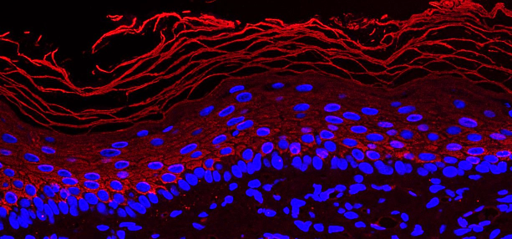
Reconstruction of a pluristratified epidermis using keratinocytes from human embryonic stem cells, hESC. IStem, Génopole d’Evry. Inserm/Baldeschi, Christine

A CEA, INSERM and the University of Paris team, produced in collaboration with I-Stem, the AFM-Téléthon laboratory, and the University of Évry has just published a paper in which it demonstrates the central role of the transcription factor KLF4 in regulating the proliferation of epidermal stem cells and their ability to regenerate this tissue. This study opens perspectives for regenerative skin medicine. It was published on 21 October in Nature Biomedical Engineering.

Human skin completely renews itself every month thanks to the presence of stem cells in the deepest layer, which generate all the upper layers of this tissue. The deciphering of genes that regulate stemness remains an enigma that is only partially resolved, in particular for human skin.

The discoveries of a French research team from the CEA, INSERM and the University of Paris, produced in collaboration with I-Stem, the AFM-Téléthon laboratory, and the University of Évry, opens perspectives for regenerative cutaneous medicine, in particular for the bio-engineering of skin grafts for tissue reconstruction. Massive ex vivo expansion of epidermal cells (called keratinocytes) is needed for the production of grafts. It is performed using a skin sample from the patient that contains adult keratinocytes and a minority population of keratinocyte stem cells. This expansion phase involves a risk: it may be accompanied by a quantitative loss or degradation of stem cells, leading to a loss of regenerative potential.

The results of the paper published in Nature Biomedical Engineering show that reducing the expression of the KLF4 gene during graft preparation promotes rapid expansion of functional stem cells1, without damaging their genomic stability. Keratinocytes expanded under these conditions have an increased long-term regenerative potential in in vitro epidermal reconstruction models and in vivo grafts2. KLF4 is therefore a new molecular target for preserving the functionality of stem cells and making progress in the bio-engineering of skin grafts. These results constitute a proof of concept, which requires additional developments to envisage clinical applications, including the treatment of severe burns and chronic ulcers, and breast reconstruction.

This work has been extended to other types of cells of interest for cutaneous cell therapy. In the future, keratinocytes produced from pluripotent stem cells could be an alternative to adult stem cells in certain reconstructed tissue bio-engineering applications.

One of the difficulties encountered in this area is that fact that the keratinocytes obtained do not have all the functions of adult stem cells. In particular, they are deficient in terms of their proliferation potential. The study has shown that manipulation of KLF4 expression is also suitable for these cells, as reducing its expression in keratinocytes derived from embryonic stem cells (ESC) improves their proliferation capacity and their ability to reconstruct skin.

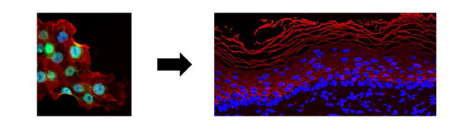
Skin cells in culture                    Skin graft obtained by bio-engineering

Human skin stem cells expanded in culture can be used for skin regeneration© LGRK, IRCM, CEA-Jacob

1.A single functional stem cell is able to regenerate the skin throughout a person’s life. This is due to its very long-term proliferation capacity, its immature nature and its capacity for three-dimensional organisation.

2. Reconstructed human skin xenograft on an animal model

Some Persistent Organic Pollutants Could Increase Breast Cancer Aggressiveness

Photo d'imagerie en microscopie électronique montrant la transformation des cellules mammaires tumorales dans le cancer du sein

Transformation of tumorous mammary cells in breast cancer ©Xavier Coumoul/Inserm/Université de Paris

Although persistent organic pollutants (POPs) are already suspected to promote breast cancer, there has been little research into how they affect its aggressiveness. A research team from Inserm and Université de Paris in the Environmental Toxicology, Therapeutic Targets, Cell Signaling and Biomarkers laboratory has performed a preliminary study to explore the hypothesis that POPs could promote the development of breast cancer metastases. Its findings suggest a link between the aggressiveness of breast cancer and the levels of some POPs in adipose tissue, particularly in overweight women. While this research published in Environment International opens up new avenues for studying the impact of POPs on breast cancer, its findings must be taken with precaution given the limited number of subjects involved.

Breast cancer is a major public health concern with over 2 million new cases diagnosed and over 600,000 deaths worldwide in 2018. The presence of metastases distant from the original tumor is a marker of its aggressiveness. While the 5-year survival rate for cancer located only in the breast is 99%, this decreases to 85% if it has spread to lymph nodes and falls to 26% if distant metastases are present.

Recent studies have suggested that exposure to persistent organic pollutants or POPs (endocrine-disrupting and/or carcinogenic environmental pollutants that cannot be eliminated by the body) and which accumulate in the food chain1, is a risk factor for breast cancer. However, the influence of these POPs on its level of aggressiveness has received little attention.

A research team led by Xavier Coumoul in the Environmental Toxicology, Therapeutic Targets, Cell Signaling and Biomarkers laboratory (Inserm/Université de Paris) has been the first to test the hypothesis that exposure to POPs could affect the stage of development of metastases in breast cancer.

POPs are highly lipophilic and as such are stored in the adipose tissue. The researchers measured the levels of 49 POPs – including the Seveso dioxin (a waste product from incineration processes) and several PCBs (generated by various industrial processes) – in samples of adipose tissue surrounding the tumors of 91 women with breast cancer2. With excess weight (BMI > 25) known to promote and worsen breast cancer, special attention was paid to the women concerned.

Biological and statistical analysis of these samples enabled the researchers to reveal a link between the presence of distant metastases and dioxin levels in the adipose tissue of overweight women. What is more, in all patients, the concentrations of dioxin and two of the PCBs measured appeared to be linked to the size of the tumor as well as the invasion level and metastatic stage of the lymph nodes. Women with higher concentrations of PCBs were also found to have a higher risk of breast cancer recurrence.

These findings suggest therefore that the higher the concentration of POPs in the adipose tissue, the more aggressive the breast cancer, particularly in overweight women.

To explain this link, the research team has issued several hypotheses based on previous studies. One hypothesis is that dioxin and some PCBs send a signal which promotes tumor cell migration (an essential mechanism in the metastatic process), thereby reinforcing the cancer’s aggressiveness.

According to study leader Xavier Coumoul, “the adipocytes – the cells of the adipose tissue that store fats – play a major role as cells associated with the development of breast cancer. The adipose tissue works like an ʺendocrineʺ gland (secreting hormones into the bloodstream) and we had previously shown that POPs were responsible for the inflammation of this adipose tissue, changing the nature and behavior of the adipocytes. The excessive secretion of inflammatory molecules and the release of the POPs stored by these adipocytes could then promote the formation of metastases.” 

However, the researcher insists on the fact that this study is only preliminary and that its findings must be considered with precaution, given the limitations in its methodology. A limited number of individuals were studied, which encourages statistical bias and means that some sub-categories of the study population cannot be considered to be highly representative. “While it does not enable us to draw firm conclusions on the link between POPs and the aggressiveness of breast cancer, it does open up a novel avenue for research, particularly in overweight patients. An avenue which should be explored by future studies with larger numbers of patients in order to offer more representative statistical findings”, concludes Coumoul.

1 POPs (persistent organic pollutants) have been defined and listed by the Stockholm Convention

2 Men were excluded from the study to limit statistical bias due to sex-specific biological differences.

Dysentery: Shigella, bacteria with adaptation to respiration

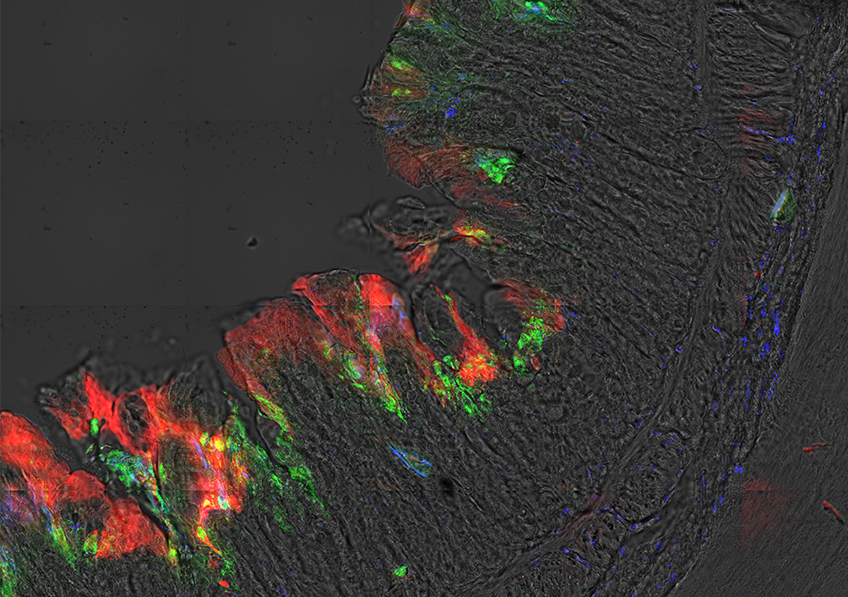
Imagerie montrant la déplétion de l'oxygène au sein de la muqueuse intestinale par Shigella (vert), induisant une hypoxie (rouge) au sein des foyers infectieux inflammatoires (neutrophiles: marqués à l'aide du Myelotracker, bleu).

Déplétion de l’oxygène au sein de la muqueuse intestinale par Shigella (vert), induisant une hypoxie (rouge) au sein des foyers infectieux inflammatoires (neutrophiles: marqués à l’aide du Myelotracker, bleu). ©Benoit Marteyn/ Inserm/ Institut Pasteur

Bacillary dysentery caused by the intestinal bacteria Shigella is a major health problem in tropical regions and developing countries. Complications from this infection lead to several hundred thousand deaths a year, primarily among infants. Researchers from Inserm and the Institut Pasteur have studied the mechanisms of Shigella virulence. They found that these bacteria are not only able to consume the oxygen in colonic tissue in order to grow and create foci of infection, but can also adapt their mode of respiration so that they can continue to grow once the oxygen in these foci has been used up. These findings, published in Nature Microbiology, open up new prospects for the development of antibiotics and vaccines to combat this group of bacteria, which is on the WHO list of 12 priority pathogens.

Shigella is a group of pathogenic enterobacteria (bacteria found in the digestive tract) that cause bacillary dysentery, which is also known as shigellosis. They are transmitted via the fecal-oral route, for example through food or water contaminated with fecal matter, and are thus primarily endemic in tropical regions, particularly in developing countries where a lack of hygiene and healthcare infrastructure favor outbreaks of disease. After ingestion, Shigella bacteria invade the cells of the intestinal wall and then the colonic mucosa, causing major inflammation combined with severe tissue damage. This causes symptoms such as abdominal pain, vomiting, diarrhea containing blood or mucus, and fever.

With no commercialized vaccine (the infection is currently treated with antibiotics), shigellosis remains a major public health problem, and results in 700,000 deaths per year around the world—primarily among children under the age of 5—from acute complications.

The emergence of new multi-drug resistant strains of Shigella has prompted inclusion of the bacteria on the WHO list of 12 “priority pathogens” for which new treatments (vaccines or antibiotics) are urgently needed.

With this in mind, a team led by Inserm researcher Benoit Marteyn within Unit 1202, “Molecular Microbial Pathogenesis” (Institut Pasteur/Inserm), sought to better understand the mechanism used by Shigella to infect tissue by modulating the levels of oxygen present. To do this, the researchers used innovative image analysis methods developed by the Imagopole at the Institut Pasteur, which allowed them to study each cell individually (single-cell analysis) and monitor variation in the levels of oxygen O2 in intestinal tissues around isolated bacteria and in foci of infection, where bacteria are numerous.

The research group also found that foci of Shigella infection had abnormally low levels of oxygen (hypoxia). The denser the population of bacteria, the greater the consumption of O2. Hypoxia was not, however, seen around isolated bacteria away from the foci of infection.

Shigella bacteria are “facultative anaerobes,” which means that while they favor aerobic respiration (which uses O2 as fuel), if oxygen is lacking they can also switch to “anaerobic” respiration, which does not require O2. This characteristic enables them to continue to grow in hypoxic, or even anoxic (O2-depleted) foci after they have consumed all the oxygen in the tissues.

The researchers have thus shown that aerobic respiration of Shigella and their capacity to modulate the oxygenation of infected tissues enables the formation of hypoxic foci of infection within the intestinal mucosa, which constitutes the first stage in their colonization strategy, with over 99% of the bacterial population growing in these areas. When these foci are depleted of oxygen, the adaptability of the bacteria to O2-poor environments gives them a crucial advantage that explains their virulence and that of other facultative anaerobic enterobacteria.

“These findings are very important in relation to the search for new antibiotics and candidate vaccines to combat Shigella infection. Their mechanisms of action will need to be confirmed in hypoxic or even anoxic conditions, to reflect the pathophysiological conditions in which Shigella primarily grow within the colonic mucosa,” concludes Benoit Marteyn.

Partially hydrolysed (hypoallergenic) baby formulas do not reduce allergy risks in infants

©Photo Kelly Sikkema on Unsplash

Often, hypoallergenic formulas are recommended for infants who are not exclusively breastfed and who are at risk of developing allergies. While it is assumed that such formulas reduce the development of allergies later in life, it is unclear whether this claim is true. A team of INRA and INSERM researchers have shown that the consumption of partially hydrolysed (hypoallergenic) formulas was not associated with a reduced risk of developing allergies, findings that were recently published in the journal Pediatric Allergy and Immunology. This research comes out of ELFE, the first large-scale longitudinal study in France that will track subjects from birth to adulthood. While this work cannot assess causality, it underscores the necessity of performing clinical studies before marketing such formulas as hypoallergenic.

Partially hydrolysed formulas are a class of hypoallergenic formulas that contain pre-processed proteins, which are smaller in size. These formulas are supposed to prevent infants from developing allergies. As a result, certain professional associations and health organisations recommend their use when an infant has at least one parent or sibling with allergies. However, the actual effectiveness of these formulas is the subject of debate. Little is known about their role in limiting the risk of allergies under real conditions of use. Certain professional associations of paediatricians, like the American Academy of Pediatrics and the Swiss Society of Paediatrics, have recently stated that they no longer recommend their usage.

INRA and INSERM researchers wanted to examine the relationship between the consumption of partially hydrolysed formulas and the occurrence of allergy-related conditions, such as eczema, wheezing, asthma, and food allergies. For two years, they followed 15,000 children participating in ELFE (the French Longitudinal Study of Children), which is being carried out by INED and INSERM. The first of its kind in France, this ambitious study seeks to broaden our understanding of how environmental factors affect the development, health, social lives, and academic trajectories of children. ELFE is particularly interested in examining the effects of diet in infants.

The researchers found that, among the two-month-old infants being fed formula, 5% were given partially hydrolysed formulas. However, in half of these children, their use was not justified because there was no familial history of allergies.

When these children were two years old, the researchers observed no evidence that partially hydrolysed formulas had reduced the development of allergies, as compared to what was observed in children who had received regular baby formula. In contrast, when two-month-old infants who did not display any allergies were given partially hydrolysed formulas, they were more likely to develop respiratory problems and food allergies in the years that followed.

New research should build on these epidemiological results. Indeed, they provide support for new EU legislation, which will come into effect in 2021 and require that clinical studies be carried out on such products before they can be marketed as reducing allergy risks.

In France, 2 out of every 100 women are subjected to violence during their pregnancy

kieferpix/iStock

Violence against women, including during pregnancy, constitutes a major public health problem. It can result in death, disability, and a range of mental and physical health issues, for both the mother and the unborn child. A joint team of researchers from Inserm and the University of Paris, working at CRESS (Center for Epidemiological and Statistical Research), has investigated the frequency of physical abuse during pregnancy, its consequences for the mother and child, and the characteristics associated with this violence using data from the 2016 French National Perinatal Survey, which included over 12,000 women. Their results, published in the Maternal and Child Health Journal, estimate that 1.8% of these women were subjected to physical violence during their pregnancy.

Although the figure is difficult to estimate and varies across different regions, approximately 1/3 of women around the world are victims of physical or sexual abuse, by their partner or another individual.

When these women are pregnant, this can have a highly damaging impact on both their health and that of their unborn child. But previously there was no data available on physical violence during pregnancy specifically, at a national level.

This gap has now been filled thanks to the work of a mixed research unit (EPOPé) bringing together Inserm and University of Paris researchers at CRESS. The researchers studied this phenomenon using data collected during the National Perinatal Survey, which was conducted in 2016 among 12,330 women in public and private maternity units in France. (See Rapport: Enquête nationale périnatale 2016. Les naissances et les établissements, situation et évolution depuis 2010 [National Perinatal Survey 2016 Report: Births and Institutions, Status and Change Since 2010]). The objective of this study, led by Marie-Josèphe Saurel-Cubizolles, was to understand the frequency of physical violence during pregnancy, the risk factors, the impact on the mother and child, and the key stages at which measures can be implemented to reduce the incidence of such violence.

The researchers estimated that 1.8% of all the women surveyed had been subjected to physical violence during their pregnancy, and found that this violence was associated with various characteristics.

In particular, women who were not in a cohabiting couple, whether they were in a non-cohabiting couple or had no partner, were more likely to be victims. The frequency of violence was also strongly linked to household income, and was higher among women living in households with fewer financial resources. Finally, certain behaviors, such as tobacco or cannabis consumption by the mother-to-be, were more common in cases of physical violence.

The researchers also showed that this violence had a highly damaging impact on the mother and child, with 62% of the women who had suffered physical abuse stating that they were psychologically distressed during the pregnancy, compared to 24% of other women. For the newborn child, this violence was associated with a higher risk of being born prematurely or transferred to an intensive care unit.

Improved understanding of the factors associated with situations of violence, and demonstration of the impact on the mother and child, should help healthcare professionals develop preventive and protective strategies, and prompt them to raise the issue during antenatal consultations.

When Moss Reflects Air Pollution

©Photo by Michaela on Unsplash

Despite the increasing research into and recognition of the role of particulate matter in the excess mortality caused by air pollution, it is still poorly understood. A research team from Inserm and Université Versailles Saint-Quentin-en-Yvelines used an innovative method based on the biomonitoring of metal levels in mosses in rural France. Over 15 years, the team mapped levels of metals − including lead and cadmium − in mosses. The results were then compared with mortality data from the Gazel cohort. Their findings, published in Environment International, point to a link between long-term exposure to atmospheric metals and excess mortality, even in areas remote from major sources of emissions. They confirm the utility of moss biomonitoring as a tool to evaluate the effects of exposure to air pollution.

External air pollution has been recognized as being responsible for 4.2 million premature deaths in 2016, and scientific evidence continues to accumulate in regard to the role played by particulate matter. Produced by both human activity and natural sources, particulate matter contains various metals. Its role in morbidity and mortality however is poorly understood, with little research into the health effects of exposure to atmospheric metals. Often limited by the absence of widespread monitoring stations, studies focus on areas of high exposure or population density (cities, proximity of major roads or polluting industries).

Biomonitoring metal levels in moss [1] is an approach which, although it does not measure them directly, is able to evaluate over time the level and variations of atmospheric concentrations of heavy metals deposited on mosses.

A research team from Inserm and Université Versailles St-Quentin-en-Yvelines compared moss biomonitoring data in France with epidemiological data from the Gazel cohort in order to deepen its understanding of the effects on mortality of long-term exposure to atmospheric metals in areas with low levels of exposure to human emissions.

Over 15 years – from 1996 to 2011 – the researchers mapped levels of 13 atmospheric metals (aluminum, arsenic, calcium, cadmium, chrome, copper, iron, mercury, sodium, nickel, lead, vanadium and zinc) in mosses using readings taken as part of the French National Museum of Natural History moss biomonitoring program. They distinguished between metals of natural origin and those of anthropogenic origin (human activity) – the latter being lead, cadmium, copper, mercury and zinc. The health data of over 11,000 Gazel cohort participants living in rural and suburban areas were compared with this mapping.

The researchers observed an increased risk of death from natural causes for the simultaneous exposure to all of the anthropogenic metals. Exposure at shorter distances from major roads appears linked to a higher mortality increase than exposure at longer distances, which could indicate a link between exposure to atmospheric metals produced by road traffic and mortality.

Some atmospheric metals produced by human activities could therefore be linked to excess mortality even in the areas where exposure to air pollution is low. ” Previous studies within the Gazel cohort had shown that those living in urban areas were a lot more exposed to particulate matter than those living rurally and so had a high likelihood of exposure to atmospheric metals, states Bénédicte Jacquemin, the Inserm researcher having led the study. City-dwellers are therefore probably more subject to the health effects of atmospheric metals. “

And to conclude: The results of this study confirm the utility and relevance of moss biomonitoring as a tool to evaluate the effects of exposure to air pollution. Further studies are needed in order to specify which of the metals contained in the particulate matter are likely to affect human health, which would give us a deeper understanding of the effects of atmospheric pollution on health. 

[1] In France, the BRAMM program, managed by the French National Museum of Natural History, uses moss biomonitoring for many atmospheric metals, with the objective of monitoring levels of these metals mainly in forests and areas remote from major industrial, urban and traffic sources. This monitoring involves sampling mosses at sites across France, recording the location of each collection site and analyzing their metal content in the laboratory.

fermer