Menu

The health of 30 000 students to be monitored over 10 years

The i-Share (Internet-based Students HeAlth Research Enterprise) study, the only one of its type in the world, intends to monitor the state of health of 30 000 students over a period of 10 years. It will provide precious information on the state of health of students, to ensure better management of the health system for this population. This cohort study is being carried out by Inserm, the Université de Versailles Saint-Quentin-en-Yvelines and the Université de Bordeaux. In order to recruit the panel of students required for this study, the universities of Bordeaux and Versailles Saint-Quentin-en-Yvelines are running a recruitment campaign using tools with which these young people are already familiar: websites, mobile applications, social network sites, etc. I-Share will also serve as a platform for biomedical research projects and for testing prevention strategies.

ado

©fotolia

The i-Share study, investing for the future

There are over two million students in France. A population that is exposed to pathologies that could cause serious complications, such as depression and the risk of suicide, or disrupt their daily life and studies, such as migraine. Their behaviour during their student years can have both immediate effects (such as accidents due to binge drinking), and more long-term effects on chronic diseases (cancers, cardiovascular diseases).

The best way to study the health problems of students and find the solutions is to set up and monitor a large-scale cohort study. This is the goal of the i-Share study, which is one of the winning projects in the “Investissements d’avenir” (Investing for the Future) programme. The i-Share study wishes to monitor the state of health of 30 000 young adults over a period of 10 years. Its aim is to explore the risk factors of diseases in this population, for which we currently have very little available information.

The project is targeting four major pathological themes in particular: migraine, mental health, infections, risky behaviour and accidents

By providing accurate data on the frequency and consequences of certain diseases and infections, eating habits, the consumption of medication…

I-Share will help to fill in the missing data on young adults and will provide an overall picture of the state of health and wellbeing of students

The study will also provide the opportunity of testing prevention or medical care strategies to help with public health planning. Finally, this large-scale epidemiological cohort will serve as a platform to study the determinants and the mechanisms of diseases, through collaboration with other fields of biomedical research.

Efficient recruitment needs the use of student-friendly tools

I-share.fr, a website giving information about the study

In order to recruit and keep in contact with the 30 000 students, the i-Share.fr site was launched in mid-February 2013. The questionnaire on the i-Share.fr site concerns health, living habits, social and family environment and is the first step in the cohort enrolment process. I-Share.fr also centralizes all data relating to the cohort: type and progress of studies, goals, research themes, etc. The contents will be enriched by articles, photos and videos.

Development on social network sites

Much importance is given to exchanges, expression of feelings and experiences based on the subject of health. The participants will also be asked to attend various events and in general, to communicate on the cohort Twitter or Facebook sites to participate in the community.

Relay students

The relay students will be equipped with tablets and will go around meeting other students and introducing them to the missions of the i-Share cohort and encourage them to take part in this study.

 Scientific collaboration

i-Share.fr will also be the space dedicated to publishing the results of the study as it progresses. The description of the data and how to access them by external researchers will help collaboration with i-Share, which is an open study.


 I-Share is managed by top ranking researchers and academics, all with experience of large-scale cohort studies. Several of them are classed in the top 1% of world researchers with citations of their works. Their research teams will be recognized as excellent (grade A/A+) by the French Research and Higher Education Assessment Agency (AERES).

(French) Les enfants de la cohorte Elfe fêtent déjà leur deuxième anniversaire !

What are the chances of female fertility after an ectopic pregnancy?

About 2% of pregnancies are ectopic, representing 15,000 women annually in France. They represent the development of the egg outside the uterus which can endanger the woman’s life in the absence of medical intervention. In developed countries, mortality linked to an ectopic pregnancy remains the exception; doctors are therefore interested in preserving subsequent fertility and thus the possibility for the women in question to become pregnant again. For the first time, researchers in the Inserm “Epidemiology of reproduction and infant development” team (Unit 1018 at the Centre for Research in Epidemiology and Population Health) compared all of the existing treatments for ectopic pregnancy with respect to their impact on natural fertility during the subsequent two years.

The conclusions of the study reproduced in the journal Human Reproduction indicate that the ability to have a normal pregnancy after an ectopic pregnancy (subsequent fertility) is not linked to the type of treatment, especially the conservation of the Fallopian tube in which the pregnancy was implanted

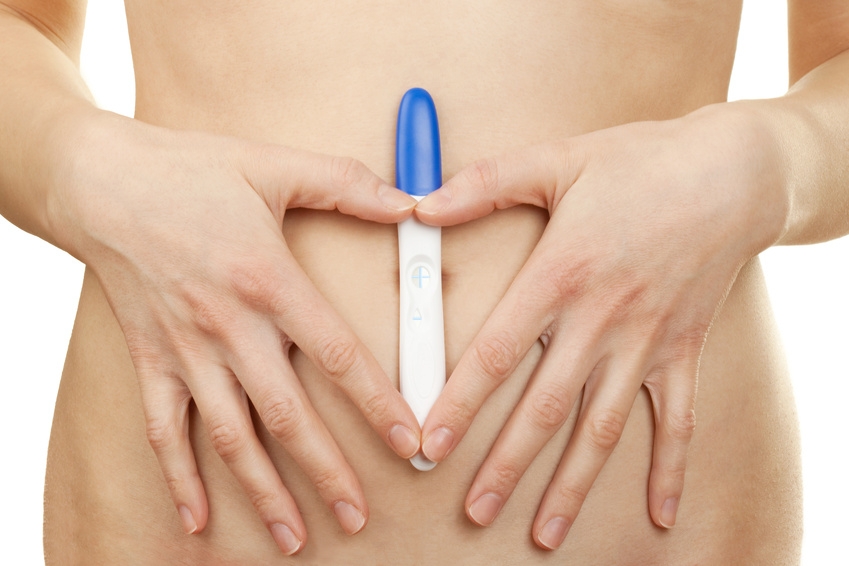
Woman holding a positive pregnancy test against white background©Fotolia

In 95% of cases, an ectopic pregnancy is implanted in a Fallopian tube. This is a medical emergency. The treatment consists in interrupting the growth of the egg and removing it. Three types of treatment may be used:

– Medical treatment by injection (intramuscular or directly into the tube) of methotrexate which destroys the egg and eliminates the ectopic pregnancy without damaging the tube.

– A so-called “conservational” surgical treatment in which the tube is incised to remove the egg, preserving the tube.

– A so called “radical” surgical treatment in which the tube is removed with the egg.

Each of these treatments successfully eliminates the ectopic pregnancy, and, thanks to the improvements in diagnosis, the woman’s life is hardly ever in danger in developed countries. The objective of doctors is thus the preservation of the woman’s subsequent fertility.

Depending on the gravity and urgency of the case, two types of situations could occur:

– on the one hand, so-called inactive ectopic pregnancies for which medical or surgical treatment may be decided

– on the other hand, so-called active ectopic pregnancies for which surgical treatment is necessary which may be conservational or radical.

For the first time in a single therapeutic trial, the Inserm researchers compared the fertility of women two years after the various treatments.

For this purpose, the researchers included women presenting with an ectopic pregnancy that was treated in the 17 French centres that took part in the study between 2005 and 2009. Just over 400 women were divided into two groups depending on the activeness (and seriousness) of the ectopic pregnancy. In each group, one of two possible treatments were selected through drawing lots  and the women were then monitored for two years.

In the first group, the cumulative fertility curves that reflect the number of pregnancies in patients during the two years of follow-up showed no significant difference between medical and preservation surgery. The intra-uterine pregnancy rate two years after the intervention was 67% following medical treatment with methotrexate and 71% after conservation surgery among the female research population.

In the second group, two years after treatment, 70% of the women who wanted to become pregnant again were able to achieve an intra-uterine pregnancy after conservation surgery and 64% after radical surgical treatment.

For the researchers, the results of this trial are an invitation to gynæcologists to reconsider the treatment they offer for ectopic pregnancies, taking account of the various factors governing subsequent fertility, the length of follow-up after treatment and patient preference as well as the risks inherent in each of the treatments.

As far as Perrine Capmas is concerned, “medical treatment should be prioritised in the case of an inactive ectopic pregnancy due on the one hand to patient preference but also to the lesser risk especially thanks to the absence of anæsthesia and surgery. In view, however of the absence of difference regarding subsequent fertility, surgical treatment should be offered initially to women who, it is feared, might not to stick to the treatment (supervision after medical treatment can be extended for several weeks)”.

 “In the case of ectopic pregnancies that require surgical treatment, doctors can reassure women that even radical surgery will not alter their chances of subsequently having a natural pregnancy”.

Launch of Constances, the largest epidemiological cohort study of the French population

Constances is a “generalist’ epidemiological cohort constituted from a representative sample of 200,000 adults aged 18 to 69. It has been organised by the Centre de recherche en épidémiologie et santé des populations (CESP – INSERM/Université Paris Sud/Université de Versailles Saint-Quentin-en-Yvelines) in partnership with the CNAMTS* and the CNAV and its purpose is to create a national database open to the public health research community.

Constances

Under the scientific and technical leadership of Marie Zins (CESP), Constances (CONSulTANts des Centres d’Examens de Santé), has already recruited 14,000 subjects since it was initiated during the course of 2012. The patients were chosen by drawing lots from the CNAV** database and received a letter asking whether they would participate in the cohort. Upon entry into the cohort, the volunteers benefited from a complete health check at the Social Security Health Examination Centres and this check will be repeated every five years. With the help of a questionnaire to be completed annually, they will be providing health information, their lifestyles (work, food, alcohol or tobacco consumption, etc.), and their environment social. This data will be compared with that of the Caisse nationale d’assurance vieillesse** and in the health insurance fund to find out when they were off work sick, the costs of care submitted for reimbursement and the hospitalisation data as well as their social life and careers. Blood and urine samples will also be preserved for the purpose of creating a “biobank”.

The “Investments in the future” programme has been labelled a national biology and health infrastructure. This research project and the creation of this very significant sample (the largest in France and one of the largest in Europe) monitored over time (cohort) has been designed as an “open epidemiological laboratory” accessible to the French and international research community, also acts as a tool that provides those in charge of public health with diversified sources of information about the population’s health, including risk factors, how the health care and the prevention system are used and the medical, occupational and social history of the subjects involved.

“Constances is a generalist cohort but we have stressed the process of ageing and chronic conditions, occupational hazards, women’s health, socially determining factors and social inequalities”

explains Marie Zins.

* Caisse nationale de l’assurance maladie des travailleurs salariés [National Health Insurance Fund for Employees]
** Caisse nationale de l’assurance vieillisse = Old Age Insurance Fund

(French) : GrippeNet.fr : bilan au pic de l’épidémie

When hypertension progresses unseen

When blood pressure is normal in the doctor’s surgery, but is high at home! This is an unknown phenomenon known as “masked hypertension”. Christophe Tzourio, Research Director of Inserm unit 708 “Neuroepidemiology” (University of Bordeaux Ségalen) studied the occurrence of masked hypertension in a population of 1500 elderly persons. Not only does it occur frequently and by definition goes undetected by doctors, it incurs a high risk of developing into permanent hypertension over a very short period of time. These results, published in the Journal of Hypertension, outline the importance of blood pressure self-measurement by elderly persons in order to prevent the risks of heart disease and stroke.

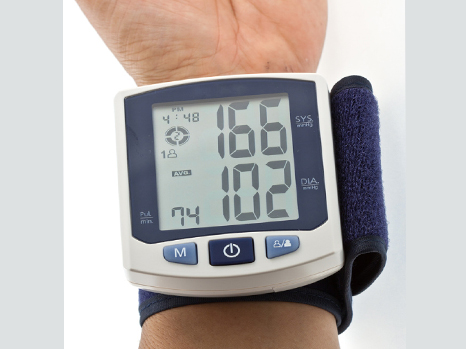
automesure de la tension artérielle

Photo : ©Fotolia

Hypertension increases with age and is one of the major risk factors of heart disease and stroke. Since electronic devices have become available to allow people to measure their own blood pressure at home, a new type of hypertension, called masked hypertension, has been discovered. With this disorder, a person’s blood pressure is normal when measured by the doctor, but is high when measured at home. A hitherto unknown phenomenon, masked hypertension, seems to be as dangerous, if not more dangerous than classic hypertension where cardiovascular risk factors are concerned.

Based on these findings, the Inserm unit 708 “Neuroepidemiology” (University of Bordeaux Segalen, Bordeaux) worked jointly with hypertension specialists to study self-measurement of blood pressure in elderly persons who were part of the 3C cohort in Dijon. The main goal of this study was to assess the frequency of masked hypertension in a population of 1481 persons aged between 73 and 97 (average age 78.7 years). After having their blood pressure measured in an examination centre, the participants measured their own blood pressures over the next 15 days using an electronic device. The protocol consisted in recording 18 measurements over 3 days. The same measurements were taken one year later in order to assess the risk of developing permanent hypertension (high blood pressure both at home and at the examination centre).

The study revealed that masked hypertension was indeed very frequent: 40% of participants whose blood pressures were normal at the examination centre showed hypertension at home.

The researchers then analysed the development of masked hypertension, first regardless of whether the persons in the group were under treatment for hypertension or not, then in the group of persons who were not taking hypertension treatment. In the first group, the risk of developing permanent hypertension after one year was 7 times greater. In the group who initially were not under treatment for hypertension, the risk of developing permanent hypertension was multiplied by 17.

“These results outline the importance for elderly people of measuring their own blood pressure at home, in order to help diagnose masked hypertension that by definition remains undetected by the doctor, and to take measures to lower the blood pressure and thus reduce the risk of heart disease and strokes. Self-measurement of blood pressure also makes the dialogue easier between patient and doctor and helps to find a more suitable treatmentconcluded Professor Christophe Tzourio, Research Director of the Inserm unit 708

This study was financed by INPES (the French national institute for prevention and health education).

‘Diet’ drinks associated with increased risk of Type II diabetes

Françoise Clavel-Chapelon, (Director of Research at INSERM-University of Paris-Sud 11, at the Institut Gustave Roussy), and Guy Fagherazzi were interested in a connection between the consumption of ‘diet’ or ‘light’ soft drinks and the risk of Type II diabetes. The analysis performed on 66,188 women in the E3N cohort confirms a link between sweet soft drinks and type II diabetes and reveals for the first time in France that, contrary to received wisdom, there is a higher risk of diabetes from so-called ‘diet’ or ‘light’ drinks than from ‘normal’ sweetened soft drinks. Additional studies on the effects of ‘light’ sweetened soft drinks are needed to corroborate the result. The article containing details of the results was published in the American Journal of Clinical Nutrition.

Diabetes affects more than three million people inFrance, 90% of whom suffer from Type II diabetes. While it has been established that consumption of sweetened drinks is associated with an increased risk of obesity and of Type II diabetes, the effect of ‘diet’ or ‘light’ sweetened soft drinks on cardio-metabolic diseases is less well-known. INSERM researchers on the E3N team assessed the link between the consumption of sweetened soft drinks and the risk of developing type II diabetes. The study was conducted on 66,118 French women in the E3N cohort who were monitored for 14 years.

The results show that women who drink ‘light’ or ‘diet’ sweetened soft drinks drink more of them than those who drink ‘normal’ sweet soft drinks (2.8 glasses per week as against an average of 1.6 glasses per week respectively).

Yet when an equal quantity is consumed, the risk of contracting diabetes is higher for ‘light’ or ‘diet’ drinks than for ‘non-light’ or ‘non-diet’ drinks.

The risk of developing diabetes is 15% greater with the consumption of half a litre per week and 59% greater for the consumption of 1.5 litres per week, respectively.

Is this risk mainly associated with ‘light’ or ‘diet’ soft drinks? In order to find this out, the researchers also investigated the effects on the human organism of 100% natural squeezed fruit juices and their study found no association with a risk of diabetes.

How can these results be explained?

Several mechanisms can explain the increased risk of diabetes associated with high consumption of sweetened soft drinks:

  • Firstly, in terms of calories, these drinks are no substitute for solid food because sweet soft drinks are not sufficiently satiating (so the calories in sweet soft drinks are added to the calories in solid food). Furthermore, the sugars contained in sweetened drinks produce an insulin peak reaction and repeated peaks of this kind can result in greater insulin resistance.
  • With respect, in particular, to ‘light’ or ‘diet’ drinks, the relationship with diabetes can be explained partially by a greater craving for sugar in general by female consumers of this type of soft drink. Furthermore, aspartame, one of the main artificial sweeteners used today, causes an increase in glycæmia and consequently a rise in the insulin level in comparison to that produced by sucrose.

The consumption of sweetened soft drinks increases the risk of being overweight, itself a risk factor in diabetes. In their study, the E3N team researches observed, however, that the effect produced by high consumption of sweet drinks was independent of corpulence in women.

In conclusion, it has been shown for the first time in a French population that high consumption of sweet soft drinks (both normal and ‘light’) is associated with a high increase in the risk of contracting Type II diabetes. This increased risk is all the greater for drinks of the ‘light’ or ‘diet’ type. Additional studies of the effects of ‘light’ or ‘diet’ soft drinks are necessary to confirm this result.

THE E3N STUDY (www.e3n.fr)

The E3N, or Epidemiological Study on women of the MGEN (Mutuelle Générale de l’Education Nationale), led by Françoise Clavel-Chapelon, INSERM Director of Research, is the prospective study  of a cohort that includes about 100,000 French female volunteers born between 1925 and 1950 who have been monitored since 1990. Since 1990, the women have been completing and sending back self-questionnaires every two to three years. They are questioned about their lifestyle (diet, hormone treatments, etc.) on the one hand and how their state of health has changed on the other.

Data concerning risk factors have been the subject of several validation studies. There are very few drop-outs from the study due to the opportunity offered by MGEN to follow up those who fail to reply.  But it is mainly due to the loyalty and constancy of the participants, and thanks to the cooperation from their treating physicians that the E3N study has been able to produce all these results.

E3N is the French component of EPIC (European Prospective Investigation into Cancer and Nutrition), a vast Europe-wide study coordinated by the Centre International de Recherches sur le Cancer (CIRC) and covering 500,000 Europeans, male and female, in ten countries.

The E3N study is supported by four founding partners, INSERM, the Ligue contre le Cancer, the Institut Gustave Roussy and the MGEN.

Food insecurity attributed to future behavioural disorders in children

When a household experiences financial difficulties, the portion of the budget allocated to food is often restricted. In some cases, these difficulties may lead to food insecurity, i.e. limited and irregular access to a healthy and balanced diet. Based on a case study of 2,120 children, a team of Inserm researchers coordinated by Maria Mechior (Inserm Unit 1017 “Research Centre into epidemiology and population health”) has shown that children in food-insecure families have a high risk of developing long-term behavioural disorders, such as hyperactivity and attention deficiency.

This research has been published in the Plos One review. 

Food insecurity is defined as restricted, inadequate or uncertain access to healthy and nutritious food. It is mainly caused by financial difficulties and affects up to 10% of the general public. Previous research has shown that children who grow up in food-insecure families have a high level of psychological and behavioural problems; however, studies conducted to date did not distinguish the different types of behavioural difficulties and did not study relationships over the long-term.

This study conducted by Inserm researchers is based on data from a representative birth cohort of the Québec population. 2,120 children born in 1997-1998 were regularly monitored up to the age of eight. The researchers examined the link between food insecurity in children between 18 months and four and a half years and their behaviour between four and a half and eight years (i.e. the frequency of symptoms of depression/stress, aggression or hyperactivity/attention deficiency).

 5.9% of the children monitored experienced food insecurity during their early infancy. Compared to children who were not exposed to food insecurity, this group was three times more likely to develop long-lasting symptoms of hyperactivity and/or attention deficiency during childhood.

This link remains even when account is taken of family income and other characteristics that can be linked to food insecurity and the behaviour of children: single-parent families, parental psychopathology and negative behaviour of parents towards children. The link is therefore independent of these factors.

Food insecurity is a marker for particularly significant social and economic difficulties, of which the impact on the health of adults and children is known.

According to the researchers “Parents who are unable to regularly provide a satisfactory diet to the family may weaken the parent-child bond in early childhood, with effects on the long-term development of these children”.

Finally, food insecurity leads to changes in the diet of these families and generally results in the consumption of less fresh food and more foods that are high in fat and sugar. For some children, nutritional deficiencies (particularly iron), as well as excessive sugar intake, can result in hyperactive and inattentive behaviour.

For the researchers “reducing food insecurity in families could help reduce the frequency of behavioural disorders in young children”. 

A promising clinical trial to reduce the severity of autistic disorders

Yehezkel Ben-Ari, Founder and Honorary Director of INMED (Institut de Neurobiologie de la Méditerranée), INSERM, and Eric Lemonnier, a clinician specialising in autism at the CHRU of Brest, recently published the results of a double-blind clinical trial to evaluate the usefulness of a diuretic in the treatment of autism. Sixty children between 3 and 11 years old with autism or Asperger’s syndrome were treated for 3 months either with a diuretic to reduce their intracellular chloride levels or with a placebo. Although this therapy is not curative, it nevertheless reduced the autistic disorders’ severity in three-quarters of the children. The researchers have filed a request for authorisation to perform a multi-centre European clinical trial in order to determine more precisely the population concerned by this therapy.

Details of this work have been published in the Translational Psychiatry review dated 11 December 2012.

Contribution made by the fundamental research on neuronal chloride

Previous work carried out by the team of researchers led by Yehezkel Ben-Ari in INSERM unit 901, the Institut de Neurobiologie de la Méditerranée (INMED) in Marseille, on intracellular chloride concentrations have demonstrated that they are abnormally high in immature neurons or neurons previously affected by epileptic seizures or other cerebral lesions. Many anxiolytics, analgesics and antiepileptics act by increasing the effects of GABA – the brain’s main chemical mediator – which normally inhibits the neurons. When the cells contain a very high chloride concentration, however, GABA’s effects are reversed. GABA no longer inhibits the neurons; the anxiolytic molecules accentuate these effects instead. These molecules have an excitatory effect, aggravating the disorder rather than alleviating it[1]. This is what has been observed in the case of epilepsy: diazepam, an anxiolytic, actually aggravated the seizures in certain situations. The research team then showed the benefits of a diuretic in mitigating this effect.

From fundamental research to clinical research

Indirect experimental data suggest that the inhibitory transmitter GABA’s action is modified in autism. Eric Lemonnier, a clinician at the CHRU of Brest, pointed out to Yehezkel Ben-Ari that valium is not prescribed to children suffering from autism because their parents say they become more agitated as a result, suggesting that, as in epilepsy and other brain pathologies, their intracellular chloride concentration is increased. This encounter led to the idea of testing a diuretic – in the same way as for epilepsy – to determine whether this could alleviate autistic disorders. A pilot study in 5 children was rapidly set up in 2010 because bumetanide, the diuretic tested, is in common use, particularly in treating high blood pressure. The taking of these molecules can, however, lower the potassium level, meaning that a potassium supplement is required. The researchers then began a randomised double-blind clinical trial in 60 children between 3 and 11 years old with autism or Asperger’s syndrome.

Reduction in the severity of autistic disorders

The children were monitored for 4 months. One group was treated with the diuretic (1 mg of bumetanide) while a placebo was administered to the second group for 3 months. No treatment was administered in the final month. The severity of the children’s autistic disorders was rated at the beginning of the test, the end of the treatment, i.e. after 90 days and one month after the test ended.

After 90 days of treatment, the mean CARS (Childhood Autism Rating Scale) test score of the children treated with bumetanide had significantly improved. The severity of the treated group’s autistic disorders shifted from high (> 36.5) to medium (< 36.5). No significant difference was observed in the score of the group treated with the placebo, however. In total, the clinical diagnosis of 77% of the children who received the treatment improved in the Clinical Global Impressions (CGI) test. When the treatment was terminated, some disorders reappeared. The treatment with bumetanide is therefore reversible.

Various criteria for assessing the severity of disorders: CARS, CGI and ADOS G

The widely-applied Childhood Autism Rating Scale (CARS) behavioural scale was used to rate the severity of the disorders, based on videos of the children’s behaviour during an activity led by a caregiver. The films were analysed with the assistance of their parents. A rating is obtained from the analysis as follows: if the rating is between 30 and 36, the child suffers from a moderate or average disorder; if the rating is higher than 36, the child is severely autistic.

Two other indicators were used to assess the severity of the disorders: the Clinical Global Impressions (CGI) clinical diagnosis, and the Autism Diagnostic Observation Schedule – Generic (ADOS–G) indicator combining assessment criteria such as social interaction and communication.

Dr. Lemonnier explained the case of a 6-year-old boy:

Prior to the treatment, the child presented with low language abilities and little social interaction, was hyperactive and exhibited constantly-combative behaviour. After three months of treatment, his parents, teachers, the hospital nursing staff and his friends at school all said that he was participated more, particularly in the games proposed by the psychologist. His attention and eye contact also improved.”

“Even though it is not curative, the diuretic reduced the severity of most of the children’s autistic disorders. According to the children’s parents, they are more “present””

, added Yehezkel Ben-Ari.

Given the population’s heterogeneity, the researchers assume that the treatment could act differently depending on the severity of the autistic disorders. By forming groups based on severity, the results suggest that the treatment would be more effective in the least seriously-affected children.

As a result, the researchers have filed an authorisation request for a multi-centre European clinical trial in order to determine more precisely the population concerned by this treatment and ultimately obtain a marketing authorisation for this therapy. This test is supervised by a company created by Prof. Ben-Ari and Dr. Lemonnier (Neurochlore). Analyses are also essential in order to assess the long-term effects of taking these molecules and the required dose. Lastly, the researchers stress the need to continue the work on experimental models to determine how chloride is regulated and how it is deregulated in the neural networks of autistic patients.

A patent application has been filed for this work, and a licence has been granted to the Neurochlore start-up. Neurochlore has received funding from the French National Research Agency (ANR) (in the Biomedical Innovation in public-private Research Partnership (BIRP) “Cure Autism” project).


[1] See diagram on p. 3 “Further details”

Predicting the age at menopause of women having suffered from childhood cancers

Researchers from Inserm, the French public hospital organization (AP-HP), the Institut Gustave Roussy and the Université Paris-Sud studied the age at menopause of a cohort of 706 women who had suffered from childhood cancer. The data revealed that these women, in particular those who had undergone unilateral oophorectomy or who had been treated with alkylating agents and who had received a radiation dose to the ovaries, were menopaused on average 4 to 7 years earlier than average. This study provided important data about the fertility window of women who had suffered from childhood cancer and information concerning the associated risk factors, but did not confirm the greater risk of premature menopause (before the age of 40) that was reported by the American studies.

The results were published in the review Human Reproduction of November 15.

Women who have suffered from childhood cancer are known to run a greater risk of premature menopause. However, data about the associated risk factors is limited. Researchers from unit 1018 “Centre for Research in Epidemiology and Population Health (CESP)” (Inserm/Université Paris-Sud/Institut Gustave Roussy) and from the AP-HP analyzed the data from a French cohort, named Euro2k, concerning 1522 survivors of childhood cancer diagnosed between 1945 and 1986 when they were under 18, initially in order to study the mortality rate. The study estimated the radiation doses received at the ovaries by the women in this cohort who had been treated by radiotherapy. 706 of these women filled in a detailed questionnaire about their state of health. 32% of these women had already reached the age of 40 years; 7% were over 50 years of age. The research team studied the age at menopause of these women and the potentially associated risk factors. The researchers based this study on self-reported questionnaires sent to the women in order to obtain information about the menopause, without confirming by measuring FSH levels.

Analysis of this data showed that 97 women (13,7%) were menopaused at a median age of 44 years, in other words, 7 years earlier than the general population. For a third of these women (36%), menopause was surgically induced.

The researchers concentrated on the risk factors of menopause in these women, who had been subjected to various cancer treatments during childhood. It appeared that being treated during puberty was associated with a risk of non-surgical menopause. At a given age, the maximum risk of early menopause was observed in women who had been treated after the onset of puberty with alkylating agents (either alone or along with even a minimum dose of radiation to the ovaries, for example 0.01 Gray). Menopause occurred on average 4 years earlier in women who had been exposed to these agents. Having undergone unilateral oophorectomy is also associated with a 7-year earlier age at menopause.

The results showed that women who had suffered from a childhood cancer were more likely to suffer from early menopause, but did not conform the high risk of premature menopause (in other words, before 40 years of age), such as was reported in the American studies. This is probably due to the difference between the populations studied (there were no cases of leukemia or lymphoma in the Euro2k cohort population).

“In this cohort , very few women had received high doses of radiotherapy in order to receive bone marrow transplants, and only 21% of them (i.e. twice the occurrence of the general population) suffered premature menopause before the age of 40”, explained Cécile Teinturier, the principal writer of the study. The main risk factors associated to these cases of premature menopause are: the older the women is when being treated for cancer, the dose of alkyating agents such as Cyclophosphamide or Melphalan received during bone marrow transplants, and the radiation dose received at the ovaries.

“This study provided information about the risk factors affecting the fertility window of women who have suffered from childhood cancer. This new data should help both to inform patients who are at risk of premature menopause, by advising them not to delay their first pregnancy until after the age of thirty, and to reassure women who present a low risk” concluded Cécile Teinturier.

It is planned to extend Cohort Euro2k to cover all patients treated for solid cancers who were under 18 years of age before the year 2000 inFrance. The aim is to study the impact of high-dose chemotherapy on the occurrence of premature menopause.

(French) Surveillance de la grippe par Internet : démarrage de la deuxième saison de GrippeNet.fr le 15 novembre

fermer