Menu

A tailored sports training programme for people with paraplegia

handisport

(c) Gaëlle Deley


Now that the 2016 Summer Olympic Games are over, Rio de Janeiro will be hosting the Paralympic Games from 7 to 18 September. The participating athletes will be attempting to win Olympic medals, thus testing their bodies to the limit.

What are the risks for the top athletes? What lines of prevention can be developed? What techniques could optimise their physical abilities ?


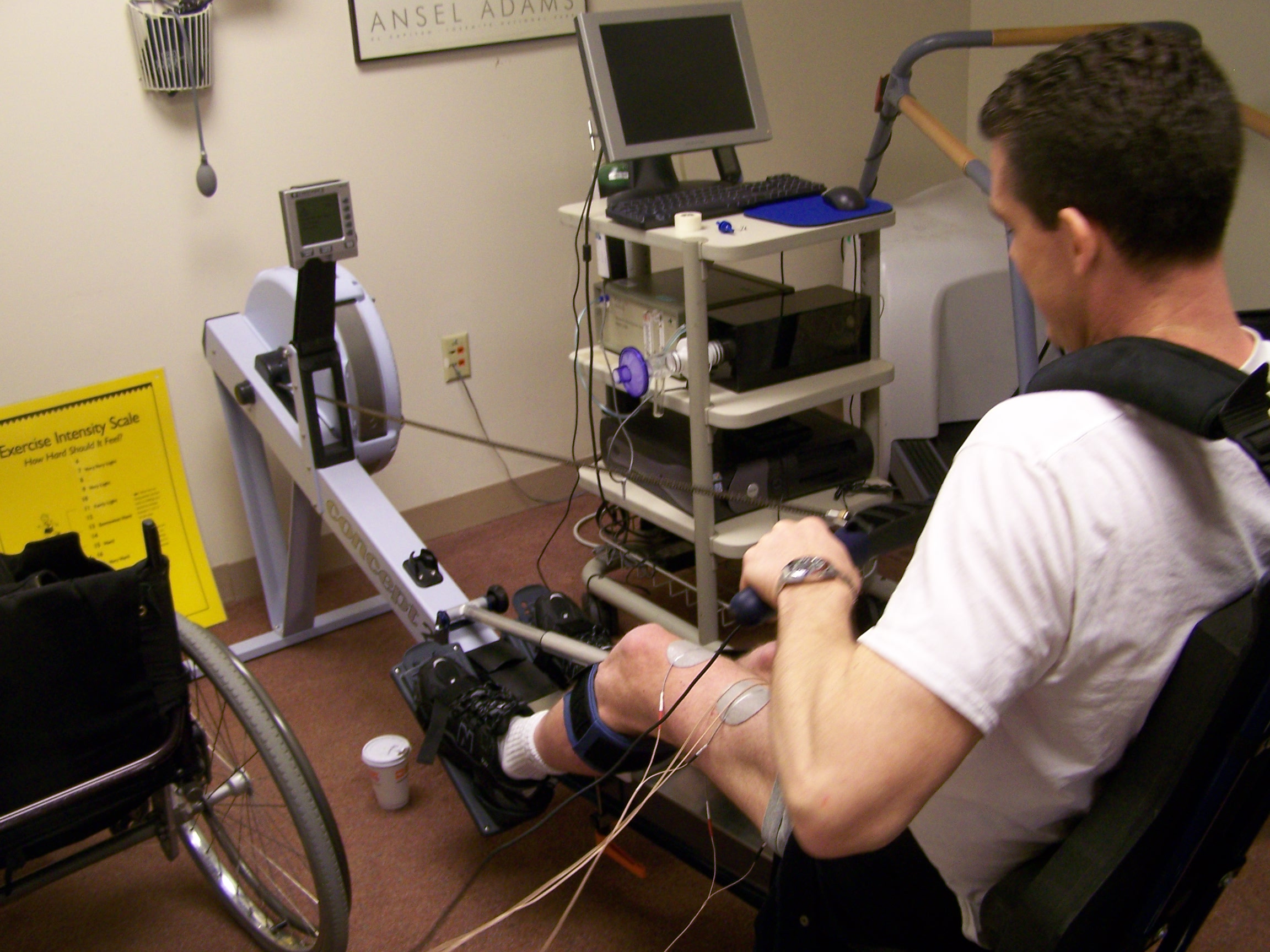
Gaëlle Deley, who is involved year-round in research on the interactions between exercise, sport and health, has, with her colleagues at Inserm Unit 1093 and in collaboration with the Cardiovascular Research Center (CVRC) of Harvard University in Boston, established a training programme called “Stimule ton Handicap”, to enable people with paraplegia to exercise using all their muscles. Every week, participants perform an exercise using a rowing machine connected to an electrical stimulation system, in an individually tailored session. Electrodes taped to the participants’ thighs transmit a low-intensity current. Their muscles contract and propel the seat backwards. Arm movements and stimulation of the hamstrings then make it possible to return the seat to the front.

After 6 months of training, the muscle strength of people with paraplegia increased by over 170%, their muscle mass by over 102% and their aerobic capacity by over 77%, and a real impact on their quality of life was observed.

Following these encouraging results, the researchers adapted the programme to people with quadriplegia (cared for in Boston), hemiplegia or cerebral palsy.

If added to their training, this method would enable top level athletes, such as the Paralympic athletes, to develop their physical performances.


To obtain further information about this programme, you can contact Gaëlle Deley.

The 2016 Summer Olympic Games in Rio

The world’s finest athletes will meet at the 2016 Summer Olympic Games in Rio de Janeiro to try to win Olympic medals, thus testing their bodies to the limit.

What are the risks for the top athletes? What methods would enable them to optimise their physical abilities? What lines of prevention can be developed? How does our environment influence performances? What are the effects of athletic activity on ageing?

Such are the questions that the researchers at Inserm, who are involved all year round in studying the interactions between sport, physical activity and health, are able to answer.


At Inserm Unit 1093, “Cognition, Motor Activity and Sensorimotor Plasticity,” Romuald Lepers focuses on the performances of centenarian athletes so as to better understand how the human body can fight the deleterious effects of ageing. In a recent study, he compared the records of these athletes in certain disciplines with world records for all age categories combined. Although the record of centenarian cyclist Robert Marchand, with nearly 27 kilometres covered in an hour, appears the most impressive, the researcher also emphasises that age-related decline in performance is less marked for cycling than for athletics or swimming.

Read the news item “Centenarian athletes: flawless performances?


Meanwhile, the research undertaken by Mathias Pessiglione, Inserm Research Director at Unit 1127, “Brain and Spine Institute”? deals with the brain mechanisms involved in motivation. He has modelled the motivational aspects of athletic performance according to a cost/benefit calculation, i.e. how much the athlete is prepared to invest as a function of how much the objective is worth.

For your interviews and reporting needs, see the “Physical Activity press-kit,” available as a download opposite, for a listing of the contact details of specialists in this discipline, together with the latest news from Inserm on the subject.

Athletisme *** Local Caption ***

(c) Fotolia

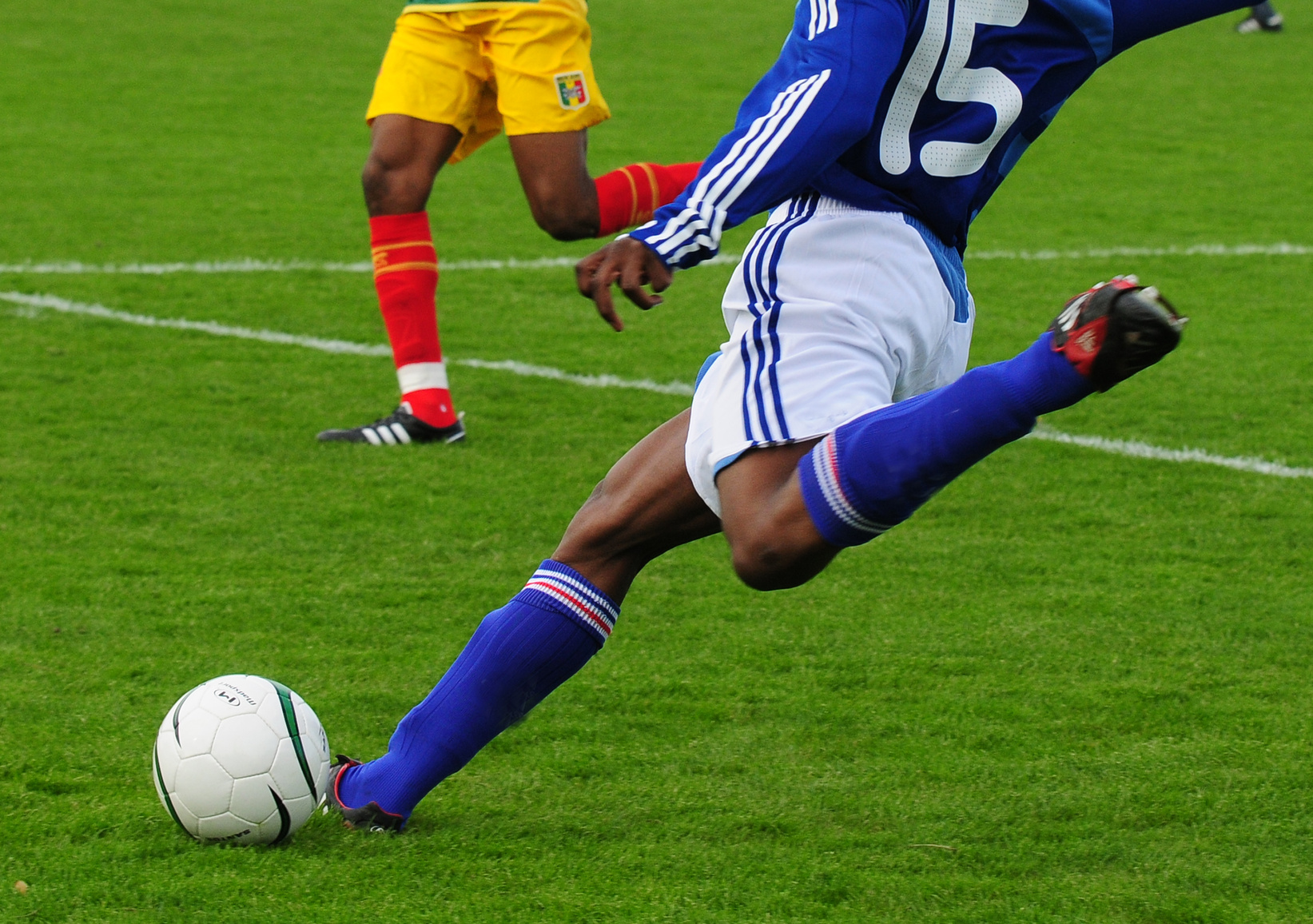
Launching of UEFA EURO 2016 Football Championships

France will be hosting the UEFA EURO 2016 Football Championships from Friday 10 June to Sunday 10 July. During this competition, many parts of the players’ bodies will be severely tested.

Although the benefits of regular physical activity on physical and mental health have been demonstrated by many studies, what are the risks associated with excessive physical exercise? What methods would allow athletes to optimise their physical abilities? Do some activities promote addiction to sport? What are the neurobiological mechanisms involved in the motivation of athletes?


Inserm researchers study the interactions between physical activity and health all year round.

Research conducted by Samuel Vergès and his team from Inserm Unit 1042, “Hypoxia and Cardiovascular and Respiratory Pathophysiologies,” focuses on analysing the mechanisms that limit physical performance. The researchers also use altitude training or simulated altitude training at sea level, i.e. hypoxia, in athletes on the one hand and in people with chronic diseases on the other hand, as a therapeutic approach.

In Dijon, in Inserm Unit 1093, “Cognition, Motor Activity and Sensorimotor Plasticity,” Romuald Lepers studies the effects of mental fatigue and the effects of neuromuscular fatigue on athletic performance. He particularly focuses on the performances of senior athletes, in order to determine their limits.

For your interviews and reporting needs, see the attached “Activité Physique” press-kit, for a compilation of specialist contacts and the latest news on the subject.

Football

(c) Fotolia

Brain Awareness Week 2016: 14–20 March

The 17th edition of Brain Awareness Week will take place from 14 to 20 March 2016, in 62 countries as well as France. During this week, the general public is invited to come and meet researchers in order to better understand the workings of the brain and to find out about advances in research.

Researchers from large research bodies, including Inserm, neuroscience institutes and the hospital/university sector, will be offering 400 free events: bistrot sciences, exhibitions, films, scientific workshops and lectures, in over 30 towns and cities in France.

The inaugural lecture, “Les Multiples Facettes de la Dopamine: du Contrôle du Mouvement aux Addictions”, will be given by Jean-Antoine Girault, President of the French Neuroscience Society, on Monday 14 March, 6:30–8:30 pm, at the auditorium of the Brain and Spine Institute (ICM), Paris.

Registration required: gro.etutitsni-mci@uaevrecudeniames


Brain Awareness Week will be preceded by a conference, “Cerveau: du Soin à l’Homme Augmenté”, on Thursday 10 March, 7:00–8:30 pm, hosted simultaneously by Cité des Sciences et de l’Industrie (Paris) and the Bibliothèque de la Part-Dieu (Lyon), as part of the “Santé en Questions” series organised by Inserm, Universcience and regional players involved in scientific culture.

It will also be attended by:

Hervé Chneiweiss, President of the Inserm Ethics Committee (Paris)

Pierre Cassous Noguès, philosopher and professor at Université Paris 8 (Paris)

François Berger, neuro-oncologist, Inserm team leader and Director of Clinatec (Lyon)

Jérémie Mattout, researcher on brain/machine interfaces at the Lyon Neuroscience Research Center (Lyon)

Follow the live tweet via #ConfSanT and ask your questions @InsermLive

The complete programme for Brain Awareness Week is at www.semaineducerveau.fr

Sunday 14 February 2016: Heart Day

As the cause of 17.5 million deaths in 2012, cardiovascular diseases are the leading cause of mortality worldwide.[1] In France they are the second leading cause of mortality in men, and the leading cause in women.[2]


These diseases are a group of disorders of the heart and blood vessels, such as hypertension, coronary heart disease, cerebrovascular disease (stroke), peripheral arterial disease, heart failure, rheumatic heart disease, congenital heart disease and cardiomyopathy.

Heart Day, initiated by Alliance du Cœur and held on 14 February every year, the symbolic date of St. Valentine’s Day, is aimed at bringing together the general public, health professionals and public authorities for a national debate in order to combat cardiovascular diseases. On this occasion, many events will be held in three cities in France, Belfort, Paris and Strasbourg, on the theme “Every Woman’s Heart.”

See the programme on the Heart Day information website.

Inserm researchers conducting research on cardiovascular diseases are available to answer your questions.

[1] Source: WHO

[2] Source: Heart Day

Inserm rallies around COP21

The 21st International Session of the Conference of the Parties to the United Nations Framework Convention on Climate Change (COP21/CMP11) opened on Monday 30 November, underlining the willingness of participating governments to fight climate change and its consequences.

In this context, Inserm wishes to raise awareness among professionals and the general public about the impacts of climate change on health, and from now until 11 December, is offering scientific conferences, public lectures and an educational exhibition.

See the press release “Inserm at COP21” with the events programme.

At Inserm, there is an active research effort to understand the health effects associated with climate change.

Here are our latest news items on the theme:

In 40 years the French have adapted their behaviour to climate change

Climate change and health: what are the implications?

World Championships in Athletics: D-7!

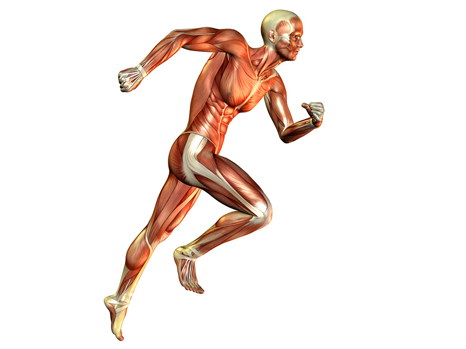
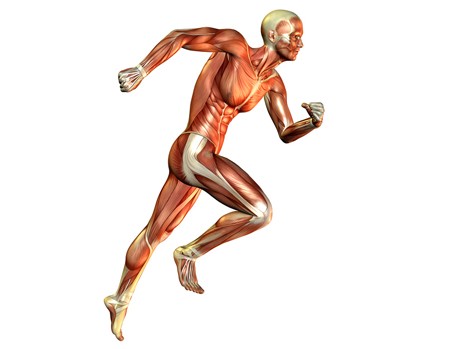
On Saturday 22 August 2015, the 15th World Championships in Athletics will be launched in Beijing. Until Sunday 30 August, athletes from all nations will compete, putting their muscles, as well as their heart, lungs, brain, etc. to the test.Sport

© Fotolia

How do muscles work? How do athletes attain such endurance? What is the brain’s role in physical ability? How do performance enhancing drugs act? What technique could help the athletes to improve their performance?

Inserm researchers work all year to find answers to these questions and in the area of physical exercise in general. For your interviews and reporting needs, see the “Physical Activity press-kit,” available as a download opposite, for a listing of the contact details of specialists in this discipline, together with the latest news from Inserm on the subject.

Solar eclipse on 20 March: dangers for the retina

On Friday 20 March 2015, a partial eclipse of the sun will be visible in France between 9:00 and 12:00 am, depending on the place of observation. Why is looking directly at the sun dangerous and a cause of irreversible damage to the retina? Inserm researchers who are specialists at the Vision Institute (Inserm/CNRS/UPMC) can answer your questions.

The French Ministry of National Education, Higher Education and Research (MENESR) recalls the eye hazards involved in directly observing of the sun. There are two types:

–    corneal, keratitis-type lesions, essentially associated with ultraviolet rays, painful but reversible in a few days;

–    retinal burn-type lesions associated with the thermal effect of solar radiation and a photochemical effect on the particularly delicate cells of the retina. These lesions can cause permanent damage to the sight.

The French Directorate General of Health recommends that people who want to safely observe the partial eclipse of the sun on 20 March 2015 take proper protective measures for directly observing the sun.

https://www.education.gouv.fr/cid86958/eclipse-partielle-de-soleil-du-20-mars-des-consignes-pour-l-observer-en-toute-securite.html

Semaine du Cerveau 2015 (Brain Awareness Week 2015): 16–22 March

The 16th edition of Brain Awareness Week will take place in France and in 62 countries around the world from 16 to 22 March 2015. Throughout this week, members of the public can meet researchers from Inserm to gain a better understanding of the brain and learn about the latest research developments in this area. This week will enable the public to better understand how the brain works and what happens when it malfunctions, to discover techniques for exploring it, and to learn about the new technologies used to “repair” it.

The inaugural conference, “Comprendre et manipuler le cerveau par la lumière” (Using light to understand and manipulate the brain), will be held in Paris:

on Monday 16 March at 6:30 pm in the auditorium of the Brain and Spinal Cord Institute (ICM), Pitié Salpêtrière Hospital, 47 Bd de l’Hôpital, Paris 13th Arrondissement

Registration: gro.etutitsni-mci@uaevrecudeniames

In the company of:

Roland Salesse, coordinator of Brain Awareness Week

Alexis Brice, General Manager of the Brain and Spinal Cord Institute (ICM)

Jean-Marie Laurent, President of the French Federation for Brain Research (FRC)

Researchers from Inserm will be involved in many regional events organised in over 32 towns and cities in France:

See the complete programme on the French Neuroscience Society website

Etienne-Hirsch-portraitEtienne Hirsch

Director of Aviesan’s Thematic Institute for Neurosciences, Cognitive Sciences, Neurology and Psychiatry, sets out the challenges for brain research


What are the scientific challenges for brain research?

Our nervous system is made up of 100 billion neurons, which are interconnected by millions of kilometres of connectors (the axons). The number of contacts formed between the neurons is of the order of 10,000–100,000 billion.

The main challenge for the neurosciences is to analyse and integrate the complexity inherent to all levels of the nervous system’s organisation, so as to understand the neural basis for the higher cognitive functions and behaviours.

What are the medical challenges for brain research?

Data from the World Health Organization (WHO) show that diseases of the nervous system represent over a third of all diseases in wealthy countries. In Europe, 380 million people are directly affected by these diseases. Thus 23% of healthy life years are lost following brain diseases, as well as 50% of life years in poorer health.

Understanding the causes, mechanisms and physiopathological processes underlying neurological and psychiatric and sensory organ diseases is therefore an essential step in developing symptomatic or curative treatments for these diseases.

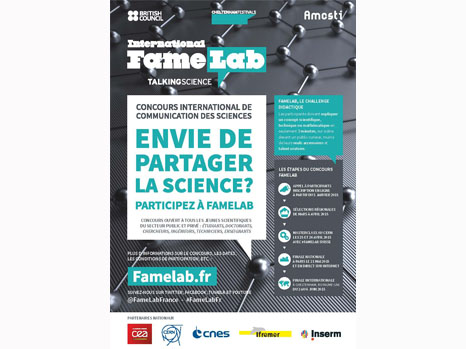
FameLab: the scientific communication competition returns to France !

For the second consecutive year, FameLab, the international scientific communication competition organised by the British Council and its partners, is coming back to France !

Who is this competition for?


Whether you are a young researcher, student or teacher of science, FameLab invites you to present your chosen subject for three minutes to a panel of professionals from the communications, research and media sectors.

Three criteria need to be met: content, clarity and charisma!


How do you take part?


Heats will take place throughout France between March and April 2015 in partnership with scientific cultural organisations:
Brest, Océanopolis, Friday 6 March 2015 (closing date for entries 28 February 2015);
Marseille, Campus Saint-Charles, Tuesday 10 March 2015 (closing date for entries 3 March 2015);
Toulouse, Bazacle, Thursday 26 March 2015 (closing date for entries 13 March 2015);
Villeneuve d’Ascq, Forum des Sciences, Saturday 4 April 2015 (closing date for entries 4 March 2015);
Bordeaux, Cap Sciences, Friday 10 April 2015 (closing date for entries 10 March 2015);
Paris, venue and date to be announced in February

The national final will take place on 21 May in Paris.

Unavailable for the regional heats? You can submit a video entry.

Participation in FameLab also means:

An opportunity for the participants:
– to interact with other science enthusiasts and enjoy networking with FameLab candidates from France and around the world;
– to benefit from the informed opinions of recognised specialists;
– to publicly present the results of research, and share their passion for science.

Winners will receive:
– A two-day Masterclass at CERN (European Organization for Nuclear Research) in Geneva in order to refine their oral presentation technique and communication skills;
– For the national winner, the opportunity to take part in the international Grand Final at the Cheltenham Science Festival in the UK.

PhotoCP web

Further information:

All information on the competition and registration is available on the British Council website.

For any other questions: rf.licnuochsitirb@balemaf

This competition is organised in partnership with Inserm, the French National Centre for Space Studies (CNES), the French Association of Museums and Centres for the Development of Scientific, Technical and Industrial Culture (AMSCTI), the European Organization for Nuclear Research (CERN), the French Alternative Energies and Atomic Energy Commission (CEA) and the French Research Institute for Exploitation of the Sea (Ifremer).

Alim Louis Benabid receives the 2014 Lasker Award

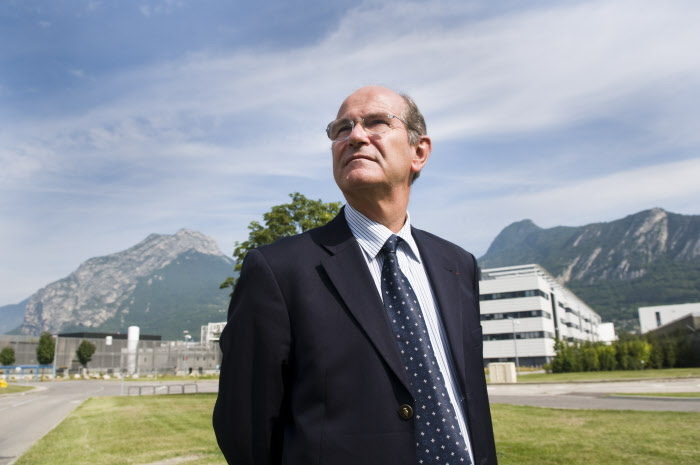
The 2014 Lasker Award has just been won by Alim Louis Benabid, Director of Inserm Unit 318 “Preclinical Neurosciences” from 1988 to 2006, and winner of the 2008 Inserm Prix d’Honneur for his work on deep brain stimulation for the treatment of Parkinson’s disease.

Since 1945, the Lasker Award has distinguished the most brilliant researchers who have contributed to major advances in the diagnosis, treatment and prevention of human disease.

For further information, read our press release : Alim Louis Benabid receives the 2014 Lasker Award

Prix d'Honneur Inserm 2008

© Inserm /Latron, Patrice

fermer