Menu

Bacteria that Prevents Type 1 Diabetes

Our bodies have ten times the amount of microbes than human cells. This set of bacteria is called microbiota. In some instances, bacteria known as pathogens can cause infectious diseases. However, these micro-organisms can also protect us from certain diseases. Researchers from Inserm, Paris Descartes University and the CNRS (French National Centre for Scientific Research), through collaboration with teams from China and Sweden, have recently shown how microbiota protects against the development of type 1 diabetes. This research is published in the Immunity journal, 4 August 2015.
DIAB7TE

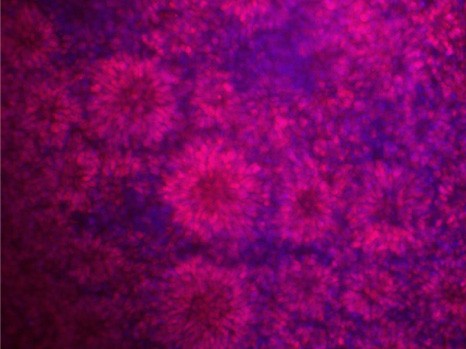
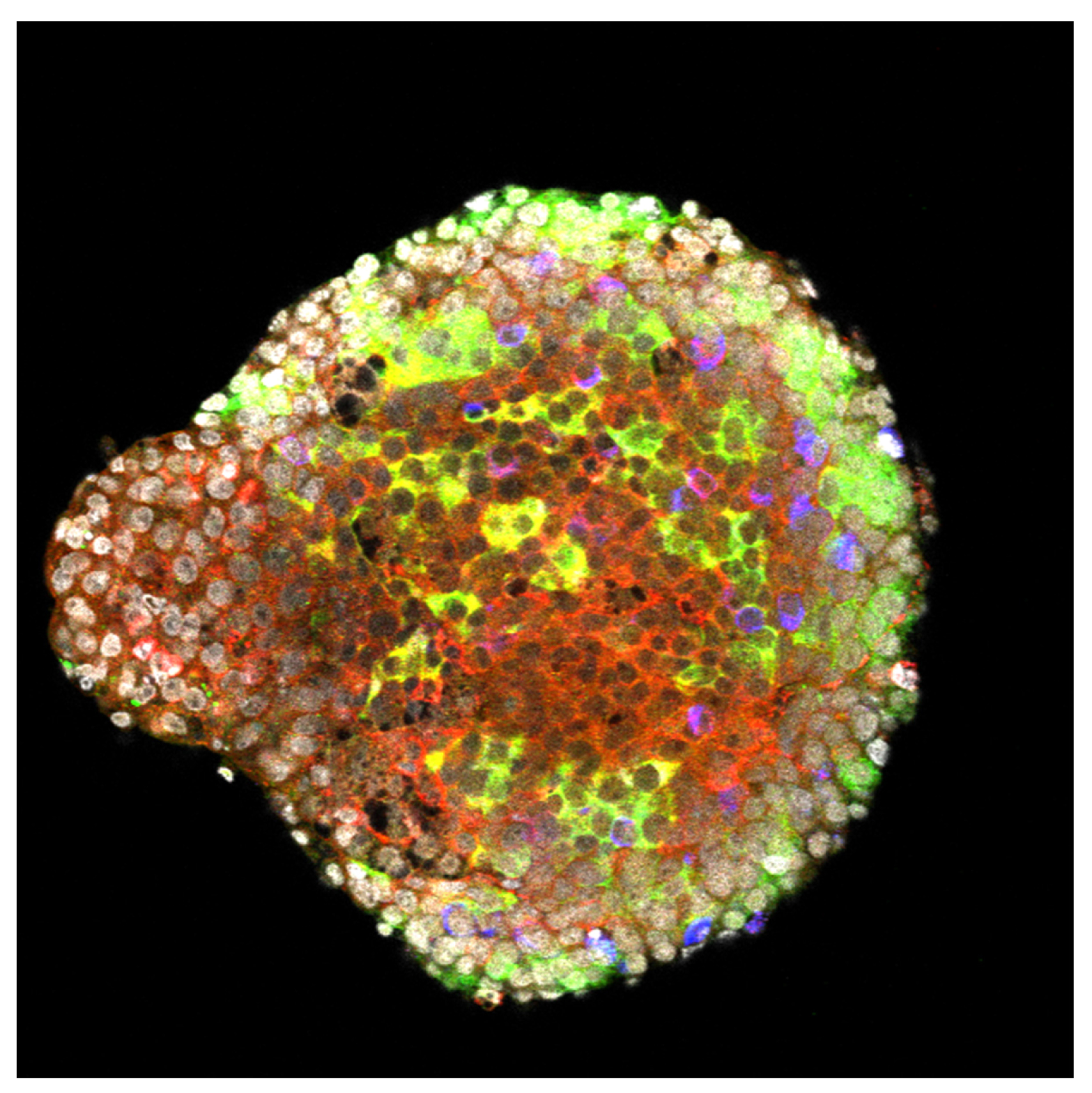
A pancreatic islet of Langerhans expressing the immunoregulator antimicrobial peptide CRAM (in red). The insulin-producting beta-cells are in green and the glucagon-producting alpha-cells are in blue. © Julien Diana

To combat pathogens, the immune system has developed various mechanisms to detect, defend against and even destroy micro-organisms that are harmful to the body. This includes antimicrobial peptides and natural proteins that destroy pathogenic bacteria by disrupting their cellular membrane. Not only are they produced by immune cells, they are also produced by cells whose functions are not immune-related.

A research team coordinated by Julien Diana, an Inserm Research Fellow at Inserm Unit 1151 “Institut Necker-Enfant Malades” [Necker Institute for Sick Children] (Inserm/CNRS/Université Paris Descartes), is focussing on a category of antimicrobial peptides, i.e. cathelicidins. Apart from their protective function, these peptides have also exhibited immunoregulatory abilities against several autoimmune diseases. As such, scientists hypothesise that cathelicidins may be involved in the control of type 1 diabetes, an autoimmune disease where certain cells in the immune system attack beta cells in the pancreas which secrete insulin.

Firstly, they observed that beta pancreatic cells in non-diseased mice produce cathelicidins and that, interestingly, this production is impaired in diabetic mice.

To test this hypothesis, they are injecting diabetic mice with cathelicidins where production is defective.

“Injecting cathelicidins inhibits the development of pancreatic inflammation and, as such, suppresses the development of autoimmune disease in these mice” states Julien Diana.

Given that the production of cathelicidins is controlled by short-chain fatty acids produced by gut bacteria, Julien Diana’s team are studying the possibility that this may by the cause of the cathelicidin deficiency associated with diabetes. Indeed, researchers have observed that diabetic mice have a lower level of short-chain fatty acids than that found in healthy mice.

By transferring part of the gut bacteria from healthy mice to diabetic mice, they are re-establishing a normal level of cathelicidin. Meanwhile, the transfer of micro-organisms reduces the occurrence of diabetes.

For the authors, “this research is further evidence of the undeniable role microbiota plays in autoimmune diseases, particularly in controlling the development of autoimmune diabetes”. 

Preliminary data, as well as scientific literature, suggest that a similar mechanism may exist in humans, paving the way for new therapies against autoimmune diabetes.
Glutamate, a new player in addiction

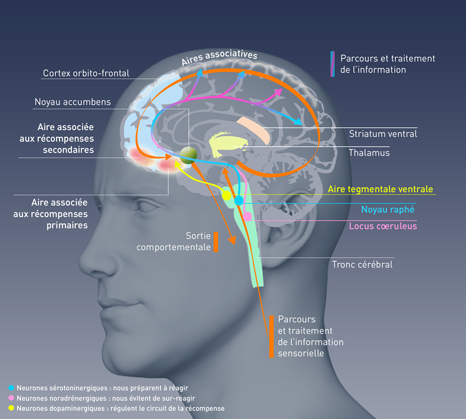
Scientists have just identified in the mouse, and then confirmed in humans, a new factor that regulates addiction. Glutamate, a neurotransmitter[1], contributes to regulating dopamine release in the nucleus accumbens, one of the cerebral structures of the reward system. More precisely, it is its subtle balance with another neurotransmitter – acetylcholine – that prevents up-regulation of the system and entry into addiction. This discovery, which opens up new therapeutic perspectives, was made by neurobiologists in the Neurosciences Paris-Seine laboratory (Institut de Biologie Paris-Seine, CNRS/Inserm/UPMC) and the Douglas Mental Health University Institute (McGill University, Montreal, Canada), working in association with human genetics specialists at Institut Mondor de Recherche Biomédicale (Inserm/UPEC). Their work was published on 4 August 2015 in Molecular Psychiatry.

In the context of drug taking, dopamine levels rise in the cerebral structures that form the reward system.  The intensity and rapidity of dopamine release provide a basis for the processes that will lead to the development of addiction. The cholinergic neurons in the nucleus accumbens, one of the centers of reward, are known to regulate this dopamine release. While most neurons only release a single neurotransmitter, a French-Canadian team led by CNRS researcher Salah El Mestikawy showed in 2002 that these acetylcholine-using neurons are also able to utilize glutamate. These neurons, which are to some extent “bilingual”, can thus both activate (via acetylcholine) and inhibit (via glutamate) dopamine secretion.

In this new study, much of it carried out by Diana Yae Sakae for her thesis project supervised by Salah El Mestikawy, the scientists showed that when they inhibited a gene essential to this signaling by glutamate (called VGLUT3) in mice, the animals became more vulnerable to cocaine. They experienced enhanced stimulant effects of the drug, developing “addiction” more easily and being more likely to “relapse” after a period of abstinence. The glutamate from these acetylcholine neurons therefore plays an important regulatory role in limiting cocaine addiction.

The scientists then wanted to determine whether this mechanism also applied to humans. In cocaine and/or opiate-dependent adults, they looked for mutations of the gene that had rendered the mice “addicted”. At the Institut Mondor de Recherche Biomédicale, Stéphane Jamain’s team observed that a mutation of this gene was ten times more common among severely dependent patients than in individuals without psychiatric symptoms. This mutation may explain the greater vulnerability to addiction of these patients[2]. In any case, these observations appear to confirm the role of glutamate in the addictive mechanism.

This work has thus clarified the neuronal mechanisms that underlie the search for hedonic sensations: contrary to what scientists thought until now, these findings show that it is not acetylcholine alone that regulates dopamine release, but a balance between acetylcholine and glutamate.

 At the same time, the scientists identified an unsuspected target for the treatment of drug addiction. Indeed, although acetylcholine has numerous other functions in the brain and muscles, this glutamate signaling is more specific. The next step is to identify the receptor involved so that pharmacological therapies can be developed.

This work was funded in particular by the Fondation pour la Recherche Médicale (FRM) and the Agence Nationale pour la Recherche (ANR).

[1] In order to communicate, neurons use chemical substances called neurotransmitters. Conventional neurotransmitters include dopamine, serotonin, acetylcholine and glutamate, etc.

[2] That said, even within the group of severely dependent patients this mutation was only present in 5% of cases, indicative of the multifactorial nature of addiction and more generally the complexity of psychiatric diseases

From pluripotency to totipotency

While it is already possible to obtain in vitro pluripotent cells (ie, cells capable of generating all tissues of an embryo) from any cell type, researchers from Maria-Elena Torres-Padilla’s team have pushed the limits of science even further. They managed to obtain totipotent cells with the same characteristics as those of the earliest embryonic stages and with even more interesting properties. Obtained in collaboration with Juanma Vaquerizas from the Max Planck Institute for Molecular Biomedicine (Münster, Germany), these results are published on 3rd of August in the journal Nature Structural & Molecular Biology.
Cellules Souches embryonnaires

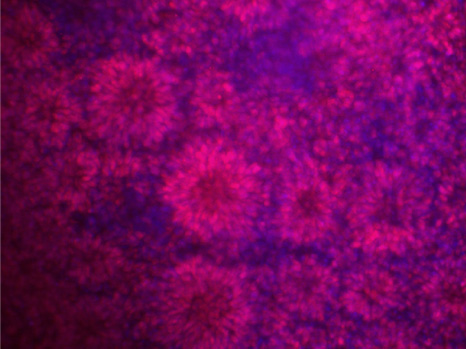
Human embryonic stem cells have the potential to form in vitro neural tube -like structures of the embryo. ©Inserm/Benchoua Alexandra

Just after fertilization, when the embryo is comprised of only 1 or 2 cells, cells are “totipotent“, that is to say, capable of producing an entire embryo as well as the placenta and umbilical cord that accompany it. During the subsequent rounds of cell division, cells rapidly lose this plasticity and become “pluripotent”. At the blastocyst stage (about thirty cells), the so-called “embryonic stem cells” can differentiate into any tissue, although they alone cannot give birth to a foetus anymore. Pluripotent cells then continue to specialise and form the various tissues of the body through a process called cellular differentiation.

For some years, it has been possible to re-programme differentiated cells into pluripotent ones, but not into totipotent cells. Now, the team of Maria-Elena Torres-Padilla has studied the characteristics of totipotent cells of the embryo and found factors capable of inducing a totipotent-like state.

When culturing pluripotent stem cells in vitro, a small amount of totipotent cells appear spontaneously; these are called “2C-like cells” (named after their resemblance to the 2-cell stage embryo). The researchers compared these cells to those present in early embryos in order to find their common characteristics and those that make them different from pluripotent cells. In particular, the teams found that the DNA was less condensed in totipotent cells and that the amount of the protein complex CAF1 was diminished. A closer look revealed that CAF1 -already known for its role in the assembly of chromatin (the organised state of DNA)- is responsible for maintaining the pluripotent state by ensuring that the DNA is wrapped around histones.

Based on this hypothesis, the Torres-Padilla team were able to induce a totipotent state by inactivating the expression of the CAF1 complex, which led to chromatin reprogramming into a less condensed state.

These results provide new elements for the understanding of pluripotency and could increase the efficiency of reprogramming somatic cells to be used for applications in regenerative medicine.

An advance in understanding the origins of language

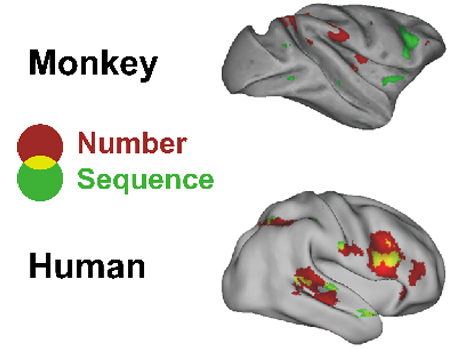
Researchers from the Cognitive Neuroimaging Unit at NeuroSpin have just identified a network of areas of the brain that are organised in a way that could at least partially explain the specificity of the cognitive functions in the human species. These regions are specifically activated in humans, but not in the macaque monkey, in response to specific variations in the auditory sequences played. They coincide with the classic language areas, particularly Broca’s area. The human faculty of language could therefore have its origins in the emergence of a brain circuit capable of combining, in a single region, information coming from the other regions of the brain into a coherent whole. These results, obtained through a collaboration between the French Atomic Energy Commission (CEA), Inserm, Collège de France, Versailles-Saint-Quentin-en-Yvelines University and Paris-Sud University, are published in Current Biology.

In this study, conducted at NeuroSpin, Stanislas Dehaene (a professor at Collège de France, and director of the Inserm/CEA/Paris-Sud University Cognitive Neuroimaging Unit) and Bechir Jarraya (Professor of Neurosurgery at Versailles-Saint-Quentin-en-Yvelines University), together with Liping Wang and Lynn Uhrigh, used a noninvasive functional imaging method, 3 Tesla functional MRI. They exposed three macaque monkeys and twenty volunteers to regular auditory sequences, e.g. three identical sounds followed by a fourth different sound (a sequence notated as AAAB). Occasionally, they presented a sequence that violated this regularity, either because it included a different number of sounds (e.g. AAAAAB), or because the sequence of sounds was abnormal (e.g. AAAA, which does not end in a B sound).

The monkey’s brain reacted to changes in numbers and sequences, which denotes a certain capacity for abstraction. However, it did so in distinct areas, specialised for either number or sequence. In contrast, the human brain combined the two parameters in regions that coincide with the language areas.

Thus, whereas the monkeys detected isolated properties, such as “four sounds” or “the last one is different,” evolution seems to have endowed our species with a specific ability to combine these pieces of information into a coherent whole, a formula such as “three sounds, then another”—the very beginnings of an inner language?


Thus, although the abstract representation of sound sequences is possible in non-human primates, the evolution of a new brain circuit, connected to the auditory areas, might have enabled our species to acquire the unique ability to compose and recognise the complex sequences characteristic of human languages.Dehaene_LangageCerveau

This figure illustrates the unique ability of the human brain to combine pieces of abstract auditory information. Some regions of the brain are associated with the detection of a change in number of sounds by the brain, independently of a concomitant change in the sequence of sounds (red areas in the figure). Conversely, some regions of the brain detect changes in the sequence of sounds, independently of their number (green areas). In the monkey brain, these two sets of regions are unconnected. Places where they intersect (shown in yellow), i.e. regions that combine the two types of information, “change in sequence of sounds” and “change in number of sounds,” are found only in the human brain. All activations detected are projected on a lateral view of the right hemisphere for purposes of representation. © Liping Wang

Diabetes is associated with neurocognitive disorders in people living with HIV

Does diabetes play a role in the decline of cognitive function in people living with HIV? Researchers at Inserm Unit 897, “Epidemiology and Biostatistics Inserm Research Centre” (Inserm/University of Bordeaux) and the CIC-1401 Clinical Investigation Centre, in collaboration with Bordeaux University Hospital, have shown for the first time that there is a relationship between diabetes and neurocognitive disorders in people living with HIV, regardless of age. These disorders mainly affect functions involving memory and reactivity, and appear as early as the prediabetic stage (hyperglycaemia). This work, funded by ANRS (French National Agency for Research on AIDS and Viral Hepatitis) and carried out within the ANRS Aquitaine cohort, is published in the journal Neurology.
Virus du SIDA

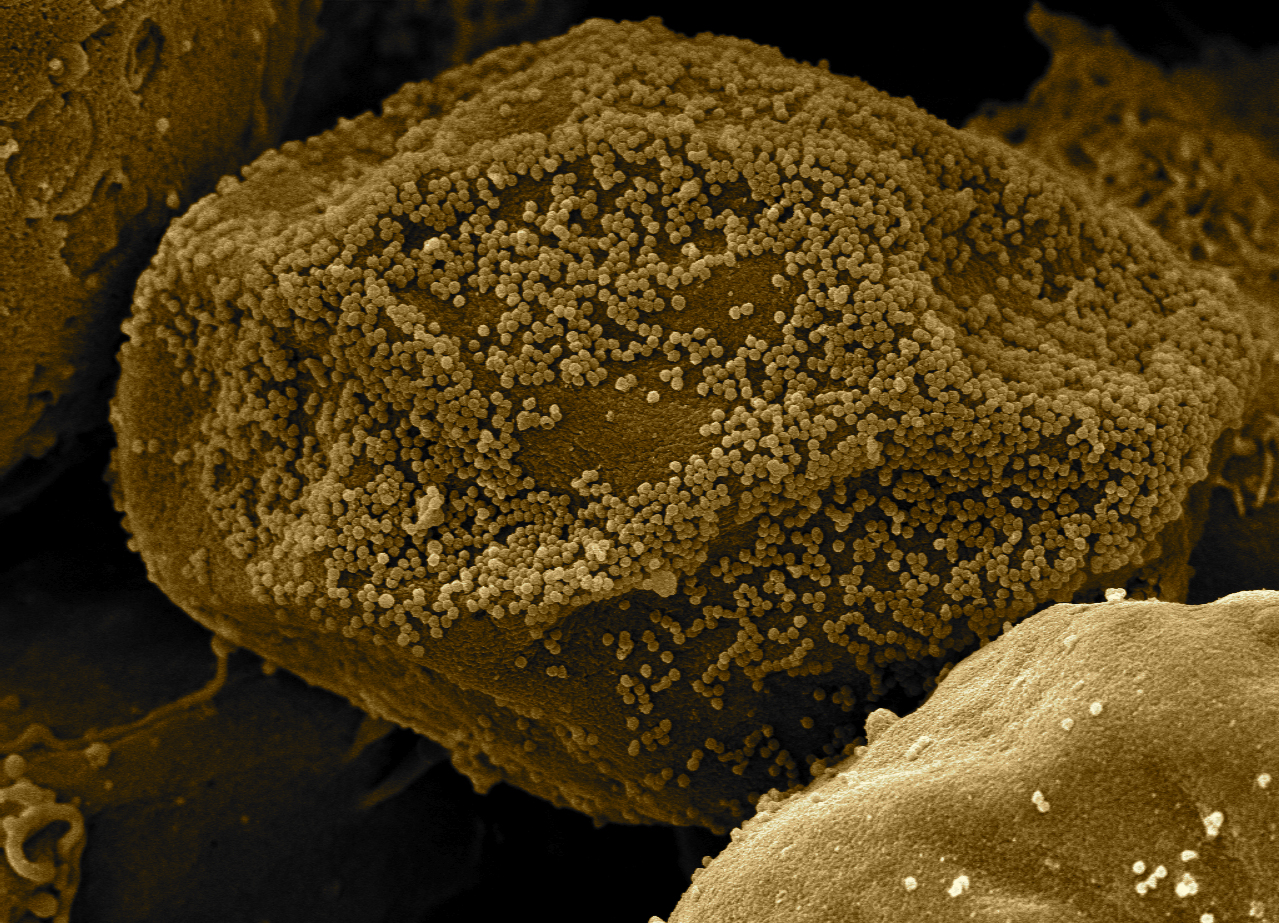
Cell massively infected by HIV, showing the budding of viral particules at the cell surface. © Inserm/Roingeard, Philippe

In 20-50% of cases, people living with HIV show mild neurocognitive disorders, even when their viral load is well controlled by antiretroviral treatment. The causes of these disorders are still incompletely known: age or “traditional” risk factors (education level, vascular risk factors such as diabetes), HIV infection or antiretroviral treatment.

In the general population, several studies have shown that there is a link between diabetes and cognitive decline in older people. Since the prevalence of diabetes in people living with HIV is 5-10%, could diabetes be an explanation for cognitive disorders? A study conducted by Prof. Geneviève Chêne’s team at Inserm Unit 897, “Epidemiology and Biostatistics Inserm Research Centre” (Inserm/University of Bordeaux) and the CIC-1401 Clinical Investigation Centre, together with Bordeaux University Hospital, drew upon the ANRS Aquitaine cohort to answer this question. It reveals for the first time that diabetes is associated with neurocognitive disorders in people living with HIV, regardless of age. This study, funded by ANRS (French National Agency for Research on AIDS and Viral Hepatitis), has just been published in the journal Neurology.

The Aquitaine cohort comprises nearly 9,000 patients distributed among 13 public hospital services, all located in the Aquitaine region of France. The objective of this cohort is to study the course of HIV-1 infection, both naturally and during treatment. For this study, which was carried out at 5 clinical centres of Bordeaux University Hospital between June 2007 and November 2009, 400 people living with HIV were enrolled. They were monitored for two years. Clinical tests (detection and validation of cerebrovascular and cardiac disease, treatments employed, and activities), blood samples, and 10 tests to evaluate cognitive and motor performance were carried out.

Of these 400 people, 39 were diabetic and 33 had hyperglycaemia indicating a “prediabetic” state.

Results show that diabetic patients performed less well than nondiabetic patients in tests involving memory, executive functions, attention, psychomotor speed, language and manual dexterity. Over these two years of monitoring, the researchers observed a slight decline in executive function and memory among these patients.

For people living with HIV who had hyperglycaemia (prediabetic state), overall performance was poorer than in nondiabetic people.

Taking other parameters such as cardiovascular risk factors (hypertension, overweight, hypercholesterolaemia, hypertriglyceridaemia) into consideration does not change these results.

This study demonstrates for the first time the impact of diabetes and the prediabetic state on cognitive performance in people living with HIV. “Basic research should step in to explore the physiopathological mechanisms at play. In particular, to examine objectively whether the lesions created in the small blood vessels by chronic hyperglycaemia are exacerbated by the HIV virus itself. The consequences of HIV on immune activation, as well as certain genetic predispositions, must also be examined,” explains Prof. Geneviève Chêne.

These results already show that active management is needed. 

Geneviève Chêne adds: “In the same way as for the general population, it is vital to strengthen diabetes screening and prevention in people living with HIV. Maintaining a healthy diet, controlling one’s weight and taking regular exercise are universal recommendations.”

One in every two people bring back multi-resistant enterobacteria after a trip in a tropical zone

A large-scale collaborative study, conducted by a French team comprising of the Infectious and Tropical Disease departments of the AP-HP, the hospital bacteriology and hygiene laboratories, the Research Unit of the Bichat – Claude Bernard hospital, the Paris-Diderot University, Inserm, the Pasteur institute and InVS, revealed the acquisition of multi-resistant enterobacteria (MRE) in one in two travellers returning from a stay in a country situated in a tropical region. These results were published in the international journal Clinical Infectious Diseases on 22nd April, 2015.

Motu

©Fotolia

Enterobacteria are microorganisms naturally present in our digestive tract.  While some are completely harmless, others can be responsible for serious infections. In such cases, the patients are treated with antibiotics. Unfortunately, some of these bacteria are resistant, making treatment of these diseases difficult.

The teams coordinated by Sophie Matheron and Etienne Ruppé carried out a study on 824 healthy people before and after a stay in a tropical region (sub-Saharan Africa, Asia, or South America). These people were asked to answer a medical questionnaire and to provide a stool sample in the week before their departure and within three days of their return. This step was repeated for travellers carrying multi-resistant enterobacteria (MRE) until the samples were negative.

The study revealed an overall acquisition frequency of MRE in the digestive tract during the trip of 51%, i.e. one in two travellers. This increased frequency differs depending on the geographical regions visited: on returning from Asia, over 72% of travellers were carriers, more than 47% of those returning from sub-Saharan Africa were carriers, and a little more than 31% of those returning from South America were carriers.

The acquisition of these microorganisms is favoured by the taking of antibiotics (which alters the natural “barrier” protection effect of the bacteria normally present in the digestive tract), the occurrence of diarrhoea during the trip, and the type of trip.  The open stays (organised trips, the family or the backpacker type) present a greater risk than closed stays in hotel-clubs. The prolonged follow-up showed that 95% of the travellers spontaneously eliminate the MRE in the three months after their return.

This study reminds us of the importance of the prudent use of antibiotics (often consumed in an excessive way in cases of simple diarrhoea) and the importance of respecting the preventative and basic hygiene rules during the trip (wash food, wash hands, drink water from a bottle, etc.). Thanks to dedicated consultations, the international vaccine and advice centres provide this information to travellers. They also give other advice and prescriptions depending on the destination (vaccination, prevention of malaria).

Finally, these results highlight the necessity to study the involvement of MRE in patients reporting an infection in the three months following their return from a tropical region. Thus, the health professionals in towns and hospitals may prescribe a treatment adapted to a possible antibiotic resistance.

It should be noted that travellers carrying MRE are not ill and, on this ground alone, have no reason to consult a doctor.

This study was sponsored by the Public Hospitals of Paris (Assistance Publique-Hôpitaux de Paris – AP-HP) as part of a Hospital Clinical Research Program (Programme Hospitalier de Recherche Clinique – PHRC).

Production of iPS cells: discovery of the 5th element

Since 2006, research has succeeded in generating, from specialised adult cells, induced pluripotent cells (iPS cells), with huge potential applications, particularly for regenerative medicine. However, the process has still not been completely mastered. Two teams of researchers from Inserm, CNRS, Centre Léon Bérard and Claude Bernard Lyon 1 University have discovered a molecule that may favour the production of these induced stem cells. Their work is published in Nature Communications, on 8 July 2015.

Reprogramming an already specialised cell into a stem cell is a scientific feat coveted by many researchers. In 2006, the Japanese scientist Shinya Yamanaka first succeeded in producing these “induced pluripotent cells,” known as iPS cells, capable of becoming any type of cell from the human body, by a process requiring the introduction of a cocktail of four genes into differentiated cells. Until now, only embryonic human cells possessed such a characteristic. iPS cells represent a promising advance. With their help, it should ultimately become possible to replace diseased organs with new organs derived from the patient’s own cells, thereby eliminating all risks of rejection. They would also circumvent the ethical problems raised by the use of cells from human embryos.

Despite this success, cell reprogramming is not yet fully controlled. It is limited by certain constraints, including the phenomenon of programmed cell death, which restricts the number of cells produced. In this context, Fabrice Lavial’s team, in collaboration with Patrick Mehlen’s team, sought to identify new regulators of the genesis of iPS cells.

With this objective, the researchers directed their attention to the factors affected by the four inducing genes involved in the initiation of reprogramming. They then selected from this list those known to have a role in programmed cell death, and with a level of expression that varies over the course of reprogramming. After this screening process, one molecule emerged: netrin-1.

Netrin-1 is a protein naturally secreted by the body. Interestingly, it is able to prevent programmed cell death, among other things. In the first days of reprogramming mouse cells, the researchers observed that their production of netrin-1 was strongly reduced. This deficit limited the efficacy of the process. The researchers then tested the artificial addition of netrin-1 to compensate for its insufficiency in the early phases of reprogramming.

This time, the quantity of iPS cells produced from mouse cells was much more greater. An observation repeated during study of human cells, from which fifteen times more iPS cells were produced by adding netrin-1.

From a therapeutic point of view, it was important to determine whether this treatment affected the quality of cell reprogramming.

“According to several verifications, netrin-1 treatment does not seem to have any impact on the genomic stability the iPS cells or on their ability to differentiate into other tissues,” says Fabrice Lavial, Inserm Research Fellow.

The team continues to test the effect of netrin-1 on the reprogramming of other types of cells, and is endeavouring to gain a better understanding of the mode of action of this molecule in stem cell physiology.Cellule iPS

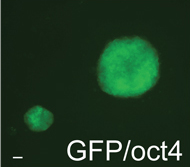
Colonies of mouse iPS cells obtained in the presence of netrin-1. Top, in white light. Bottom, labelled with pluripotency factor Oct4. ©Inserm/Fabrice Lavial

Vaccines: practices and hesitancy among general physicians in France

At population level, vaccines contribute to reducing mortality associated with infectious diseases such as measles, diphtheria, tetanus, hepatitis B or bacterial meningitis. The community general physician, at the centre of this preventive strategy, remains the main source of information for families. In an article published in the journal Ebiomedecine, Pierre Verger (Inserm Unit 912, “Economics and Social Sciences Applied to Health and Analysis of Medical Information – SESSTIM”) and his collaborators present and analyse the attitudes and practices of over 1,500 general physicians in France, in a context of distrust toward vaccines.Brave little girl receiving injection

©fotolia

Vaccination is the most effective means of preventing, or even eliminating, many infectious diseases. However, in recent years, a growing number of unfavourable opinions regarding the latter has been observed among the general population in France.

Given the widespread scepticism, which is contributing to inadequate coverage for some vaccines, the general physician plays a major role in matters of prevention and information. The survey, conducted by Pierre Verger (Inserm Unit 912, “Economics and Social Sciences Applied to Health and Analysis of Medical Information – SESSTIM”) between April and July 2014, has attempted to capture the practices of general physicians in different vaccination scenarios. The results obtained provide a better understanding of the factors in the reticence—or confidence—of physicians with respect to some vaccines.

Physicians’ recommendations vary with the situation.

1st reassuring finding: Almost all physicians questioned (96%) are confident in their ability to explain the usefulness of vaccines to their patients. Nonetheless, this figure falls to 43% when it comes to speaking about the role of adjuvants, and justifying their use.

2nd finding: The recommendations of general physicians vary with the vaccination scenario: 83% often, or even automatically, recommend the measles, mumps and rubella (MMR) vaccine to adolescents and young adults, but only 57% advise vaccination against type C meningococcal infections for children and young people aged 2-24 years, although the latter is part of the vaccination schedule. “Their hesitation to vaccinate might also reinforce that of patients, and contribute to inadequate vaccine coverage, particularly for controversial vaccines,” according to the authors of this article.

The majority of physicians, however, rather or quite trust the French Ministry of Health (8 in 10 physicians) or the health agencies (9 in 10 physicians) to provide them with reliable information as to the benefits and risks of vaccines.

Some uncertainties persist regarding the risks and usefulness of some vaccines

Some physicians express doubt concerning the risk of serious side-effects from certain vaccines, even when these doubts are refuted by the results of pharmacovigilance and epidemiological studies (e.g. regarding hepatitis B vaccine and the presence of adjuvants in some vaccines). Thus 6% of physicians questioned consider it likely, or even probable, that there is an association between papillomavirus vaccine and the occurrence of neurodegenerative diseases such as multiple sclerosis. Over a quarter of them (26%) also believe that some vaccines recommended by the public authorities are unnecessary, and 20% even believe that children are vaccinated against too many diseases.

The existence of such hesitation on the part of general physicians is directly associated with less regular recommendations for vaccination to their patients. Most of these doubts, like those of the general population, relate to vaccines that have been controversial in France (hepatitis B vaccine, human papillomavirus vaccine).

 However, more surprisingly, a proportion of general physicians hesitate to recommend vaccines of proven safety and efficacy (meningococcal C and measles vaccines). For the moment, these hesitations affect only a minority of general physicians (again depending on the vaccine), but constitute an additional impediment to the maintenance of enough vaccine coverage in the population to protect it against infectious diseases that are still dangerous.

Although this study shows that general physicians trust the authorities, it also underscores their need for training and resources to help them respond to patients who are hesitant about undergoing vaccination.

Climate change and health: what are the implications?

In December 2015, France will host the 21st Session of the Conference of the Parties to the United Nations Framework Convention on Climate Change (COP21). This international conference highlights the willingness of the 200 participating governments to limit climate disruption and its consequences for the Earth’s natural system.

To ensure its success, numerous activities are being arranged prior to COP21. From 7 to 11 July, UNESCO is organising a scientific conference entitled “Our Common Future Under Climate Change.” The aim is to assess the risks from climate change from a scientific point of view, and to propose actions for reducing carbon emissions.

In this context, Inserm is committed to highlighting the crucial role that health and those working in the health sector can play in the coming months and years to make climate-related issues a central concern for our societies. Indeed, we often forget that if global warming is affecting the planet’s ecosystem, the fauna and flora, we are also in the front line of its effects. Conversely, we can also have an influence on climate. For example, by changing our diet to one based on vegetables and less meat, it would be possible to reduce greenhouse gas emissions by 40%[1].


To present the state of the art on the knowledge regarding the impact of climate change on health, and future research in this area, Aviesan (the French National Alliance for Life and Health Sciences) and Inserm (the French National Institute of Health and Medical Research) are organising a mini-symposium in conjunction with the UNESCO conference.

This meeting, “Current and Future Research trends on Climate Change and Health,” will be held in Paris:

Monday 6 July 2015, 2:00–6:00 pm in the auditorium at Paris Biopark, 11 rue Watt, Paris 13th Arrondissement.

Registration: cerffr@vafrez.se

In the company of:

Yves Lévy – Chairman and CEO of Inserm, and President of Aviesan

Robert Barouki – Director of Inserm Unit 1124 (Inserm/Paris Descartes University)

And many researchers from Inserm, who will be coming to share the results of their work on the effects of climate change on health.

For more information: the conference program

[1] Green, R, Milner, J, Dangour, AD et al. The potential to reduce greenhouse gas emissions in the UK through healthy and realistic dietary change. Clim Change. 2015; 129: 253–265

Heatwave 2015: Be careful of the abnormally high death rate

From Tuesday 30th June, France will enter into an exceptional heatwave for this time of year.[1]. These remarkably high temperatures (around 40 °C) can have particularly harmful consequences on the health: tiredness, dehydration, heat stroke, respiratory, heart, metabolic problems, etc. If, for the most part, these inconveniences are minor, they are lethal in certain cases, particularly for the at-risk populations such as young children or the elderly.

France has already experienced an exceptional heatwave in 2003, responsible for a high death rate. The Inserm researchers at the Epidemiology Centre on the medical causes of death (CépiDc) have produced an estimate of the high death rate linked to this heatwave on a national and regional level.

The numbers from the study are available in the official report “Surmortalité liée à la canicule 2003 (High death rate linked to the 2003 heatwave

The official report prepared by the Inserm researchers in collaboration with the InVS from 2006 “Estimation de la surmortalité observée et attendue au cours de la vague de chaleur du mois de juillet 2006 (Estimation of the high death rate seen and predicted during the heatwave of July 2006)” is also available.

[1] France weather (Météo France) website « Vague de chaleur: vers des températures exceptionnelles pour un début juillet (Heatwave: exceptional temperatures for the start of July)»

Unable to cope with uncertainty: the gateway to psychosis?

Imagine being plunged into a world in which events did not always have the same consequences, and with rules that changed without your knowledge. How would you adapt? Uncertainty as a factor in decision making is a fundamental issue in general psychology. Our world turns out to be more or less predictable, and our brain has to adapt to this uncertainty to make the best possible choices in any situation. This is the subject that attracted Fabien Vinckier and Raphaël Gaillard, researchers at St Anne’s Hospital, Inserm and Paris Descartes University, in collaboration with Mathias Pessiglione, an Inserm researcher at the Brain and Spinal Cord Institute at Pitié–Salpêtrière Hospital, AP-HP, and Paul Fletcher, from the University of Cambridge in Great Britain. This study, which has been published in Molecular Psychiatry, reveals that our ability to adapt our decisions to the uncertainty inherent in any choice may be disrupted in the early stages of psychosis.

Participants were invited to play a computer game during which they had to decide whether to bet on symbols. The rules were not always applied, and were reversed from time to time (a symbol that always won money started to lose it, and vice versa). When subjected to these conditions, participants, in order to adapt their choices, had to be able to simultaneously detect changes in the rules of play and times of stability. It was possible to show, with the help of mathematical models, that to be most effective, participants use their confidence in the rules of play to make their choices.

In order to reproduce the conditions for the early stages of psychosis, participants were intravenously administered either a placebo or a very low dose of ketamine. Ketamine is an anaesthetic that is used daily in high doses in operating theatres, and which, at low doses, causes symptoms strongly resembling the early stages of a psychotic episode. Continuous measurement of the participants’ behaviour and brain activity using functional magnetic resonance imaging (fMRI) made it possible to identify the effects of ketamine.

Using this model, the researchers demonstrated that ketamine affects the ability of participants to distinguish times when the rules of play are stable, and optimise their behaviour accordingly.

Thus, they did not did not come to a point where they systematically bet on the winning symbol (i.e. betting 100% of the time, even though the symbol only actually won 80% of the time), as if a persistent doubt unsettled them. This impairment is correlated with a disturbance in the fronto-parietal brain network.

“This study characterises the key role of adaptation to uncertainty in decision-making, and its disruption in the early stages of psychosis. It should enable a better understanding of the onset of psychotic illness, and guide therapeutic innovation,” explains Raphaël Gaillard, Professor of Psychiatry at Paris Descartes University, and Head of the Department of Mental Health and Therapeutics at St Anne’s Hospital.

This study reveals, in a pharmacological model of psychosis, the disruption of a person’s ability to finely adapt his/her behaviour to the uncertain nature of the environment. The brain bases for this impairment have been identified (a fronto-parietal network), and can be linked to the molecular pathway on which ketamine acts, and which is currently the focus of a search for new treatments for schizophrenia.

These findings are a continuation of a publication that appeared in the journal Science (Whitson, Science, 2008) on the onset of apparently psychotic phenomena (superstitions, conspiracy theories) in people who are subjected to strong uncertainty. Some psychotic symptoms, such as the emergence of delusions, could be a type of inappropriate response to the inability to construct and maintain a stable representation of the worldPhotoCP web

©Fotolia

fermer