Menu

An antibody-based drug for multiple sclerosis

Inserm Unit U919, directed by Prof. Denis Vivien (“Serine Proteases and Physiopathology of the Neurovascular Unit”) has developed an antibody with potential therapeutic effects against multiple sclerosis. The study, directed by Fabian Docagne and published in Brain, paves the way for a new strategy to control the disease.

Multiple sclerosis is a disease that affects the central nervous system, particularly the brain and spinal cord. It is the most common cause of neurological disability in young adults.

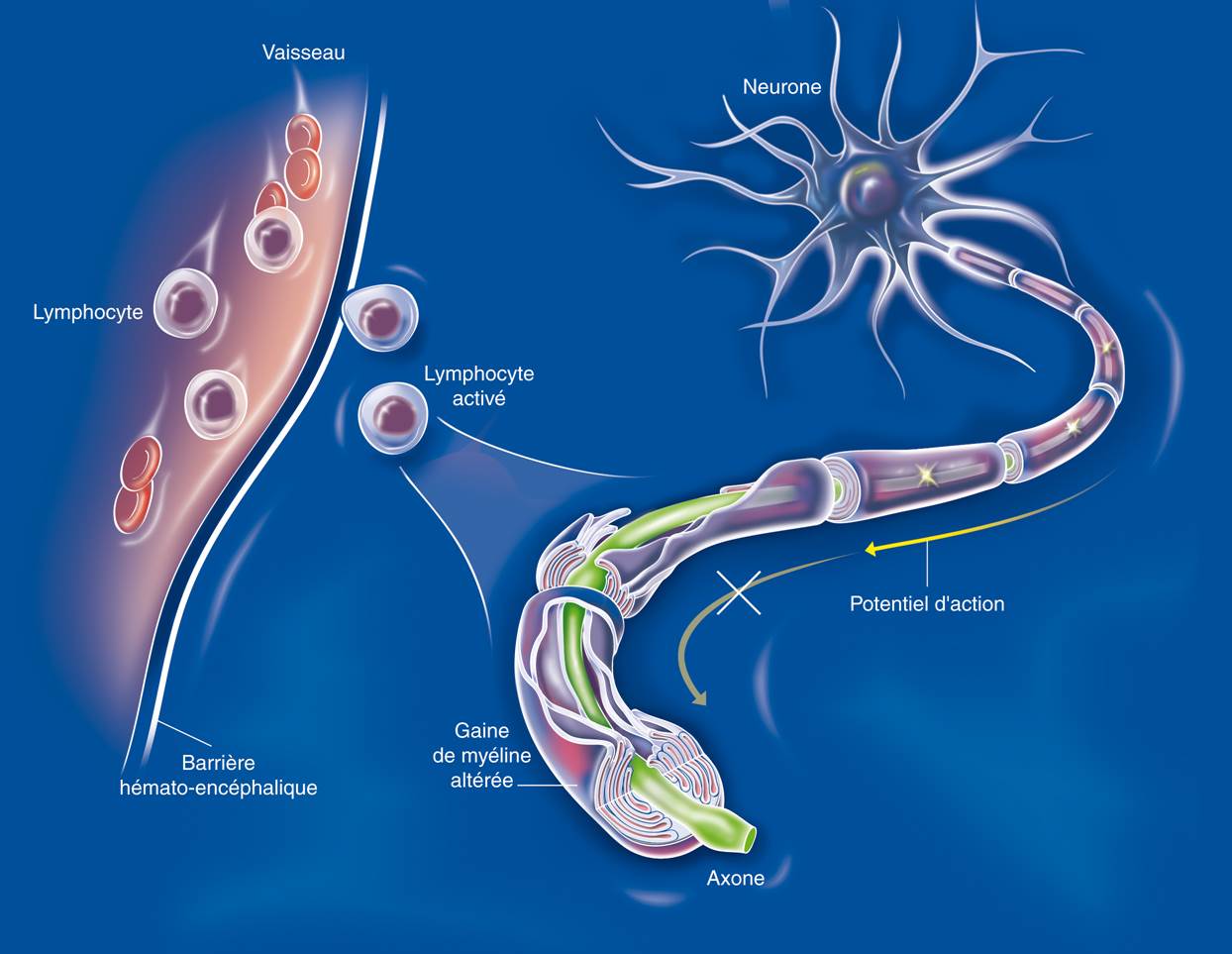
The disease is considered autoimmune since the immune system, which is there to protect the body from external assault, attacks its own constituents. The cells of the immune system, particularly the lymphocytes, bring about the destruction of the myelin sheath that surrounds and protects the extensions (axons) of the neurons. This demyelination, which marks the beginning of axon degeneration, disrupts the transmission of nerve impulses. Lesions in the form of “plaques” are dispersed over the brain and spinal cord. They cause symptoms that vary greatly from one individual to another.

Usually, the disease is characterised by exacerbations, with the appearance of motor, sensory and cognitive disorders, followed by remission a few weeks later. But with the passage of years, these symptoms can progress to irreversible disability. Current treatments reduce the exacerbations and improve the quality of life of patients, but do not control the progression of the disease.

sclérose en plaq

(C) Inserm/Fumat, Carole

In order for the cells of the immune system circulating in the bloodstream to reach the central nervous system, they must penetrate the blood-brain barrier (haematoencephalic barrier) and blood-spinal cord barrier (haematomedullary barrier).

During previous work on a mouse model of stroke, the team from Inserm Unit 919 studied a factor involved in opening the blood-brain barrier, the NMDA receptor. In particular, they observed that blocking the interaction of this receptor with tPA (a member of the serine protease family) has beneficial effects associated with maintaining the integrity of the barrier.

In this study, the researchers developed a strategy for blocking the interaction of tPA with the receptor, in multiple sclerosis. In the laboratory, they developed a monoclonal antibody (Glunomab®) directed against the specific site on the NMDA receptor to which tPA binds.

schéma docagne english

(C) Fabian Docagne, Inserm/Servier Medical Art

In cellular models of the human blood-brain and blood-spinal cord barriers, the use of this antibody prevented opening of the barrier under inflammatory conditions, limiting the entry of lymphocytes. The team then tested the therapeutic effects of the antibody in an experimental mouse model of multiple sclerosis. After intravenous injection of Glunomab, the progression of motor disorders (partial or total paralysis of the limbs), as assessed by a clinical score, was blocked. In these treated mice, this effect was associated with reduced infiltration of lymphocytes into the nervous tissue, and reduced demyelination.

By thus preventing myelin destruction by the cells of the immune system, this strategy might represent a promising therapy for the control of multiple sclerosis.

A patent application has been filed on this work.

Attacks and risks of post-traumatic stress

In a traumatic event, such as the attacks on Paris on 13 November 2015, and on Nice on 14 July 2016, the risk for victims and witnesses of developing post-traumatic stress disorder (PTSD) is high.

PTSD is characterised by several symptoms: the person relives the event in the form of recurrent memories, nightmares or flashbacks, avoids anything that reminds him/her of the moment, is in a constant state of alert, and shows difficulty in concentrating. Changes in mood may also occur.

At Inserm, there is ongoing active research to better identify the people most at risk of developing post-traumatic stress disorder, and thereby improve their care.

In the Phoenix study, which evaluates the impact of a trauma or chronic stress on the physical and mental health of 123 patients for a one-year period, work carried out by Isabelle Chaudieu, Inserm Unit 1061 “Neuropsychiatry: Epidemiological and Clinical Research,” is aimed at identifying biomarkers to predict PTSD. Her team is trying to determine whether the allostatic load might make it possible to predict the development of PTSD.

By collecting and analysing personal accounts from 1,000 volunteers over a ten-year period, the 13 Novembre programme (CNRS – Inserm), codirected by historian Denis Peschanski and neuropsychologist Francis Eustache, is aimed at studying the construction and evolution of memory after the attacks of 13 November 2015, and the interaction between individual and collective memory. The researchers will try to better understand the impact of traumatic shocks on the memory, and identify brain markers associated with resilience to trauma.

Read the press release “Attacks: 13-Novembre, a novel research program on traumatic memories.”

fire rescue

New findings from analysis of malignant tumour progression

Researchers from Paris Descartes University, CNRS, Inserm, University Paris-Est Créteil (UPEC) and the Paris Public Hospitals (AP-HP) have shown that analysis of epigenetic modifications could be used as a universal marker for monitoring tumour DNA circulating in the bloodstream of patients with colorectal cancer. This study is based on hypermethylation analysis of two genes (WIF1 and NPY) using a cutting-edge method: droplet-based digital PCR[1]. These results were published on 1 June 2016 in the journal Clinical Chemistry.

U768, Développement normal et pathologique du système immunitaire

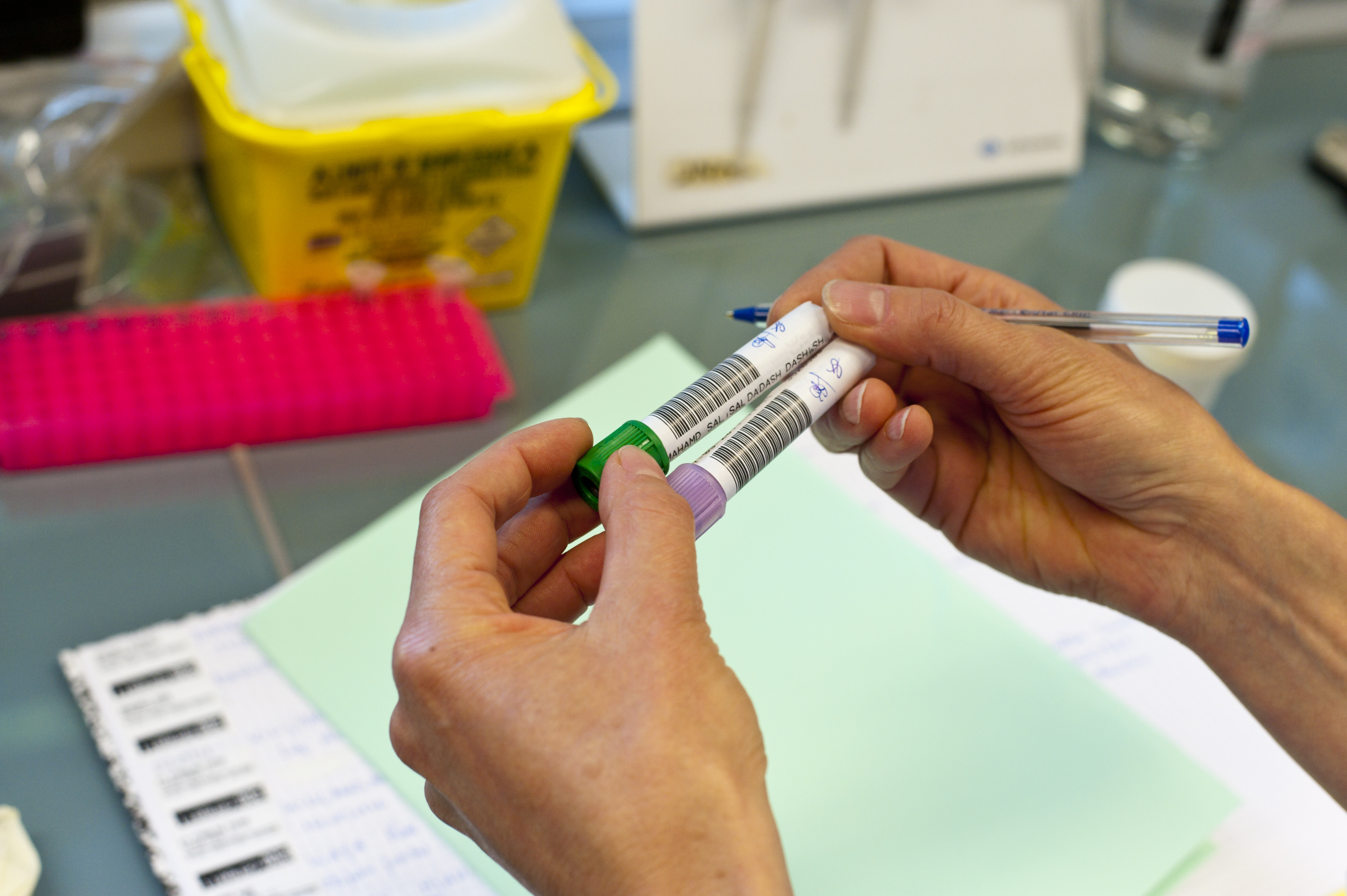
Blood samples

(c) Inserm/Latron, Patrice

Procedures for diagnosing and monitoring the various forms of cancer have evolved greatly in recent years. Thus, the liquid biopsy, which consists of analysing genetic markers for cancer present in the patient’s bloodstream, rather than the tumour, is becoming common. This method has the advantage of being noninvasive, and of offering precise mapping of the state of progress of a patient’s tumours by analysing the DNA released from them and disseminated in the bloodstream.


Moreover, it has been recently proved that mutations in tumour DNA might be responsible for resistance to some therapies. “Our research is mainly focused on colorectal cancer. One of our strategies involves analysing tumour-specific genetic markers by sequencing, and then looking for the presence or absence of one or more of these marker(s) using blood samples. Thanks to this, we can precisely measure the efficacy of a therapy or the recurrence of a cancer,” explains Valérie Taly, CNRS Research Director.

This research has thus shown that there is a wide variety of genetic markers in tumours, making analysis difficult if not impossible. “We had calculated, for example, that some thirty different tests would be needed to monitor slightly more than half of the patients in our cohort. Since the other half of the patients had rare or even unique mutations, it would have been necessary to develop nearly one test per patient,” continues Valérie Taly.

It was therefore necessary to find markers that may be universal, and which would enable monitoring of a maximum of patients with a minimum of tests. In addition, by collaborating with the team led by Professor Iradj Sobhani, from Henri Mondor Hospital, AP-HP, who demonstrated epigenetic markers for tumour DNA, the group led by Dr Valérie Taly and Professor Pierre Laurent Puig, from Georges Pompidou European Hospital, AP-HP, proceeded to analyse blood from cancer patients using droplet-based digital PCR. This method consists of dividing a biological sample into millions of microscopic compartments (in this case droplets a few picolitres in size), such that each compartment contains no more than one target DNA molecule. Each target DNA molecule can then be tested individually, enabling the achievement of a sensitivity and precision unattainable by conventional methods. This procedure showed that hypermethylation of the WIF1 and/or NPY genes was detectable in 100% of the tumours, whether these were localised or metastatic, and that these markers could also be detected in the patients’ blood.


“Furthermore, we showed that the detection of circulating tumour DNA and its dynamics by monitoring a particular mutation completely correlated with its detection by monitoring these hypermethylations. This allowed us to conclude that characterisation of these methylation markers could enable monitoring of all patients from the cohort we mentioned earlier,” says Valérie Taly. With these results, the scientists have shown that it is possible to both monitor the efficacy of a treatment in patients with advanced cancer, and detect possible recurrences earlier than the methods in current use.

This study involves researchers from the “Personalized Medicine, Pharmacogenomics, Therapeutic Optimization” laboratory (UMR-S1147, Paris Descartes University/Inserm, CNRS SNC 5014), the EA7375 team from University Paris-Est Créteil (UPEC) and physicians from Henri-Mondor Hospital, AP-HP, Georges Pompidou University Hospital, AP-HP, Reims University Hospital, Ambroise Paré Hospital, AP-HP, Clermont-Ferrand University Hospital, Val d’Aurelle Paul Lamarque Centre and RainDance Technologies.

[1] polymerase chain reaction or polymerase chain amplification.

Malaria: a genetically attenuated parasite induces an effective, long-lasting immune response

With nearly 3.2 billion people currently at risk of contracting malaria, scientists from the Institut Pasteur, the CNRS and Inserm have experimentally developed a live, genetically attenuated vaccine for Plasmodium, the parasite responsible for the disease. By identifying and deleting one of the parasite’s genes, the scientists enabled it to induce an effective, long-lasting immune response in a mouse model. These findings were published in the Journal of Experimental Medicine on July 18, 2016.

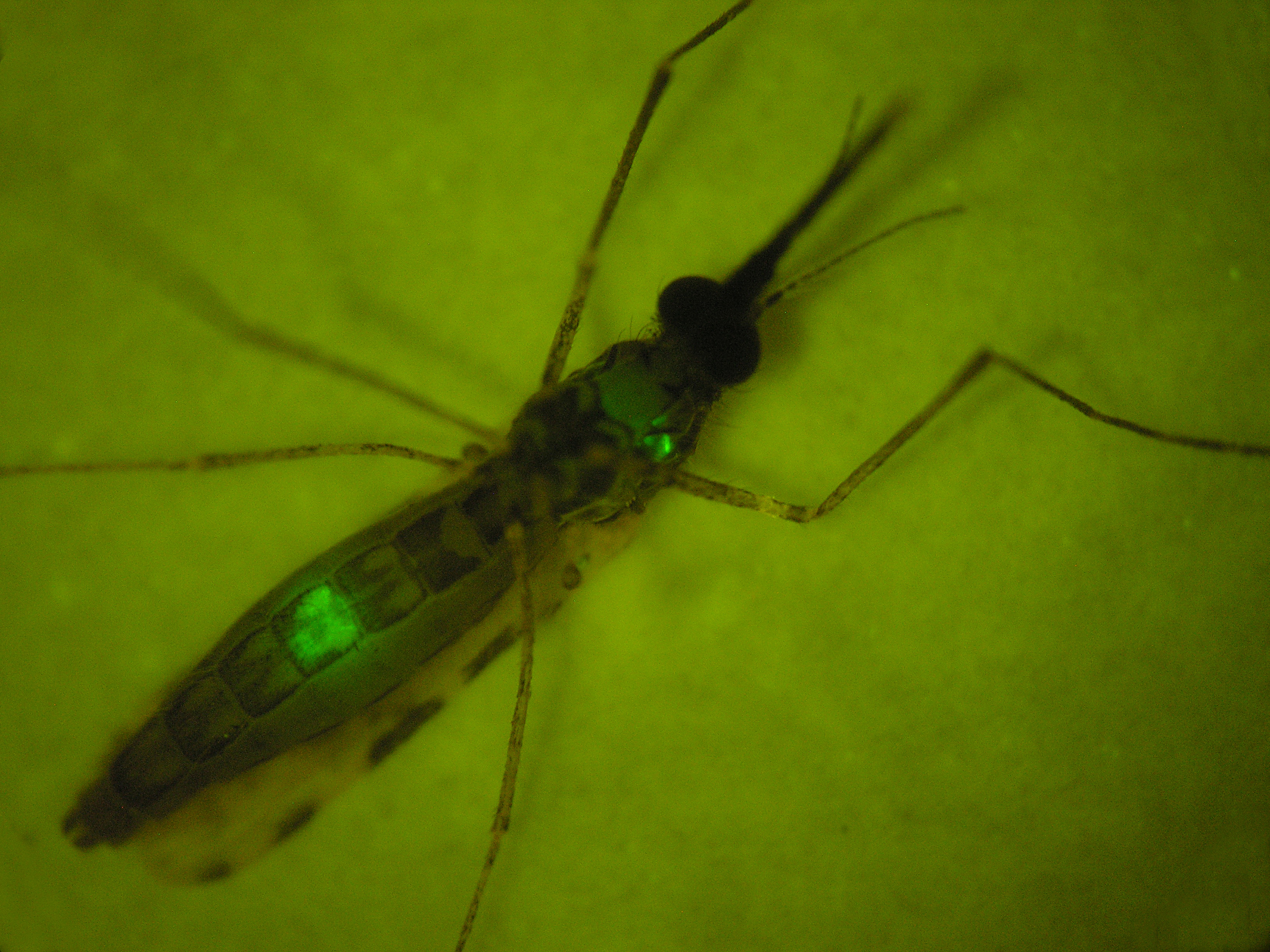
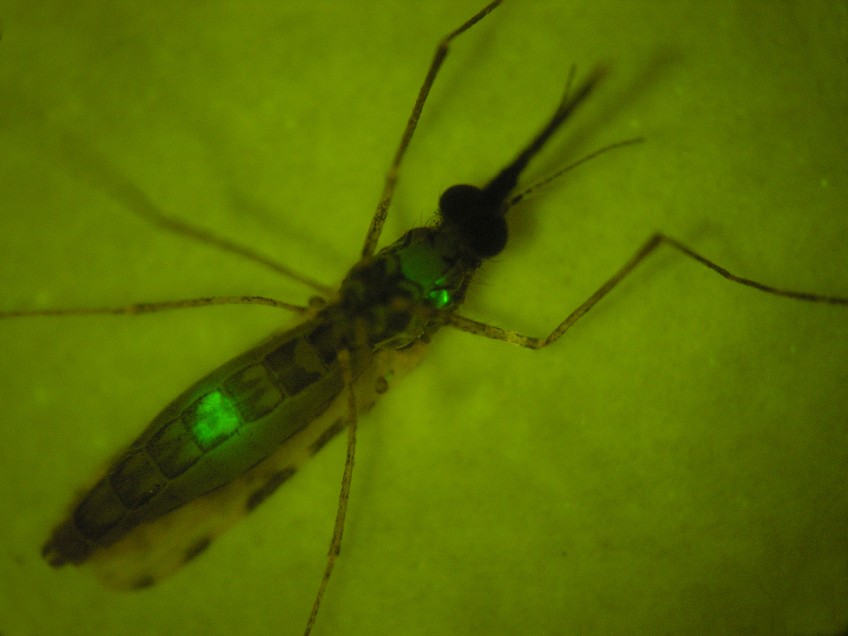
Anopheles stephensi infectée par Plasmodium berghei

Anopheles stephensi infectée par Plasmodium berghei. © Institut Pasteur

Despite increased prevention and eradication efforts over the past fifteen years, especially targeting mosquito vectors, malaria remains the parasitic disease that poses the biggest threat for the world’s population. Approximately 214 million cases and 438,000 deaths from malaria were recorded in 2015[1], mostly children under the age of five and pregnant women. An effective vaccine is needed to combat this disease, but the complex biological make-up of Plasmodium and the many strategies the parasite has evolved to outmaneuver the host immune response mean that developing a malaria vaccine is a difficult task. One notable feature of patients infected by the malaria parasite is the difficulty in mounting a long-lasting protective immune response. Premunition, or relative immunity, is only acquired after several years of exposure. An important feature during malaria infection is that the parasite prevents the establishment of immunological memory.

The team led by Salaheddine Mécheri in the Biology of Host-Parasite Interactions Unit (a CNRS / Inserm unit at the Institut Pasteur), working in cooperation with Robert Ménard from the Institut Pasteur’s Malaria Infection & Immunity Unit, decided to take an original approach to attenuate parasite virulence for effective vaccine development. The scientists genetically modified strains of the Plasmodium parasite by deleting the gene that codes for the HRF (histamine-releasing factor) protein.

The resulting mutants, which no longer expressed HRF, proved to be highly effective in triggering a potent immune response. The absence of HRF boosted the production of the IL-6 cytokine, known for its ability to stimulate the immune response, in the liver and the spleen. This conferred mice with protection from any potential reintroduction of the Plasmodium parasite, including highly virulent strains. This protection was long lasting as it was maintained for more than a year, suggesting that a long-term immunological memory had been established. The protection was also effective against all stages of the parasite’s life cycle. Finally, unlike the standard wild-type Plasmodium berghei strain, which does not induce a cellular or humoral response, this vaccine strain not only induced a cellular response (CD4 and CD8 T cells) but also triggered high levels of specific antibodies that recognized parasite antigens known to be vaccine targets.

The HRF mutants obtained in this study are the first genetically modified parasites whose mutation has a direct impact on the host’s immune response. Use of this target gene, or a similar strategy to stimulate immunity, could lead to the development of effective, long-lasting live vaccines for malaria.

“In recent years, the vaccine strategy of choice using live, genetically attenuated parasites to combat malaria has received renewed interest. The HRF mutant is a promising prototype in this respect, offering a rapid, long-lasting and wide-ranging protective effect,” commented Salaheddine Mécheri.

[1] WHO figures.

Objectives and performance contract signed between the State and Inserm for 2016–2020

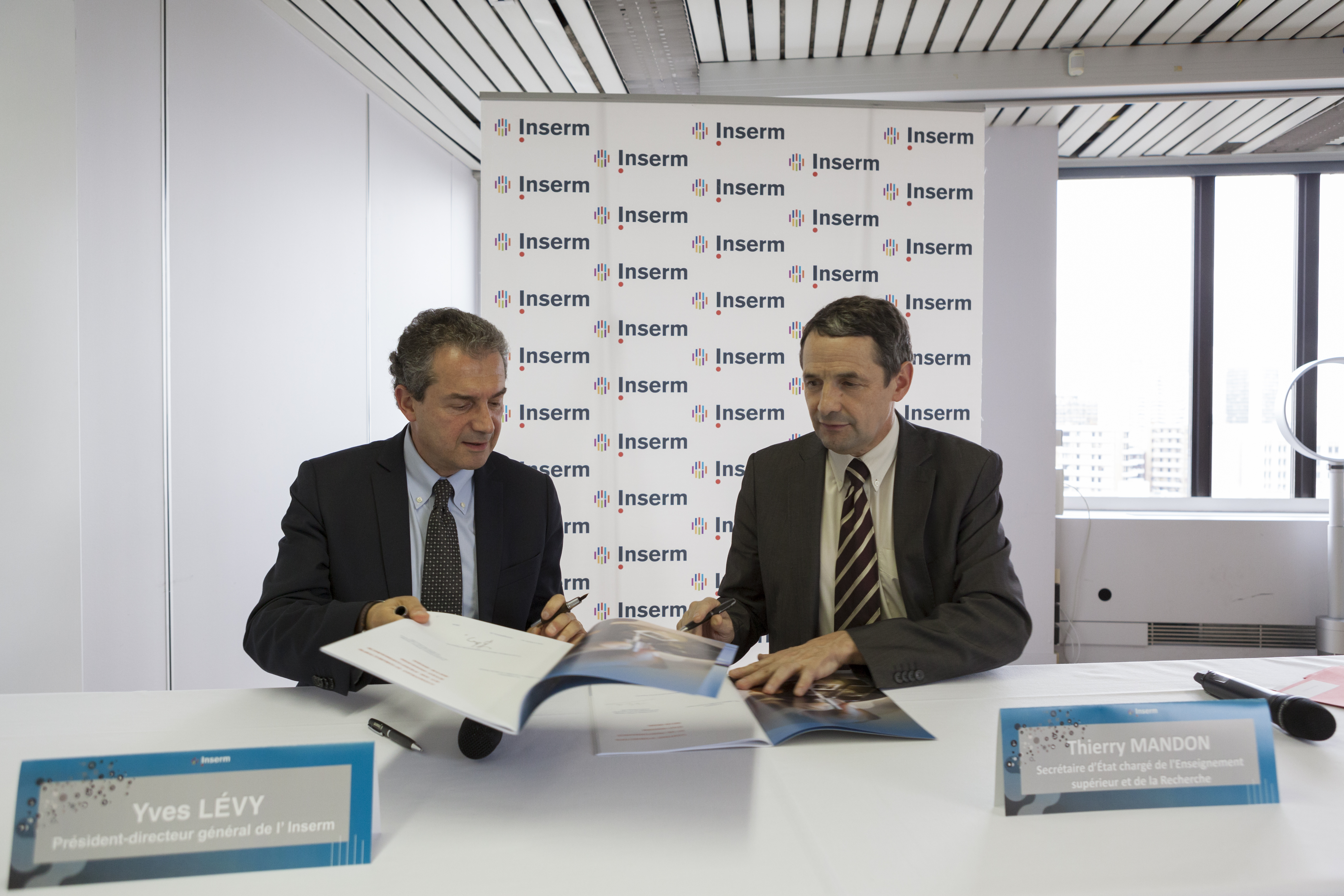
On 11 July 2016, Mr Thierry Mandon, Secretary of State for Higher Education and Research, and the Chairman and CEO of the Institute, Professor Yves Lévy, signed the objectives and performance contract binding Inserm and the French State for the 2016–2020 period. The result of intense exchanges between Inserm and the relevant ministries, the contract defines the broad directions and actions that will be taken by the Institute in order to provide an environment conducive to the expression of talent, encourage the production of knowledge and best support its exploitation for societal, clinical or economic purposes, and enable laboratories to best respond to the new challenges and issues in the life sciences and health.

signature du contrat d'objectif INSERM

(c) Inserm – Mehrak Hans Lucas

Inserm has set itself 6 broad objectives for the next 5 years. These comprise 35 actions associated with specific performance indicators and time frames.


Objective 1: Support integrated and pluridisciplinary research, and produce knowledge of the highest standard

Inserm’s good results at international level are the result of the laboratories’ activity, based on unrestricted research, conducted at the researchers’ initiative. This approach will remain the linchpin of scientific policy for Inserm, which will make sure to maintain the level of allocations to the units, maintain set-up grants for newly recruited research fellows, enabling them to undertake their own research project, often following their return from a long post-doctoral period abroad, and continue its support for the Atip-Avenir programme. This spirit will also prevail in the design of more specific actions initiated by Inserm, such as the cross-disciplinary programmes, accelerators of technological research (ART) or new public health actions. On this last point, it will involve promoting scientific results as a support tool in making policy decisions related to health.


Objective 2: Support the translation of innovation into human health at economic, clinical and societal level

The area of biomolecular therapy development and exploitation of therapeutic targets nonetheless remains fragile, since it is a heavy user of financial resources, highly risky, and requires specialised and leading-edge expertise, while the potential returns are long-term or even very long-term. A specific project involving such innovations has yet to be undertaken with a view to strengthening the therapeutic or diagnostic applications of Inserm’s innovations, ensuring that Inserm maintains its high standing among the large international research institutions with respect to this development of therapeutic or diagnostic applications to the clinical stage, and encouraging the effective delivery of these innovations to the patient.


Objective 3: Strengthen the visibility and management of the infrastructures

Inserm intends to reinforce the clarity and coordination of its research infrastructures by developing its ability to ensure their supervision, mutual sharing and protection. The economic model (investment, operation, human resources) of the infrastructures as a whole must, in particular, be consolidated after a preliminary stage of defining Inserm’s strategic priorities and discussion with the partners.


Objective 4: Promote professional career paths and attractiveness

Inserm, a leading European operator in the biomedical research area, has a duty to implement an ambitious HR policy to maintain its position and meet the objectives of a research field that requires competency in an increasingly vast range of disciplines. To meet these challenges, the Institute hopes to adapt its employment policy to the demographic context: on the one hand, its ability to recruit staff with fresh skills via competitions will be limited in the near future; on the other hand, the reassignment of a significant number of positions from support to laboratory roles carried out in recent years is now clearly reaching a limit.

Schemes should therefore be established that will make it possible to simultaneously:

  • maintain and optimise recruitment;
  • mobilise the existing resources to the Institute’s strategic projects (supporting career paths and the potential for career development and mobility);
  • adapt the evaluation processes to changes in the researcher’s role;
  • optimise the career paths of contract staff, who are essential to the Institute’s research effort.


Objective 5: Contribute to the scientific strategy of the sites, optimise partnerships and simplify management to facilitate research

The reforms of recent years have enabled the emergence in our country of new models of scientific cooperation and working aimed at strengthening the synergies between the institutes of higher education and the research bodies. These reforms in the organisation of research in biology and health have led Inserm to evolve in order to participate fully in site policies, to jointly define the priorities, to support, together with the partners, the structuring of research in biology and health, and to ensure consistency between a national strategy and its local embodiments. Inserm advocates a principle of controlled participation in the numerous bodies established around these initiatives. First, we should talk in terms of programmes or projects rather than structures. Second, Inserm is involved in the structuring of the “biology/health” component of the sites, but does not have to participate in the general governance of the groupings or be a member of the Associations of Universities and Higher Education Institutions (Comues) (except when they are directing an Initiative of Excellence).


Objective 6: Increase Inserm’s role in the construction of the European Research Area

At European level, Inserm occupies a leading position in terms of coordination and participation in health-related collaborative projects under the 7th Framework Programme (FP7), and the Institute is one of the first two European recipients of ERC awards in the life sciences area. Inserm’s active participation in the construction of the European Research Area is well illustrated by the 434 FP7 projects managed by the Institute. To remain one of the major European actors in life sciences and health research, Inserm will implement a proactive, attractive and innovative policy. This policy has 3 main strands: to promote excellent targeted bilateral cooperation, to encourage the participation of Inserm teams in European programmes, and to spur influential actions within Aviesan and the Club of Associated Research Organisations (Clora).

Can we suppress the antipsychotic drug side-effects?

Since their development in the 1950s, antipsychotic drugs have been widely used to treat psychoses and neuropsychiatric disorders like schizophrenia. A debilitating side-effect of these drugs called parkinsonism limits their efficacy.Irvine scientists led by Emiliana Borrelli, Inserm research director at University of California and colleagues have discovered the key cellular mechanism that underlies the antipsychotic-induced parkinsonism – which includes involuntary movements, tremors and other severe physical conditions. These studies present evidence that will stimulate a targeted approach for the design of novel antipsychotics without side-effects. The results have been published in Neuron on July, 6th.

borrelli_101115_01_daa

© Daniel A. Anderson/UCI

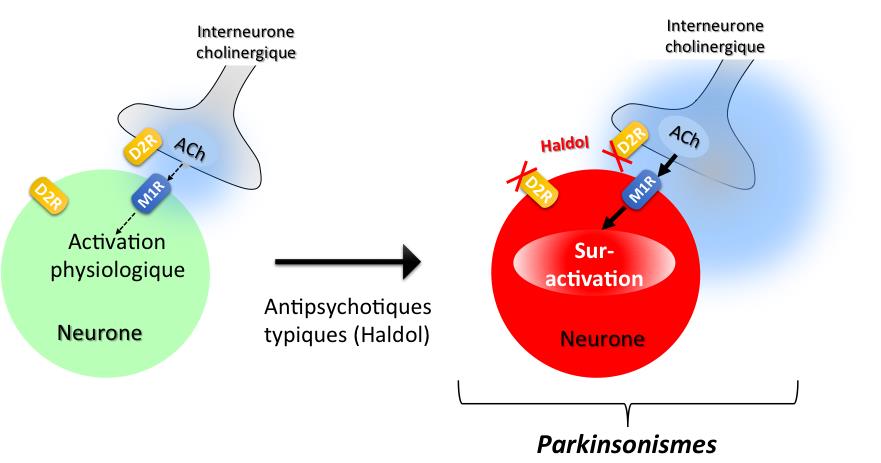
The researchers report that antipsychotics side-effects are due to blockade of the dopamine D2 receptor in a specialized type of neurons in the striatum, called interneurons. Blockade of D2 receptor in these neurons increases neurotransmitter signaling (acetylcholine) above threshold on neighbor neurons leading to motor abnormalities in rodents (catalepsy) which correspond to parkinsonism in humans. Catalepsy is marked by severe muscular rigidity and fixity of posture regardless of external stimuli. Indeed, in mouse studies, the Borrelli team discovered that removing D2 receptors in nerve cells (cholinergic interneurons) did not result in catalepsy in the mice upon antipsychotic treatment.


Borrelli said the importance of this study is twofold.

It clarifies a long-waited mechanism that allows to explain the motor side-effects of antipsychotic drugs and will help future design of drugs deprived of nasty side-effects. It also generates important information for combined therapies (using drugs that block D2 but also acetylcholine receptors) that should be used to improve the life of people treated for debilitating psychiatric disorders.”

Very premature infants: towards better care

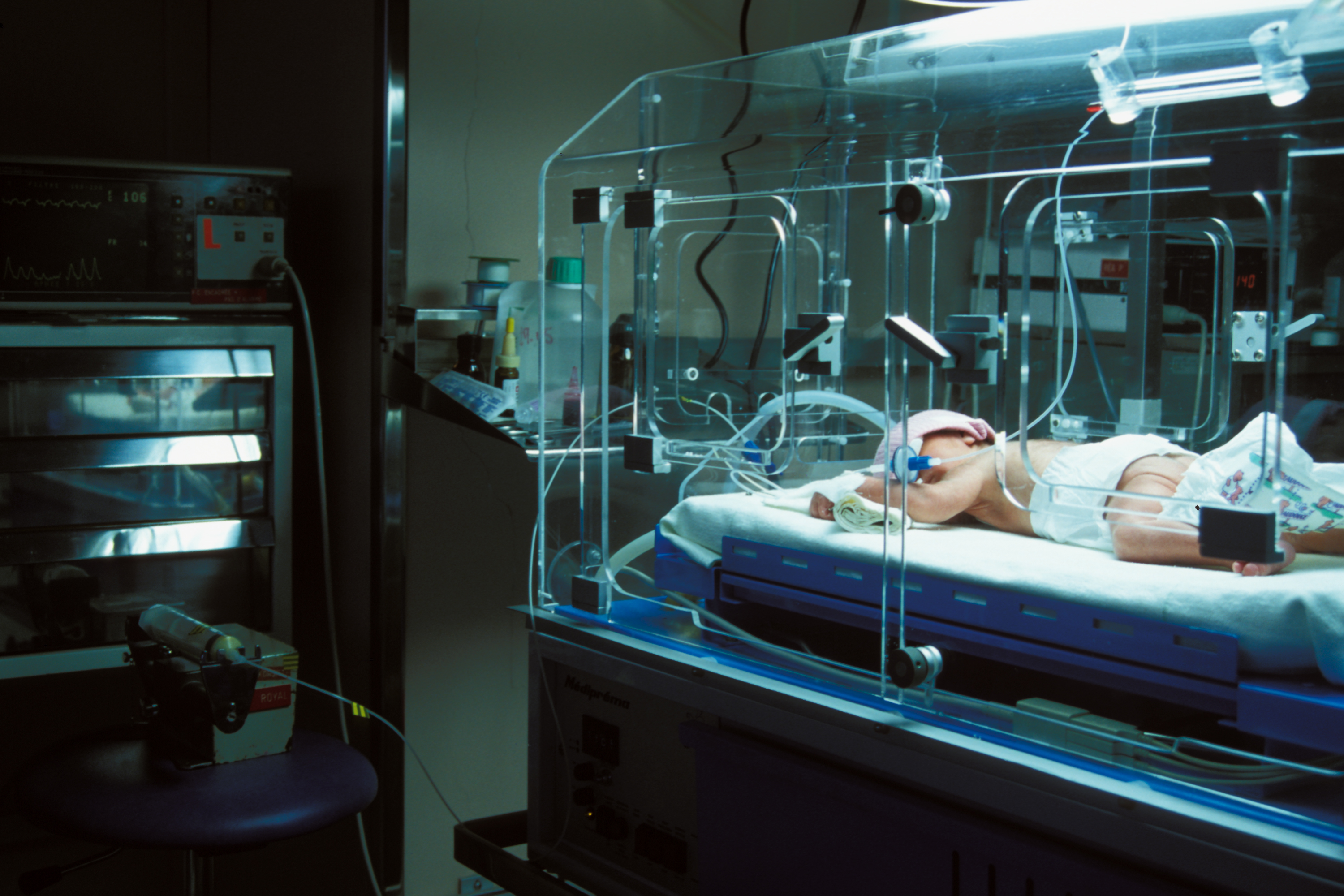
Born too soon, very premature infants are particularly vulnerable and need appropriate care. The European project EPICE (Effective Perinatal Intensive Care in Europe) examines how medical practices based on scientific evidence are incorporated into the care of these neonates[1]. The study, coordinated by Inserm and published in The British Medical Journal, highlights the underuse of four effective practices for improving their survival and long-term health, and estimates its impact on mortality and morbidity.

Soins du nourrisson

(c) Inserm/Depardieu, Michel

Very premature infants, born before 32 weeks of gestation, (8th month of pregnancy), represent 1–2% of all births. For these neonates, the risks of mortality and long-term neurological disorders are higher than for infants born at full term. It is essential to provide them with appropriate care in order to guarantee them better health.

The EPICE project created a population cohort in 2011, comprising all very premature infants from 19 regions in 11 countries of the European Union (Belgium, Denmark, Estonia, France, Germany, Italy, the Netherlands, Poland, Portugal, Sweden and the United Kingdom). The goal of the project is to evaluate the “evidence-based medical practices” applied to these infants.

Evidence-based medicine, which takes research data, clinical expertise, and patient needs into consideration, enables health professionals to make care choices based on proven clinical efficacy. In this study, Jennifer Zeitlin, Inserm Research Director, studied four of these medical practices in particular, in order to measure their impact on neonatal mortality:

– transfer of pregnant women to specialised centres designed to accommodate very premature infants,

– antenatal administration of corticosteroids (for maturation of the lungs),

– prevention of hypothermia,

– administration of surfactant (an essential substance for respiratory function that lines the pulmonary alveoli) within 2 hours after birth, or nasal positive pressure ventilation, for infants born before 28 weeks of gestation


While there was frequent use of each practice individually (75–89%), only 58% of very premature infants received all four recommended practices.

The study simulated two models to measure the impact of this inadequate care. If every infant had received all four recommended practices, mortality would have been reduced by 18%. These results demonstrate the importance of evidence-based medical care in improving the health of very premature infants.


EPICE www.epiceproject.eu

“Effective Perinatal Intensive Care in Europe: translating knowledge into evidence-based practice”

The EPICE project is dedicated to the medical care of very preterm infants born before 32 weeks of gestation, in eleven European countries. The aim of the project is to assess practices in order to improve health care for this population of high risk babies.

The EPICE project was launched in 2011 and has been supported by the European Union (FP7) for five years. It is coordinated by Inserm, just like 27 other European “health” projects. The project involves 12 partners and 6 associate partners, based in 11 European countries.

The 12 partners:

Inserm (coordinator), France

SPE, Belgium

Hvidore Hospital, Denmark

Universitas Tartuensis, Estonia

Philipps Universität Marburg, Germany

Bambino Gesu Ospedale Pediatrico, Italy

Laziosanita Agenzia Di Sanita Pubblica, Italy

Radboud University Nijmegen Medical Centre, the Netherlands

Poznan University of Medical Sciences, Poland

U.Porto, Portugal

University of Leicester, United Kingdom

Karolinska Institutet, Sweden


EPICE in France

The EPICE project in France is part of a national study entitled EPIPAGE 2 (an epidemiological study on very preterm babies). It is a cohort study of very preterm infants, launched in 2011 in the 22 regions of mainland France and the French overseas departments. The study will monitor over 6000 premature children up to the age of 11 to 12. Three regions in France: Ile-de-France, Nord-Pas-de-Calais and Bourgogne participate in EPICE project.

The EPIPAGE 2 project is managed by the Inserm unit 953 (“Epidemiological research into perinatal health and the health of women and infants”), in collaboration with team 2, from UMRS 1027, directed by Dr Catherine Arnaud (Perinatal epidemiology, handicap of child and health of adolescents.

For further information on this study: www.epipage2.inserm.fr (Head of studies: Pierre-Yves Ancel, Inserm U953)


[1] https://presse.inserm.fr/en/optimizing-the-care-of-very-preterm-infants-a-collective-european-initiative/4699/

How fatigue influences our decision-making

To resist the temptation of a beer in order to save and buy a bike later? At the end of the day, fatigue would encourage us to choose the immediate reward instead. This is what is revealed by a study published in PNAS and conducted by Bastien Blain, a researcher at Inserm Unit 1127.

Behavioural experiments were carried out on 50 people with an average age of 24 years, divided into 3 groups. One group of participants had to solve complicated exercises for a period of over 6 hours. By comparison, the second group had to work on simple exercises, while the last group played video games or read articles. At regular intervals, the researchers asked all participants to choose between receiving a small sum of money immediately, or a larger sum of money later.

Results show that a prolonged cognitive task favours impulsive choice, and that this decision is linked to reduced activity in a region of the brain involved both in these exercises and in monetary choices.

In conclusion, several hours of intense work may lead us to choose the short-term reward instead of a greater, more long-term benefit. It is therefore better to avoid making an important decision, especially of a financial nature, at the end of the day.

Frustrated office manager overloaded with work.

(c) Fotolia

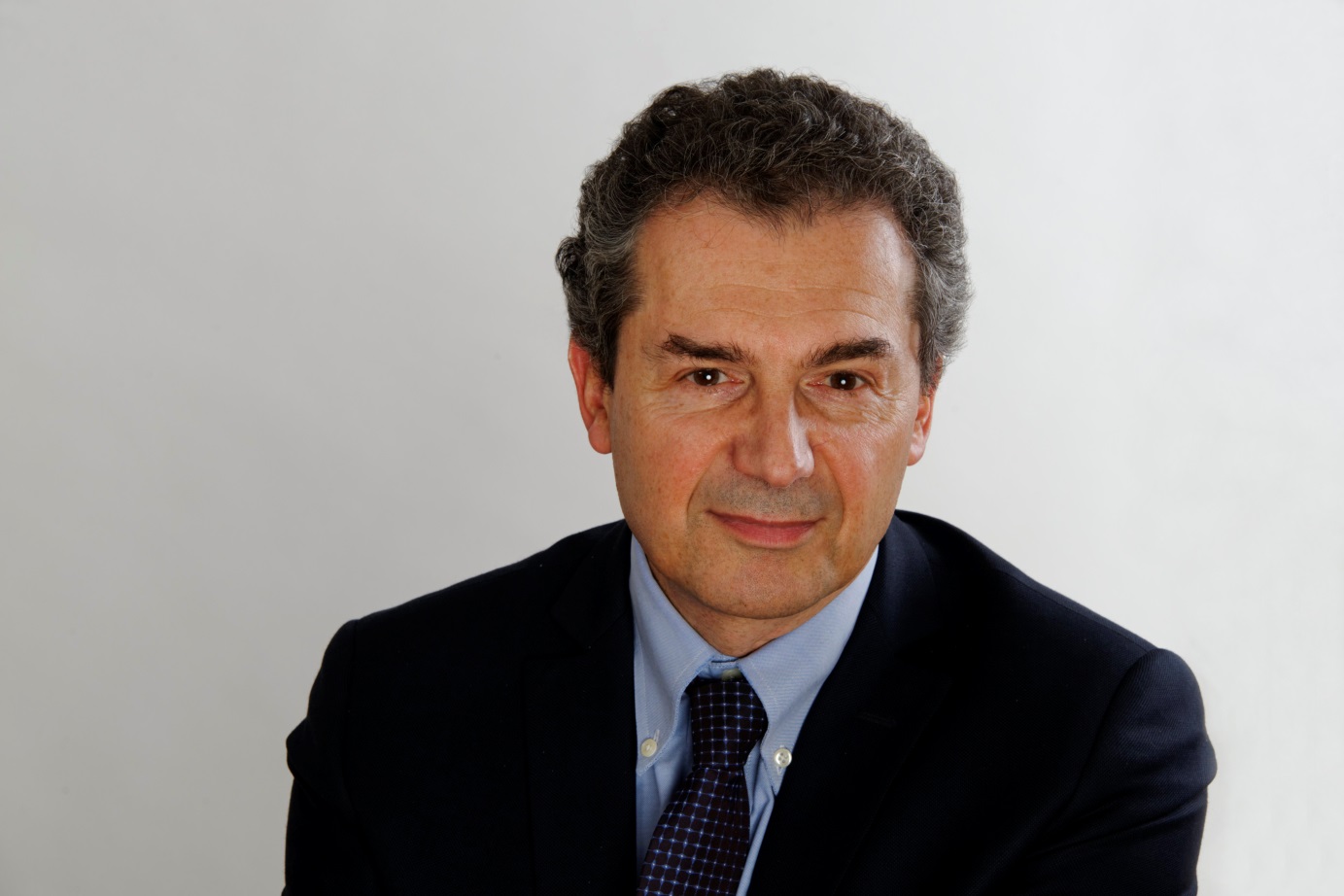
Yves Lévy, Chairman and CEO of Inserm, appointed member of the UN “Global Health Crises” Task Force

UN Secretary-General Mr Ban Ki-moon has just announced the creation of a “Global Health Crises” Task Force, which will bring together 3 co-leads and 12 members, including Inserm Chairman and CEO Yves Lévy. The Task Force will ensure the implementation and monitoring of the recommendations of the report, “Protecting humanity from future health crises,” submitted to the UN Secretary-General in February 2016 by the High-level Panel on the Global Response to Health Crises[1]. The main mission of the Task Force will be to alert the UN Secretary-General on matters related to emerging crises and any gaps or weaknesses in the world health system.

Yves Lévy

Le Professeur Yves Lévy, Président-directeur général de l’Inserm.

©Inserm/Guénet, François


The members of the Task Force are internationally renowned figures in the area of infectious diseases, community healthcare, public health and development, risk assessment, implementation of humanitarian actions, and emergency management of epidemics with respect to research and innovation.

“It is an immense honour to have been appointed as a member of this international task force by the UN Secretary-General, to fulfil this ambitious mission,” says Yves Lévy, Chairman and CEO of Inserm. “Like the REACTing consortium (REsearch and ACTion targeting emerging infectious diseases), spearheaded by Inserm and Aviesan in 2013 to improve research preparation in periods between crises, and establish research projects in periods of epidemic crisis, I hope our work will contribute to strengthening the systems, throughout the world, that can assist the global response to the emergence of epidemics. It has become a key health issue for the planet.”

The Task Force will exercise its functions for one year, starting in July 2016.

The Task Force will be co-led by Jan Eliasson, UN Deputy Secretary-General, Jim Yong Kim, President of the World Bank Group and Margaret Chan, Director-General of WHO. The Deputy Secretary-General will serve as Chair of the Task Force.

The list of co-leads and members of the Task Force is accessible via the link below:
https://www.un.org/sg/offthecuff/index.asp?nid=4603


[1] This panel was established in April 2015 by Secretary-General Ban Ki-moon to strengthen national and international systems to prevent and manage health crises, taking into account lessons learned from the response to the emergence of Ebola virus in West Africa in early 2015.

Ethical issues surrounding CRISPR-Cas9 technology

On 13 June last, the Inserm Ethics Committee assembled over a hundred individuals at its annual seminar. All those present had the benefit of an ethical perspective on many problems posed by biomedical research. One of the questions addressed was that of CRISPR-Cas9 technology. The Ethics Committee has devoted a specific opinion to it, while the NIH has just obtained a first green light for a human cancer immunotherapy trial.


The Inserm Ethics Committee (CEI) may receive referrals or carry out investigations on its own initiative to reflect on ethical questions raised by medical science- and health-related research carried out within the Institute. At the end of its reflection, it issues an opinion in the form of notes that may evolve as new contributions are added. In 2015, the CEO of Inserm requested the Ethics Committee to specifically examine questions related to the development of CRISPR technology, and particularly:

1- What are the questions raised by the technology as such?

2- Does the rapidity of its development raise particular problems?

3- Does the simplicity of its use call for regulation of its implementation in the laboratory?


Given the technical advantages of the method, and its very rapid dissemination, the question now is to evaluate where, when and how its use might pose an ethical problem. It seemed immediately important to distinguish three areas associated with different issues:

1/ application of the technology to humans, which essentially raises the question of germ line modifications;

2/ application to animals, particularly “pest” species, which raises the question of potential horizontal gene transfer and the emergence of irreversible damage to biodiversity;

3/ risks of damage to the environment.


Recommendations of the Inserm Ethics Committee

The Committee immediately proposes that Inserm adopt the following principles:

1- To encourage research aimed at evaluating the efficacy and safety of CRISPR technology and other recently published genome editing technologies, in experimental models that can allow case-by-case determination of the benefit/risk balance of a therapeutic application, including any applications that involve germ cells and the embryo. This information is essential to the future determination of what might be authorised for human use in terms of therapeutic approaches.

2- The potentially adverse effects of gene drive systems must be evaluated before any use outside of a laboratory, observing the containment rules already in force for other genetic modifications. Evaluations must be made over long periods, given the transmissible nature of the driver gene. Reversibility measurements should be provided for in the event of escape or adverse effects. Such analyses and the design of multiple scenarios require the constitution of pluridisciplinary teams.

3- To comply with the prohibition of any modification of the germ line nuclear genome for reproductive purposes in the human species, and not support any application to modify the legal conditions until uncertainties about the risks have been clearly evaluated, and until a broad consultation involving multiple partners from civil society has ruled on this scenario.

4- To participate in any national or international initiative dealing with questions of freedom of research and medical ethics, including initiatives with emerging countries that will also be affected by the development of genome editing technologies.

5- Finally, to draw attention to the more philosophical question which contrasts the plasticity of life with the idea of a human nature founded on the only biological constant. Awareness needs to be increased regarding the utopia and dystopias that can be generated by some therapeutic promises.


Presentation of the French Plan for Genomic Medicine 2025

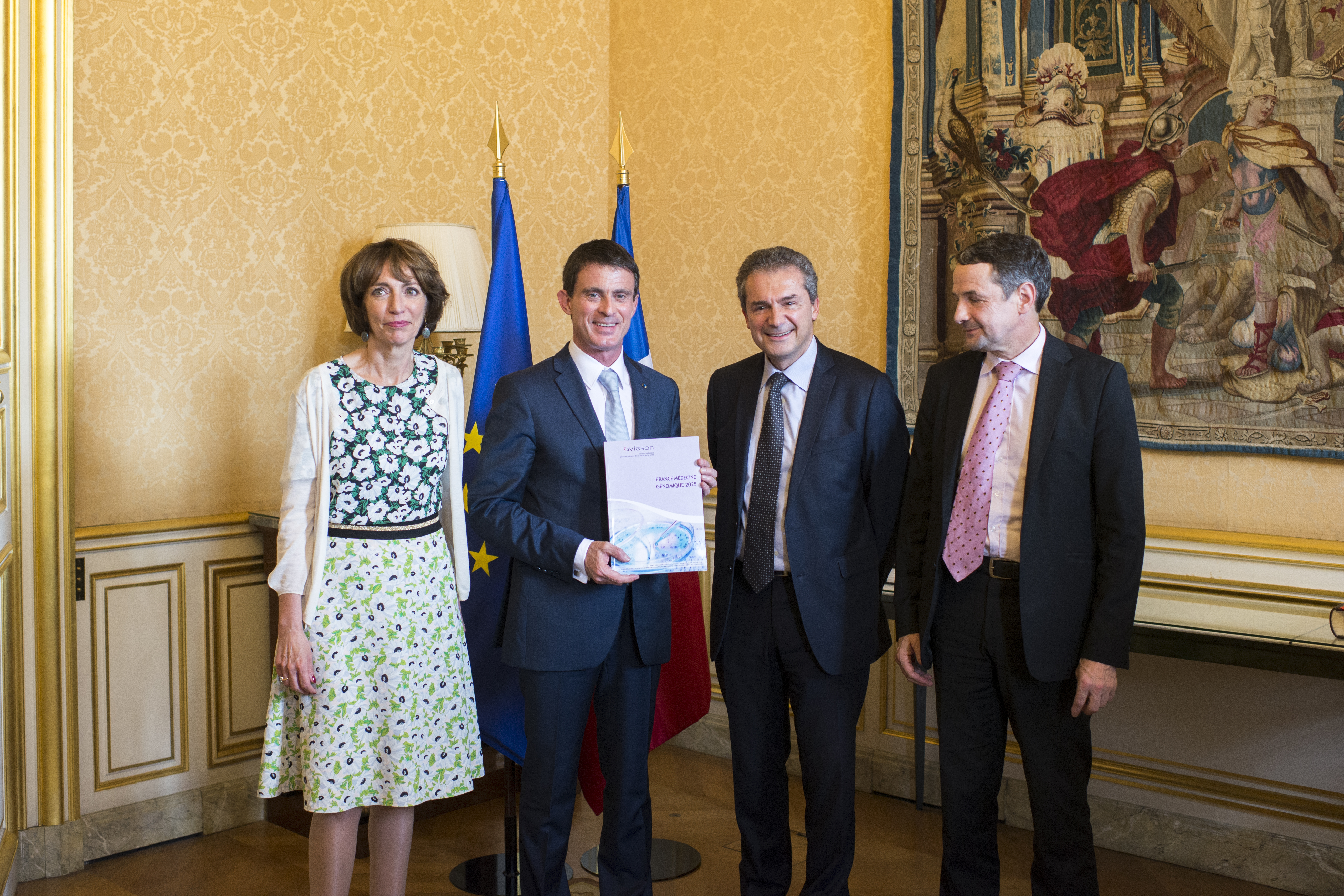
The French Plan for Genomic Medicine 2025 was presented to Prime Minister Manuel Valls by Yves Lévy, President of the National Alliance for Life Sciences and Health (Aviesan) and CEO of Inserm, on 22 June 2016. The Prime Minister sent an engagement letter to the President of Aviesan in April 2015, to examine the conditions needed to enable the use of whole genome sequencing in clinical practice. This ambitious plan, overseen and supported by the State, is aimed at positioning France as a leader among the major countries involved in genomic medicine within the next ten years. Although it responds to a public health challenge in diagnostic, prognostic and therapeutic terms, this plan is also aimed at encouraging the emergence of a national medical and industrial sector for genomic medicine, and exporting this expertise.

Genomic medicine is a reality: it is already transforming the manner in which a disease is prevented, diagnosed and treated, and how its progression is predicted. It is a highly competitive area internationally, with every country now hoping to introduce genomic medicine in its care pathway, develop an industrial sector and attract scientific talent in order to consolidate its strengths. To develop this Plan, the Aviesan alliance gathered together for a year institutional representatives and cross-sectional authorities from the research, health and industrial sectors, health and research agencies, ministerial headquarters, industries represented by ARIIS (Alliance for Research and Innovation in Health Industries), CNAM (National Health Insurance Fund), HAS (French National Authority for Health), CGI and École d’Économie de Toulouse (Toulouse School of Economics).

Remise du Plan Médecine Génomique 2025 à Manuel Valls

Remise du Plan France Médecine génomique 2025 le 22 juin 2016 © Jean-Marie Heidinger / Inserm

Thus over 150 people were involved in:

  • Defining the place and importance of genome sequencing in current medicine and in the developments expected in the next 10 years.
  • Establishing France’s position in the area of genomics research, its place in current health plans and the priorities to be implemented in line with the national health and research strategies.
  • Assessing the related challenges in terms of innovation, commercialisation and economic development, while taking technological aspects, big data management, and ethical implications into account.
  • Proposing a long-term health economics model, incorporating National Health Insurance funding and the development of an industrial sector to support such an initiative.

 “Genomic medicine is a revolution in the area of care and prevention,” stated Yves Lévy, President of Aviesan, at the presentation of the Plan. “It is at the heart of innovation as regards diagnosis, prognosis, treatment and drug administration. France must find a way to achieve this revolution, and take its place among the leaders. To do so, we have formidable assets in the form of our basic, clinical and translational research.”

Based on 14 operating measures structured into 3 broad objectives, the French Plan for Genomic Medicine 2025 is aimed at:

  • Deploying the instruments of the genomic care pathway by

– acquiring sequencing capacity with the deployment of a network of twelve sequencing platforms covering the whole territory,

– putting in place the tools for exploiting the volumes of data generated with the installation of a Data Collector and Analyser (DCA), which can handle and exploit the considerable volume of data generated by matching them with medical data, and offer the first services within the care pathway.

  • Ensuring the operational deployment and growth in power of the scheme in a secure technical and ethical framework in order to allow access to genomic medicine for all people concerned (patients and their families according to indications) on the territory by:
  • The effective implementation of the genomic care pathway, the different components of which will be tested and validated, from the collection of consent documents, procedures for specimen taking, and transport and transfer of samples to sequencing centres, up to the establishment of staff to perform analysis and quality control on samples, and the preparation and sending of reports,
  • The establishment of a scheme for the assessment and validation of indications for access to genomic medicine,
  • The creation of a centre of reference, innovation, expertise and transfer (CReflX), which can, in partnership with industry, provide the essential developments in technology and information systems,
  • The establishment of the necessary training in genomic and digital health in universities and schools to meet the challenge of exploiting and interpreting data,
  • The guarantee of a secure and high quality pathway.
  • Contributing to the rapid emergence of a “genomic medicine” sector

The establishment of a national genomic medicine sector, which can be a lever for scientific and technological innovation, technology transfer and economic growth, will require involvement from the relevant industries along with academic research and public health bodies.

To support the emergence of this sector, the plan also provides for monitoring of developments in genomic medicine at international level, and the implementation of a research programme devoted to health economics aspects.

The ethical dimension is at the centre of this Plan for Genomic Medicine. Access to and use of genomics data representing whole populations raise many ethical questions, both at individual and societal level. The Plan also anticipates referral to the French National Consultative Ethics Committee (CCNE), which is essential for strengthening these aspects at national level, and for acquiring the means to inform, consult and involve citizens in this revolution.

Finally, Patient organizations linked to Inserm constitute a solid network of partners very aware of the challenges and issues involved in high throughput genomic medicine, as evidenced by their contribution to this Plan.

Genomic medicine, international competition and major challenges

The United States, United Kingdom and China have launched ambitious national plans in the last two years, aimed at both developing a national strategy and supporting their industrial actors. With them, many industrial actors are preparing to deploy technological solutions devoted to genomic medicine and managing the associated massive digital data. Big international companies have seen the strong development potential of digital health, and are investing in this sector.

In Europe, several countries have started to incorporate genomic medicine into their health system: Estonia, the Netherlands and Slovenia. There is a risk of medical tourism developing towards European countries offering this type of service, and with it a worsening of health inequalities.

It was against this background that the “French Plan for Genomic Medicine 2025” was drawn up to respond to the different challenges of genomic medicine:

A public health challenge to allow a substantial number of patients to receive personalised diagnostic, prognostic and therapeutic care through the sequencing of their genome.

A scientific and clinical challenge aimed at strengthening the translational chain from the molecular exploration of diseases to therapeutic benefit for the patient through the constitution and matching of heterogeneous and multiple databases, whether they involve biological, clinical or even environmental data.

A technological challenge through the essential convergence of the digital and life and health sciences required by this approach. The ability to acquire, store, distribute, interpret and address these massive data is at the centre of this convergence, which will lead to the emergence of a computational and data sciences sector in biology.

An economic challenge, both in terms of efficiency and cost for our healthcare system (reduction in the number of inappropriate, inaccurate and expensive tests, reduction in time needed for analysis, elimination or limitation of unnecessary drugs, elimination of some disabling side-effects, increased life expectancy), as well as an opportunity to develop a new industrial sector as a source of health innovation, growth and jobs.
fermer