Menu

Against Whooping Cough and Its Transmission, a New Safe and Effective Nasal Vaccine

coqueluche - Colonies de Bordetella pertussis

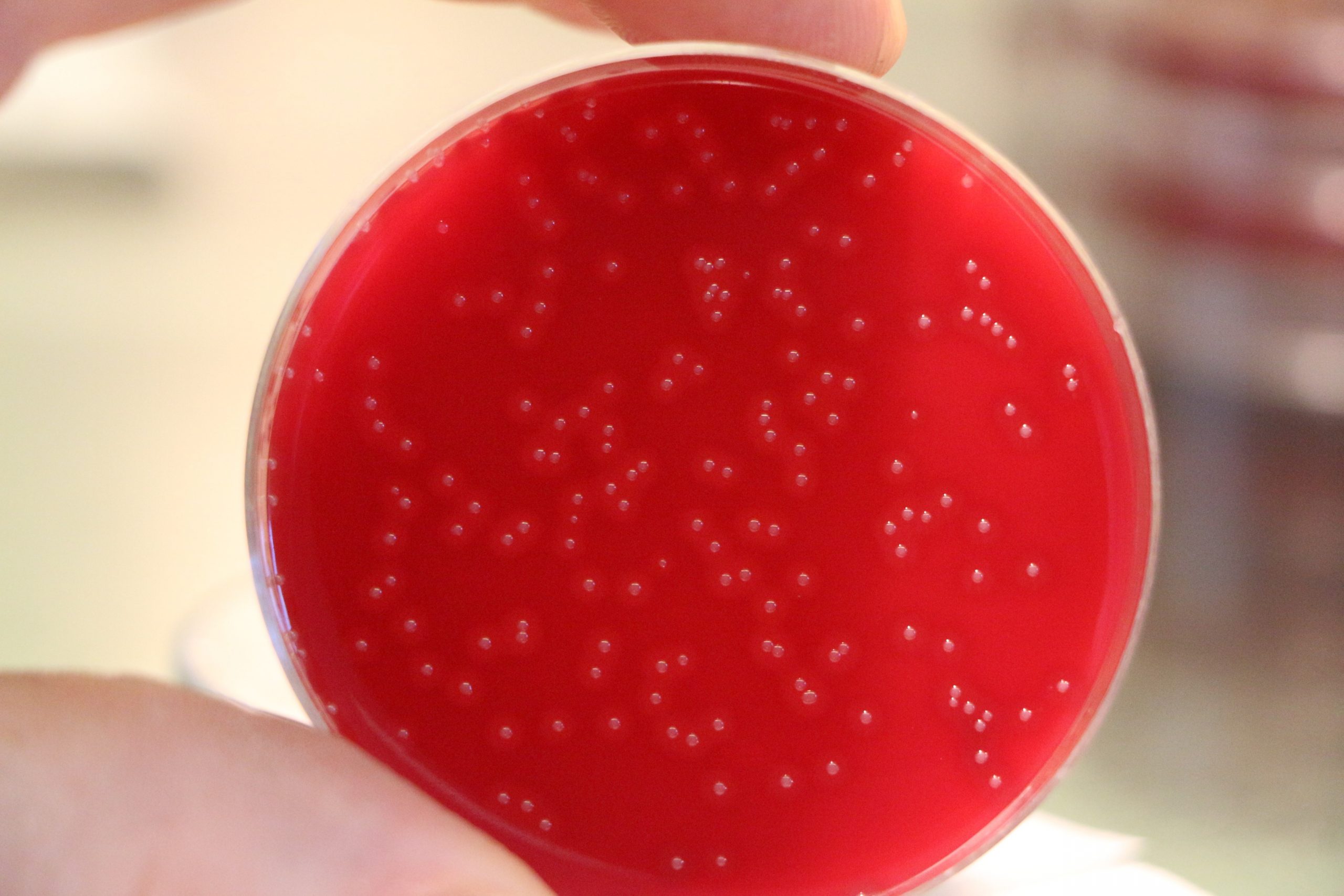
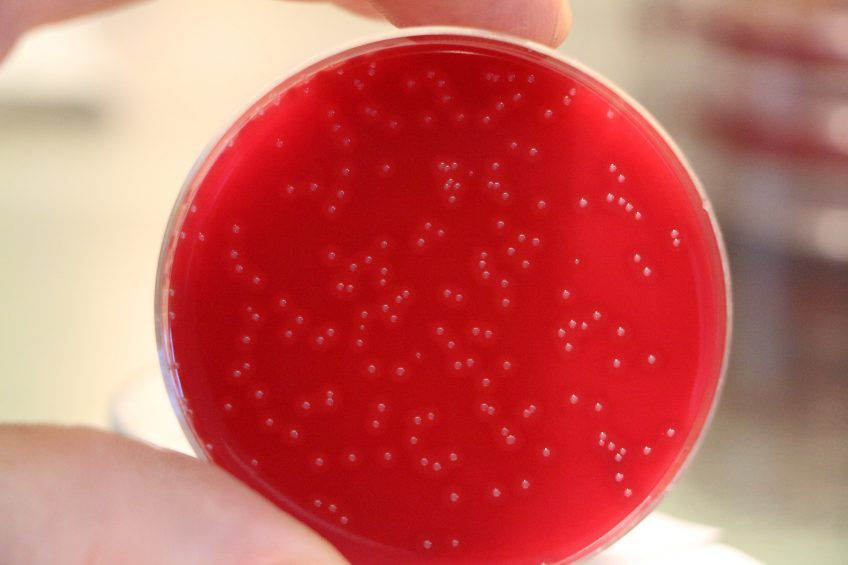
Colonies of Bordetella pertussis, the agent of whooping cough, on an agar plate. © Camille Locht/Inserm

Highly infectious and potentially life-threatening in infants, whooping cough, caused by the bacterium Bordetella pertussis, continues to circulate to a large extent throughout the world. Although the vaccines currently used protect against the onset of symptoms, they have limited durability and cannot prevent bacterial infection resulting in transmission between individuals. An international research team including Camille Locht, Inserm research director at the Center for Infection and Immunity of Lille (Inserm/Institut Pasteur de Lille/Université de Lille/Lille University Hospital/CNRS), has demonstrated, in a phase 2 clinical trial, the efficacy and safety of a nasal vaccine for whooping cough in adults. The results of their study, sponsored by ILiAD Biotechnologies and to be published in The Lancet, suggest that this new vaccine, BPZE1, which is potentially capable of preventing bacterial colonization of the respiratory tract, constitutes a valuable asset when it comes to breaking the epidemic chains of transmission of the disease.

Whooping cough is an infectious respiratory disease caused by the bacterium Bordetella pertussis. Highly contagious, it is known for causing fatal complications in infants.

Since the late 1990s, although the Tdap vaccine[1] has been used in industrialized countries mostly to fight whooping cough, the immunity it provides decreases over time, requiring the administration of boosters. In addition, although it helps to prevent the onset of symptoms, it does not prevent infection by the bacterium itself or its transmission to others. Therefore, whooping cough epidemics persist throughout the world, despite high rates of vaccination.

The development of a new whooping cough vaccine, called BPZE1, aims to make up for the shortcomings of Tdap in order to better fight these epidemics. A particularity of this “live attenuated” vaccine (containing an attenuated version of the bacterium) is that it is administered nasally, thereby mimicking the natural modes of transmission and colonization of Bordetella pertussis in the mucous membranes of the respiratory tract.

An international research team including Camille Locht, Inserm research director at the Center for Infection and Immunity of Lille (Inserm/Institut Pasteur de Lille/Université de Lille/Lille University Hospital/CNRS), in collaboration with the company ILiAD Biotechnologies, conducted a study to evaluate the efficacy and safety (non-toxicity) of BPZE1 in a phase 2 clinical trial with 300 healthy adult US participants.

In this study, the participants were divided into two groups: the first group received one nasal dose of BPZE1 and one intramuscular dose of placebo and the second group received one intramuscular injection of Tdap and one nasal dose of placebo. Three months later, half the participants from each of the two groups received one dose of BPZE1 (to simulate an attenuated natural infection), while the other half received intranasal placebo.

The research team found that, while the Tdap vaccine induced the secretion of high levels of Bordetella pertussis immunity markers in the blood, BPZE1 induced consistent immunity in both the nasal mucosa and the blood. In addition, within 28 days of the second nasal administration, 90% of the participants having initially received BPZE1 had no bacterial colonies in the nose. In the remaining 10%, colonization was low (fewer than 260 colonies per mL of mucus). In comparison, 70% of the patients vaccinated with Tdap had significant nasal bacterial colonization (nearly 14,325 colonies per mL).

Moreover, the research team did not see any serious adverse side effects from vaccination during the study.

Therefore, according to Locht, “the benefit/risk profile of BPZE1 is favorable: just one nasal administration induces safe and well-tolerated strong and long-lasting immunity, in both the blood and respiratory tract. And unlike Tdap, BPZE1 protects the mucous membranes from colonization by the bacterium”.

Indeed, given that Bordetella pertussis infects the respiratory tract and multiplies in its mucosa, immunity at this level could be essential in preventing epidemics of whooping cough.

“As this bacterium is highly infectious to humans, it is critical that a vaccine does not only target the prevention of disease but also the transmission of its causative bacterium and the speed at which the body eliminates it,” adds Locht, “which makes BPZE1 a relevant tool for preventing whooping cough infections and reducing the epidemic chains of transmission.”

Given that the participants in the aforementioned study were all adults over the age of 18, another study is ongoing to evaluate the efficacy and safety of BPZE1 in school-age children, as schools are a critical location for transmission of the disease.

More About the Development and Evaluation of BPZE1

In 2008, the European project CHILD-INNOVAC was launched under the auspices of Inserm in collaboration with 10 European partners, with the aim of developing an innovative nasal vaccine against whooping cough. This was the context for the development and patenting of the BPZE1 vaccine by a team from Inserm and Institut Pasteur de Lille led by Inserm research director and project coordinator, Camille Locht. In 2014, the research team published in PLOS ONE the first work evaluating the efficacy and safety of BPZE1 in a phase 1 clinical trial, following examination of the data by an Independent Data Monitoring Committee. An agreement was then reached between the Inserm Transfert platform, tasked with creating value from the intellectual property related to BPZE technology, and ILiAD Biotechnologies, in order to continue the development and evaluation of the vaccine. In 2020, a new phase 1 study conducted in collaboration with ILiAD Biotechnologies, and published in The Lancet Infectious Diseases, reinforced the clinical results from 2014 on the vaccine’s efficacy and safety.

[1] Tdap is an “acellular” vaccine, which does not contain whole bacteria but only certain proteins derived from Bordetella pertussis, which have the particularity of triggering a blood immune response. It combines vaccines against whooping cough, diphtheria, and tetanus, and is administered in France in three intramuscular doses to infants at 2, 4, and 11 months of age. Three boosters are recommended at around 16 months, 11 years and 26 years of age. Although better tolerated, it is more expensive and less effective than the whole cell pertussis vaccine (that contains the inactivated bacteria), which is still being used today in many low- and middle-income countries.

A New Milestone in the Development of an Effective Allergic Asthma Vaccine

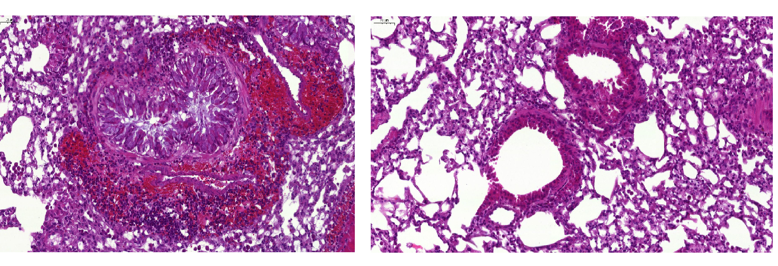
asthmeMicroscopic visualization of lung sections from a mouse model of house dust mite asthma, with hematoxylin and eosin staining showing bronchial obstruction and white blood cell infiltration around the bronchi in the unvaccinated group (left) but not in the vaccinated group (right). © Dr Eva Conde.

To combat allergic asthma, which affects millions of people worldwide, scientists from Inserm, CNRS and Université Toulouse III-Paul Sabatier at the Infinity laboratory[1], Institut Pasteur and French company NEOVACS are developing and testing a new vaccine. In their previous study, the teams had shown it to be effective in producing antibodies capable of neutralizing human immune proteins that play a key role in triggering allergic asthma, cytokines IL-4 and IL-13. The results, published in Allergy, pave the way for the organization of a clinical trial.

Asthma is a chronic disease that affects around 4 million people in France and 340 million worldwide. Allergic asthma, which accounts for around 50% of asthma cases, is characterized by inflammation of the bronchial tubes and respiratory discomfort caused by the inhalation of allergens, most often dust mites.

This exposure to dust mites and other allergens triggers the overproduction of antibodies called immunoglobulin E (IgE) and proteins called type 2 cytokines (particularly interleukin-4 (IL-4) and IL-13) in the airways. This phenomenon leads to a cascade of reactions resulting in hyperresponsiveness of the respiratory tract, overproduction of mucus, and eosinophilia (when there are too many eosinophils, a type of white blood cell, in the airways).

At present, inhaled corticosteroids are the gold standard for controlling asthma. However, in the case of severe allergic asthma, this treatment is not always sufficient. Therapeutic monoclonal antibody treatments are then required in order to target the IgE or the IL-4 and IL-13 pathways. However, these are very costly and require patients to inject for years or even throughout their lives.

For several years now, Inserm research director Laurent Reber and his colleagues at the Infinity laboratory in Toulouse, along with Pierre Bruhns’ team at Institut Pasteur, have been working in collaboration with French company NEOVACS to develop a vaccine to open up new therapeutic avenues for patients with severe allergic asthma.


A Vaccine Effective Against Human Cytokines

In a previous study, the researchers had showed the efficacy in mice of a conjugate vaccine [2] called Kinoïde® (see box). The results suggested that this vaccine induced the sustained production of antibodies directed specifically against murine IL-4 and IL-13, as well as a reduction in the symptoms of allergic asthma in those animals.

Following these encouraging early data and in order to envisage clinical trials in humans, it was necessary to develop a vaccine that is also capable of neutralizing human IL-4 and IL-13 cytokines. In order to test the efficacy of this new vaccine, the scientists this time used a model of house dust mite allergic asthma in “humanized” mice, whose genes encoding murine cytokines IL-4 and IL-13 were replaced with the respective human genes.

Again, the results are promising: vaccination induced a major antibody response, capable of neutralizing human IL-4 and IL-13 cytokines, with no reduction in the efficacy of the vaccine, up to three months after injection (time corresponding to the total duration of this study).

A significant effect on asthma symptoms was also observed: in the animals studied, vaccination was associated with reduced IgE and eosinophilia levels as well as reduced mucus production and airway hyperreactivity.

 “This study provides proof of concept of the vaccine’s efficacy in neutralizing human proteins that play a key role in allergic asthma, bringing us closer to its testing in humans. We are currently in discussion with the various project partners regarding the set-up of these clinical trials,” concludes Reber.

“Vaccination against allergic asthma represents the hope of a long-term treatment for this chronic disease and the prospect of reducing allergy symptoms related to other factors, since this vaccine targets molecules involved in different allergies,” points out Pierre Bruhns, head of the Antibodies in Therapy and Pathology unit at Institut Pasteur.


 How Does This Vaccine Work?

Kinoïde® uses a technology that combines the recombinant cytokines IL-4 and IL-13 with a carrier protein called CRM197 (the non-pathogenic mutated form of the diphtheria toxin, used in many conjugated vaccines).

This protein is highly immunogenic, in that it is capable of provoking a major immune response. When exposed to the CRM197 contained in the vaccine, the immune system starts to produce antibodies directed not just against this protein, but also against the cytokines IL-4 and IL-13. This helps control the overproduction of these proteins, which are key in allergic asthma, and more generally in any allergic reaction.

In addition to allergic asthma, IL-4 and IL-13 are involved in many other allergic conditions, including atopic dermatitis and food allergy. Ongoing preclinical studies in the laboratories of the various partners aim to demonstrate that this vaccine can also induce a protective response against these major allergies. 


[1] Toulouse Institute for Infectious and Inflammatory Diseases (Inserm/CNRS/Université Toulouse III)

[2]conjugate vaccine  is a vaccine containing an antigen associated with a protein to increase its efficacy

Pre- and Postnatal Chlordecone Exposure Could Affect the Cognitive Development and Behavior of Children

Chlordécone

Chlordecone is an organochlorine insecticide that was used in the French West Indies from 1973 to 1993 to control the banana root borer. © Adobe Stock

Despite the fact that chlordecone has not been used as an insecticide in the French West Indies for 30 years now, its persistence in the environment continues to contaminate the populations. While its neurotoxic properties are well established, its impact on neurodevelopment remains to be clarified. An international research team involving Inserm researchers at the Research Institute for Environmental and Occupational Health (Inserm/Université de Rennes/EHESP School of Public Health) studied the impact of pre- and postnatal chlordecone exposure on the cognitive and behavioral abilities at 7 years of age of 576 children from the TIMOUN mother-child cohort in Guadeloupe[1]. Their research shows that this exposure is associated with poorer scores on tests evaluating cognitive abilities and behavioral disorders, with the impact differing according to the child’s sex. These results, published in Environmental Health, call for consideration to be given to the potential impact of these effects at population level, in order to optimize prevention policies.

Chlordecone is an organochlorine insecticide that was used in the French West Indies from 1973 to 1993 to control the banana root borer. Its persistence in the environment is responsible for contaminating the population through the consumption of contaminated foodstuffs. Chlordecone is now considered to be neurotoxic, toxic to reproduction and development, carcinogenic, and an endocrine disruptor. Experimental studies in animals have also shown that exposure of females to chlordecone during gestation leads to neurobehavioral and learning disorders in the offspring, the nature and intensity of which varies according to sex.

The neurotoxicity of chlordecone can be explained by its ability to interact with numerous neurotransmitters[2] and by its hormonal properties, particularly its action on estrogens. Yet estrogens play a crucial role, which differs according to chromosomal sex, in the development of the brain.

In the face of these observations, and in order to better estimate the potential impact of pre- and postnatal exposure to chlordecone on child neurodevelopment, Inserm researchers from the Research Institute for Environmental and Occupational Health (Inserm/Université de Rennes/EHESP School of Public Health), as part of an international research team, examined the intellectual abilities and behaviors of 576 children from the TIMOUN mother-child cohort in Guadeloupe.

In order to assess the children’s levels of pre- and postnatal exposure to chlordecone, the concentration of the pesticide was measured in umbilical cord blood at birth and in the blood of the children at 7 years of age. Their intellectual abilities were assessed according to 4 criteria: verbal comprehension, information processing speed, working memory[3], and perceptive reasoning[4].

The mothers also completed a questionnaire to measure the presence of behavioral difficulties in their child which can be categorized as either “internalizing” – in the form of emotional symptoms and interpersonal problems with peers, or “externalizing” – in the form of social behavior problems (anger, defiance, etc.), hyperactivity, and/or inattention.

Prenatal exposure to chlordecone was found to be associated, for each doubling of the level of exposure, with a 3% increase in the score estimating “internalizing” behavioral difficulties at 7 years of age, with a stronger association among girls (+7%) than among boys (0%).

Postnatal chlordecone exposure was found to be associated with poorer scores estimating general intellectual abilities (0.64 IQ point decrease for each doubling of the level of exposure). This manifests, particularly in boys, as a decrease in perceptive reasoning, working memory and verbal comprehension. In addition, postnatal exposure was associated with a greater number of “externalizing” behavioral difficulties in both boys and girls.

These findings indicate that exposure to chlordecone during periods of in utero development or during childhood is associated with a reduction in intellectual abilities and an increase in behavioral difficulties, with effects sometimes differing in nature and intensity according to sex.

“This is consistent with the estrogenic properties of this pesticide and its effects that vary according to sex and period of brain development,” explains Luc Multigner, Inserm research director who participated in this research.

According to the research team, it is therefore justified to pursue public policies aimed at reducing exposure to chlordecone, particularly among the most vulnerable populations, such as children and pregnant women. The team also calls for monitoring of the prevalence and management of children presenting with psychomotor retardation, sensory, neuromotor or intellectual disorders and/or interpersonal difficulties.

Although the neurological and neurobehavioral effects observed in this study are relatively moderate and subtle at the individual level, they may, given the widespread exposure of the French West Indian population to chlordecone, have a non-negligible impact at the population level,” concludes Multigner.


[1] The TIMOUN mother-child cohort was designed to evaluate the health impact of chlordecone exposures on pregnancy and childhood development. Led by the Research Institute for Environmental and Occupational Health (Inserm/Université de Rennes/EHESP School of Public Health) and the Gynecology-Obstetrics Department of University Hospital Guadeloupe, this cohort consists of 1,068 women included during their pregnancy between 2004 and 2007. Following their birth, the children were monitored at 3, 7 and 18 months of age and then at 7 years of age.

[2] Neurotransmitters are chemical substances that ensure the transmission of information between nerve cells.

[3] Working memory is a form of short-term memory that uses the information obtained in the present moment in the performance of a specific task.

[4] Perceptive reasoning measures the cognitive ability to integrate and manipulate visual and spatial information in order to solve complex visual problems.

Cannabis: Insomnia Twice as Common Among Students Who Use It Every Day

The likelihood of suffering from insomnia was found to be 45% higher in cannabis users compared to non-users. © Unsplash

In France, over half of students suffer from sleep complaints. These are particularly concerning as they can affect the success of their studies, and their physical and mental health. A real public health issue, the evaluation of these health risks is one of the research subjects of a team of scientists from Inserm, Université de Bordeaux and Bordeaux University Hospital. In a new study published in Psychiatry Research, they focused on cannabis use by students – with the knowledge that its consumption among 18-25-year-olds in France is particularly high – and tried to measure its effects on sleep. What they found was that cannabis use increased the risk of sleep disturbances, with the frequency of insomnia doubling among those who smoke it daily. This study was conducted based on the analysis of the data of 14,787 student volunteers, who are members of the i-Share cohort.

Poor sleep quality has been shown to affect 55% of students and insomnia 19%. These sleep alterations are all the more concerning because of their detrimental effects on mental health, physical health, and cognitive capacities – with a subsequent negative impact on the students’ academic success.

Some studies have already investigated the causes of these disturbances, particularly in relation to cannabis use, the level of which is particularly high among young people in France: 13.9% of 18-25-year-olds report using it monthly and 4% daily[1].

In this new article, researchers from Inserm, Université de Bordeaux and Bordeaux University Hospital at the Bordeaux Population Health research center have for the first time conducted an in-depth analysis of the association between cannabis use and sleep disturbances in a sample of 14,787 university students. These participants all come from the i-Share cohort that studies the general health of students, which is led by the last author of this study, Christophe Tzourio.

The students answered an online self-questionnaire on the frequency of their cannabis use over the past year (daily, weekly, monthly or rarely/never), as well as the quality of their sleep in the last three months[2], with a question specifically about insomnia. Other questions concerned their sociodemographic characteristics, lifestyle (e.g. alcohol or tobacco consumption) and mental health, in order to refine the analysis and avoid any bias or confounding factors.

The results of this study confirm the existence of an association between cannabis use and sleep disturbances, particularly insomnia, among students. The likelihood of suffering from insomnia was found to be 45% higher in cannabis users compared to non-users, reaching a 2-fold higher likelihood compared to never/rarely users.

 “The originality of this study lies in the fact that we had access to a particularly large sample of students who provided accurate data on their cannabis use and sleep quality. The richness of the data collected through the questionnaires provides new evidence of the association between insomnia and cannabis use,” explains Julien Coelho, first author of the study.


“Although causality cannot be confirmed with certainty, these findings suggest the importance of stepping up public health messages for the purposes of prevention among students, as well as raise the awareness of health professionals on the dangers of high levels of cannabis use on the health of young people,” concludes Tzourio.


[1] Source: Santé publique France Health Barometers, with data utilization by the French Monitoring Centre for Drugs and Drug Addiction (OFDT)

[2] The questions focused on four items: insomnia, sleepiness, poor sleep quality, and sleep deprivation. 

New data of efficacy of a Meningococcal B Vaccine and a Preventive Antibiotic in Reducing the Risk of Sexually Transmitted Bacterial Infections and proven efficacy of the MVA-BN Vaccine Against Mpox

This study, sponsored and funded by ANRS | Emerging Infectious Diseases in partnership with Roche[1], was conducted by a research team from the Paris Public Hospitals Group AP-HP, Université Paris Cité, Inserm, and Sorbonne Université in collaboration with the associations AIDES and Coalition PLUS. It demonstrates the efficacy of both a meningococcal B vaccine in reducing the risk of gonorrhea infection and the use of the antibiotic doxycycline as a preventive treatment against sexually transmitted infections, when taken within 72h after sex. Following the first mpox cases in France, the study scope was expanded, adding the possibility to observe the efficacy of the Modified Vaccinia Ankara (MVA-BN) vaccine against the mpox virus responsible for the epidemic that emerged in 2022.

In recent years, France has seen an increase in sexually transmitted infections (STIs), including bacterial infections such as syphilis, chlamydia and gonorrhea, which particularly affect men who have sex with men (MSM). It was this population which has been mainly affected by the mpox epidemic, which emerged in France in May 2022.

The ANRS DOXYVAC trial was designed to evaluate interventions aimed at preventing these infections. It has been ongoing since January 2021 in MSM using PrEP to prevent HIV infection and highly exposed to the risk of STIs and having presented at least one STI during the year prior to their participation in it[2].


The ANRS DOXYVAC trial aims to measure the efficacy of an antibiotic and a vaccine in preventing bacterial STIs in MSM.

Enrollment was stopped early and the two interventions were proposed to all participants following the promising results with doxycycline in the U.S. study DOXYPEP and at the recommendation of the data and safety monitoring board following an interim analysis requested by them.

The study is evaluating the efficacy of post-exposure prophylaxis (PEP)[3] for bacterial STIs that combines the antibiotic doxycycline and vaccination with Bexsero® against meningococcus B[4]. Between January 2021 and July 2022, 502 MSM volunteers living in the Paris region were randomly assigned to into four groups: the first receiving doxycycline PEP to be taken within 72h after condomless sex; the second receiving vaccination with Bexsero®; the third a combination of these two interventions; and the fourth none of the two interventions.

The volunteers had a median age of 39 years, a median of 10 sexual partners in the last 3 months and received a median follow-up of 9 months. They were monitored and tested every 3 months for symptoms of gonorrhea, chlamydia and syphilis infections.

The researchers compared the incidence of a first episode of chlamydia or syphilis infection between the group that received doxycycline and the group that did not and found it to be 5.6 and 35.4 per 100 person-years[5], respectively (84% reduction in the risk of chlamydia or syphilis infection). As for the incidence of a first episode of gonorrhea infection in these same groups, this was found to be 20.5 and 41.3 per 100 person-years (51% reduction). After 3 months, the incidence of a first episode of gonorrhea infection in the Bexsero®-vaccinated group and the unvaccinated group was 9.8 and 19.7 per 100 person-years (51% reduction). No severe adverse effects relating to these two procedures were observed.

“The use of doxycycline for post-exposure prophylaxis has shown itself to be effective in reducing the incidence of both chlamydia and syphilis infection. This antibiotic has also had a significant impact, just like the meningococcal B vaccine, on the incidence of gonorrhea infections. This is the first time that a vaccine has shown an effect on a sexually transmitted bacterial infection,” concludes Prof. Jean-Michel Molina (Université Paris Cité and Department of Infectious Diseases at Hôpital Saint-Louis and Lariboisière, AP-HP, and Université Paris Cité), the study’s coordinating investigator.

Follow-up of the participants will continue until the end of 2023 to ensure that these prevention strategies, which have now been offered to all the participants, are effective in the medium term.

This study, which forms part of a global prevention effort, combines several risk reduction measures (repeated screening for HIV and STIs, vaccination against hepatitis A and B, distribution of condoms and gels). The participants also have the possibility to benefit from community support, therapeutic education, or both.


Beyond bacterial STIs, DOXYVAC has made it possible to analyze the impact of the MVA-BN vaccine on the incidence of the mpox virus rapidly after the appearance of the first cases.

In France, the first cases of infection with the mpox virus appeared in May 2022. For the first time, the risk of human-to-human transmission of this virus through sexual contact has been observed. It has therefore been recommended since July 11, 2022 that the vaccine be used as a protective measure for multi-partner MSM.

In view of this observation, the research teams considered it necessary to include in DOXYVAC a component dedicated to studying the vaccine impact on the incidence of mpox virus in MSM taking PrEP, given that these volunteers are at risk of developing mpox. Among the 502 participants in DOXYVAC, the researchers analyzed, in this specific component, the information regarding 472 people whose data were available before and after May 8, 2022. These participants had reported having a median of 10 partners in the previous 3 months, and 20% had received a smallpox vaccine in childhood.

The researchers compared the pre-epidemic (i.e. until May 8, 2022) characteristics of the 77 volunteers having contracted mpox to the “control” volunteers who had not had the virus. They found that the cases of mpox affected younger people (37 vs. 40 years) who had had more sexual partners in the previous 3 months (7 vs. 5), and among whom fewer had been vaccinated against smallpox in childhood (4% vs. 23%). In people who did not have mpox infection, the proportion having had more than 10 partners over a 3-month period had decreased between the pre-epidemic and epidemic periods (up to and after May 8, 2022).

The incidence of mpox virus infection was 67.4 per 1 000 person-months between May 9 and July 10. It fell to 24.4 per 1 000 person-months between July 11 (date from which it was possible to get vaccinated) and September 20. The research team found that simply being vaccinated against the mpox virus in 2022 was associated with a reduced risk of developing the disease with an efficacy of 99%; the impact of behavioral change was limited in this highly vaccinated population (87%).

“This vaccine provides a high level of protection against the mpox virus,” explains Prof. Jade Ghosn (Université Paris Cité, Department of Infectious and Tropical Diseases of Bichat-Claude-Bernard Hospital AP-HP), DOXYVAC co-investigator and the researcher behind the implementation of the study’s “mpox” component.

AIDES, which has developed numerous risk reduction tools during the mpox crisis and participated in providing community support in these studies, welcomes these results.

For Camille Spire, president of the association, the emergence of new effective tools to add to the existing prevention arsenal is to be welcomed, especially since during the mpox crisis we have noted a high level of vaccine uptake by the people exposed to the virus. We will work to ensure that the effective accessibility of these tools is supported by public policies in terms of the fight against STIs”.

Vincent Leclercq, managing director of Coalition PLUS adds: “in order to achieve their full potential, these prevention tools must reach all the populations at which they are targeted. However, access to vaccines and medicines is too often restricted to the richest countries. We have seen it with the mpox epidemic: only the countries of the North have been able to set up vaccination campaigns”.


[1] Roche Molecular System and Roche Diagnostics France provided – free of charge – the kits, consumables and reagents needed to detect Chlamydia trachomatis, Neisseria gonorrhoeae and Mycoplasma genitalium.

[2] These men are participants in the HIV infection prevention cohort ANRS PREVENIR.

[3] Post-exposure prophylaxis (PEP) is the use of preventive treatment in people who have recently been exposed to a risk of disease transmission to prevent them from developing it.

[4] Meningococcus B (Neisseria meningitidis) is a bacterium that can cause meningitis. It is close to gonococcus (Neisseria gonorrhoeae).

[5] X per 100 person-years: this means that out of 100 patients followed up for one year, there is a probability of observing X events (in this case an STI).

A blood factor involved in depression

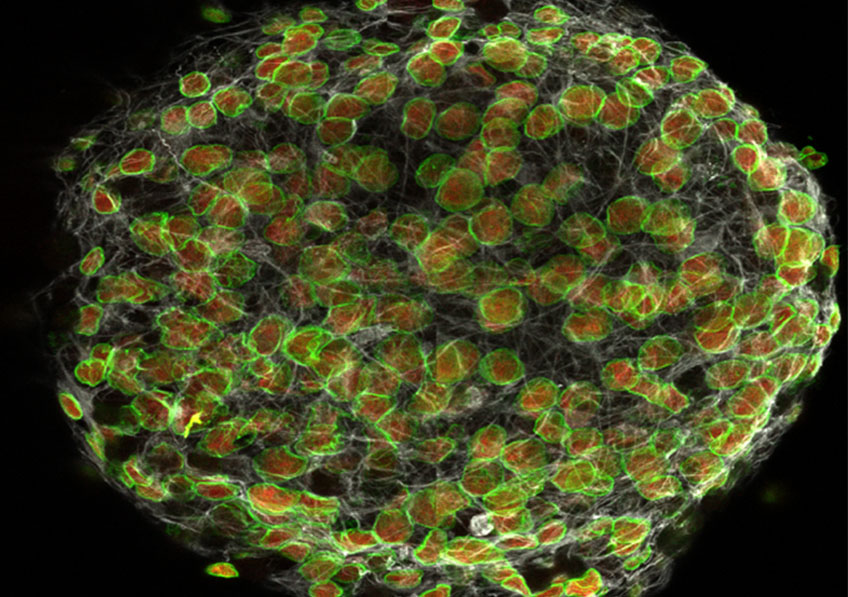
A small group of neural stem cells isolated from mice and cultured in vitro observed under a confocal microscope. (LaminB1 in green, Sox2 in red) © Perception and Memory Unit – Institut Pasteur

The process of aging is often related to the onset of cognitive decline, depression and memory loss. Scientists from the Institut Pasteur, CNRS and Inserm have discovered that administration of the GDF11 protein, which is known to regenerate murine neural stem cells, improves cognitive abilities and reduces the depressive state in aged mice. They also demonstrated the mechanism of action of this protein in different mouse models. The scientists then investigated these results further in relation to depression, and showed that in humans, the levels of GDF11 are inversely related to depressive episodes. The results of this study were published in the journal Nature Aging on February 2, 2023.

The process of aging is often related to the onset of neurological symptoms such as cognitive decline, memory loss or mood disorders such as depression. Previous studies have shown that the growth factor GDF11, a protein found in blood, has a beneficial effect on olfactory perception and on the generation of new cells in the brains of aged mice. The mechanism of action of GDF11 in the brain remained unknown.

Researchers from the Institut Pasteur, CNRS and Inserm have discovered that long-term administration of the GDF11 protein to aged mice improves their memory and significantly reduces behavioral disturbances related to depression, allowing them to return to a behavior similar to that seen in younger mice.

The scientists conducted further studies in different aged mouse models or mouse models with depression-like behavioral disorders and in vitro neuronal cultures, which enabled them to identify the molecular mechanism of action of GDF11. They discovered that administration of GDF11 activates the natural process of intracellular cleaning, called “autophagy”, in the brain and the elimination of senescent cells. The GDF11 protein thus indirectly increases cell turnover in the hippocampus and restores neuronal activity.

To better understand the link between depressive disorders and the GDF11 protein in humans, scientists from the Institut Pasteur, CNRS and Inserm, in collaboration with scientists from McMaster University, quantified the protein in the blood serum of an international cohort of young patients with major depressive disorder. They observed that GDF11 levels are significantly lower in these patients. Moreover, by measuring the levels of this protein at different stages, the scientists observed a fluctuation in the level depending on the depressive state.

This work provides clinical evidence linking low blood levels of GDF11 to mood disorders in patients with depression,” said Lida Katsimpardi, a researcher in the Institut Pasteur’s Perception and Memory Unit, affiliated with Inserm at the Institut Necker-Enfants Malades, and co-last author of the study. “In the future, this molecule could be used as a biomarker to diagnose depressive episodes. It could also serve as a therapeutic molecule for the treatment of cognitive and affective disorders,” she concludes.

Obesity and Overweight: Almost One in Two French People Affected. Current Situation, Prevention and Therapeutic Solutions

balance

© Photo i yunmai / Unsplash

Obesity is a global public health problem whose incidence continues to increase. According to the World Health Organization (WHO), the number of cases worldwide has almost tripled since 1975.

Obesity is associated with many comorbidities and has a high rate of mortality. This complex chronic disease is therefore estimated to increase the risk of cardiovascular disease (the leading cause of death worldwide), diabetes, musculoskeletal disorders, many forms of cancer (endometrial, breast, ovarian, prostate, liver, gallbladder, kidney, colon, etc.). More recently, data have shown that people with obesity are more susceptible to severe forms of COVID-19. Its impact on population health and its economic and social costs are therefore considerable.

This major public health issue is also one that affects France. In order to evaluate the impact of preventive measures such as the country’s National Nutrition and Health Program (PNNS), it was important to take thorough stock of the current epidemiological situation. The latest study on the subject, on the initiative of the French League Against Obesity and coordinated by researchers from Inserm and Montpellier University Hospital, was published in February in the Journal of Clinical Medicine. Based on the figures collected by the Odoxa polling institute, this study reveals the extent of the problem in highlighting that 47.3% of French adults are obese or overweight. It also provides specific information on the most affected populations by age group, region and socioprofessional activity, making it possible to refine prevention policies.

And beyond these prevention measures that are crucial to fighting obesity, how can we support individuals who are overweight or obese? While lifestyle interventions, particularly diet and physical activity, are essential, appropriate management is based on multidisciplinary and personalized approaches that also incorporate solutions in the form of medication, surgery, or both. Much progress has been made in recent years in the field of medication, as described in a literature review published in The Lancet, to which contributed Karine Clément, professor of nutrition and director of the Inserm unit Nutrition and Obesities: Systemic Approaches (Nutriomics).

Overweight and Obesity: Definition Elements

Obesity is defined by excessive body fat and modification of the adipose tissue, which cause health problems and can reduce life expectancy. Its causes are complex. It is the result of several factors – dietary, genetic, epigenetic and environmental – that come together and influence the development and progression of this chronic disease.

Adults are considered to be overweight when their body mass index (BMI) is equal to or greater than 25 and obese when their BMI is equal to or greater than 30. For children, age must be taken into account when defining overweight and obesity.

Read our special feature on obesity (only available in French).

The Latest Figures for France

Obépi-Roche is the name given to a series of surveys which had been coordinated by Inserm every three years between 1997 and 2012 in order to produce estimates of overweight and obesity prevalence in France. A new edition of this survey was launched by the French League Against Obesity in 2020, based on questionnaires collected by the Odoxa polling institute on a sample of 9 598 people living in mainland France, aged 18 years or older, and built using the quota-sampling method[1]. Coordinated by Annick Fontbonne, researcher at Inserm and David Nocca, doctor at Montpellier University Hospital, the analysis of the results reveals a worrying situation.

It showed that the prevalence of excess weight (which includes both overweight and obesity) was 47.3%, with 17% of subjects being obese. At first glance, these figures do not appear to be very different from the last estimates of the Obépi-Roche study of 2012. However, if we bear in mind the trends since 1997 and consider overweight and obesity separately, the observation is less favorable.

Since 1997, the prevalence of overweight has always fluctuated at around 30%, whereas that of obesity has continued to rise rapidly, from 8.5% in 1997 to 15% in 2012, and then to 17% in 2020. This increase is even more marked in the youngest age groups and for morbid obesity, whose prevalence had multiplied by around seven over the period.

“So we have to note that contrary to the expectations of public authorities and health professionals alike, obesity in France has continued to grow year on year since the rollout of the PNNS in 2001,” emphasize Annick Fontbonne and David Nocca.

The researchers went further in the analysis by highlighting differences in prevalence according to sex and age, region, and socioprofessional category.

Sex and Age

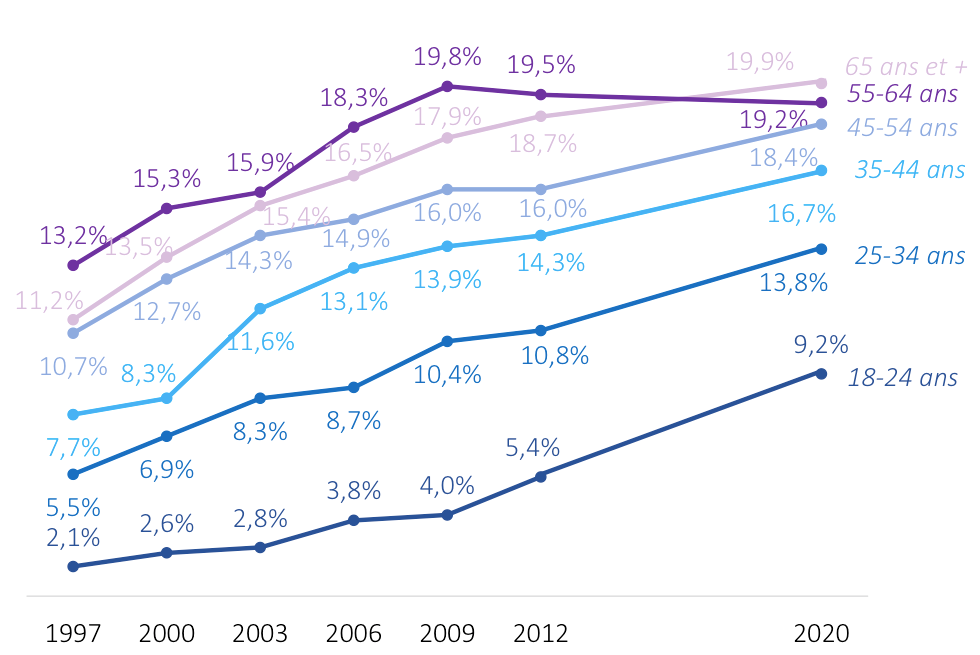
Older people are more overweight or obese than their younger counterparts, with excess weight affecting 57.3% of people aged 65 years and over compared to 23.2% of 18-24-year-olds. Nevertheless, the trends are more worrying, given that the youngest age groups have had the highest prevalence of obesity over the years. Since 1997, obesity among the 18-24-year-olds has more than quadrupled, and has almost tripled among the 25-34-year-olds, while the increase among those aged 55 and older has been low since 2009.

Differences between the sexes have also been observed. In 2020, while men were more often overweight than women (36.9% vs. 23.9%, respectively), the opposite was the case for obesity (16.7% vs. 17.4%, respectively).

obésitéEvolution of the prevalence of obesity by age groups between the 1997-2012 Obépi-Roche surveys and the 2020 Obépi survey.
 

Regional Disparities

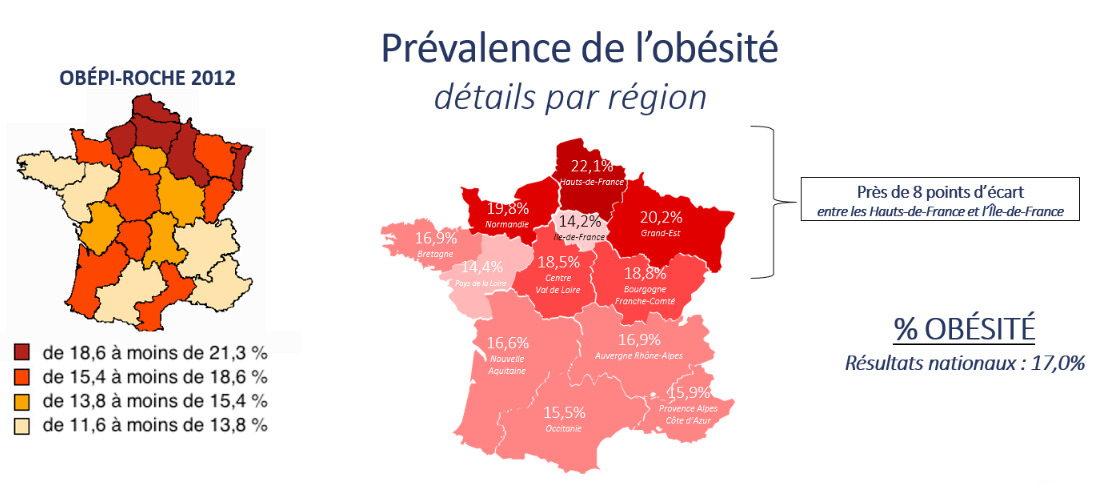
The prevalence of obesity in 2020 exceeds 20% in north and northeastern France, and is the lowest (below 14.5%) in Île-de-France and Pays de la Loire. If we exclude the latter two regions and Brittany, we see a decrease in the prevalence gradient when moving from the northern to the southern regions of France.

obésitéGeographic distribution of the prevalence of obesity in 2020 in the French regions


 

Socioprofessional Categories

The scientific literature reveals that overweight and obesity are generally more common in the disadvantaged social categories. The Obépi 2020 study confirms this observation for the occupational qualification criterion, as the prevalence of excess weight is 51.1% among factory workers or equivalent, 45.3% among clerks, 43% among people in intermediate jobs, and 35% among managers or people in equivalent positions.

The trend is the same when we look at obesity: while the figures are similar for factory workers or equivalent (18%) and clerks (17.8%), they are markedly lower among managers or people in equivalent positions (9.9%). The intermediate jobs have a prevalence of obesity of 14.4%. It should also be noted that the trends have been increasing since 1997 in all occupational categories.

The authors conclude: “The study had been much awaited in order to obtain a rigorous overview of overweight and obesity in France. When compared to previous surveys, it has shown that although the prevalence of excess weight (overweight and obesity) is appearing to plateau, the prevalence of obesity is increasing rapidly and has doubled since 1997. In addition, the slope is more pronounced in younger generations and for the most severe degrees of obesity. Given the slight differences in methodology between the 1997-2012 and 2020 surveys, it would be desirable to repeat this series of surveys in order to confirm and monitor these worrying trends. “


Managing Obesity: Innovative Multidisciplinary Approaches

While prevention is the cornerstone in the fight against obesity and its associated comorbidities, it is also necessary to recognize that it is a complex chronic disease, to which therapeutic responses should also be provided.

The goal of obesity management is to improve health. Sustained weight loss of more than 10% overall bodyweight improves many of the complications associated with obesity (e.g. prevention and control of type 2 diabetes, hypertension, fatty liver disease, cardiovascular diseases and obstructive sleep apnea), as well as quality of life.

However, maintaining the weight loss is the major challenge of obesity management. Like all complex chronic diseases, obesity depends on factors that vary from one individual to another and managing it requires a long-term, multimodal approach, taking into account each individual’s treatment goals, and the benefits and risks of the different therapies.

Lifestyle interventions (dietary habits, physical activity/inactivity, sleep, psychological difficulties, etc.) form the first pillar of this management, but they are rarely sufficient in achieving and maintaining significant long-term weight loss. Depending on individual situations, management can therefore be combined with other strategies that include anti-obesity medications and bariatric surgery.


Medication

Most available “historical” anti-obesity medications work on neurotransmitters (such as serotonin) that act on appetite regulation and reward circuits, in order to reduce hunger, promote the feeling of satiety, and decrease the reward sensation associated with food. Many of these treatments have had to be withdrawn due to side effects, leaving patients and their doctors without pharmacological tools.

However, over the past five years, significant therapeutic advances have led to the development of a new generation of anti-obesity medications. These new treatments, which are similar to the intestinal hormones (incretins) and also used in combination with other molecules (GLP1, GIP, etc.), are highly effective. They are associated with weight losses of more than 10% of overall bodyweight in more than two-thirds of clinical trial participants. Known for their initial actions on the pancreas by promoting the secretion of insulin, they also act on satiety mechanisms in the central nervous system. Long-term data on safety, efficacy, and cardiovascular outcomes are awaited in order to make progress in bringing these medications to market.

These advances also concern a new targeted treatment for rare and very severe forms of genetic obesity that begin in childhood. This treatment induces weight loss by acting on the serious eating disorders experienced by these patients and leads to an improvement in their quality of life and that of those around them.


And What About Surgery?

Long-term studies have shown that bariatric surgical procedures typically lead to a durable weight loss of 25% and rapid, sustained improvements in complications of obesity and in mortality. Less invasive endoscopic techniques are also possible in some cases. However, the surgical approach, more invasive than medication, has not yet been compared to the new-generation anti-obesity treatments.

“Further work is required to determine optimal patient-specific treatment strategies, including combinations of lifestyle interventions, anti-obesity medications, endoscopic and bariatric surgical procedures, and to ensure equitable access to effective treatments for these complex pathologies,” concludes Clément, co-author of the literature review published in The Lancet.


[1]The quota method is a sampling method that consists of ensuring the representativeness of a sample by assigning it a structure similar to that of the general population.

Who are the first ancestors of present-day fish?

poisson arowana

Arowana fish © Pixabay

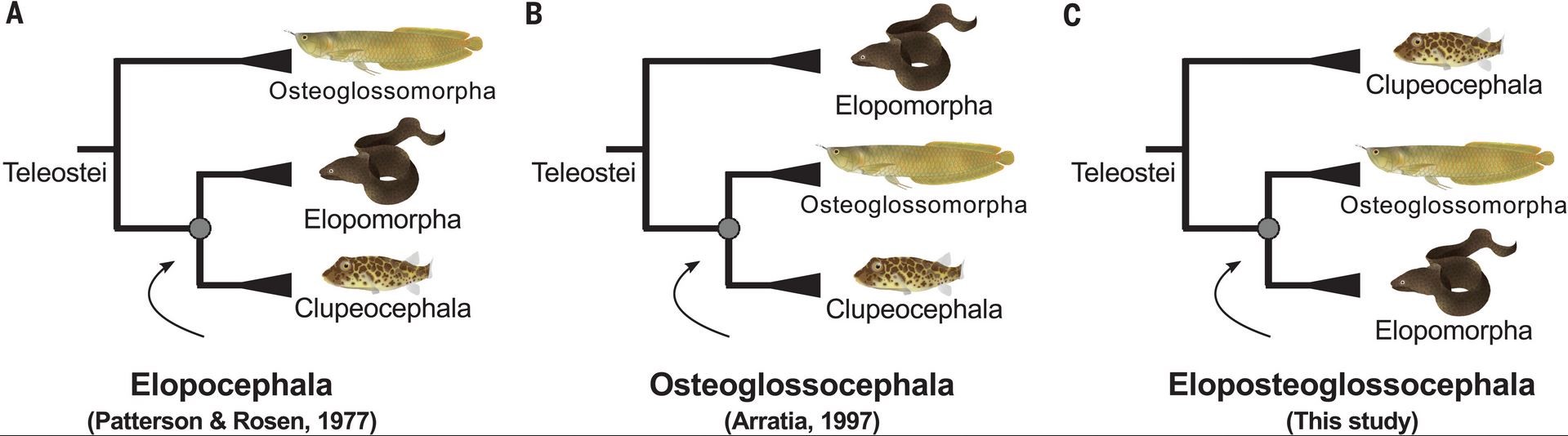
What is the origin of the ancestors of present-day fish? What species evolved from them? A 50-year-old scientific controversy revolved around the question of which group, the “bony-tongues” or the “eels”, was the oldest. A study by INRAE, the CNRS, the Pasteur Institute, Inserm and the Muséum National d’Histoire Naturelle, has just put an end to the debate by showing through genomic analysis that these fishes are in fact one and the same group, given the rather peculiar name of “Eloposteoglossocephala”. These results, published in Science, shed new light on the evolutionary history of fish.

Understanding the evolutionary history of species through their relatedness is an essential issue and regularly the subject of scientific controversy. One of them concerns the position, in the tree of life, of the three oldest groups of teleost fishes, which appeared towards the end of the Jurassic period (from 201.3 to 145 million years ago) and which include most of our present-day fishes. These three groups consist of the “bony-tongues”, the “eels” and a group that unites all other species of teleost fishes. Early classifications in the 1970s, based solely on anatomical criteria, had classified the “bony-tongues” as the oldest group. Modern classification approaches, however, based on the use of DNA sequences to reconstruct the evolutionary history of life, placed the “eels” as the oldest group. Ever since, controversy has ensued.

What if both hypotheses were wrong?

To investigate this question, scientists sequenced the genomes of several species in the “eel” group, including the European eel and the giant moray eel. They analysed the DNA sequences to gain insight into the structure and organisation of the genes within the genome. They were thus able to reconstruct, in a very reliable way, the relationships between the different teleost fishes, which led to an end of the controversy without winners or losers: neither hypothesis was valid!

Surprisingly, scientists have discovered that the two groups of “eels” and “bony-tongues” are in fact one and the same in terms of evolutionary history. The researchers have named this group “Eloposteoglossocephala”. These results put an end to more than fifty years of controversy about the evolutionary history of the main branches of the teleost fish tree of life.

They shed new light on the evolutionary history of fishes and the understanding of evolutionary processes.

Who are the first ancestors of present-day fish?


Teleost fish trees of life representing the two hypotheses of the controversy and its resolution in the present study


Professor Didier Samuel Appointed Chairman and Chief Executive Officer of Inserm

Didier Samuel PDG Inserm 1er février 2023

Didier-Samuel ® Christophe-PEUS

Appointed today in the Council of Ministers following the proposal of the Minister of Higher Education and Research and the Minister of Health and Prevention, Professor Didier Samuel becomes Chairman and Chief Executive Officer of Inserm.

Doctor and researcher, Didier Samuel has devoted himself to both fields throughout his career.

Professor of Hepatology at Université Paris-Saclay, Director of the Department of Hepatology and Hepatic Intensive Care at Paul-Brousse Hospital and Medical Director of the liver transplant program at the same hospital, Samuel has treated and monitored over 4,500 liver transplant patients. Dean of the Paris-Saclay Faculty of Medicine since 2017 and elected Chair of the Conference of Deans of Medicine in 2022, he also chaired France’s National Committee for Research Coordination.

Since 2005, Samuel led an Inserm research unit devoted to the physiopathogenesis and treatment of liver diseases. His expertise in the field of liver diseases and liver transplantation is internationally renowned.

“I am pleased and honored to have been appointed to carry out the important mission of chairing Inserm, which plays a central role in medical research in France. Committed to the quality of our scientific research, convinced that it is also the foundation for high-quality medicine, it is my wish to promote innovation, excellence, and fruitful coordination among all who endeavor for our biomedical research, serving the health of all citizens,” declares Professor Didier Samuel, Chairman and Chief Executive Officer of Inserm.

Cystic Fibrosis: A New Therapeutic Avenue Thanks to Research Into an Edible Mushroom

Lepista flaccida, champignon comestible

Lepista flaccida, an edible mushroom found in the northern hemisphere, was the focus of research by French teams into ways of correcting certain genetic mutations known as nonsense mutations. © MNHN/CNRS – Christine Bailly

A molecule obtained from an edible mushroom could open up therapeutic avenues for patients with cystic fibrosis, the most frequent rare genetic disease. A team led by Fabrice Lejeune, Inserm researcher at the Cancer Heterogeneity, Plasticity and Resistance to Therapies laboratory[1] (Inserm/ CNRS/ Université de Lille/Institut Pasteur de Lille/University Hospital Lille) tested the effects of 2,6-diaminopurine (DAP), one of the active principles contained in the Lepista flaccida mushroom, in different experimental models of the disease.  The scientists have shown that this molecule could be of therapeutic value in patients with cystic fibrosis linked to a particular type of mutation known as a nonsense mutation. Their findings have been published in Molecular Therapy.

Around 6,000 people in France have cystic fibrosis, a genetic disease that primarily affects digestive and respiratory function, and has a 40 to 50-year life expectancy. Nevertheless, therapeutic innovations have improved patient prognosis in recent years. Treatments are now available for the vast majority of patients – those whose disease is caused by the delta F508 mutation of the CFTR gene. In these patients, the CFTR protein (coded by the CFTR gene) is present in small amounts but is dysfunctional. The molecules currently available are able to correct this dysfunction and significantly improve their clinical symptoms.

However, they are not effective in the 10% of patients for whom the protein is completely absent, as is the case when the disease is linked to a nonsense mutation (see box).

Nonsense Mutations and Genetic Diseases

DNA is made up of nucleotides, organic compounds that code the amino acids implicated in the synthesis of the proteins needed for the body to function correctly. In practice, nonsense mutations introduce a “stop codon” in the mutated gene, i.e. a sequence of nucleotides that brings the synthesis of the corresponding protein to a premature halt. From that point, the protein is no longer produced, leading to the onset of the clinical symptoms of the disease.

Identifying ways to correct nonsense mutations is therefore an important challenge for researchers studying genetic diseases and who hope to develop new therapeutic options against cystic fibrosis.

In this context, Inserm researcher Fabrice Lejeune and his team[2] made an innovative finding in 2017 by showing that extracts of a commonplace edible mushroom known as Lepista flaccida could repair nonsense mutations in three cell lines isolated from cystic fibrosis patients. A few years later in 2020, Lejeune and his team published a study identifying the active principle in the mushroom that is capable of correcting the nonsense mutations associated with the UGA stop codon – the most common of the three stop codons of the human genetic code. The active principle concerned was 2,6 diaminopurine (DAP).

In their latest research, the scientists tested the effects of this molecule in four experimental models of cystic fibrosis: animal models of the disease, developed in the laboratory; cell lines; patient cells and organoids. This diversity of models makes it possible to be as close as possible to what is happening in the patient’s body, in order to assess the potential therapeutic benefits they may obtain.

The results obtained by the team suggest that DAP corrects the nonsense mutation in the different models studied, by re-establishing protein production and effectively restoring the function of the mutated gene.

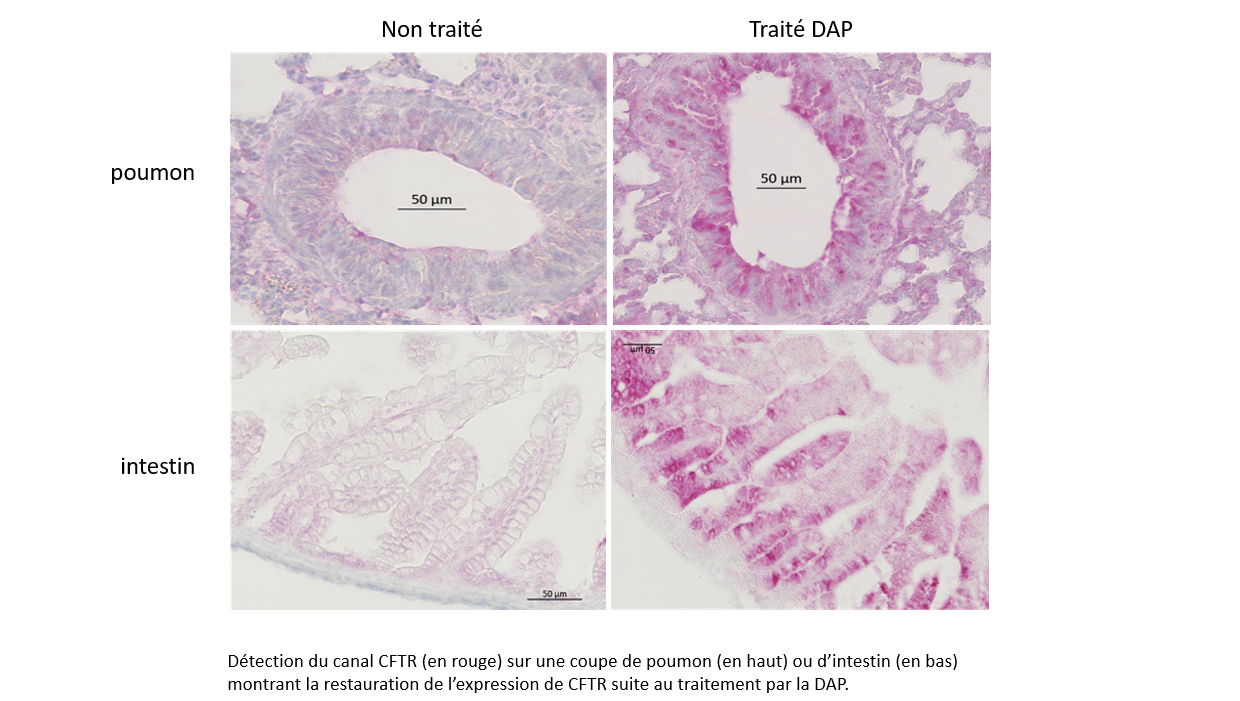
In clinical terms, this results in an improvement in symptoms in animals. The treatment with DAP makes it possible to restore CFTR expression in the lungs and intestines as well as the function of this protein, significantly reducing the premature mortality observed prior to administration of this molecule.

In addition, the research team has also shown that DAP can be given orally and that it is distributed effectively throughout the body for around two hours. These characteristics are also a positive point when it comes to considering DAP as a serious therapeutic avenue, as this means that we could reach all the tissues in the body while limiting the duration of exposure to the molecule, thereby reducing possible side effects.

“DAP could represent the first molecule capable of providing therapeutic benefit to patients with cystic fibrosis linked to a nonsense mutation and, more broadly, to patients with a genetic disease linked to a nonsense mutation,” explains Lejeune.

These results pave the way for a potential clinical trial in the coming years to test the efficacy of the molecule in patients. Before this, the goal is to develop the best possible formulation for the drug and to carry out toxicity tests to ensure its safety in humans. In the shorter term, the teams also want to test DAP in models of other rare genetic diseases, particularly Duchenne muscular dystrophy and Rett’s syndrome, for which over 60% of patients are affected by nonsense mutations.


[1] Cancer Heterogeneity, Plasticity and Resistance to Therapies laboratory at the ONCOLille institute

[2]The following research units also contributed to these findings: Communication Molecules and Adaptation of Micro-organisms (CNRS/MNHN), Biometrics and Evolutional Biology Laboratory (CNRS/Université Claude Bernard Lyon 1/VetAgro Sup), Lille Platforms in Biology and Health (PLBS) (CNRS/University Hospital Lille/Inserm/Institut Pasteur Lille/Université Lille), Strasbourg Platform for Integrative Biological Chemistry (CNRS/Université de Strasbourg).

Discovery of a circovirus involved in human hepatitis

circovirus_ illustration

© Adobe Stock

Scientists from the Institut Pasteur, Necker-Enfants Malades Hospital (AP-HP), Inserm in the Imagine Institute, Université Paris Cité and the Alfort National Veterinary School (EnvA) have identified a previously unknown species of circovirus, provisionally named human circovirus 1 (HCirV-1). Circoviruses are a family of small, highly resistant DNA viruses that were initially identified in 1974 in various animal species, where they can cause respiratory, renal, dermatological and reproductive problems. HCirV-1 is a novel virus that is distant from known animal circoviruses. It was shown to be implicated in damage to the liver of a patient undergoing immunosuppressive treatment. This discovery of the first circovirus in humans, linked to hepatitis, was published in the journal Emerging Infectious Diseases on January 3, 2023.

Although the transmission of animal viruses to humans is regularly reported in the scientific literature, it is rare for a novel virus to be identified in a patient in Europe. But as part of a recent study, scientists and physicians have identified the first circovirus involved in human hepatitis.

The patient had unexplained chronic hepatitis, with few symptoms. She had received a heart-lung transplant 17 years earlier and had been monitored regularly since. We had access to a large number of samples over several years and were therefore able to identify this novel virus, which was completely unexpected,” explains Marc Eloit, last author of the study, Head of the Institut Pasteur’s Pathogen Discovery laboratory and a Professor of Virology at the Alfort National Veterinary School (EnvA). His laboratory specializes in the identification of pathogens in patients suspected of severe infection of unknown cause.

In March 2022, in collaboration with the Department of Clinical Microbiology at Necker-Enfants Malades Hospital (AP-HP), the pathological tissue samples of this 61-year-old female patient receiving immunosuppressive treatment, whose hepatitis had no identifiable cause, were sequenced to search for microbial sequences. The RNA (ribonucleic acid) sequences extracted from the tissues were analyzed and compared with those of known microbes.

The aim is to identify sequences of interest among all the sequences obtained, which is like searching for a needle in a haystack!” continues the scientist Marc Eloit.

These thousands of RNA sequences were analyzed in parallel using mNGS (metagenomic next-generation sequencing) high-throughput sequencing techniques and sophisticated algorithms. After ruling out common etiologies, the analysis led to the identification of a previously unknown species of circovirus, provisionally named human circovirus 1 (HCirV-1). No other viral or bacterial sequence was found.

The involvement of HCirV-1 in the hepatitis was then demonstrated by analyzing samples taken from the patient in previous years as part of her post-transplant treatment. The results showed that the HCirV-1 viral genome was undetectable in the blood samples from 2017 to 2019, then that its concentration peaked in September 2021. Viral replication in liver cells was demonstrated (2 to 3% of liver cells were infected), pointing to the role of HCirV-1 in liver damage: once the virus has used the resources in the liver cell to replicate, it destroys the cell.

From November 2021 onwards, following antiviral treatment, the patient’s liver enzymes returned to normal levels, indicating the end of hepatic cytolysis.

Diagnosing hepatitis of unknown etiology remains a major challenge, as shown by the cases of acute hepatitis reported in children in the United Kingdom and Ireland last April and signaled by WHO.

We need to know the cause of the hepatitis, and especially whether or not it is viral, to be able to offer suitable treatment and monitor patients effectively. The identification of this novel virus that is pathogenic in humans, and the development of a test that can be performed by any hospital laboratory, offers a new tool for diagnosing and monitoring patients with hepatitis,” stresses Anne Jamet from the Department of Clinical Microbiology at Necker-Enfants Malades Hospital (AP-HP), who is also affiliated with Inserm and co-last author of the study.

Although some circoviruses are pathogenic for animals and vaccines can be administered, especially in pigs, this is the first known circovirus to be pathogenic for humans. The patient’s symptoms remained mild; the virus was able to be identified because she was being closely monitored following her combined transplant. The origin of the virus – whether it is circulating in humans or of animal origin – has yet to be identified, and the source of infection (contact, food, etc.) remains unknown. Following their discovery, the scientists developed a specific PCR test that is now available for etiological diagnosis of hepatitis of unknown origin. A serological test is also being developed.

These results show the value of this type of sequencing analysis in identifying novel or unexpected pathogens. It is always important for clinicians to know whether or not an infection is viral so that they can adapt the treatment accordingly. It is also crucial to be able to identify a novel pathogen when an infection remains unexplained and to develop a diagnostic test, because any new case of human infection with an emerging pathogen may potentially signal the start of an outbreak,” concludes Marc Eloit. The test is available for the medical community and can now be easily performed for other cases of unexplained hepatitis.

fermer